Disocactus ackermanni, Red Orchid Cactus, Jungle Cactus
👹 This giant red stared right back at me
🌺 Disocactus ackermanni, also called the Red Orchid Cactus, or Jungle Cactus - is one of those plants that surprises you even when you already know it well. It grows like a tropical fern, with flat, leaflike stems that hang and drape from a basket. Most of the year it looks calm and green. Then, without much warning, it opens a single huge, bright red flower that can reach up to 6 inches wide. The color is intense, almost glowing, and the bloom only lasts a short time, which makes it even more special.
🌺 Despite being a cactus, it behaves nothing like a desert plant. This species is native to the tropical forests of Mexico, where it grows as an epiphyte in trees. It prefers shade or filtered light, and it enjoys regular watering. No spines, no trouble, just a very unusual growth habit and a spectacular bloom.
🌺 The plant usually flowers from spring through summer, sometimes offering more than one flush. When it does, it always steals attention, and it is one of those plants visitors immediately point at and ask about. This makes it a favorite among collectors of epiphytic cacti and unusual hanging plants.
🌺 If you grow it in a hanging basket and give it bright shade, humidity, and consistent moisture, it rewards you with one of the most striking red flowers you will ever see!
It opens overnight, wakes up just for Thanksgiving!
Gloxinia sylvatica - Bolivian Sunset
🔥 It opens overnight, wakes up just for Thanksgiving!
🔥 Gloxinia sylvatica - Bolivian Sunset, is one of those plants that waits for the perfect cool morning and then explodes in red.
🔥 The blooms really do show up overnight - bright fire-red, glowing even in deep shade. and blooms all through fall and winter. In Summer it sleeps, then flowers come back in Fall.
🔥 It's an easy, water-loving, shade-loving plant that makes a showy holiday ground cover. It stays low, spreads from rhizomes. And if you like sharing plants, this one gives you plenty of starts to pass around during the holidays. Perfect timing, perfect color, perfect seasonal surprise!
The most asked-about tree in the Sunshine State: Bauhinia
Purple Orchid tree - Bauhinia purpurea
🌸 The most asked-about tree in the Sunshine State: Bauhinia
🌸 If you visit Florida in winter, chances are you will notice a tree covered in orchid-like flowers and wonder what it is. That tree is often an orchid tree, most commonly Bauhinia purpurea. It is fast growing, wide spreading, and blooms from late winter through spring, sometimes with a second round in summer. The flowers range from magenta to lavender, are lightly fragrant, and stand out even from a distance. The leaves are just as distinctive - split into two halves like butterfly wings, which is why these trees are also called butterfly trees.
🌸 Orchid trees are easygoing and practical. They thrive in full sun, tolerate many soil types as long as drainage is good, and need little water once established. Growth is quick, often 2–3 feet per year, making them excellent shade trees for hot climates. The flowers attract bees, butterflies, and hummingbirds, and in some cultures the buds and blossoms are used in cooking, while the bark has a long history in folk remedies. Beautiful, useful, and low maintenance, orchid trees are a perfect fit for Southern landscapes.
Sapodilla - Manilkara or Achras zapota, the Brown Sugar Fruit
🍊 How to make Sapodilla fruit profusely?
Sapodilla - Manilkara or Achras zapota), the Brown Sugar Fruit is a warm-climate evergreen fruit tree that can produce a lot of fruit once conditions are right. So why do so many sapodilla trees grow beautifully, flower heavily, and still refuse to set fruit?
Sapodilla Fruit Production - What Really Matters
1. 🌳 Choose the Right Tree
Grafted or air-layered trees fruit much sooner - typically in 1-2 years - and more reliably than seedlings, which may take 6–8+ years.
Some varieties are more profuse producers than others. For example, Silas Woods is virtually everbearing, Hasya is commercial prolific producer, Oxkutzcab (or Ox) -is also heavily productive (learn more about varieties).
2. ☀️ Environment: Heat, Sun & Water Balance
Temperature and Humidity
Excessive heat above 90F and low humidity can cause flowers to dry up and fall before setting fruit.
Solution: Provide filtered light or shade during the hottest part of the day to reduce heat stress on blossoms.
Water
Sapodillas are drought tolerant, but consistent moisture during flowering and fruit set improves fruit retention.
Avoid waterlogged conditions - soggy soil can stress roots and reduce yield.
Sun Exposure
Full sun is best for growth and flowering - but for hot climates, protection during peak afternoon heat helps reduce flower drop.
Young trees can also suffer sunburn.
3. Fertilization: Feed for Fruit, Not Just Foliage
Good nutrition is critical for flowers to turn into fruit. Apply a routine feed through the growing/flowering season - contolled-release (Green Magic) or liquid (Sunshine C-Cibus) both work.
Balanced fertilizer with trace elements like Boron (B), Molybdenum (Mo), Iron (Fe), and Copper (Cu) is essential for fruit set and development. Boron & Molybdenum deficiency as a frequent cause of flower/fruit drop in container-grown trees (nutrients get depleted quickly in pots).
Micro-nutrient sprays 2-3 times per year help improve fruit retention and quality. Some growers use sugar boosters (Sunshine Honey) or micronutrient blends that include Mo & B to help fruit set (Sunshine Superfood).
4. 🐝 Pollination - Often Overlooked
Sapodilla flowers are small and often require pollinators for best fruit set.
In some regions, small insects like thrips are key pollinators.
In places with low insect activity, hand pollination dramatically increases fruit set - brushing pollen from one flower to another with a small paintbrush during peak bloom times can help.
Placing fruit scraps (apple peels/banana peels) under the tree to attract beetles is an inexpensive way to boost insect activity.
5. ✂️ Pruning and Tree Structure
Moderate pruning can help open the canopy for better light penetration and air circulation, which supports flowering and reduces stress. Training young trees promotes a strong branch structure that can carry more fruit later. Sapodilla flowers on young growth (tips of the branches).
6. Pot vs Ground: Size Matters
If your sapodilla is in a container, root bound trees struggle with fruit set because roots run out of space and nutrients - stepping up to a larger container or planting in the ground can help.
Root-bound trees often bloom but fail to develop fruit.
7.
📅 Patience & Timing
Even healthy trees can take years to start fruiting well.
Trees often flower repeatedly but only set fruit when environmental conditions and pollination align - especially important for young or newly planted trees.
📌 Summary Checklist for Better Sapodilla Fruiting
✔️ Choose a grafted variety (faster, more reliable fruit).
✔️ Manage heat & humidity - shade during hot hours.
✔️ Water consistently but avoid waterlogging.
✔️ Fertilize balanced NPK + micronutrients (include B & Mo).
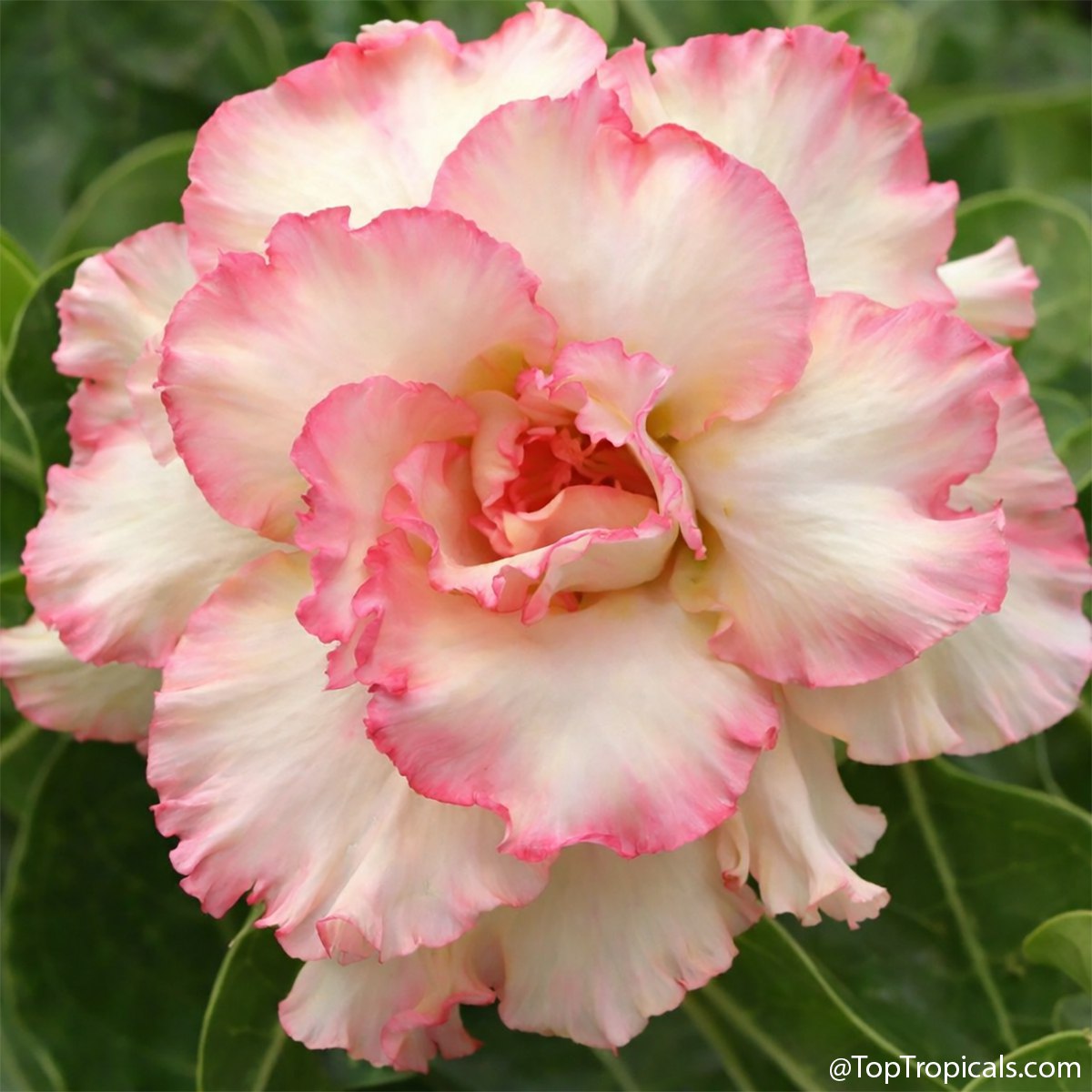
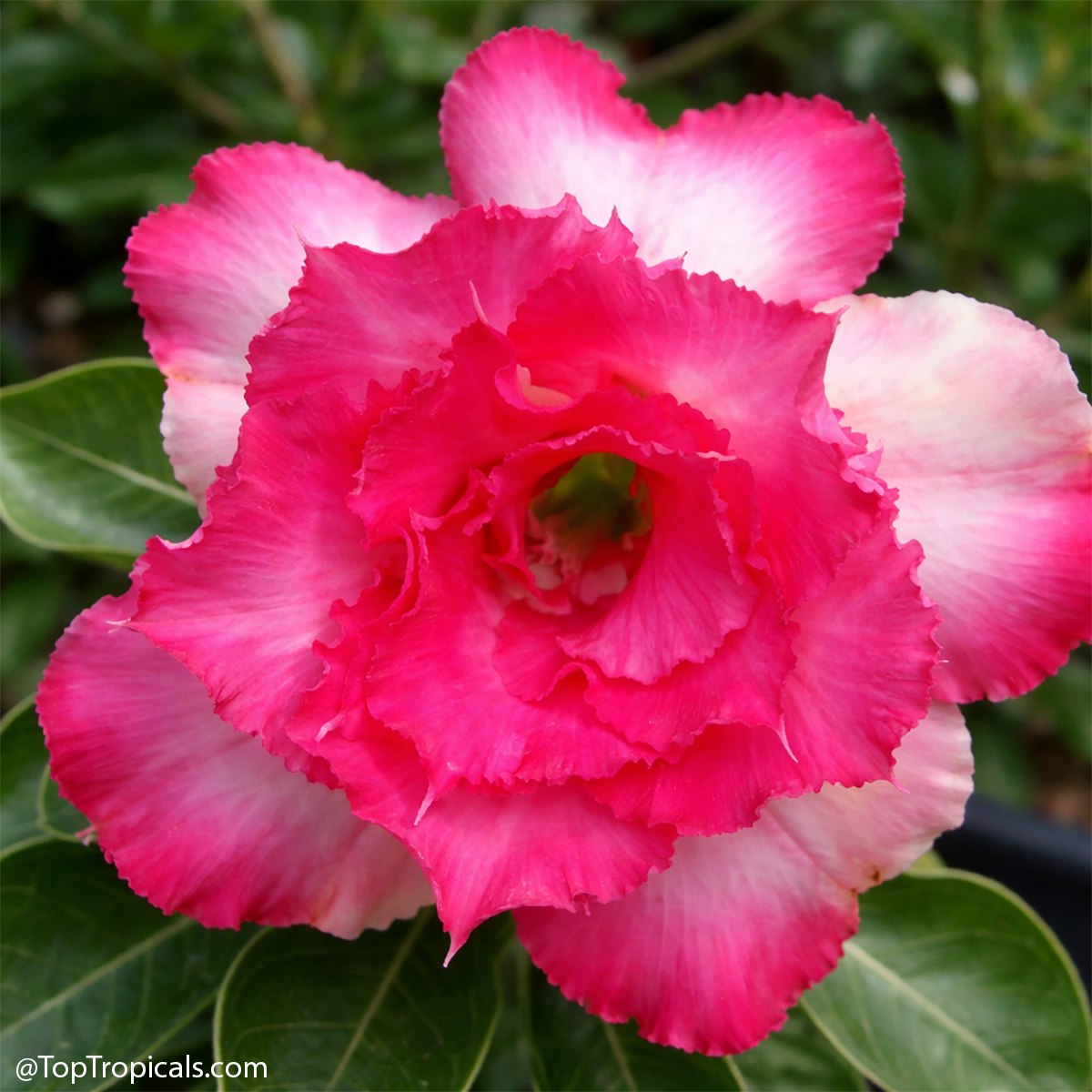
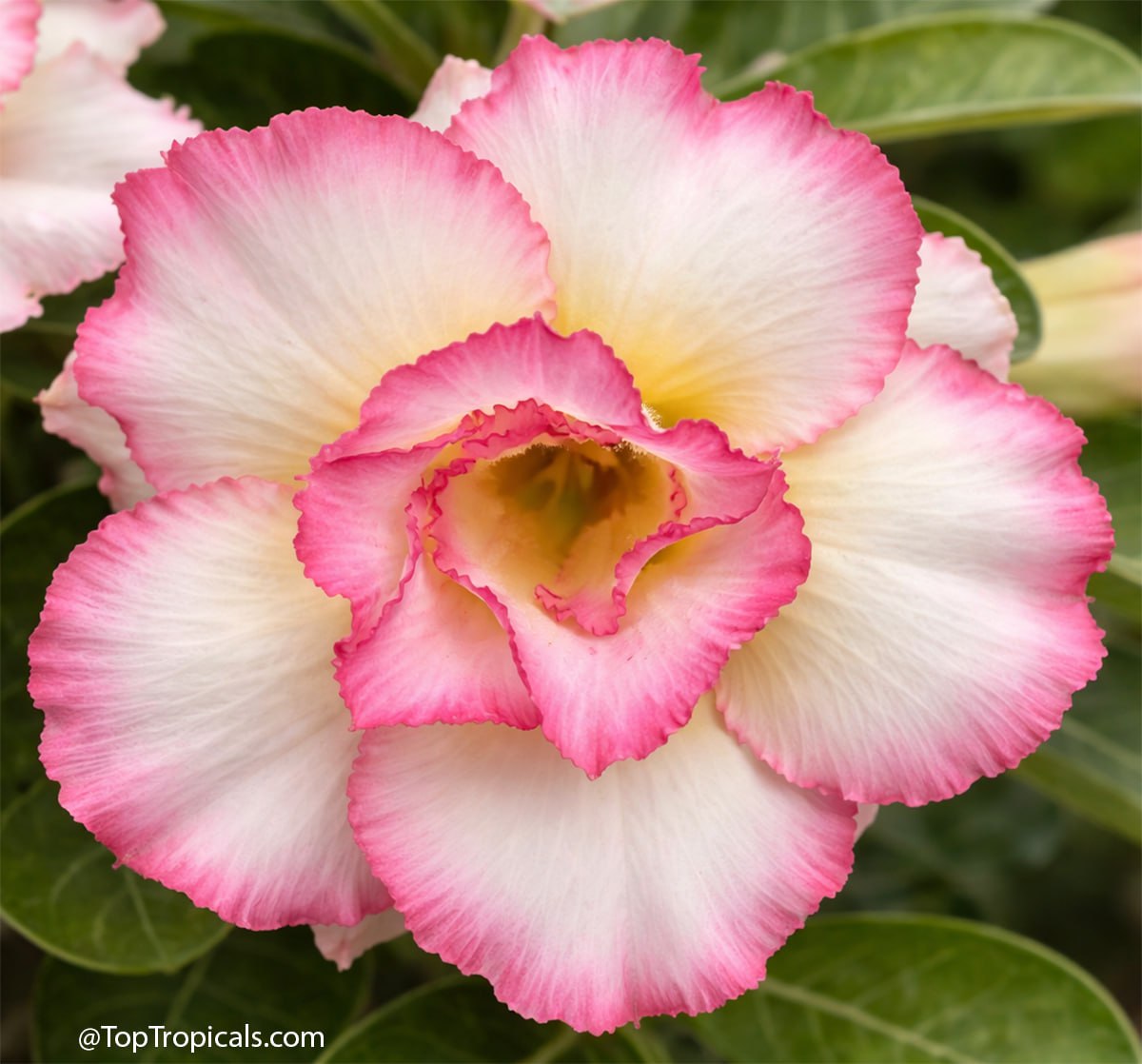
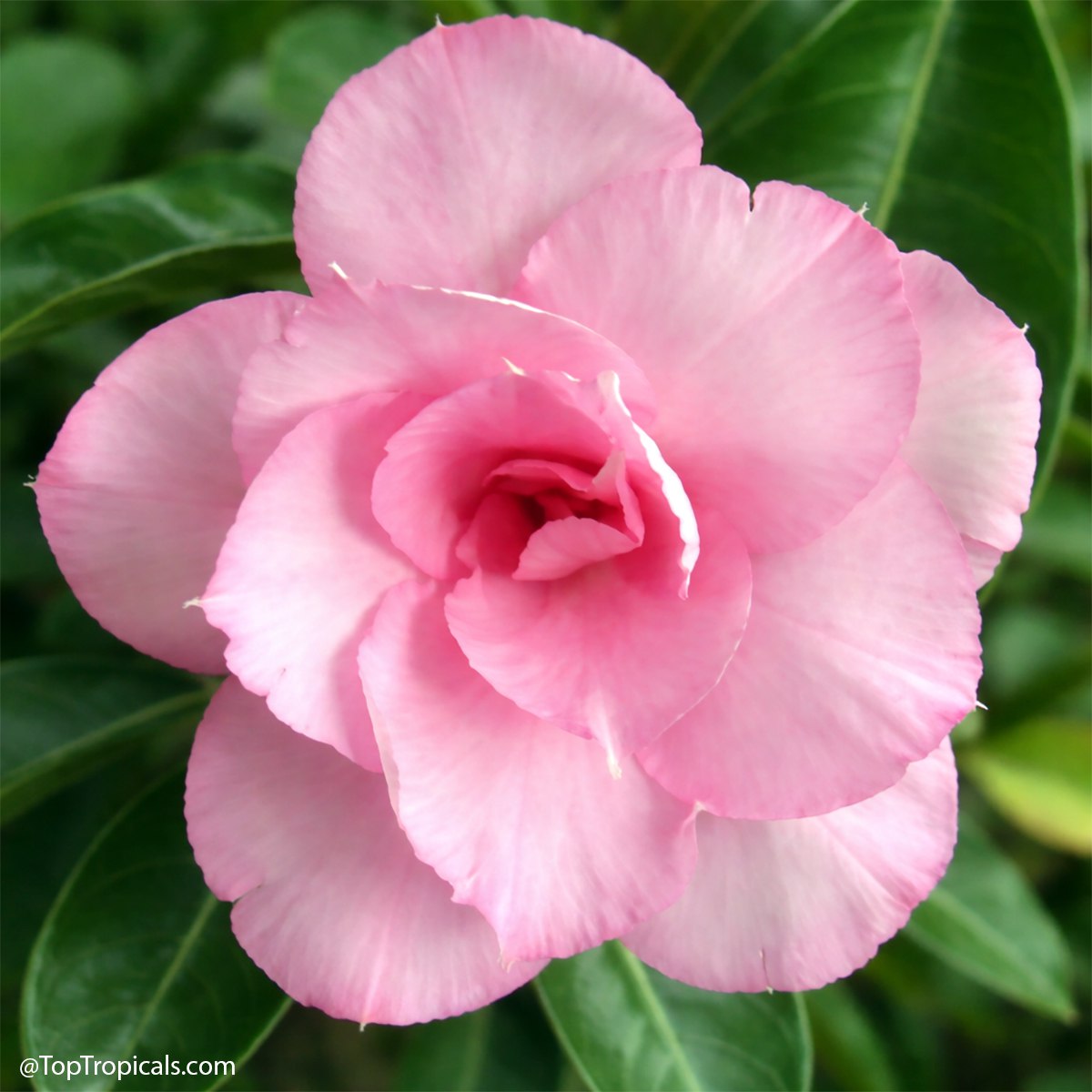
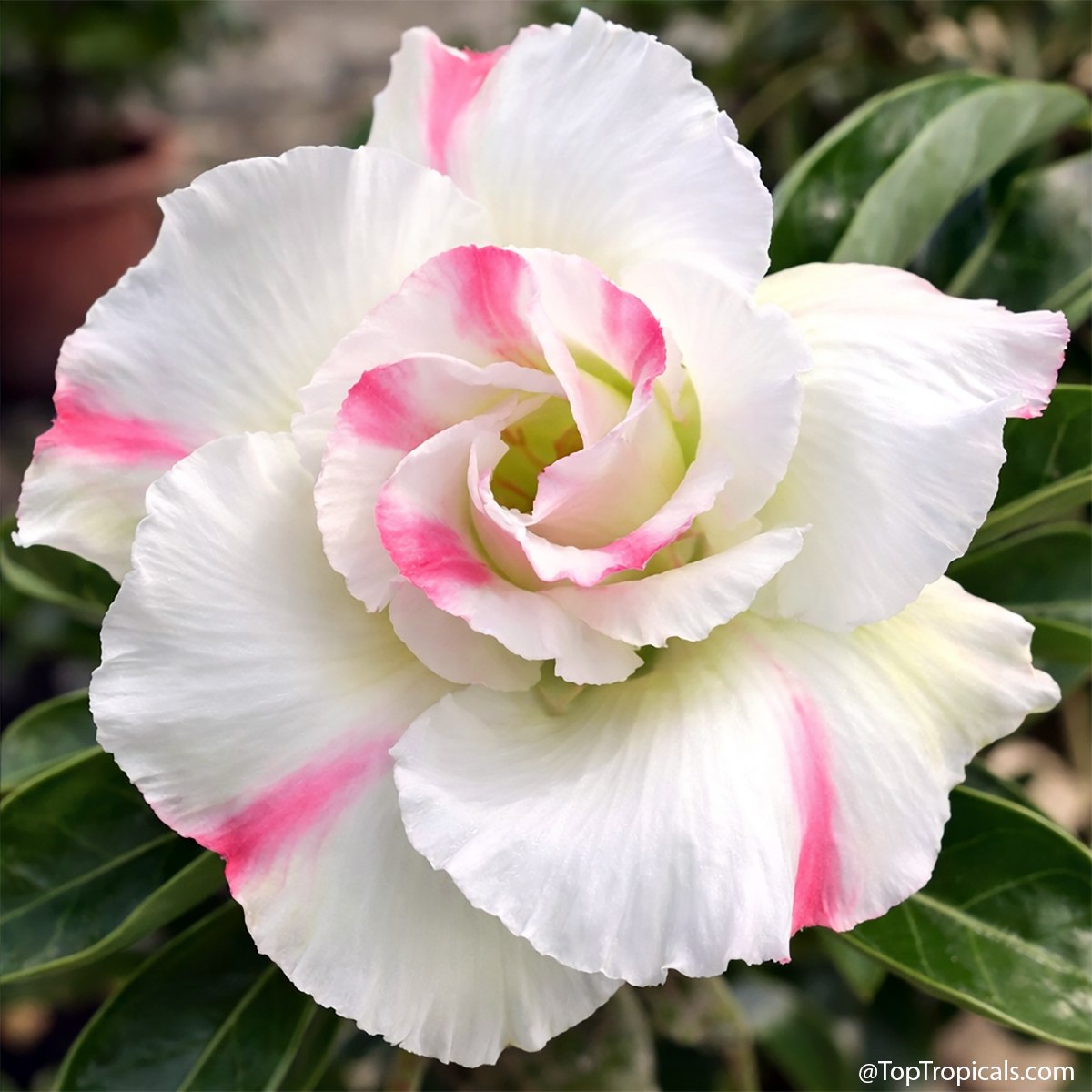
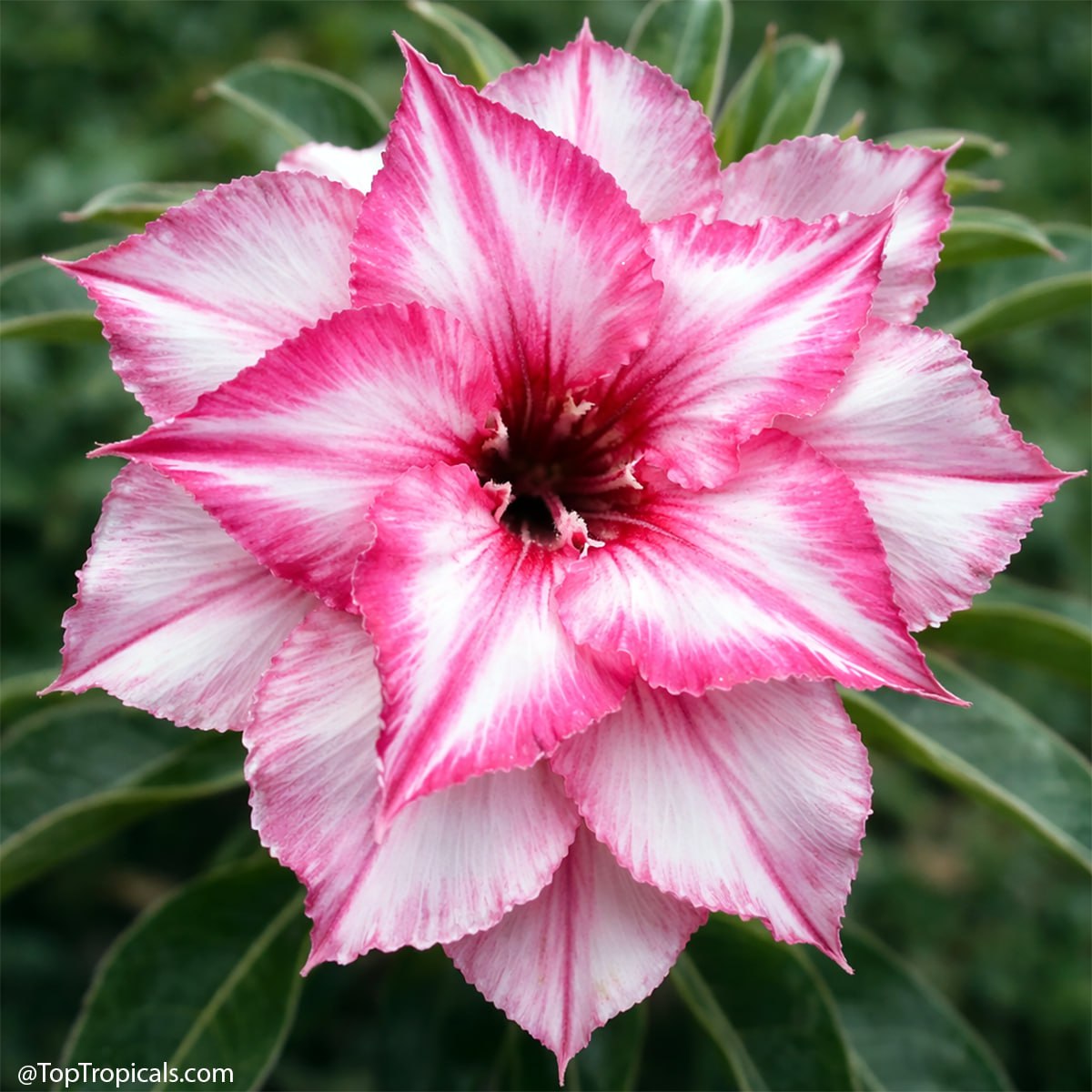
Some adeniums go bold, and some stay soft and classic.
This set is all about pink - from light and delicate to rich and bright. Simple at first glance, but full of subtle differences once you look closer.
💡 Growing from seed vs grafted Adeniums
You can grow adeniums from seeds, and it’s the only way to get that naturally swollen caudex from the start.
Seedlings develop a nice base, but they take time - usually 2–3 years before blooming.
There’s also a catch: seed-grown plants don’t come true to type. Most will turn into simple pink flowers, no matter what the parent looked like.
That’s why named varieties are grafted. A selected variety is grafted onto a seed-grown plant with a developed caudex - so you get both the shape and the exact flower you want.
🌸 Today's featured adeniums
✦ Uncle Tu: Soft pink tones with a clean, balanced bloom.
✦ Leela: Gentle pink shades with a refined, elegant look.
✦ Ploy Nappan: Named like a jewel - layered pink tones with depth.
✦ Pratuma: Classic pink form with a smooth, rounded shape.
✦ Snow White: Very light, almost white bloom with a soft pink touch.
✦ Talab Phet: Richer pink with a slightly deeper, more intense tone.
Pink may look simple - but once you line them up like this, you realize how different each one really is.
And somehow, there’s always room for one more pink!