Garden Blog - Top Tropicals

Date: 23 Feb 2026

Macadamia Tree Care

By Tatiana Anderson, Horticulture Expert at Top Tropicals with Smokey & Sunshine help
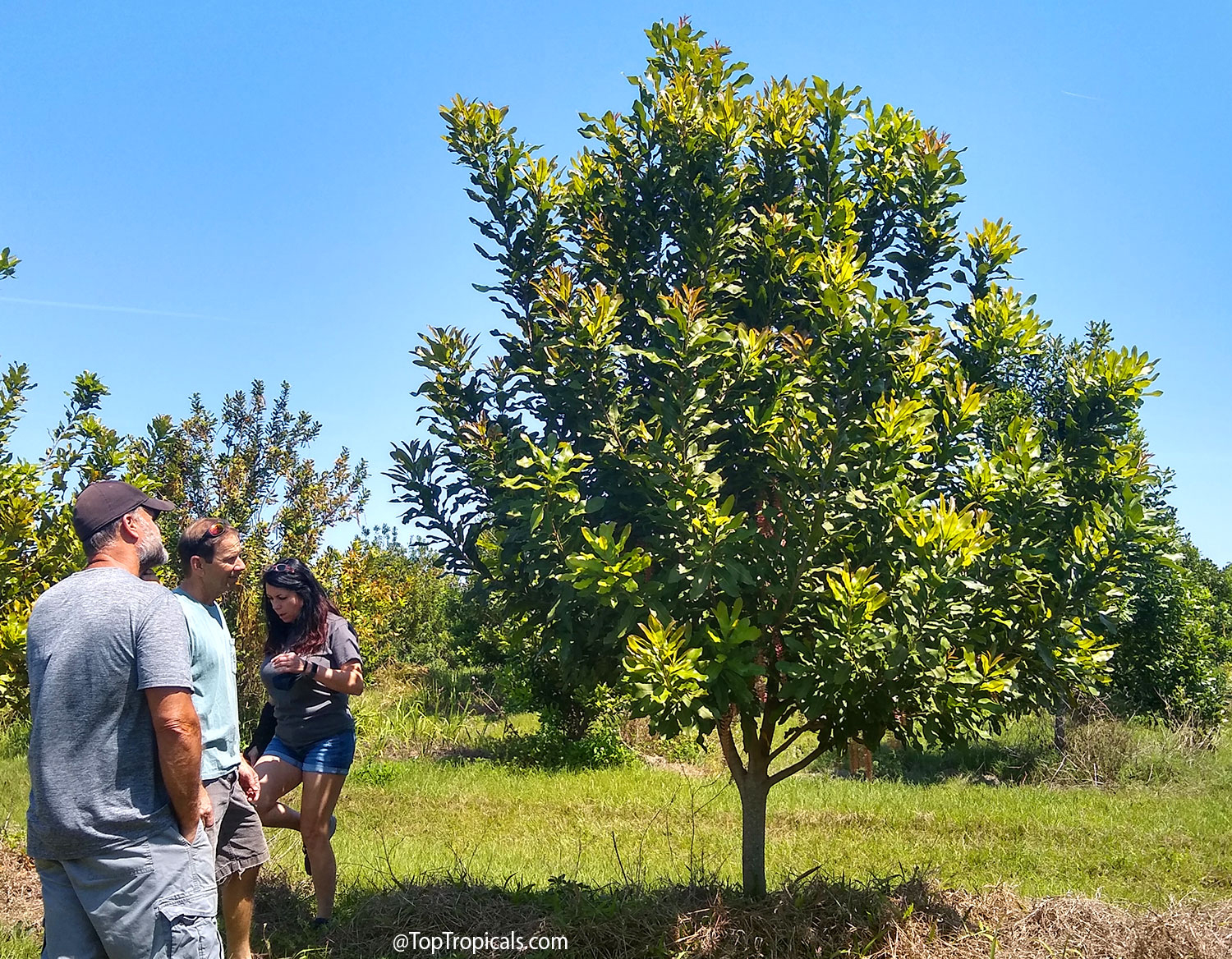
Mature  macadamia  tree  with  well-shaped  canopy  growing  in  Florida 
 orchard.

Macadamia tree maturing into a productive, manageable canopy.

🌳 Growing Macadamia Tree

Macadamia is not a fragile tree, but it does have preferences. If you respect them from the beginning, the tree rewards you for decades.

  • Start with the site. Drainage is everything. Macadamia will tolerate cool weather better if planted in a well-drained area. Avoid low spots where water sits after rain. If your soil is dense or clay-like, build a mound or improve drainage before planting.
  • Choose full sun whenever possible for the best nut production.
  • Planting location matters. A south or southeast exposure near a wall can create a warmer microclimate that buffers cold nights. Freeze plus wind is more damaging than temperature alone. Macadamia handles cold better when protected from winter wind.
  • Dig a hole about twice as wide as the container, but no deeper than the root ball. Set the tree level with the surrounding soil. Do not bury the trunk.
  • Water regularly during the first three months while the tree establishes roots.
  • Fertilize lightly. Macadamia does not respond well to over-fertilizing. Macadamias prefer mild liquid fertilizers, SUNSHINE Boosters Robusta is ideal for it. You may also use controlled release Green Magic every 6 months, it is especially formulated for hot climate. To keep leaves healthy deep green without yellowing, micro elements must be applied on regular basis, we recommend to always have handy Sunshine Superfood micro nutrients complex.
  • Young trees should be protected if temperatures drop below freezing. Once established, they become far more resilient.
  • Harvest timing: Nuts mature 6-7 months after flowering. Husk splits naturally when ready. Fallen nuts should be collected quickly.
  • Flower and Nut Drop: Many gardeners panic when they see flowers or small nuts drop, but Macadamia naturally sheds excess fruit. It does not mean failure; the tree simply keeps what it can afford to feed.
  • Macadamia is relatively low-maintenance, but watch for squirrels and rats. They love the rich nuts as much as humans do, so be sure to collect fallen nuts quickly.
  • Root Sensitivity: Macadamia roots dislike disturbance. Transplant carefully. Avoid root damage.
  • Macadamia is not a fast-return crop. It begins producing a few years and increases gradually. But once mature, it becomes a steady, reliable part of your garden.

Learn more: Macadamia - Hard Sweet Nut and Hardy Tree
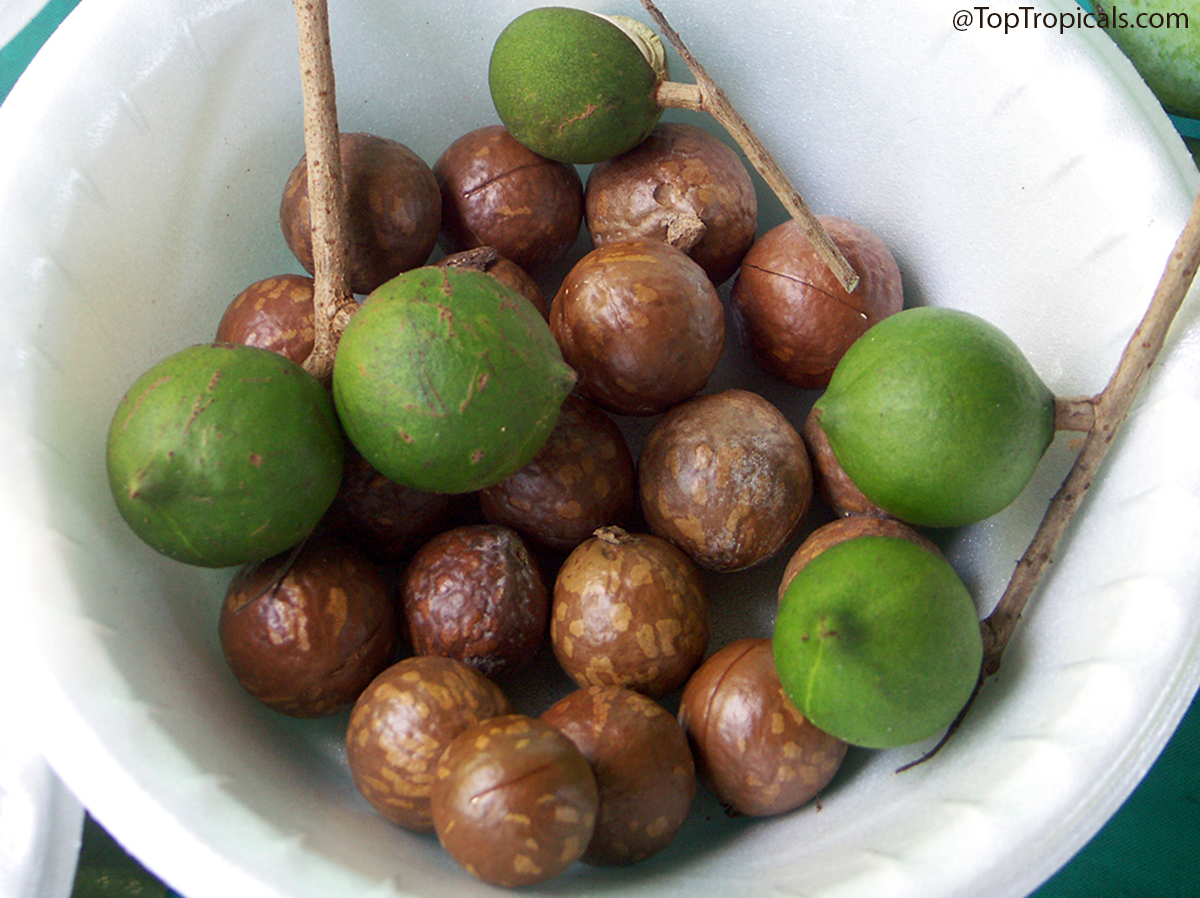
Fresh  green  macadamia  fruit  and  brown  hard-shelled  nuts  collected  in  a 
 bowl.

Macadamia fruit showing green outer husk and mature brown shell inside.

🌱 Growing Macadamia in a Pot

  • Container size: Start large. A 15-25 gallon pot is ideal for long-term growth.
  • Drainage: Critical. Use a container with multiple drainage holes.
  • Soil mix: Use a high-quality, well-draining container mix. Avoid heavy garden soil. Top Tropicals Abundance soil-less mix is specially formulated for pot growing
  • Light: Full sun is best. Strong light improves flowering and nut production.
  • Watering: Water deeply, then allow the top layer to dry slightly before watering again. Avoid constant saturation.
  • Feed lightly and consistenly. SUNSHINE Boosters Robusta liquid fertilizer is safe to use with with every watering. During hot season you may add controlled release Green Magic every 6 months. It is essential to apply micro elements on Macadamias: Sunshine Superfood micro nutrients complex.
  • Cold protection: If temperatures drop below freezing, move the container to a protected area such as a garage or greenhouse.
  • Pruning: Prune lightly to control size and maintain airflow within the canopy.
  • Expectations: Container trees may produce fewer nuts than in-ground trees, but they offer mobility and climate control.
  • Smokey says: Container trees offer mobility and climate control so you never have to worry about a freeze!

✍️ More About Macadamia from Garden Blog
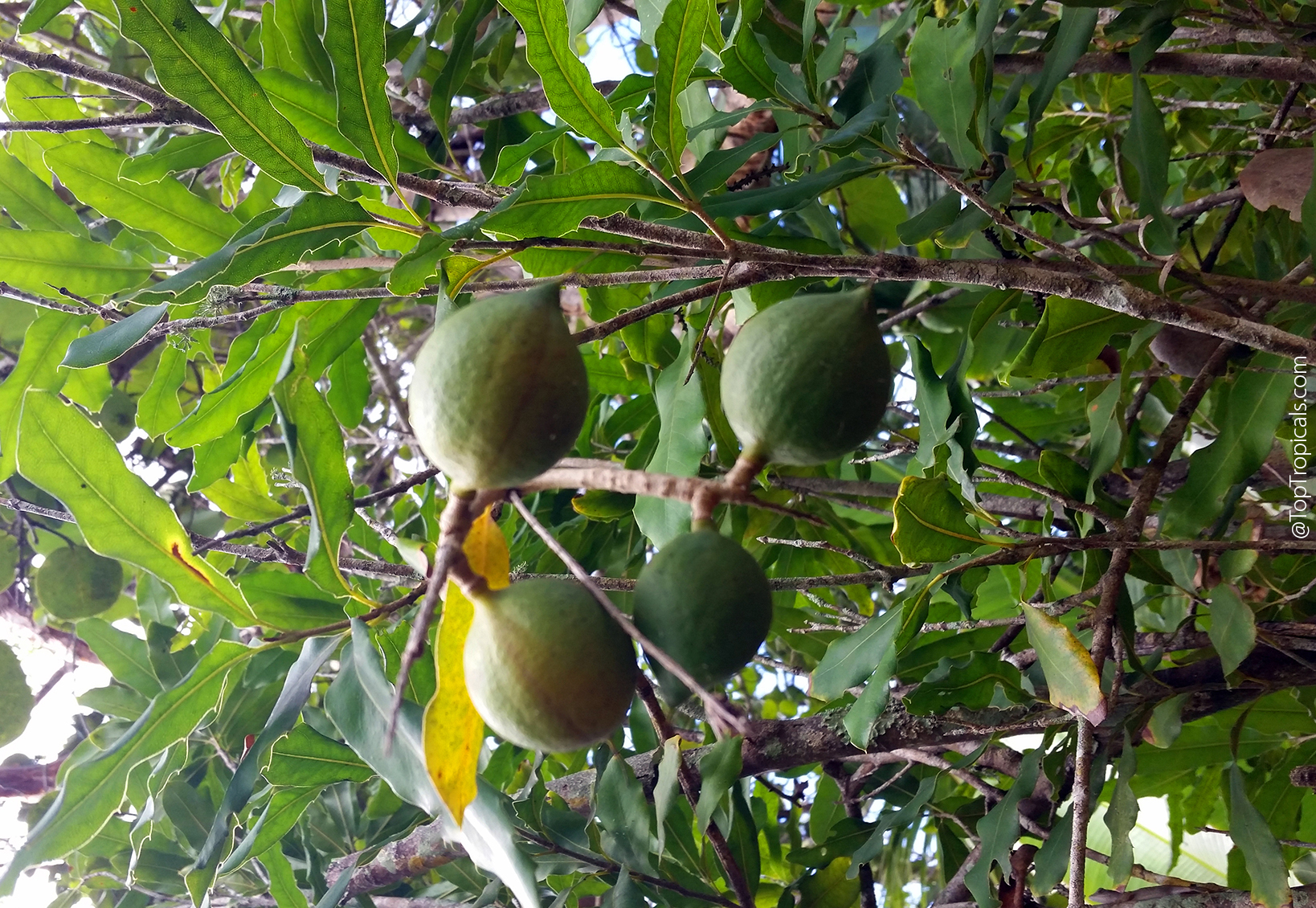
Green  macadamia  nuts  developing  on  tree  branch  among  glossy  leaves.

Macadamia nuts developing on the tree before the husk splits.

🚫 Common Mistakes When Growing Macadamia

  • Planting in poorly drained soil:
    The most common mistake. Macadamia will decline quickly in heavy, waterlogged ground. If drainage is questionable, plant on a mound.
  • Overwatering young trees:
    Newly planted trees need consistent moisture, not constant saturation. Wet roots lead to root problems.
  • Over-fertilizing:
    Too much fertilizer causes weak growth and nutrient imbalance. Feed lightly and avoid heavy nitrogen applications.
  • Planting too deep:
    The top of the root ball should sit level with or slightly above the surrounding soil. Do not bury the trunk.
  • Ignoring micronutrients:
    Macadamia is very prone to iron, zinc, and copper deficiencies. Yellowing leaves may signal a micronutrient issue. Applly Sunshine Superfood on regular basis.
  • Expecting instant production:
    Macadamia takes time. Early years build structure. Patience is part of success.
  • Skipping cold protection for young trees:
    Established trees are tougher, but young plants should be protected below freezing.
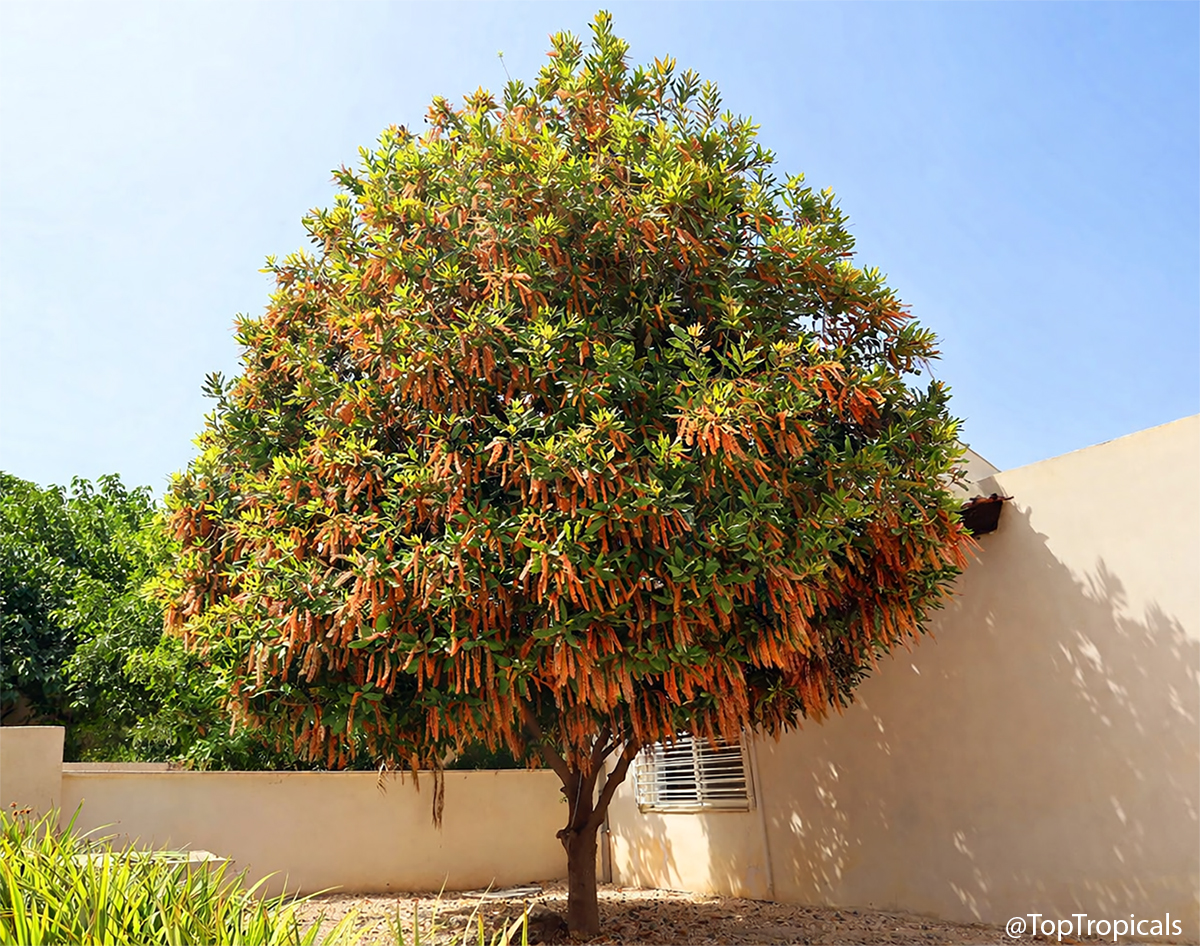
Macadamia  tree  in  full  bloom  covered  with  long  orange  flower  racemes.

Macadamia tree in full bloom with abundant flower clusters.

❓Frequently Asked Questions (FAQ)

  • Is Macadamia toxic to pets? While the nuts are a superfood for humans, they are toxic to dogs. If you have a dog that tends to forage in the garden, ensure you harvest fallen nuts promptly or fence the base of the tree during the drop season.
  • Which varieties are best for the "Survivor" garden? Look for Macadamia integrifolia (smooth-shell) or hybrids like 'Beaumont' (M. tetraphylla x M. integrifolia). Hybrids often show slightly better cold tolerance and more consistent "home garden" production.
  • How tall will my tree get? In the ground, an unpruned Macadamia can reach 20–30 feet. However, they respond very well to "heading back" (pruning the top) to keep them at a manageable 12–15 feet for easy harvesting.
  • Do I need two trees for cross-pollination? Macadamias are self-fertile, meaning one tree will produce nuts. However, planting two varieties near each other often results in a significantly heavier "nut set" due to cross-pollination.
  • Why are the leaves on my Macadamia prickly? Don't panic—this is normal! Some species, particularly M. tetraphylla, have serrated, holly-like leaves. This actually makes them a great "defensive" hedge against intruders or deer.
  • When exactly should I harvest? The tree tells you when it's ready. Don't shake the tree; wait for the nuts to fall naturally. In Florida, this usually happens between August and November. If the green outer husk hasn't split yet, let them sit in a shaded, dry spot until they do.
  • My tree has "clusters" of flowers but no nuts. What happened? Macadamias produce long racemes (flower spikes) with hundreds of tiny blooms. It is normal for 90% of these to fall off. The tree only keeps what it can afford to "feed." Boost your success by using a combination of Sunshine C-Cibus liquid fertilizer and SUNSHINE Superfood micro element supplement during the flowering stage to help the tree retain more fruit.
  • Can I grow them from a nut I bought at the store? Unlikely. Commercial nuts are usually roasted or dried at high heat, killing the embryo. Even if a raw nut sprouts, it may take 10–12 years to fruit and the quality is a gamble. Buying a grafted tree saves you a decade of waiting.

We don’t just sell plants; we test them. The data from this February freeze proves that with the right selection and proper drainage, 'tropical' doesn’t have to mean 'fragile.' Don’t wait for the next cold front to find out what in your garden is vulnerable. It is time to replace those empty spots with proven survivors that offer both beauty and a premium harvest. If it can stand up to 25F in our fields, it’s ready for your backyard.

Coming in Part 2...

Smokey is already crunching the numbers on our next survivor, and Sunshine found another tree that stayed perfectly green in the wind. Stay tuned to see which fruit tree made the cut!
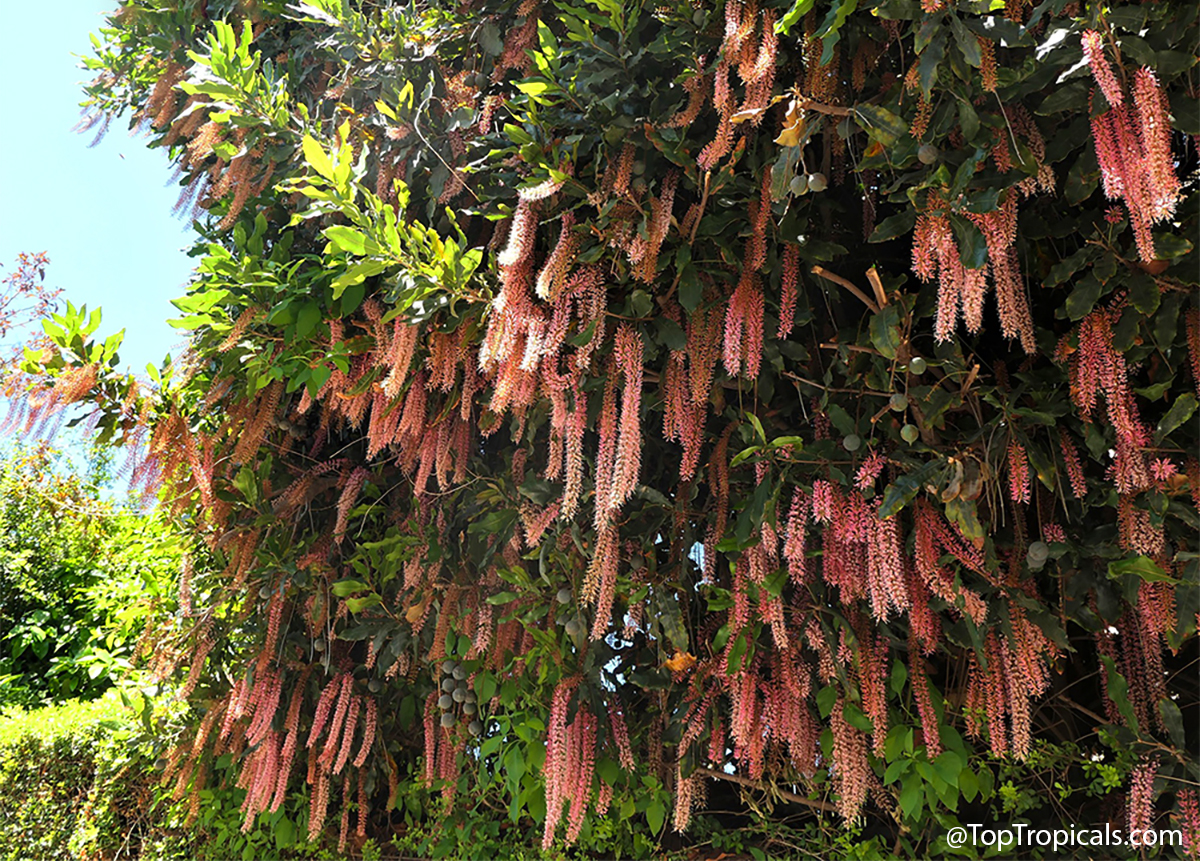

Macadamia  tree  covered  in  long  pink  flower  racemes  during  peak  bloom.

Macadamia flowers forming long cascading racemes before nut set.

🎥 More Macadamia videos from our channel

🛒 Add Macadamia Tree to your garden

Date: 29 Sep 2020

Healthy Plant Food: Q&A from Mr Booster

Why my Sapodilla is not fruiting?

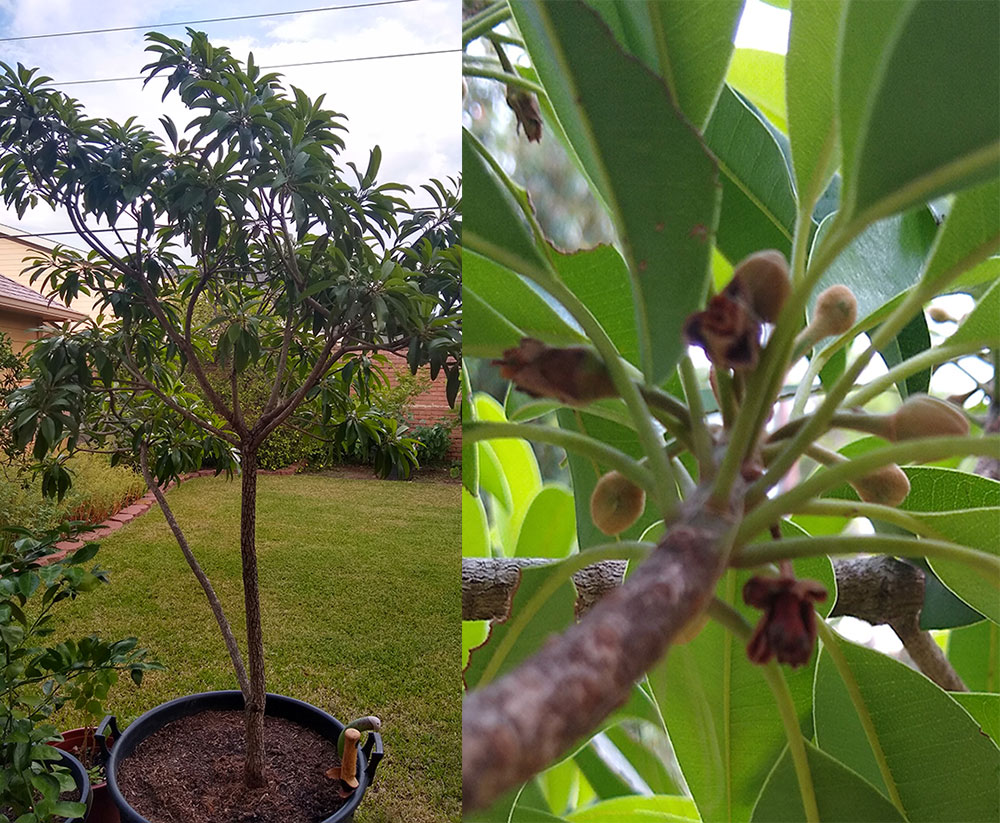
Q: I bought a Sapodilla tree from you several years ago, Silas Woods. I live in Houston area. The tree grows and produces blossoms for fruits, but then they just dry up and fall off. To-date, I have not gotten any fruits off the tree. Is there a reason for this? I really want a fruiting tree because Sapodilla is one of my favorite fruits. I have attached pictures of the tree. Please help.

A: Silas Woods is a free-flowering variety and in favorable conditions it should produce fruit almost year round, considering warm temperatures. The fact that the tree is producing flowers indicates that it is strong, overall healthy and ready for production, but for some reason these flowers don't set fruit. There may be several reasons for such behavior.

1) Too high temperature and too low humidity
In Houston area, humidity should be good in summer. However, if temperatures stay above 90F for a long time, this may cause flower dry-n-drop.
Solution: try to move the potted tree into filtered light, or in a spot where it does not get direct burning sun during the hottest hours of the day (morning sun is the best)

2) Root bound.
Solution: check if the tree needs stepping up into a larger container.

3) Lack of certain nutrients that are responsible for proper fruit formation.
In particular, elements B (Boron), Mo (Molybdenum), and a few other micro-elements (Fe - iron, Cu - Copper, etc.). This is most likely the cause of a flower drop. This is very common reason for undeveloped fruit or lack of fruit in container-grown fruit trees. When grown in the ground, plants can reach out to all necessary elements in surrounding soil (considering soils are not too poor on necessary elements). In a pot, a supply of nutrients can be exhausted very quickly, so a quality fertilizer program is very important. Fertilizer must include all necessary nutrients in easy accessible form, and a plant must have their constant supply for proper development.
Solution: prescribe to your Sapodilla tree the following combination of plant food:
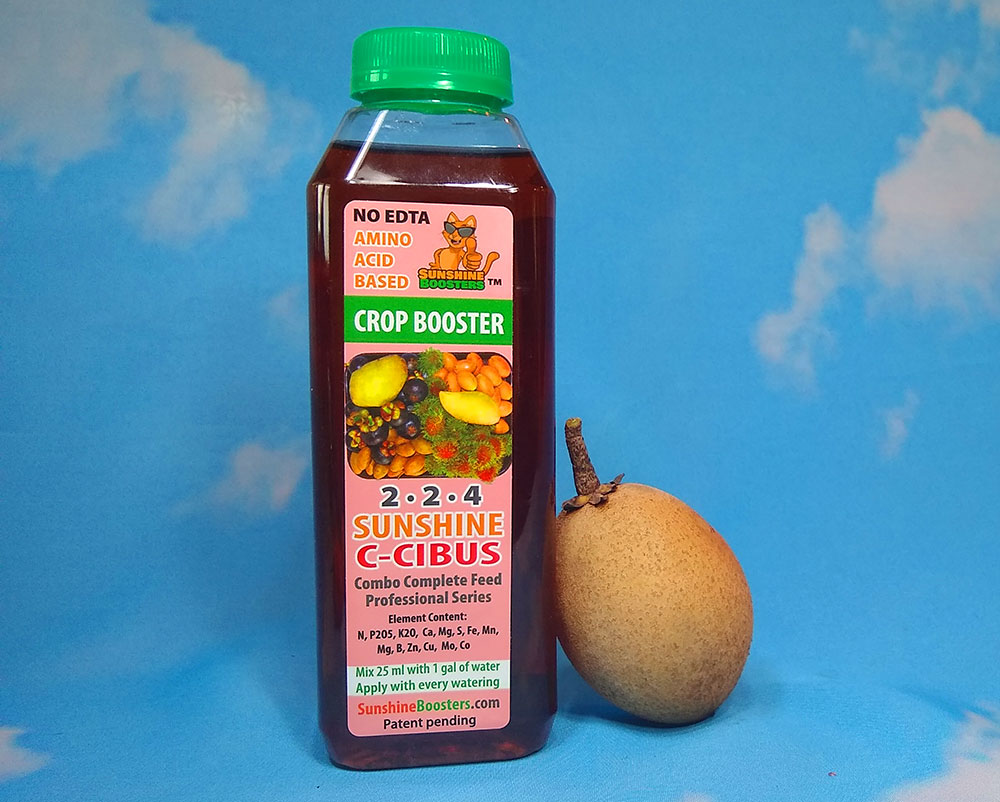
- SUNSHINE C-Cibus - Crop Nutrition Booster. It will provide well-balanced amounts of high absorption Nitrogen, as well as other macro-elements - to provide enough energy to the tree, plus a combination of all necessary micro-elements. It is safe to apply this fertilizer as frequent as with every watering, including winter time.
- SUNSHINE-Honey - sugar booster. This supplement has a high content of elements Mo and B - once the tree starts getting them on regular basis (a few times a year, according to the label), it will change its habit dropping flowers and/or premature fruit drop. As extra bonus, Sunshine Honey makes fruit sweeter by bringing sugars from all over the plant and concentrating them into fruit.

4) Lack of pollinating insects.
Solution: For most effective pollination, we always recommend to put some pieces of fruit under the tree, apple peels, or even banana peel. Those attract tiny beetles that are responsible for small flower pollination.

With winter time approaching, fruiting season is about to end, however, do not get discouraged and start the fertilizing program right away: this will bring up the plant into a healthy stage within a few months, and by next season it should be covered with fruit you like so much! Remember, Sunshine liquid fertilizers can be used year round, including winter, without a risk to burn roots or overdose, as long as you follow label instructions.

SUNSHINE C-Cibus - Crop Nutrition Booster from Garden Series, or Combo Total Feed Collection - all nutrients in just one bottle, for fruit trees and edibles.

Date: 23 Apr 2019

Fruit tree size and production

TopTropicals.com

Q: I am interested in a Strawberry Tree... does this tree produce fruit while still small or do I have to wait until it is large before it produces? Should I fertilize it so it produces sooner? I ask because my garden is not large and I prefer to keep my fruit growing trees in a smaller size. Also, how big is the fruit and does it have a seed?

A: Strawberry Tree, Muntingia Calabura, is one of those fascinating fruit trees that starts flowering and fruiting in small size. We have plants growing in 1 gal containers that already have flowers. This tree is nearly year-round producer providing warm conditions. It is a fast grower, although a compact tree when mature, and can be trimmed to desirable size without affecting production.
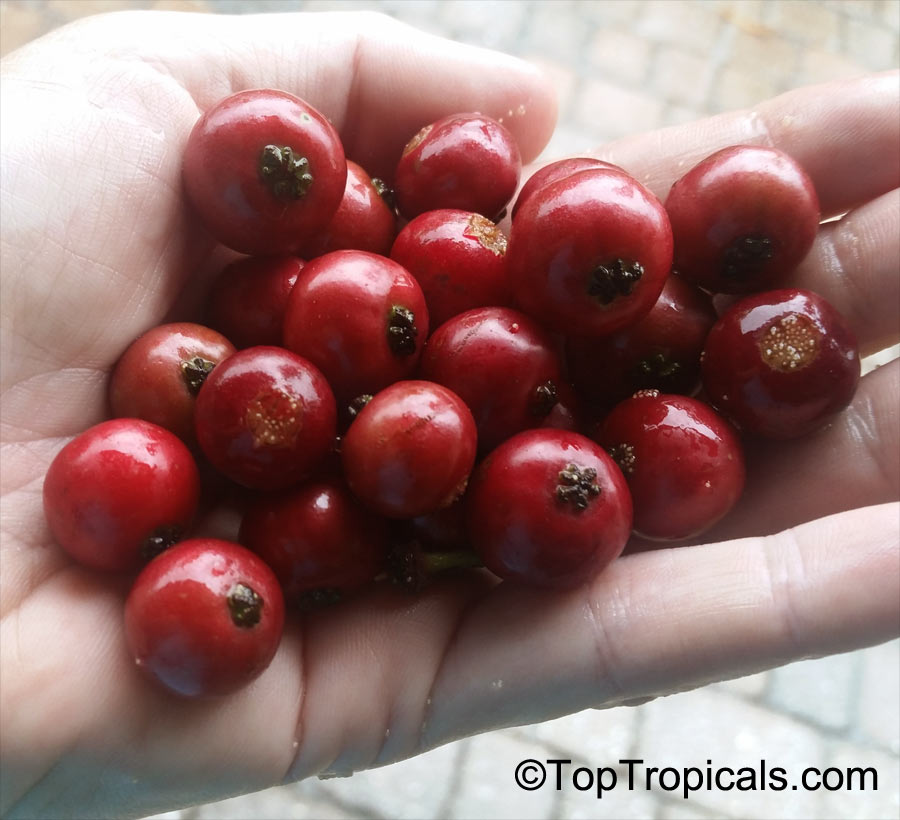
Muntingia fruit is one of our favorites. It is super sweet and juicy, and the seeds are tiny small, not bigger than the strawberry seeds, so you don't have to spit them out. The fruit size normally about 1/2 inch, but we have a tree in our garden that produces almost cherry-size fruit! See picture above. The secret is, good watering and using fruit booster - SUNSHINE honey micro-element supplement. We also fertilize our fruit trees using Fruit Festival and Mango-Food fertilizers.

Date: 8 Jul 2024

What is the best Avocado variety? Five most popular Avocado varieties

Avocado Brogdon

Avocado Brogdon

Avocado Hass

Avocado Hass

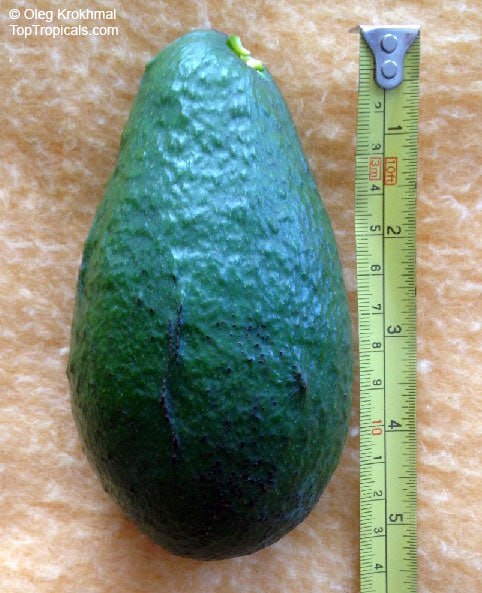
Avocado Fuerte

Avocado Fuerte

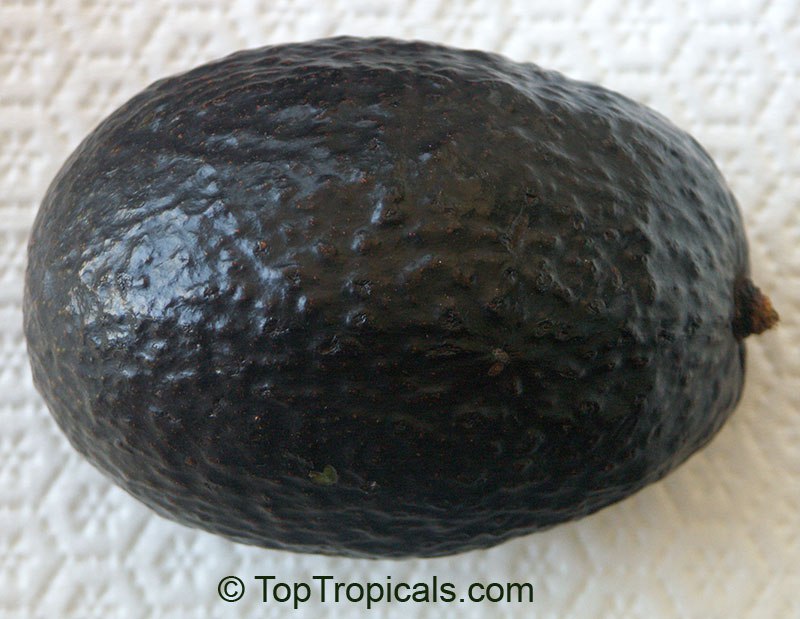
Avocado Oro Negro

Avocado Oro Negro

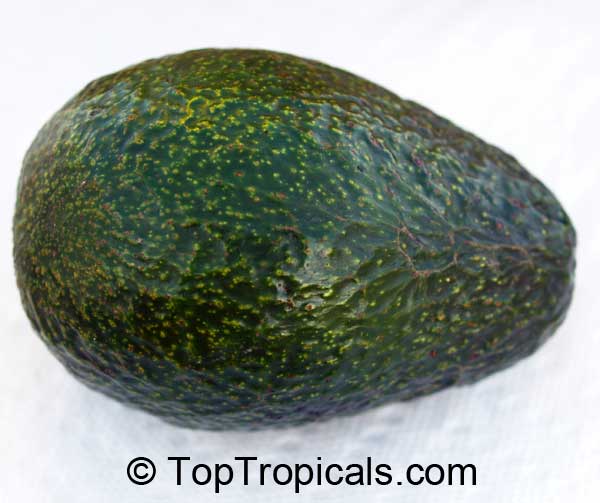
Avocado Winter Mexican

Avocado Winter Mexican

Five most popular Avocado varieties


"What is the best variety of Avocado?"
"Do you have the one with small black fruit and bumpy skin?"

"I have avocado with very large green fruit, what variety is it?"

These are frequently asked questions we get from our customers. This basic "classification" by black/green doesn't encompass all the wonderful qualities avocados have to offer. There are numerous hybrids in cultivation, and once you plant your first tree and taste the REAL fruit (not from the grocery store), you'll be eager to explore other varieties. While it's true that avocado fruit can vary in "butter" content, most superior varieties are equally delicious.

✅ We will guide you through Avocado varieties like we did with Mango varieties in earlier posts. First comes first -

🏆 The most popular Avocado varieties:


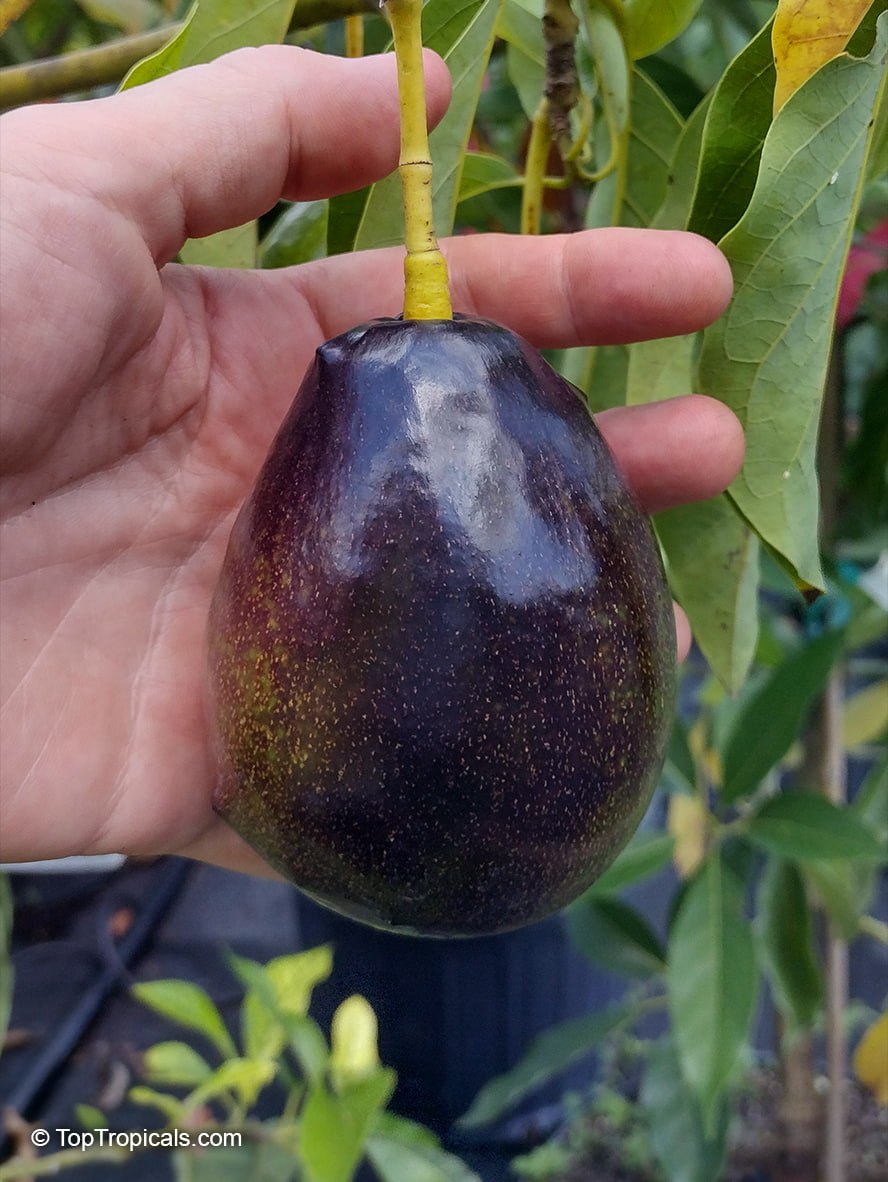
1. Brogdon - red-purple pear-shaped fruit, 7-15 oz. Skin is very thin, yellow buttery flesh. Fruit ripens in late summer-fall. Very cold hardy.

2. Hass - probably the most popular, but this tree prefers drier climate (Florida is humid, so we plant adaptable Florida Hass here). The fruit is dark-colored with a rough and bumpy skin, turns black when ripe.

3. Fuerte - a dwarf and a very cold hardy variety. Everybody's favorite "Condo Avocado": perfect for container culture and small yards. The mature tree in the ground is under 15 ft; 6-7 ft in containers.

4. Oro Negro - Oro Negro means "black gold" in Spanish, which is an incredibly appropriate name for this fruit. This Monroe hybrid (with big size fruit) is crossed with a Mexican type which would explain the black skin. The flesh is rich and buttery with a creamy texture.

5. Winter Mexican - one of most cold hardy varieties, Guatemalan x Mexican origin. Mature trees may withstand temperatures in the mid 20s. Oblong fruit, 12-18 oz, thick green skin. Very vigorous tree, bears heavily and regularly in December-January.

📚 Learn more: Avocado Variety Guide - check this out for interactive chart of Avocado varieties and sort them by flower type A or B, tree habit, fruit shape and quality, cold hardiness, origin, season and more!

🛒 Shop Avocado Trees

#Food_Forest

🏵 TopTropicals

Date: 23 Jun 2024

The best tropical fruit tree for container growing, and the fastest to fruit:

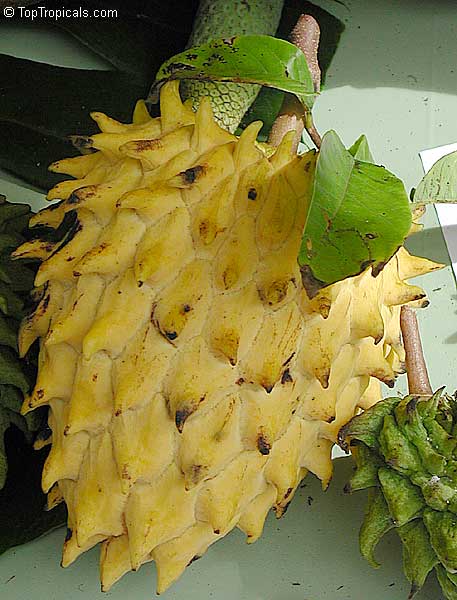
Rollinia (Rollinia deliciosa) - the biggest Annona fruit

Rollinia (Rollinia deliciosa) - the biggest Annona fruit

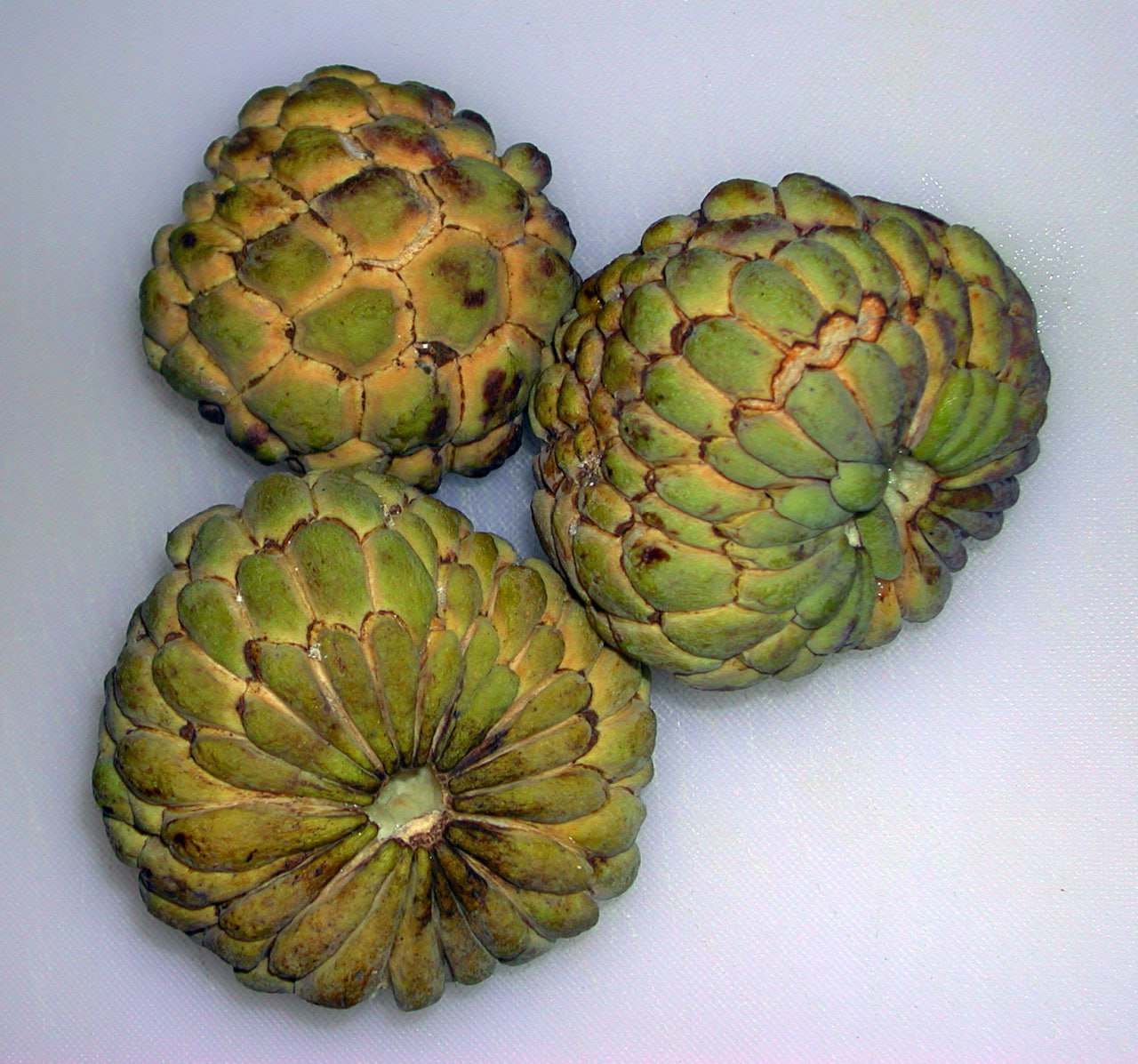
Sugar Apple (Annona squamosa)

Sugar Apple (Annona squamosa)

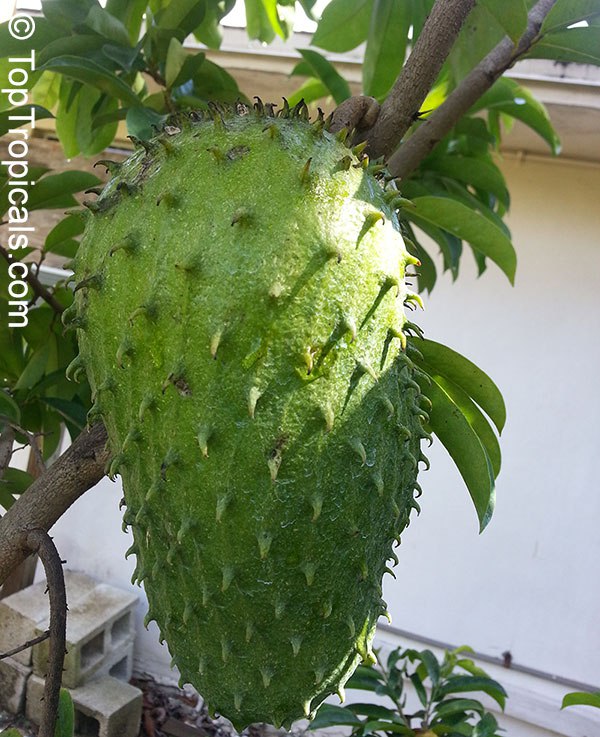
Guanabana (Annona muricata)

Guanabana (Annona muricata)

Pineapple Annona Golden (Annona costaricana)

Pineapple Annona Golden (Annona costaricana)

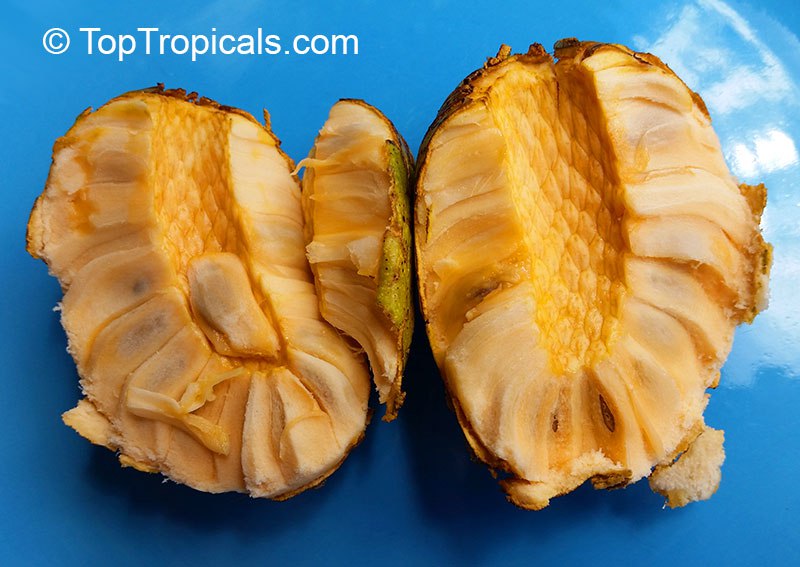
Custard Apple (Annona reticulata)

Custard Apple (Annona reticulata)

Mountain Soursop or Hedgehog (Annona montana)

Mountain Soursop or Hedgehog (Annona montana)

🏆 The best tropical fruit tree for container growing, and the fastest to fruit: Annona.

🍏 Annonas (Annona sp) are very much loved tropical fruit. The fruit has smooth, creamy flesh, just like a natural custard - hence one of the common names - "Custard Apple". Growing an Annona tree is a rewarding experience, its a small compact tree that will let you enjoy its creamy and exotic fruit right away.

The best tropical tree suited for container growing, due to its small height. It can be maintained within 6-8 ft tall.

The fastest fruiting tree: 2-3-4 years from seed to fruit, depending on species.

Most species are deciduous: drop leaves during winter-spring.

Thrives in frost-free climate. Some species are cold hardier than others. Container culture is a good way to cold protect these beautiful small trees.

❤️ 6 top most popular Annonas:


▪️ Rollinia (Rollinia deliciosa) - the biggest Annona fruit and the most showy
▪️ Sugar Apple (Annona squamosa) - the most popular
▪️ Guanabana (Annona muricata) - the most cold sensitive but the fruit is so tasty!
▪️ Pineapple Annona Golden (Annona costaricana) - cold hardy and easy to grow
▪️ Custard Apple (Annona reticulata) - with red flesh
▪️ Mountain Soursop or Hedgehog (Annona montana) - mentioned earlier, cold hardy

📚 Learn more:
Horoscope for Guanabana tree
Hedgehog Mountain Soursop - Annona montana
How to grow and hand-pollinate Guanabana Tree indoors (PDF)

🛒 Shop Annona varieties

#Food_Forest

🏵 TopTropicals