Garden Blog - Top Tropicals

Date: 14 Jul 2019

A Cup of Tea Plant
By Onika Amell, tropical plant specialist

A: I live in Ave Maria, Florida. I want to try my hand at growing my own tea. Which plant do I need?

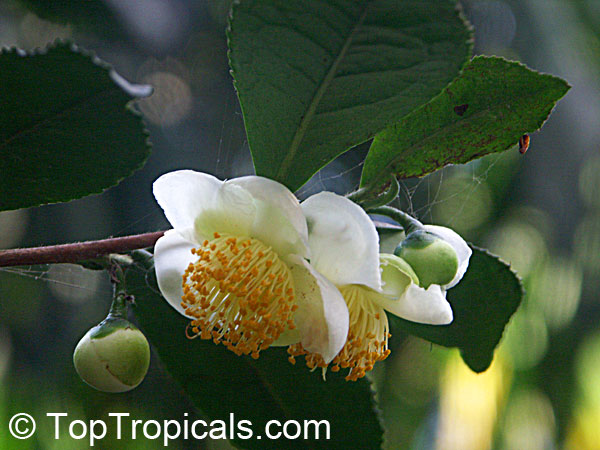
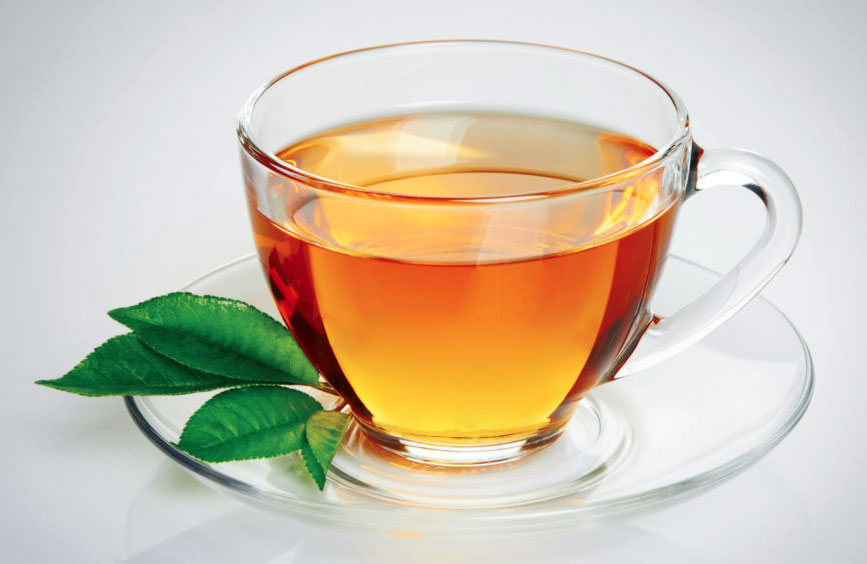
A: Most people do not realize they are actually enjoying camellias when they sip their cup of tea. True tea comes from the Camellia sinensis plant, an evergreen shrub or small tree.
In the fall and winter, the plant will produce small white flowers with a lovely fragrance. The foliage is shiny and dark green with a very nice informal and open look. Camellia sinensis (or tea plant, as it is commonly known) prefers a temperature between 65 and 86 degrees, which makes Florida an ideal area to grow them. However, if you live in colder zones, you can certainly succeed growing your own tea plants using a greenhouse. Alternatively, you can use containers which can be brought inside when temperatures start falling. Tea plants will usually survive a very slight freeze, though the leaves may be damaged or killed. It will not tolerate a hard freeze. They prefer full sun or light shade in the garden.
Tea plants will become small trees or large bushes if not pruned. Hardcore tea growers trim back the shoots repeatedly to a height of around 4 feet to encourage new growth and to contain the size.
Make sure to pick an area of your landscape where it does not flood or remain wet during our rainy season. Camellia sinensis does not like wet feet at all. They prefer well-drained, sandy and slightly acidic soil. If grown in a container, add some sphagnum moss to the potting mix. They will benefit from frequent applications of small amounts of fertilizer.
You will need some patience, too. Your plant should be around 3 years old before you start harvesting leaves.

Recommended fertilizers:

Tropical Greenhouse Plus - Plant Booster
Tropical Allure - Smart-Release Booster

Harvesting recipes

Now that you know how to grow the Tea, you need to check this out: the Harvesting recipes how to harvest and make different kinds of real tea: Green Tea, Japanese Style Green Tea, Oolong Tea, Black Tea, Orthodox Indian Tea... Continue reading...

Date: 29 Oct 2020

The Best Pineapples

Q: What varieties of the Pineapple are the best for planting in Florida? When do they fruit? I have a small yard, with a room for one or two, but can I keep more in pots? I am excited to grow my own pineapples!

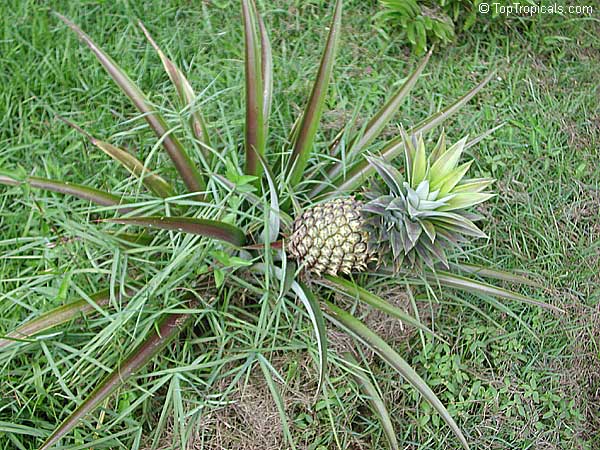
A: Pineapple is truly the King of fruits! One of the most delicious fruits in the world. They start flowering from January to March in Florida and yes, they happily grow in the ground as well as in pots. Heaviest fruiting is in Summer (May to September), and some staggered throughout the year.
Be careful with watering, keep in mind that like any bromeliad, Pineapple needs very little water and needs the soil to get dry between waterings. Use only acidic soil and acidic plant food.
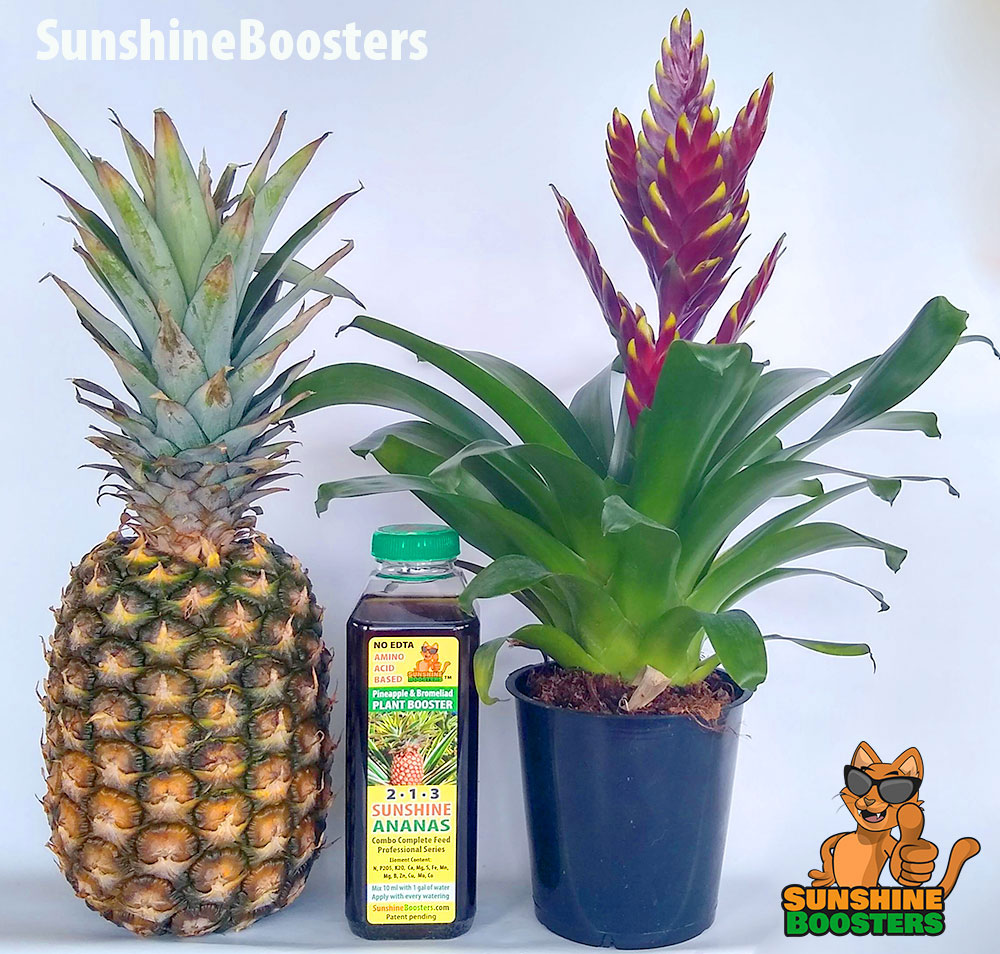
Make sure to feed these plants on regular basis, especially if grown in pots. Pineapples are heavy feeders but are also very sensitive like all bromeliads, so be careful with traditional fertilizers, do not exceed recommended dosage. It is safe to use liquid amino-acod-based Sunshine Boosters Ananas fertilizer year round.

The mot popular pineapple varieties for home growers are:
Elite Gold
Royal Hawaiian - Royale
Sugar Loaf

Date: 13 Aug 2019

Caring of Soursop in container

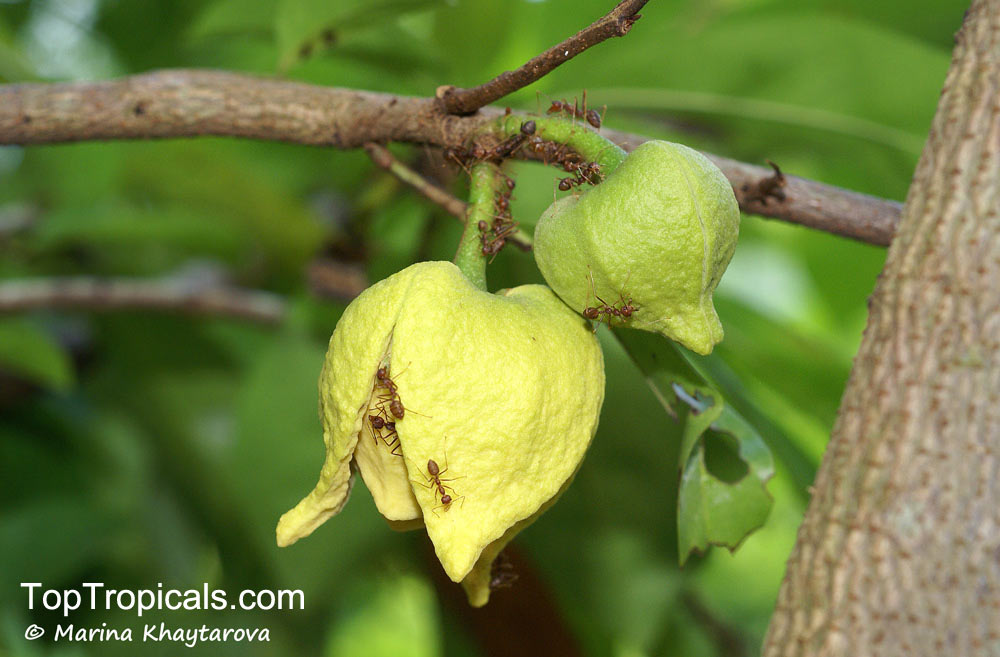
Q: I have ordered dozens of trees from you and have a question about Soursop. I have a Soursop in a container and ants and aphids are under new leaves. Do Soursop like little water? I water almost everyday living in southern Los Angeles it's been around 76-80F. I spray the aphids and ants off with a mist setting on my hose. They come back every day. They're only on new leaves...

A: First of all, you don't have to remove the ants iа they don't bother you. Ants are good insects, they do not harm plants; most likely they are attracted by a sweet sap - aphid by-product. Ants clean up a plant, and they may even take care of some bad insects.
It is not difficult to get rid of aphids. Use a safe treatment: in a small spray bottle, mix 1 cup of warm water, 1 teaspoon of dish soap and 2 tablespoons of any cooking oil (if you have Neem oil or Horticultural oil - even better, but prepare, they are pretty stinky). Spray the leaves with this solution to a dripping point. Repeat in a few days if needed. This simple remedy will take care of the aphids.
Daily water may be ok for the plant during hot weather, as long as the soil is not constantly moist. Let the surface of the soil get a little dry between waterings.

Recommended fertilizers for fruit trees:

Fruit Festival Plant Food - Super Crop Booster
Mango-Food - Smart Release Fruit Tree Booster
SUNSHINE-Honey - for sweeter fruit
SUNSHINE SuperFood - microelement supplement

Date: 8 Aug 2019

How to grow Parijat indoors in winter

Q: I purchased Parijat plant last year spring. It had good growth in Summer, after that I kept the plant inside the house in winter. A couple of weeks it was ok, after that the plant lost leaves. What is a better idea for growing Parijat plant indoors in Winter?

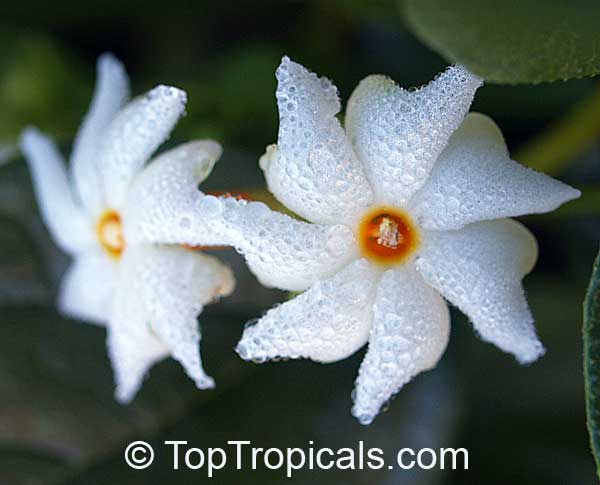
A: Nyctanthes arbor-tristis, Parijat - is a semi-deciduous plant, which means, it may lose its leaves during unfavorable conditions such as drought, cold, low light and/or humidity. In your case, the plant dropped leaves because of the stress of moving indoors that includes reducing light and humidity levels. When a tropical plant loses leaves during winter, this means it goes into a dormant stage. If this happens, you need to reduce watering and keep the plant on a dry side, water in only when the top level of the soil feels dry to touch. Do not fertilize.
Try to place the plant in a well-lit spot such as a windowsill. If the windowsill and the window glass feel too cold for touch during wintertime, you may place a sheet of a Styrofoam underneath the pot, and a sheet of a bubble-wrap between the plant and the window glass, to create an extra barrier from cold. The plant may re-leaf during wintertime; if not, it may wait until spring, be patient.
Bring it back into outdoor light when minimum temperatures rise above 65F and resume fertilizing.

Recommended fertilizers for fragrant plants:

Pink N Good Daily Plant Food - Flower Booster
Plumeria Top Dress - Smart-Release Booster
SUNSHINE SuperFood - microelement supplement

Date: 18 Nov 2021

7 reasons to get an Aroid Houseplant

1. It's almost Winter... You need something tropical in your home! Aroids have the most tropical look!
2. Aroids tolerate low light conditions of indoors.
3. Aroids require almost no care. Care is easy because if you watch for the signals, the plant will tell you exactly what it needs
4. Aroids adapt to wide range of conditions. Many of them thrive in neglect and survive even in sub-optimal conditions... Unlike most tropicals, Aroids don't experience much stress when moving from indoor to outdoor settings and adapt readily to conditions inside the home.
5. Aroids are compact and easy to manage.
6. Aroids are fast growing while still being compact.
7. They are on sale now!

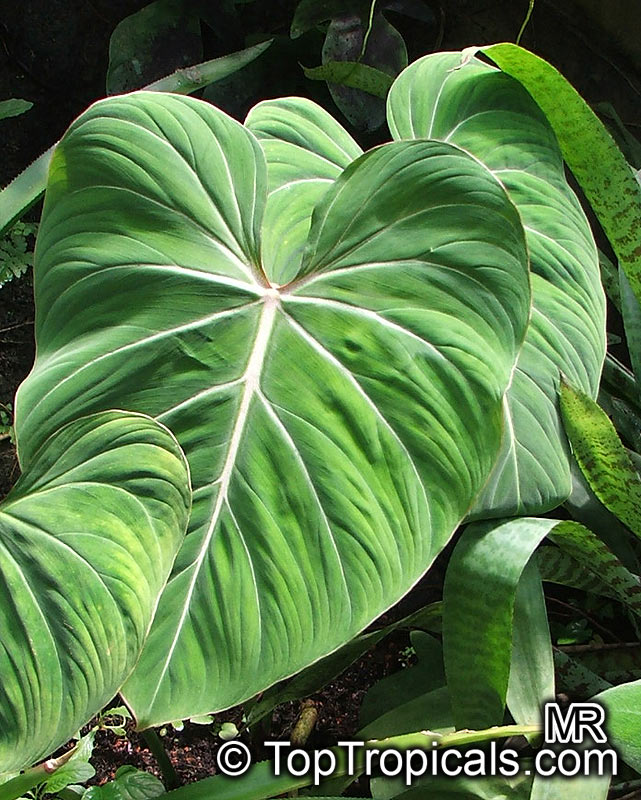
Check out our Philodendrons, Monsteras, Fancy Syngoniums, Alocasias, Colocasias.