Garden Blog - Top Tropicals

Date: 1 Oct 2025

Ten shrubs you need to have for winter colors

Garlic Vine, Dombeya - Tropical Hydrangea, Brunfelsia Yesterday-Today-Tomorrow, Fountain Clerodendrum, Tibouchina grandifolia - Glory bush, Chinese hat, Barleria - Philippine violet, Thunbergia - Kings Mantle, Eranthemum - Blue Sage or Lead Flower, Petrea vine - Queens wreath

🌷 Ten shrubs you need to have for winter colors


Many snowbirds ask what to plant when they’re here just for the season. The answer is simple: go for trees and shrubs that bloom in winter. Fall is the perfect time to get them in the ground so your garden will be bursting with flowers once the cool season arrives. In our earlier video, we shared 8 best flowering trees that will bloom for you in Winter. Now, here are the shrubs that will complete your colorful winter garden.
  • 🌷 1. Mansoa alliacea - Garlic Vine
  • Known for its garlicky scent, it also puts on clusters of lavender to purple flowers in cool weather. Reliable and eye-catching, often trained on fences or trellises. 👉plant it
  • 🌷 2. Dombeya wallichii - Tropical Hydrangea
  • Large pink pompom clusters hang like lanterns from the branches. Sweetly fragrant and showy, it creates a hydrangea effect right in winter. 👉plant it
  • 🌷 3. Brunfelsia pauciflora Compacta - Dwarf Yesterday-Today-Tomorrow
  • Small and manageable, it opens purple flowers that fade to lavender and then white, giving the look of three colors at once. A cheerful winter bloomer for pots or borders. 👉plant it
  • 🌷 4. Clerodendrum minahassae - Fountain Clerodendrum
  • This shrub lives up to its name with cascades of long white flower sprays, blooming heavily in the cooler months and brightening shaded corners. 👉plant it
  • 🌷 5. Tibouchina multiflora (grandifolia) - Glory bush, Quaresmeira
  • Covered in clusters of soft, fuzzy purple blooms, this shrub adds tropical flair during the cooler months. Its velvety leaves are ornamental year-round. 👉plant it
  • 🌷 6. Holmskioldia sanguinea - Red Chinese hat
  • Cup-shaped bracts form red “hats” around small flowers. This shrub stands out with unique form and long-lasting blooms. 👉plant it
  • 🌷 7. Barleria cristata - Philippine violet
  • A hardy shrub with masses of purple-violet blooms in the cool season. It flowers when many plants are quiet, adding dependable winter color. 👉plant it
  • 🌷 8. Thunbergia erecta - King’s Mantle
  • A compact shrub with velvety purple blooms and bright yellow throats. It’s neat, easy to manage, and flowers generously in winter. 👉plant it
  • 🌷 9. Eranthemum pulchellum - Blue Sage, Lead Flower
  • Few shrubs can match its electric-blue spikes of flowers in winter. Compact and low-care, it brings a rare color to the cool season garden. 👉plant it
  • 🌷 10. Petrea volubilis (racemosa) - Queen’s wreath
A woody vine-shrub that bursts into cascading sprays of lavender stars. It flowers heavily in winter, resembling wisteria in the tropics. 👉plant it
🛒 Explore Winter bloomers

📚 Learn more:


#Hedges_with_benefits #Discover

🟢 Join 👉 TopTropicals
Date: 6 Jan 2024

Ten New Year Resolutions:
Diversity in Tropical Garden

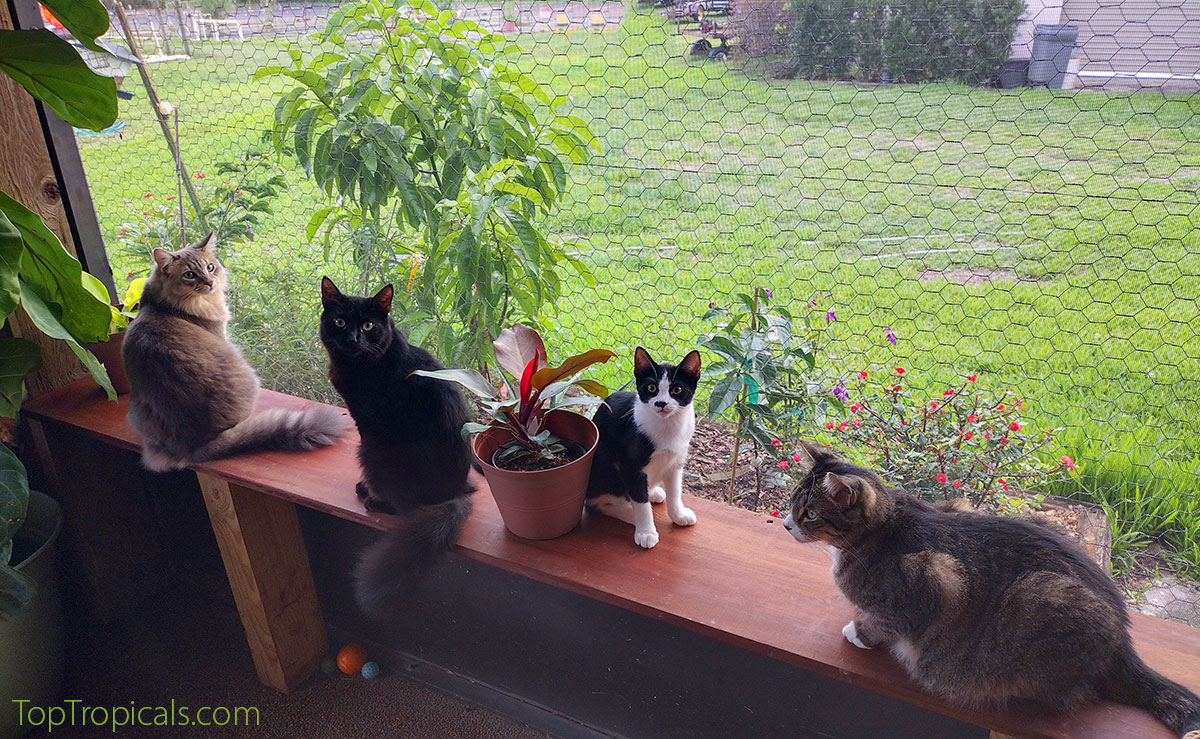
Cat  diversity  in  the  garden

1. Diversity. Grow different plants. Add more types of tropical plants to your garden for a colorful and diverse look.

2. Save Water. Use water wisely by installing drip systems, collecting rainwater, and using mulch to keep the soil moist.

3. Improve Soil. Make your soil healthier by adding compost or manure regularly. Healthy soil promotes robust plant growth and enhances overall garden resilience.

4. Deal with Pests Smartly. Keep pests in check with a plan - use natural solutions and check your plants often. Preventing program is easier than dealing with infestations.

5. Right Fertilizing. Feed your plants with Eco-frintdly fertilizer such as Sunshine Boosters (safe to use year around). If you use slow-release fertilizers - apply in right amounts, from March to November.

6. Trim Regularly. Keep your garden tidy and healthy by pruning and removing dead or sick parts of the plants.

7. Companion Planting. Explore which plants work well together to enhance nutrient uptake, fight pests and provide shade for those species that need it.

8. Right Climate and Zone Pushing. Pick plants that love your climate, considering sunlight, temperature, and humidity. For more sensitive tropical plants, work on a plan for cold protection: grow them in pots or set up temporary covers.

9. Teach Others. Share your gardening knowledge with the community. Propagate your plants from seeds, cuttings, divisions - and share them with friends and neighbors. Remember: live plant is the best gift, and love is sharing!

10. Make a Relaxation Spot. Create a cozy corner in your garden with comfy seating or hammock, shade, and maybe a water feature for a peaceful retreat.

Cat  in  hammock

Pick the plants you need

Date: 1 Aug 2023

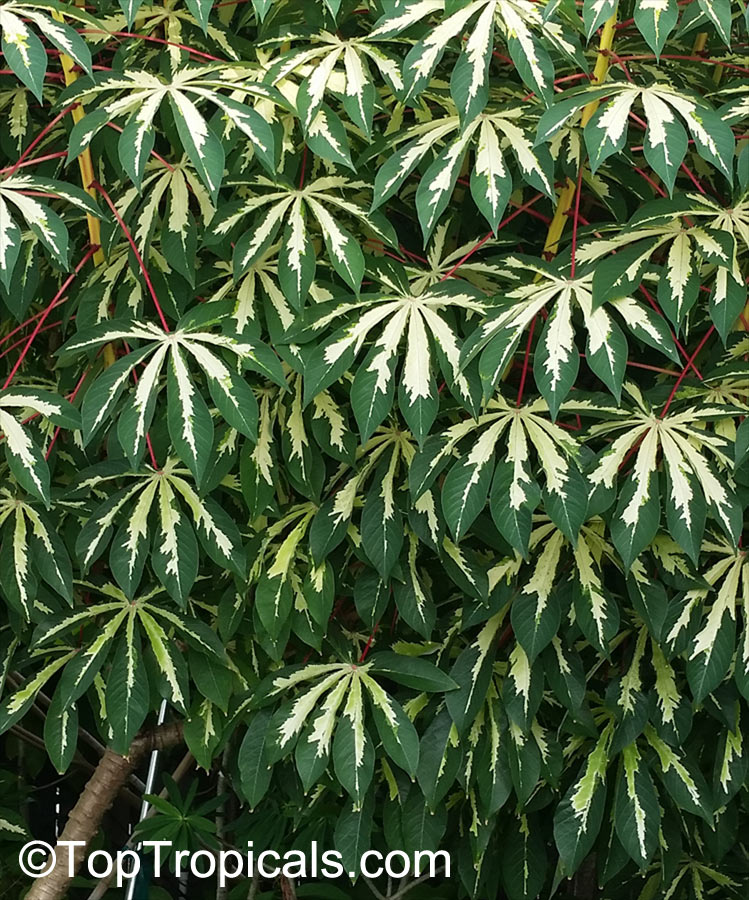
Yuca root, Cassava, Manihot, Tapioca...
Food and Beauty

Manihot  esculenta,  Yuca  Root

Q: Can you recommend a pretty plant for my edible garden? Something that is not only useful but also very ornamental.

A: Introducing the fabulous and flamboyant star of the garden - Manihot esculenta, better known as the Yuca Root! This tropical root vegetable plant is the epitome of botanical fashion, showing off its cheerful and showy foliage like it's walking the runway of a tropical paradise...

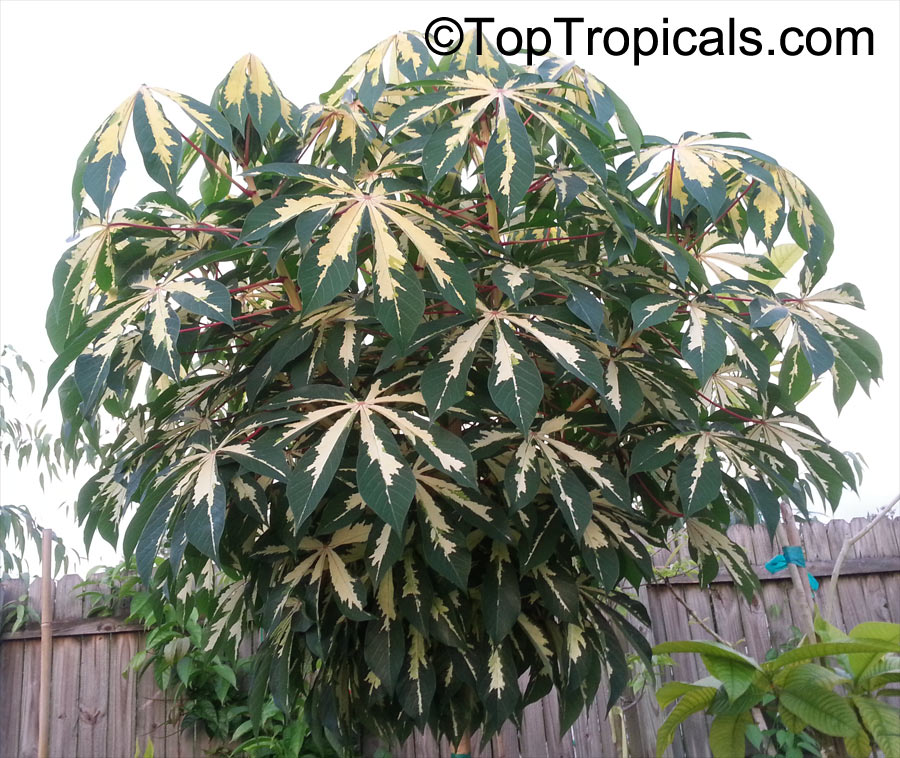
The most stunning variety is Variegated Yuca root. You won't find this rare and remarkable variety of Yuca root just anywhere! It's like the unicorn of the edible plant world, combining practicality with pure visual delight. Not only can you feast on its starchy goodness, but you can also proudly display it as a stunning ornamental piece in your garden.

This tropical root vegetable knows how to put on a show, making its home as a shrub in subtropical zones across Asia, Africa, the Caribbean, and South America. Its roots and leaves are the real stars of the show, packed with all that starchy goodness. But hold on, there's a little twist to this drama! The root contains low levels of protein, while the green leaves are practically gym buffs with high protein levels.

Now, we must address the elephant in the botanical room - the mistaken identity crisis. Some folks confuse our lovely Yuca Root with Yucca, but let's clear things up: Yucca is a no-go in the culinary world. It's a non-edible plant from the Agave family, and you definitely don't want to cook that up for dinner!

So there you have it, folks! The Yuca Root, a true superstar of both the kitchen and the garden. Delicious, eye-catching, and ready to add a dash of tropical charm to your life. Get one for yourself, and let the good times yuca-roll!

Manihot  esculenta,  Yuca  Root,  tree

Date: 28 Jun 2023

Six reasons to grow
Elephant Ears in your garden

Pomegranate  fruit

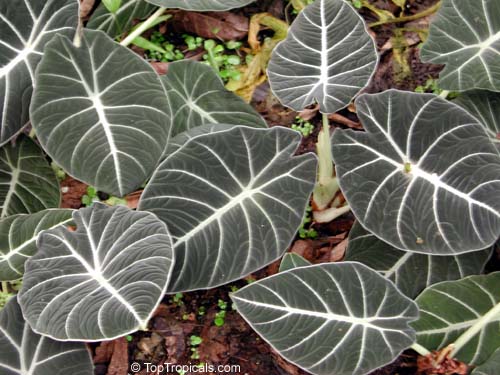
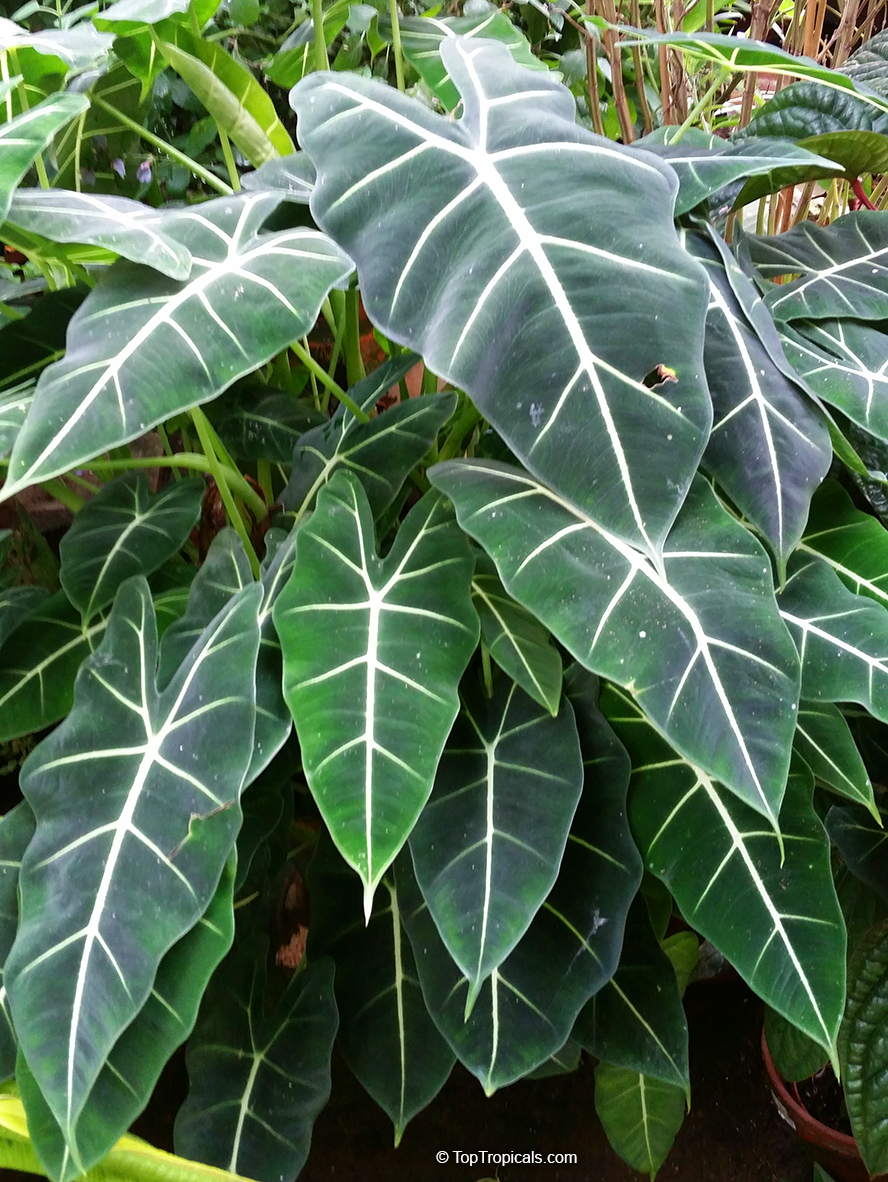
Alocasias and Colocasias, commonly known as Elephant Ears, are both remarkable and popular plants that can bring a touch of tropical elegance to any garden. Here's why they are often considered great additions:

1. Striking Foliage: One of the most captivating features of colocasias and alocasias is their large, lush foliage. The leaves can be enormous, resembling the shape of elephant ears, hence the common name. The foliage is usually rich green, but there are also varieties with hues of purple, black, or variegated patterns. These vibrant leaves create a dramatic focal point in any garden setting.

2. Tropical Aesthetic: Colocasias and alocasias have a distinct tropical vibe that can transform your garden into a lush oasis. Their exotic appearance lends itself well to creating a tropical-themed garden or adding a bold accent to other styles of landscaping. Their large, architectural leaves add a sense of drama and create a stunning backdrop for other plants.

3. Versatility: These plants can be grown in various garden settings. They work well in containers, making them suitable for patio gardens or balcony displays. In larger landscapes, colocasias and alocasias can be planted directly in the ground, either as standalone specimens or as part of mixed border plantings. They can also be utilized around water features or in bog gardens since they enjoy moist conditions.

4. Low Maintenance: Once established, colocasias and alocasias are generally low maintenance plants. They thrive in full to partial shade, preferring a consistently moist soil. Regular watering and occasional fertilization will help them grow vigorously. While they are generally hardy, some varieties may require protection during colder months or overwintering in frost-prone regions.

5. Impressive Size: With proper care and favorable growing conditions, colocasias and alocasias can reach impressive sizes. Some varieties can grow several feet tall, creating a stunning vertical element in the garden. Their size and presence make them ideal for adding structure and height to planting arrangements.

6. Unique Varieties: Colocasias and alocasias offer a wide range of cultivars and species, each with its own distinct characteristics. From the classic Colocasia esculenta to the more exotic Alocasia macrorrhizos, there are numerous options to choose from. You can select plants with different leaf shapes, colors, and patterns to suit your taste and garden design.

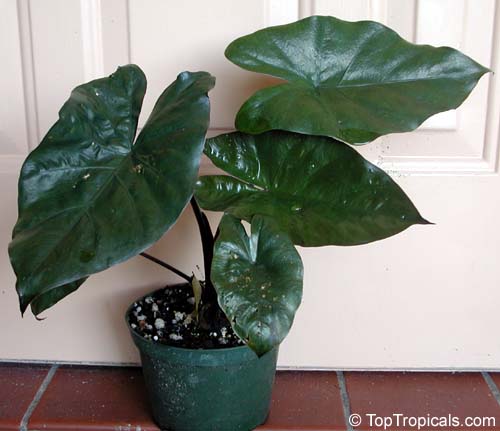
Alocasia  Elephant  Ears

Alocasia  in  a  pot

Date: 11 May 2023

Five reasons to give your mother a live plant

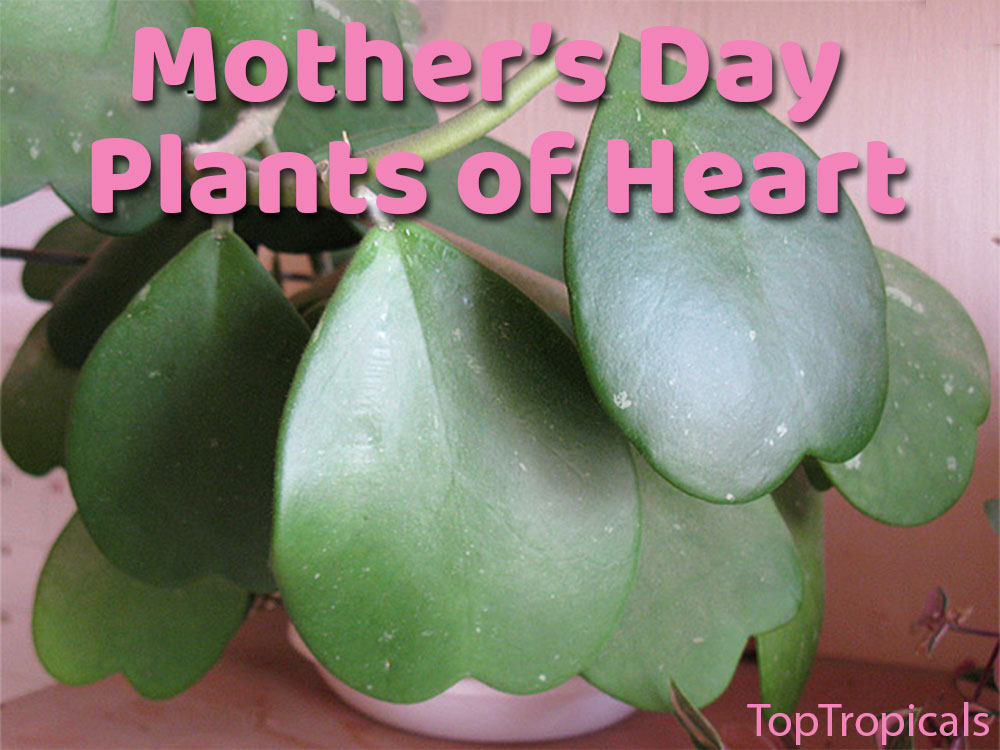
Hoya  kerrii  -  Sweetheart

In the photo: Hoya kerrii - Wax Hearts, Sweetheart Hoya, Heart leaf - makes an ideal houseplant. It has become increasingly popular in recent years because of its unusual "heart" shape leaves...

Q: What is the best Mother' Days present?

A: Buying a live plant for your mother is a thoughtful and meaningful Mother's Day gift for several reasons:

1. Growth and Nurturing: Just like a mother's love, a live plant symbolizes growth, nurturing, and the bond between a caregiver and their offspring. By gifting a live plant, you acknowledge and honor your mother's role in nurturing and supporting you throughout your life.

2. Long-lasting Beauty: While cut flowers may fade within days, a live plant has the potential to flourish and bloom for months or even years. It serves as a constant reminder of your love and appreciation, bringing beauty and vitality to your mother's living space.

3. Therapeutic and Relaxing: Gardening has been proven to have therapeutic benefits, reducing stress and promoting relaxation. By giving your mother a live plant, you provide her with an opportunity to engage in a fulfilling and calming hobby that can enhance her overall well-being.

4. Personalized and Thoughtful: Choosing a live plant allows you to select a specific type or variety that holds significance for your mother. You can consider her preferences, favorite colors, or even a plant that carries a special meaning. This personalized touch shows that you've put thought and effort into selecting a gift that resonates with her.

5. Symbol of Renewal and Hope: Plants have a natural cycle of growth, renewal, and resilience. By giving your mother a live plant, you convey a message of hope, renewal, and the endless possibilities that lie ahead.

Some suggestions of live plant gifts

Spice trees and plants - you don't need to wait until it fruits or blooms, the spice is with you right away!
Mango or Avocado tree - a classic present of a valuable tropical tree and a sign of respect
Fragrant plants - 100% success! Ladies love fragrances. Especially Jasmines.
Flowering butterfly attracting plants are so romantic!
Gingers and heliconias - are very tropical looking, exotic beauties.

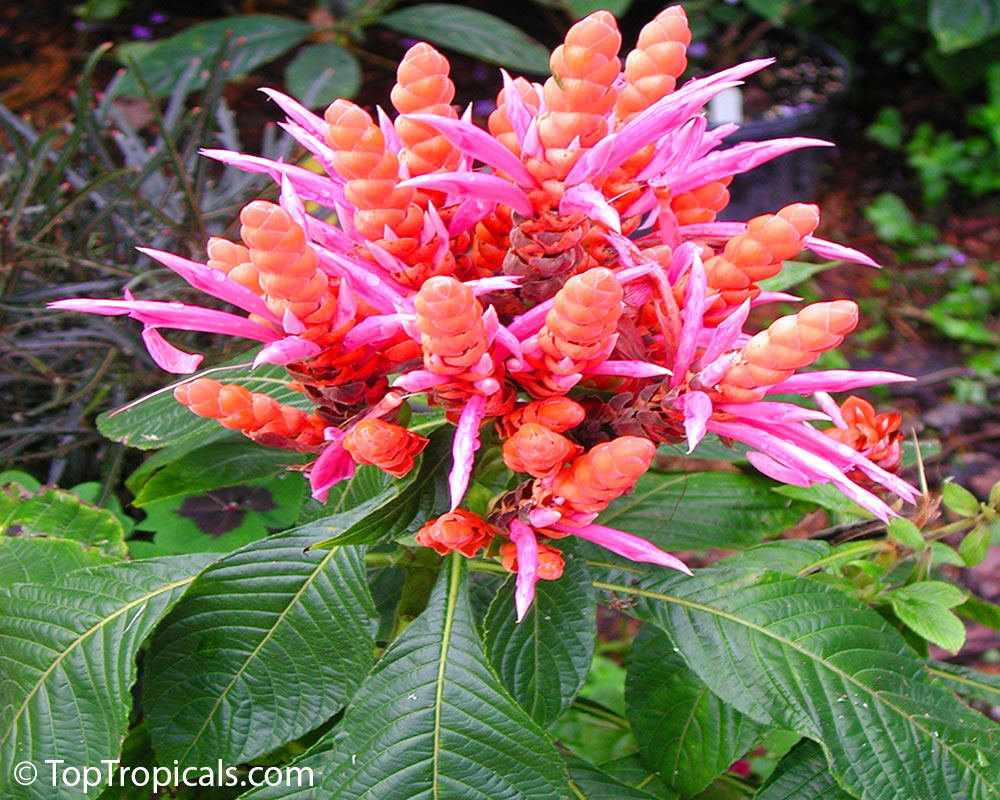
Aphelandra  sinclairiana  -  Panama  Queen

In the photo: Panama Queen