🍊 7 steps for a care-free Spanish Tamarind - the easiest rare fruit to grow
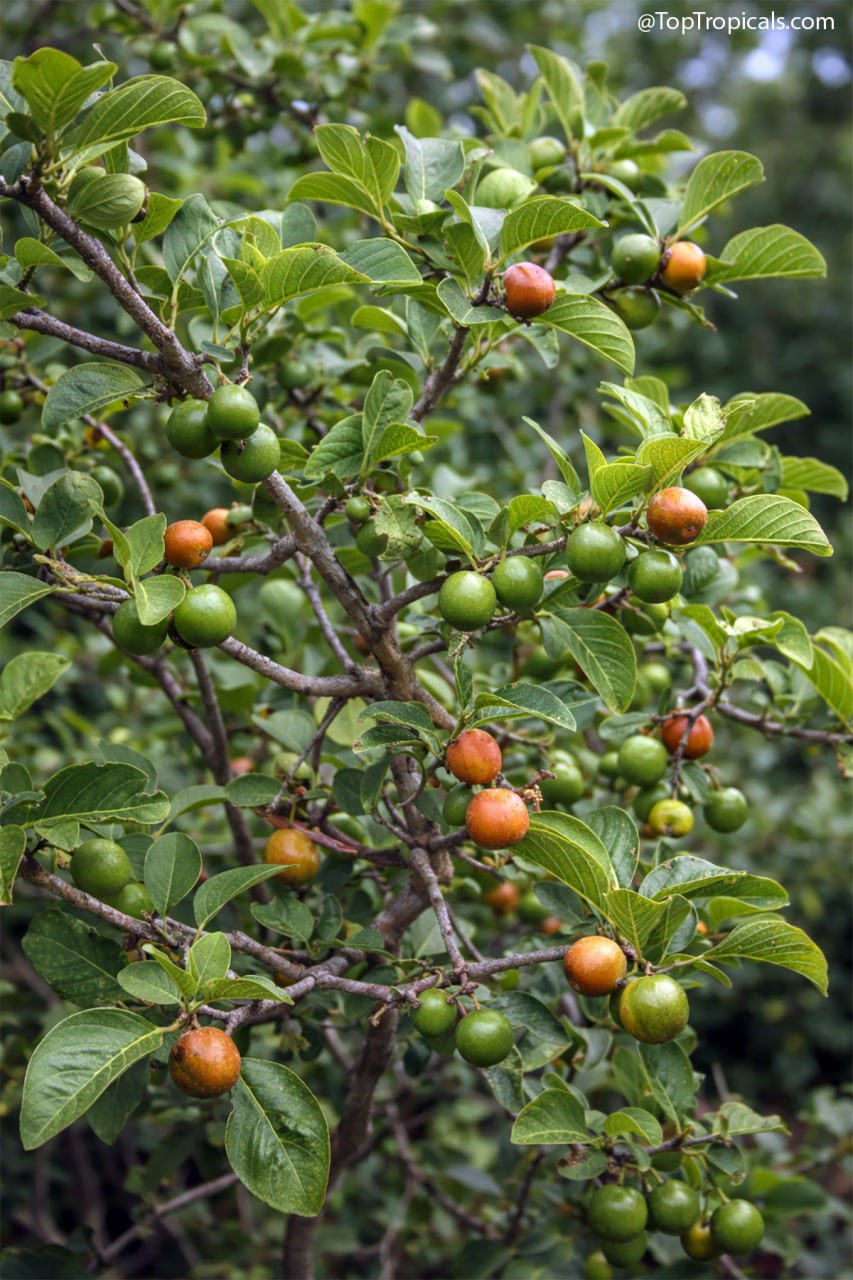
Yes, it can handle light frost - Vangueria infausta (Spanish Tamarind, Wild Medlar) - we just discovered it can handle cold snaps! After a few cold nights in January, our young tree planted just a few months ago, still looks happy and strong!
Wild Medlar Plant Facts
Botanical name: Vangueria infausta Also known as: Wild Medlar, Spanish Tamarind
USDA Zone: 9 - 11
Highligths
If you are looking for a tough little fruit tree that thrives on neglect but gives you something truly special in return - try this rare, compact fruit tree. Spanish Tamarind is native to southern Africa, it is drought-tolerant, pest-resistant, and surprisingly cold-hardy once established - making it a great choice even for gardeners in borderline zones.
🍸Guess what is this fruit that tastes like Gin - it's Gin Berry, Glycosmis pentaphylla. It's also called Orangeberry, or Limonia, and is one of those plants that surprises people the moment they touch it. Crush a leaf or rub one of the ripe berries, and the scent is unmistakable - fresh, citrusy, pure gin! Just add tonic.
Ash sheora Plant Facts
Botanical name: Glycosmis pentaphylla, Limonia pentaphylla Also known as: Ash sheora, Orangeberry, Rum Berry, Gin Berry
USDA Zone: 9 - 10
Highligths
🍸 Why the berries smell like gin?
The leaves and berries are packed with aromatic oils rich in citrus terpenes, similar to compounds found in juniper and citrus peel. That shared chemistry is what creates the gin-like fragrance. It smells clean, sharp, and refreshing - more aroma than sweetness.
🍸 A lesser-known citrus cousin
Gin Berry belongs to the Rutaceae family, the same plant family as oranges, lemons, limes, and Curry leaf. You can see it in the glossy leaves and smell it in the oils, but the growth habit is different. Instead of becoming a tree, Gin Berry stays a compact, evergreen shrub.
🍸 Edible, but fragrance-forward
The small berries are edible and lightly sweet-tart, though most people notice the aroma before the flavor. In parts of South and Southeast Asia, the fruit is eaten fresh, added to chutneys, or used to scent drinks and infusions. It is subtle and aromatic rather than juicy.
🍸 Traditional uses and health benefits
🔸Gin Berry has a long history in folk medicine, especially in in Hindu medicine. 🔸Leaves used in teas for digestion and fevers 🔸Roots traditionally used for inflammation and pain 🔸Modern studies note antimicrobial and antioxidant activity
🍸 Easy garden and container plant
🔸Evergreen shrub with shiny leaves 🔸Naturally compact and easy to prune 🔸Small white flowers with a light fragrance 🔸Clusters of decorative berries 🔸Excellent for pots, patios, and warm climates 🔸Attracts pollinators, and birds enjoy the berries.
🍸 Why Gin Berry stands out
Gin Berry sits right between ornamental and edible. It has the citrus-family fragrance people love, stays manageable in size, and offers a unique sensory experience that most gardeners have never seen - or smelled - before.
This is a simple reminder that every step counts!
You can go all in and plant a real tree, work the soil, and grow something that will last for years.
Or you can start small, with a single plant and a simple moment that gets you outside and thinking differently about your space.
Both matter.
The difference is not in the intention, but in what happens next.
A small start is fine - as long as it turns into something real.
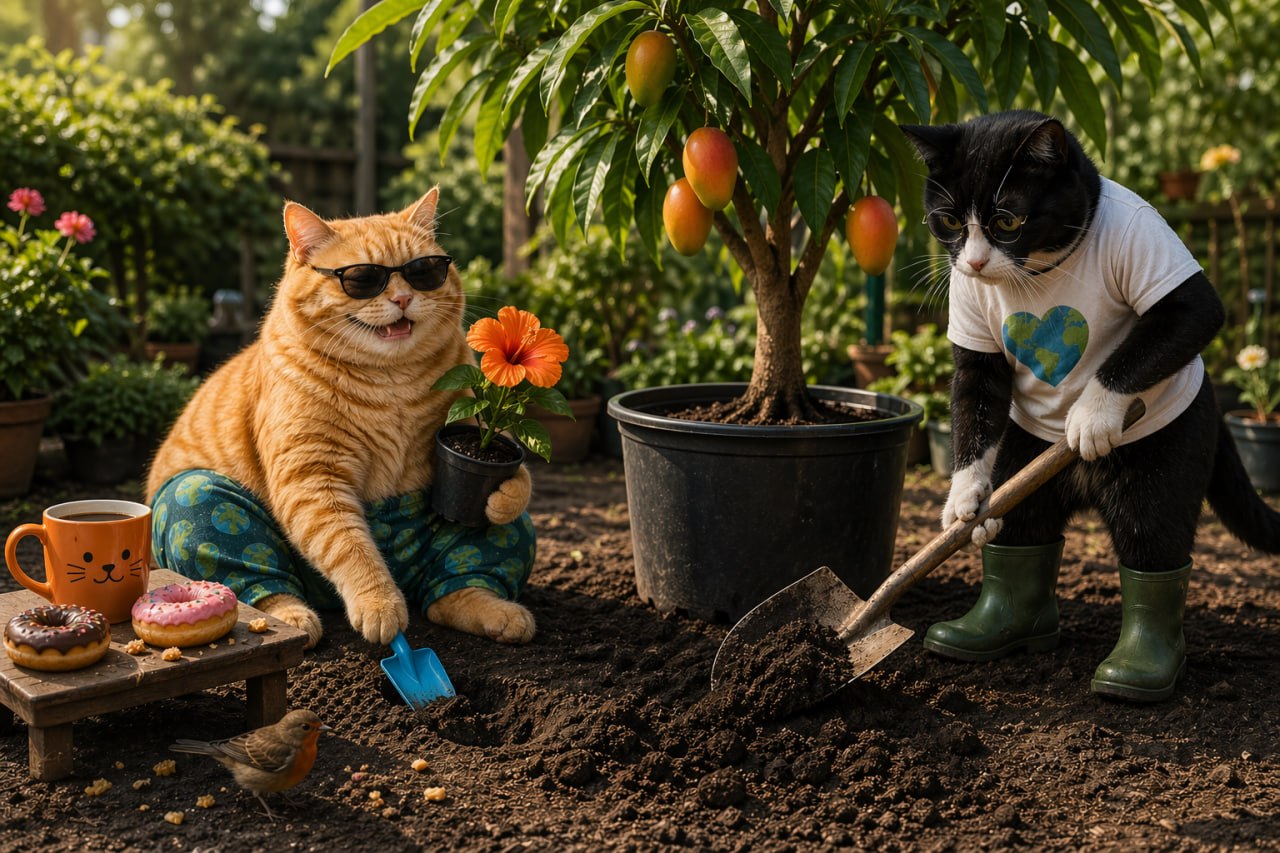
Sunshine: It’s Earth Day - this counts as planting, right? Smokey: I’m sure the Earth appreciates the thought.
Happy Easter to all who celebrate today - especially across Eastern Europe and Orthodox communities around the world.
Smokey and Sunshine are taking a well-earned break with coffee, sweet Easter bread, and a table full of spring color. Wishing you a day filled with peace, renewal, and quiet joy. And of course - the perfect time to plant flowers and fruit and bring new life into your garden.
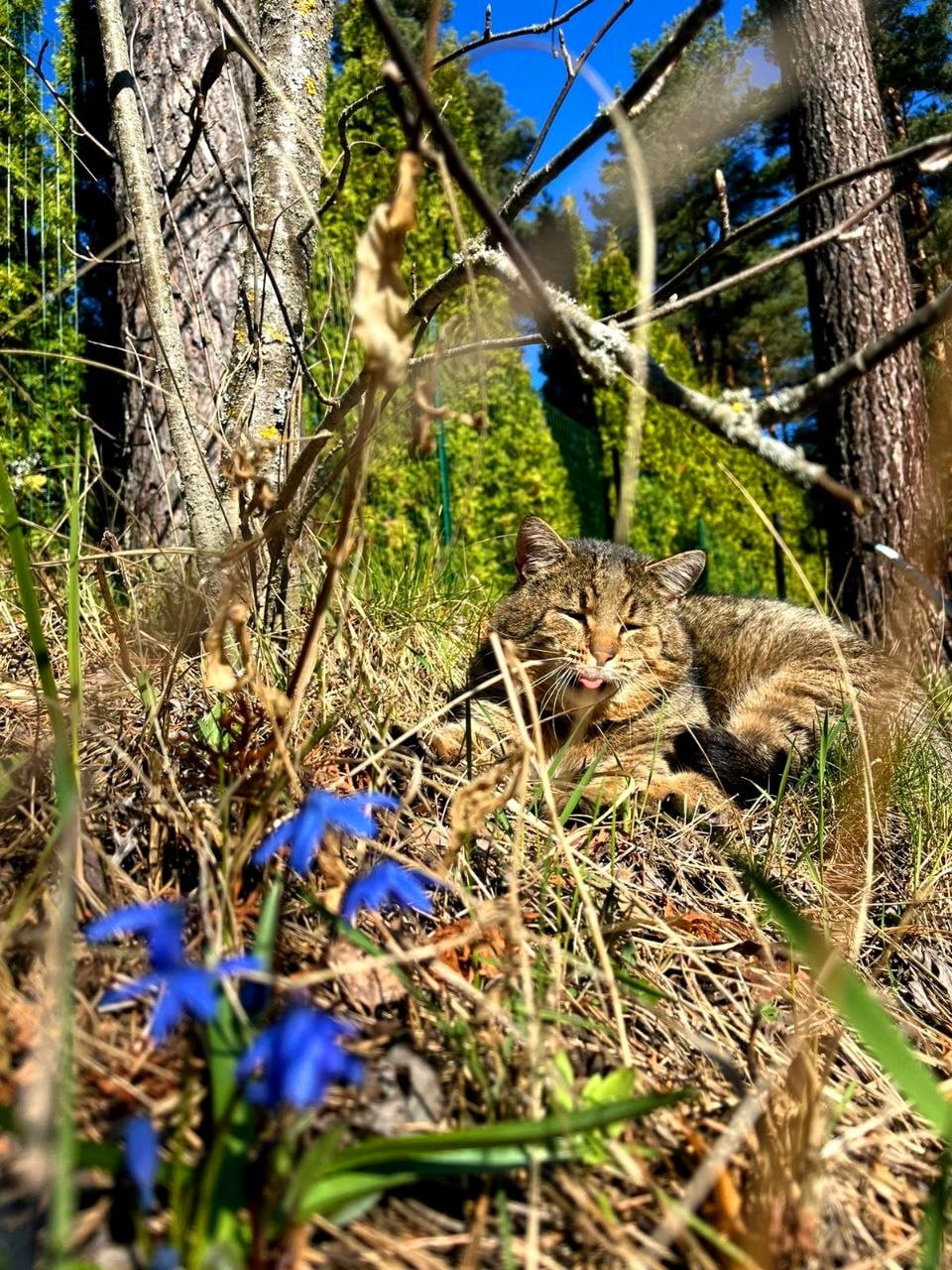
Thyme the cat officially declared the garden open for spring
🍫 Spring boss Chocolate Paws
A Moveable Feast: "You expected to be sad in the fall. Part of you died each year when the leaves fell… but you knew there would always be the spring." - Ernest Hemingway
Thyme the cat - "Chocolate Paws" to those who know him well - has officially declared the gardens open for spring even up North!
He found the warmest patch of sun, right between last year’s dry leaves and the first brave blue flowers, and settled in like he owns the season. Eyes half-closed, tiny tongue out, completely unbothered.
Why "Chocolate Paws"? Back when he was a tiny kitten, his little paw pads looked like soft pieces of chocolate. These days he’s an eight-year-old bruiser - worn paws, a battle-tested face, and stories you can only guess at.
The flowers are blooming, the air smells fresh, and Thyme?
Still enjoying life like it’s his full-time job.