Garden Blog - Top Tropicals

Date: 9 Apr 2026

*️⃣ Stop Babysitting Your Trees - Grow Cold Hardy Avocados Instead
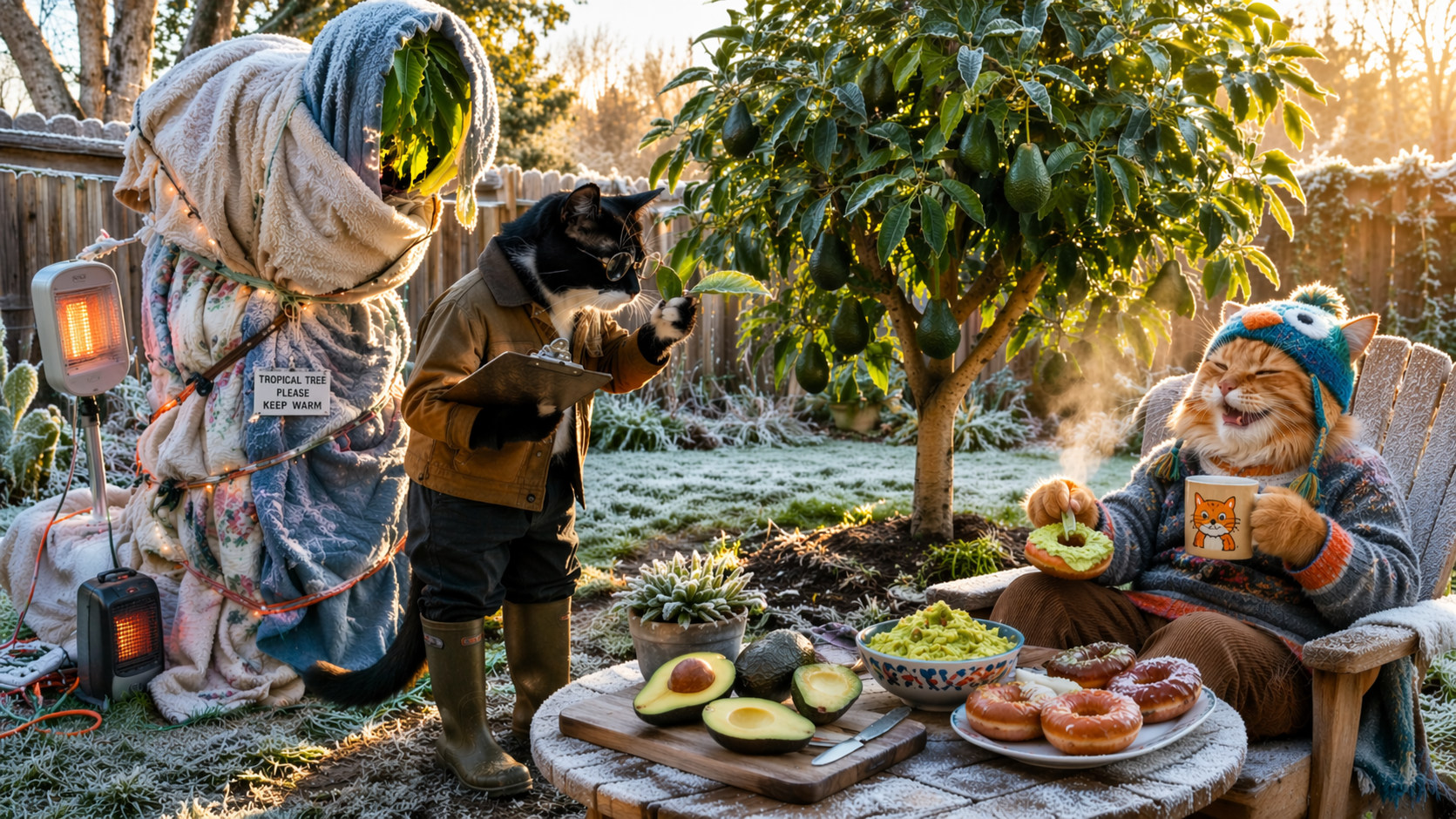
Smokey  the  black-and-white  cat  with  glasses  sits  on  a  patio  taking 
 notes  while  Sunshine,  a  fluffy  orange  cat  wearing  bunny  ears,  holds  a  small 
 potted  mango  tree  with  light  yellow  flowers.
Sunshine: I love these crazy guacamole donuts… but I’m tired babysitting trees during cold.

Smokey: Then stop planting trees that need babysitting. Plant cold hardy avocado.

Read more about Smokey & Sunshine

You always wanted an avocado tree. Not in Miami - right there in Central Florida, in your own yard. You planted one, it grew well for a few years, and it felt like you finally figured it out. Then 2026 hit. A few cold nights, temperatures dropped below what your area usually sees, and the tree was gone.

Avocado Plant Facts

Botanical name: Persea americana, Persea gratissima
Also known as: Avocado, Alligator Pear, Aguacate, Abacate
USDA Zone: 9 - 11
Highligths Large tree taller than 20 ftSmall tree 10-20 ftFull sunWatering: Regular. Let topsoil dry slightlyEdible plantSubtropical plant. Mature plant cold hardy at least to 30s F for a short time
Get personalized tips for your region

Here is the part most people miss: USDA zones are based on average minimums, not the worst freezes. One bad night can erase years of growth.

That does not mean avocado will not work. It means you planted the wrong variety. Cold hardy avocados are built for exactly this kind of surprise.
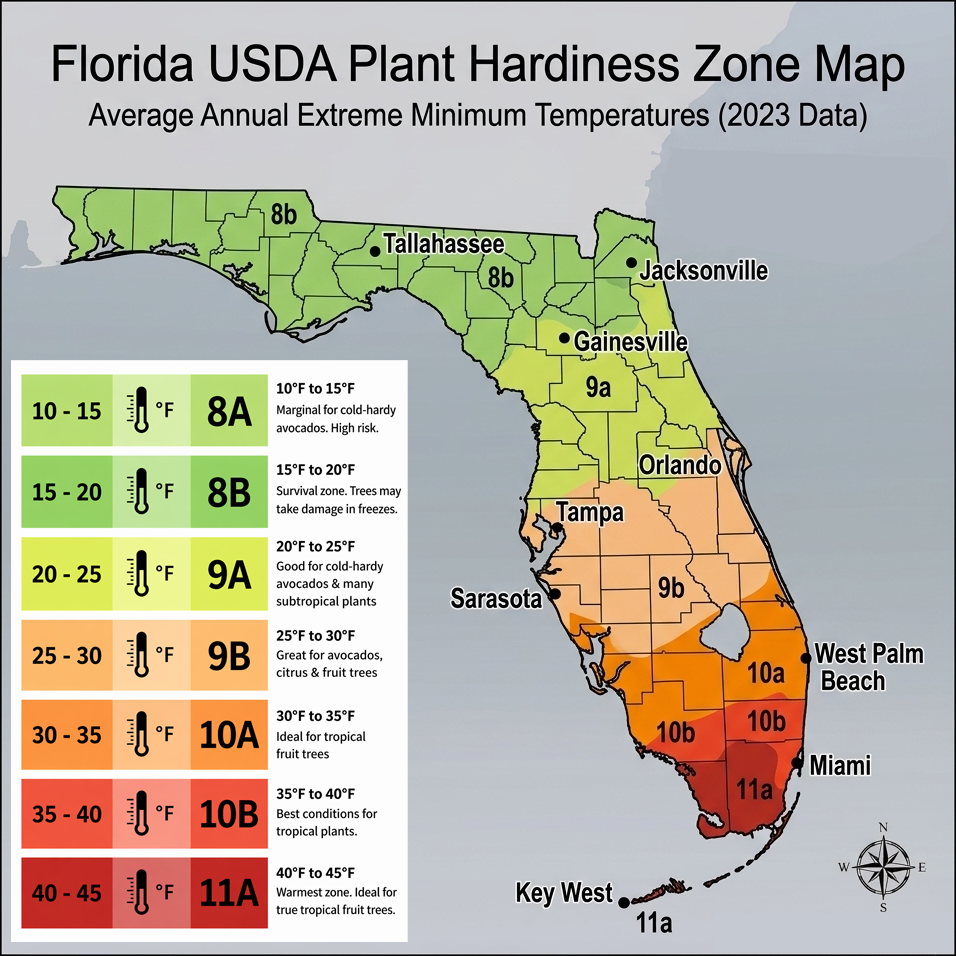
Florida  USDA  plant  hardiness  zone  map  showing  zones  8a  through  11a  with
   temperature  ranges

USDA zone map

This USDA Zone map makes one thing clear: all of Florida can grow avocado. The question is not if - it is which variety. From North Florida (8b) to South Florida (11a), there is always an option that fits your conditions.

If you are outside Florida - in Texas, Louisiana, California, or anywhere else - the same rule applies. Start with your USDA zone, then choose the right type of avocado for it. You can check your local zone here

So what does this mean for your yard? It is not about trying again and hoping for a warmer winter. It is about choosing a tree that actually matches your zone.

Cold Hardy Avocado Varieties for Reliable Harvests

Swipe left/right to see all data <->
🌡️ Threshold 🛡️ Resistance Profile Primary Varieties & Type Culinary Profile 📍 Geographic Best Fit
15°F+ High Resistance: Mexican-type selections. Short freezes near 15°F are survivable with minor leaf burn. Fantastic (A), Joey (B), Lila (A), Poncho (B) High Oil / Nutty USDA Zone 8b / 9a transition regions. Central/North Florida, Texas, Arizona
20°F+ Moderate: Brief freezes usually survivable. Full recovery may take an entire growing season. Bacon (B), Brogdon (B), Day (A), Fuerte (B), Mexicola Grande (A), Ulala "Super Hass" (A), Winter Mexican (B) Medium Oil / Creamy Coastal 9a. Inland Florida and colder microclimates.
25°F+ Light: Visible canopy damage and branch dieback are common. Survival depends on wind protection. Choquette (A), Oro Negro (B), Lula (A) Rich / "Black Gold" Zone 9b/10a. Coastal Central Florida and protected microclimates.
30°F+ Frost Tolerant Only: Even brief freezes cause rapid damage. Best for South Florida. Simmonds (A), Black Prince (A) Mild / Large Slicing USDA Zone 10a / 10b. S. Florida, Miami, Keys, Coast.
  Compact: Move inside during cold Dwarf Wurtz (A&B) and Fuerte (B) Rich / High Oil Patio Growers & Containers

See more varieties in our Master Avocado Varieties table

Microclimate matters more than your zone. The same yard can have warm and cold pockets. Plant near a south-facing wall, under light canopy, or in a spot protected from wind, and you gain a few critical degrees on cold nights.

Young avocado trees need protection during their first winters. They have not built enough wood or root strength yet, so even a short cold snap can damage them. Simple steps like frost cloth, wind protection, or temporary covers can make the difference between a setback and a loss.

You may see avocados labeled as Type A or Type B. This refers to how the flowers open, not cold hardiness. Some people mix both types to improve pollination, and while a single tree can still produce fruit, having two different types is beneficial and can increase your harvest.

Practical Planting Advice

  • Plant on a mound
    Raise the root zone 4-8 inches for fast drainage.
  • Avoid low spots
    Standing water is worse than drought for avocados.
  • Full sun
    Maximum light = stronger growth and better recovery.
  • Use microclimate
    South-facing wall, light canopy, or wind protection adds critical warmth.
  • Do not overwater
    Let the top layer dry slightly between watering.
  • Protect first winter
    Cover young trees during cold nights.

✅ Stop Guessing. Plant What Works.

Cold hardy avocados are not theory - they are proven to handle real conditions. Choose the right variety for your zone, plant it correctly, and you stop replacing trees after every cold snap.

🎥 Watch cold hardy avocado videos

✨ Grow More. Save More.

Get 10% off when you buy 2 or more 3 gal avocado trees. Mix varieties, combine Type A and Type B, and set yourself up for better pollination and bigger harvests.
Offer valid through 04/15/2026. No code needed - discount applied automatically at checkout.
Discount applies to 3 gal avocado plants only. Not valid on previous purchases and cannot be combined with other promotions or discounts. Offer subject to change without notice.
🛒 Shop cold hardy avocado

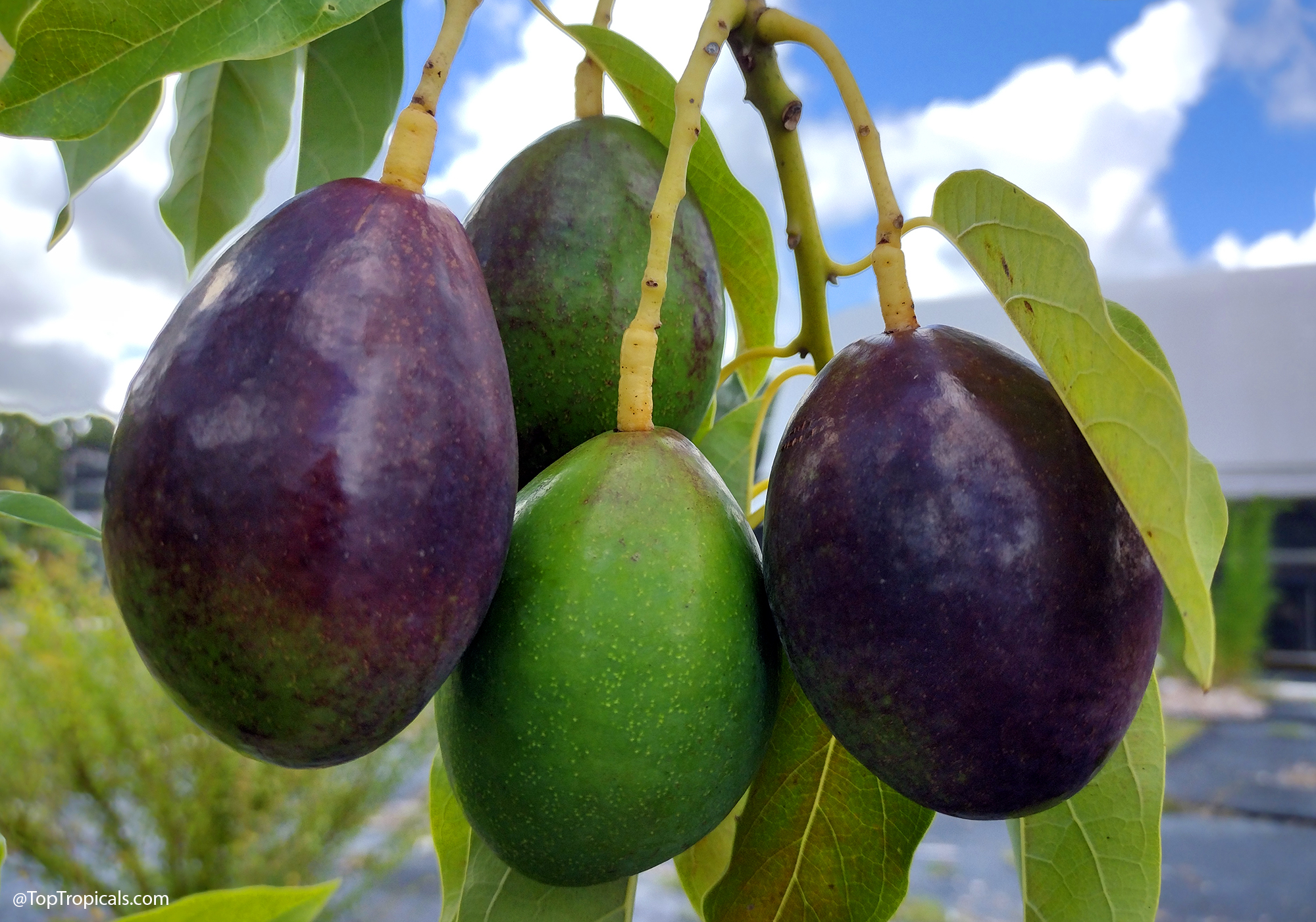
Avocado  tree  Joey,  Semi-Dwarf,  Cold  Hardy  (Persea  americana)  -  purple 
 and  green  fruit  on  a  branch

Joey is one of the most cold hardy Avocado trees with a compact habit and very pretty fruit. The flesh is nutty, smooth, and mildly sweet.

Date: 6 Apr 2026

Adenium rainbow - pink in every shade

Adenium Uncle Tu

Adenium Uncle Tu

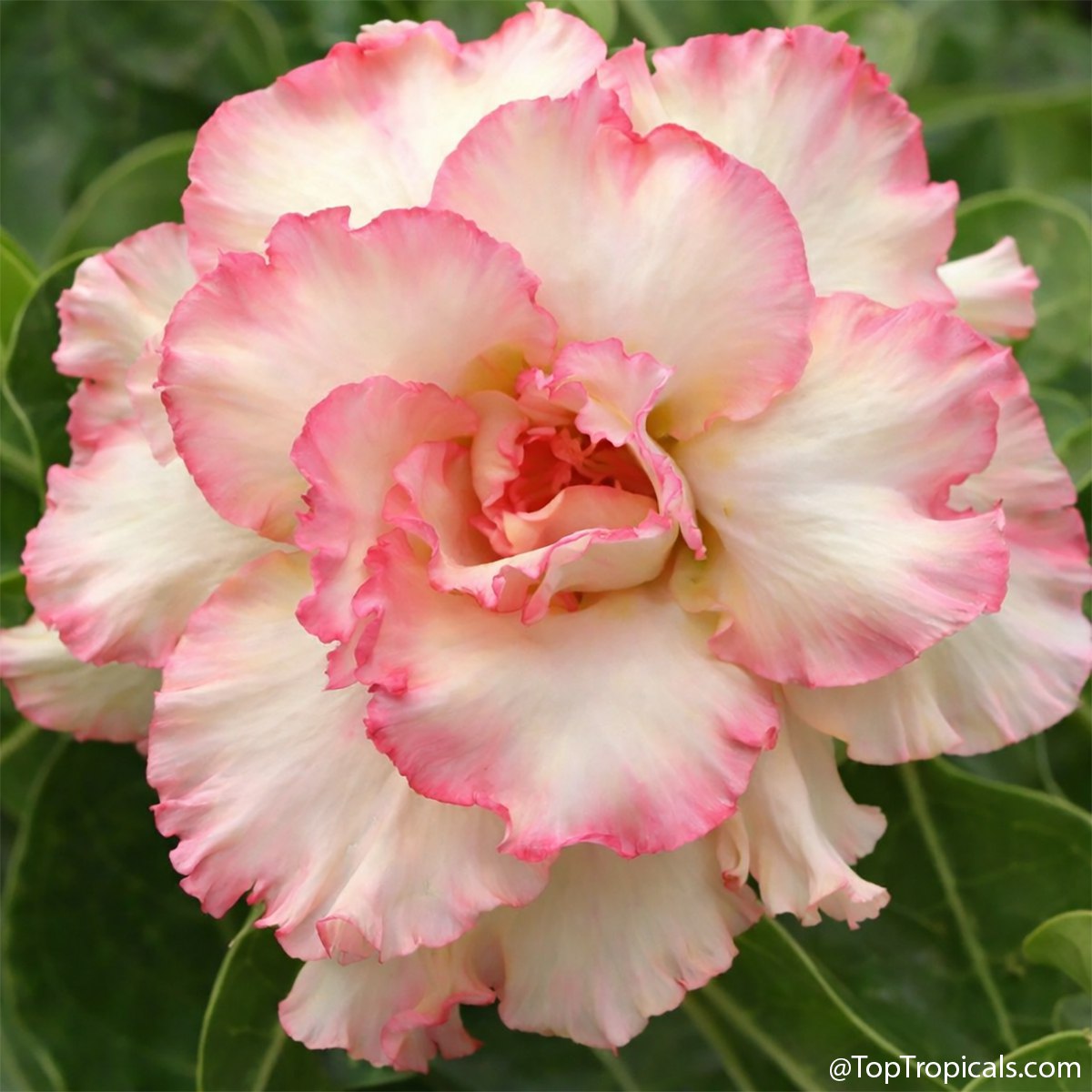
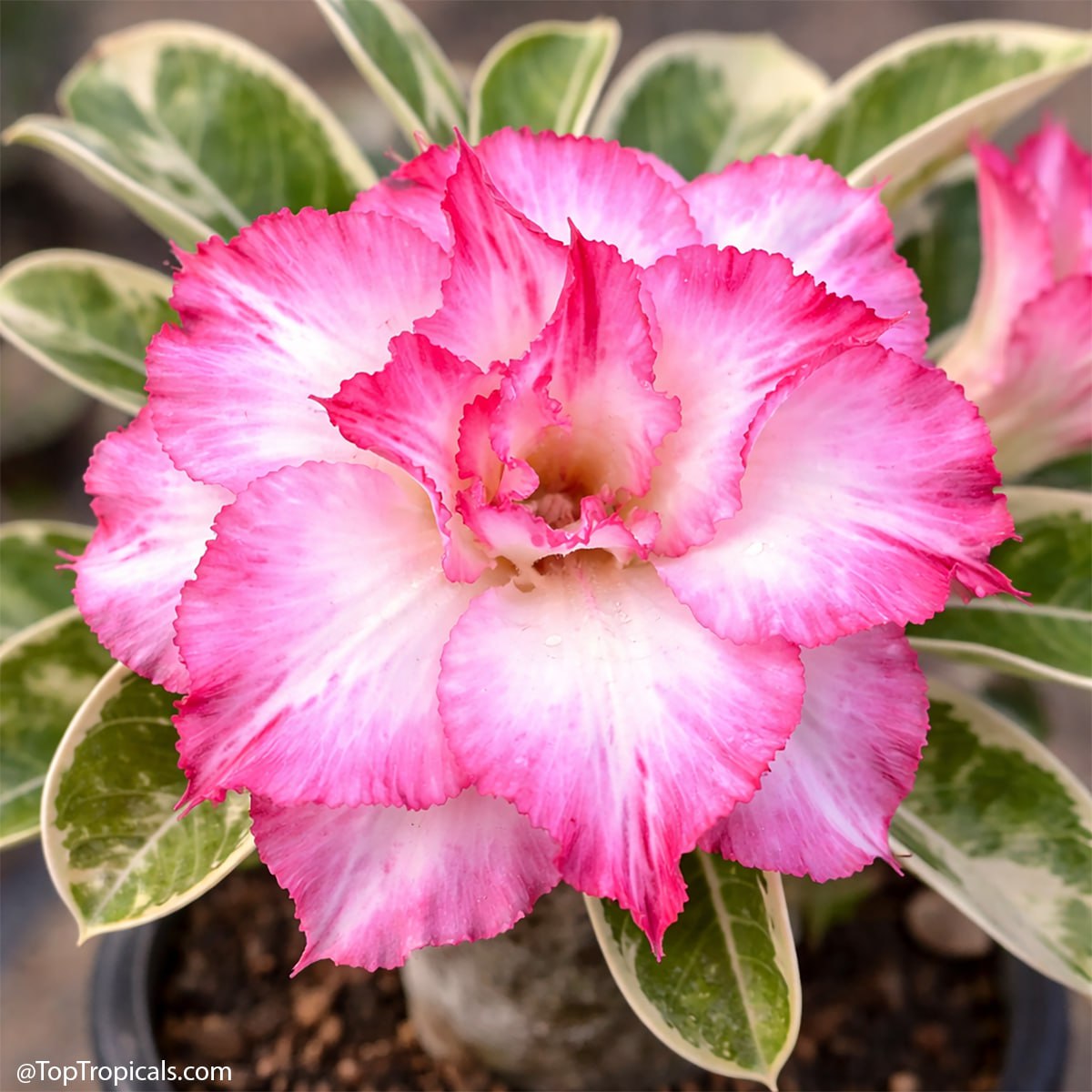
Adenium Leela

Adenium Leela

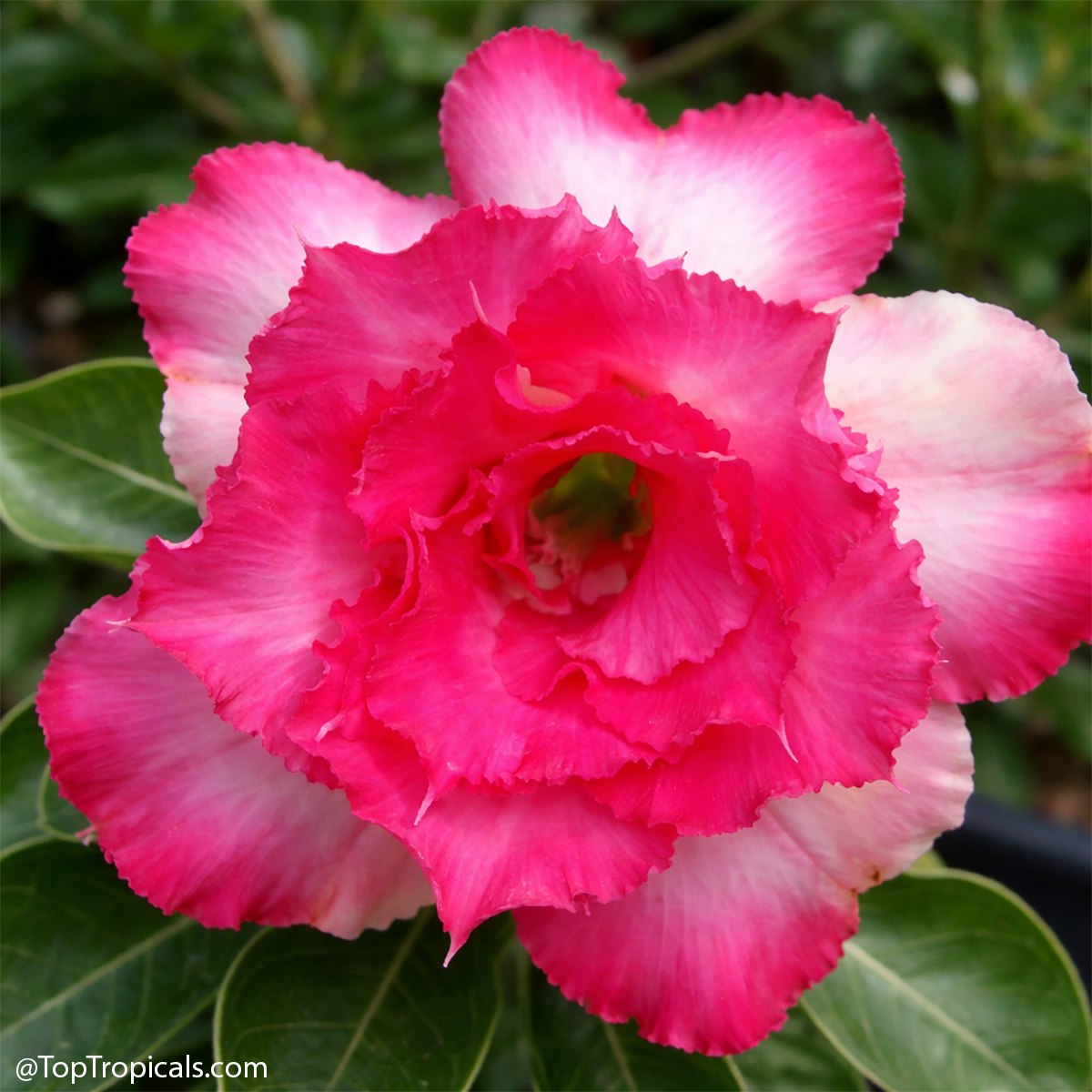
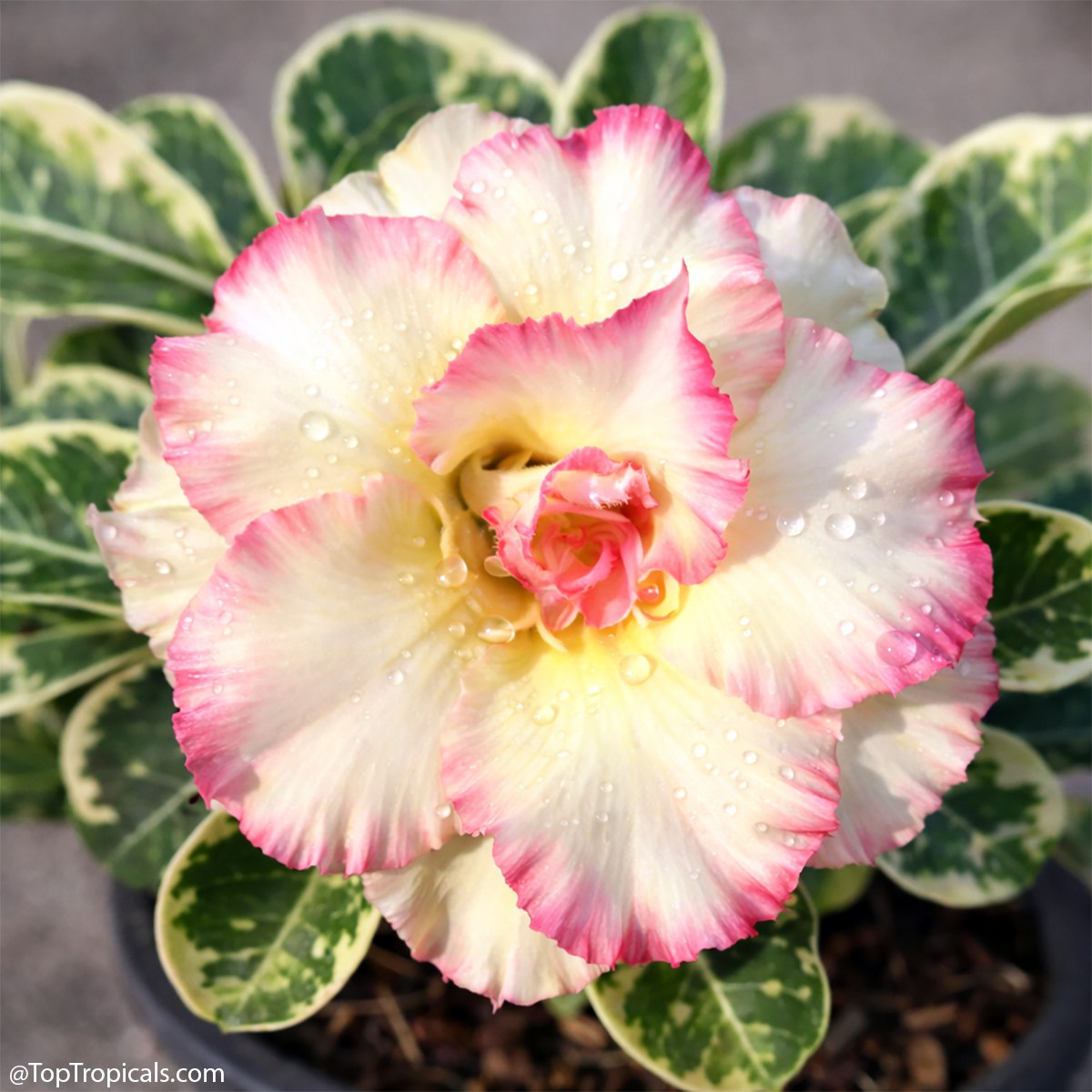
Adenium Ploy Nappan

Adenium Ploy Nappan

Adenium Pratuma

Adenium Pratuma

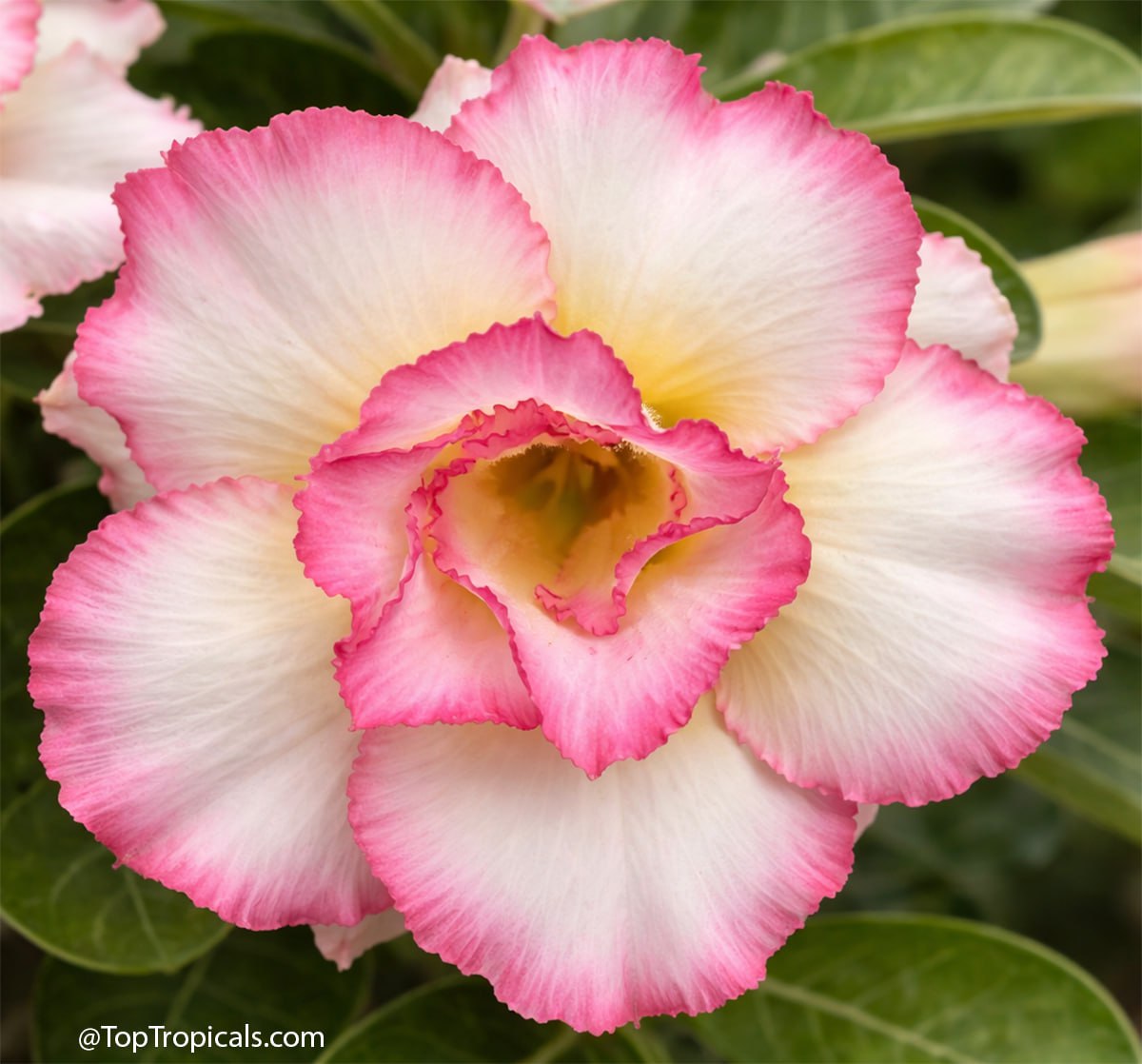
Adenium Snow White

Adenium Snow White

Adenium Talab Phet

Adenium Talab Phet

Adenium rainbow - pink in every shade 🌈

Some adeniums go bold, and some stay soft and classic.
This set is all about pink - from light and delicate to rich and bright. Simple at first glance, but full of subtle differences once you look closer.


💡 Growing from seed vs grafted Adeniums


You can grow adeniums from seeds, and it’s the only way to get that naturally swollen caudex from the start.
Seedlings develop a nice base, but they take time - usually 2–3 years before blooming.
There’s also a catch: seed-grown plants don’t come true to type. Most will turn into simple pink flowers, no matter what the parent looked like.
That’s why named varieties are grafted. A selected variety is grafted onto a seed-grown plant with a developed caudex - so you get both the shape and the exact flower you want.

Adenium Plant Facts

Botanical name: Adenium sp.
Also known as: Adenium, Desert Rose, Impala Lily
USDA Zone: 9 - 10
Highligths Plant with caudexLarge shrub 5-10 ft tallSmall tree 10-20 ftFull sunWater Requirement: Low. Allow soil to dry out between wateringsWatering: Moderate. Water when top soil feels dryYellow, orange flowersRed, crimson, vinous flowersUnusual colorBlue, lavender, purple flowersWhite, off-white flowersPink flowersToxic or Poisonous
Get personalized tips for your region


🌸 Today's featured adeniums


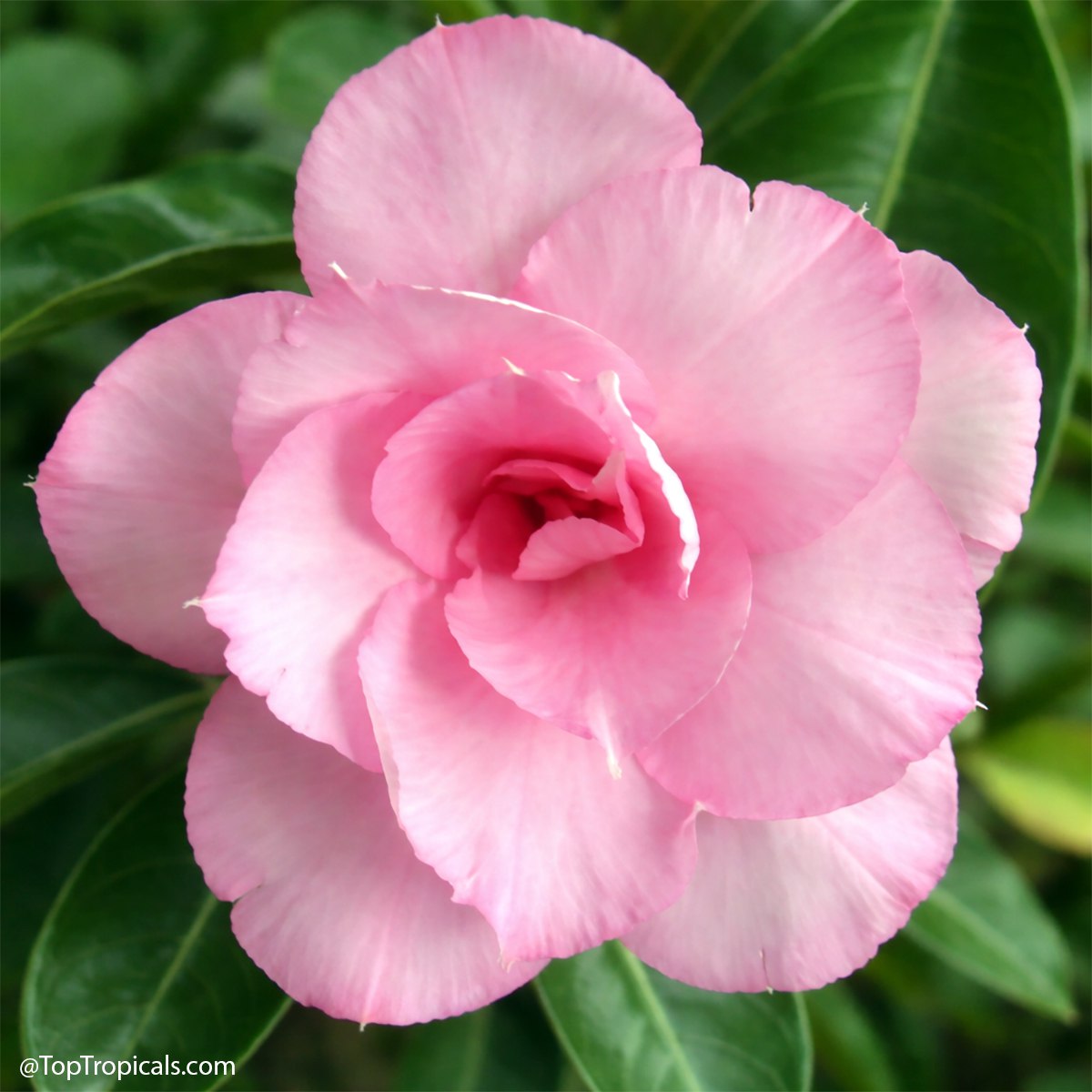
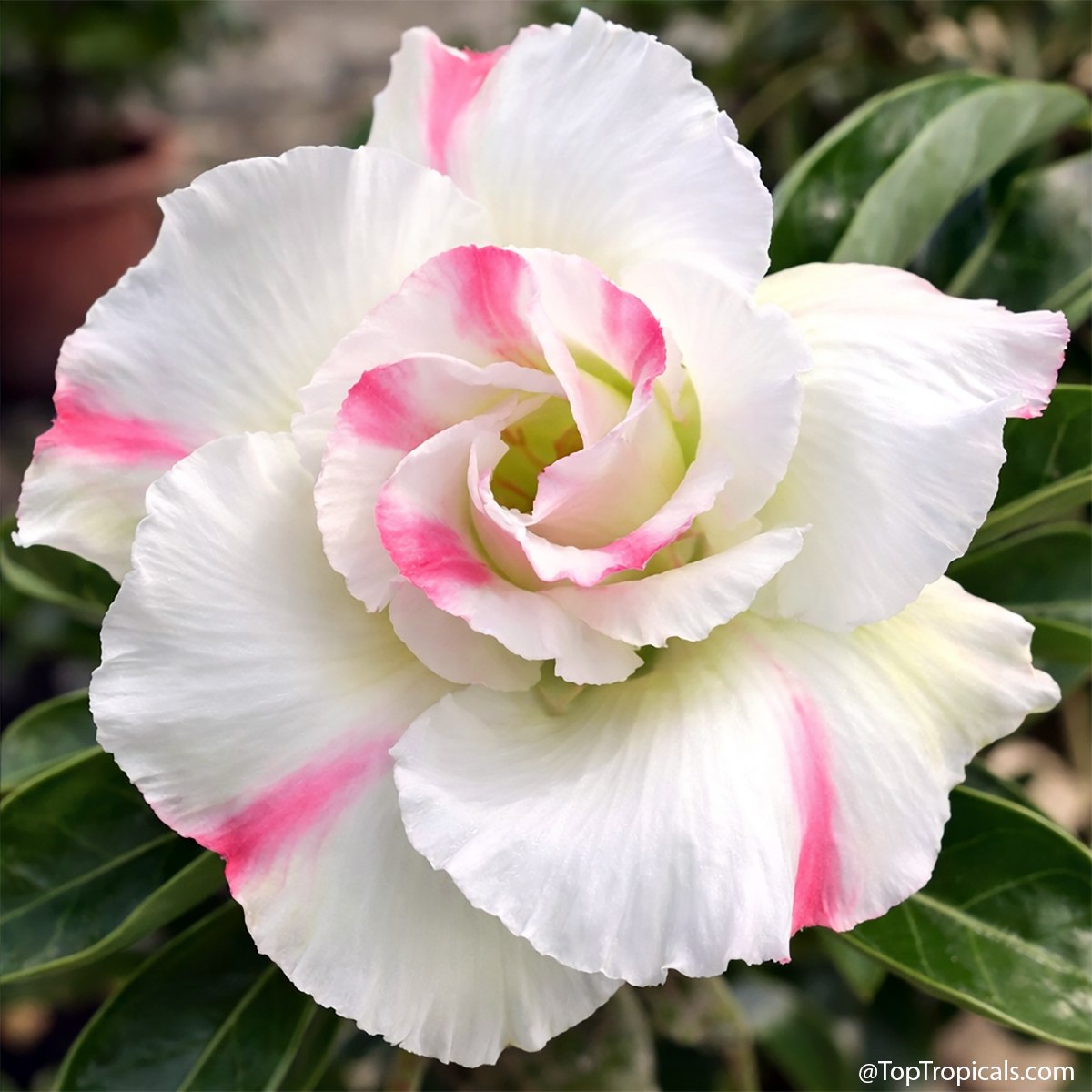
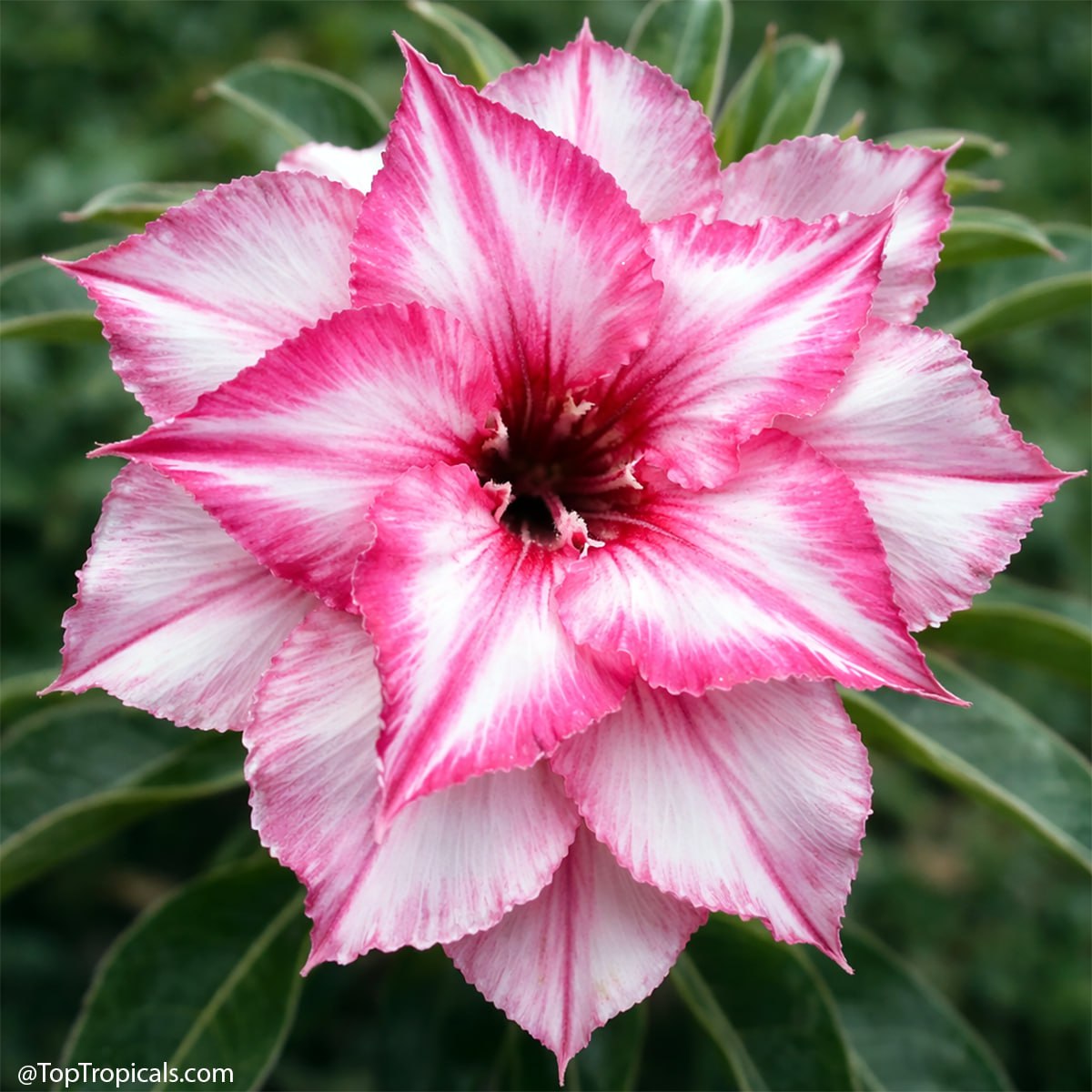
 ✦ Uncle Tu: Soft pink tones with a clean, balanced bloom.
 ✦ Leela: Gentle pink shades with a refined, elegant look.
 ✦ Ploy Nappan: Named like a jewel - layered pink tones with depth.
 ✦ Pratuma: Classic pink form with a smooth, rounded shape.
 ✦ Snow White: Very light, almost white bloom with a soft pink touch.
 ✦ Talab Phet: Richer pink with a slightly deeper, more intense tone.

Pink may look simple - but once you line them up like this, you realize how different each one really is.
And somehow, there’s always room for one more pink!

🛒 Explore Exotic Thai Adeniums

📚 Learn more:


· Adenium varieties in Plant Encyclopedia
· About #Adenium Rainbow - fantastic varieties
· Dark tones that don’t look real. Secret of a Big Caudex.
· Variegated and impossible to ignore adeniums that change your collection. Soil tips.
· We picked 6 adeniums - you’ll probably want all 6. Soil and Watering tip.
· A few adeniums you don’t want to miss. Trimming tip.
· The adenium colors everyone is talking about right now. Light tips for hot climates.
· Adenium rainbow: these 6 will pull you in. Fertilizing tips.
· How to start your dream collection: before you start
· How to grow a happy Adenium

#Container_Garden #Adeniums #How_to #Discover

🟢 Join 👉 TopTropicals

Date: 31 Mar 2026

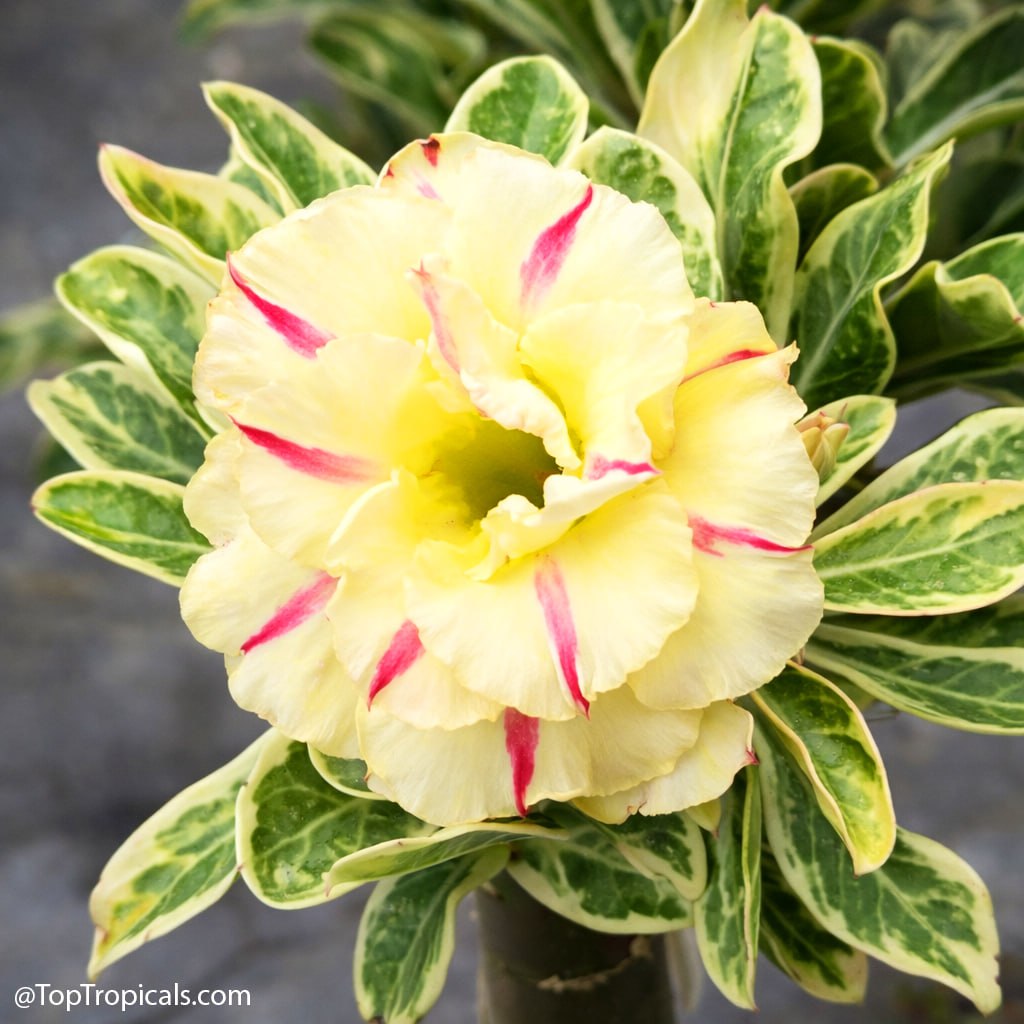
6 variegated, impossible to ignore adeniums that change your collection: Adenium rainbow

Adenium Superbar

Adenium Superbar

Adenium Wonderful Candy variegated

Adenium Wonderful Candy variegated

Adenium Wonderful Pink variegated

Adenium Wonderful Pink variegated

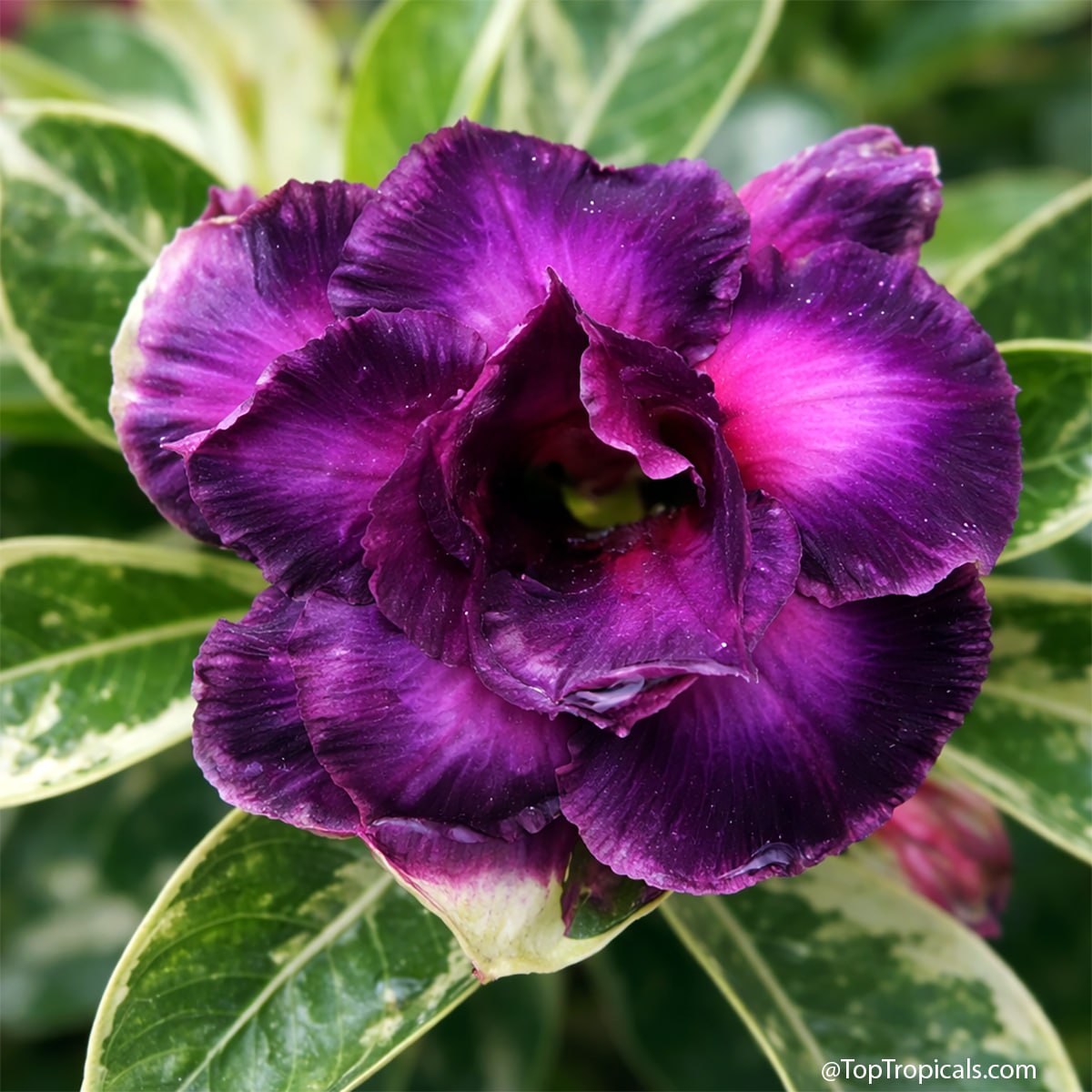
Adenium Wonderful Purple variegated

Adenium Wonderful Purple variegated

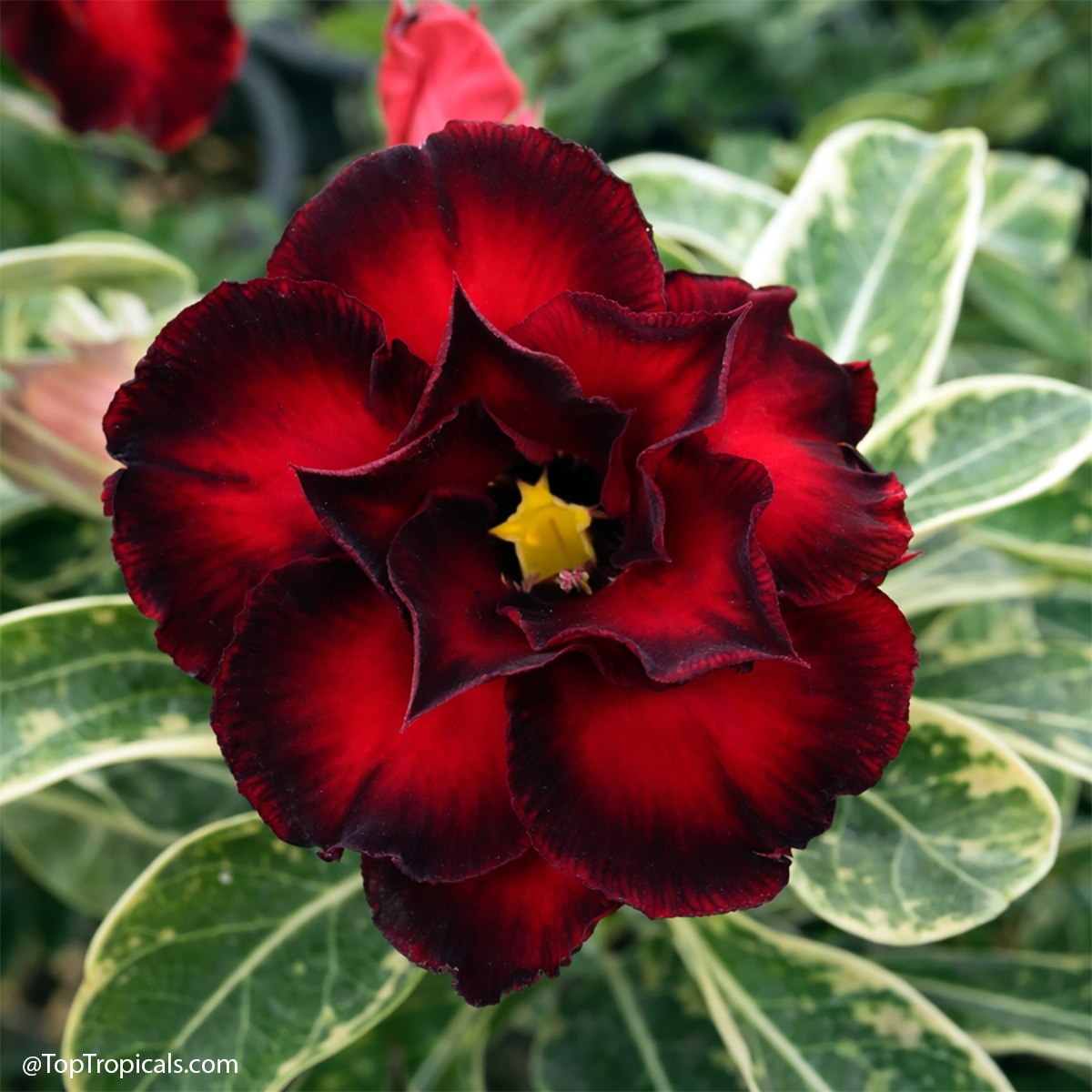
Adenium Wonderful Red variegated

Adenium Wonderful Red variegated

Adenium Wonderful Yellow variegated

Adenium Wonderful Yellow variegated

6 variegated, impossible to ignore adeniums that change your collection: Adenium rainbow 🌈

Adenium Plant Facts

Botanical name: Adenium sp.
Also known as: Adenium, Desert Rose, Impala Lily
USDA Zone: 9 - 10
Highligths Plant with caudexLarge shrub 5-10 ft tallSmall tree 10-20 ftFull sunWater Requirement: Low. Allow soil to dry out between wateringsWatering: Moderate. Water when top soil feels dryYellow, orange flowersRed, crimson, vinous flowersUnusual colorBlue, lavender, purple flowersWhite, off-white flowersPink flowersToxic or Poisonous
Get personalized tips for your region


Some adeniums stand out for their flowers, and some for their leaves
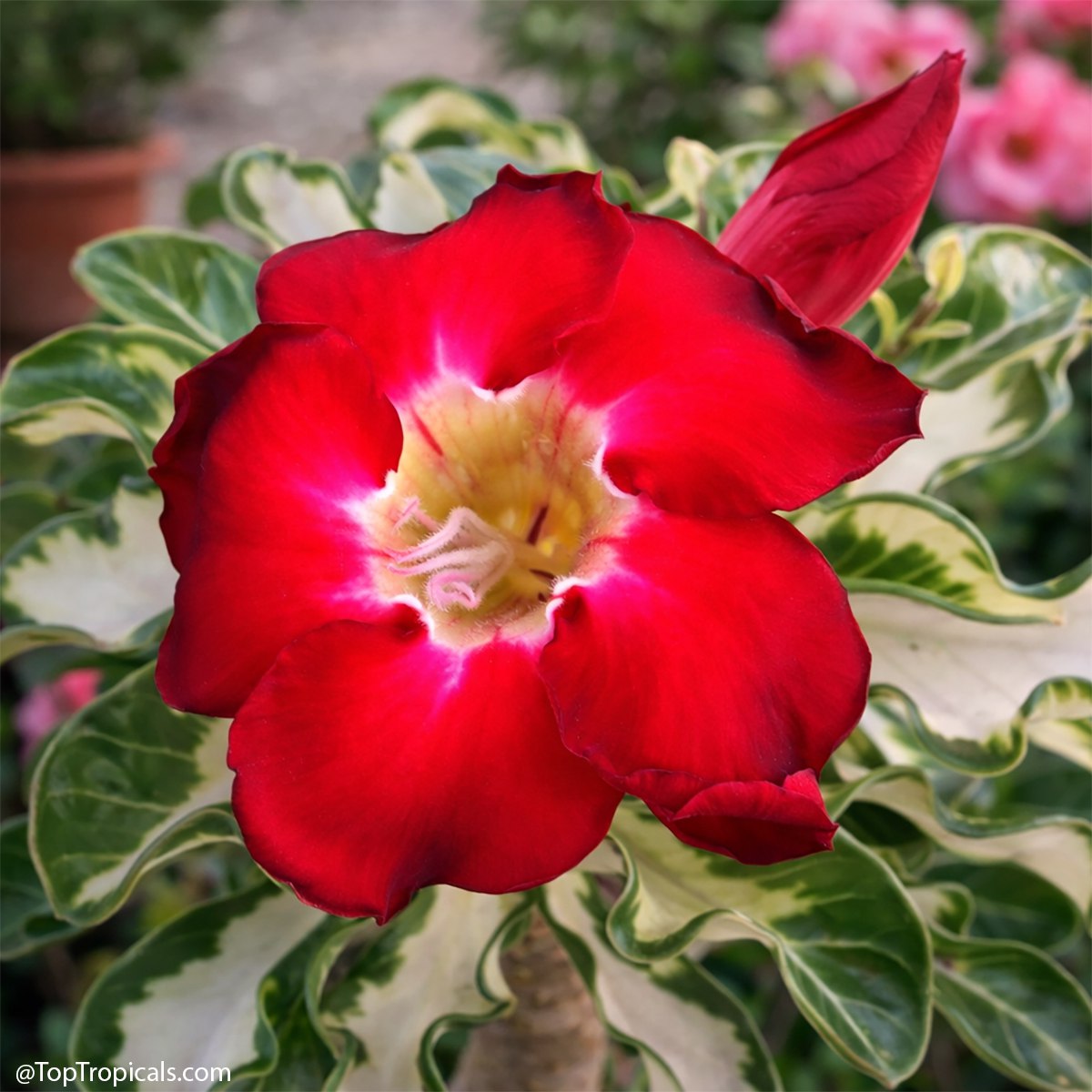
Variegated types bring both - unique foliage and colorful blooms, so even when they’re not flowering, they still look interesting.
These are the ones that always get a second look.


💡 Soil tip - a little alkaline helps


Unlike most tropical plants that prefer acidic soil, adeniums actually do better on the slightly alkaline side.
Too much peat-based mix can make the soil too acidic and increase the risk of rot.
A simple trick we use:
Add a few shells on top of the soil. With each watering, they slowly raise the pH a bit.
No need to overdo it - just a small adjustment makes a difference.

🌸 Today's featured adeniums


 ✦ Superbar: Strong, bold blooms paired with eye-catching foliage - a real standout.
 ✦ Wonderful Candy variegated: Soft pink tones with variegated leaves that add extra contrast.
 ✦ Wonderful Pink variegated: Classic pink bloom combined with patterned foliage.
 ✦ Wonderful Purple variegated: Richer tones with a deeper, more dramatic feel.
 ✦ Wonderful Red variegated: Bright red blooms with a clean, strong presence.
 ✦ Wonderful Yellow variegated: Fresh yellow flowers with variegation that keeps it interesting year-round.

Variegated adeniums bring something extra to a collection - not just flowers, but foliage that keeps working for you all season.
And once you notice them - it’s hard not to want more.

🛒 Explore Exotic Thai Adeniums

📚 Learn more:


· Adenium varieties in Plant Encyclopedia
· About #Adenium Rainbow - fantastic varieties
· We picked 6 adeniums - you’ll probably want all 6. Soil and Watering tip.
· A few adeniums you don’t want to miss. Trimming tip.
· The adenium colors everyone is talking about right now. Light tips for hot climates.
· Adenium rainbow: these 6 will pull you in. Fertilizing tips.
· How to start your dream collection: before you start
· How to grow a happy Adenium

#Container_Garden #Adeniums #How_to #Discover

🟢 Join 👉 TopTropicals

Date: 20 Mar 2026

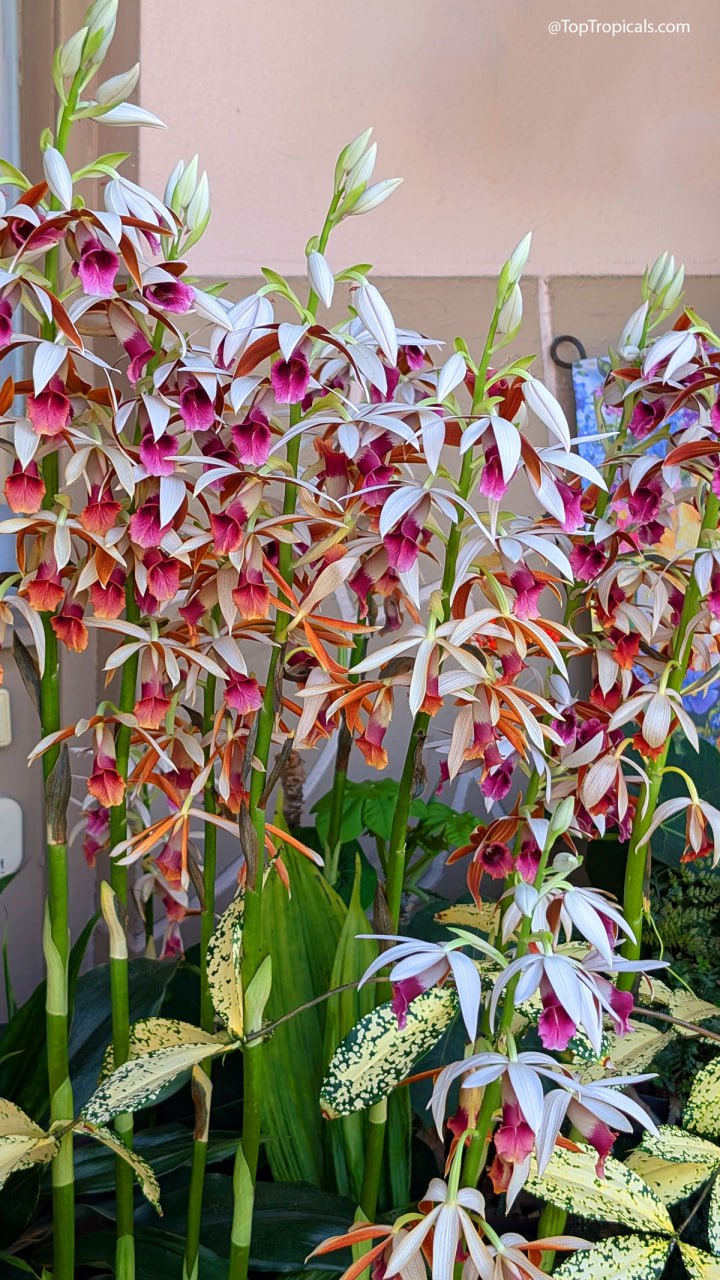
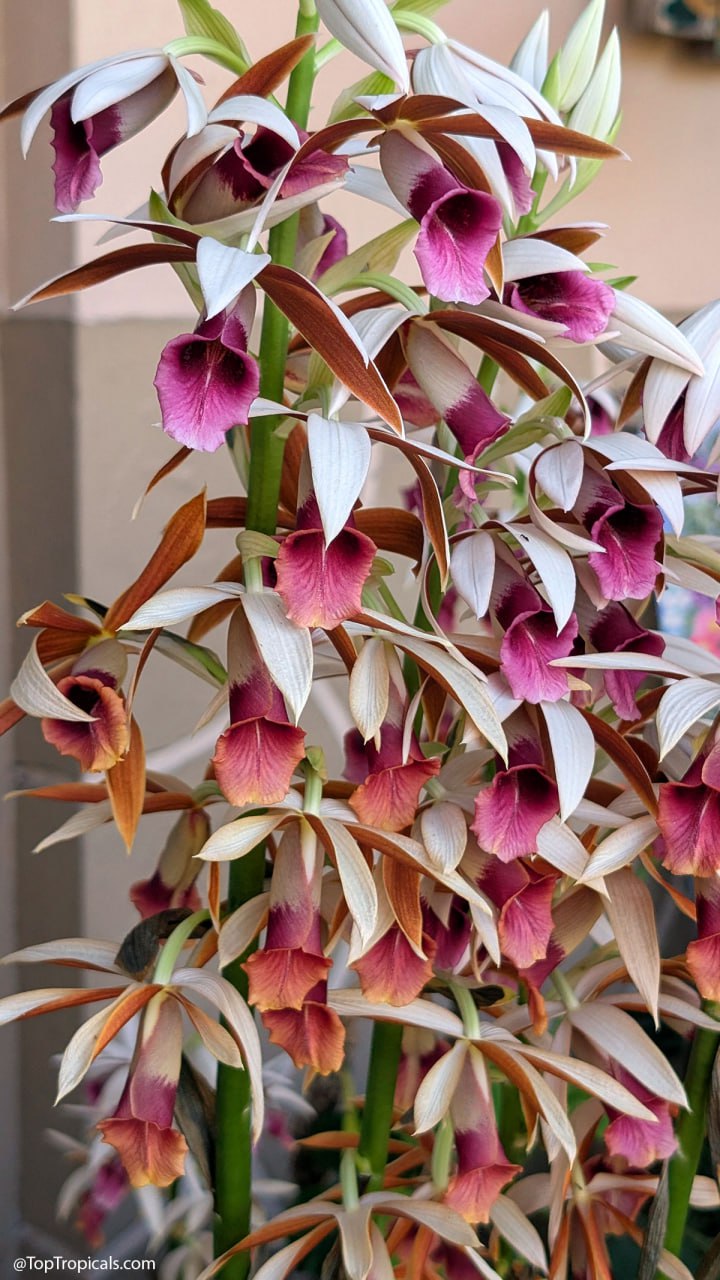
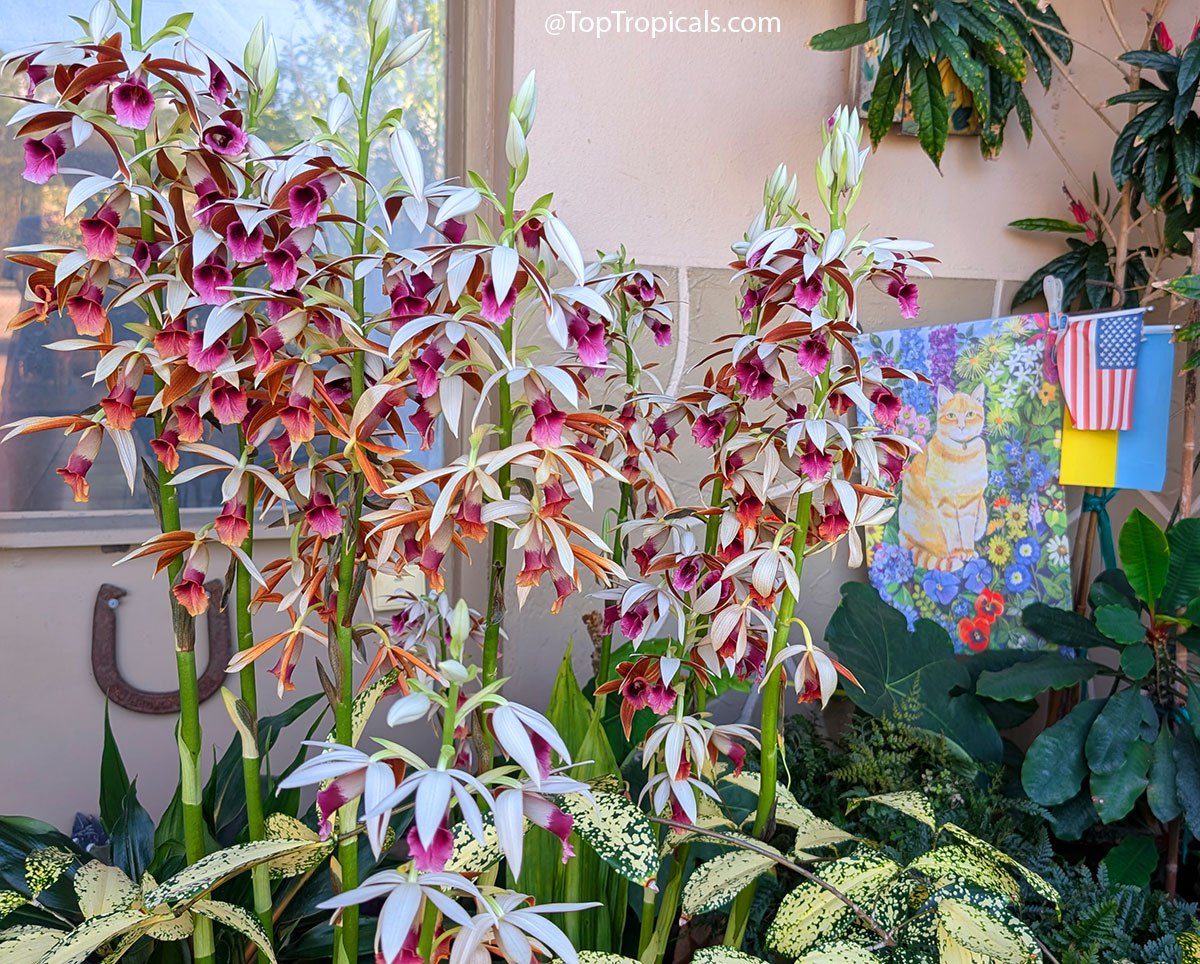
Just in time for spring: Nun Orchid blooms for months!

Phaius tankervilleae, Chinese Ground Orchid, Nut Orchid

Phaius tankervilleae, Chinese Ground Orchid, Nut Orchid

Phaius tankervilleae, Chinese Ground Orchid, Nut Orchid

Phaius tankervilleae, Chinese Ground Orchid, Nut Orchid

Phaius tankervilleae, Chinese Ground Orchid, Nut Orchid

Phaius tankervilleae, Chinese Ground Orchid, Nut Orchid

Just in time for spring: Nun Orchid blooms for months! 🌹

🌷 What a wonderful treat after a long cold winter: Nun Orchid (Phaius tankervillea) is putting on a full show right now in the garden - and it’s been going strong since February.

🌷 These plants were already loaded with buds before our Record 25F Florida Freeze, so I moved the two pots into the garage to protect them. Totally worth it - they came through beautifully and didn’t miss a beat.

🌷 Now they’re in full bloom and should keep going well into April. This is one of those rare orchids that just keeps going.

🌷 Unlike most orchids, Nun Orchid grows in regular soil. Big lush leaves, tall flower spikes, and it’s perfectly happy in filtered light - great for patios, containers, or a shady spot in your garden.

What’s blooming in your yard today?

🛒 Plant beautiful Nun Orchid

📚 Learn more:

Chinese Ground Orchid Plant Facts

Botanical name: Phaius tankervilleae
Also known as: Chinese Ground Orchid, Nun Orchid
USDA Zone: 9 - 11
Highligths Groundcover and low-growing 2ft plantSemi-shadeFull sunWatering: Moderate. Water when top soil feels dryRed, crimson, vinous flowersWhite, off-white flowersPlant attracts butterflies, hummingbirdsFragrant plant
Get personalized tips for your region

💋 Phaius tankervilleae – Chinese Ground Orchid in Plant Encyclopedia
💋 Why is it called Nun Orchid
💋 How to grow Ground orchids
💋 When Bamboo blooms with orchid flowers
💋 The prettiest flower for shade
💋 Ground orchids: all-summer colors
💋 Why do we love Ground Orchids
💋 Epidendrum radicans - Orange Reed Ground Orchid, Sunrise
💋 Terrestrial orchids
💋 What orchids can be grown in the ground

#Container_Garden #Shade_Garden

🟢 Join 👉 TopTropicals

Date: 12 May 2026

EXCLUSIVE INTERVIEW: Behind the scenes with Smokey and Sunshine - after years of rumors they speak out!

EXCLUSIVE INTERVIEW: Behind the scenes with Smokey and Sunshine - after years of rumors they speak out!

Many people loved our mascots - Smokey and Sunshine - and kept asking the same questions over and over. So we finally decided to sit them down for an interview and ask everything at once.

Smokey is the tuxedo "engineering cat" with professor glasses, serious plant advice, and strong opinions about fertilizer and soil pH.

Sunshine is the fluffy orange Aloha guy of the group - chubby, relaxed, permanently snack-oriented, and somehow never in a hurry about anything. He approaches life with the confidence of a cat who believes coffee breaks, warm sunshine, and donuts are all basic human rights. He is also the one asking the questions normal people are actually thinking.

Together, they somehow turned gardening into conversations about plants, coffee, cats, donuts, and the meaning of life in a greenhouse.

In this interview, you will find out:

Are Smokey's glasses fake?
Are Sunshine's donuts real?
Are these cats based on real rescued Top Tropicals cats?
How many cats have been adopted by Top Tropicals over the years and how many are currently living in the gardens?
Why does Smokey take gardening so seriously?
Why does Sunshine think every problem can be solved with snacks?

Some answers may surprise you.
Some may explain a lot.

Read the full Smokey & Sunshine interview

"Learn more:
About Smokey & Sunshine

#PeopleCats

Join TopTropicals