Date: 16 May 2026
🔮 When the World Around Becomes Too Gray: Plant a Tree. Eat a Donut. Keep going.

Smokey: Plant a tree.
Sunshine: And if that does not help?
Smokey: Plant another one.
Sunshine: And eat a donut.
Smokey: Not strictly necessary, but statistically beneficial.

If you have been feeling a little worn down lately, you are not alone.
You already know about the headlines. We do not need to list them. You have probably seen them today before breakfast.
We are not here to pretend that is not happening. It is happening. And it is a lot. But here is the thing we keep coming back to, the thing that has been true for as long as people have had hands and a patch of ground: when the world feels out of control, you can still plant something.
Gardening is not an escape. It is an answer. When you put a tree in the ground, you are making a quiet statement. You are saying that you expect there to be a future. That you intend to be in it. That shade and fruit and flowers still matter, and you are going to make sure they exist in your corner of the world.
That is not naive. That is courageous in the most ordinary and underrated way.
One tree, planted this season, might give you fruit in a few years. It might give butterflies somewhere to stop. It might give a bird a place to nest. It will almost certainly give you something to look at on a hard day that reminds you the world still contains beauty, and that you put some of it there. And if one tree does not quite do it? Plant another one.
Dostoevsky said beauty will save the world. We think a mango fruiting in your backyard counts. So does a Magnolia opening on a quiet morning.
Do not skip the donut.
A donut is a small, simple, completely unnecessary thing. That is exactly the point. It is not productive. It does not solve anything. It is just good, and sometimes that is the whole reason. In a world that constantly demands you be useful and informed and concerned, eating a donut is a quiet act of being human. You are allowed to enjoy a small thing on a hard day. You do not have to earn it.
Rest a little. Then go put something in the ground. Anything that will grow and flower and remind you that beautiful things are still happening whether the headlines mention them or not.
We have the plants. You bring the donuts.
🛒 Plant a sweeter world: grow color and flavor
Date: 15 Apr 2026
7 best exotic dwarf trees for maximum impact in small tropical landscapes
Dwarf Pink Princess Silk Floss Tree (Ceiba hybrid)
Dwarf Golden Tabebuia (Tabebuia chrysotricha)
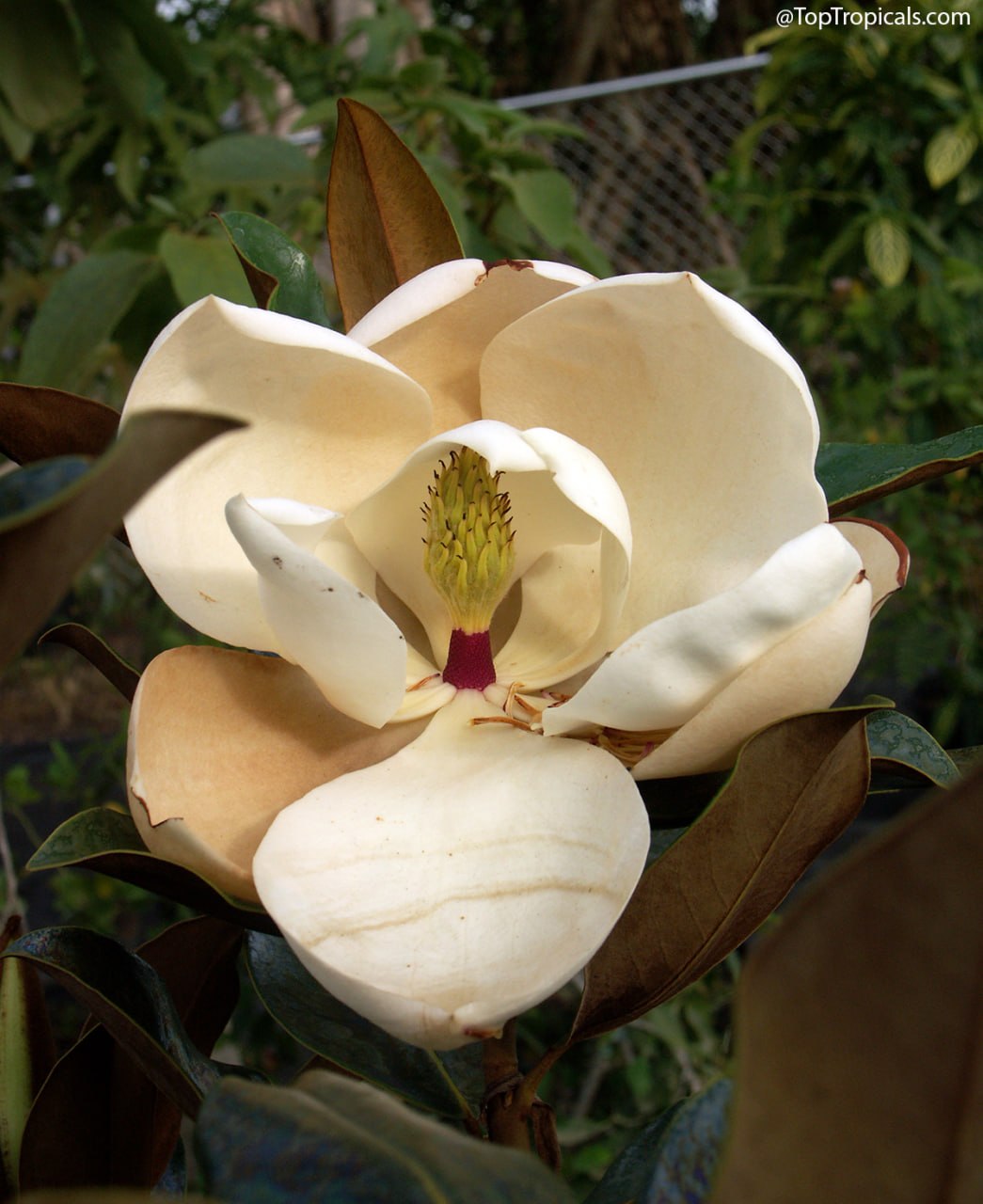
Little Gem Southern Magnolia (Magnolia grandiflora)
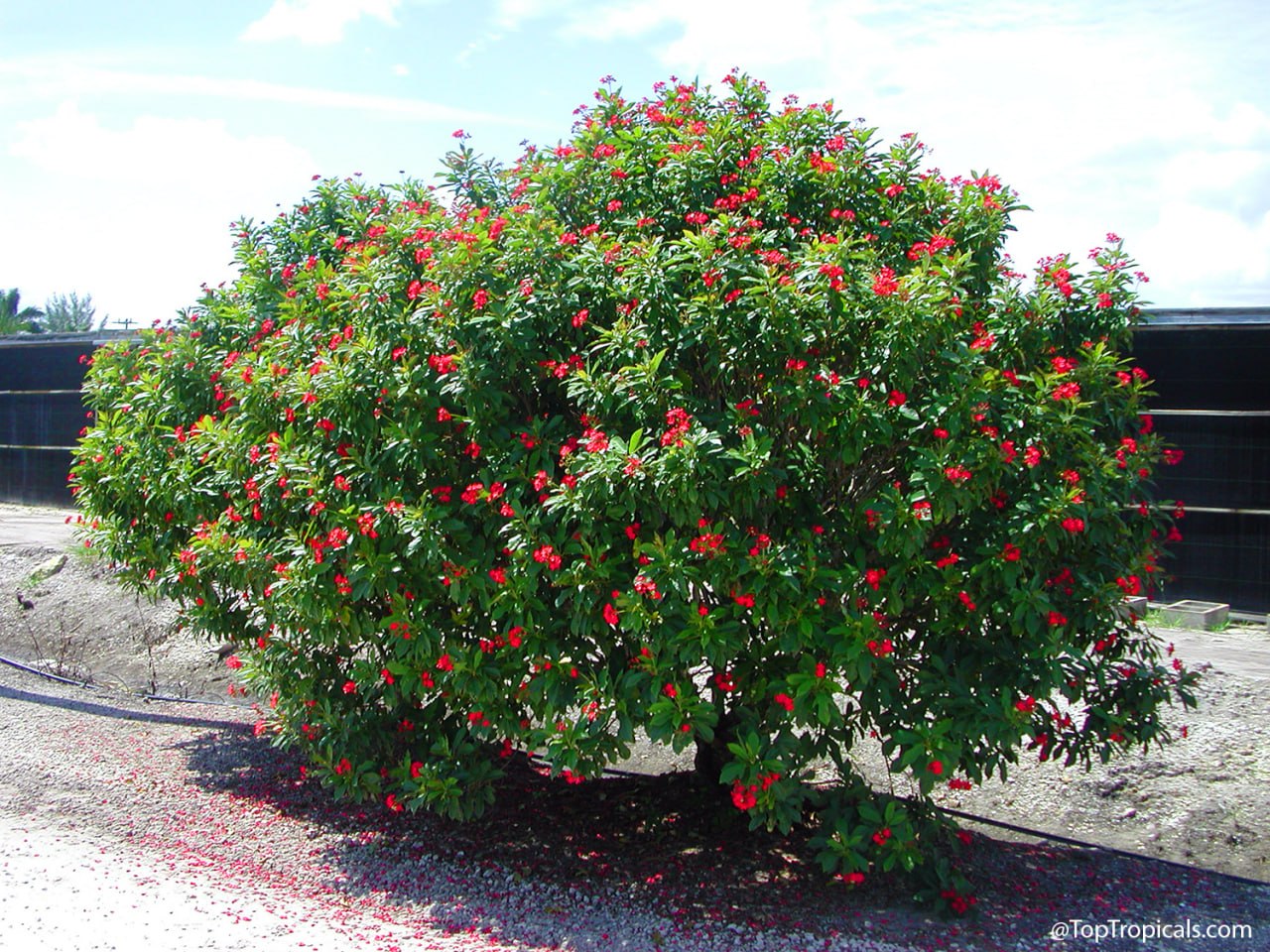
Compact Butterfly Jatropha (Jatropha integerrima Compacta)
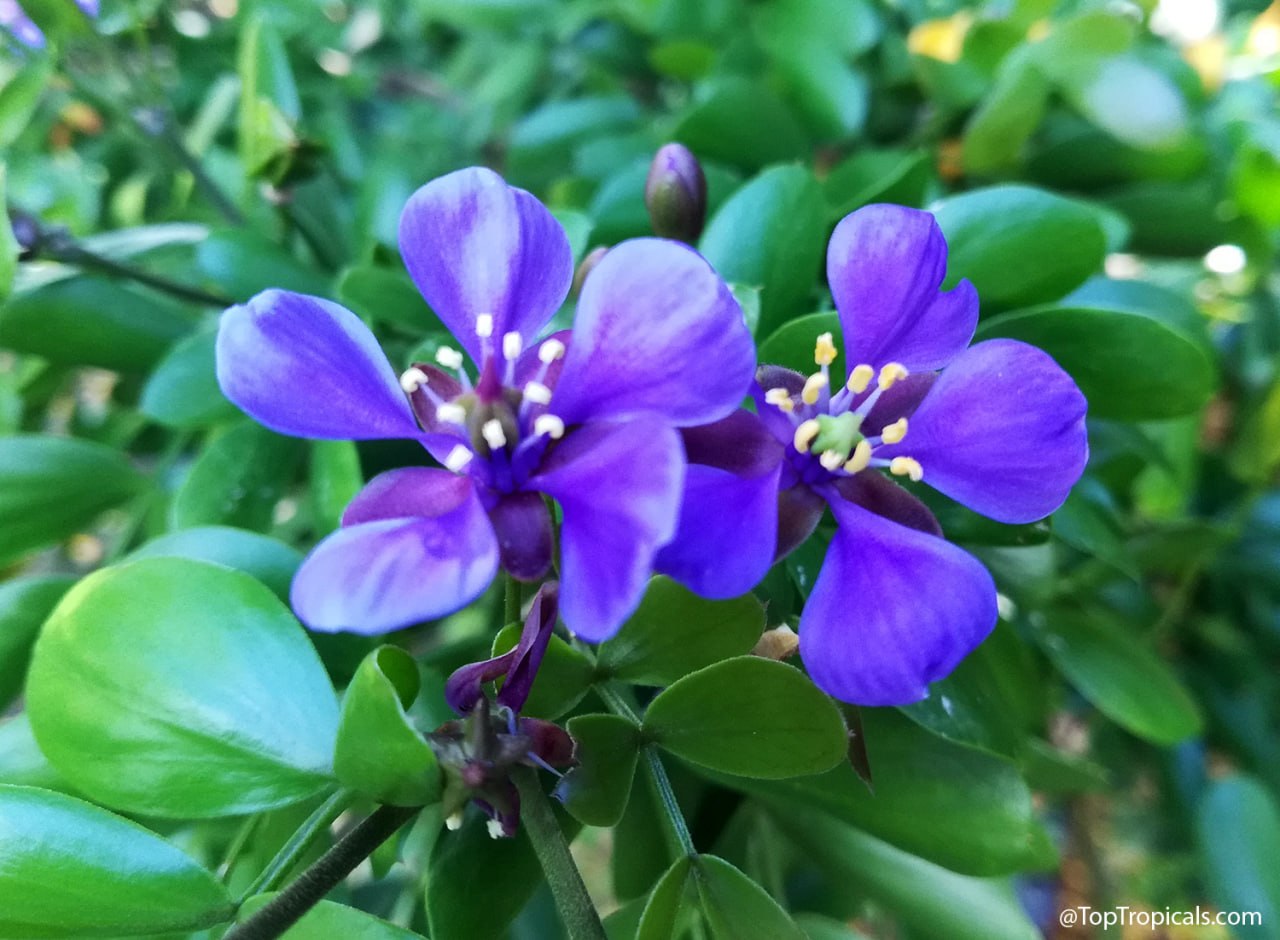
Lignum Vitae (Guaiacum sanctum)
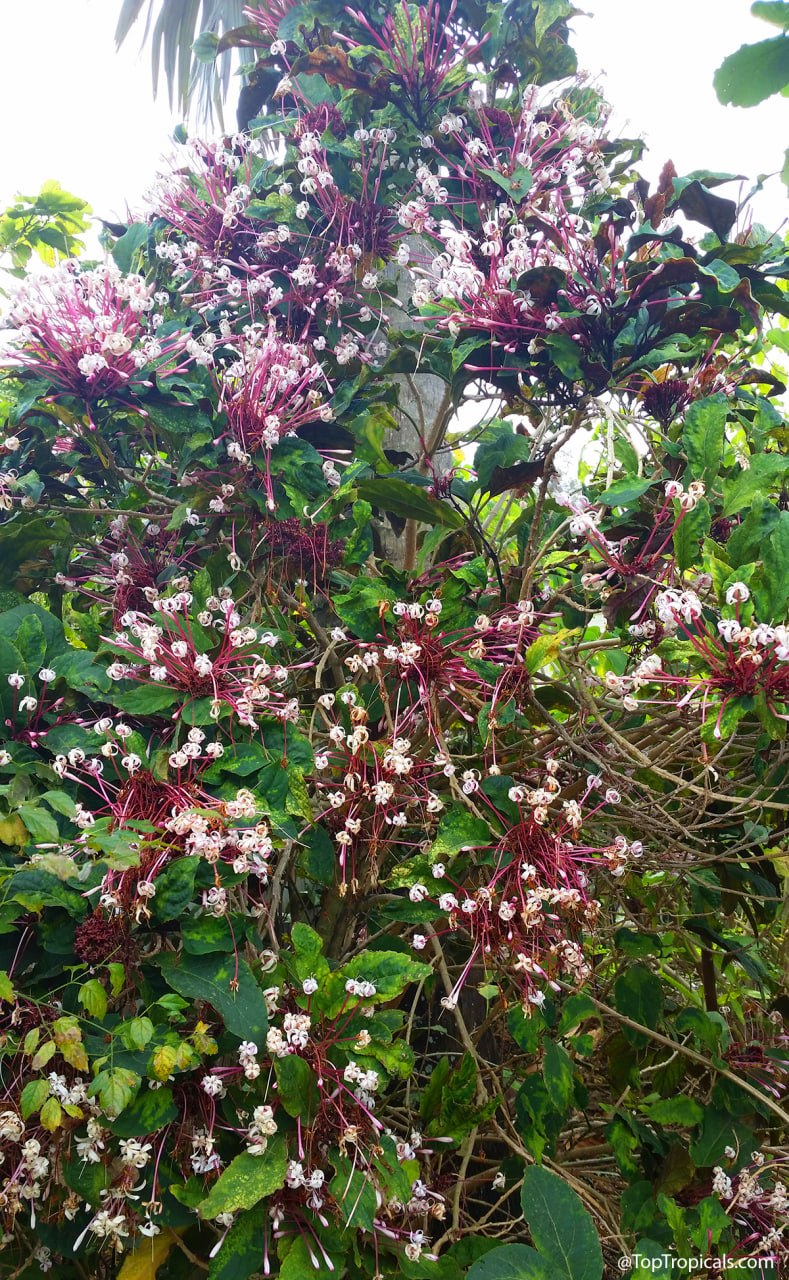
Winter Starburst (Clerodendrum quadriloculare)
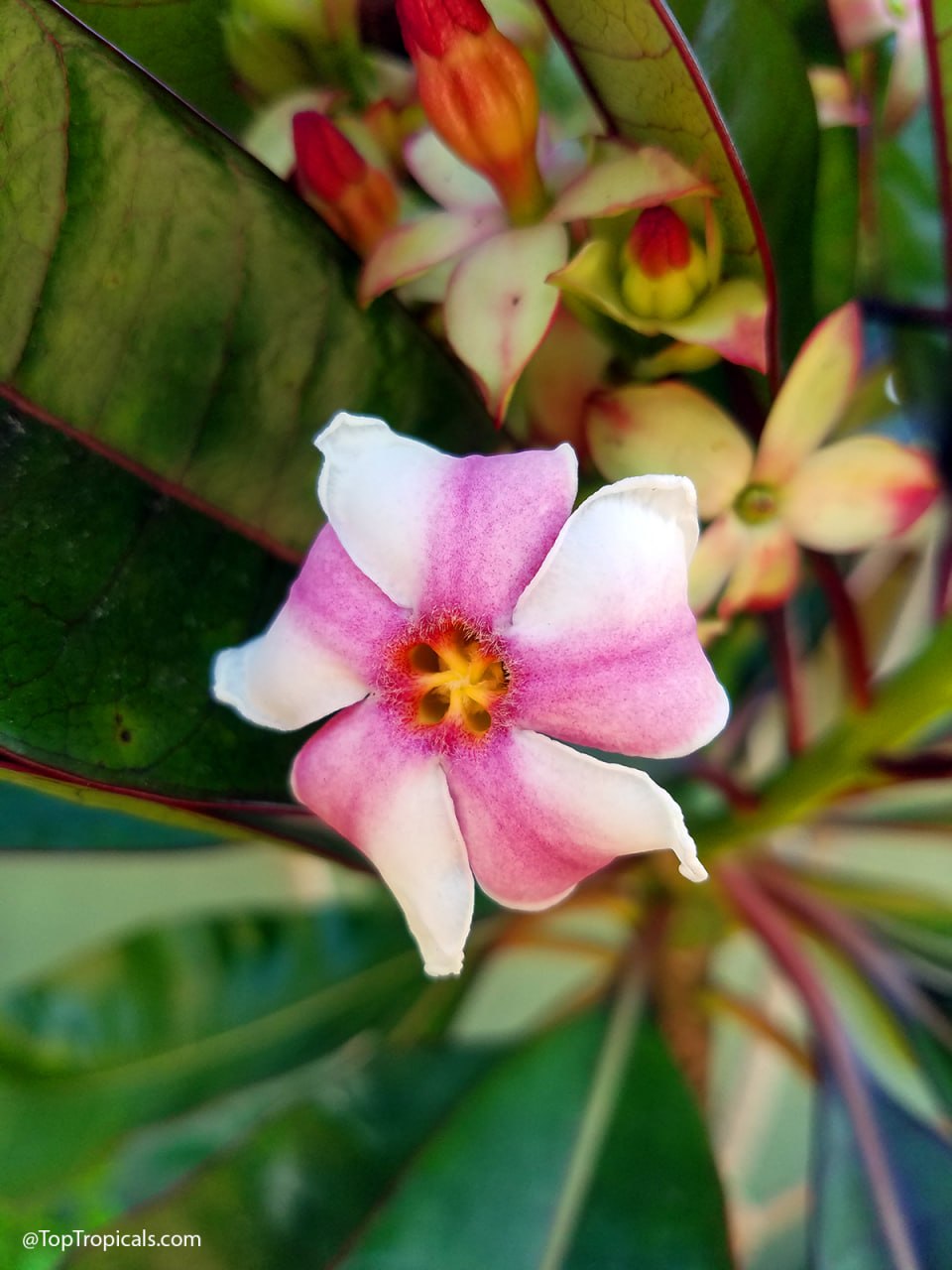
Enchanted Incense (Cerbera x manghas)
For a yard that feels like a tropical escape but doesn't have the space for a massive jungle, these seven selections from TopTropicals are game-changers, chosen for their compact size, high "curb appeal," and unique tropical flair.
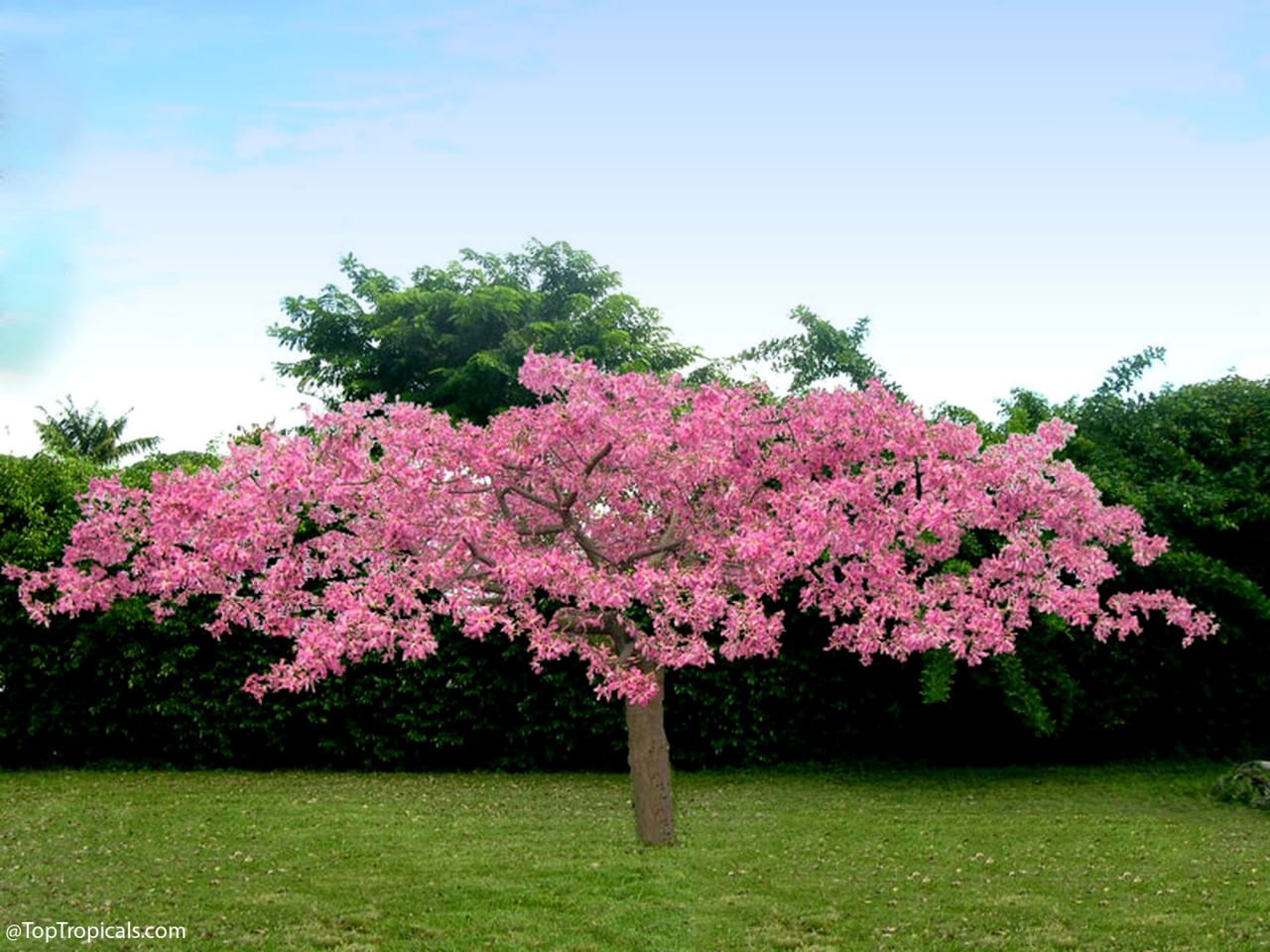
1. Dwarf Pink Princess Silk Floss Tree (Ceiba hybrid)
🌳 A spectacular grafted hybrid of the famous Silk Floss tree, but in a much smaller package: a unique, often "fat" or bottle-shaped trunk and large, showy pink flowers with white centers.
🏡 Unlike the standard Ceiba which can become a giant, the 'Pink Princess' is grafted to stay compact (usually under 10 - 12 feet), allowing you to enjoy those exotic, orchid-like blooms even in a tiny garden.


👉 more
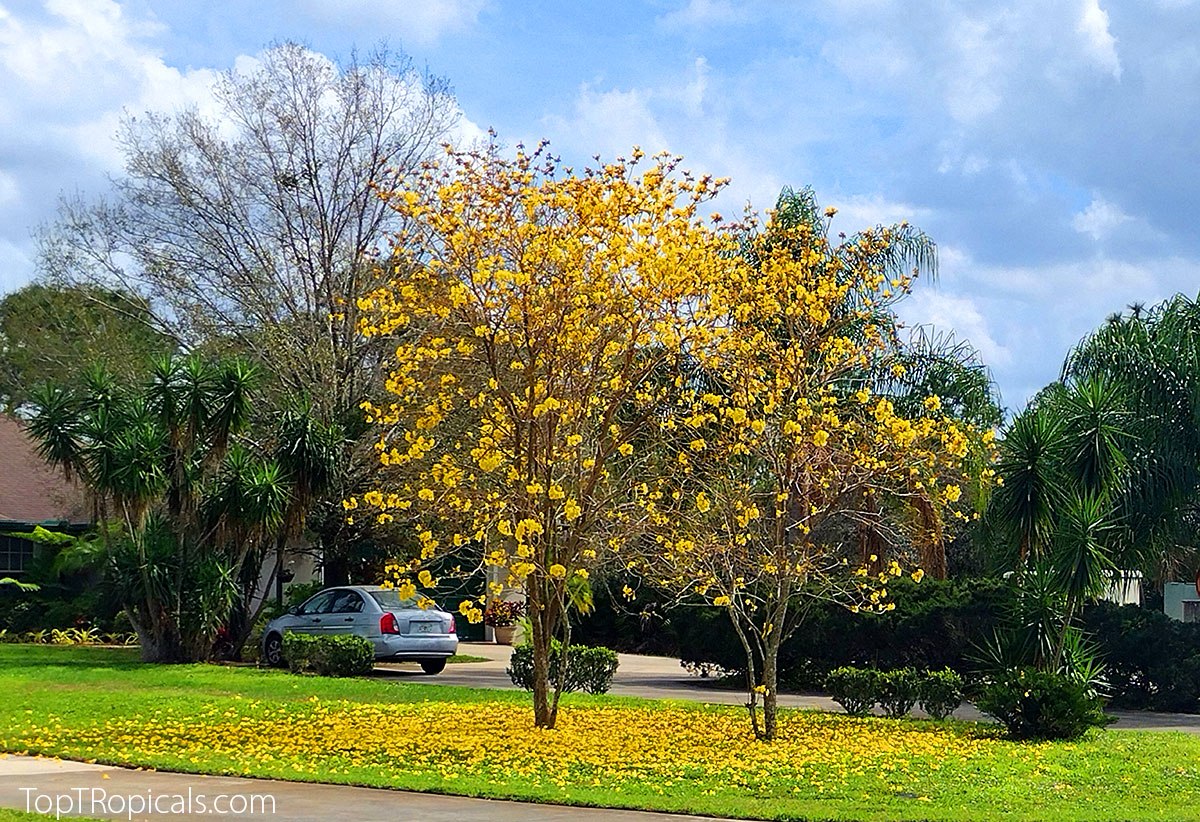
2. Dwarf Golden Tabebuia (Tabebuia chrysotricha)
🌳 Known as the "Golden Trumpet Tree," this dwarf selection puts on one of the most brilliant displays in the plant kingdom. Before the leaves emerge in spring, the entire tree is covered in bright, trumpet-shaped yellow flowers.
🏡 This specific dwarf form stays much smaller and more manageable than the standard Tabebuias seen on city streets. Its silver-green foliage and rounded canopy make it an ideal "specimen" tree that acts as a focal point for your front yard.


👉 more
3. Little Gem Southern Magnolia (Magnolia grandiflora)
🌳 All the elegance of a classic Southern Magnolia but in a miniaturized version. It has the iconic waxy white, lemon-scented flowers and glossy leaves with fuzzy bronze undersides.
🏡 'Little Gem' is narrow and columnar, typically reaching only 15-20 feet (half the size of the standard species). It starts blooming at a very young age, so you don't have to wait years for those famous fragrant flowers.


👉 more
4. Compact Butterfly Jatropha (Jatropha integerrima Compacta)
🌳 This "ever-blooming" small tree is a butterfly magnet. It features clusters of bright, cherry-red star flowers against glossy, fiddle-shaped leaves.
🏡 The Compacta variety is specifically bred to stay bushy and small. It blooms almost 365 days a year in warm climates, providing a constant splash of red that draws in hummingbirds and pollinators.


👉 more
5. Lignum Vitae (Guaiacum sanctum)
🌳 Known as the "Wood of Life," this is one of the slowest-growing trees in the world. It has fine-textured, dark green foliage and produce stunning, small blue flowers that fade to white, followed by bright orange seed pods.
🏡 Because it grows so slowly, it will never outgrow its space. It is extremely hardy, salt-tolerant, and hurricane-resistant, making it a "plant it and forget it" heirloom tree for coastal or small urban lots.


👉 more
6. Winter Starburst (Clerodendrum quadriloculare)
🌳 A visual firework display. The leaves are deep green on top and rich purple underneath. In late winter, it produces massive, 8-inch wide clusters of tubular pink-and-white flowers that look like an exploding star.
🏡 It is easily pruned to a single-trunk tree form. The purple foliage provides "curb appeal" year-round, while the winter blooms provide a much-needed pop of color when other plants are dormant.


👉 more
7. Enchanted Incense (Cerbera x manghas)
🌳 This is a rare, small evergreen tree with glossy, dark green leaves and clusters of highly fragrant, star-shaped white flowers with a red "eye."
🏡 It has an naturally architectural, upright habit. The fragrance is incredible - sweet and heavy - making it a perfect "sensory" tree to plant near a patio where you can enjoy the scent on summer evenings.
👉 more
🛒 Choose small trees for a small yard
📚 Learn more:
• Dwarf Ceiba Princess in Plant Encyclopedia
• 2 most favorite flowering trees for small yards
• A small tree of a pure gold
• 5 small tropical trees that bloom all summer or year around
• Center of the world tree that stops traffic in Florida - now fits in a pot
• How this breath-taking flowering tree stays so compact
#How_to #Discover #Trees
🟢 Join 👉 TopTropicals
Date: 13 Apr 2026
🏖️ Aloha, Backyard Edition 🌈

It usually starts simple. A plumeria in a pot by the patio. The flowers catch your eye first, then the scent follows you, soft but unmistakable. And that scent does something strange - it brings back places you have been, or places you wish you had. Warm evenings, ocean air, tropical vacations that stay with you long after they are over.
That is the part people do not expect. One plant changes how the space feels. But adding a few changes everything. Different colors, slightly different fragrances, layers that build on each other. It stops being a plant and becomes an atmosphere that pulls you outside without thinking.
Plumeria carries that tropical world with it. The same feeling people travel for can live right outside your door. Mix a few varieties, and your backyard starts feeling like a place you never want to leave.
Date: 11 Apr 2026
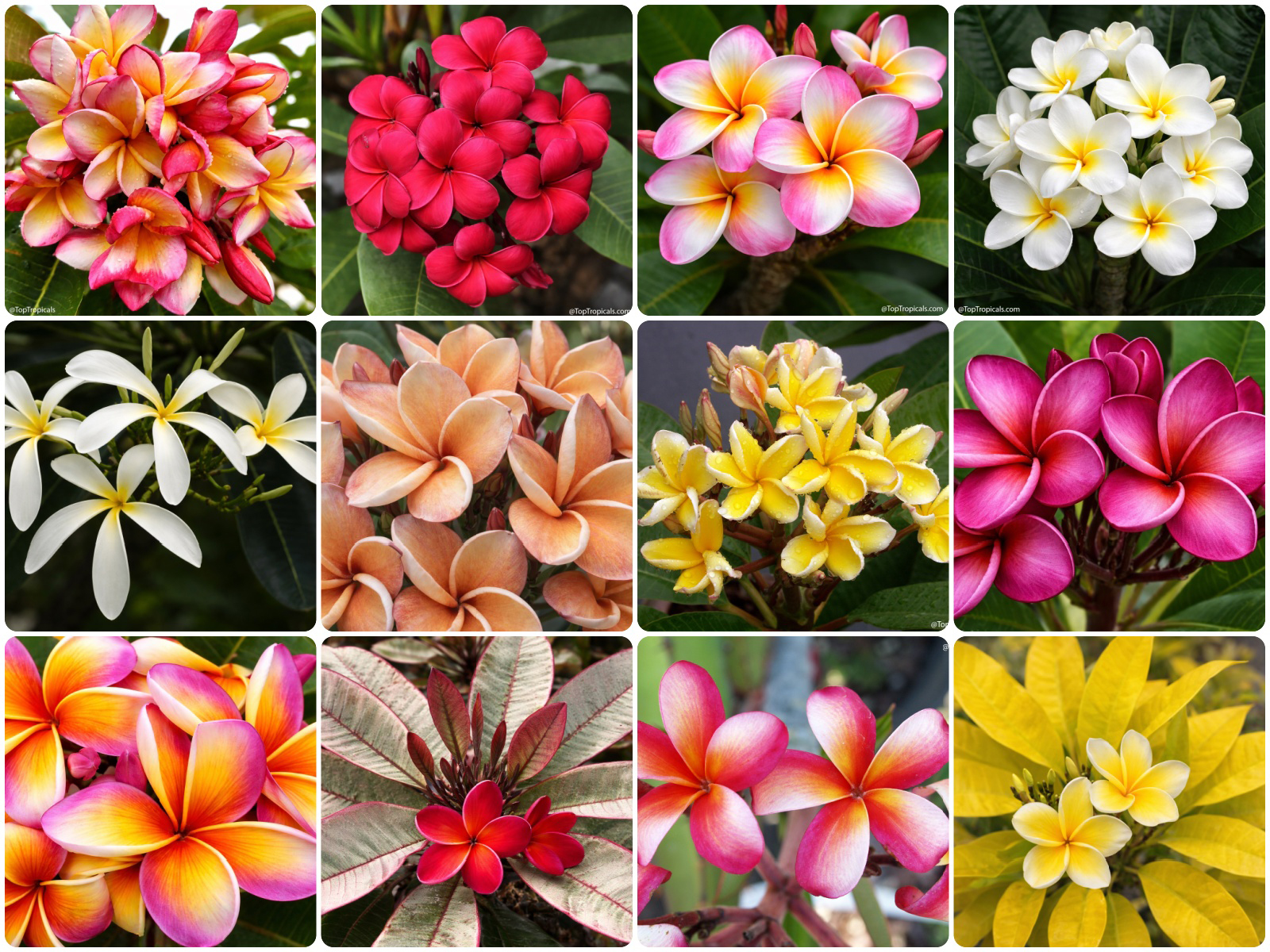
Plumeria rainbow: Symbol of the Tropics
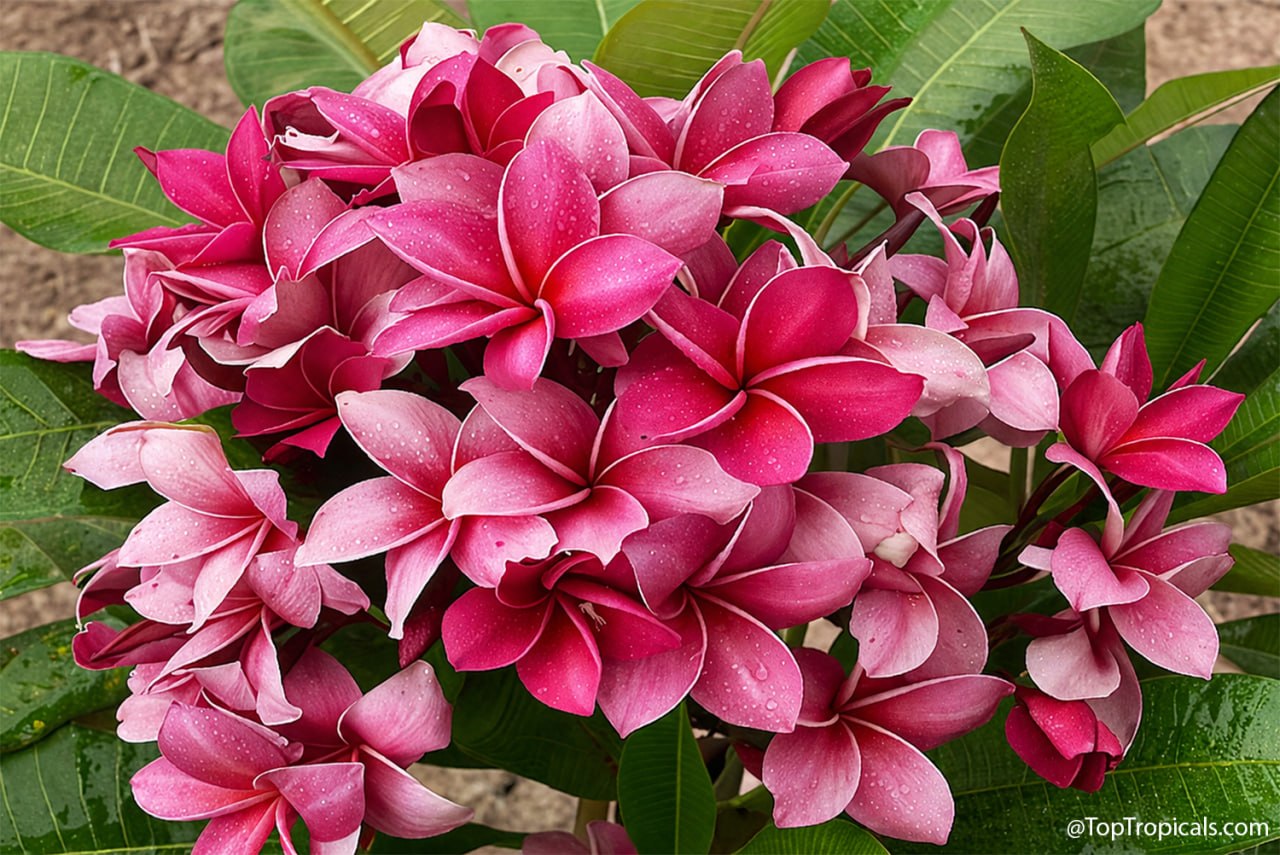
Plumeria Granny
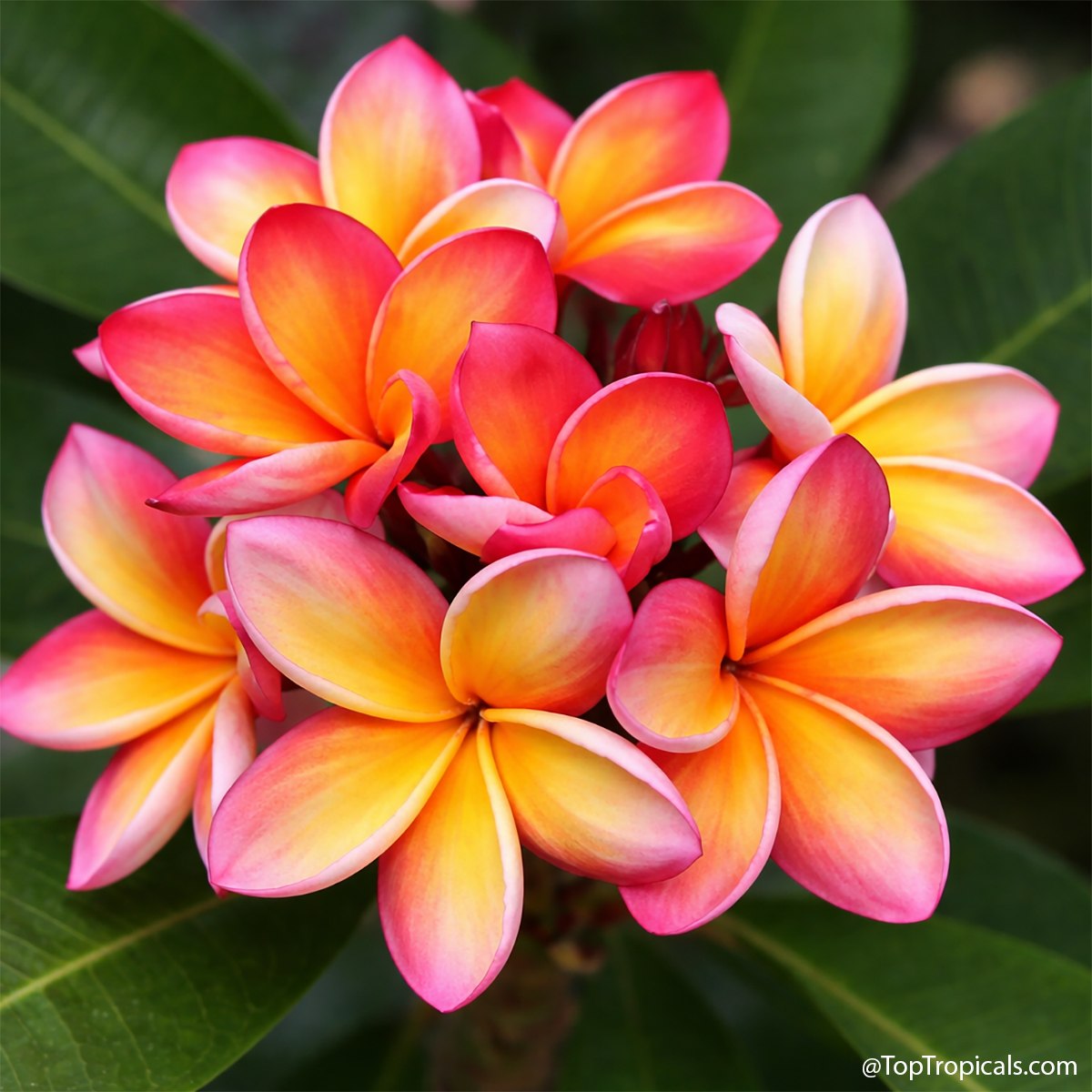
Plumeria Som Paruay
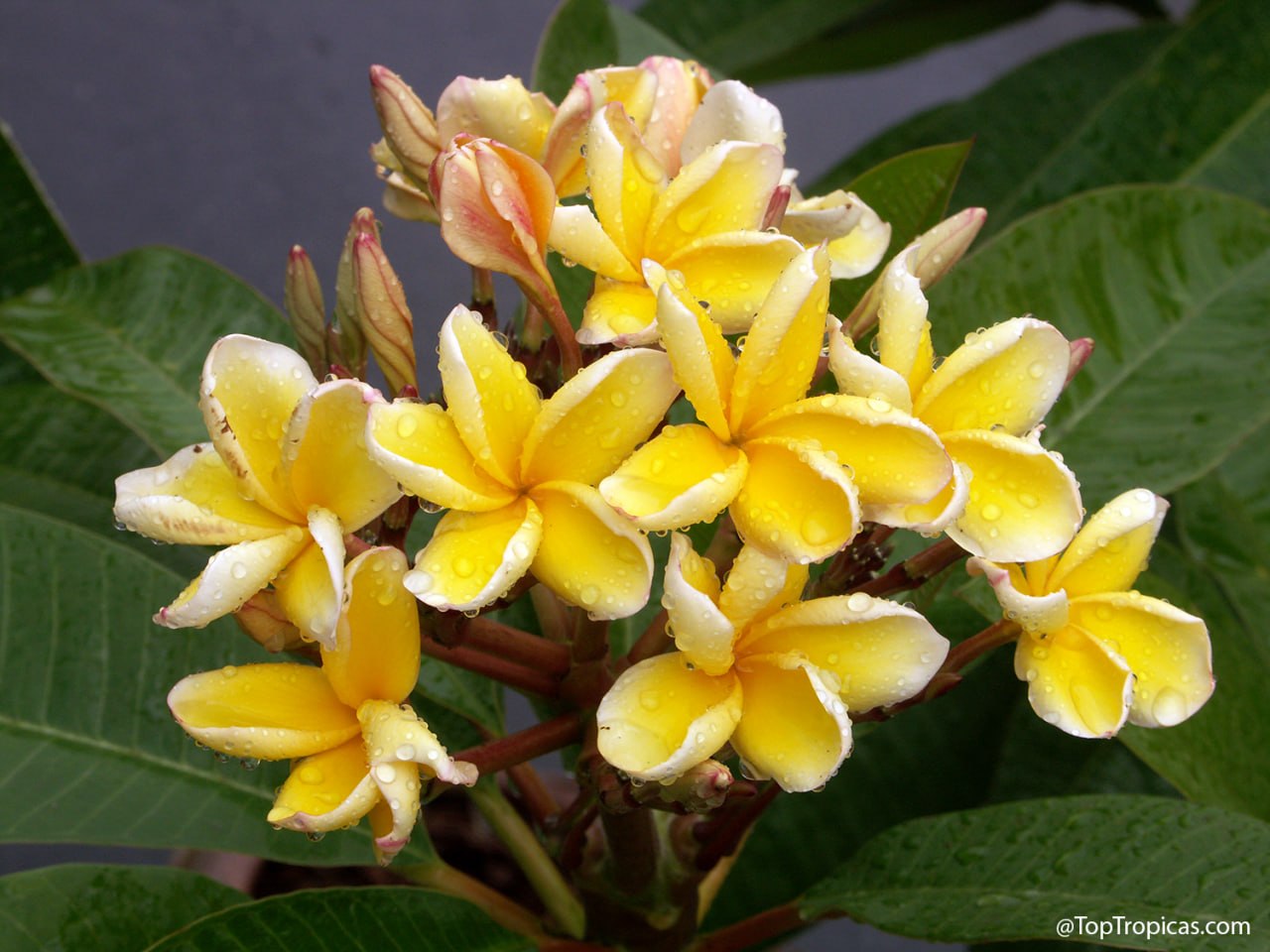
Plumeria Yellow Maha
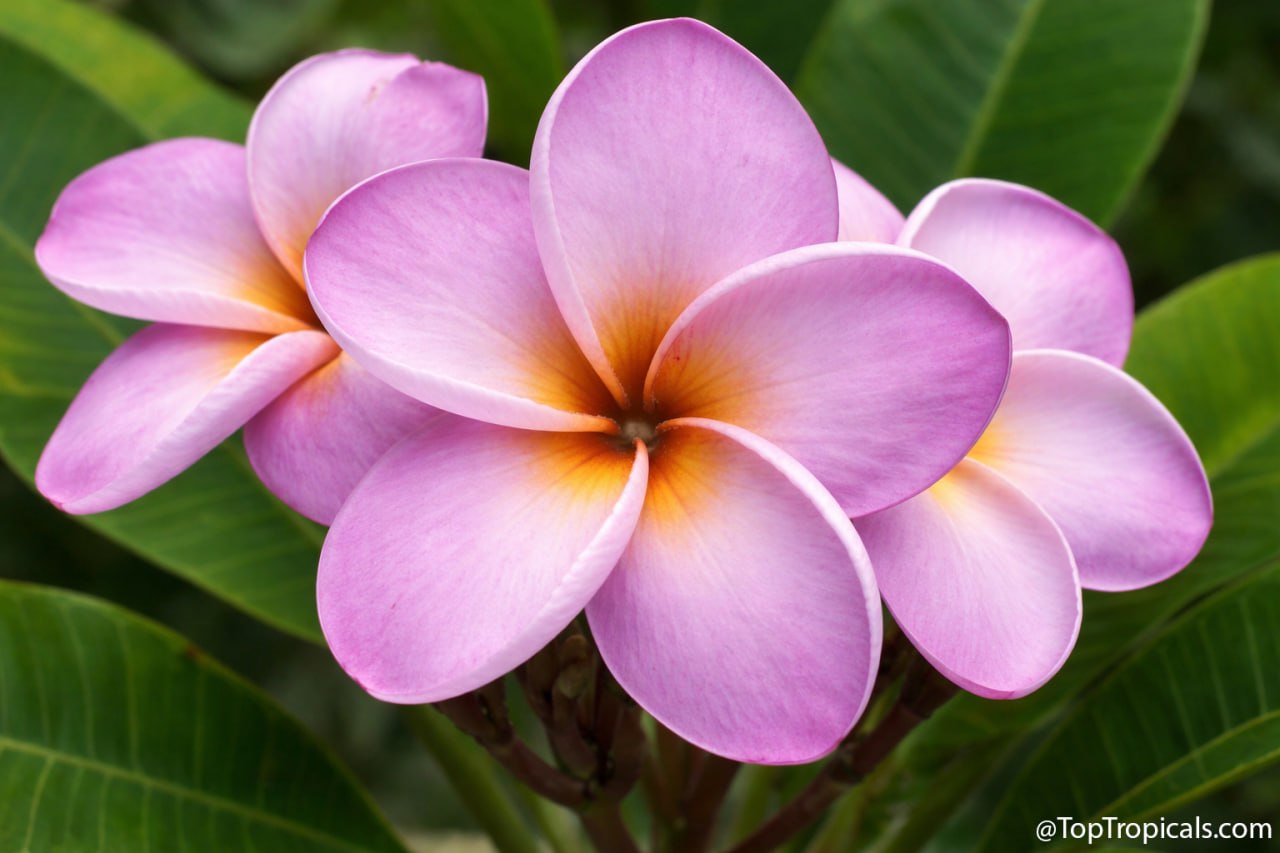
Plumeria Moung Jack (Jacque)
Plumerias are one of those plants that instantly feel like a vacation - soft, fragrant flowers, warm colors, and that unmistakable tropical look. Known as a symbol of Hawaii and the Aloha spirit, they’re loved for their scent, their beauty, and how effortlessly they turn any space into something special. And the best part - their colors feel almost endless, from soft pastels to rich, glowing tropical tones, even into rainbow-like multicolor blooms.
💡 How to Grow a Blooming Plumeria?
Plumerias are surprisingly easy to grow - once you follow a few simple rules, they almost take care of themselves. Give them sun, fast-draining soil, and don’t overwater, and they’ll reward you with strong growth and fragrant blooms.
In #PlumeriaRainbow series, we’ll share simple tips to keep them happy, healthy, and blooming - bringing that perfumed tropical Aloha right into your garden.
🌸 Today's featured plumerias
✦ Plumeria Granny - a full, eye-catching variety with rich pink blooms ranging from soft blush to deeper rosy tones, often mixed within the same cluster. Petals are smooth and slightly overlapping, giving flowers a rounded, softly layered look. It blooms in dense clusters, creating a lush, full appearance that stands out from a distance while still showing nice detail up close.
✦ Plumeria Som Paruay - a bright, cheerful "Rainbow" variety with golden-yellow centers blending into orange, coral, and rosy pink edges. The smooth color gradient gives each flower a warm, glowing look. Clusters are vibrant and lively, adding strong tropical color. The name comes from Thai - Som means orange, Paruay refers to prosperity and good fortune.
✦ Plumeria Yellow Maha - a striking variety with extra-long petals in bright yellow, cleanly outlined in white. The shape alone makes it stand out. It is also super aromatic - yellow varieties are the most fragrant, filling the air with a strong, sweet scent.
✦ Plumeria Moung Jack (Jacque) - a softer, more unusual variety with lavender-pink tones and a warm yellow-orange center. The color is smooth and slightly muted, giving it a calm, pastel look. Petals are broad and rounded, forming a classic shape with a velvety feel. Moung means purple in Thai, referring to its gentle lavender tones.
🛒 Shop Plumeria Collection and Enjoy the fragrant blooms
📚 Learn more:
· Plumeria varieties in Plant Encyclopedia
· 5 simple rules to grow a fragrant plumeria and make it bloom like the pictures
· What is the most celebrated fragrant flower?
🎥 How to get endless Plumeria Blooms
#Perfume_Plants #Container_Garden #How_to #Discover #PlumeriaRainbow
🟢 Join 👉 TopTropicals
Date: 9 Apr 2026
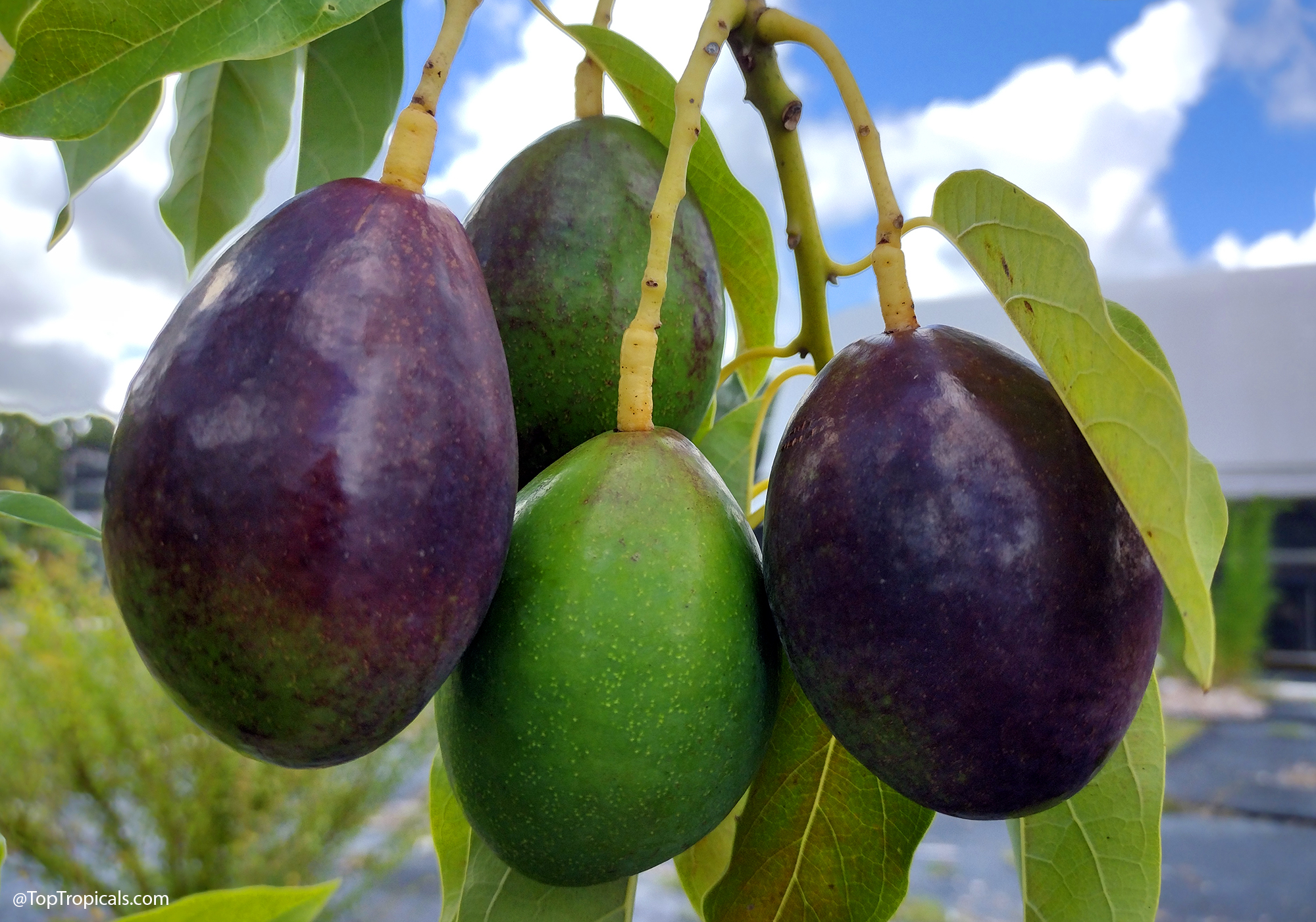
*️⃣ Stop Babysitting Your Trees - Grow Cold Hardy Avocados Instead
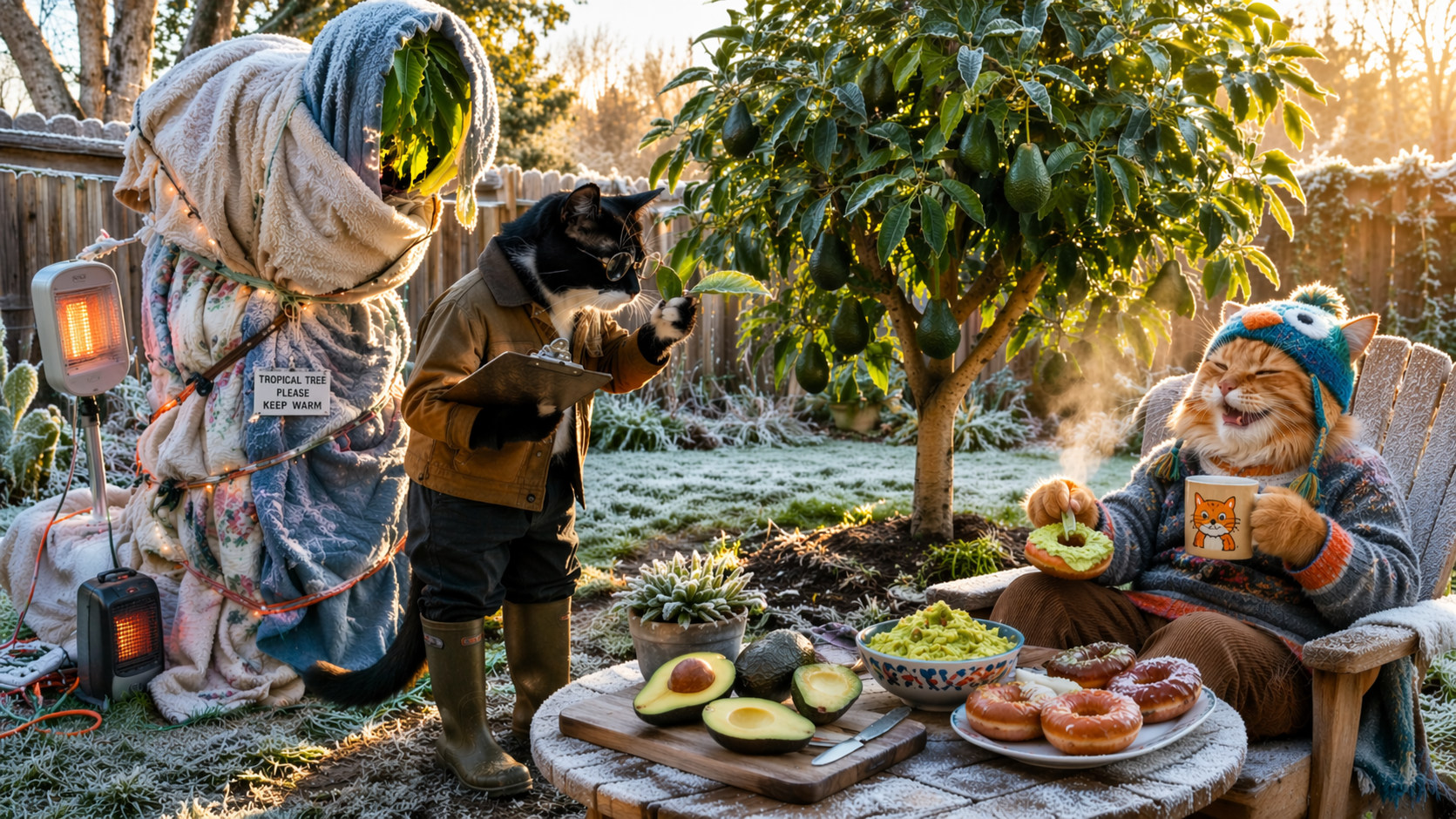
Smokey: Then stop planting trees that need babysitting. Plant cold hardy avocado.
Read more about Smokey & Sunshine
You always wanted an avocado tree. Not in Miami - right there in Central Florida, in your own yard. You planted one, it grew well for a few years, and it felt like you finally figured it out. Then 2026 hit. A few cold nights, temperatures dropped below what your area usually sees, and the tree was gone.


Here is the part most people miss: USDA zones are based on average minimums, not the worst freezes. One bad night can erase years of growth.
That does not mean avocado will not work. It means you planted the wrong variety. Cold hardy avocados are built for exactly this kind of surprise.
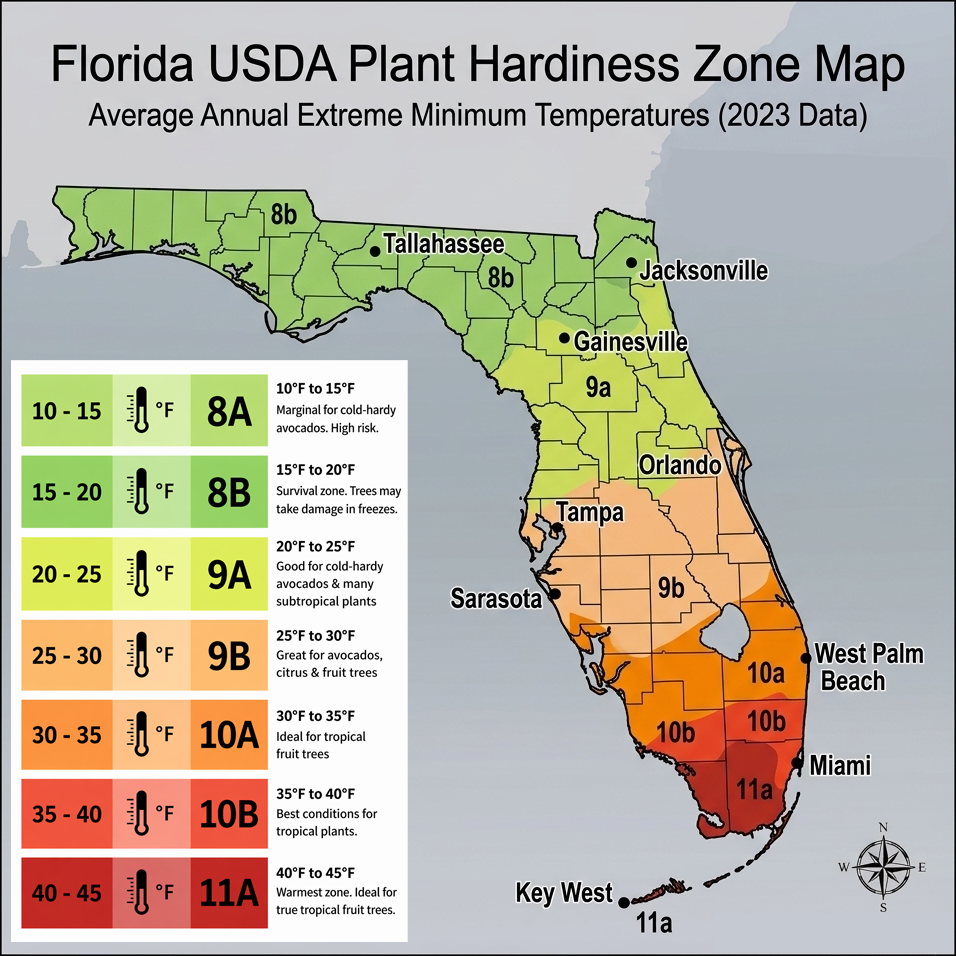
This USDA Zone map makes one thing clear: all of Florida can grow avocado. The question is not if - it is which variety. From North Florida (8b) to South Florida (11a), there is always an option that fits your conditions.
If you are outside Florida - in Texas, Louisiana, California, or anywhere else - the same rule applies. Start with your USDA zone, then choose the right type of avocado for it. You can check your local zone here
So what does this mean for your yard? It is not about trying again and hoping for a warmer winter. It is about choosing a tree that actually matches your zone.
Cold Hardy Avocado Varieties for Reliable Harvests
| 🌡️ Threshold | 🛡️ Resistance Profile | Primary Varieties & Type | Culinary Profile | 📍 Geographic Best Fit |
|---|---|---|---|---|
| 15°F+ | High Resistance: Mexican-type selections. Short freezes near 15°F are survivable with minor leaf burn. | Fantastic (A), Joey (B), Lila (A), Poncho (B) | High Oil / Nutty | USDA Zone 8b / 9a transition regions. Central/North Florida, Texas, Arizona |
| 20°F+ | Moderate: Brief freezes usually survivable. Full recovery may take an entire growing season. | Bacon (B), Brogdon (B), Day (A), Fuerte (B), Mexicola Grande (A), Ulala "Super Hass" (A), Winter Mexican (B) | Medium Oil / Creamy | Coastal 9a. Inland Florida and colder microclimates. |
| 25°F+ | Light: Visible canopy damage and branch dieback are common. Survival depends on wind protection. | Choquette (A), Oro Negro (B), Lula (A) | Rich / "Black Gold" | Zone 9b/10a. Coastal Central Florida and protected microclimates. |
| 30°F+ | Frost Tolerant Only: Even brief freezes cause rapid damage. Best for South Florida. | Simmonds (A), Black Prince (A) | Mild / Large Slicing | USDA Zone 10a / 10b. S. Florida, Miami, Keys, Coast. |
| Compact: Move inside during cold | Dwarf Wurtz (A&B) and Fuerte (B) | Rich / High Oil | Patio Growers & Containers |
See more varieties in our Master Avocado Varieties table
Microclimate matters more than your zone. The same yard can have warm and cold pockets. Plant near a south-facing wall, under light canopy, or in a spot protected from wind, and you gain a few critical degrees on cold nights.
Young avocado trees need protection during their first winters. They have not built enough wood or root strength yet, so even a short cold snap can damage them. Simple steps like frost cloth, wind protection, or temporary covers can make the difference between a setback and a loss.
You may see avocados labeled as Type A or Type B. This refers to how the flowers open, not cold hardiness. Some people mix both types to improve pollination, and while a single tree can still produce fruit, having two different types is beneficial and can increase your harvest.
 Practical Planting Advice
- Plant on a mound
Raise the root zone 4-8 inches for fast drainage. - Avoid low spots
Standing water is worse than drought for avocados. - Full sun
Maximum light = stronger growth and better recovery. - Use microclimate
South-facing wall, light canopy, or wind protection adds critical warmth. - Do not overwater
Let the top layer dry slightly between watering. - Protect first winter
Cover young trees during cold nights.
✅ Stop Guessing. Plant What Works.
Cold hardy avocados are not theory - they are proven to handle real conditions. Choose the right variety for your zone, plant it correctly, and you stop replacing trees after every cold snap.
🎥 Watch cold hardy avocado videos✨ Grow More. Save More.