Condo (Dwarf)
Mango Practical Guide:
What varieties are good for container culture
or small yards
Q: "Our winters are too cold for a mango tree,
but I'd like to grow one in a pot so I can bring it inside during cold nights.
Which varieties do you recommend for container gardening? I've heard of Condo
Mango - do you carry them?"
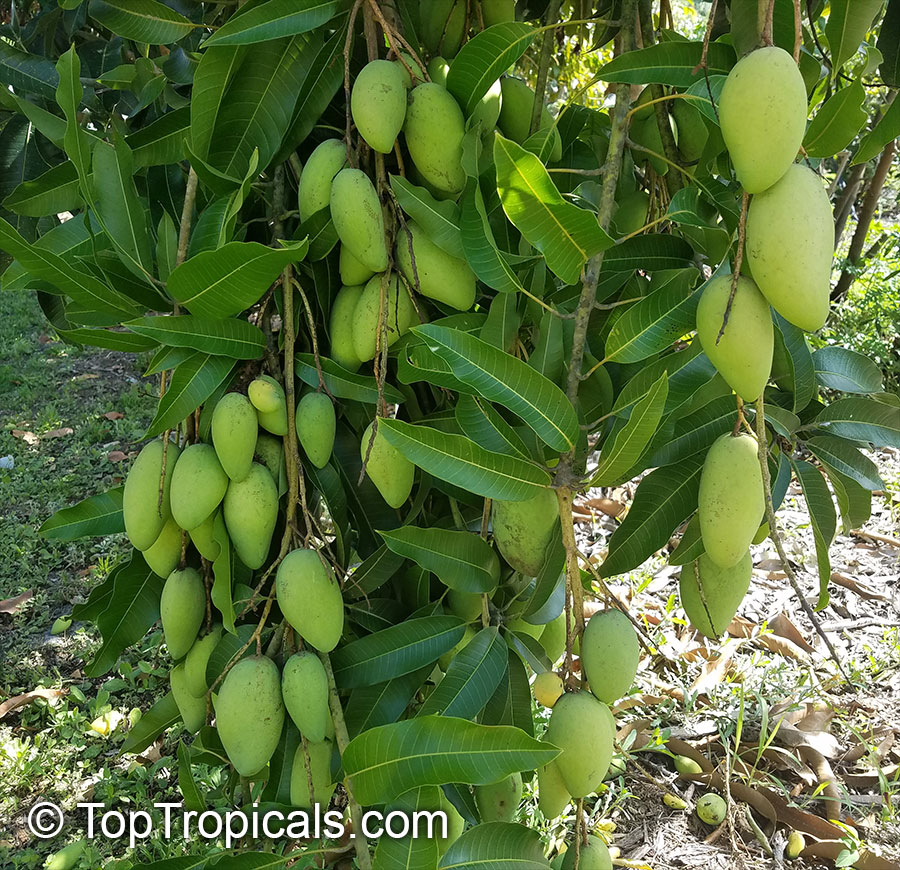
A: Yes, we always carry Condo Mango varieties:
they are a fantastic choice for gardeners with limited space or in cooler
climates. They grow well in containers and can be easily maintained through
pruning. Whether you're growing them on a balcony, in a greenhouse, or in a
backyard, Condo Mangos provide the perfect mix of beauty and practicality.
What Are Condo Mangos?
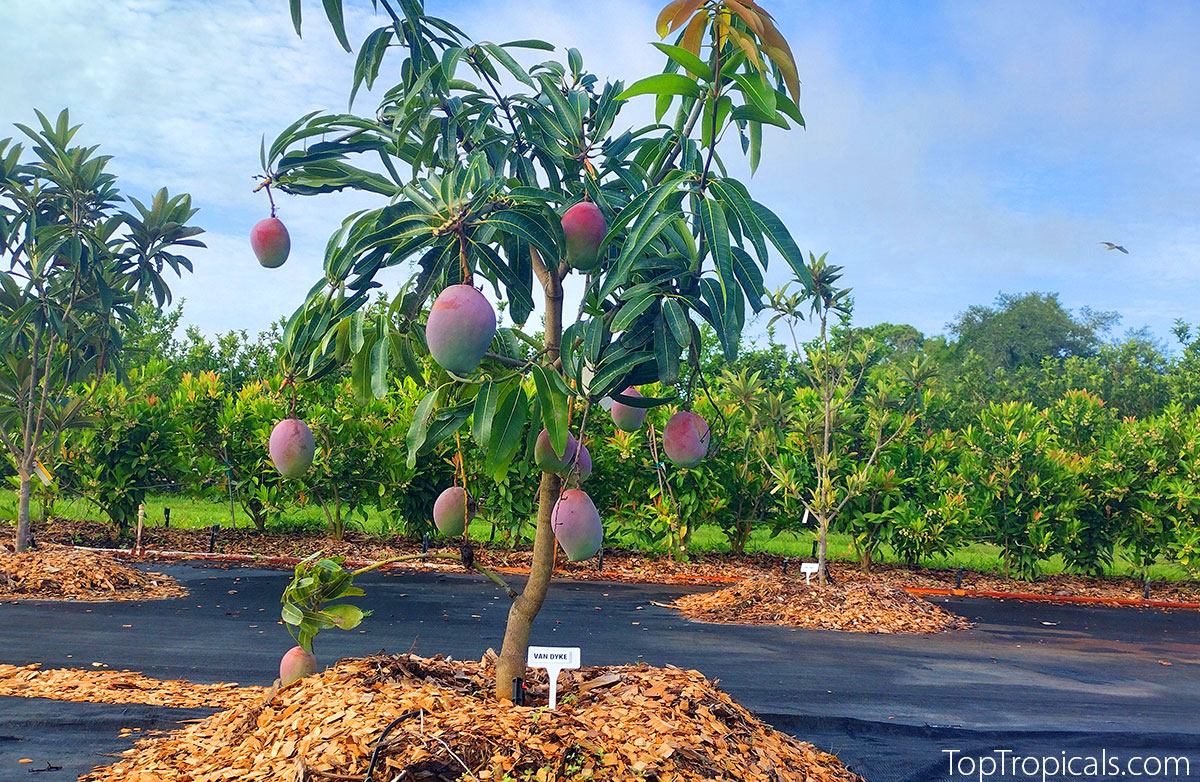
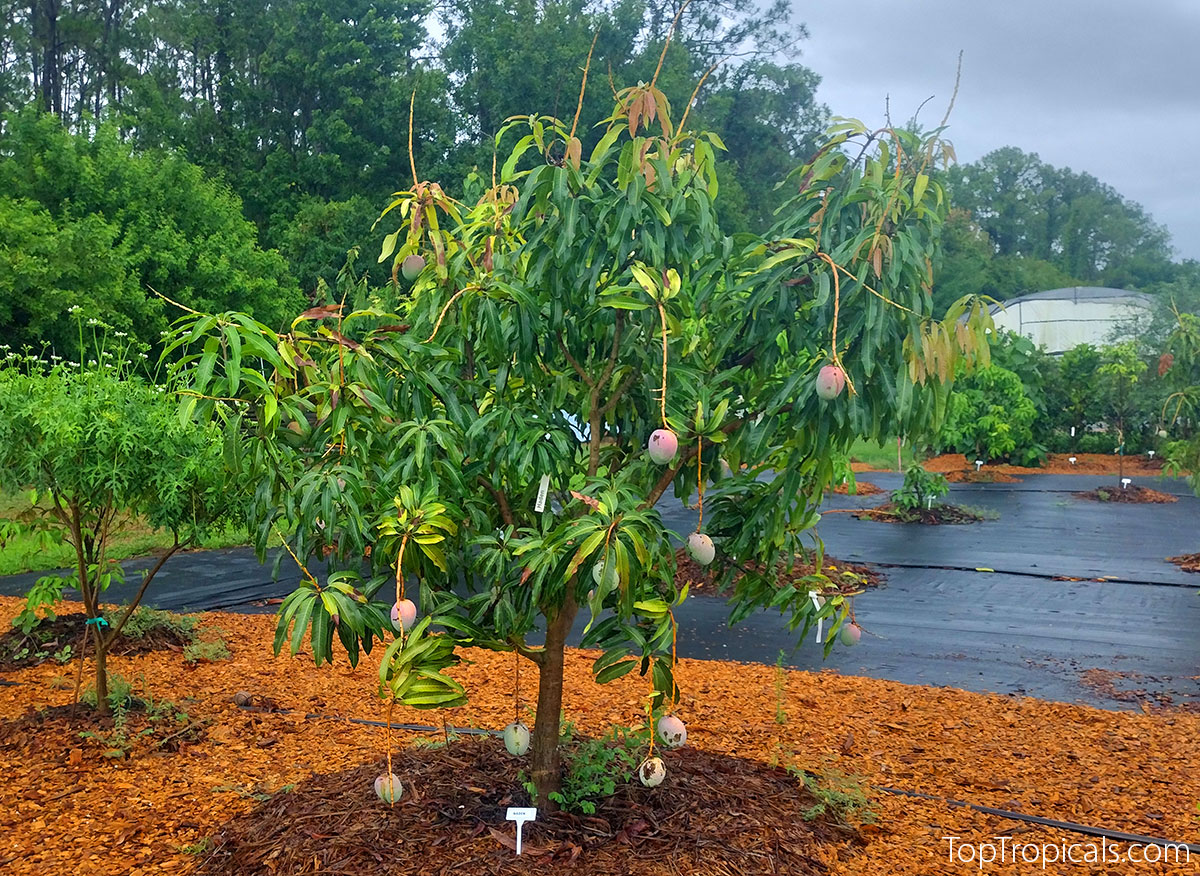
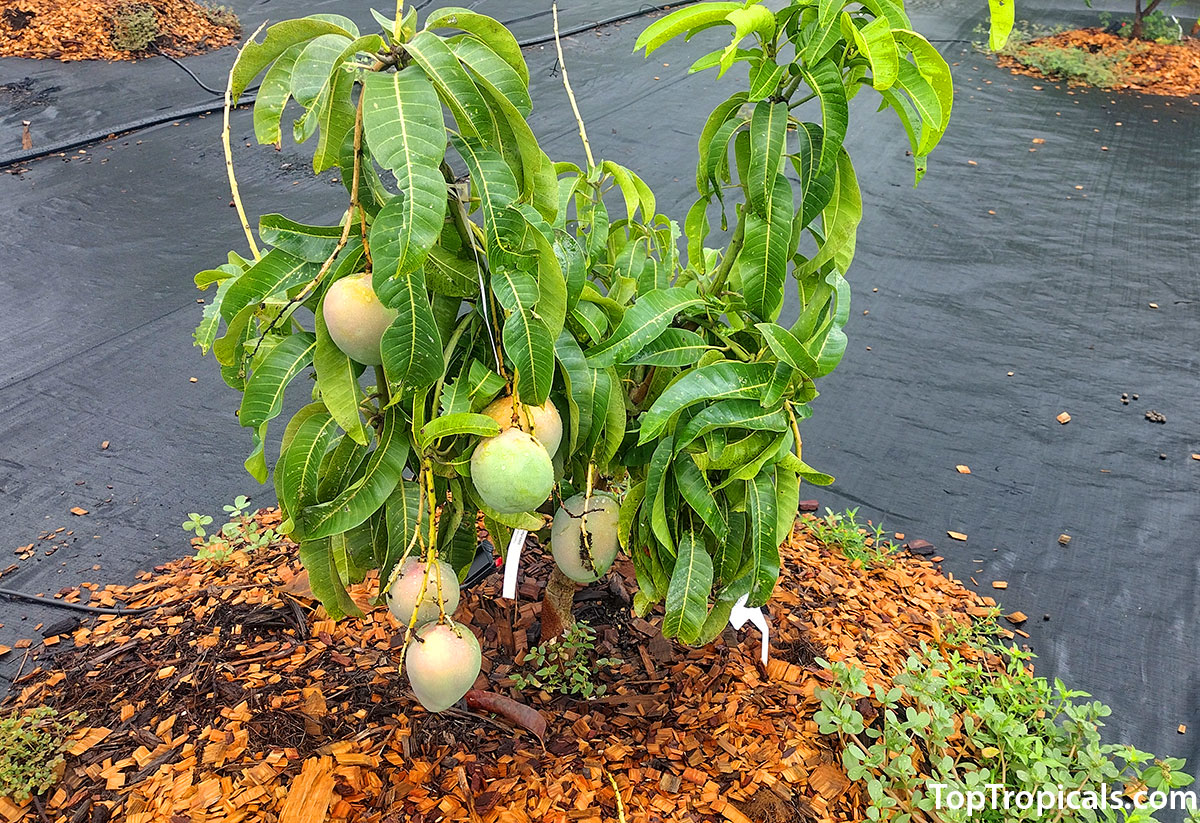
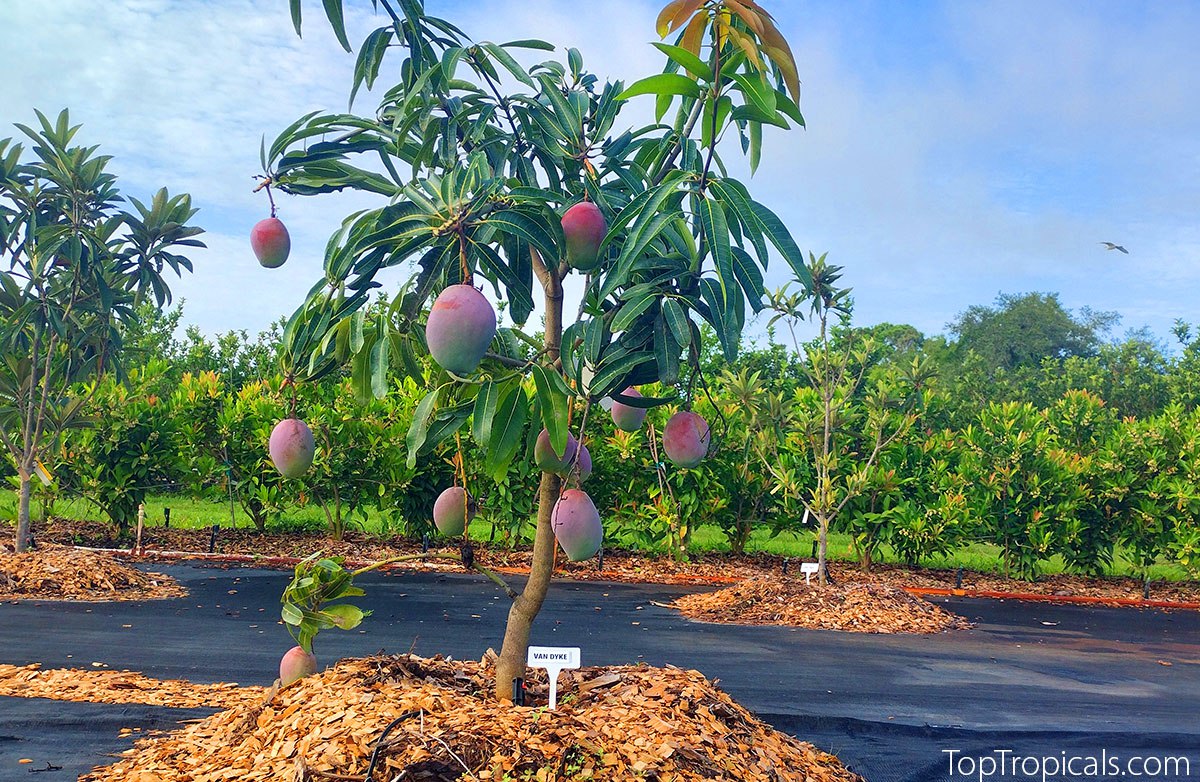
Condo Mangos, also known as dwarf mango trees, are perfect for small
spaces. These trees can be grown in containers, making them ideal for balconies,
greenhouses, or small suburban backyards. With proper care, they can be
maintained at a manageable height of 6-10 feet through regular pruning. Some
plant enthusiasts even manage growing Mango tree as an indoor plant!
The term Condo Mango
Condo Mango refers to mango varieties that thrive in containers and are
small by nature, allowing them to be easily kept even smaller with selective
pruning.
Size and Growth
Unlike traditional mango trees, Condo Mangos are compact. They naturally
grow to around 6-10 feet, but with proper pruning, they can be kept small,
making them an excellent choice for limited space.
Growing in Containers
- Condo Mango trees thrive in pots and containers.
- A 15-20 gallon pot is ideal to give the roots enough room to grow.
- Ensure your container has drainage holes to prevent root rot.
Planting Tips
- Plant Condo Mangos in full sun, where they'll get plenty of heat and
light.
- Use well-draining soil for optimal growth.
- Fertilizer regularly with quality plant food. Out best choice is Sunshine Mango Tango for edibles.
- Late Winter to early Spring is the best time to plant in containers,
before the rainy season starts.
- Mangoes grow well in USDA zones 9-10, but if you live in cooler climates,
you can grow them indoors or in a greenhouse, as long as you meet their heat
and light needs.
Pruning and Maintenance
- Prune Condo Mango trees once a year to keep them at the desired height
(6-10 feet), right after harvesting (late Summer to Fall)
- Trim the tips of the branches to maintain a compact shape and encourage
healthy growth.
- Regular pruning will help keep the tree manageable and ensure better
fruit production.
Condo Mangos, also known as dwarf mango trees, are perfect for small spaces. These trees can be grown in containers, making them ideal for balconies, greenhouses, or small suburban backyards. With proper care, they can be maintained at a manageable height of 6–10 feet through regular pruning. Some plant enthusiasts even manage growing Mango tree as an indoor plant!
🟠 The term “Condo Mango”
“Condo Mango” refers to mango varieties that thrive in containers and are small by nature, allowing them to be easily kept even smaller with selective pruning.
🟠 Size and Growth
Unlike traditional mango trees, Condo Mangos are compact. They naturally grow to around 6-10 feet, but with proper pruning, they can be kept small, making them an excellent choice for limited space.
🟠 Growing in Containers
· Condo Mango trees thrive in pots and containers.
· A 15-20 gallon pot is ideal to give the roots enough room to grow.
· Ensure your container has drainage holes to prevent root rot.
🟠 Planting Tips
· Plant Condo Mangos in full sun, where they’ll get plenty of heat and light.
· Use well-draining soil for optimal growth.
· Fertilizer regularly with quality plant food. Out best choice is Sunshine Mango Tango for edibles.
· Late Winter to early Spring is the best time to plant in containers, before the rainy season starts.
· Mangoes grow well in USDA zones 9-10, but if you live in cooler climates, you can grow them indoors or in a greenhouse, as long as you meet their heat and light needs.
🟠 Pruning and Maintenance
· Prune Condo Mango trees once a year to keep them at the desired height (6–10 feet), right after harvesting (late Summer to Fall)
· Trim the tips of the branches to maintain a compact shape and encourage healthy growth.
· Regular pruning will help keep the tree manageable and ensure better fruit production.
📝 See most popular Condo Mango varieties in the next post 👇
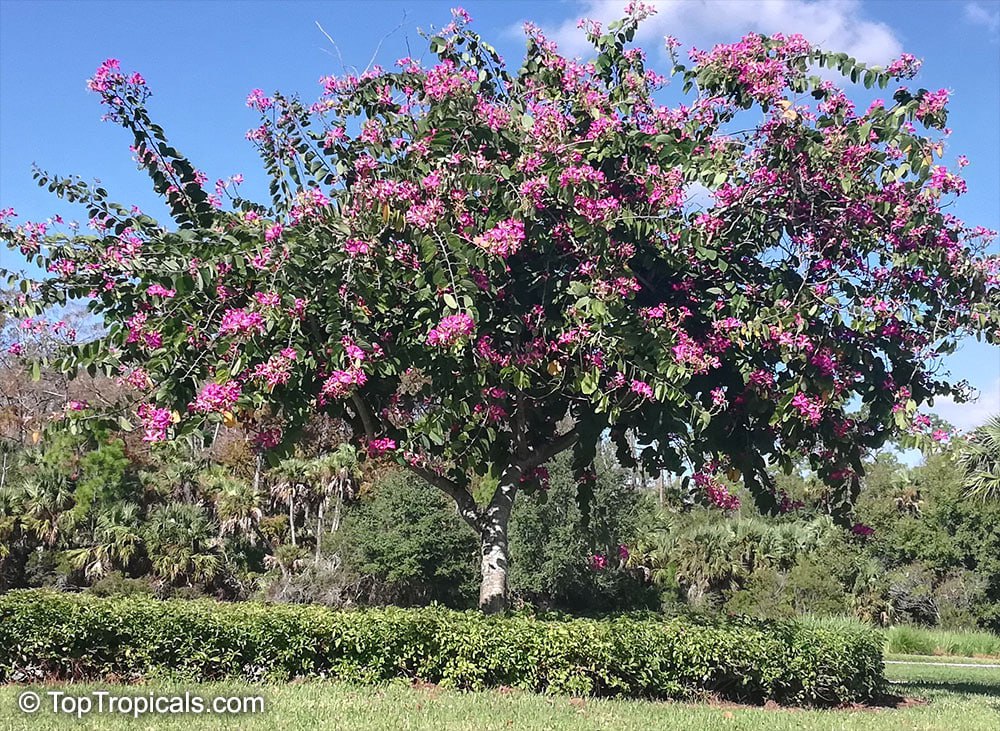
What are these beautiful trees blooming right now?
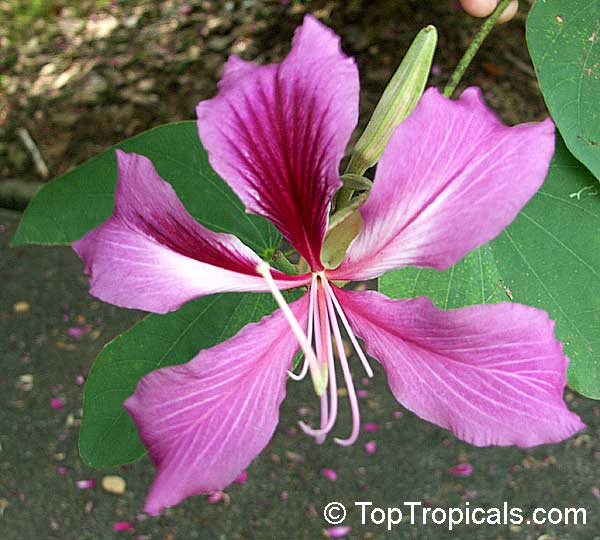
Bauhinia blakeana - Hong Kong Orchid Tree, flowers
💌 What are these beautiful trees blooming right now?
🎈 If you happen to be in Florida during Winter months, you must have noticed Orchid trees in full bloom, and the most beautiful of them - Bauhinia blakeana - Hong Kong Orchid Tree.
🍲 What Fertilizer to Use Now and How?
Part 2. Macro elements, or everyday plant food
Sunshine Booster for different types of plants can be applied as often as with every watering.
✔️ For Rapid Growth
Sunshine Robusta - Rapid Growth Booster: general fertilizer for both foliage plants and small starters that need an extra boost.
✔️ For Flowers
Sunshine Megaflor - Bloom Booster: boosts flowers on established plants; and Sunshine Pikake - Fragrant Plant Booster: best for fragrant flowers.
✔️ For Fruit Trees
Sunshine C-Cibus - Crop Booster: contains all necessary elements for fruit trees and their production. Sunshine Mango Tango - specifically formulated for Mango and Avocado trees, and Sunshine Citron - ideal for citrus trees.
✔️ For Tender Perennials
Sunshine Orchidasm - Orchid Total Feed and Sunshine Ananas - Pineapple and Bromeliad Booster: mild formulas for these tender perennials.
✔️ Microelement Supplements Are a Must
Besides macronutrients, plants need additional microelements, just like humans need vitamins. We will explain in details about micro-elements in our next post 🔽