Date: 18 Aug 2025
Step Up Your Plants Before Fall
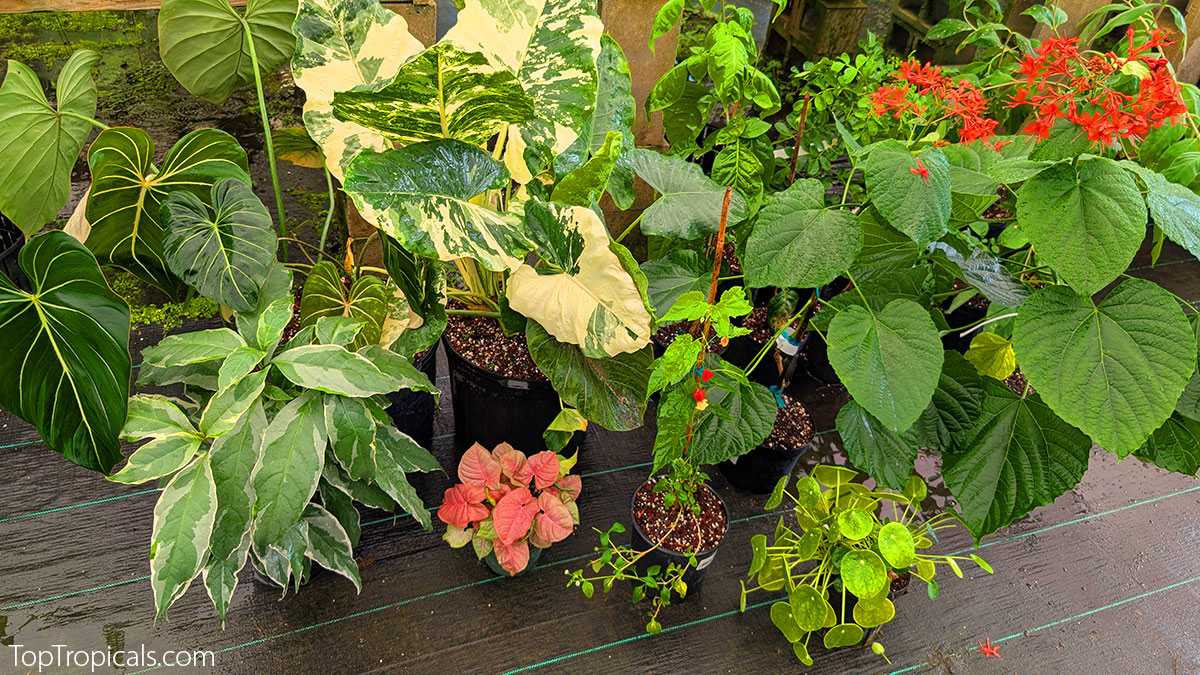
After a busy summer of growth, many potted plants are bursting out of their containers. Now is the perfect time to step them up into a slightly larger pot.
🌱 Why now in August?
Repotting before fall gives roots room to expand, while there’s still warmth for active growth. Plants have time to sprout new shoots, fill out, and build strength before cooler weather slows them down.
✂️ Trim and Shape
This is also your last chance to give plants a light trim. Pinching or cutting back helps them branch, bush out, and get denser — exactly what you want going into fall.
💚 Add Green Magic
When repotting, mix in Sunshine controlled-release Green Magic fertilizer to reduce transplant stress and boost new root growth. It helps plants settle in quickly and keep thriving.
👉 Watch our on how to step up your plant the right way, then check your pots — some of your summer growers are ready to move up!
⚠️ Important Note on Timing
This advice is for gardeners in warm climates or for anyone who still has at least a month of warm weather left. Tropical plants go dormant when temperatures drop below 75F, so planting in a larger pot at that time may cause root rot — roots stop growing in dormancy, and extra moisture in the soil can lead to rotting.
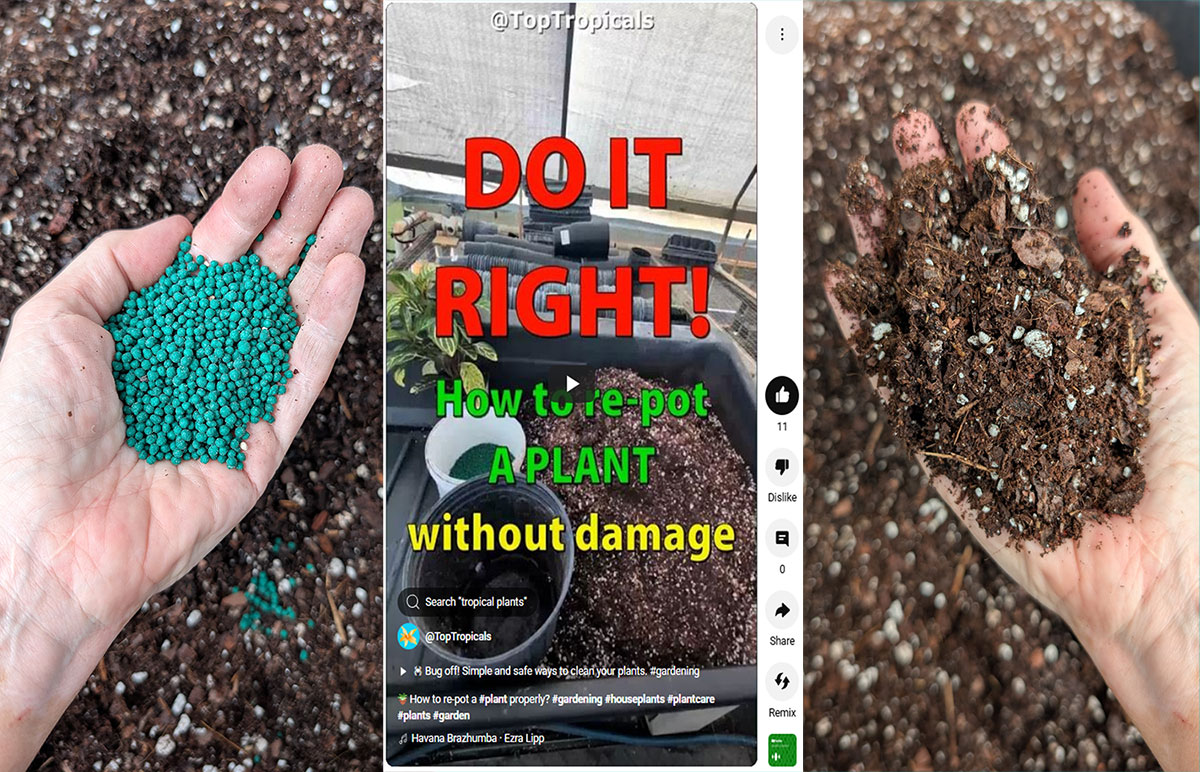
How to Repot a Plant Properly
Choose the Right Pot
Pick a pot just a few inches larger than the old one.
✅ Make sure it has good drainage — tropical plants hate sitting in water. A pot without drainage holes can cause waterlogging and root rot.
Why plastic pots are better than fancy ceramic
Ceramic pots may look pretty, but they are heavy, breakable, and often lack proper drainage. Plastic pots are lightweight, easier to handle, and — most importantly — if a plant is root-bound and stuck, you can simply cut the plastic pot to free it without harming the roots. For looks, slip the plastic pot inside a decorative cover pot.
Add Soil and Fertilizer
Place fresh potting soil at the bottom. Mix in a good fertilizer — we use Sunshine Green Magic.
Remove the Plant
Why turn it upside down? Gravity helps loosen the plant, and it slides out more easily without tugging.
Never pull a plant by its head (stems or leaves). That can damage the crown and tear roots.
If it doesn’t come out easily: lay the pot on its side and gently squeeze or tap the pot to dislodge the soil. If it is really stuck, cut the old pot instead of forcing the plant.
Check the Root System
If roots are circling tightly (pot-bound), gently untangle or loosen the outside layer so they will grow outward into the new soil.
Do not shake off or remove old soil from the root ball. Roots have tiny hairs that absorb water and nutrients, and damaging them will set the plant back. Keep the root mass intact and disturb as little as possible.
Set at the Same Level
Place the plant in the new pot so it sits at the same soil level as before.
👉 This is important: burying the stem too deep can suffocate it, while setting the plant higher than before may expose roots and cause drying. Keeping the level the same protects the root crown.Fill and Firm
Add more soil and fertilizer around the sides. Press lightly around the edges to remove air pockets.
Water Thoroughly
Give it a deep watering to help roots settle.
Aftercare
Don’t water again until the top inch of soil feels dry. Freshly repotted plants are vulnerable to soggy soil and root rot if kept too wet.
Date: 10 Feb 2019
Featured plant. Capsicum frutescens - Wiri Wiri Pepper
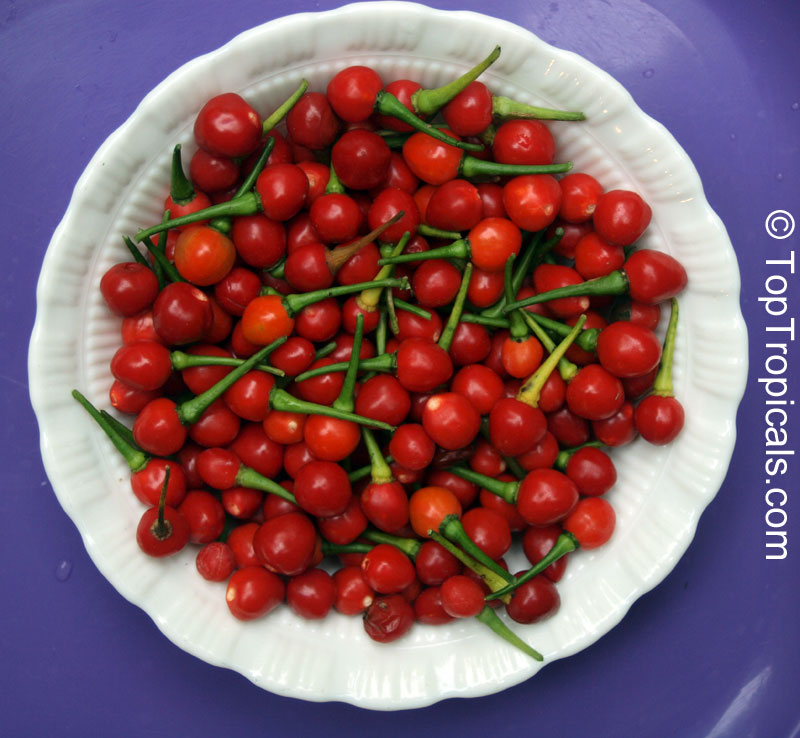
Capsicum frutescens - Wiri Wiri Pepper
A variety from Guyana, the Wiri Wiri pepper is the illustrious gem; hard
sought and rarely found. This plant produces good yields of small 1/2"berry
shaped hot peppers. Peppers grow upright, are very hot, and turn from green,
to orange, to red when mature.
What makes it so much different than any other hot pepper grown in the
garden or bought at the store?
Hot? Yes, it is important that hot peppers are, but the people who
really know, know that it is not just about heat, it is about flavor! And that is
exactly what makes this little red gem so special. Guyanese dinners will
only take one of those meals for you to never forget! The secret of their food
is the flavor, and one of the cornerstone ingredients in many of their dishes
is the Wiri pepper. The Guyanese population claim that it is not just a key
ingredient to their diet, but also to why they are so good looking, live so
long and have such great skin.

Date: 14 Nov 2018
Recovering Soursop after shipping and cold
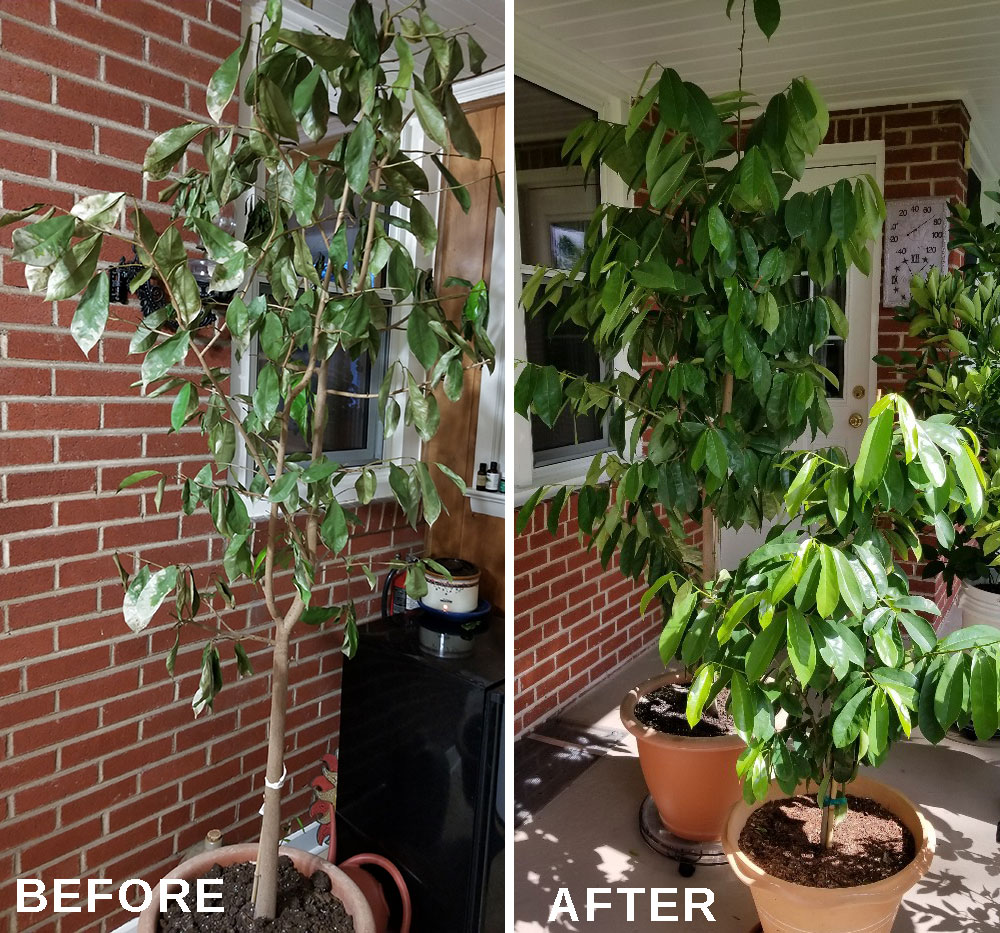
From Irene &
Marjorie, PA: We wanted to share our pics with you (after Summer). I
attached also the photo of the way the tree looked before your advice (back in
April). The big is the one we almost lost and you gave us these instructions and
it came back. These were your instructions:
"The soursop is one of my favorite fruits and I was so sad to hear
yours may be dead. Good news - the tree looks great! Yes, it does have some cold
damage but I'm surprised it still has leaves on it at all! In cooler weather,
they typically drop all of their leaves and stay that way until spring. You
can remove the damaged leaves and it will resprout new growth with the warmer
temperatures."
Taking care of
Soursop after shipping
Soursop - Annona muricata trees are very sensitive to temperature drops. This
always causes leaf loss. After shipping, do not water until the soil gets
slightly dry; keep it in bright shade. No fertilizer until the plant shows active
new growth. Be patient with your plant, and it should recover soon.
Soursop is an ultra-tropical tree and doesn't take any freeze. If you
live in a cooler climate, keep the plant in a pot (the good news is, Annonas,
in general, have a compact nature and are perfect for container culture).
Bring the tree indoors during the cold period, providing bright light.
We have a very interesting article about growing and fruiting Soursop
in an apartment. Check out 4534 Tropical Treasures Magazine # 7
Date: 6 Nov 2018
Shopping for gifts is not an easy chore!
6 important steps for successful Holiday Gift Plant Shopping
1. Make a list of friends and family members that absolutely
require your special plant attention. Obviously, a live plant is the best
present!
2. Set deadlines for shipping gift plants. Remember good timing
is 50% of a good surprise!
3. Set a budget and call our Customer Service to help you pick the right plant that fits
your needs and finances. Check out current sales and deals to get more for your dollar, and low cost offers.
4. Buy plants for plant lovers, or simply for those who
appreciate the Nature, and the Beauty. Check out fragrant gift plants, fruit, and spice plants - these are always win-win! A gift certificate can be a great option so they can pick what they like,
and it is not time sensitive!
5. Prepare. Remember that live plant requires some attention.
Prepare pots, soil, and planting instructions beforehand so your beloved ones
can enjoy a happy plant for a long time.
6. Don't forget about yourself! Take advantage of BOGO deals
Date: 2 Nov 2018
Happy Hobby: growing tropicals from seeds
Q: What is the best time to start tropical plants from seeds? Should I wait till spring?
A: If you
want to feel happier, get into gardening. If you want to feel God, start
plants from seeds and watch New Life grow from a tiny grain. Fall is a perfect
time to start tropicals from seed.
Traditionally, people prefer sowing seeds in Spring, especially
temperate species for a vegetable garden: tomatoes, peppers, cucumbers... My
grandmother up North started them in early Spring in paper cups on a windowsill,
then once the temperatures went just above freezing, she planted them out in the
garden beds, and that early start always helped her to have the best early
crop in the neighborhood.
When we deal with tropical plants, "just above freezing" is not warm
enough. Which means you have to grow small babies indoors for quite a while,
providing additional heating when needed. Heating pads always work best. If you
keep your living space around 75F (ideal for many species), this is a
perfect temperature to get your seeds started. Tropical plants are not like annual
tomatoes that try to grow through the season as fast as possible. They take
time. So the sooner you start, the more chances to get small seedlings just in
time when Spring air outside is "warm enough" for those tropicals - at least
in 70's.
A great advantage of starting tropical seeds indoors is controlled
temperature and moisture. In the plant world, environment extremes are not good
for the germination process. Mild conditions of your home or a greenhouse
create better chances for successful growth. Seeds won't get overheated in the
hot Summer sun, and won't rot because of a sudden heavy rain. Just keep in mind
that some species require light for good germination.
For the best seed germination:
- Use only well-drained mix - we recommend special Seed Germination Mix #3, professional grade. Put seeds not too deep
(1/2 inch deep or less) to allow air circulation
- Soak large seeds for a few hours with Sunshine-S solution
- Keep warm (75-85F) and in bright light
- Keep soil slightly moist but not soggy
- Apply micro-element booster SuperFood