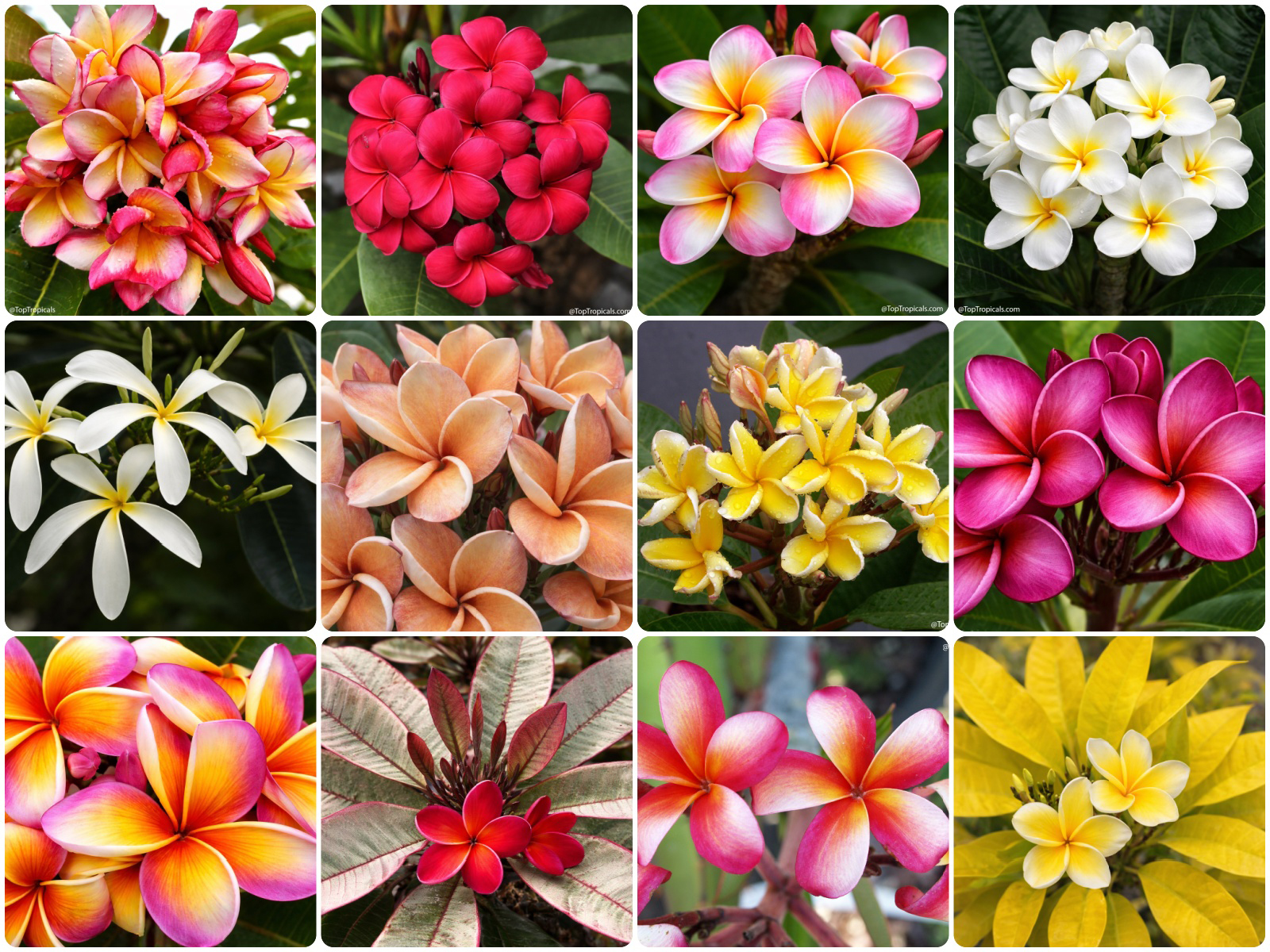
5 striking variegated plumerias you can’t ignore. Soil tip 🌈
Variegated plumerias are a whole different level - not just flowers, but foliage that steals the show even when the plant is not in bloom. This batch feels rare, collectible, and a little addictive… once you see them, it’s hard to stop at just one.
Plumeria Plant Facts
Botanical name: Plumeria sp. Also known as: Plumeria, Frangipani
USDA Zone: 9 - 11
Highligths
🌸 Today's featured plumerias
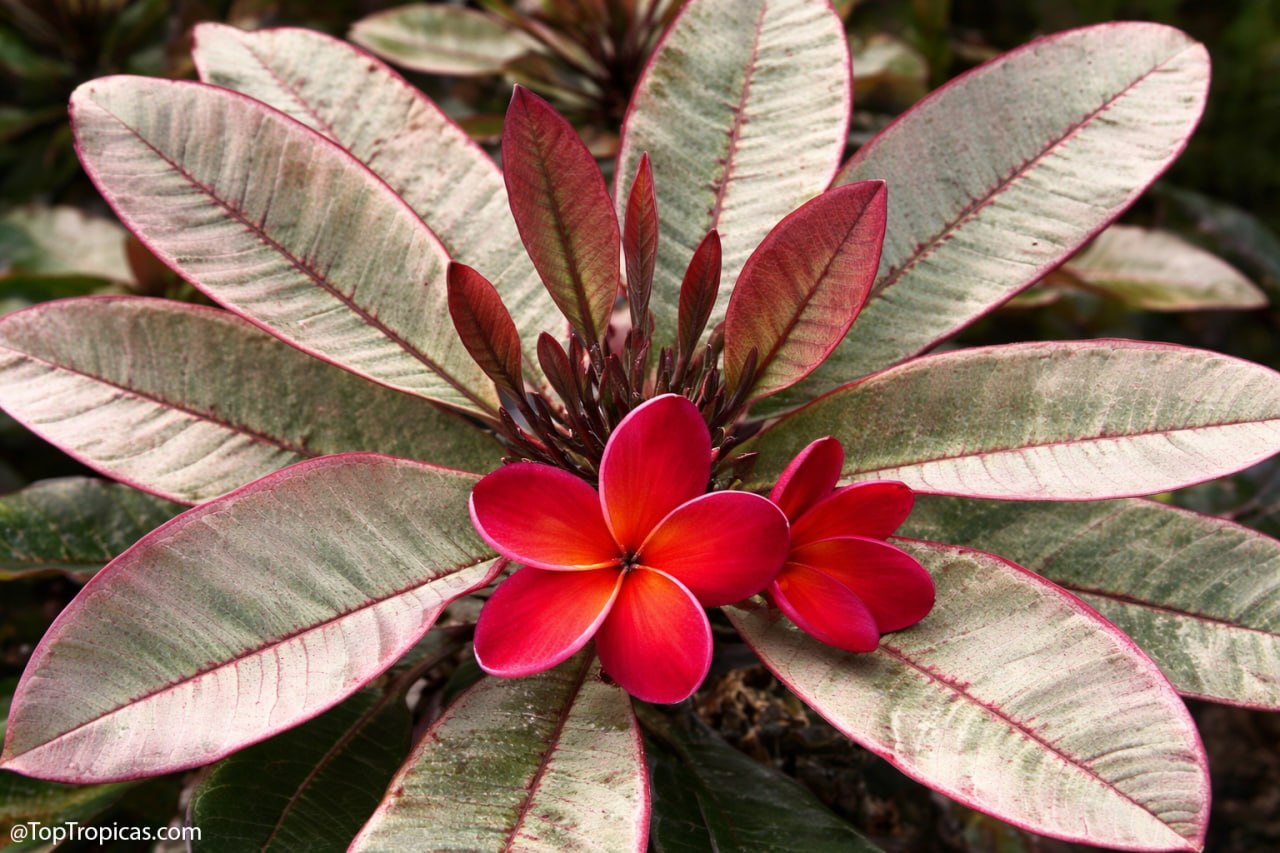
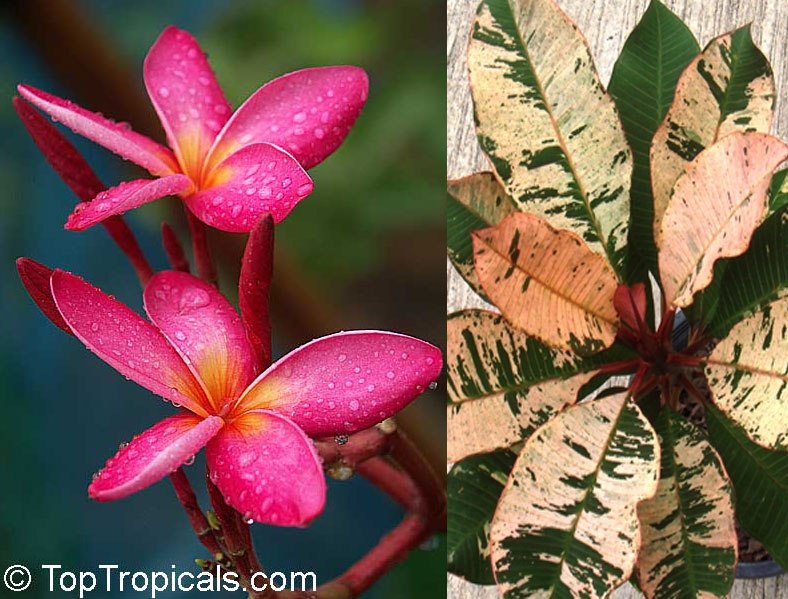
✦ Plumeria Pink Border Leaf Variegated - silver-green leaves with dark pink veins and a distinct pink edge, often deepening in new growth. Bright red flowers add strong contrast.
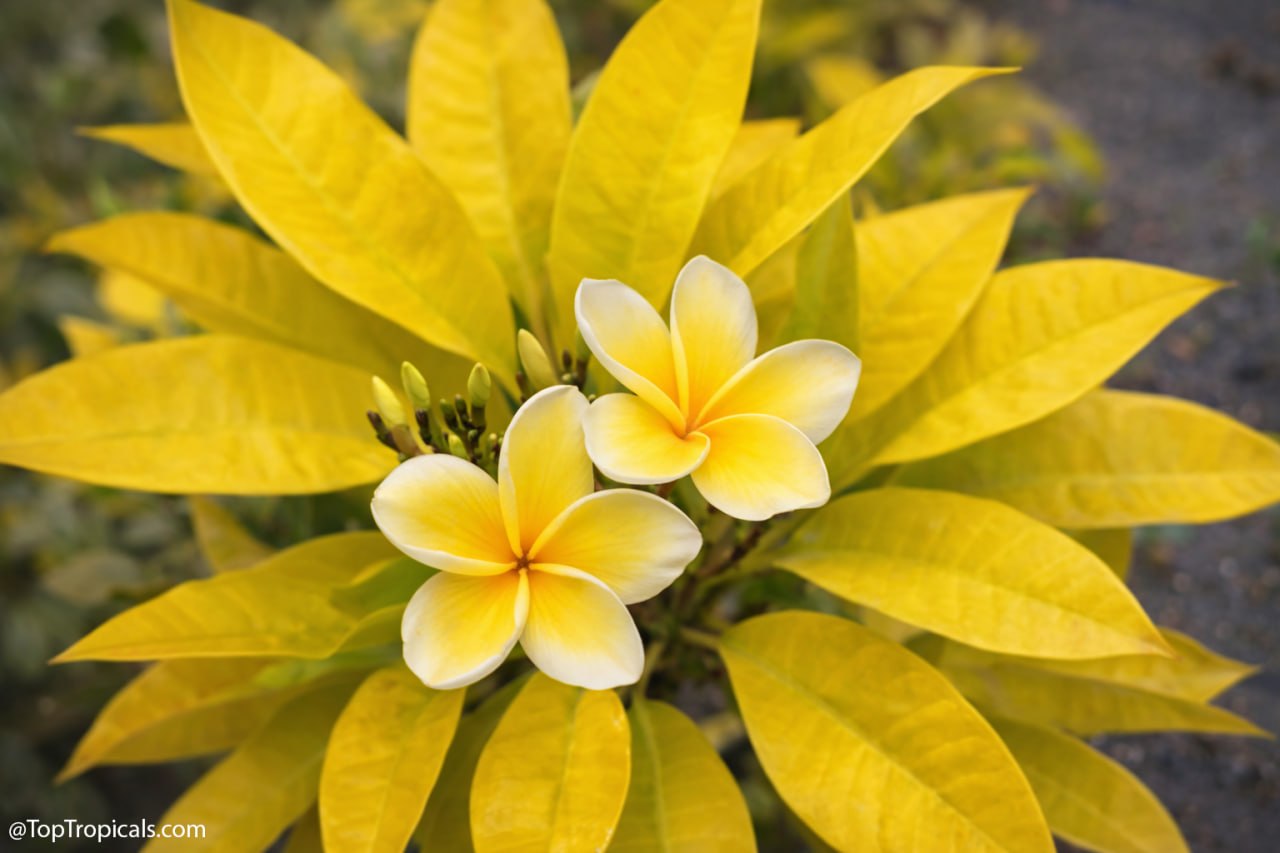
✦ Plumeria Golden Leaf - grown as much for its glowing golden foliage as for its soft yellow flowers with creamy edges. One of those varieties that stands out even without blooms.
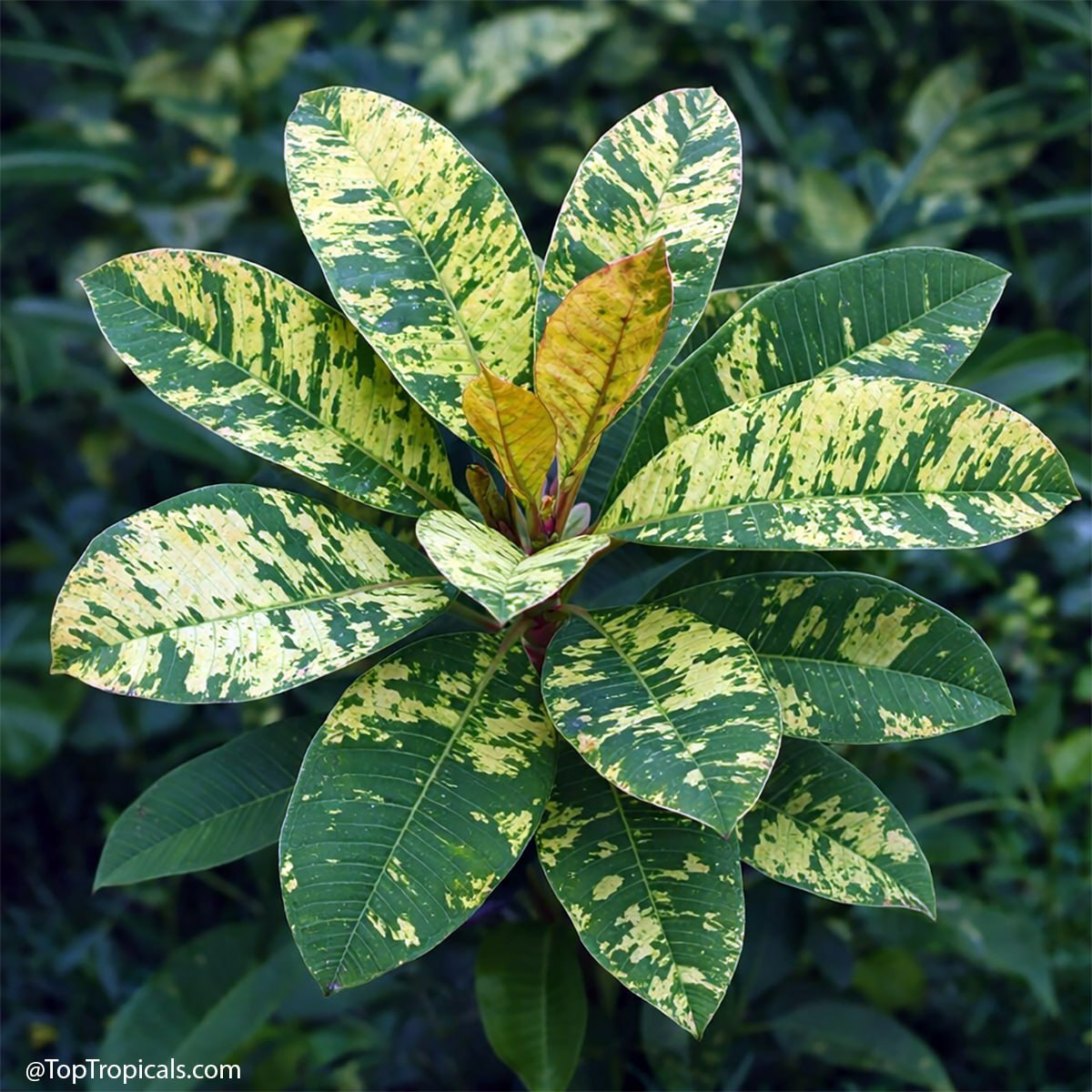
✦ Plumeria Anyamanee Yellow Variegated - bright yellow flowers paired with dark green leaves streaked in yellow, creating a bold, high-contrast look. The Thai name means rare jewel, and it fits perfectly.
✦ Plumeria Maya Red Variegated - rich red-pink flowers with variegated leaves touched by reddish tones, giving the whole plant a warm, layered look. Fragrant and very eye-catching.
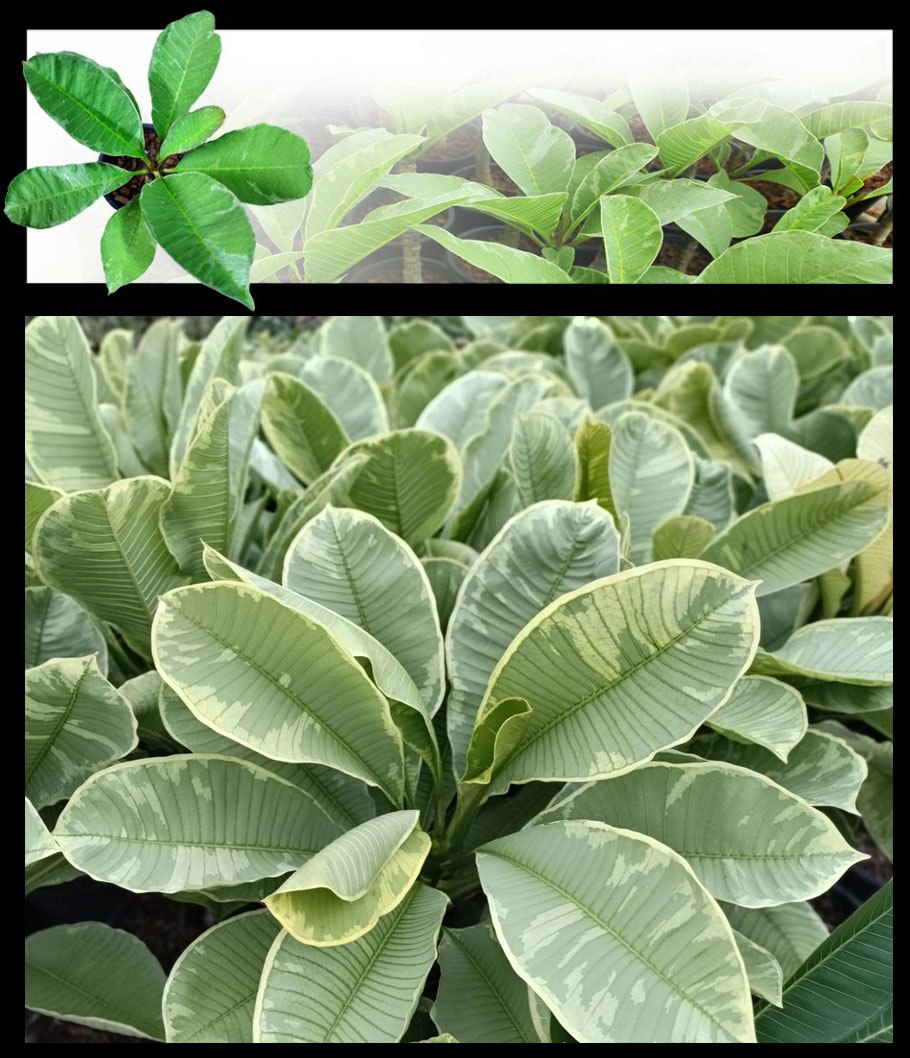
✦ Plumeria Silver Leaf Variegated - silvery variegated foliage paired with soft yellow blooms, creating a clean, elegant contrast. A collectible type that feels a bit different from typical plumerias.
💡 Plumeria tip: soil and drainage
Plumerias hate wet feet. Give them a fast-draining, airy mix so roots can breathe - think chunky soil with perlite, bark, and coconut fiber. A simple formula that works very well is Sunshine Abundance soilless formula mixed 50/50 with coarse sand - it drains quickly and keeps roots healthy and rot-free.
7 best exotic dwarf trees for maximum impact in small tropical landscapes 🏡
For a yard that feels like a tropical escape but doesn't have the space for a massive jungle, these seven selections from TopTropicals are game-changers, chosen for their compact size, high "curb appeal," and unique tropical flair.
1. Dwarf Pink Princess Silk Floss Tree (Ceiba hybrid)
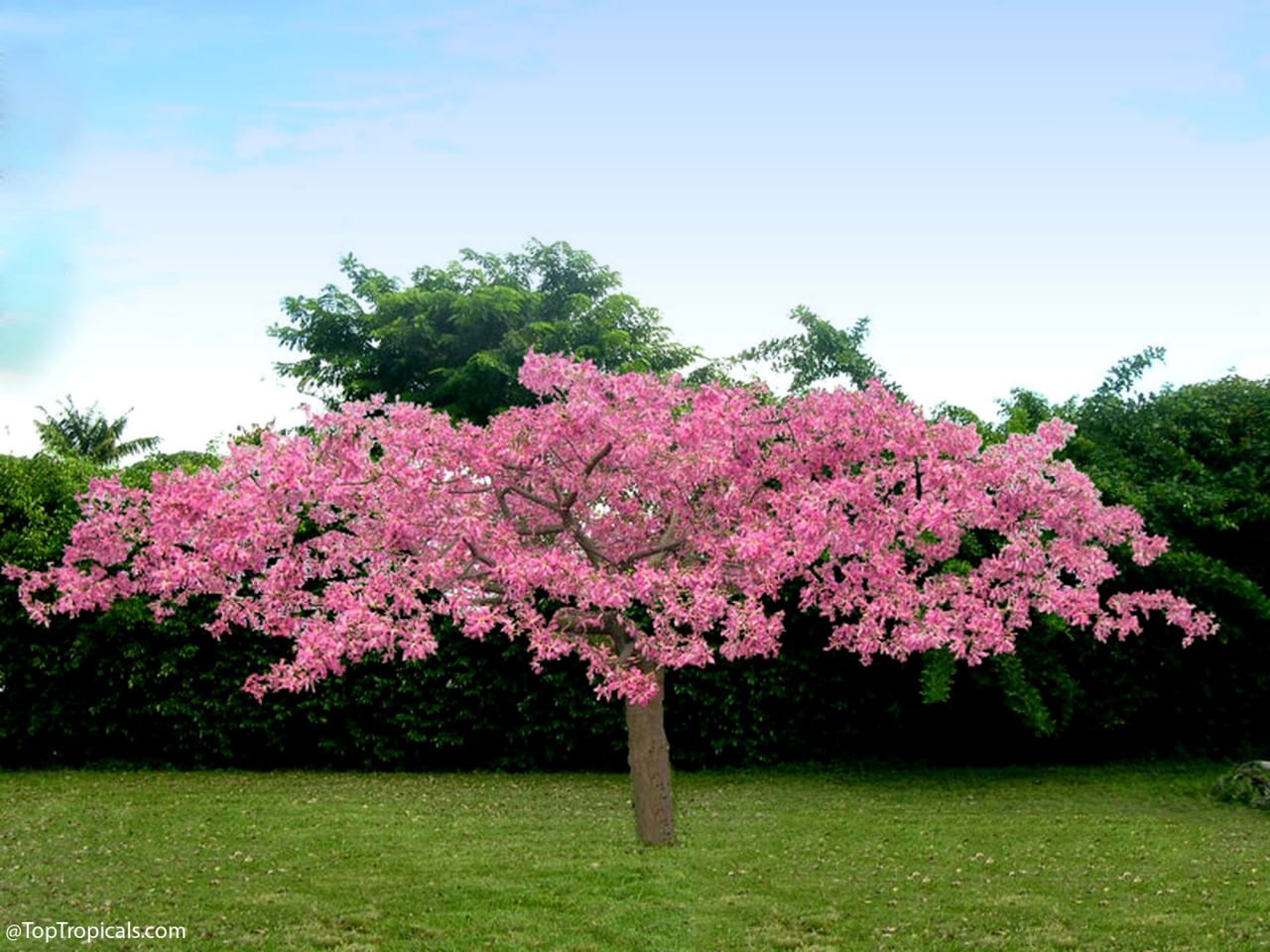
🌳 A spectacular grafted hybrid of the famous Silk Floss tree, but in a much smaller package: a unique, often "fat" or bottle-shaped trunk and large, showy pink flowers with white centers. 🏡 Unlike the standard Ceiba which can become a giant, the 'Pink Princess' is grafted to stay compact (usually under 10 - 12 feet), allowing you to enjoy those exotic, orchid-like blooms even in a tiny garden.
Ceiba Plant Facts
Botanical name: Ceiba sp. Also known as: Ceiba, Floss Silk Tree, Kapok Tree
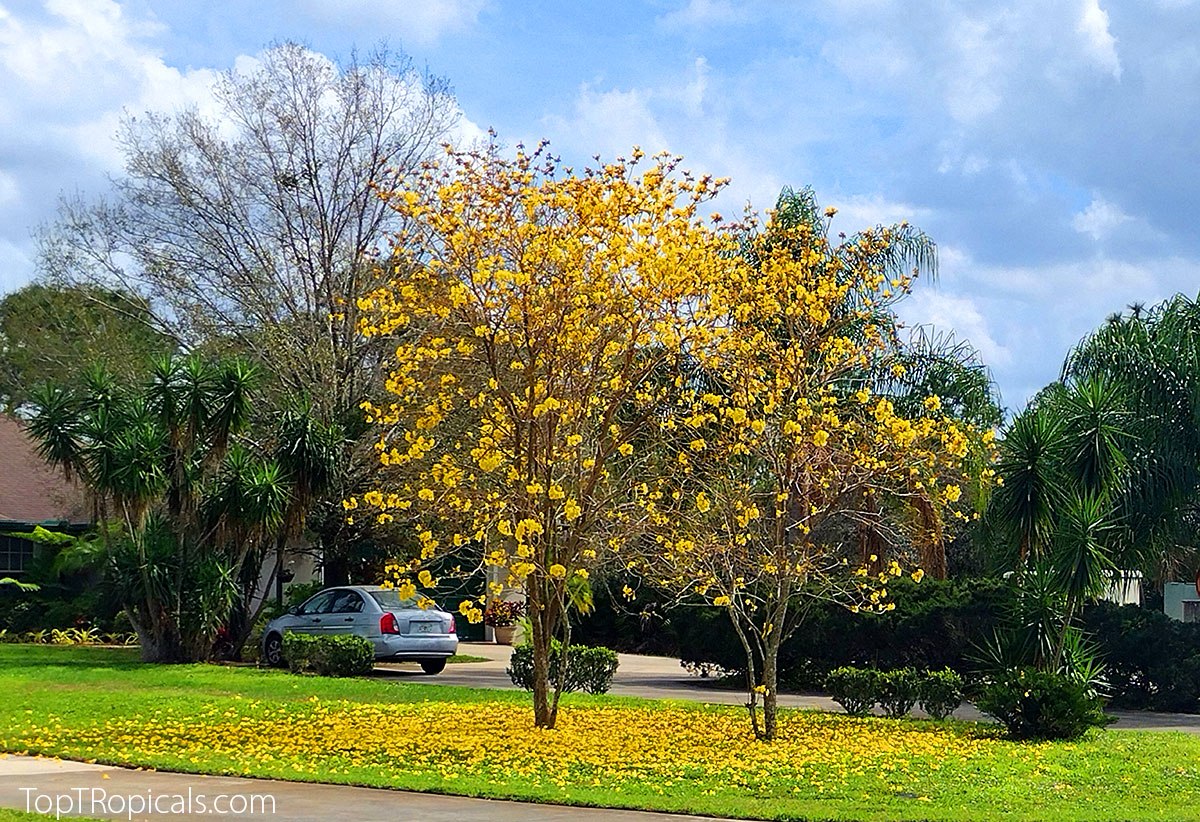
🌳 Known as the "Golden Trumpet Tree," this dwarf selection puts on one of the most brilliant displays in the plant kingdom. Before the leaves emerge in spring, the entire tree is covered in bright, trumpet-shaped yellow flowers. 🏡 This specific dwarf form stays much smaller and more manageable than the standard Tabebuias seen on city streets. Its silver-green foliage and rounded canopy make it an ideal "specimen" tree that acts as a focal point for your front yard.
Dwarf Golden Tabebuia Plant Facts
Botanical name: Handroanthus chrysotrichus, Tabebuia chrysotricha, Tabebuia chrysantha Also known as: Dwarf Golden Tabebuia
3. Little Gem Southern Magnolia (Magnolia grandiflora)
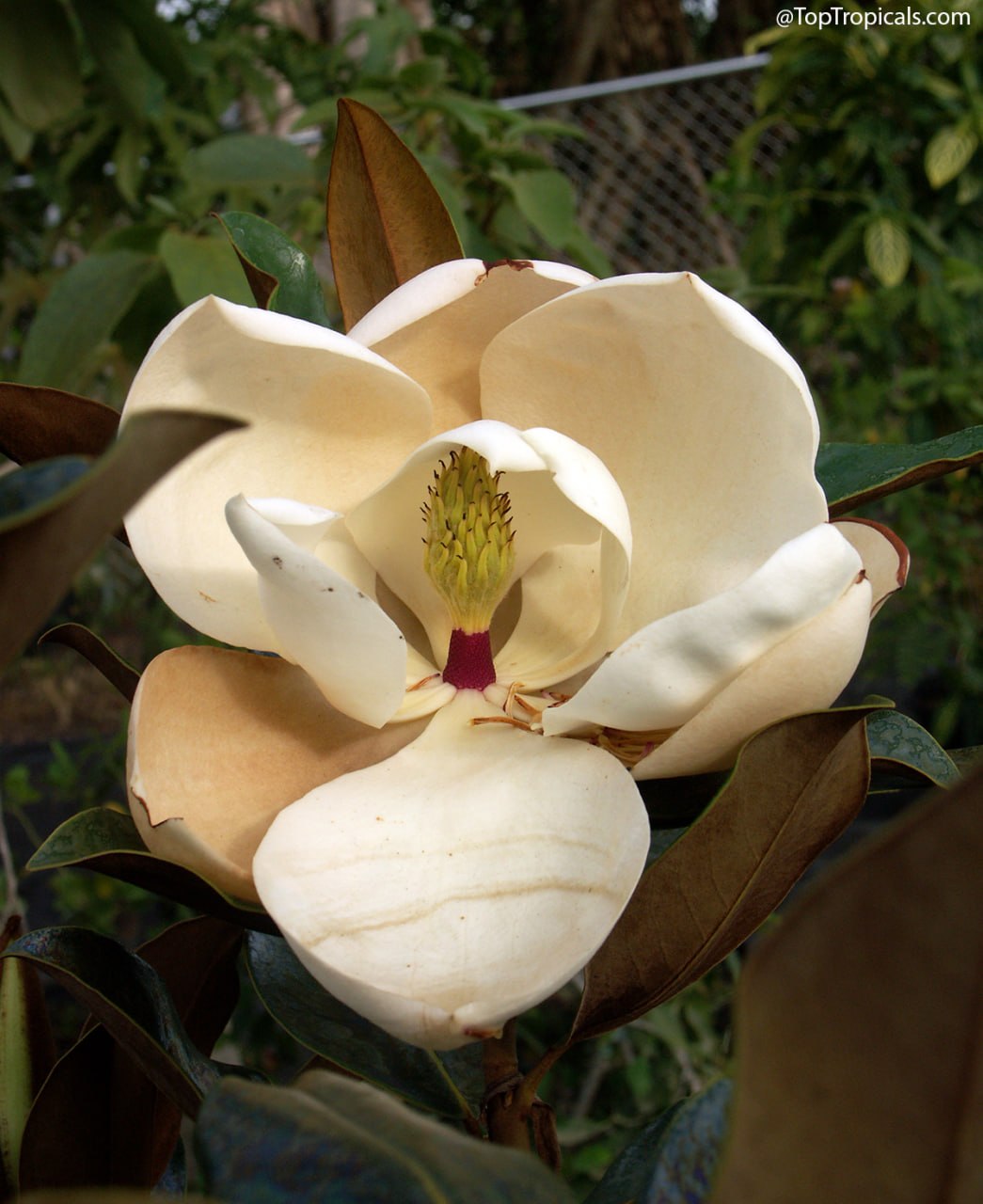
🌳 All the elegance of a classic Southern Magnolia but in a miniaturized version. It has the iconic waxy white, lemon-scented flowers and glossy leaves with fuzzy bronze undersides. 🏡 'Little Gem' is narrow and columnar, typically reaching only 15-20 feet (half the size of the standard species). It starts blooming at a very young age, so you don't have to wait years for those famous fragrant flowers.
Southern Magnolia Plant Facts
Botanical name: Magnolia grandiflora Also known as: Southern Magnolia, Bull Bay
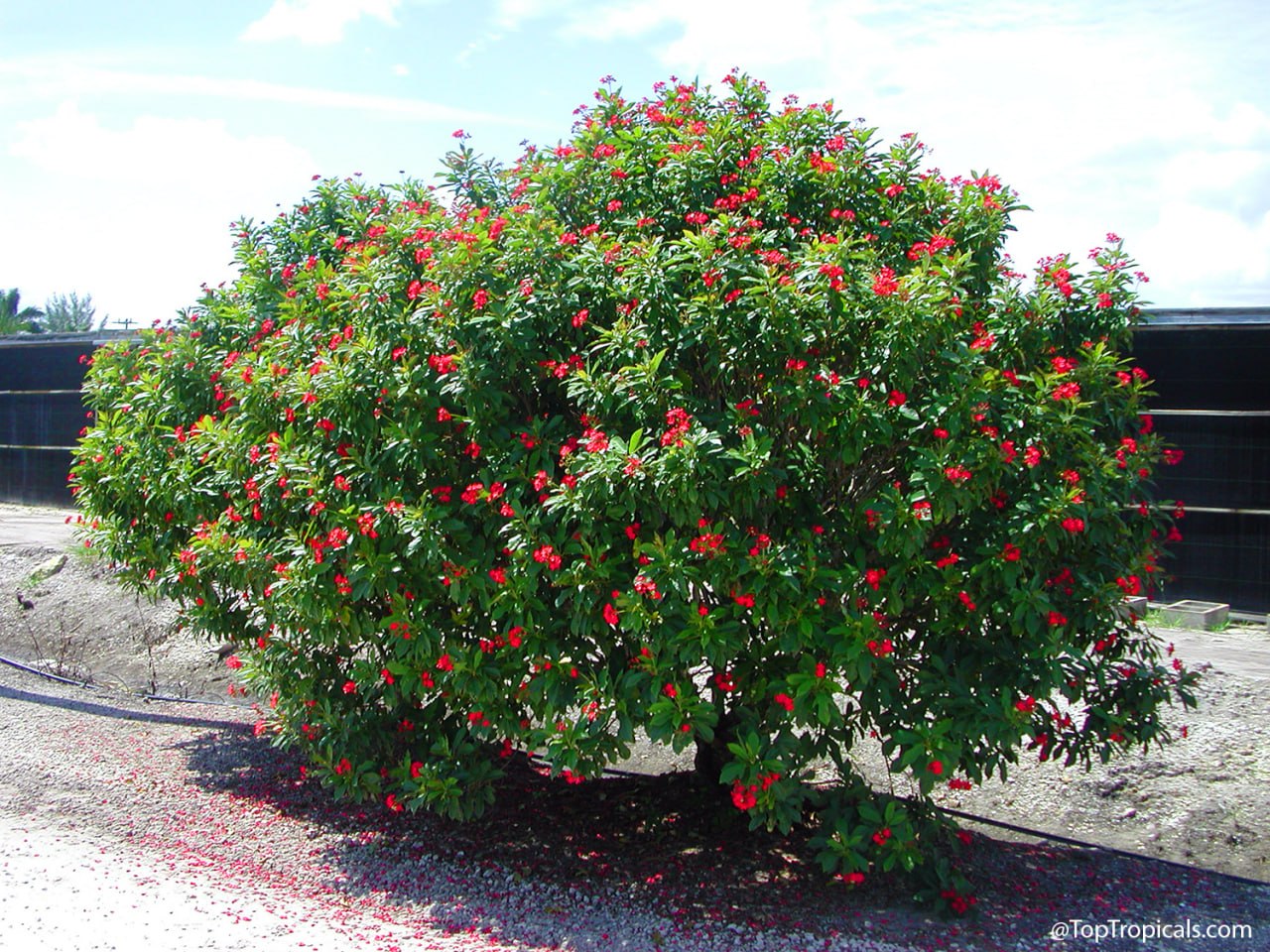
🌳 This "ever-blooming" small tree is a butterfly magnet. It features clusters of bright, cherry-red star flowers against glossy, fiddle-shaped leaves. 🏡 The Compacta variety is specifically bred to stay bushy and small. It blooms almost 365 days a year in warm climates, providing a constant splash of red that draws in hummingbirds and pollinators.
Peregrina Plant Facts
Botanical name: Jatropha integerrima, Jatropha pandurata Also known as: Peregrina, Spicy Jatropha, Coral Plant, Physic Nut
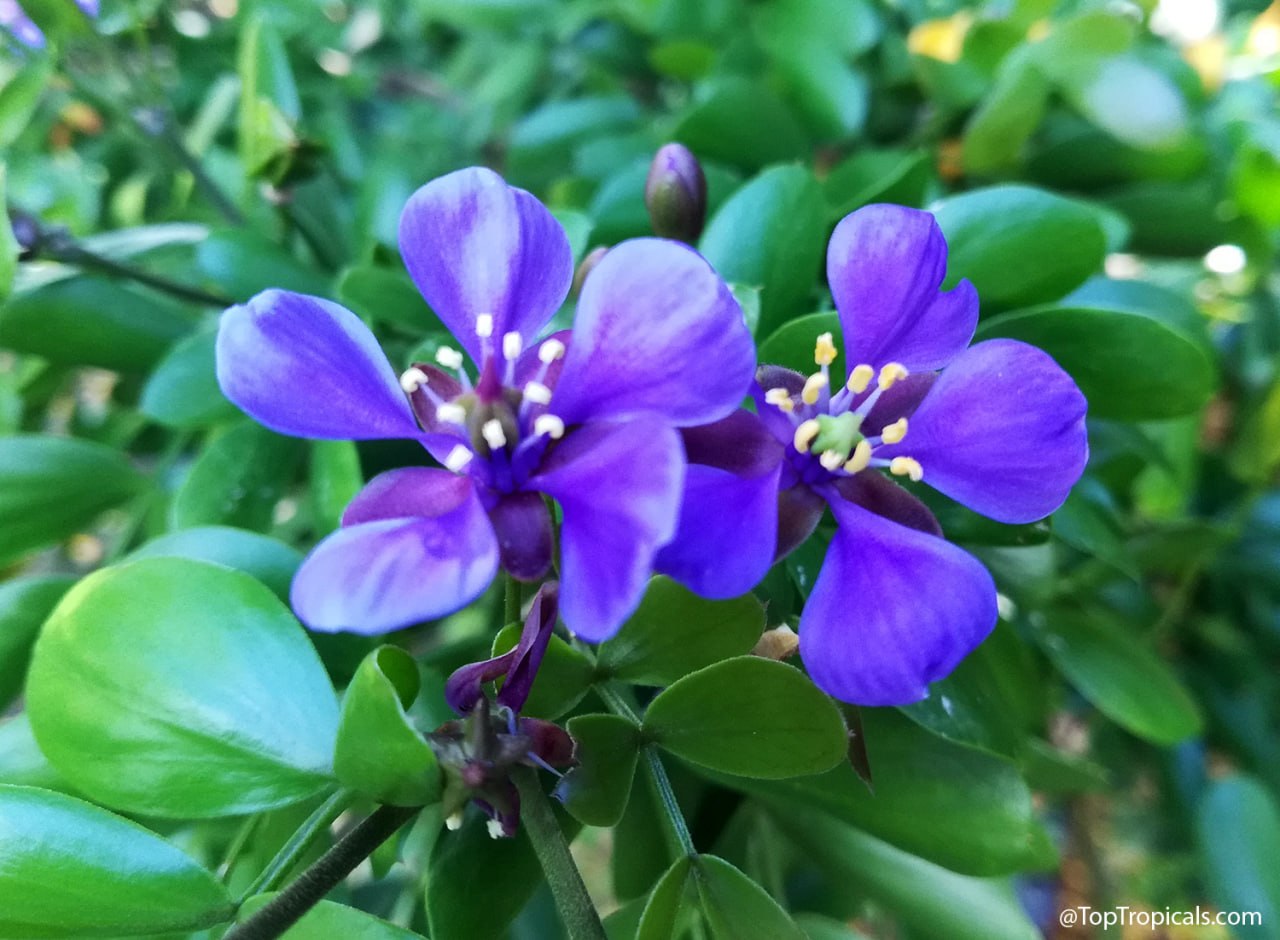
🌳 Known as the "Wood of Life," this is one of the slowest-growing trees in the world. It has fine-textured, dark green foliage and produce stunning, small blue flowers that fade to white, followed by bright orange seed pods. 🏡 Because it grows so slowly, it will never outgrow its space. It is extremely hardy, salt-tolerant, and hurricane-resistant, making it a "plant it and forget it" heirloom tree for coastal or small urban lots.
Lignum Vitae Plant Facts
Botanical name: Guaiacum sanctum Also known as: Lignum Vitae, Tree of Life, Gaiac tree
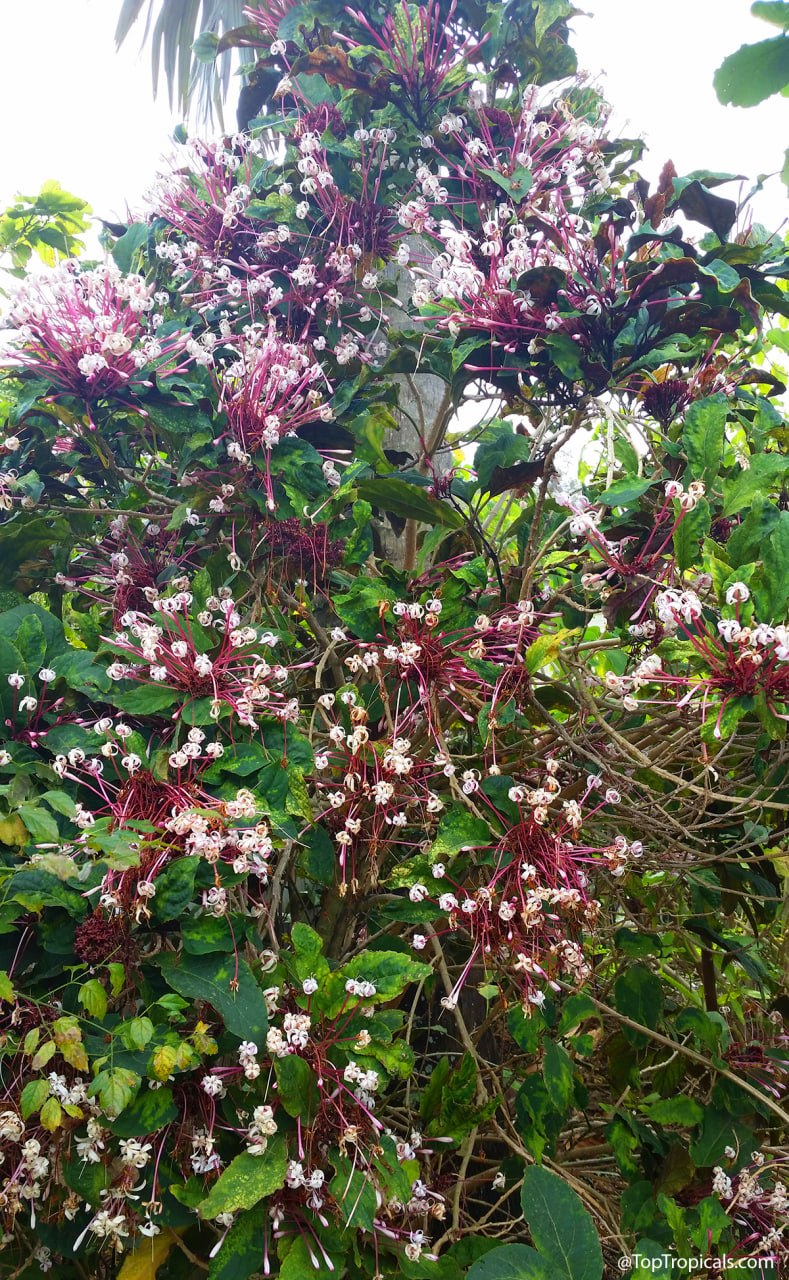
🌳 A visual firework display. The leaves are deep green on top and rich purple underneath. In late winter, it produces massive, 8-inch wide clusters of tubular pink-and-white flowers that look like an exploding star. 🏡 It is easily pruned to a single-trunk tree form. The purple foliage provides "curb appeal" year-round, while the winter blooms provide a much-needed pop of color when other plants are dormant.
Winter Starburst Plant Facts
Botanical name: Clerodendrum quadriloculare Also known as: Winter Starburst, Fireworks, Clerodendron
🌳 This is a rare, small evergreen tree with glossy, dark green leaves and clusters of highly fragrant, star-shaped white flowers with a red "eye." 🏡 It has an naturally architectural, upright habit. The fragrance is incredible - sweet and heavy - making it a perfect "sensory" tree to plant near a patio where you can enjoy the scent on summer evenings.
👉 more
Plumeria
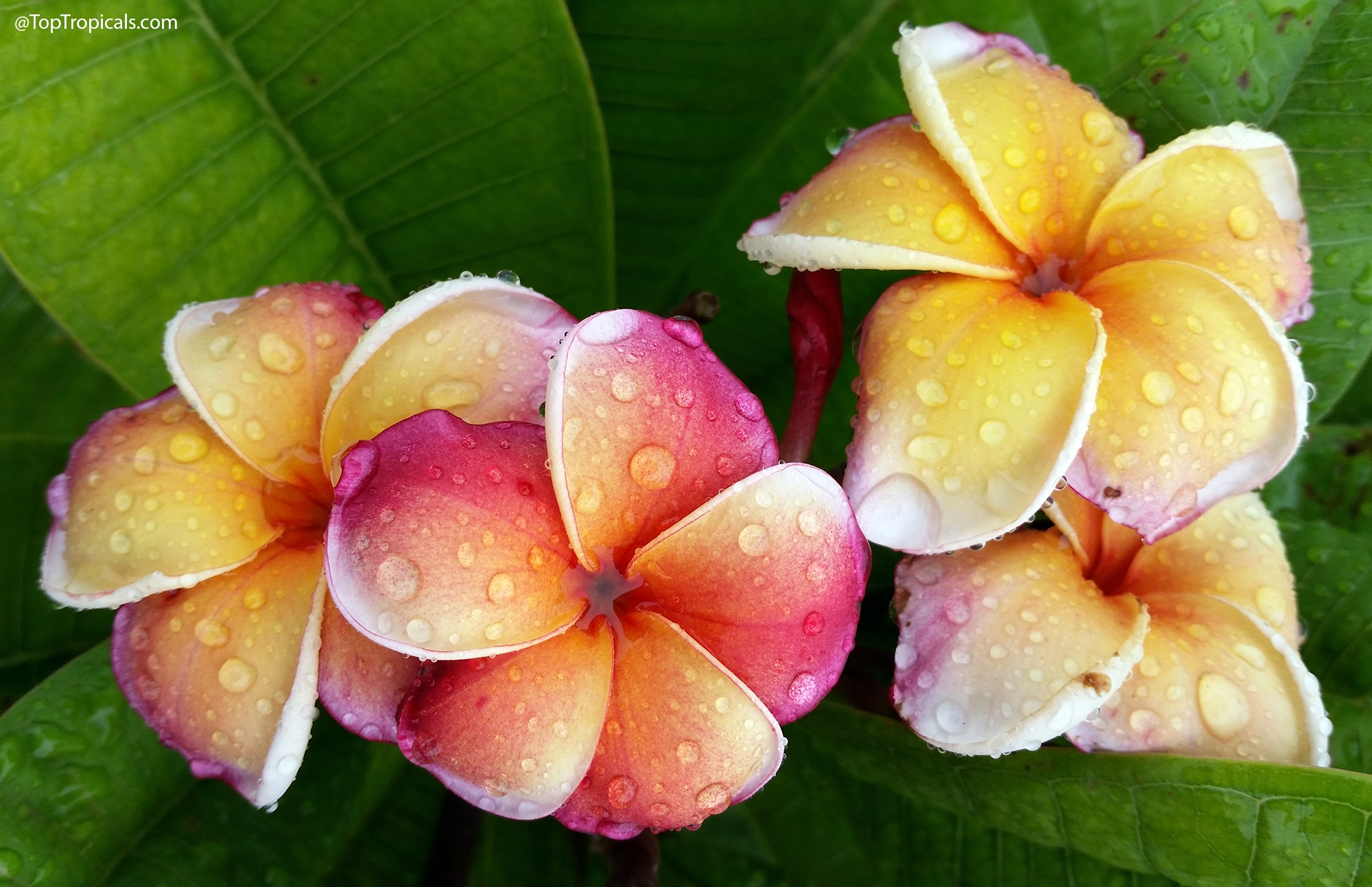
Orange KLS stands out with a rare mix of five colors - peach, yellow,
orange, white, and crimson - all blending into one vivid bloom. Fragrant and
eye-catching, it’s a truly unique plumeria.
Plumeria Plant Facts
Botanical name: Plumeria sp. Also known as: Plumeria, Frangipani
USDA Zone: 9 - 11
Highligths
Practical Growing Tips (Keep It Simple)
Sun: Full sun is key. 6+ hours daily for best
blooms.
Soil: Fast-draining mix. In pots, use cactus mix or add
perlite and sand. The best soil for Plumerias is a
50:50 mix of
Abundance potting soil with coarse sand.
Watering: Water well, then let soil dry out before
watering again.
Containers: Excellent for pots. Easier control and
mobility.
Airflow: Good airflow keeps plants healthy and
clean.
Spacing: Give each plant room - better shape and more
flowers.
Blooming plumeria plants in pots after rain.
Winter Care (Very Important)
Temperature: Protect from freeze. Below 40F they need
protection.
Dormancy: Leaves drop in winter. This is normal.
Watering: Almost dry during dormancy.
Indoors: Move containers inside if frost is
expected.
Light: Bright spot is enough. No need for full sun in
dormancy.
No feeding: Do not fertilize during winter rest.
Restart: Resume watering when new growth appears in
spring.
Potted plumeria in bloom.
About Plumeria Rust (Florida Reality)
If you are growing plumerias in Florida, you will likely see plumeria rust
at some point. It shows up as orange powdery spots on the
underside of leaves and can cause leaves to yellow and drop early. It is
driven by high humidity and is most common in the fall, right before the
plant naturally starts dropping its leaves.
It looks alarming, but it is mostly a cosmetic issue and does not harm the
plant long term. Good airflow, full sun, and avoiding overhead watering help
reduce it. If needed, you can remove affected leaves or use a simple
fungicide (in our experience, the most effective one for Plumeria rust is
Southern Ag Garden Friendly Fungicide), but in most cases the plant
grows
right through it and comes back clean with fresh growth.
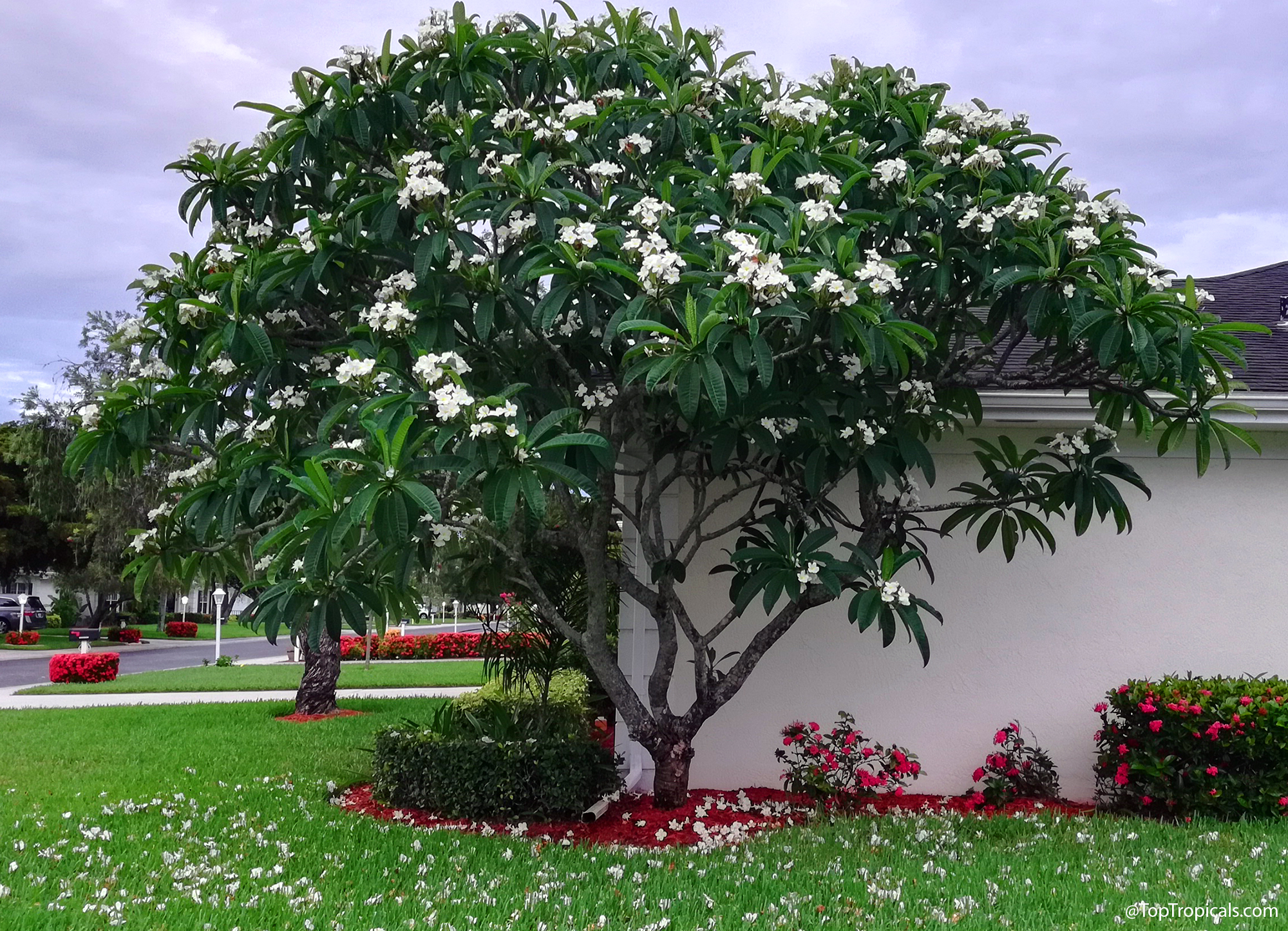
White and
Yellow Plumerias are the most fragrant.
Plumeria Fragrance - Bring It Anywhere
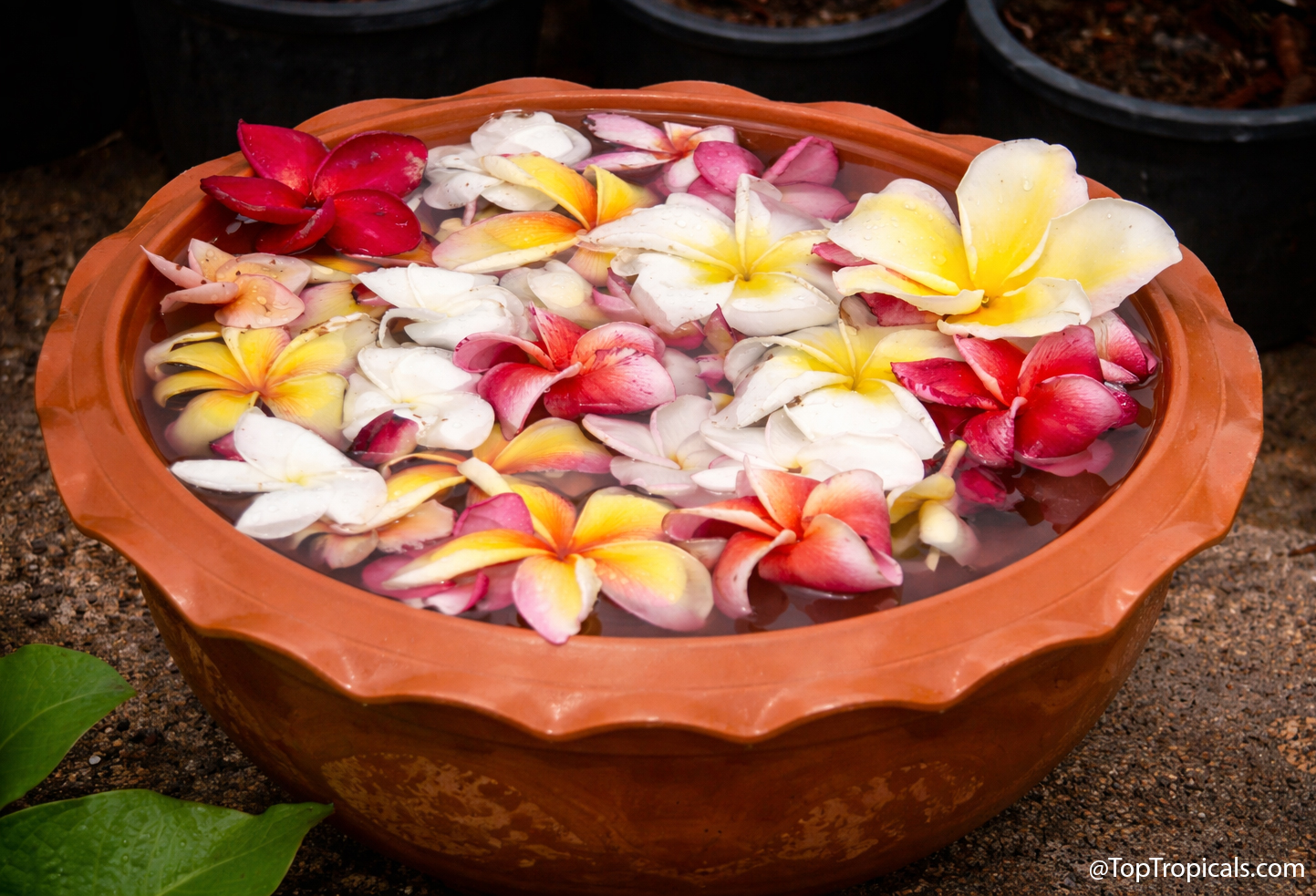
That scent does not have to stay in the garden. Fresh plumeria flowers can
be brought inside and placed in a small bowl of water they will float and
gently perfume the room. You can make a simple lei, keep a few blooms
on a table, or even place a flower in your car on a hot day - the warmth
releases the fragrance.
Bowl with Plumeria flowers
creates a scented space anywhere
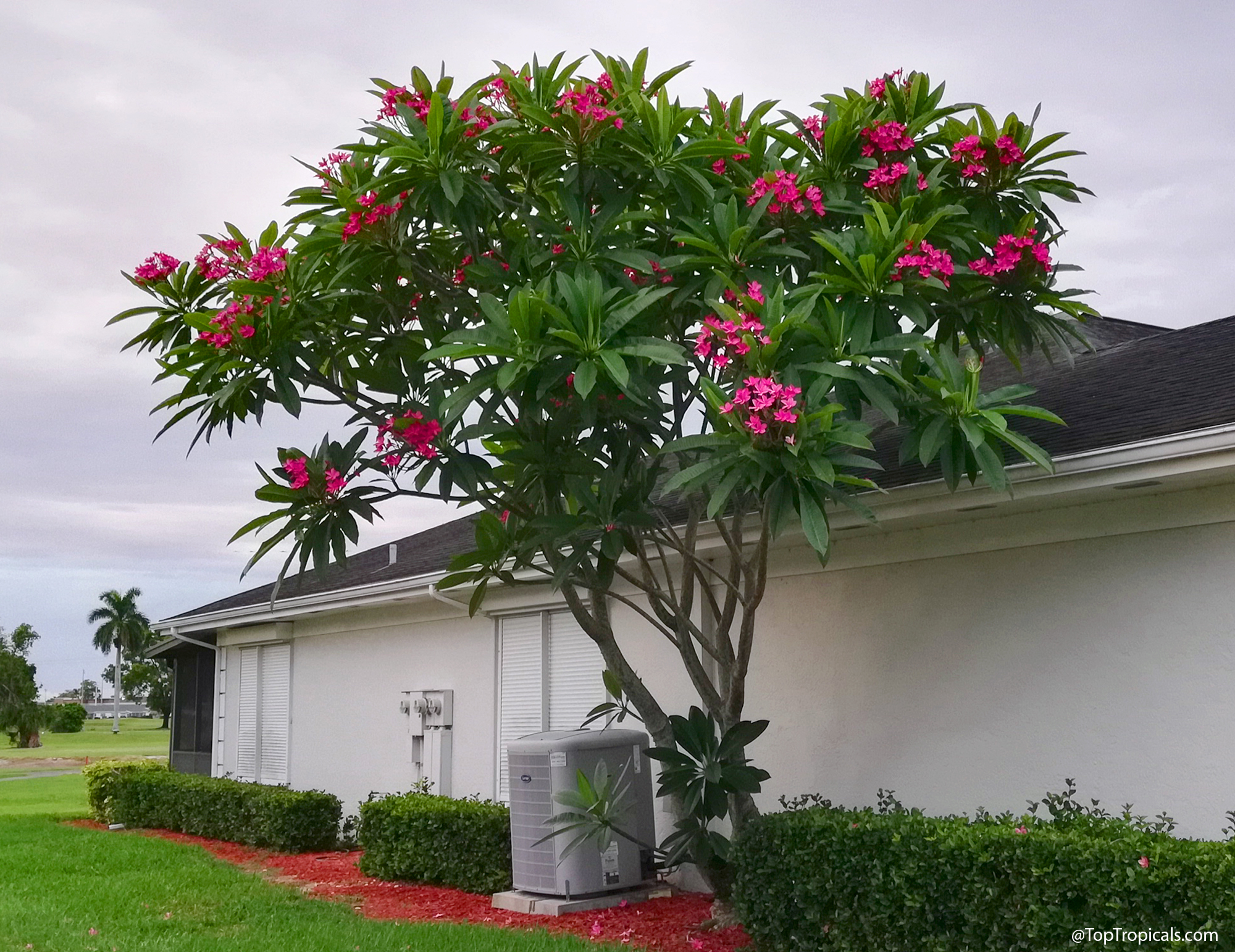
Red Plumeria is not just fragrant, it is one of the
most spectacular trees when in full bloom
Build Your Plumeria Paradise - Save
10%
Get 10% off with coupon code PLUMERIA2026
on plumeria trees.
Offer valid through 04/15/2026.
Discount applies to plumeria plants only. Not valid on previous purchases
and cannot be combined with other promotions or discounts. Offer
subject to change without notice.
Date: 13 Apr 2026
🏖️ Aloha, Backyard Edition
🌈
Sunshine: Look what I can do. It all started with
plumerias. Aloha, backyard edition.
Smokey: You are not just planting a tree - you are building
a tropical island lifestyle around it. Not bad for
staying home.
It usually starts simple. A plumeria in a pot by the patio. The flowers
catch your eye first, then the scent follows you,
soft but unmistakable. And that scent does something strange - it brings
back places you have been, or places you wish you had. Warm evenings, ocean
air,
tropical vacations that stay with you long after they are over.
Plumeria Plant Facts
Botanical name: Plumeria sp. Also known as: Plumeria, Frangipani
USDA Zone: 9 - 11
Highligths
That is the part people do not expect. One plant changes how the space
feels. But
adding a few changes everything. Different colors, slightly different
fragrances, layers that build on each other. It stops being a plant and
becomes an atmosphere that
pulls you outside without thinking.
Plumeria carries that tropical world with it. The same feeling people travel
for can live
right outside your door. Mix a few varieties, and your backyard starts
feeling like a place you never want to leave.
Plumerias are one of those plants you don't just grow
- you start collecting. One turns into two, then five, then suddenly you
want them
all!
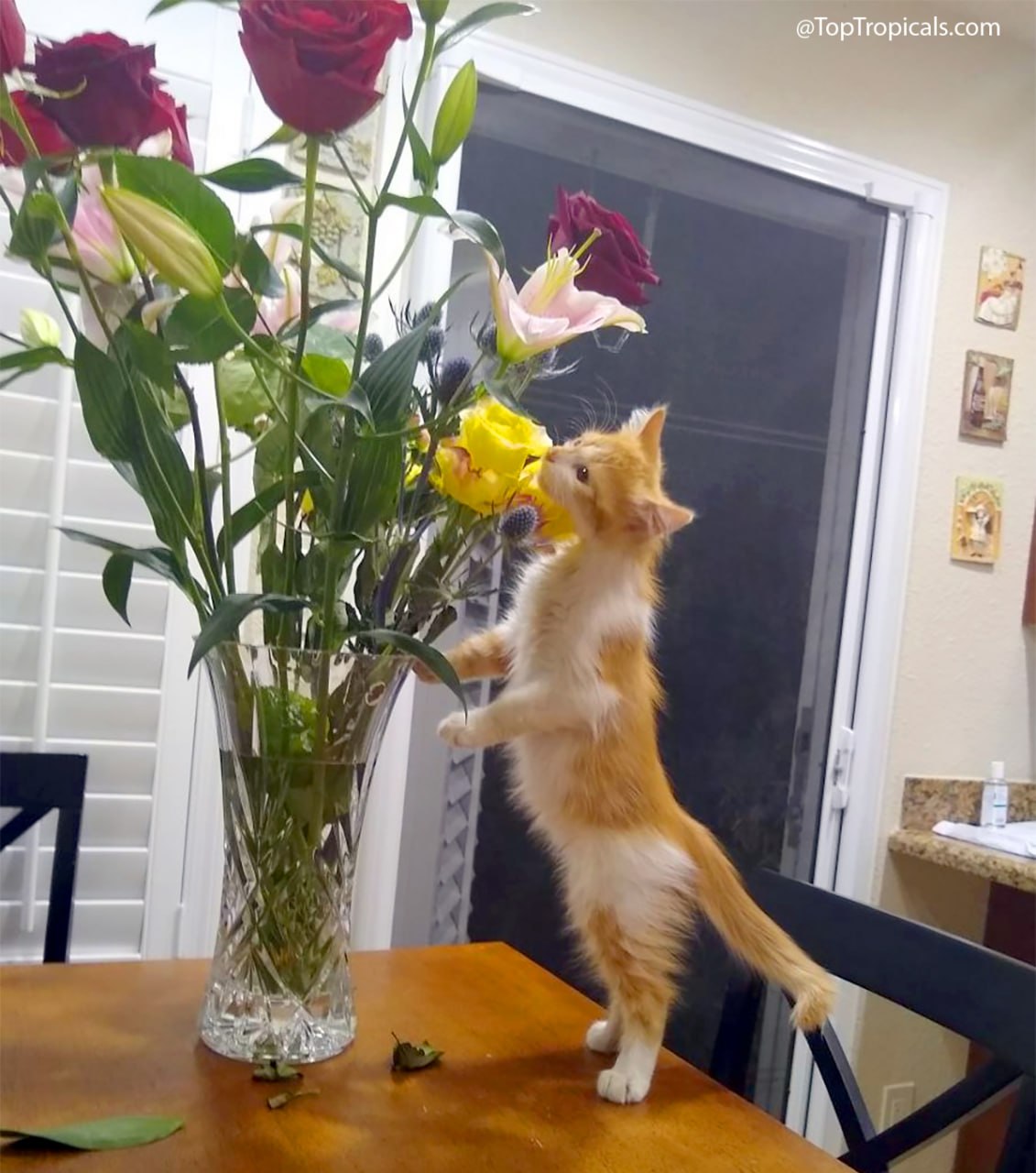
Cat Jim II stopped to smell the roses at TopTropicals
🌹This rose is an extra
"Our highest assurance of the goodness of Providence seems to me to rest in the flowers. All other things, our powers, our desires, our food, are all really necessary for our existence in the first instance. But this rose is an extra. Its smell and its colour are an embellishment of life, not a condition of it. It is only goodness which gives extras, and so I say again that we have much to hope from the flowers". - Sir Arthur Conan Doyle, Sherlock Holmes saying from The Naval Treaty
🐈📸 Cat Jim II stopped to smell the roses at TopTropicals PeopleCats.Garden.




 Practical Growing Tips (Keep It Simple)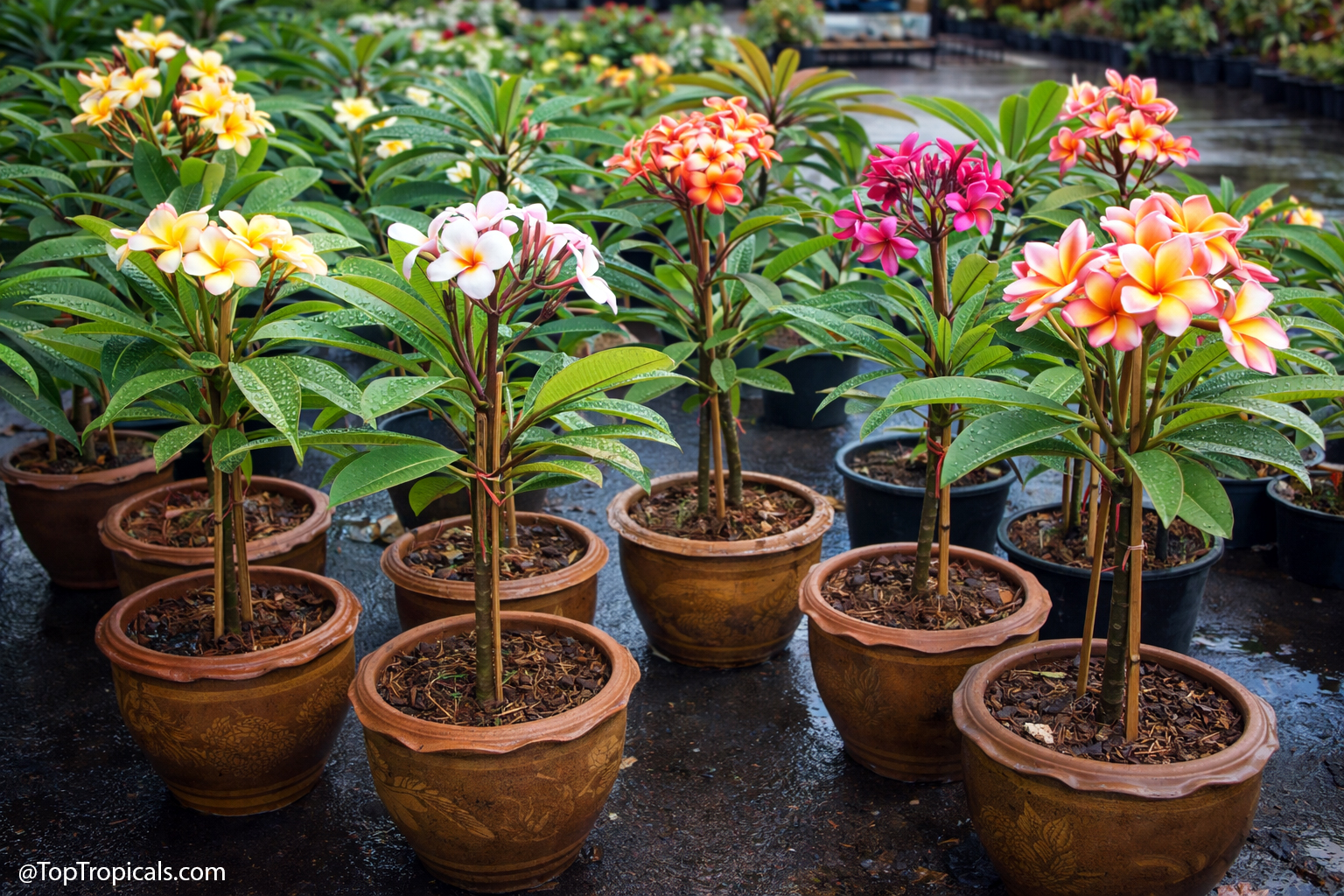
 Winter Care (Very Important)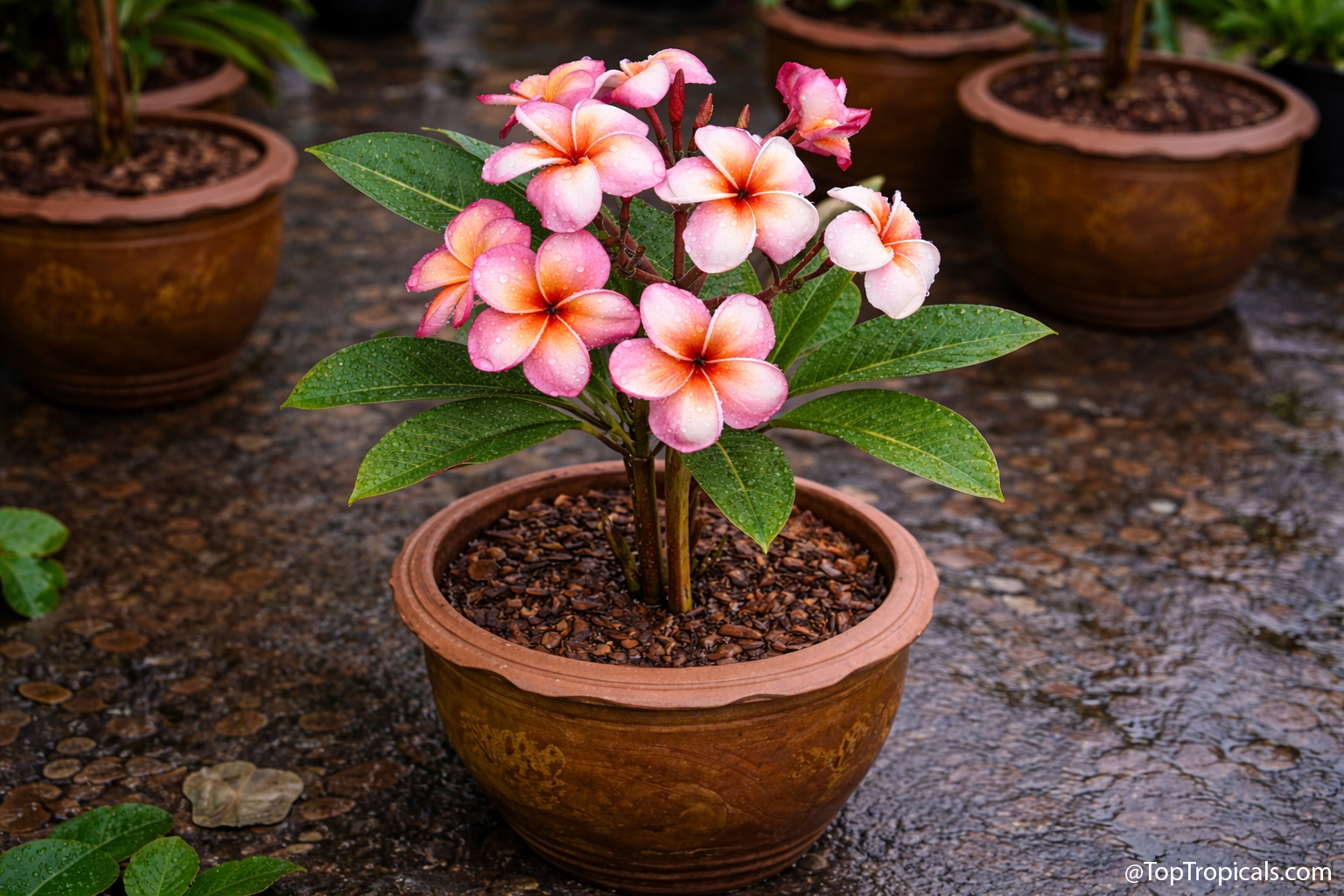
 Build Your Plumeria Paradise - Save
10%
Build Your Plumeria Paradise - Save
10%