Garden Blog - Top Tropicals

Date: 20 Oct 2018

Butterfly Garden from Anna Banana
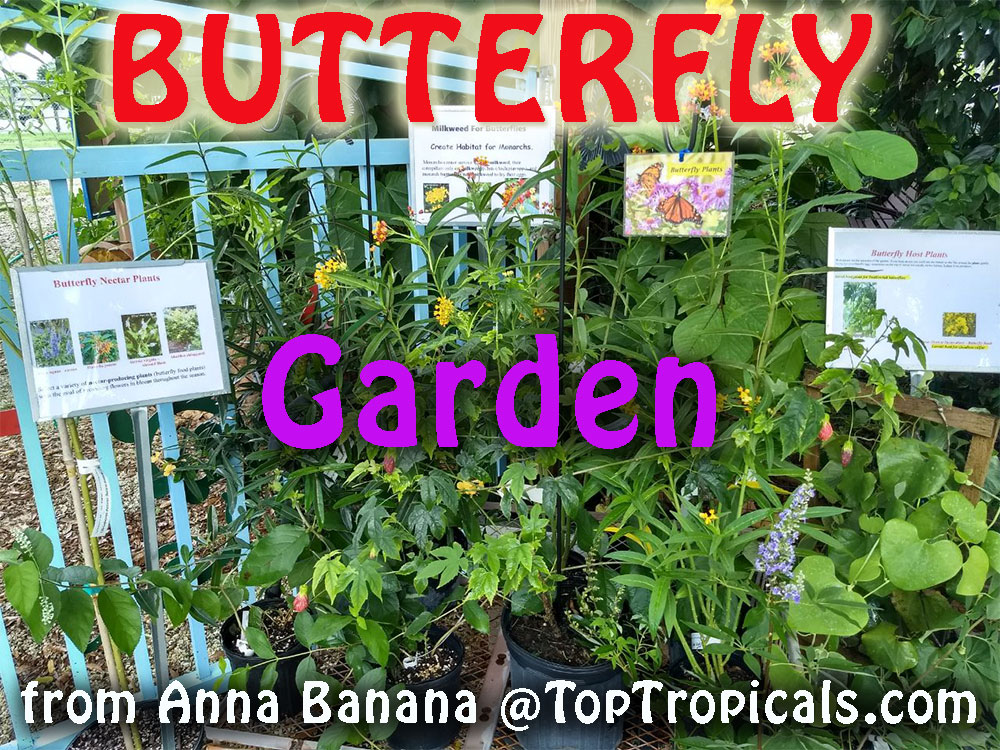
TopTropicals.com

Butterfly facts

1. There are approximately 20,000 different species of butterflies, the largest of which is the Queen Alexandra Birdwing with a wingspan of 11 inches.
2. Female butterflies can lay over 1000 eggs during their short lifetime.
3. Butterflies lay their eggs on host plants which usually hatch within a few days, then turning into caterpillars. The caterpillar will then eat until it sheds it's skin several times, called instars, finally emerging from the chrysalis as a beautiful butterfly.
4. Butterflies are born to breed, their goal being to mate and begin the cycle again. Most live only a few days except the Monarch which can live up to six months.
5. Monarch butterflies migrate to Mexico every fall and remain there until spring when they make the return migration.
6. Due to the continuing destruction of the rain forests, where the largest population of butterflies are found, their numbers are dwindling. We encourage you to plant a butterfly garden!!

Remember:

- A sunny, less windy location is best, however, Zebras love to float in the shade of bushes and trees.
- The more host and nectar plants you have, the more butterflies will be attracted to your garden.
- Butterflies"puddle". They like a wet sandy area where they congregate and sip minerals and nutrients from the wet sand and water.
- Rocks to rest and enjoy their beautiful garden, and don't forget a bench or hammock for yourself.

FREE butterfly garden guide from Anna Banana

For our local Florida customers, it is a perfect time now to start a garden with plants for butterflies that will appear first thing in Spring. Establish these plants now for the Spring blooms that will attract the Beauty into your garden!
Stop by our Garden Center to check out our Butterfly Plants display, or simply call Anna Banana for a free consultation on Butterfly Garden at 239-771-8081.

Hurry up while butterfly plants are on 4-day sale!

TopTropicals.com

Date: 17 Oct 2018

October Tropical Garden: to do list

TopTropicals.com

1. Prune. Last pruning before winter. Check the trees and shrubs one more time. Cut away dead wood and remove crossing limbs and branches.

2. Mulch. Continue to mulch to stop weeds and get ready for winter. Keep mulch 1-2 inches away from the stems. Evenings are starting to cool, so it is more comfortable working in the garden.

3. Pest control. Check for mealy bugs and scales. Remember that a garden with many kinds of plants has fewer pests than gardens with lots of mass plantings. So keep up with variety! Avoid pest magnets like Oleander, Oak, Hibiscus which require constant spraying.

4. Propagation. You still can take cuttings but do it as soon as possible. Days are getting shorter and less sunlight signals thу plants to slow down their growth. Cuttings will not root as quickly.

5. Seeds. Consider growing vegetables and perennials from seeds. In mild cooler conditions, seedlings have less stress and get a good start.

Date: 24 Jun 2018

Plant Horoscope. Virgo Zodiac lucky plants: Crape Myrtle and Laurus nobilis

Virgo - 8/23-9/22. Virgo is an EARTH sign ruled by the planet Mercury, which also rules Gemini. Virgo is traditionally the Goddess of the Grain, and is associated with autumn. Her plants often have finely divided leaves or stems, subtle odors, or small, brightly-colored flowers. The most beneficial plants for Virgo are high in potassium and help to calm the nerves. In its rulership of Virgo, Mercury governs the abdomen and the lower intestinal tract and the entire digestive process. Herbs associated with Virgo assist in digestion (as do Cancer herbs) and help to reduce flatulence. The relaxing, calming scents help Virgo release stress and worries.

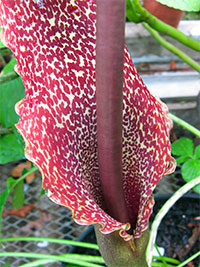
Virgo Zodiac lucky plants: Amorphophallus, Dill, Barringtonia, Bolusanthus, Dioscorea, Grewia asiatica (Falsa), Hibiscus Karkade, Iboza riparia, Lagerstroemia Queens Crape Myrtle, Laurus nobilis (Bay Leaf), Lippia, Melissa, Catnip, Mint, Arugula, Piper betle, Piper sarmentosum, Psychotria, Clove, Banisteriopsis, Papaya, Mesua ferrea (Ironwood), Assai Palm, Jacaranda, Pimenta dioica (Allspice), Petrea, Plumbago, Clitoria, Eranthemum, Litchi, Cashew, Pecan, Nut trees, Cherries, Lavender, Sansiveria, Aloe vera, Blackberry, Honey suckle, Satureja, Vitex, Mulberry, Elaeocarpus, Feronia elephantum (Bel Fruit). On the photo: Sauromatum venosum - Voodoo Lily.

For links to these plants and other signs information, see full Plant Horoscope.

Date: 24 Jun 2018

Tour of Top Tropicals - Part 2 - Nursery

Visit Top Tropicals nursery and see spectacular flowering plants and tropical fruit trees in pots that we ship to you.
This is the second video of a 3-part story about Top Tropicals. The showed some of our garden specials.

Make sure to get back soon to see -
Part 3: Meet customer service team and shipping department crew...

Stay updated with TopTropicals Videos by subscribing to our channel at YouTube.com/TopTropicals and get our latest video news of what is fruiting and blooming!

Date: 24 Jun 2018

TopTropicals

Florida winters and gardening

From Anna Banana, our Garden Center customer advisor.
Cool weather - no sweat. Here in Florida we are blessed to have warm winters. We just went to the beach for Christmas! Winter time is not only a good beach time, but also the best planting time here. Why? I always refer my customers to Murray Corman's article Tropical Planting Breaks the Rules. "...Wintertime does not just mean hard work for tropical gardeners. It is also a time to enjoy the fruits of our labor. Winter-blooming plants and the visitors they attract - birds, bats and butterflies - make the garden as enjoyable in winter as any other time of year. Tasks performed during the spring and summer up north have to be done during the fall and winter here. Why? The answer is elementary: It's too hot! Taking advantage of the coolest months of the subtropical year for heavy chores like planting trees has a twofold benefit: The gardener can make hay while the sun shines without getting heat stroke and the plants appreciate the moderate temperatures, enjoying a break from the stress of 93 degrees in the shade..."
Continue reading...

Winter flowering plants - are a blessing for a tropical gardener. See below what's blooming now! See our recommendations for winter flowering and fruiting plants (PDF).