Garden Blog - Top Tropicals

Date: 27 May 2025

Too weird to ignore, too easy not to grow!
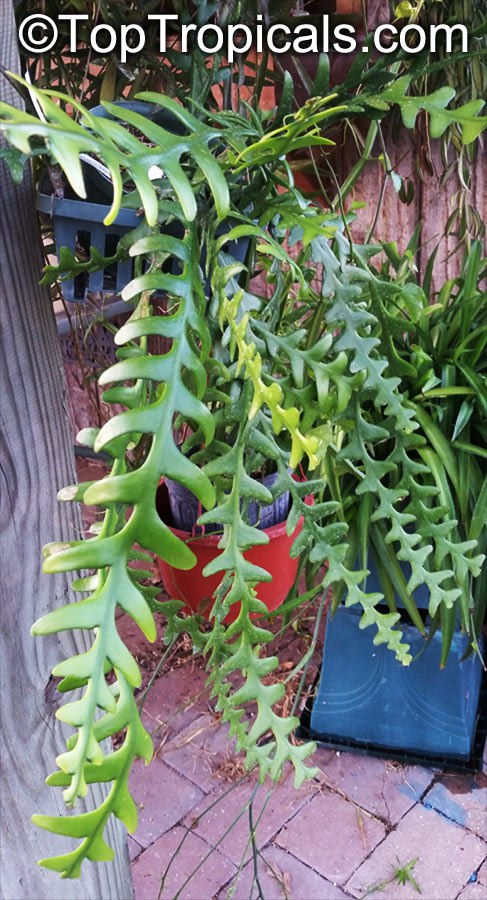
Cryptocereus (Selenicereus) anthonyanus - Zig-Zag Cactus, Anthony's Rick-Rack, Fishbone Cactus

Cryptocereus (Selenicereus) anthonyanus - Zig-Zag Cactus, Anthony's Rick-Rack, Fishbone Cactus

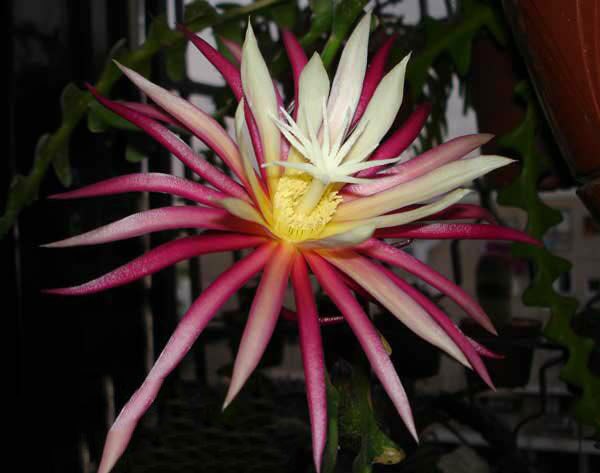
Cryptocereus (Selenicereus) anthonyanus - Zig-Zag Cactus, Anthony's Rick-Rack, Fishbone Cactus, flower

Cryptocereus (Selenicereus) anthonyanus - Zig-Zag Cactus, Anthony's Rick-Rack, Fishbone Cactus, flower

Cryptocereus (Selenicereus) anthonyanus - Zig-Zag Cactus, Anthony's Rick-Rack, Fishbone Cactus

Cryptocereus (Selenicereus) anthonyanus - Zig-Zag Cactus, Anthony's Rick-Rack, Fishbone Cactus

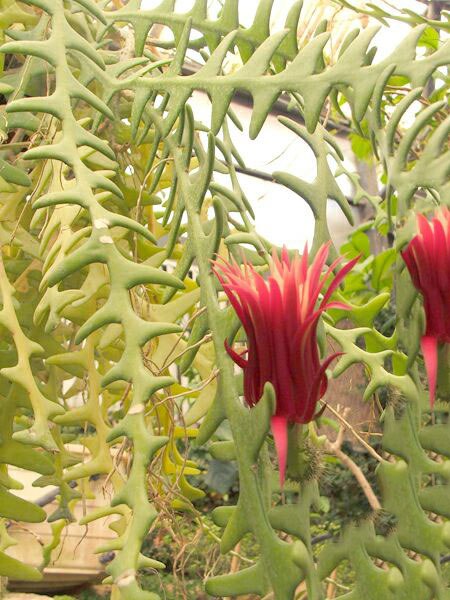
Cryptocereus (Selenicereus) anthonyanus - Zig-Zag Cactus, Anthony's Rick-Rack, Fishbone Cactus, leaves

Cryptocereus (Selenicereus) anthonyanus - Zig-Zag Cactus, Anthony's Rick-Rack, Fishbone Cactus, leaves

Too weird to ignore, too easy not to grow!

  • ⚡️Cryptocereus (Selenicereus) anthonyanus - Zig-Zag Cactus. Also known as Anthony's Rick-Rack or Fishbone Cactus, this oddball epiphyte is famous for its zigzagging, succulent leaves that look like a green lightning bolt.
  • ⚡️ In nature, it climbs trees using aerial roots, but it's happy in a pot too.
  • ⚡️Give it bright, indirect light and let the soil dry out completely between waterings.
  • ⚡️In spring, it may reward you with a rare night-blooming flower that lasts just one magical evening.
  • ⚡️ Easy, sculptural, and full of character!


🛒 Add this oddball to your jungle

📚 More about exotic epiphytic cacti:


Disocactus ackermanni - Red Orchid Cactus
Epiphyllum oxypetalum - Queen of the Night
Pseudorhipsalis (Wittia) amazonica - Blue Flame
Epiphyllum guatemalense Monstrosa - Orchid Cactus, Curly Locks

#Fun_Facts #Container_Garden #Shade_Garden #Nature_Wonders

🔴 Join 👉 TopTropicals
Date: 12 Jul 2024

How does Zig-Zag Cactus grow

Cryptocereus anthonyanus - Zig-Zag Cactus flower

Cryptocereus anthonyanus - Zig-Zag Cactus flower

Cryptocereus anthonyanus - Zig-Zag Cactus

Cryptocereus anthonyanus - Zig-Zag Cactus

Cryptocereus anthonyanus - Zig-Zag Cactus

Cryptocereus anthonyanus - Zig-Zag Cactus

⚡️ #Fun_Facts: Zig-Zag Cactus

Cryptocereus anthonyanus (Zig-Zag Cactus) has zigzag-shaped stems and beautiful night-blooming flowers that make it a fascinating addition to cactus collections.

🛒 Order Zig Zag Cactus

#Container_Garden

🏵 TopTropicals

Date: 30 Nov 2024

Why this cactus is called Blue Flame

Pseudorhipsalis amazonica - Blue Flame Cactus

Pseudorhipsalis amazonica - Blue Flame Cactus

Pseudorhipsalis amazonica - Blue Flame Cactus

Pseudorhipsalis amazonica - Blue Flame Cactus

Pseudorhipsalis amazonica - Blue Flame Cactus

Pseudorhipsalis amazonica - Blue Flame Cactus

Why this cactus is called Blue Flame 🔥
  • 🔥 Pseudorhipsalis amazonica - Blue Flame Cactus - is a spectacular bloomer!
  • 🔥This is a rare, spineless, epiphytic cactus from the rainforests of the Amazon jungle.
  • 🔥 The flowers emerge along the leaf edges from late spring through early summer. They have a distinctive blue tip on the magenta flower, just like a blue flame!


🛒 Order Blue Flame Cactus

#Container_Garden #Shade_Garden #Fun_facts

🔴 Join 👉 TopTropicals

Date: 15 May 2025

Which epiphytic cactus puts out the biggest bloom show

Disocactus ackermanni - Red Orchid Cactus

❤️ Which epiphytic cactus puts out the biggest bloom show

  • 🌺 Disocactus ackermanni, also called the Red Orchid Cactus, puts on a jaw-dropping show with huge, blazing red flowers that can reach 6 inches wide! It's a cactus that acts nothing like one - and then bursts out in flowers the size of your hand!
  • 🌺 It blooms from Spring through Summer and steals the spotlight every time. The plant grows like a lush, green fern with flat stems that drape and cascade like a living chandelier.
  • 🌺 It may be a cactus, but it loves water and shade - more diva than desert. Native to the tropical forests of Mexico, this epiphyte thrives in a hanging basket and turns heads wherever it grows.
  • 🌺 Why collectors search for it? Because it's rare, eye-catching, and just plain fun to grow. No spines, no drama - just bold flowers and easy charm. This is one of those plants that visitors always ask about. If you're a collector, it's not a want – it's a need.


🛒 Get the Red Orchid Cactus everyone talks about

📚 More about exotic epiphytic cacti:


Epiphyllum oxypetalum - Queen of the Night
Pseudorhipsalis (Wittia) amazonica - Blue Flame
Epiphyllum guatemalense Monstrosa - Orchid Cactus, Curly Locks

#Container_Garden #Shade_Garden #Nature_Wonders

🔴 Join 👉 TopTropicals
Date: 24 Jun 2018

TopTropicals

Mysterious Night Blooming Cactus - Epiphyllum. How to grow it?

Q: My friend has a huge Queen of the Night Cactus, and the blooms are so gorgeeous! She gave me a cutting but I am not sure how do I plant it? How long will it take till it starts blooming? Is it true that it has only one flower once a year and only at night?

A: Queen of the Night is a very popular and yet mysterious plant. The flowers open once a year after sunset for one night. However the flowering period can last a month or two during the warm season. So each flower lasts only one night, but there will be more flowers to come! In the Nature, Epiphyllum oxypetalum - Queen of the Night - grows on trees in the jungles of Central and South America. It is actually very easy to grow as an indoor plant in colder climates. Here is South Florida we grow them outside in hanging baskets. This is how to start Queen of the Night from a cutting:
1) Put the cutting in a dim, dry place for three days, with no soil and its base exposed to the air, so it will form a callus.
2) Fill a 4-6-inch pot with slightly damp potting soil or succulent mix. Insert the cutting 1 or 2 inches into the soil and tamp the soil around its base.
3) Place the pot where the cutting will get bright light, but no direct sun. Spritz it occasionally with a spray bottle of water to keep the soil only slightly moist. It should root in couple weeks.
4) Keep the plant on an east- or west-facing windowsill where it will receive direct sunlight only in early morning or late afternoon. Water the cactus until water runs out of the pot's drainage holes. Dump the excess out of the pot's saucer immediately, and wait until the surface of the soil is dry to the touch before watering your cactus again.
5) Fertilize once a month from March through October with a balanced plant food, and apply micro-elements once a month for a healthy vigorous growth. Refrain from feeding the plant in December and January.
6) Position the cactus in partial shade under a porch roof or tree, if you decide to move it outdoors during the summer. This plant likes summer humidity!
7) Repot the cactus only once every two years or so, to keep it slightly root bound. Wait until after it flowers in summer, and repot it after it blooms. Prune off any damaged growth at that time as well.
8) Move the plant to a cooler room over the winter months, one that remains dark during the evening hours with temperatures above 45 degrees. Reduce the frequency of watering, waiting until its soil is dry. Resume regular watering in March.

If grown from cutting, it may take 2-3 years until the plant starts blooming, so if you don't want to wait that long - just get a blooming size plant from our store!

We only have a few plants... if sold out, add to wish list and we will have more soon!