The adenium colors everyone is talking about right now: Adenium rainbow
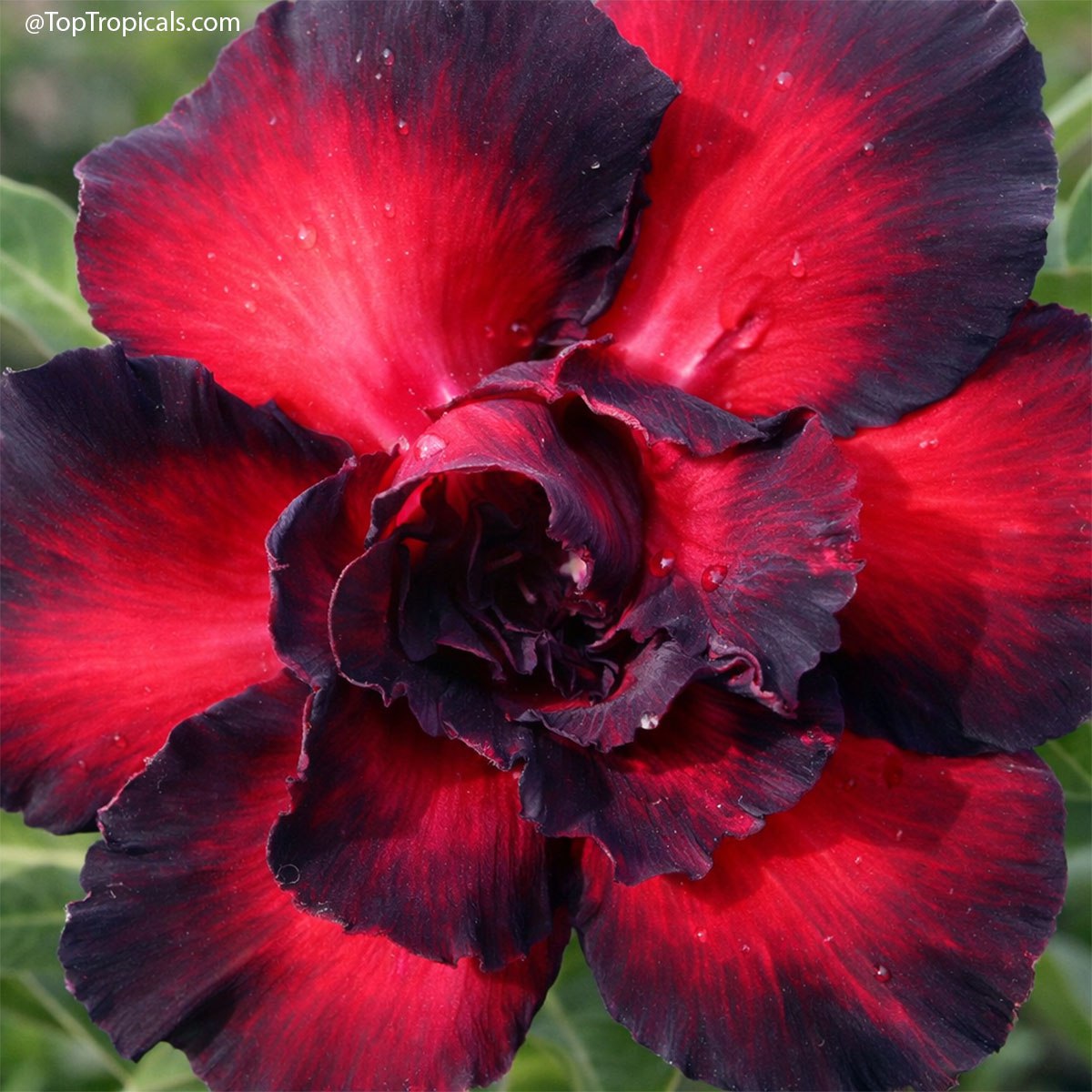
Adenium Black Rahu
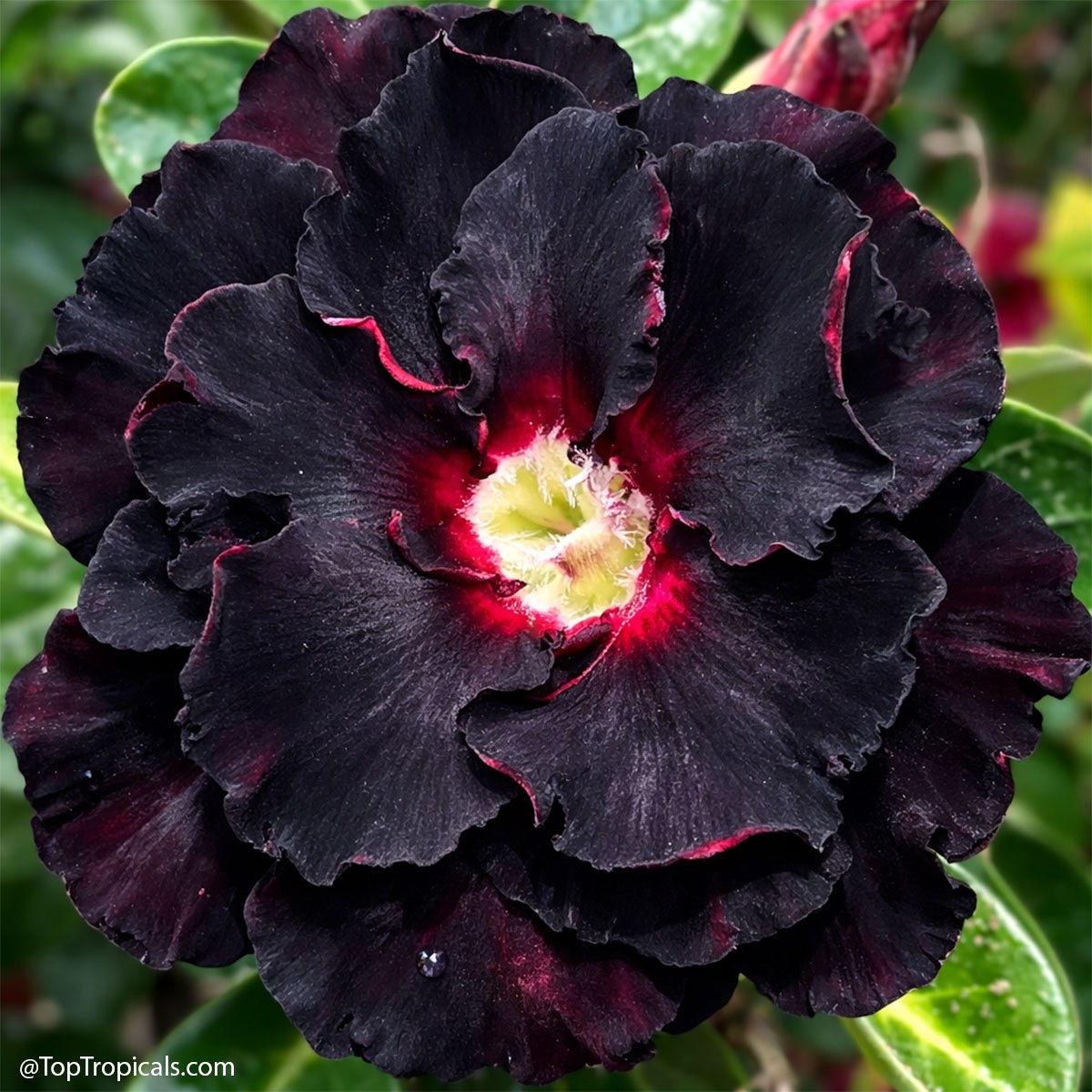
Adenium Black Swan
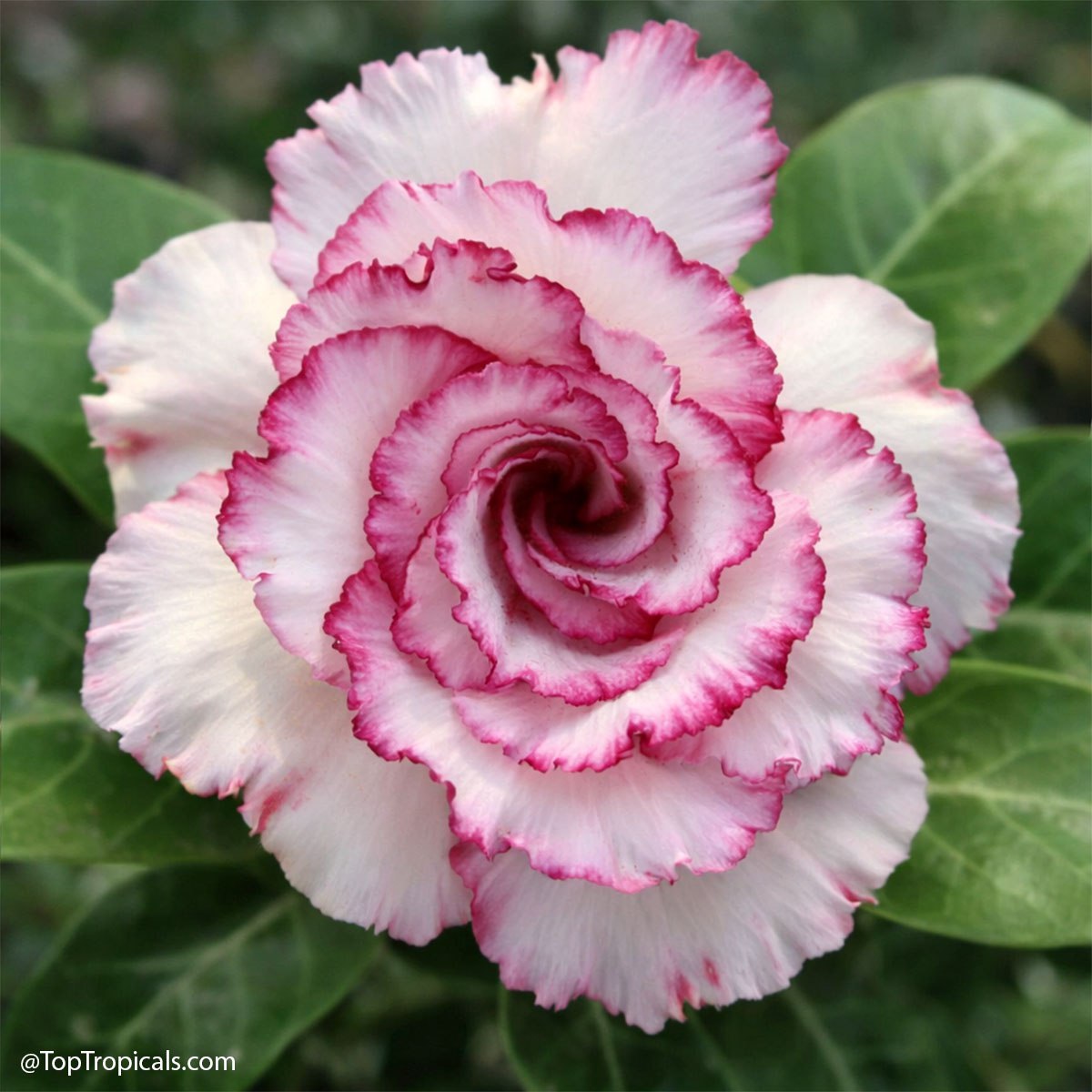
Adenium Carnation
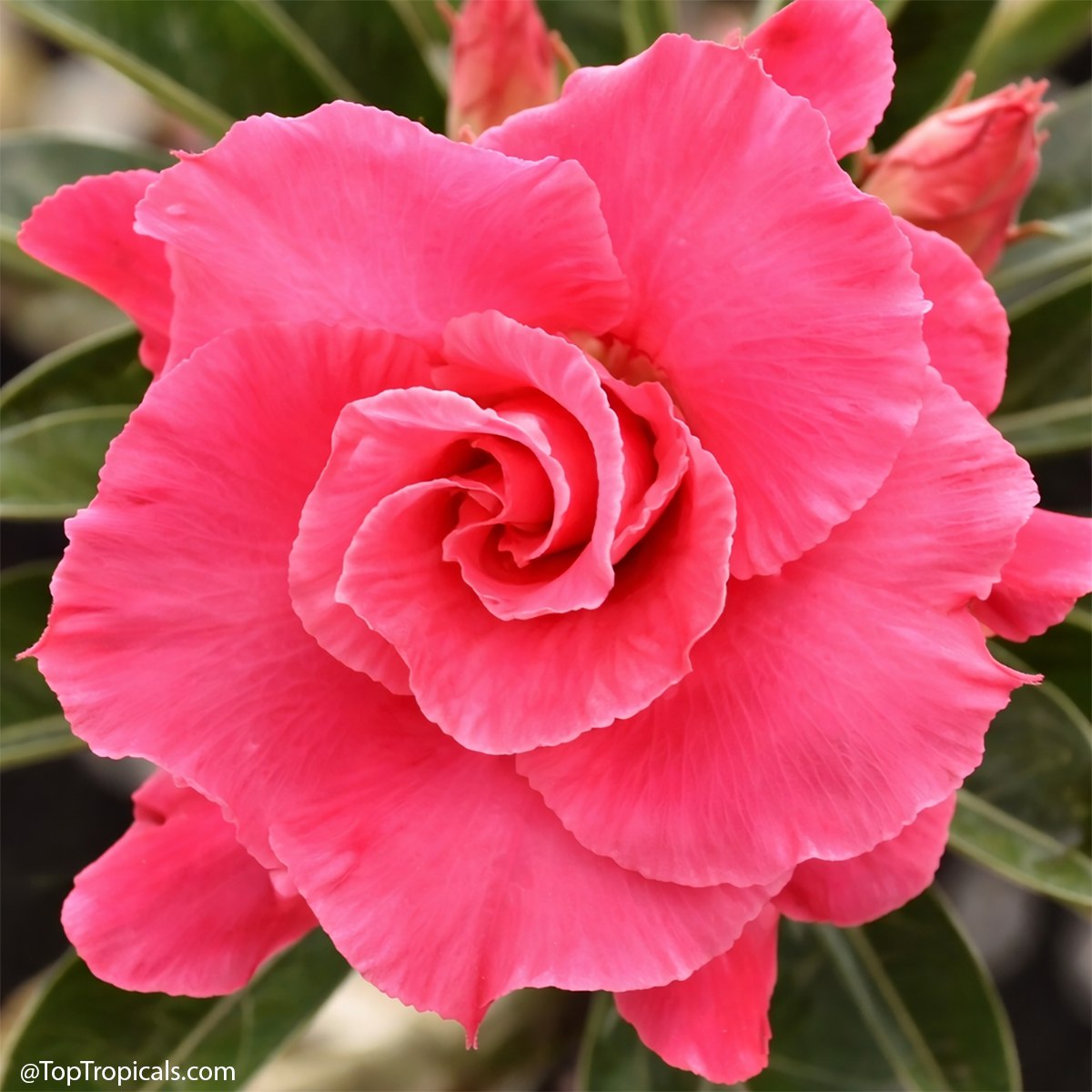
Adenium Camellia
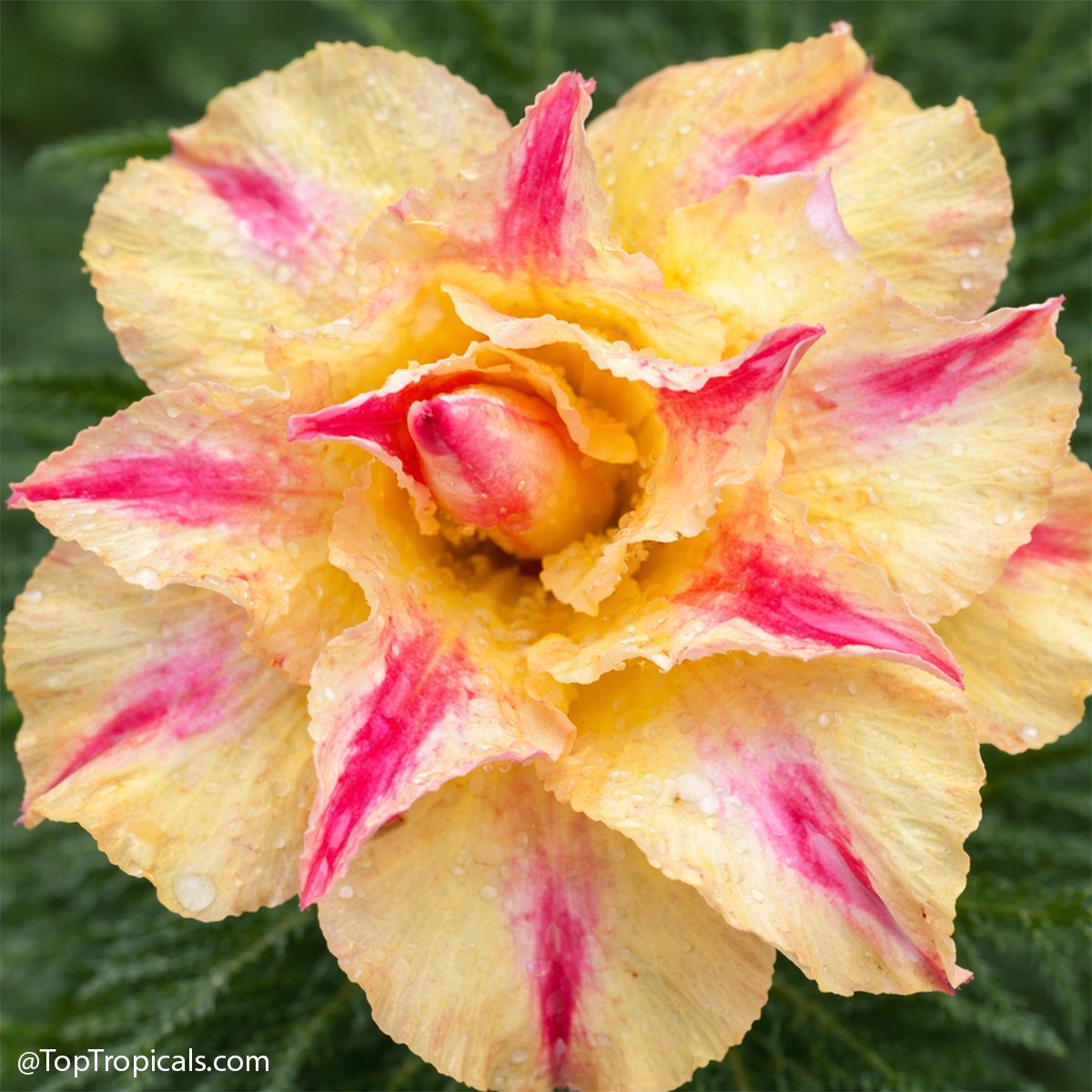
Adenium Golden Millionaire
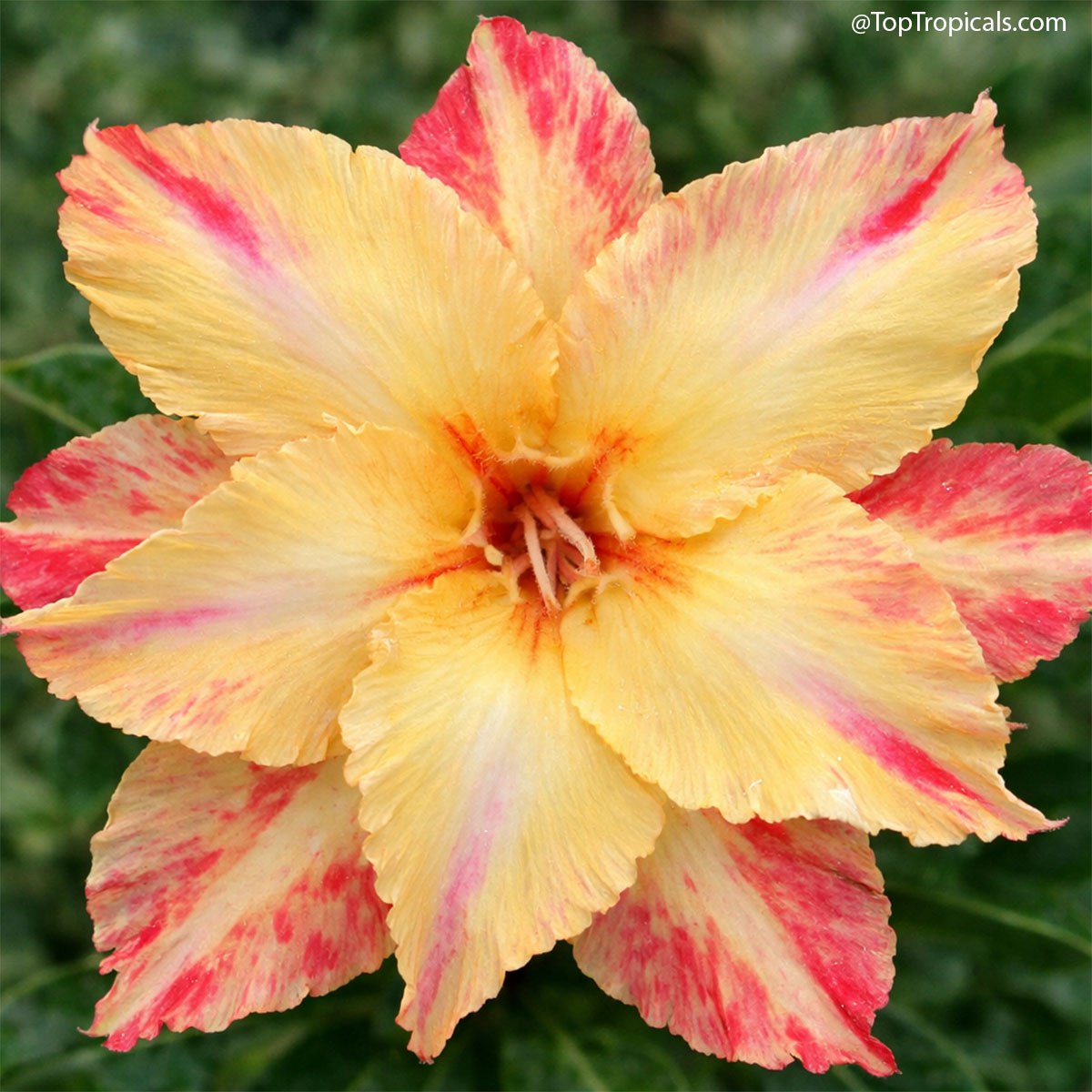
Adenium Golden Star
The adenium colors everyone is talking about right now: Adenium rainbow🌈
Adenium Plant Facts
Botanical name: Adenium sp. Also known as: Adenium, Desert Rose, Impala Lily
USDA Zone: 9 - 10
Highligths
Some adeniums pull you in with color. Others with shape.
And a few… just look different from anything else on the bench.
This set leans into contrast - deep tones, bright golds, and a few forms that don’t quite follow the rules.
💡 Light tip for hot climates
In places like Florida, South California, or Texas, full sun can actually be too intense for adeniums.
They grow just fine in bright, filtered light - even indoors - which makes them surprisingly good houseplants.
In extreme heat: 🔸 Keep them in filtered light to protect leaves and extend bloom life. Flowers last longer and won’t burn. 🔸 Bright light is important, but avoid harsh midday sun. 🔸 Deep shade is too much and will reduce flowering. 🔸 Dry air is not a problem - adeniums actually prefer it.
🌸 Today's featured adeniums
✦ Black Rahu: Dark, intense tones with a bold presence - one of the more striking “black” types. ✦ Black Swan: Elegant shape with deep coloring - feels refined and a bit dramatic without trying. ✦ Carnation: Layered, ruffled petals that give it a fuller, almost classic flower look. ✦ Camellia: Full, layered petals in a soft rosette form - looks more like a classic garden flower than a typical adenium. ✦ Golden Millionaire: Rich golden tones with a strong, bright look - warm and eye-catching. ✦ Golden Star: Clean yellow blooms with a crisp form - simple, bright, and very balanced.
A mix like this gives you contrast right away - dark next to gold, simple next to unusual.
That’s what makes a collection interesting: not just how many you have, but how different they feel side by side.
How to learn the secret meanings behind Thai flower names
Cats Smokey and Sunshine in Thai Adenoium garden
How to learn the secret meanings behind Thai flower names 🔮
If you have ever looked at names of Adeniums or Plumerias from Thailand, you may have noticed something interesting. Many of them sound poetic, mysterious, or even magical. That is not accidental.
Adenium Plant Facts
Botanical name: Adenium sp. Also known as: Adenium, Desert Rose, Impala Lily
USDA Zone: 9 - 10
Highligths
Plumeria Plant Facts
Botanical name: Plumeria sp. Also known as: Plumeria, Frangipani
USDA Zone: 9 - 11
Highligths
Thai plant breeders often give their hybrids meaningful names connected to jewels, wealth, beauty, and mythology. Instead of simple numbers or codes, the plants receive names that sound like something from a legend - Jade Swan, Golden Lotus, Rainbow Diamond.
Once you learn a few common Thai words, these names suddenly start to make sense. It is almost like decoding a secret language of flowers.
Below are some of the most common words you will see in Thai plant names.
🔠 Glossary of common Thai words used in plant names
Gems and precious stones 💎
Anyamanee - precious jewel or rare gem. Gaew / Kaew - crystal or glass-like jewel. Manee - jewel or gemstone. A classic word in elegant Thai names. Noppakao - nine gems, a symbol of royal power and prosperity. Petch - diamond. Symbol of brilliance and beauty. Ploy - gem or precious stone. Often used for plants considered rare or jewel-like. Yok - jade.
Wealth, luck, and prosperity 💰
Boon - merit, blessing, good karma. Chok - luck or good fortune. Kanjana / Kanjamapon - golden or noble. Mongkol - auspicious or lucky. Paruay / Pa Ruay - to become wealthy or prosperous. Ramruay - to become rich or prosperous. Sap / Sab - wealth or treasure. Sedthee - wealthy person. Tawee / Taweechok - to increase or multiply. Thong - gold. Yod - the best, the peak, or the finest.
Mythology and cultural symbolism 🐉
Bua - lotus. Chai / Chai Lai - victory or triumph. Hassadee - derived from the mythical Hatsadiling, an elephant-bird creature in Thai mythology. Hong - mythical swan or phoenix. Jai - heart or spirit. Maha - great or grand. Moradok - heritage, treasure, or legacy. Orathai - heart of Thailand or beloved Thai. Pratum / Pratuma - lotus blossom. Siam - Thailand, the historic name of the country.
Colors and visual descriptions 🎨
Chompoo - pink color. Lai - patterned or striped. Lueng - yellow. Moung / Muang - purple color.
Nature and poetic imagery
Chaba - hibiscus flower. Dao - star. Doung - heart, soul, or central essence. Fah - sky. Example: Sai Fah - sky-colored. Nam - water. Namwhan - sweet water or sweetness. Natee - river or flowing water. Sai - thread, line, or ray. Sairung - rainbow. Sang Aroon - dawn or sunrise. Suree - sun or sunlight.
🌸 Examples of plant names built from these words
Once you know the meanings, the names start to read like short poems.
Hong Yok - Jade Swan Ploy Nappan - Celestial Jewel Thong Hassadee - Golden Mythical Elephant Ped Sairung - Rainbow Diamond Som Paruay - Golden Prosperity Sai Fah - Sky Blue Pratum Thong - Golden Lotus Ramruay - Becoming Rich Chok Dee - Good Luck Thong Yod - Peak of Gold
You will see these words frequently in the names of Thai-bred Adeniums, Plumerias, Orchids, and other tropical flowers. Once you recognize them, plant names become much easier - and more fun - to understand.
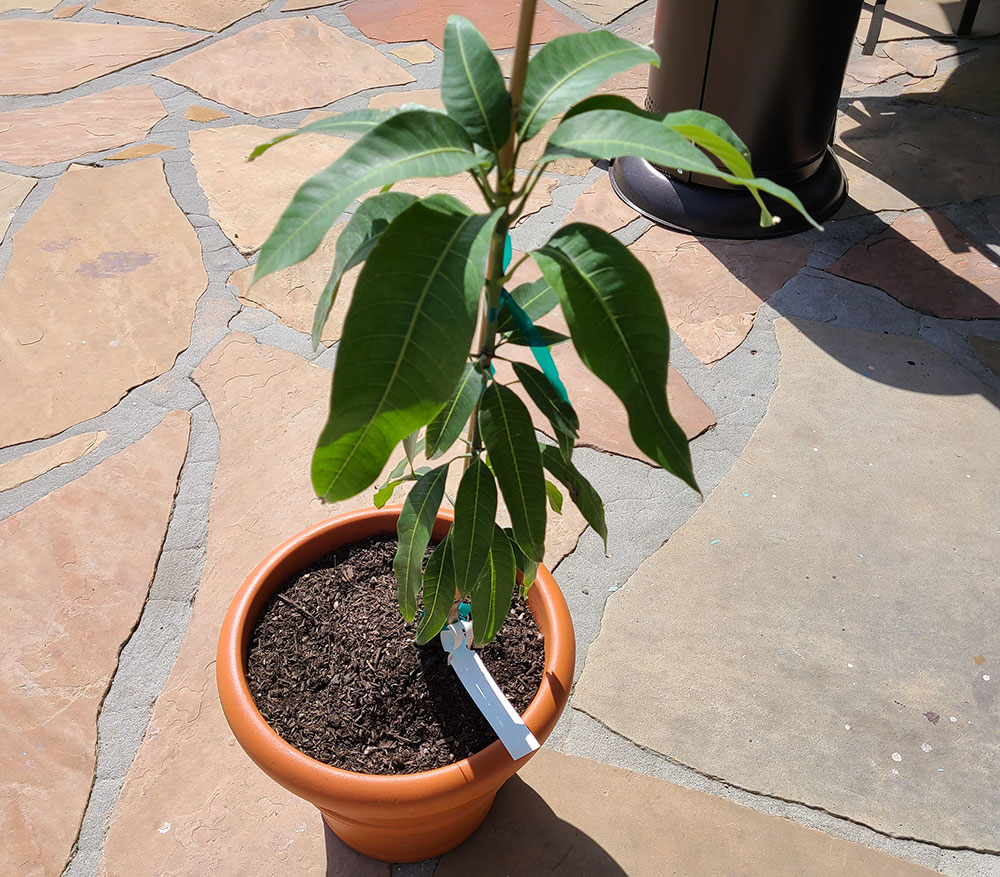
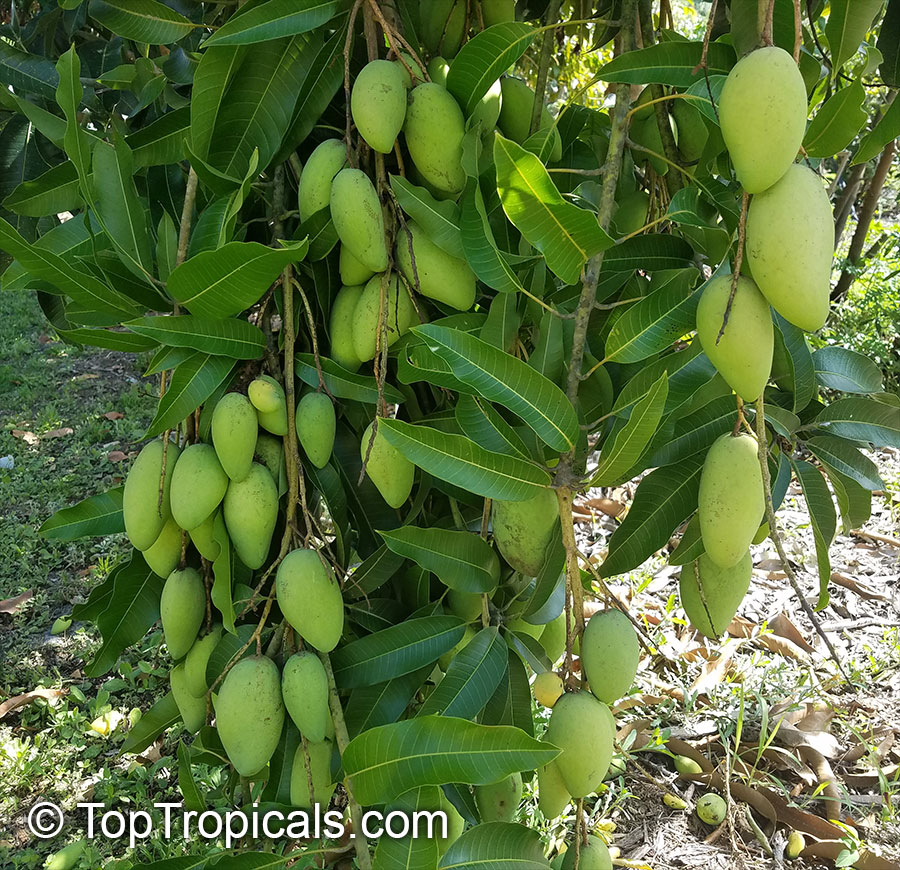
Q: I received a mango tree we ordered last week (I am in
California) and am trying to make sure we take care of it properly. I noticed the
corners of some leaves have began drying out. I wanted to see if there was
anything else we should be doing or if it is something normal. Overall the tree
looks good and the leaves have perked up, but I noticed the dry tips on a
handful of leaves. Any help is appreciated! I have not fertilized in the pot yet
or applied the mango sunshine booster.
A:Your mango tree looks pretty healthy, and these dry leaf tips
may be caused by overall shipping stress. You have dry air in California, and
temperatures may be getting up, this may cause additional drying effect. You
may start fertilizing with a liquid fertilizer, it will help the plant to get stronger and grow
faster - then heat and dry air won't be a problem as soon as the plant becomes
better established and hopefully go into a bigger pot soon, or in the ground.
Make sure to provide regular water if you have hot dry summers.
Date: 15 Oct 2020
Healthy Plants. Q&A from Mr Booster: Fertilizing Mango trees in Winter
Q: I'm living in Maryland growing zone 7A and would like some
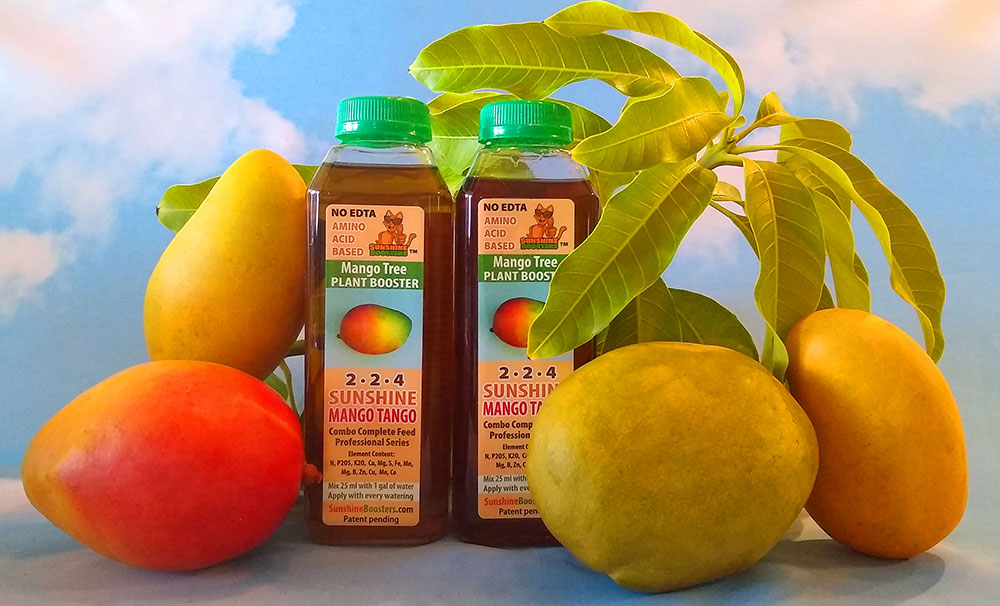
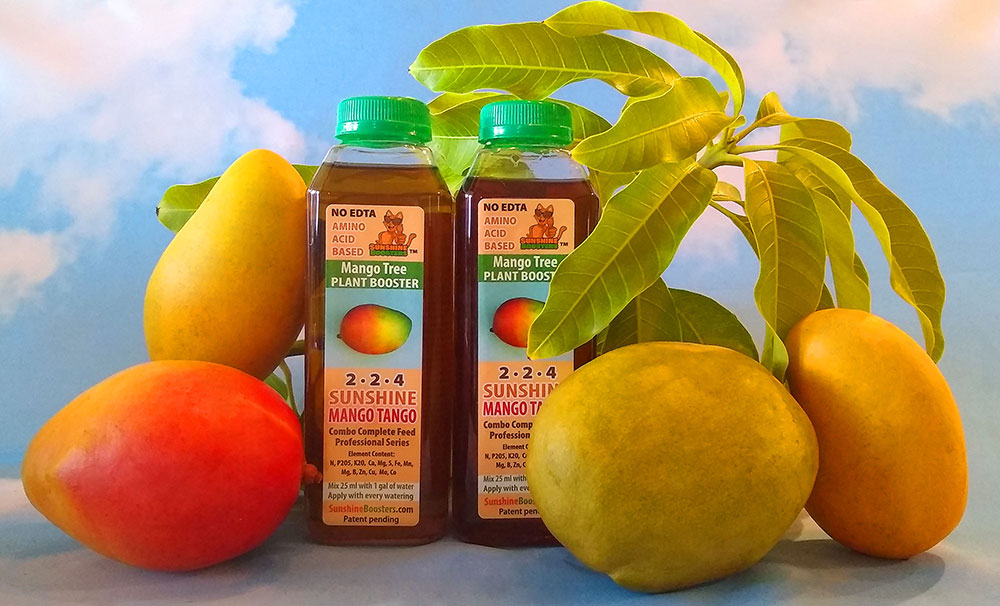
info on when to fertilize my potted mango trees. I ordered your Sunshine Mango Tango 2-2-4. All your mango trees are in pots.
A: You can start using this fertilizer right away, any time of
the year, and every time you water your plants.
Sunshine Mango Tango, as well as other Sunshine boosters, is an amino-acid
based liquid fertilizer that is scientifically developed for daily plant
needs in all necessary nutrients. This means, you may use this fertilizer with
every watering, including winter period.
Traditional fertilizers (both granulated and soluble, EDTA-chelated) can
only be used during hot months while plants grow actively, and must be limited
or not used at all during cooler months, to avoid nutrient lock up in soil
(which basically means "building up unused elements"). With Liquid Sunshine Boosters, it is safe to add them every time you water
your tree.
During cooler weather and when plant metabolism slows down, a tree will
consume less water (as well as food), and you will automatically reduce
watering, to keep over-wintering plants on a dry side. This means, less fertilizer
too. This allows you to control elements intake naturally, like you control
water amount just as much as the plant needs.
Date: 30 May 2019
Triple Sec Mango
By Onika Amell, tropical plant specialist
Q: I live in Mesa, Arizona. I am considering purchasing two of
you Triple Sec Mango trees. Can you please give me some information on this
variety and how to grow it successfully here in hot and arid
Arizona, if at all?
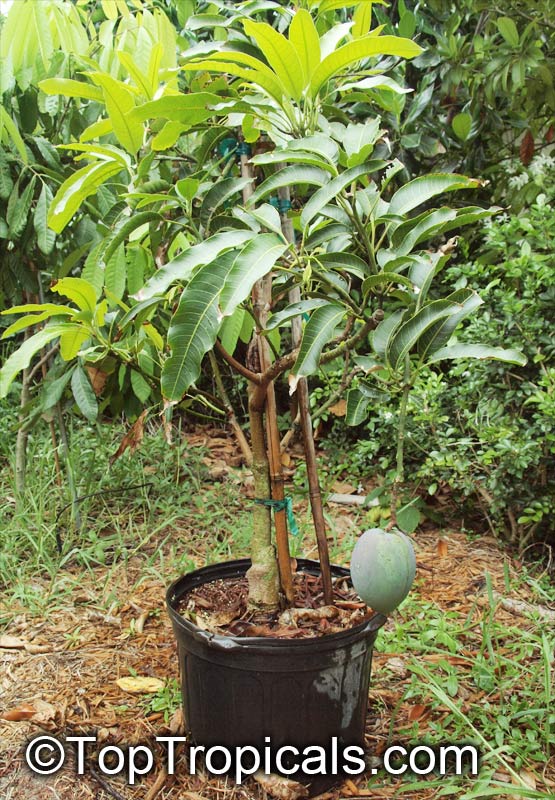
A:Triple Sec Mango is a new name for the superior variety Seacrest. The
aroma of this fruit resembles Triple Sec - an orange liqueur. It's a juicy,
mid-season variety that has good disease resistance.
Mango has pretty good heat and drought tolerance. It loves sun, but there
are a lot of factors to consider when growing Mango in your area.
Check your soil. Soil quality is always first and foremost: when you
live in an area of Arizona with
hardpan (extremely compacted desert soil) or caliche (layers of soil
cemented by calcium carbonate) you
will have to learn how to deal with such soil types. Amend the soil as
needed.
The best time to plant is spring or fall to give your Mango a chance to
get established before the really intense Summer heat starts. Alternatively,
protect the tree with a shade cloth. Tender, new growth will not stand a
chance unprotected, especially newly planted and/or young trees.
Mangoes are tropical and sensitive to frost and freeze damage. Young
trees especially will also need winter protection when temperatures go near or
below freezing. Always plant trees in a location where they will be protected
from cold wind. Consider staking your newly planted Mango trees for the
first year. It's never a bad idea to even stake during periods of high winds.
Make sure your planting site has very good drainage. Always use a good
quality mulch around your tree as it helps to trap moisture, keeping the
ground and the roots beneath it cool. Keep mulch a couple of inches from the
trunk of the tree. Avoid a location that gets full day sun. Morning sun,
afternoon shade is ideal. Give regular watering until the tree is established. Once
established, water only when the soil feels dry.
Fertilizer with a Mango-Food. A foliar spray of micronutrient solution is always
recommended during the active growing period. Use plant stimulants and microelements to improve cold hardiness and vigor.