Garden Blog - Top Tropicals

Date: 22 Oct 2025

Detailed Cassia and Bauhinia Care Guide
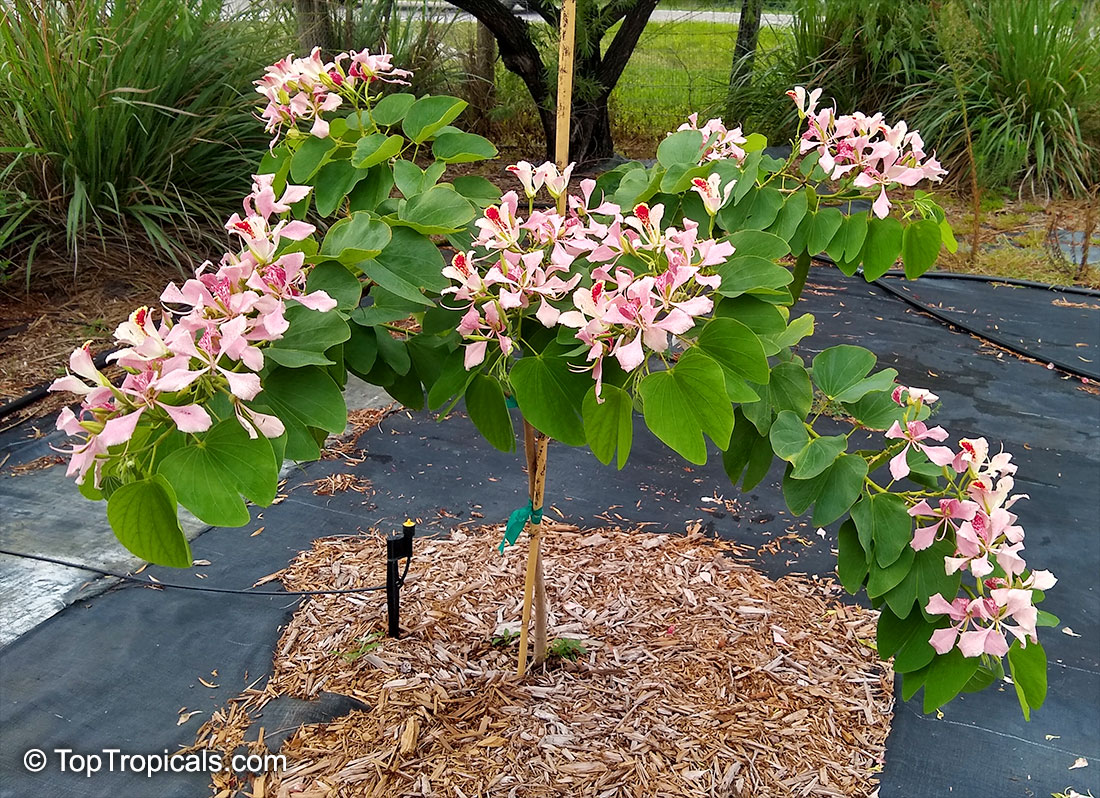
Young  Bauhinia  monandra  tree  blooming  with  clusters  of  pink  and  white 
 orchid-like  flowers,  growing  at  Top  Tropicals  nursery  with  fresh  mulch  and 
 drip  irrigation 
 setup

Outdoor Cassia and Bauhinia Care

  • Light: Both Cassia and Bauhinia need at least 6 hours of direct sunlight daily. Cassias handle intense heat; Bauhinias can take light afternoon shade.
  • Soil: Use loose, fast-draining soil. Mix equal parts garden soil, coarse sand, and compost.
  • Watering: Keep evenly moist but never soggy. Cassias tolerate dry spells once established; Bauhinias prefer steady moisture. Water when the top inch feels dry.
  • Feeding: For profuse flowering, feed with liquid Sunshine Boosters Megaflor that is safe to use with every watering, year around. You may also apply Green Magic controlled release fertilizer every 6 months. Bauhinias and Cassias respond quickly to feeding.
  • Pruning: After flowering, prune lightly to shape and remove dead tips. Cassias can be trimmed to shrub form; Bauhinias stay bushy with pinching.
  • Mulch: Add a 2-inch mulch layer around the base to conserve moisture and prevent weeds, but keep mulch off the trunk.
  • Cold protection: Most Cassias handle brief frost; some Bauhinias like B. acuminata and B. monandra must be sheltered below freezing. For cold nights, cover with frost cloth or move containers into shelter.
  • Dormancy: Outside of tropics, most Bauhinias drop leaves in winter for a short period of time, right before flowering and are called "semi-deciduous". Cassias stay evergreen.

Indoor or Porch Care (cool-climate growers)

  • Container: Choose a sturdy pot with several drainage holes, one size larger than the root ball. Unglazed clay or thick plastic pots work best for heat regulation. Use a light, well-drained mix such as professional soilless mix Abundance. Both Cassias and Bauhinias dislike soggy roots. Add a thin layer of coarse gravel at the bottom to improve drainage. Repot every 1–2 years in spring
  • Light: Brightest spot possible - south-facing window or heated sunroom. Supplement with a grow light if sunlight is weak.
  • Temperature: Keep potted trees in warm environment for best results. The optimum temperature for Cassias and Bauhinias is between 60–85 F, although many species can tolerate cooler temperatures. Avoid cold drafts and sudden drops.
  • Humidity: Average indoor humidity is fine; occasional misting keeps foliage glossy.
  • Watering: Water sparingly in winter when growth slows; allow the top inch to dry between waterings. Do not let roots sit in water.
  • Fertilizing: Feed with Sunshine Boosters Megaflor that is safe to use with every watering, year around, to maintain flowering indoors. You may also apply Green Magic controlled release fertilizer every 6 months.
  • Pest watch: Check undersides of leaves for aphids or whitefly. A light spray of neem oil or insecticidal soap clears them fast.

"Whether you crave golden summer fireworks or soft orchid blooms that last nearly all year, both Cassia and Bauhinia bring pure joy to the garden. 💖 Bring color that never quits."

Did you know: Fall is the best planting season — roots grow faster and you’ll have flowers by spring!
✔️ Fall Planting Guide

🛒 Shop Tropical Flowering trees

Date: 1 Jan 2026

Why young trees need staking?

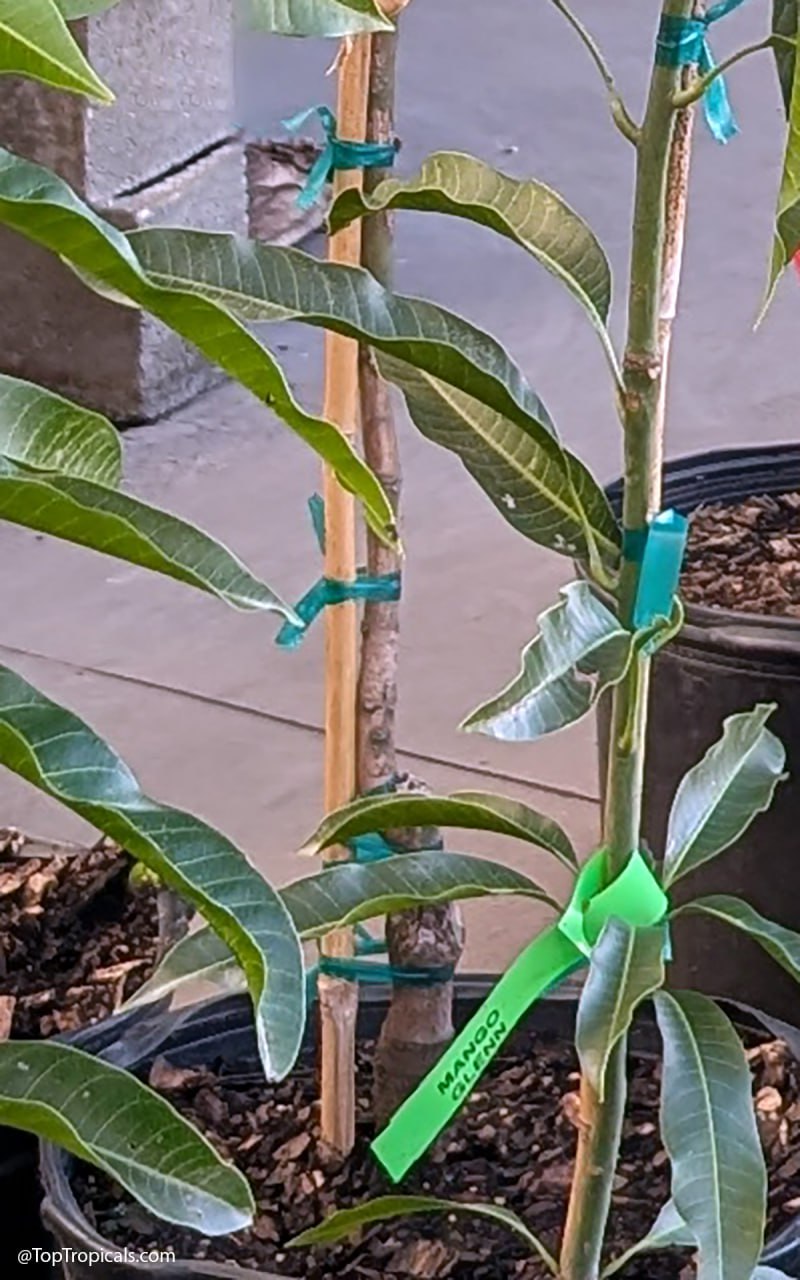
Mango trees with bamboo support

Mango trees with bamboo support

Staking young trees

Staking young trees

🌳 Why young trees need staking?


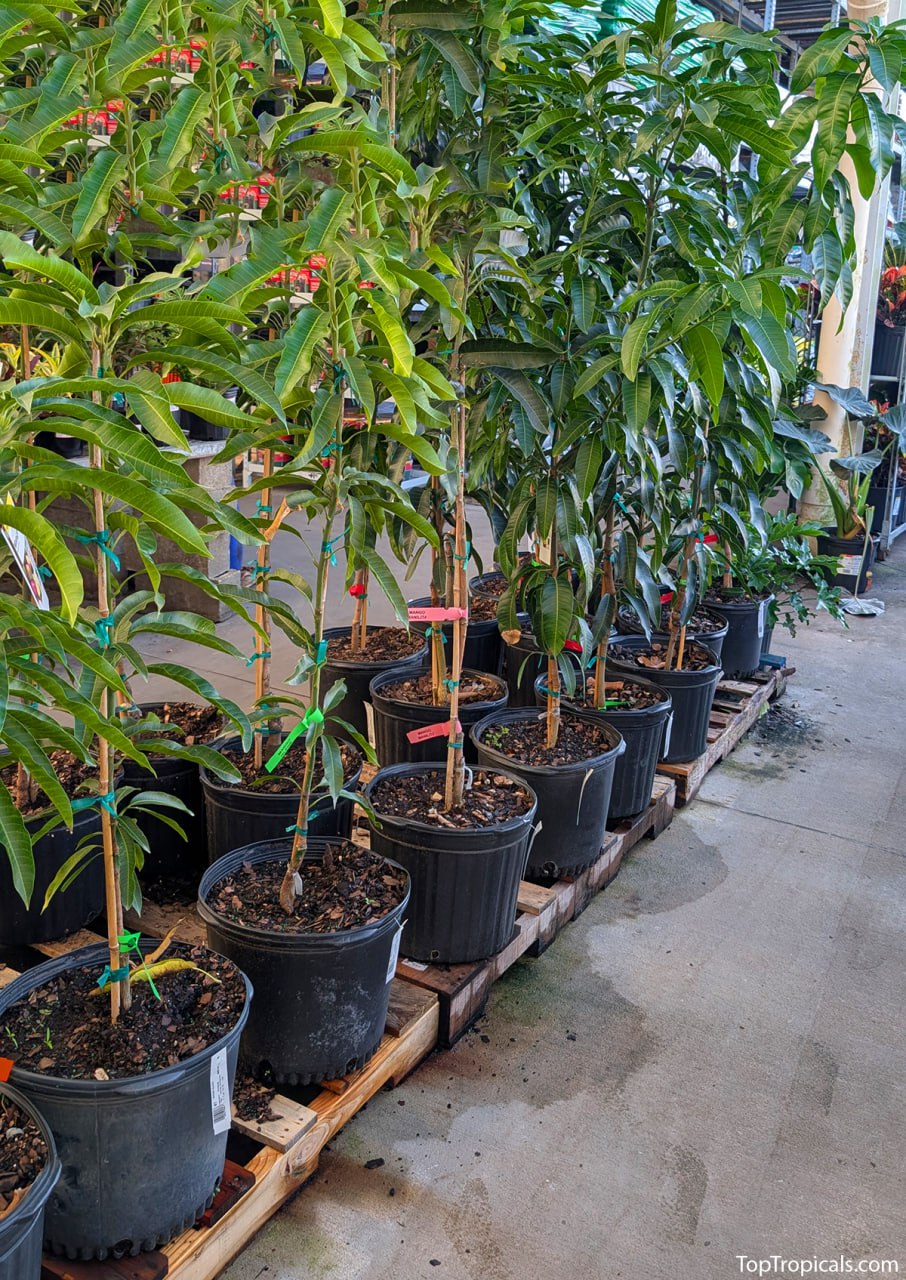
Staking a young tree is simple but important. The goal is to attach a bamboo stake to support the trunk, encourage straight growth, and-most importantly-prevent the stem from wiggling.

Young trees grow fast and vigorously, but their trunks are often much taller and heavier than their root systems can support. At the same time, those trunks are still thin and flexible. Even light wind can cause the tree to rock back and forth. This movement disturbs developing roots and slows establishment.
  • ❗️ Without proper support:


  • 🔹 The trunk can break in strong wind.
  • 🔹 Roots loosen instead of anchoring.
  • 🔹 The trunk may grow crooked.
  • 🔹 The tree becomes uneven and less stable long-term.


🌳 How to stake correctly

  • 🌳 Small trees


  • 🔹 Create an A-frame with one bamboo stake.
  • 🔹 Attach near the top, forming a triangle.
  • 🔹 Do not push the stake right next to the trunk. It may look neat, but it can damage roots and will not provide proper stability.


🌳 Medium trees

  • 🔹 Use 2-3 tie points along the trunk.
  • 🔹 Use soft green garden tape, 1/2"wide.
  • 🔹 Secure firmly but allow slight movement.


🌳 Tall or heavy trees

  • 🔹 Use a strong support such as a metal pipe. We use 1" aluminum electrical conduit.
  • 🔹 Attach with wider green tape, about 1"to protect the bark.
  • 🔹 Build tripods around larger trees.


❗️ Important maintenance tips:

  • 🔸 Check ties and tape often-every few weeks to once a month.
  • 🔸 As the tree grows, re-adjust the tape so it does not cut into the trunk as it thickens and doesn't cause any rot.
  • 🔸 Re-position bamboo stakes as needed, and be ready to replace them with a larger, stronger stake as the tree grows.

These rules apply to both potted trees and trees planted in the ground. Proper staking early on helps your tree establish faster, grow straighter, and develop a strong, stable root system for the future.

📸 Mango trees in 7 gal pots with"nursery-style"bamboo stakes that create a neat"standard". When stepping up or planting in the ground, attach a new stake and keep it away from the trunk.

🛒 Explore fruit trees and flowering trees

#Food_Forest #Trees #How_to

🟢 Join 👉 TopTropicals

Date: 2 Mar 2026

Eugenia Cherries 🍒

By Tatiana Anderson, Horticulture Expert at Top Tropicals with Smokey & Sunshine help

Eugenia brasiliensis - Grumichama fruit on the branch

Growing Eugenia Cherries (Cherry of the Rio Grande & Grumichama)

Cherry of the Rio Grande and Grumichama are compact, adaptable tropical fruit trees well suited to Southern landscapes. While forgiving, they perform best when planted correctly from the beginning.

Site and Planting

  • Drainage is essential. Avoid low areas where water collects. Plant on a slight mound if soil is heavy or clay-like.
  • Choose full sun for best flowering and fruit production. Partial shade is tolerated.
  • A south or southeast exposure near a wall improves cold resilience and reduces wind stress.
  • Dig a hole twice as wide as the container, but no deeper than the root ball.
  • Set the tree level with surrounding soil. Do not bury the trunk.

Water and Feeding

  • Water regularly during the first few months while roots establish.
  • Once established, trees tolerate short dry periods but fruit best with moderate, consistent moisture.
  • Feed lightly and consistenly. SUNSHINE Boosters Robusta liquid fertilizer is safe to use with with every watering. During hot season you may add controlled release Green Magic every 6 months. It is essential to apply micro elements: Sunshine Superfood micro nutrients complex

Cold Tolerance

  • Protect young trees during hard freezes.
  • Established Cherry of the Rio Grande can tolerate brief drops into the low 20s.
  • Established Grumichama tolerates temperatures into the upper 20s.

Harvest and Production

  • Cherry of the Rio Grande fruits from late spring into summer. Pick when fully dark and slightly soft.
  • Grumichama ripens quickly, often within four weeks after flowering. Pick when glossy and deep purple-black.
  • Both trees often begin fruiting within 2–3 years and increase production steadily with maturity.

Growing in Containers

  • Use at least a 10–20 gallon pot for long-term growth.
  • Ensure multiple drainage holes.
  • Use a high-quality, well-draining container mix. Avoid heavy garden soil. Top Tropicals Abundance soil-less mix is specially formulated for pot growing
  • Place in full sun for best fruiting.
  • Water deeply, then allow the top layer to dry slightly before watering again.
  • Move containers to a protected area during hard freezes.
  • Prune lightly to maintain shape and airflow.

Common Mistakes

  • Planting in poorly drained soil.
  • Overwatering and keeping soil constantly saturated.
  • Over-fertilizing with excessive nitrogen.
  • Planting too deep and burying the trunk.
  • Expecting heavy crops immediately instead of allowing time for maturity.
  • Skipping cold protection for young plants.

Learn more: Tropical Cherries – Eugenias

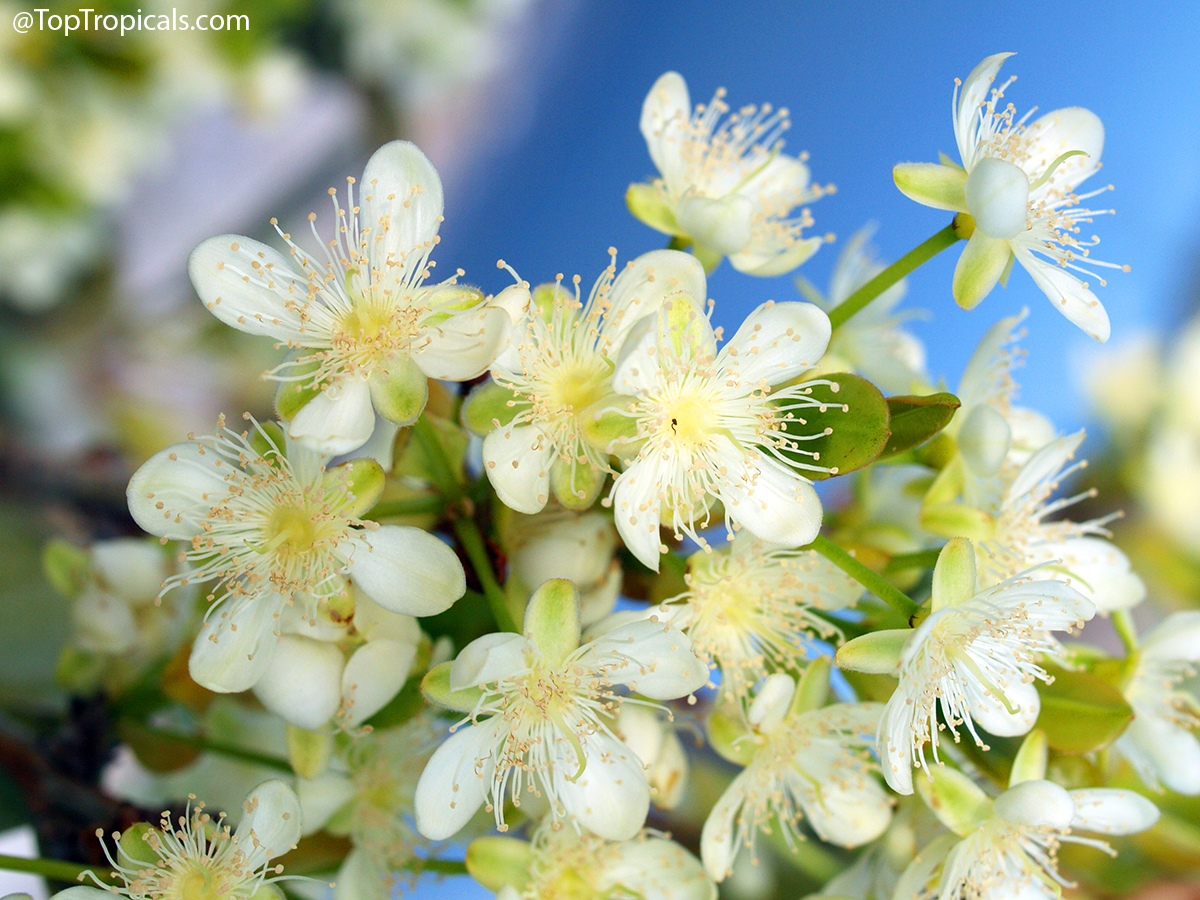
EGrumichama  flowers  (Eugenia  brasiliensis)  in  close-up  showing  white 
 petals  and  long 
 stamens

Eugenia brasiliensis - Grumichama flowers

❓Frequently Asked Questions: Eugenia cherries (FAQ)

  • Which one tastes better – Cherry of the Rio Grande or Grumichama?
    Cherry of the Rio Grande has a deeper, classic “sweet cherry” flavor with slight richness. Grumichama is softer, juicier, and often described as cherry with hints of grape and plum. Both are excellent fresh; Grumichama is especially popular for jam.
  • Which tree produces more fruit?
    Grumichama typically produces heavier crops once mature and can carry hundreds of fruits in a season. Cherry of the Rio Grande produces consistently but in slightly smaller volumes.
  • Do birds take all the fruit?
    Birds are attracted to both trees, especially Grumichama. Netting during peak ripening or harvesting promptly usually solves the issue.
  • Are these true "tropical" trees or subtropical?
    They are best described as subtropical tropicals. Unlike ultra-tender tropical fruits, Eugenia cherries tolerate occasional frost once established, making them more reliable in Southern landscapes.
  • Do they drop fruit messily?
    Fruit will fall if overripe, but the trees are compact and manageable. Regular harvesting prevents ground drop and keeps the area clean.
  • Can they be used for hedging or screening?
    Yes. Their dense evergreen foliage and upright growth make them suitable for edible hedges or privacy screens while still producing fruit.

Choosing between them is not about survival — both have proven resilient. It is about flavor preference, crop volume, and how you want to use the fruit in your kitchen and landscape.

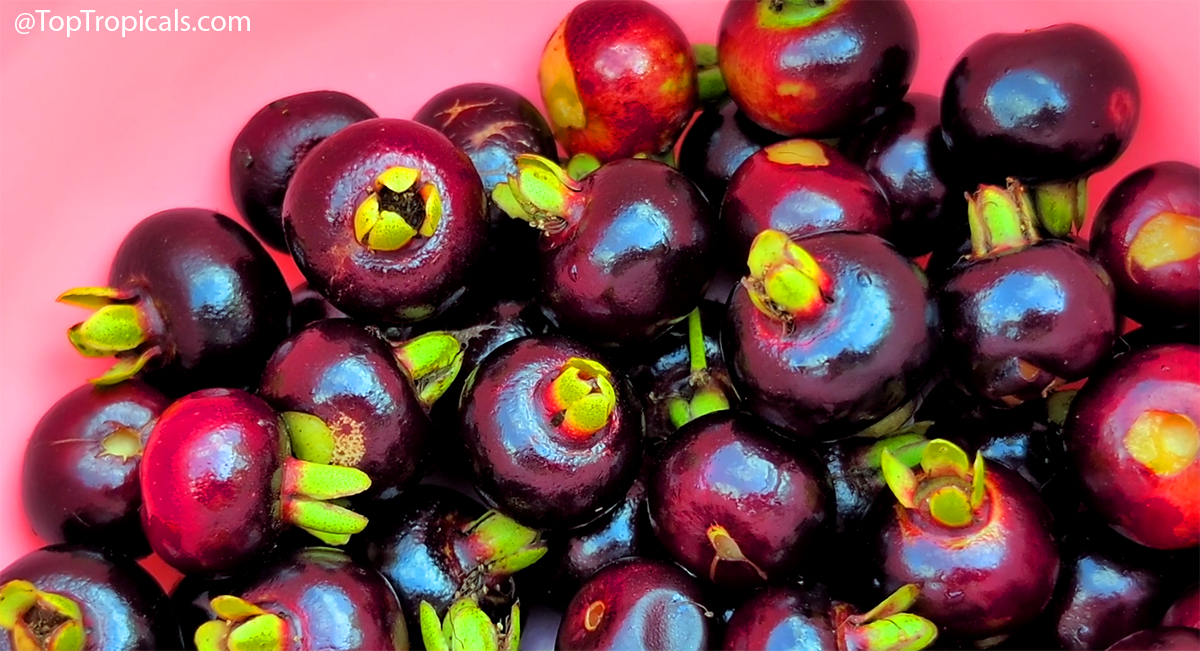
Freshly  harvested  Grumichama  fruits  (Eugenia  brasiliensis)  showing  dark
    purple  skin  and  green 
 calyx

Eugenia brasiliensis - Grumichama fruit close up

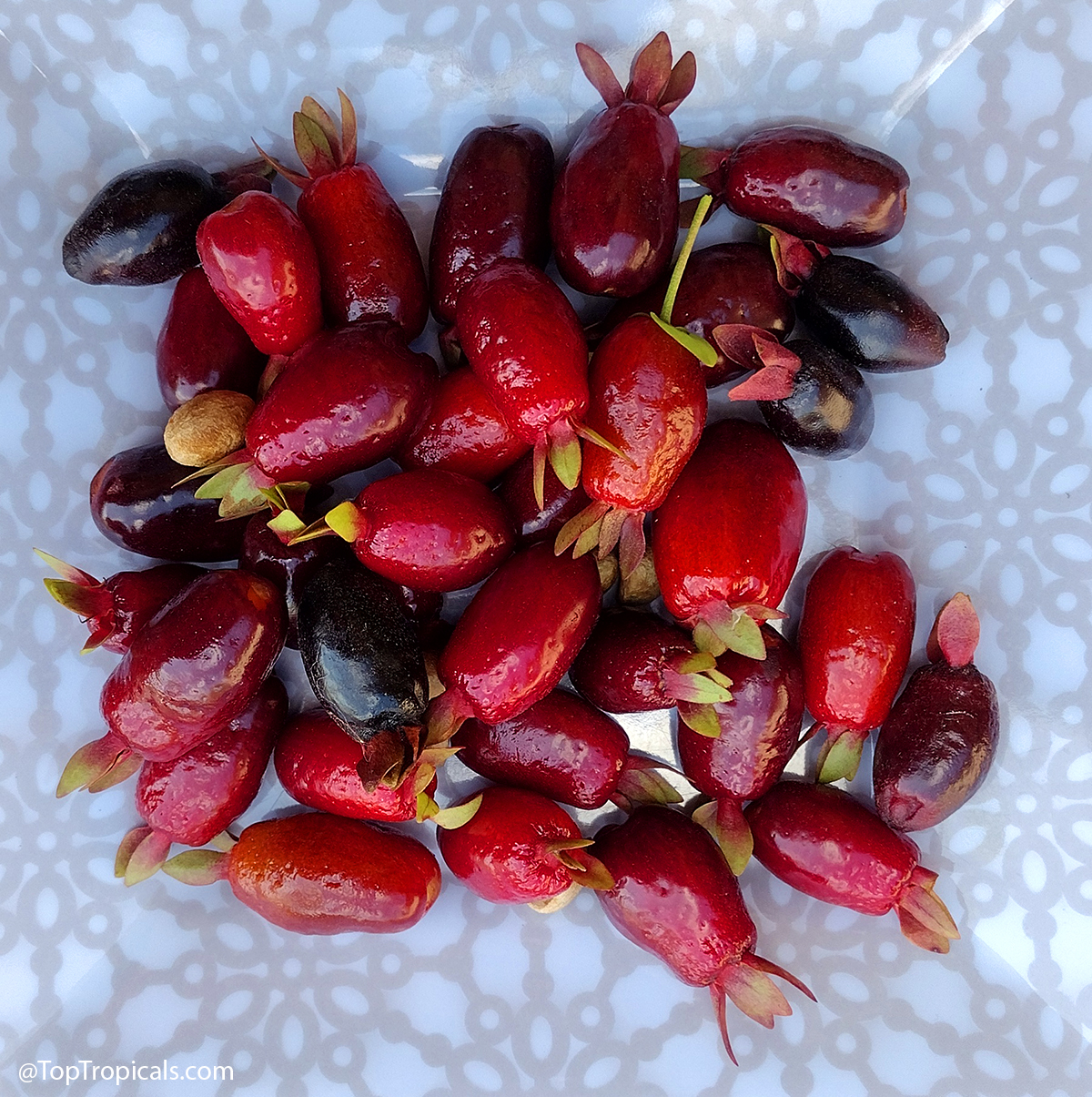
Harvested  Cherry  of  the  Rio  Grande  fruits  (Eugenia  aggregata  cv. 
 Calycina)  showing  red  to  dark  purple  ripening  stages
Caption:

Eugenia aggregata (cv. Calycina), Cherry of the Rio Grande

🛒 Add Eugenia cherries to your garden

✍️ Top Ten Fruit Tree Winners of Florida 2026 Record Freeze

Date: 29 Sep 2020

Healthy Plant Food: Q&A from Mr Booster

Why my Sapodilla is not fruiting?

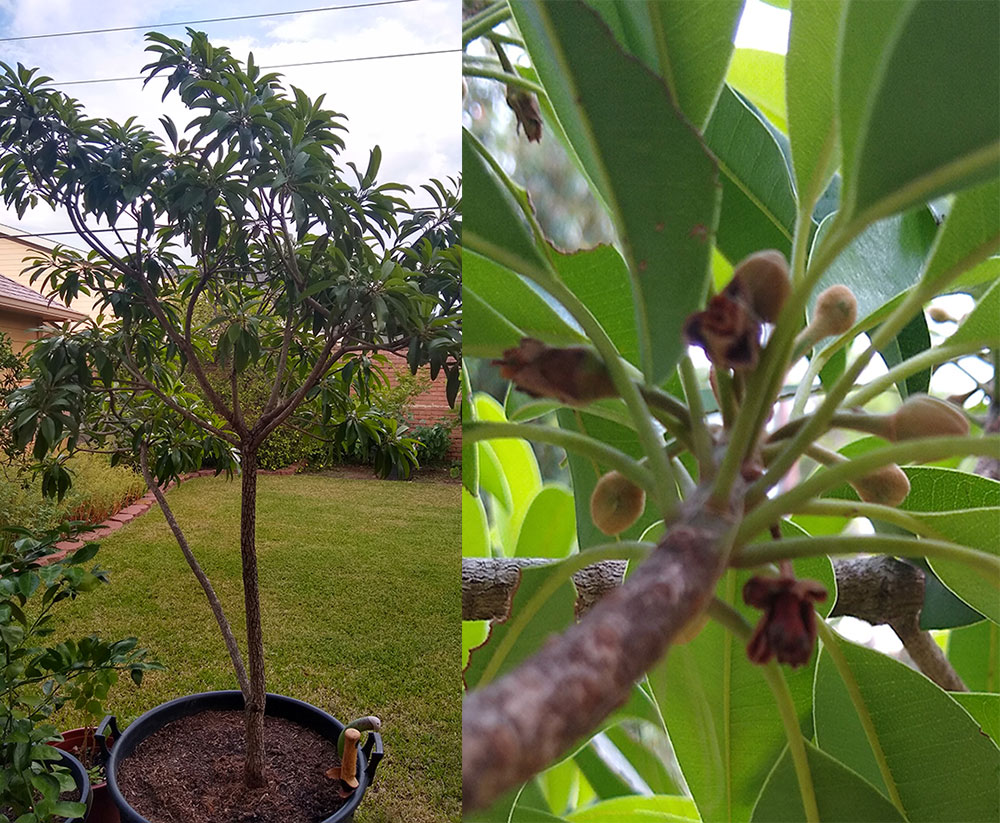
Q: I bought a Sapodilla tree from you several years ago, Silas Woods. I live in Houston area. The tree grows and produces blossoms for fruits, but then they just dry up and fall off. To-date, I have not gotten any fruits off the tree. Is there a reason for this? I really want a fruiting tree because Sapodilla is one of my favorite fruits. I have attached pictures of the tree. Please help.

A: Silas Woods is a free-flowering variety and in favorable conditions it should produce fruit almost year round, considering warm temperatures. The fact that the tree is producing flowers indicates that it is strong, overall healthy and ready for production, but for some reason these flowers don't set fruit. There may be several reasons for such behavior.

1) Too high temperature and too low humidity
In Houston area, humidity should be good in summer. However, if temperatures stay above 90F for a long time, this may cause flower dry-n-drop.
Solution: try to move the potted tree into filtered light, or in a spot where it does not get direct burning sun during the hottest hours of the day (morning sun is the best)

2) Root bound.
Solution: check if the tree needs stepping up into a larger container.

3) Lack of certain nutrients that are responsible for proper fruit formation.
In particular, elements B (Boron), Mo (Molybdenum), and a few other micro-elements (Fe - iron, Cu - Copper, etc.). This is most likely the cause of a flower drop. This is very common reason for undeveloped fruit or lack of fruit in container-grown fruit trees. When grown in the ground, plants can reach out to all necessary elements in surrounding soil (considering soils are not too poor on necessary elements). In a pot, a supply of nutrients can be exhausted very quickly, so a quality fertilizer program is very important. Fertilizer must include all necessary nutrients in easy accessible form, and a plant must have their constant supply for proper development.
Solution: prescribe to your Sapodilla tree the following combination of plant food:
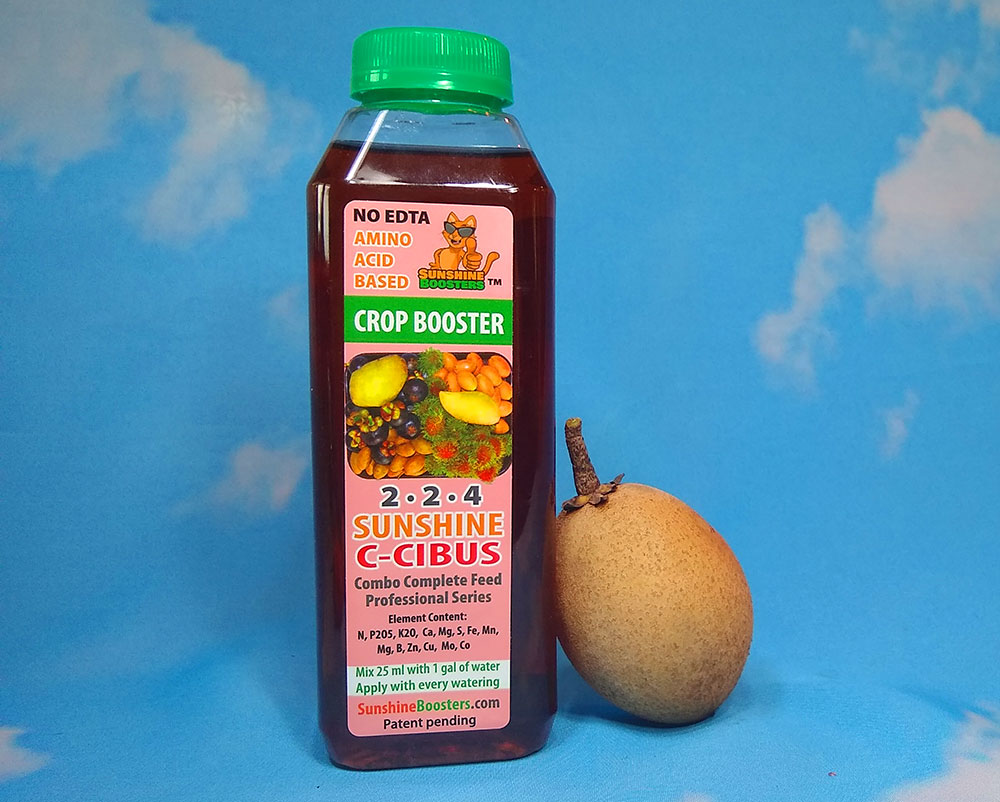
- SUNSHINE C-Cibus - Crop Nutrition Booster. It will provide well-balanced amounts of high absorption Nitrogen, as well as other macro-elements - to provide enough energy to the tree, plus a combination of all necessary micro-elements. It is safe to apply this fertilizer as frequent as with every watering, including winter time.
- SUNSHINE-Honey - sugar booster. This supplement has a high content of elements Mo and B - once the tree starts getting them on regular basis (a few times a year, according to the label), it will change its habit dropping flowers and/or premature fruit drop. As extra bonus, Sunshine Honey makes fruit sweeter by bringing sugars from all over the plant and concentrating them into fruit.

4) Lack of pollinating insects.
Solution: For most effective pollination, we always recommend to put some pieces of fruit under the tree, apple peels, or even banana peel. Those attract tiny beetles that are responsible for small flower pollination.

With winter time approaching, fruiting season is about to end, however, do not get discouraged and start the fertilizing program right away: this will bring up the plant into a healthy stage within a few months, and by next season it should be covered with fruit you like so much! Remember, Sunshine liquid fertilizers can be used year round, including winter, without a risk to burn roots or overdose, as long as you follow label instructions.

SUNSHINE C-Cibus - Crop Nutrition Booster from Garden Series, or Combo Total Feed Collection - all nutrients in just one bottle, for fruit trees and edibles.

Date: 11 Jan 2021

Tropical gardener beginning-of-year checklist

Final pre-Spring check of whatever we had forgotten! For a gardener, the year ahead is a chance to do things you want, as a way to achieve the things you need to do. If your number one New Year's resolution is to garden more (a want-to item), you also will be exercising more (a need-to). Or if you plant a new edible garden (want, want, want), you will end up checking off "eat more leafy vegetables and fruits" from your to-do list!

12 steps to get ready for 2021 season:

1 - Spray fruit trees and houseplants with insecticide and micro-elements
2 - Continue spraying SUNSHINE-Epi to improve plant hardiness
3 - Protect tender plants during cold spells and especially from freeze
4 - Reduce watering during cooler months, keeping the root zone on a dry side
5 - To give your plants a kick start, fertilize with liquid SUNSHINE Boosters fertilizers - they are safe to be used year round
6 - Plant fruit trees: winter planting is beneficial to avoid heat stress for roots
7 - Plant Butterfly and Hummingbird Attractants
8 - Plant bulbs, vegetables and herbs. Use eco-safe, natural SUNSHINE boosters for all your edibles.
9 - Plan your summer garden and order seeds early
10 - Start tropical plants from seeds (indoors for cooler climates)
11 - Start ordering tropical plants and beneficial soil mix to get them established after shipping in pots
12 - Clean and oil garden tools