Date: 25 Jun 2019
How soon will Guava tree fruit?
Q: Can you tell me how your Guava trees are propagated? Grown from seed vs. air grafted, etc.? I'm interested especially in the Barbie variety. In particular, I'd like to know how long it takes them to bear fruit - I live in Southern California zone 10b, with good sunlight.
A: Guavas can be propagated by seed, air layers, or grafting.
Propagation method depends on the species.
Cattley guavas - Psidium littorale - are usually grown from seeds and start flowering
and producing as early as in 2-3 years from seed. Tropical guavas, Psidium guajava - especially named varieties, are propagated usually by
air layers, and the rarest varieties like Variegated Honey Moon are often grafted, although they will come true
from seed (it's just takes them longer to fruit). Both air-layered and grafted
plants start producing right away, usually on the same year of planting or
next year, depending on growing conditions.
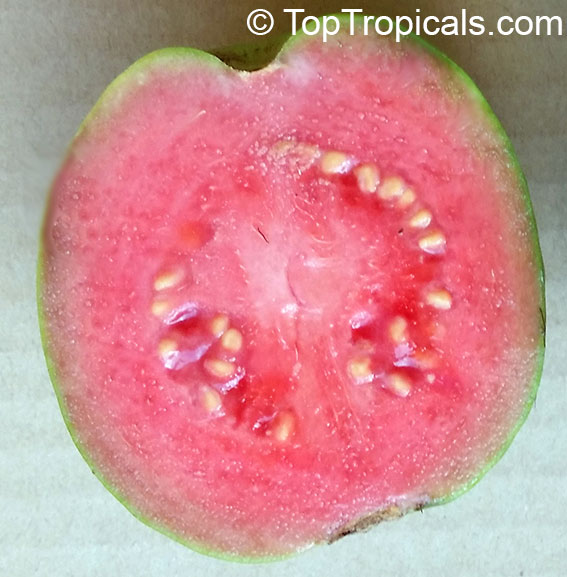
Barbie Pink is a superior variety, very popular among fruit lovers. It
produces large aromatic fruit with a bright pink pulp and very few seeds. This
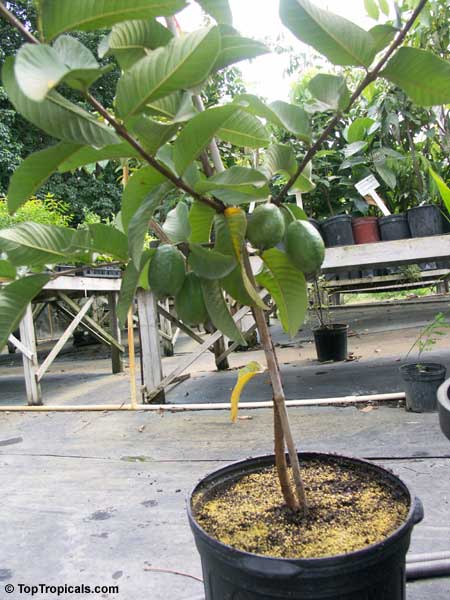
variety is air-layered; in our nursery, these plants start flowering and
setting fruit in 3 gal containers.
Plant this tree in full sun and provide regular watering, guavas don't
like to dry out. Use fertile soil, with at least 50% of compost, and add some
soil conditioning components for better drainage: bark, sand, perlite, etc.
Mulch well, just make sure to keep mulch 2-3"away from the trunk. Follow our
detailed planting instructions that come with every plant, and you are good
to go!
Recommended fertilizers:
Fruit Festival Plant Food - Super Crop Booster
Mango-Food - Smart Release Fruit Tree Booster

Date: 26 May 2021
Jasmine for a fence
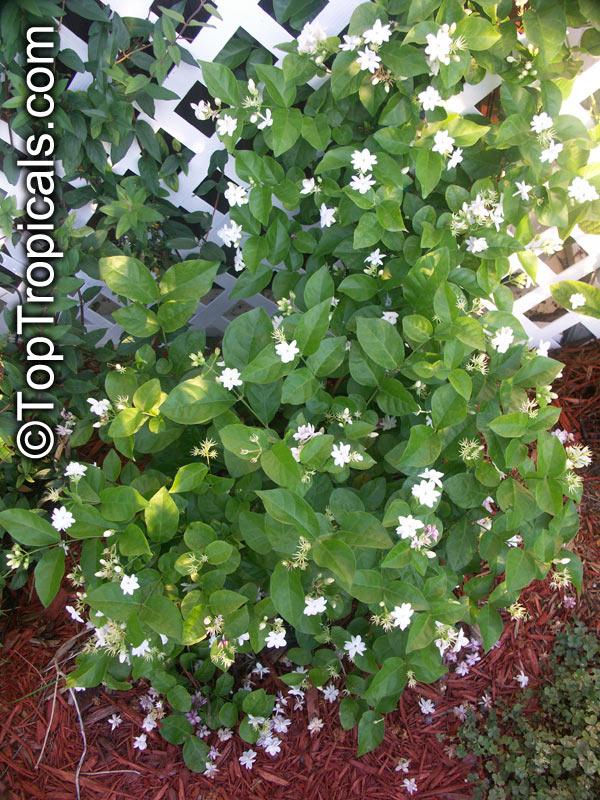
In the photo: Jasmine Maid of Orleans
Q:We are looking for a jasmine variety without thorns that we can grow on a wire fence...
A: All true jasmines (Jasminum spp.) are thornless. So you are safe to get anyone you like. The most vigorous, fast growing jasmines that grow into a vine, are:
Jasminum dichotomum
Jasminum pubescens
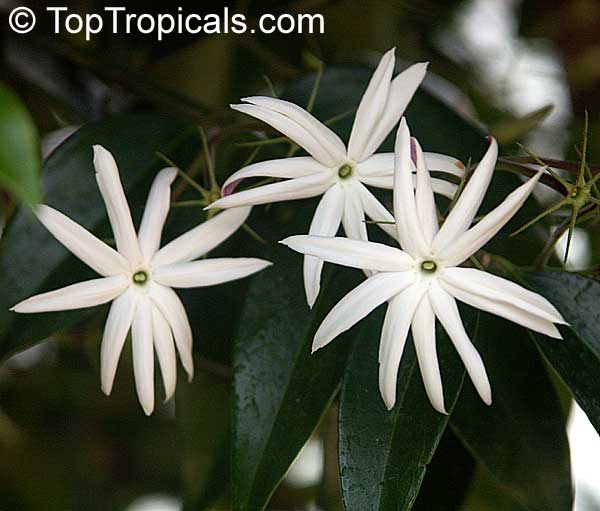
Jasminum nitidum
Jasminum officinale
Jasminum sambac Maid of Orleans - the
most fragrant!

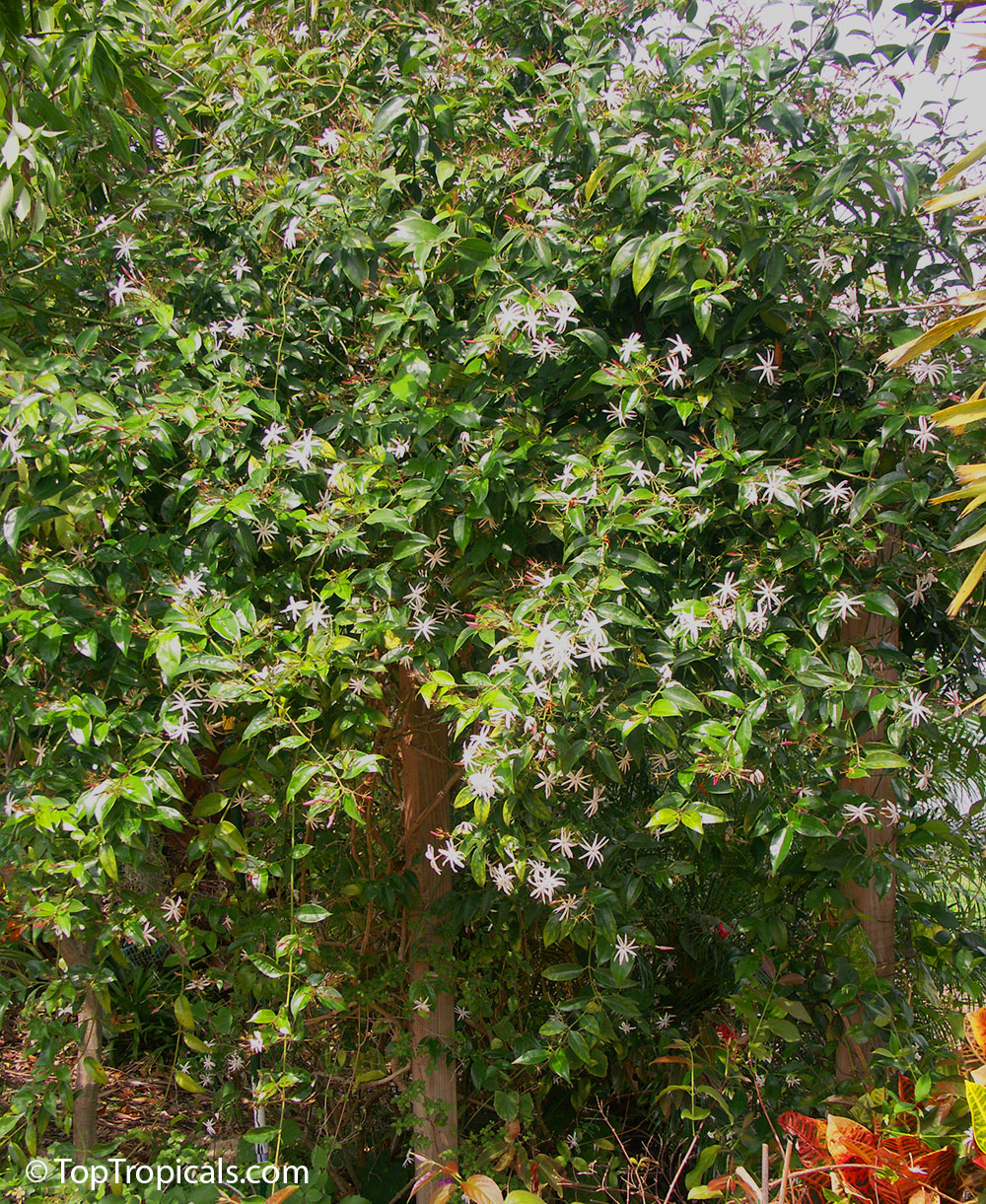
In the photos: Jasminum nitidum (Star Jasmine)
Date: 30 Aug 2020

Healthy Plant Food
Q&A from Mr Booster
How to make Mango tree fruit
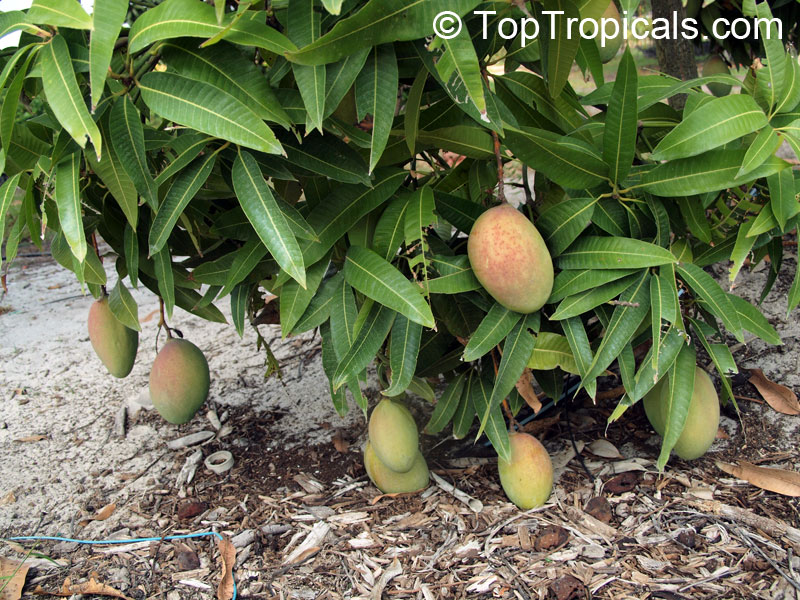
Q: Hello, I have a five-year-old Lemon Meringue tree that has only given me fruit one year. It put out about 50 mangoes and has done nothing for the past three years. Do you recommend any vitamins or any of the nutrients that you guys sell to help with this for next season?
A: We've had very similar problem with our Nam Doc Mai Mango tree, fruited once and no more next year. Usually the reason is nutrients deficiency, here in Florida we have poor soils.
We applied Mango-Tango tree booster and it
started flowering within a couple of weeks.
Generally, Mango flowering season is over by now, however, we recommend to
feed the tree starting now, during active growth season. This way it will get
better established before winter and also will store away all elements
necessary for triggering flowering and fruiting. So by late Fall through Winter it
will be ready to flower.
Along with the fertilizer, additional micro-element supplements will be
beneficial. For improving fruit quality and increasing number of flowers, we
also recommend to use
SUNSHINE-Honey - sugar booster
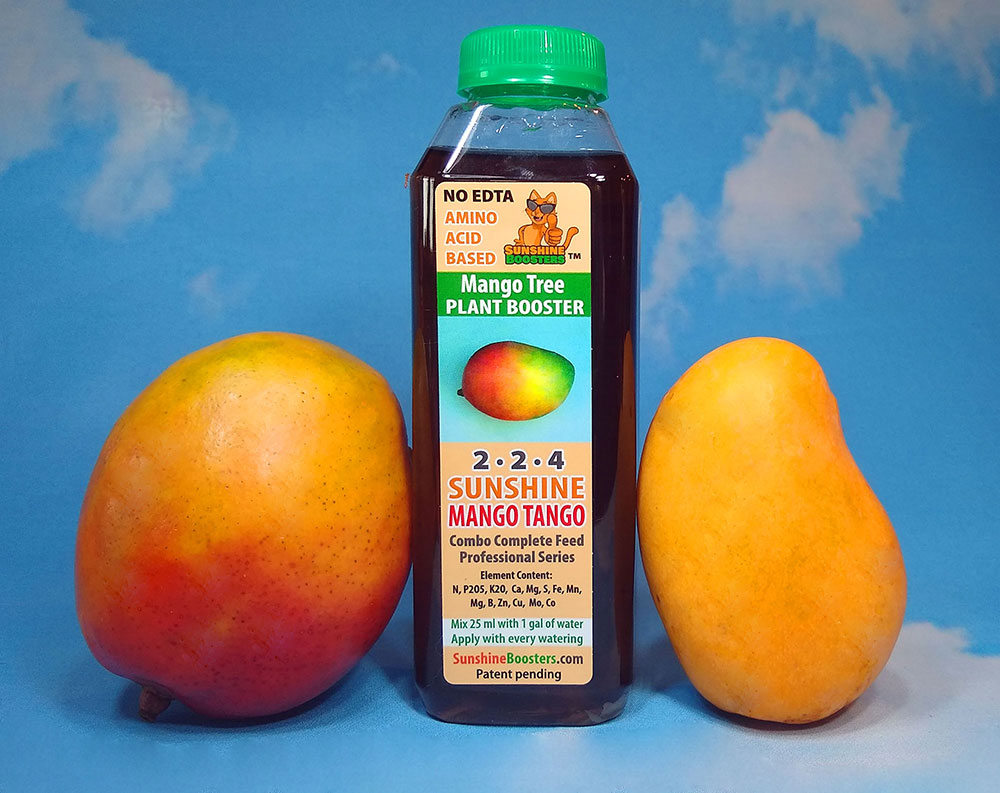
SUNSHINE Mango Tango - Mango Tree Booster, for healthy mango trees and profuse fruit production.
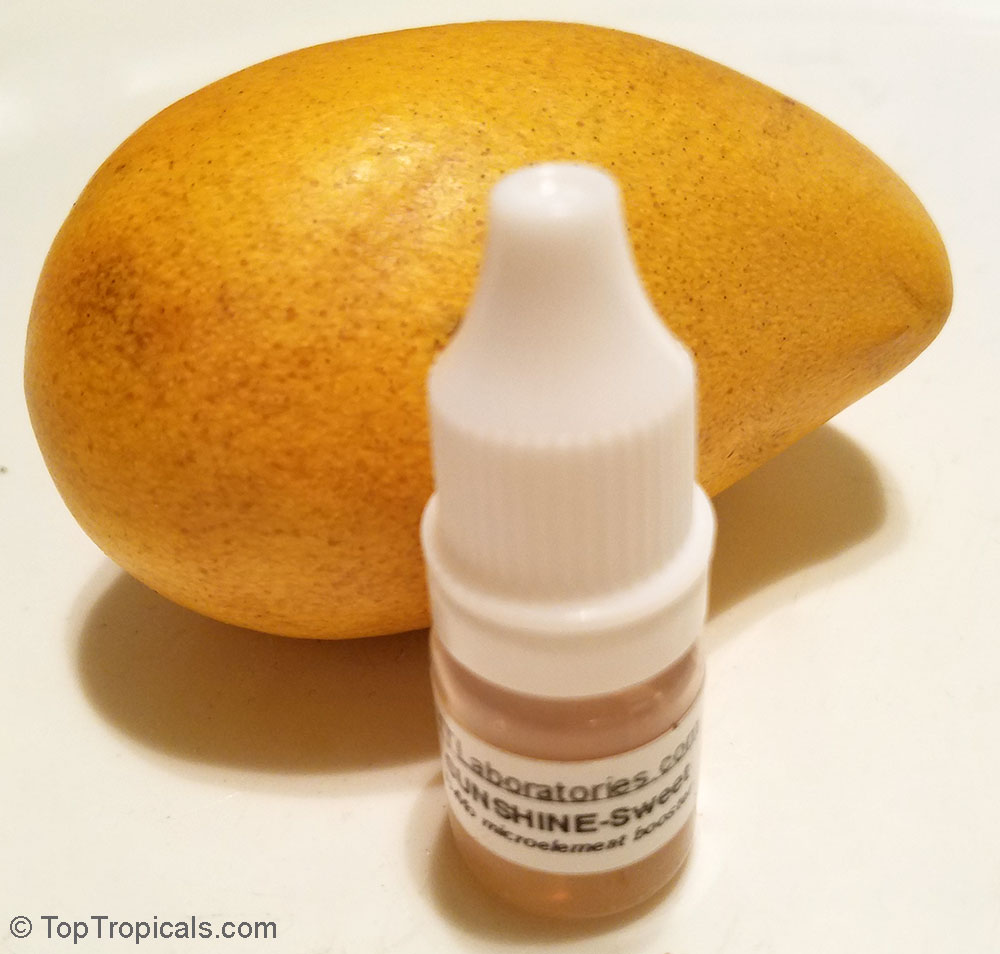
SUNSHINE Honey - a natural supplements that makes fruit sweeter, and increases fruit quantity and quality.
Date: 9 Nov 2018
Taste of Mango
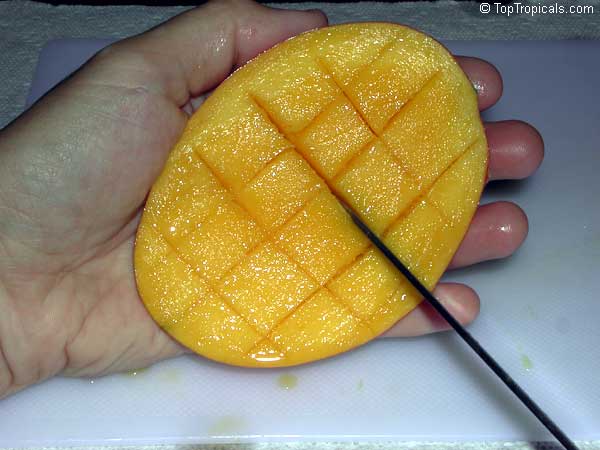
Mango harvest season is over, and now it's the time to plant young Mango trees for the next year season of flowering and fruiting. When choosing a mango tree, researching your location for proper growing conditions is relatively easy. But refining your decision-making process based on the taste of mango is both easy and fun (and filling)! However, since it is often difficult to find a convenient source for sampling a wide variety of mango fruits; we at Top Tropicals sat down and tasted a handful of varieties for you... Just another opinion on taste!
Pickering - Sweet, juicy, fiberless, with a hint of an apricot fragrance. (A universal favorite amongst the group.)
Nam Doc Mai - A slightly fibrous marmalade-like texture, with a sweet and floral flavor.
Cogshall - Very little fiber with a slightly tart and piney flavor.
Florigon - A mild, even flavor. Not too sweet, not too tart, and fiberless.
Mallika - A fiberless cantaloupe-like consistency. Slightly tart, with some semblance to non-acidic orange juice.
Valencia Pride - Slightly fibrous, with a tangy near citrus flavor.
Glenn - Very mild flavor, less sweet compared to other varieties, but very refreshing.
Read more about Mango varieties...

Date: 8 Sep 2021
Fertilizer and the Fall Garden
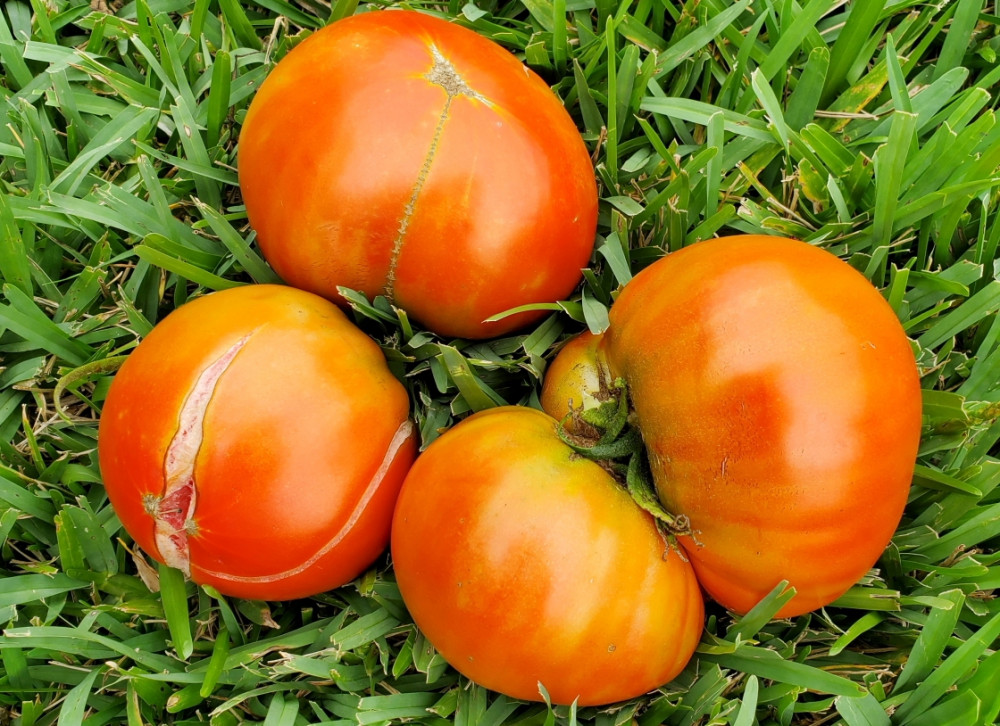
by Ed Jones, the Booster Guy
...Well Labor Day has come and gone. Summer is winding down and depending on where you live, thoughts are now turning to pumpkin spice, witches, fall decor and gardening. Wait, did I just say gardening? Yes, if you live in the deep south, and I do, it is time to think about fall gardening and fertilizer. Even those of you in the north can put in a few quick crops now for fall. Think onions, radishes, lettuce and other greens and of course, garlic...
Next month, we can start putting out our plants that do better in cooler
weather. We will put out some beans and of course cabbage. We may do some
potatoes too. What do you like to grow?
But what about fertilizer? Glad you asked. Now, most of us have our
favorite brand of fertilizer. Some of us had some secret fertilzers that we used in
the past. For me it was composted alpaca manure. Yes, we raised alpacas in
the north, but that is another story for another day....
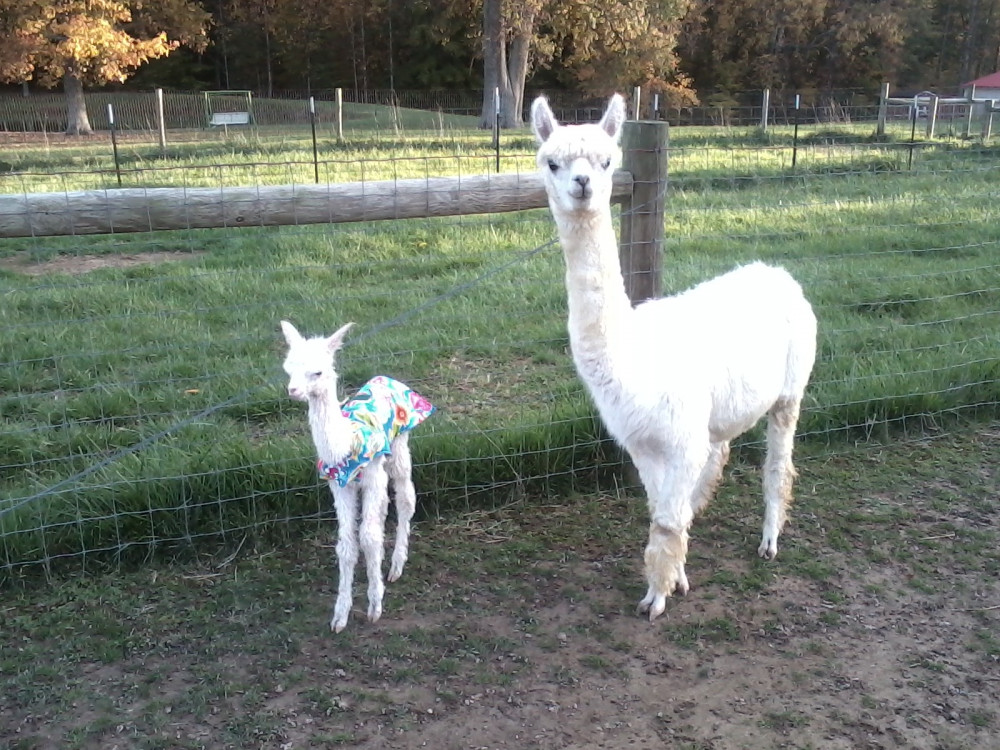
...Once the temperatures have begun to drop, it is better to use a good
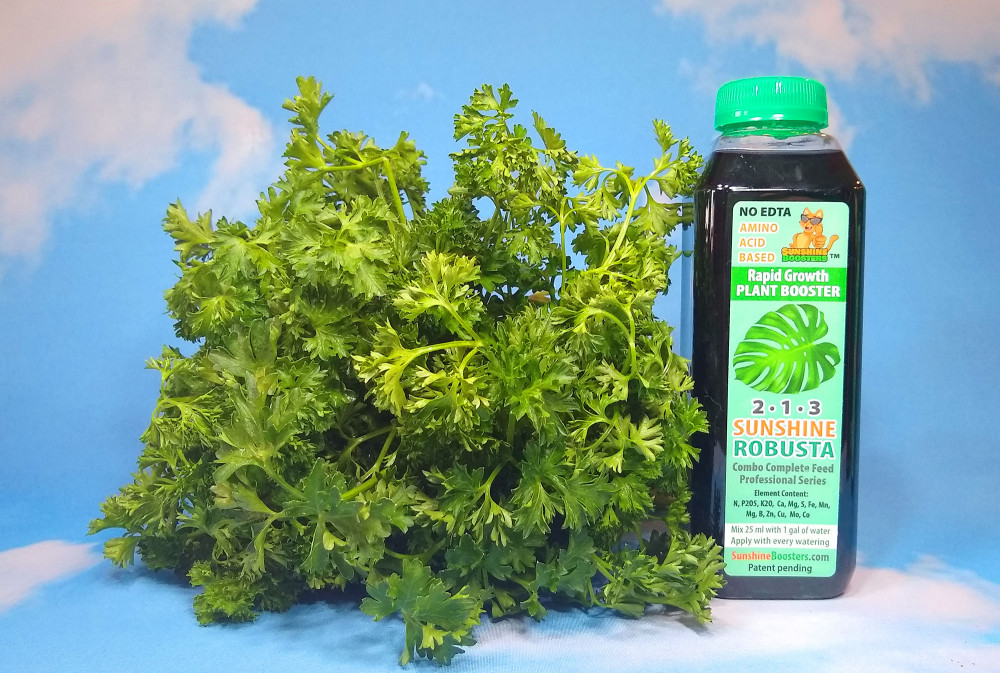
liquid fertilizer. The one I will be using this year is SUNSHINE Robusta. SUNSHINE Robusta is an organic amino acid based
liquid fertilizer that is safe to use with every watering. It uses amino acids to
chelate (bind) micro-nutrients and makes it easier for plants to take them up
from the soil. Most fertilizers use EDTA to chelate their micro-nutrients
and plants must use about 4 times more energy to break them down than they do
with SUNSHINE Boosters. This means that your plants will have more energy to
put into growth. And isn't that what we are after?
With Special Seasonal price for 16 oz bottle reduced to only $19 with FREE
shipping, this is your best choice of organic, safe fertilizer for your
vegetable garden!..