Garden Blog - Top Tropicals

Date: 31 Oct 2023

How to establish Tabernaemontana
and get more fragrant blooms
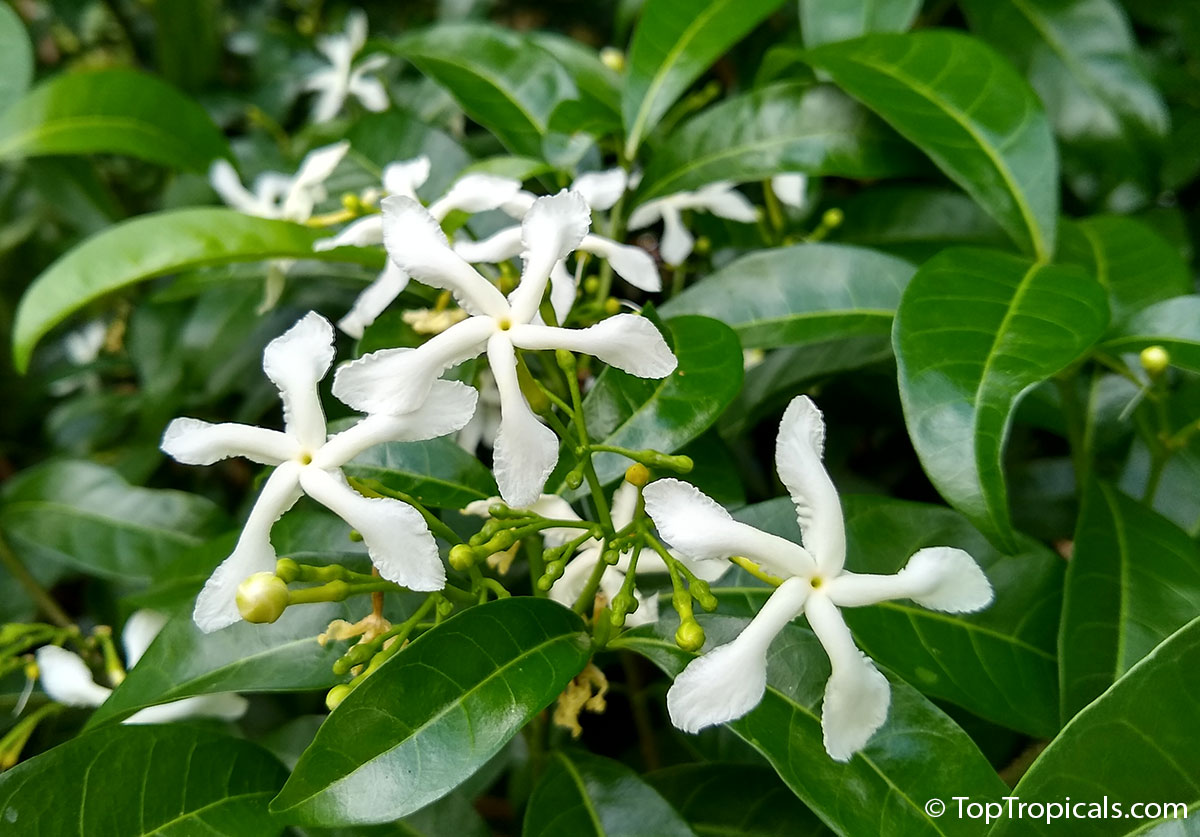
abernaemontana  australis  flowers

Q: I purchased Tabernaemontana australis from you back in June of this year and it recovered just fine, but the new growth got some chlorosis.   Older leaves still look normal.   The flowers also look normal but lack fragrance.   Since I live up north, I have it in a heated greenhouse for the winter, with a grow light to compensate for the short days.   I have it in a 10 inch clay pot in a mix of equal parts standard indoor potting soil, peat moss, and perlite.   It gets fed with half strength 10-10-10 about once a month on average.  Is there some specific culture that you would recommend for this plant ? I really love it and want it to thrive.

A: Tabernaemontana is a plant that may take some time to establish itself, and leaf chlorosis often becomes a common issue when the root system is not well-established. This symptom is indicative of Iron deficiency, and possibly other micro-element deficiencies, such as Boron or Molybdenum, which become more apparent when the plant receives excessive water. This problem tends to intensify as temperatures drop, particularly when a combination of cool and wet conditions prevails. It's worth noting that your potting mix seems to be appropriate for this plant.

In light of these circumstances, we recommend the following steps:

1) Reduce watering during the cooler season, especially when daylight hours are shorter. Allow the top layer of the soil to dry before watering again.

2) Consider supplementing with microelements using a product like   Sunshine Superfood. You can apply this as a foliar spray and mix it with your watering can.

3) Maintain your regular fertilizing program throughout the winter months, but ensure that you use only liquid amino-acid fertilizer, such as   Sunshine Megaflor. Follow the instructions on the label for the correct dosage and apply it with each watering, even during the winter. Since you will be reducing amount of water, the amount of fertilizer also will be adjusted accordingly.
Important: do not use any dry fertilizers during winter months (Nov-March).

Regarding the fragrance of the flowers, they typically emit a mild, sweet scent, although it may not be as potent as that of gardenia or jasmine. The strongest aroma usually becomes more prominent during warm (but not excessively hot) and humid conditions, particularly in the morning hours. As the plant grows larger and healthier, the fragrance should become more intense because the flowers produce more essential oil when the plant is robust. You may also apply Sunshine Honey supplement to improve flower quality and fragrance strength.
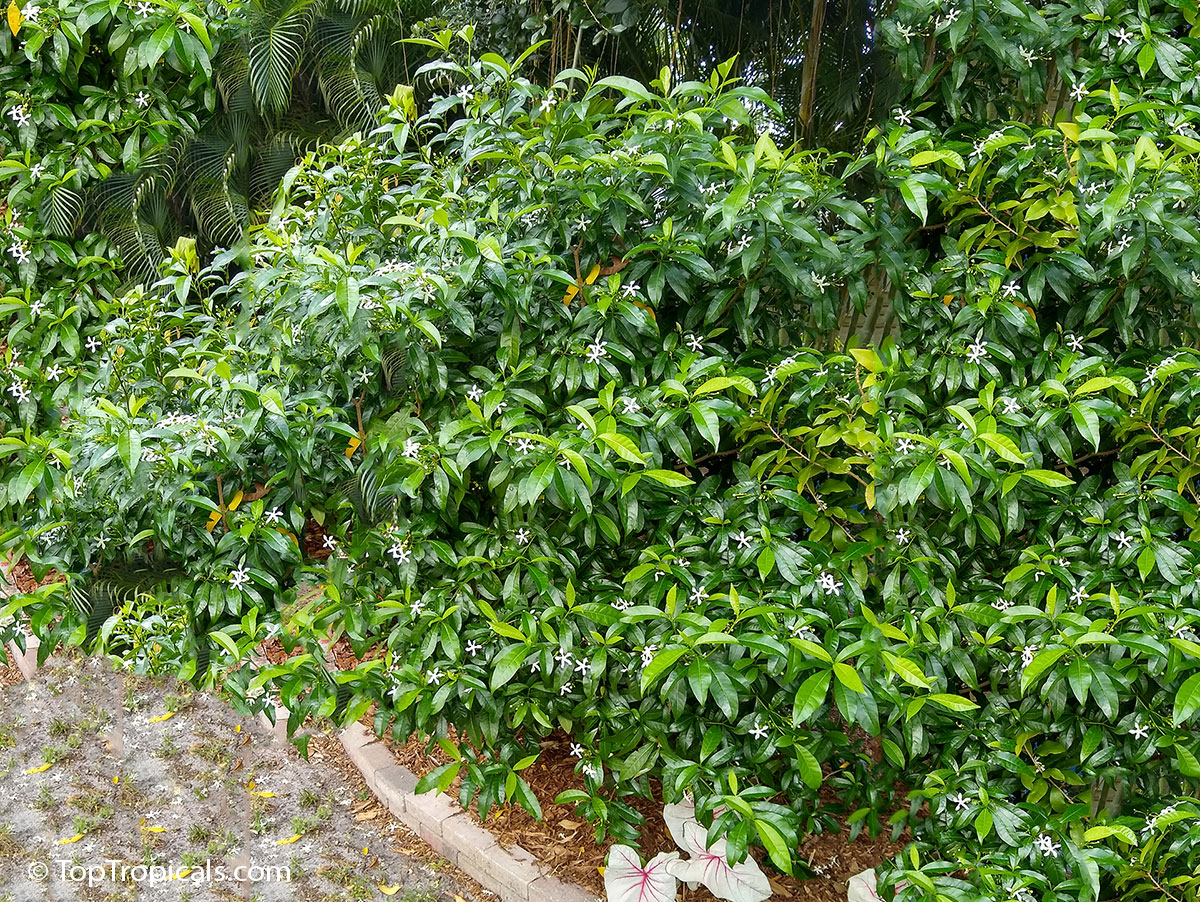
abernaemontana  australis  bush

Date: 4 Jul 2019

Super RARE: the Honduran Moon-Torch Cactus

by Mark Hooten, the Garden Doc

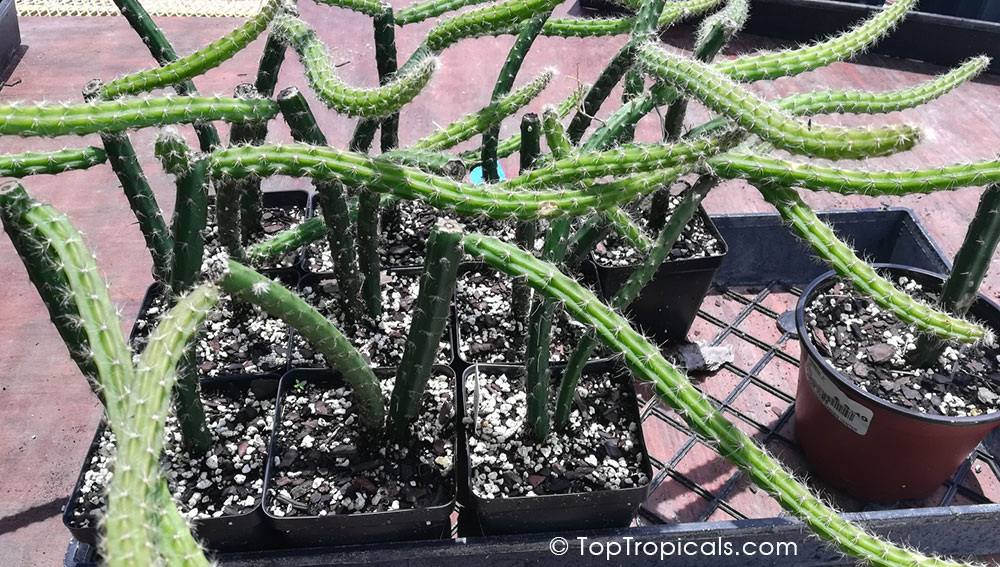
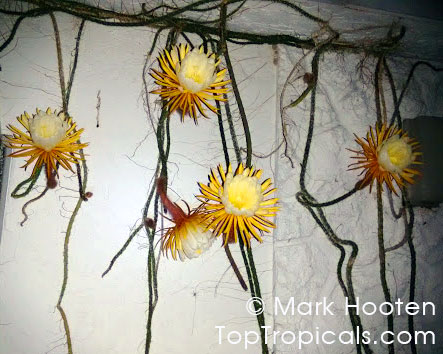
The most wonderful, easily growing, giant flowering, fragrant, and floriferous species of Selenicereus I have grown is an almost unknown species called Selenicerius hondurensis.  While its climbing stems are rarely thicker than a Sharpie marker, it's flowers measure 12 to 14 inches across (!), open as the sun is setting, and produce a most incredible fragrance... very rich and spreading thru the area. It smells like a combination of both white chocolate and vanilla. S. hondurensis also develops the most richly colored flowers of the Selenicerei, the outermost petals being a glowing orangey-gold. It's very stunning and provocative!  It flowers magnificently, several times during the summer... Continue reading...

Recommended fertilizers:

Tropical Greenhouse Plus - Plant Booster
Tropical Allure - Smart-Release Booster

Picture of the actual plants for sale:

Date: 18 Oct 2016

Checklist - preparing for winter in subtropical areas.
Watering. Start reducing the amount you water your plants in early fall, once the temperature drops below 65 °F. Avoid watering your plants during cool nights, as this may cause serious root rot.
Mulch. When a plant is protected by a thick layer of mulch, the root system stays healthy.
No Pruning. Avoid pruning, trimming, or pinching branch tips altogether during the fall and winter which encourages new shoots that are soft, tender, and very cold sensitive.
No Fertilizer. Avoid fertilizers during the winter. The main reason being the same as above for pruning: fertilizing promotes growth of the upper plant parts which should be avoided during the winter months.

Time to clean your yard!
In the South. It's getting cooler in subtropical areas, and garden work becomes even more enjoyable. Your garden now is in the most perfect shape after summer vigorous growth. It is the best time now to run the last trim before winter, as well as last fertilizer application. Clean up your yard without sweating off, add mulch to help plants to survive through possible winter chills. Don't forget to start reducing watering! Remember once temperatures drop below 65F, tropical plants slow down or stop growing and go into winter dormancy sleep.

Up North. When temperatures drop below 45 °F, start bringing sensitive plants indoors or into protected areas. Prepare/cover greenhouse, check availability of covers (sheets, plastic) and condition of heaters. Plants indoors will experience environment change, may drop leaves, and need different care than out in the sun. Reduce watering, check for insects once a week, and stop fertilizing until spring. Remember to pick the brightest spots for overwintering your tropical plants!

Enjoy cooler weather, fresh air, and thank yourself for a wonderful work you have done in your yard!

Date: 20 Jan 2024

Sunshine Boosters PRO - for Professionals

Vegetables  and  greens

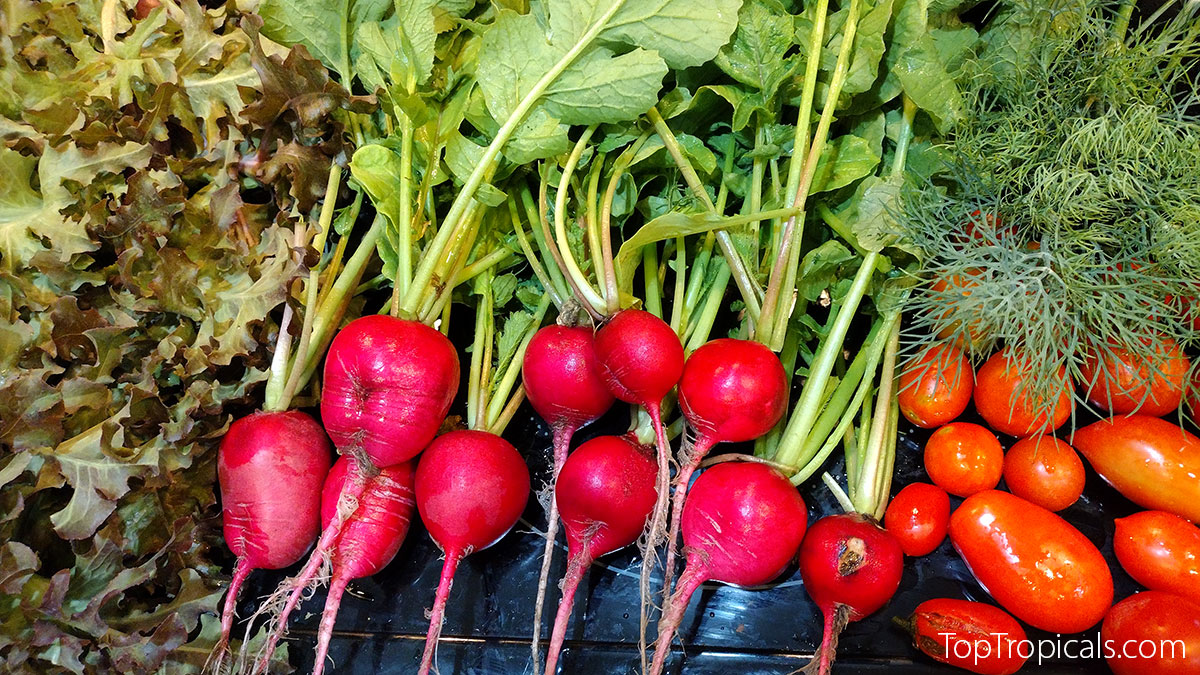
Q: Winter marks the vegetable season in Florida, and my half-acre vegetable garden in Highlands County thrives during this time. I cultivate a variety of produce, including tomatoes, cucumbers, onions, beets, various lettuces, radishes, and beans. Despite the sandy and poor soils, I manage a bountiful harvest that not only sustains my extended family but also provides for friends throughout the winter. To combat our sandy soil challenges, I heavily rely on fertilizers.

Recently, I came across your Sunshine Boosters products, and the results on my tomatoes were astonishing. They grew twice as fast compared to those on a "manure" bed. What I appreciate most about your product is its natural composition, allowing me to use it on edibles. The convenience of easily integrating liquid fertilizer into our irrigation system is a game-changer.

I'm curious if you offer budget-friendly deals on your boosters for larger gardens?

SUNSHINE  PRO  -  Complete  Nutrition  Booster  Kit  Pro,  fertilizer

ON SALE TODAY

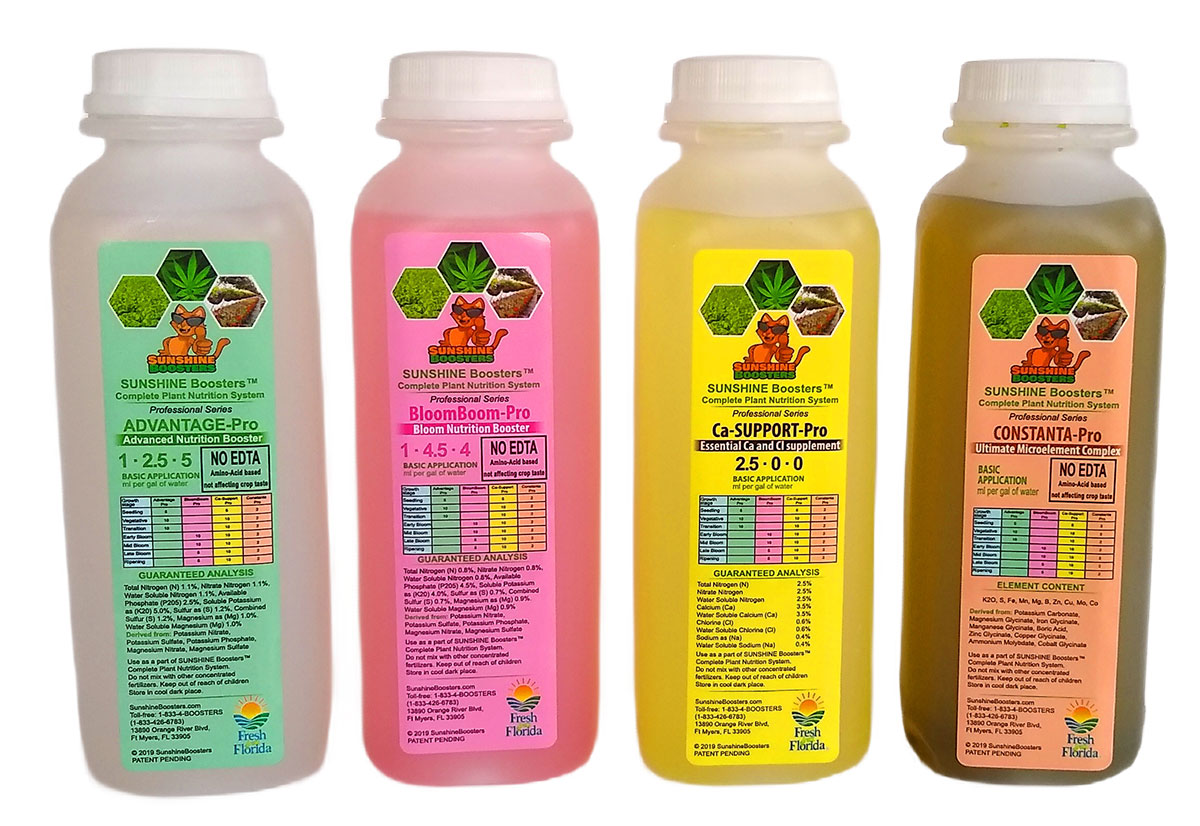
A: Absolutely! We have just the solution you're looking for - our Professional Series of Sunshine Boosters is tailored for avid growers like you. Having catered to the needs of various crops, including tomato and hemp farms, our natural, amino acid-based professional formulas are the most economical choice for any scale of production.

Our professional series covers everything, from small backyard gardens to extensive greenhouses. The feeding process involves just three solutions mixed with water in your fertilizer tank: NPK (Advantage or BloomBoom, depending on the growth stage), Ca-Support (Calcium supplement), and Microelements (Constanta-Pro). This comprehensive nutrient package meets all your garden's needs. (See advanced info about Sunshine PRO products.)

Explore our professional solutions at the Top Tropicals Online Store. For larger quantities, you can directly order from the SunshineBooster.com professional selection or just contact us for a customized quote.

If you haven't implemented an injector system yet, consider the Robuster - an easy-to-install, care-free automatic system that takes care of all the work for you.

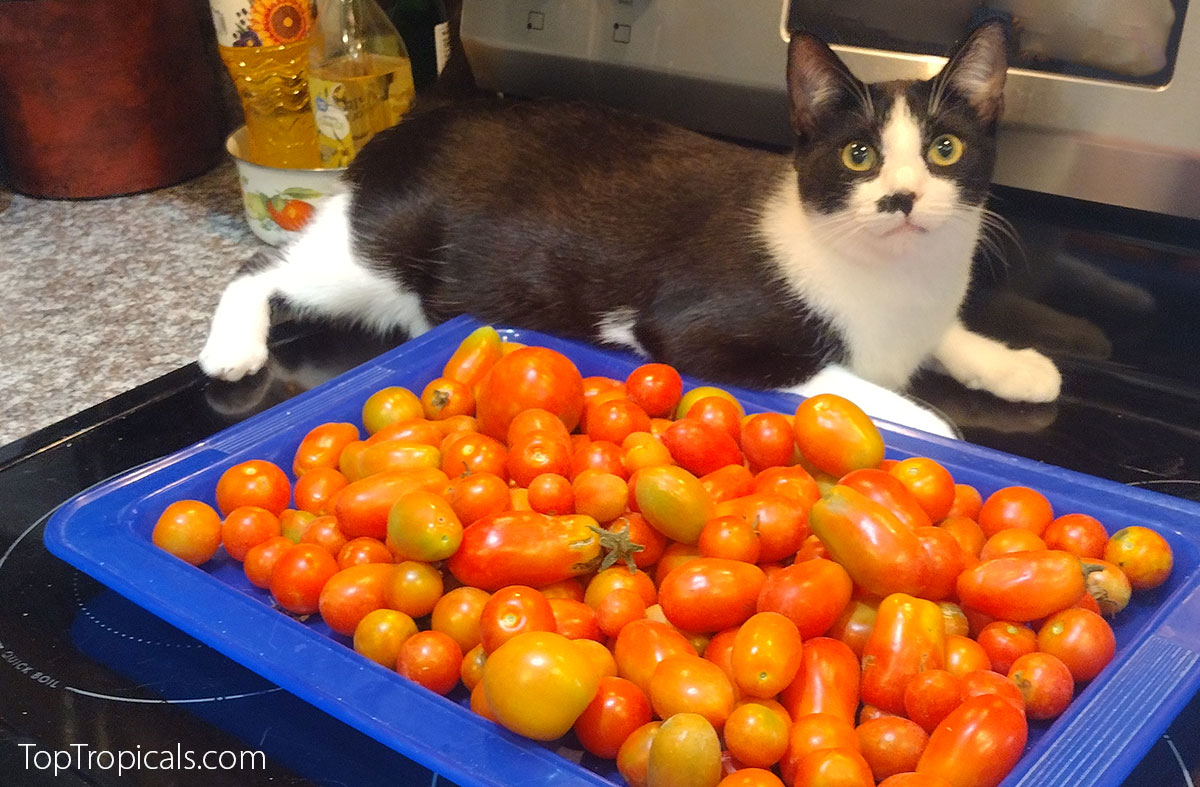
Cat  with  cherry  tomatoes

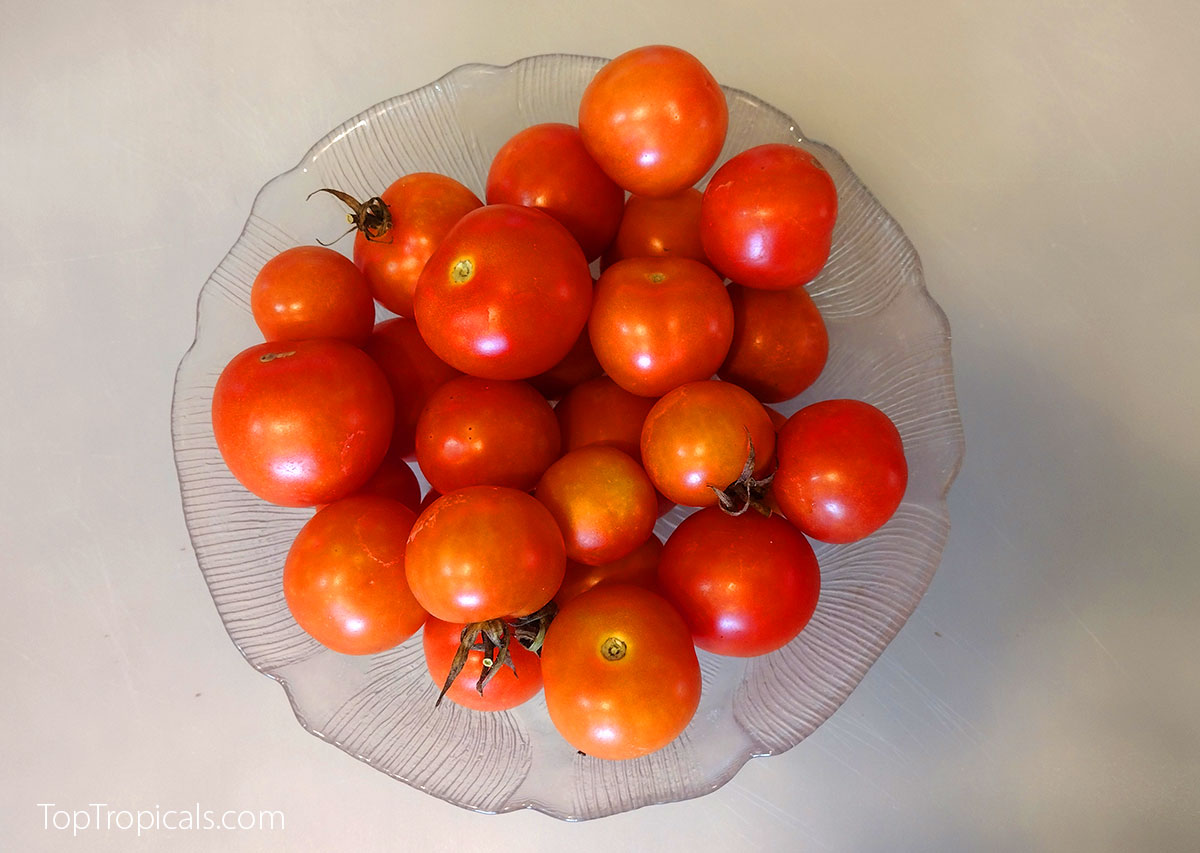
Cherry  tomatoes

Date: 6 Jan 2024

Ten New Year Resolutions:
Diversity in Tropical Garden

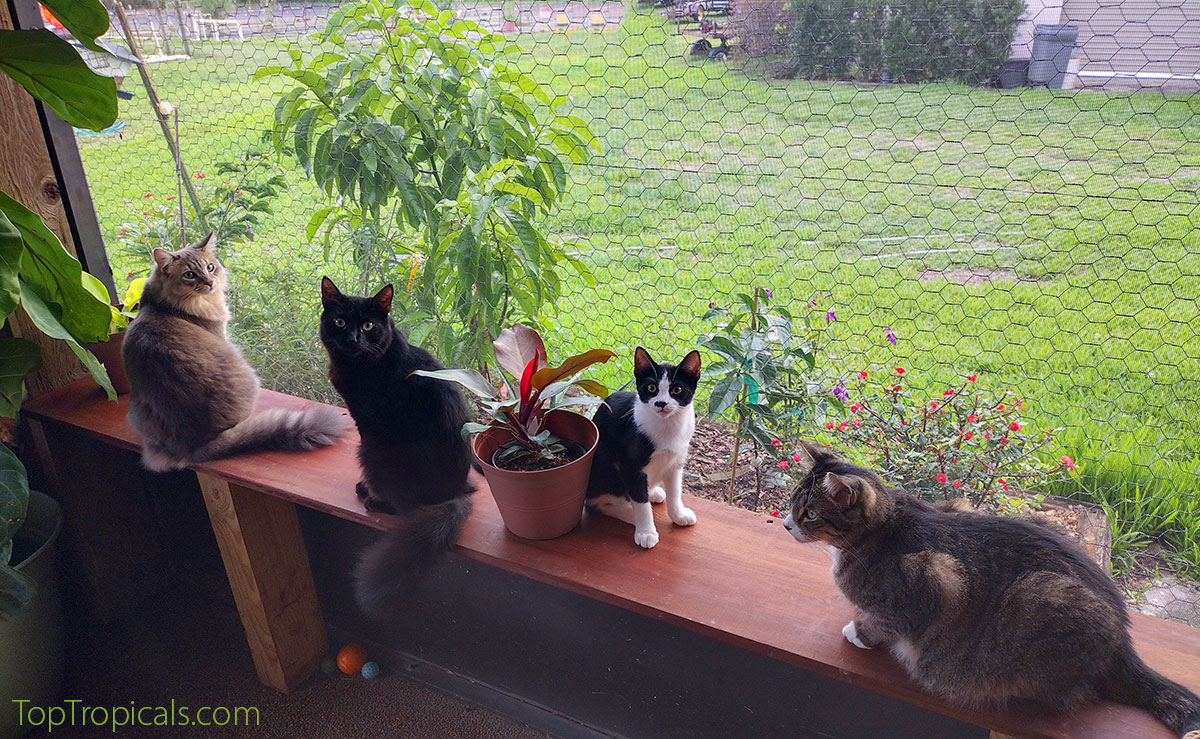
Cat  diversity  in  the  garden

1. Diversity. Grow different plants. Add more types of tropical plants to your garden for a colorful and diverse look.

2. Save Water. Use water wisely by installing drip systems, collecting rainwater, and using mulch to keep the soil moist.

3. Improve Soil. Make your soil healthier by adding compost or manure regularly. Healthy soil promotes robust plant growth and enhances overall garden resilience.

4. Deal with Pests Smartly. Keep pests in check with a plan - use natural solutions and check your plants often. Preventing program is easier than dealing with infestations.

5. Right Fertilizing. Feed your plants with Eco-frintdly fertilizer such as Sunshine Boosters (safe to use year around). If you use slow-release fertilizers - apply in right amounts, from March to November.

6. Trim Regularly. Keep your garden tidy and healthy by pruning and removing dead or sick parts of the plants.

7. Companion Planting. Explore which plants work well together to enhance nutrient uptake, fight pests and provide shade for those species that need it.

8. Right Climate and Zone Pushing. Pick plants that love your climate, considering sunlight, temperature, and humidity. For more sensitive tropical plants, work on a plan for cold protection: grow them in pots or set up temporary covers.

9. Teach Others. Share your gardening knowledge with the community. Propagate your plants from seeds, cuttings, divisions - and share them with friends and neighbors. Remember: live plant is the best gift, and love is sharing!

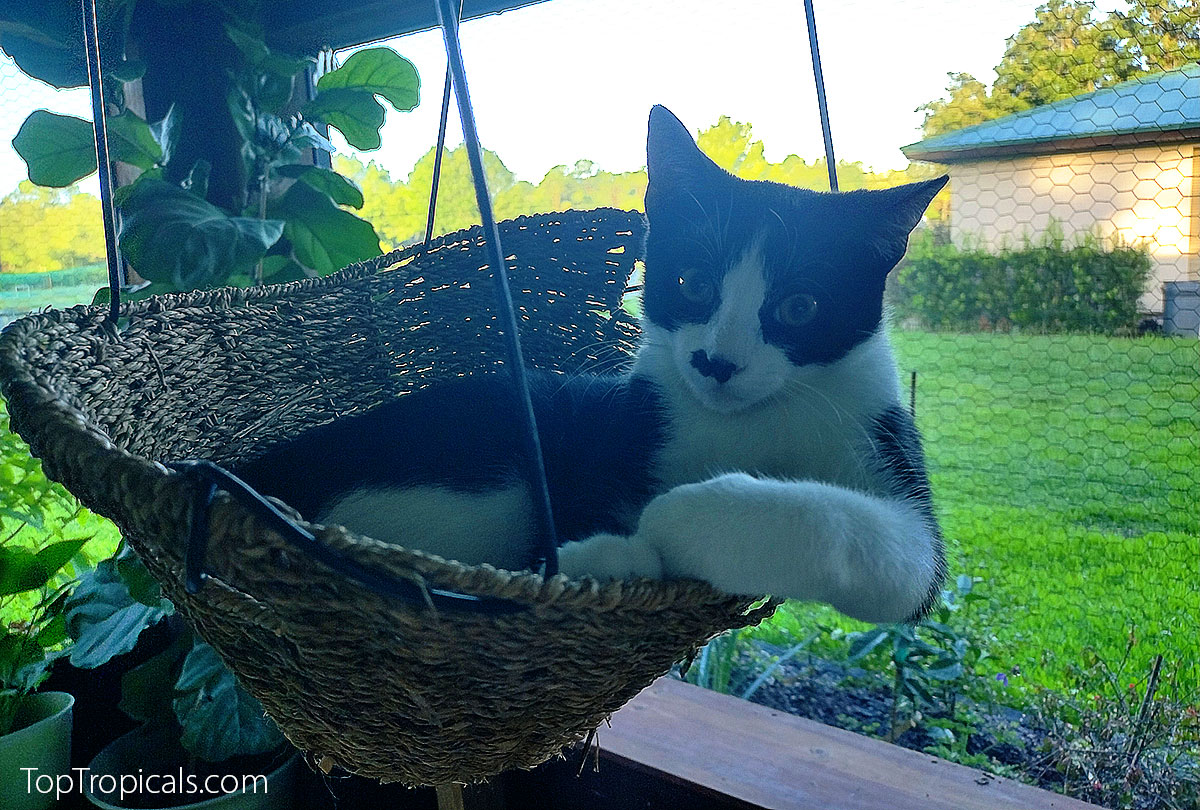
10. Make a Relaxation Spot. Create a cozy corner in your garden with comfy seating or hammock, shade, and maybe a water feature for a peaceful retreat.

Cat  in  hammock