Garden Blog - Top Tropicals

Date: 12 Jul 2020

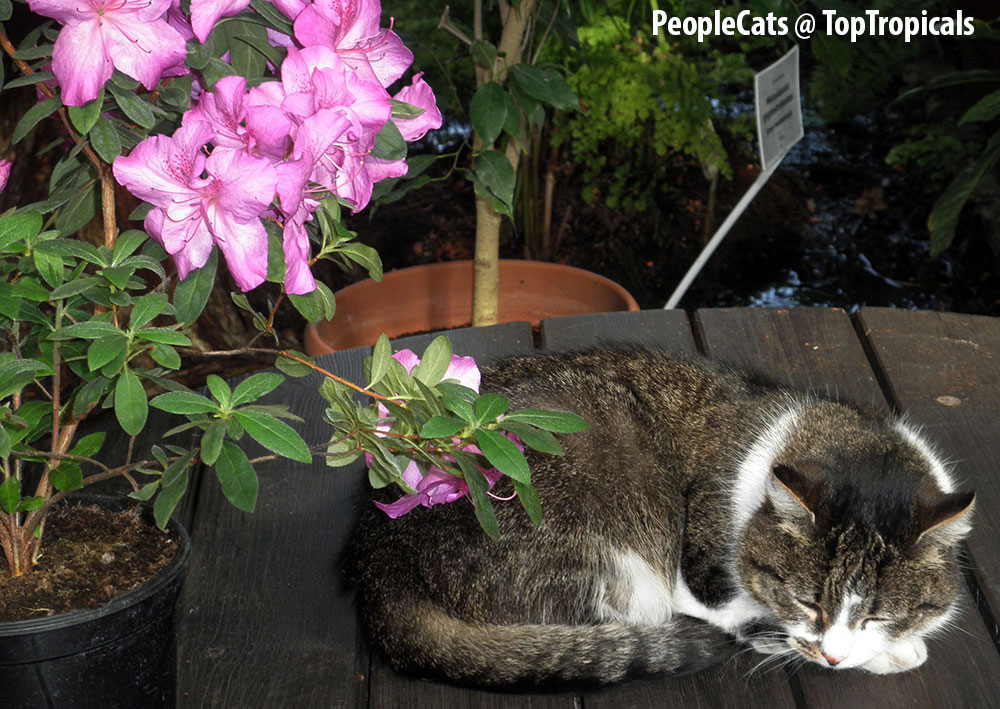
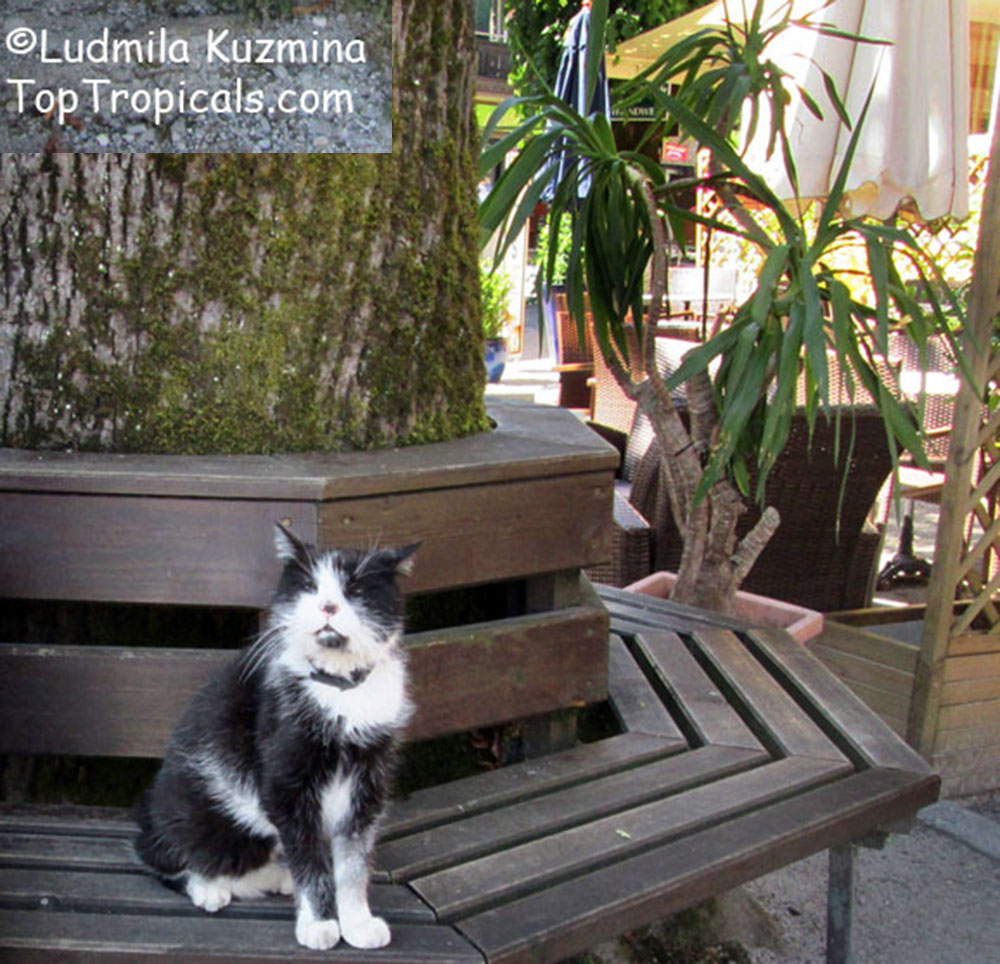
PeopleCats of the World. Cat of The Day: Sir Nicolas from Sankt Gilgen
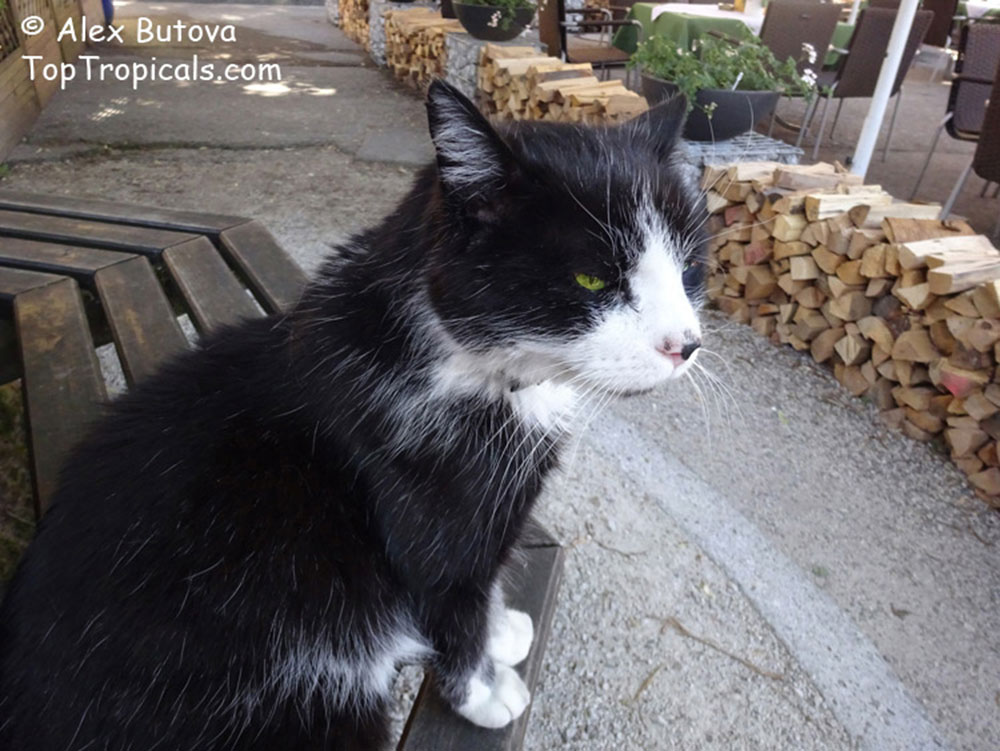
We continue inviting PeopleCats of the World to our Blog. Today's story is about very Important Purrrson, director of a Hotel - Sir Nicolas, a Royal Tuxedo Cat.
Sir Nicolas in managing Kendler Hotel located in Sankt Gilgen, Austria. He was interviewed by our columnist and editor Alex Butova - a big time traveler whose first writer's priorities during every trip are - botanical gardens and cats.
Sir Nicolas's lakefront Kendler Hotel located by the beautiful mountain Zwolferhorn. Accoring to what Sir Nicolas told Alex, besides beauties of the Alps, his city is famous with the fact that Mozart's mother was born here. But the most important feature that Sir Nicolas appreciates here is a small butcher's shop which is actually a part of the hotel's property. Sir Nicolas and Alex spent good hour chatting about life, people, and nature. He showed her his business card - a leather collar with his full name, job position (hotel manager), address, and a phone number. He added (off the record) that he also owns (as a silent partner) the Guest House, the Club Restaurant, the Brewery, and - most definitely - the Butcher's shop. He says hi to TopTropicals cats and all the cat-and-plant lovers!
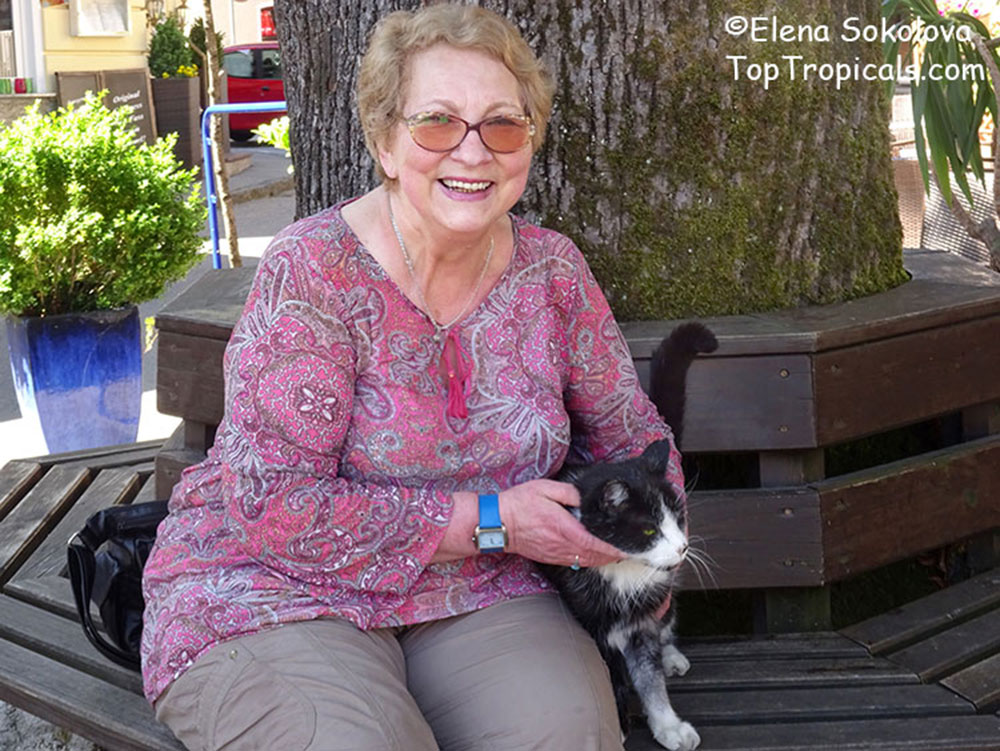
In the photo: Sir Nicolas and Alex

TopTropicals PeopleCat Club and Zoo

Thank you for supporting us in helping PeopleCat Community!
Make your kind donation today and receive a surprise gift from us! Every little bit helps. Thank you and God bless you and your pets!
Date: 10 Jun 2020

Meet PeopleCats of TopTropicals. Cat of the day: Ditta - the Botanical Cat

Ditta lives in Botanical Garden of Riga, Latvia. Our columnist Alex Butova has been writing about that garden a lot and posted numerous plant photos in our Catalog; now it is time to introduce its PeopleCats!
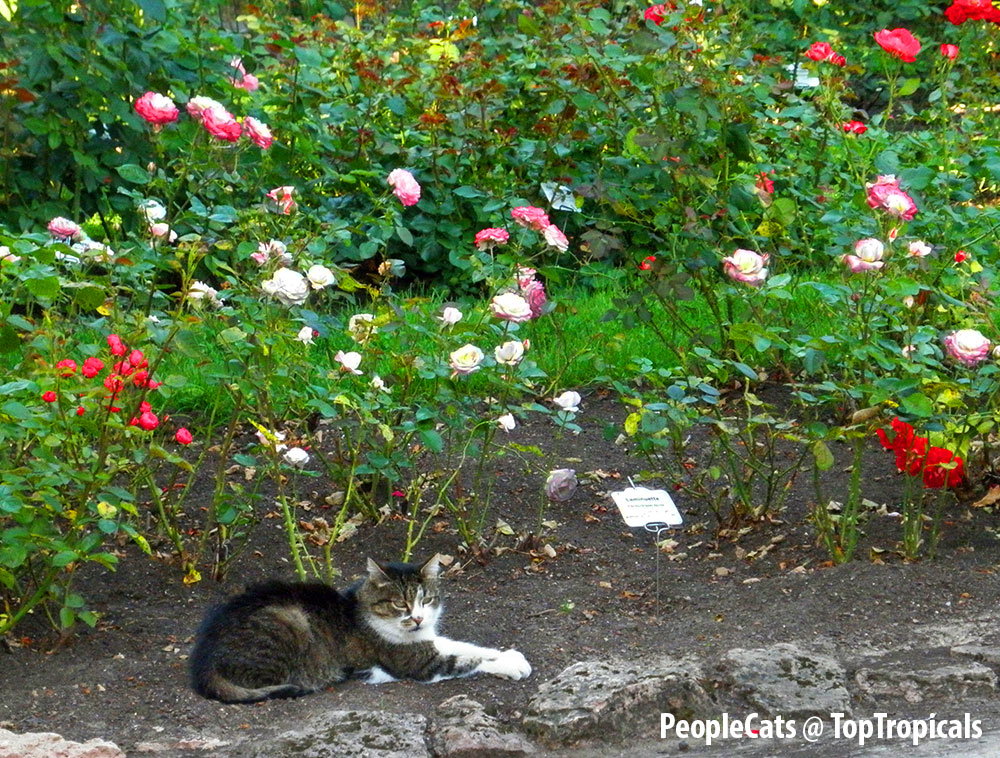
Ditta is the Boss of Riga Botanical Garden. She owns the security room and watches her premises. Ditta is in charge of all events and exhibits of the Garden, and her favorite spot is the Rose Garden.

TopTropicals PeopleCat Club and Zoo

Thank you for supporting us in helping PeopleCat Community!
Make your kind donation today and receive a surprise gift from us! Every little bit helps. Thank you and God bless you and your pets!

Date: 26 Mar 2020

Nature's farmacy: Coronavirus cure discovery? Cinchona - Fever Tree

by Alex Butova

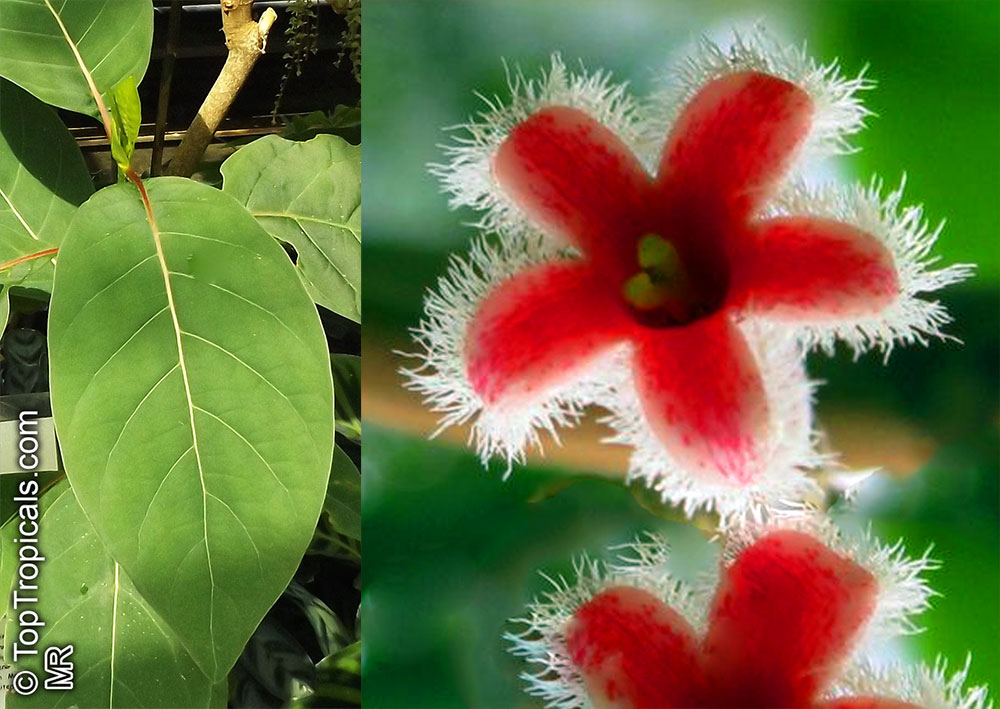
As the world's health experts race to find a cure for the novel coronavirus, this drug have jumped to their attention - Chloroquine. It contains alkaloid Quinine, extracted from the bark of the Cinchona, or Fever Tree.
We receive many questions from our customers if we carry this plant. Although we do not offer it at the moment, we definitely can tell you more about this interesting medicinal plant!

If you like gin and tonic, you will be familiar with the bitter taste of the tonic which is provided by quinine. While it is now mainly used to add a flavor to our favorite tipple, the Cinchona tree bark once held a place as one of the most important drugs in history.
Cinchona was discovered in the 1630s as a treatment for malaria and, for 350 years, was the only effective cure known in Europe until synthetic replacements were developed in the 1940s. Malaria remains today one of the deadliest diseases known throughout the tropics, but up until the 20th century the disease was prevalent throughout Europe, including Britain.

The Cinchona tree is native to the Eastern slopes of the Andes with a range across Ecuador, Peru and Bolivia. Once the bark became an established medicine, particularly in the 18th and 19th centuries, demand started to outstrip supply. Threats of overharvesting and the desire to control the source of this precious bark drove various competing empires to source this plant for themselves. Understandably, the Spanish, who were in control of this area of South America, actively tried to prevent this, but failed to establish successful plantations themselves. A race to source and cultivate Cinchona ensued, and eventually both the Dutch, in Indonesia, and the British, in India, founded government controlled plantations for the mass production of quinine.

Chloroquine appears to have "broad-spectrum antiviral properties" and effects on immune response, and to be effective against severe acute respiratory syndrome... As the rest of the world, we are looking forward to the research results and hope the cure will be found soon!

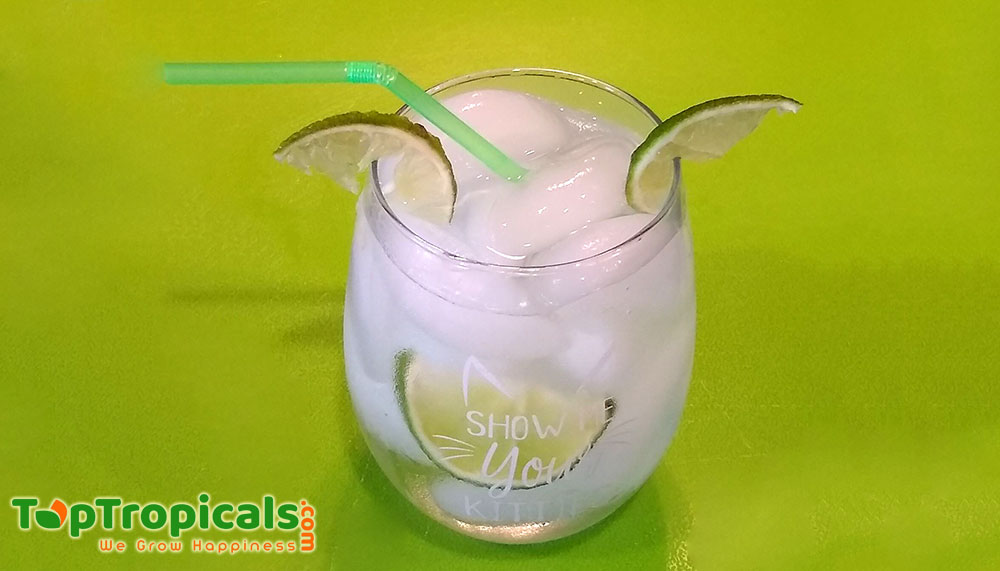
In the meantime, let's just have more Gin-n-Tonic!

Date: 3 Mar 2020

Tu BiShvat - New Year for Trees

By Alex Butova

Tu BiShvat is the Israeli Arbor Day, and it is often referred to by that name in international media. Ecological organizations have adopted the holiday to further environmental-awareness programs. The modern practices and interpretations of Tu BiShvat often revolve around the earth and environment. This holiday is a celebration of nature and appreciation for creating the natural world. In Israel, Tu BiShvat is celebrated as an agricultural holiday. The 15th of Tu BiShvat was celebrated this year on February 10, 2020. This day marked the beginning of a new year for trees. This day marks the season in which the earliest-blooming trees emerge from their winter sleep and begin a new fruit-bearing cycle. Often the date of Tu BiShvat is used for determining the age of fruit baring trees and therefore establishes their birth dates. Therefore, Tu BiShvat is the "birthday" of trees!

The traditions and customs of Tu BiShvat vary, however, the most common include planting trees and gathering with family and friends for a meal. It is celebrated by eating fruit, particularly the kinds that praise the bounty of the Holy Land: grapes, figs, pomegranates, almonds, dates, olives and others. It reminds people that "a man is a tree of the field", and reflects on the lessons we can derive from the botanical analogue.

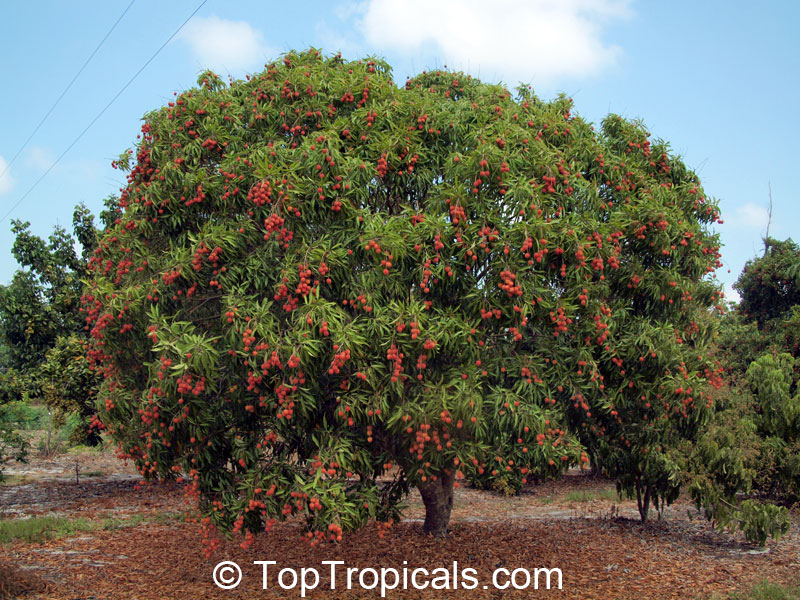
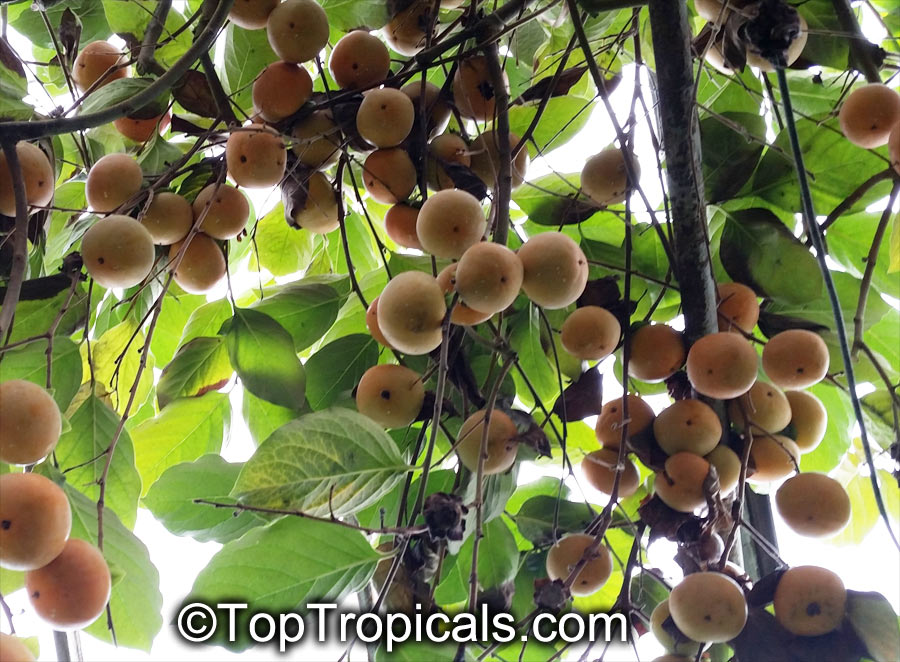
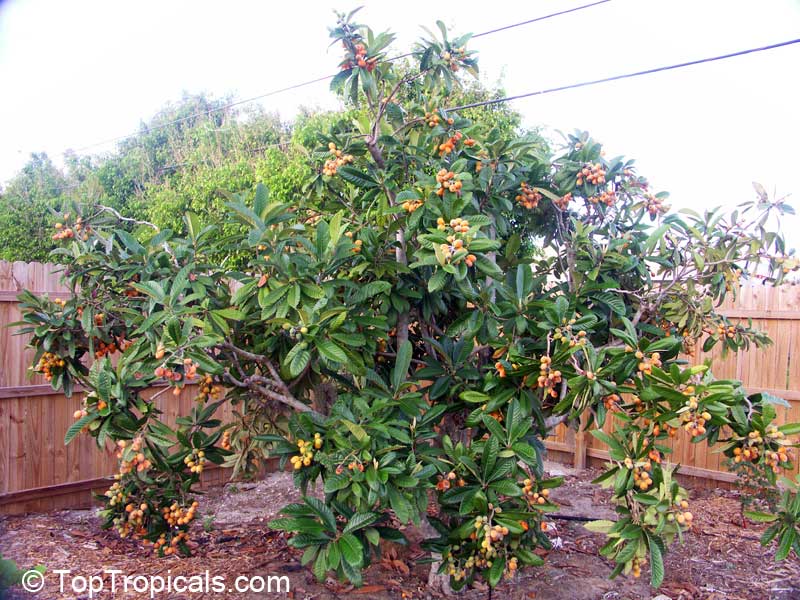
Check out fruit trees and nuts:

Persimmon tree

Loquat tree

Date: 28 Sep 2025

Guava Tree Plant Care

Tips from Top Tropicals Plant Expert - Tatiana Anderson

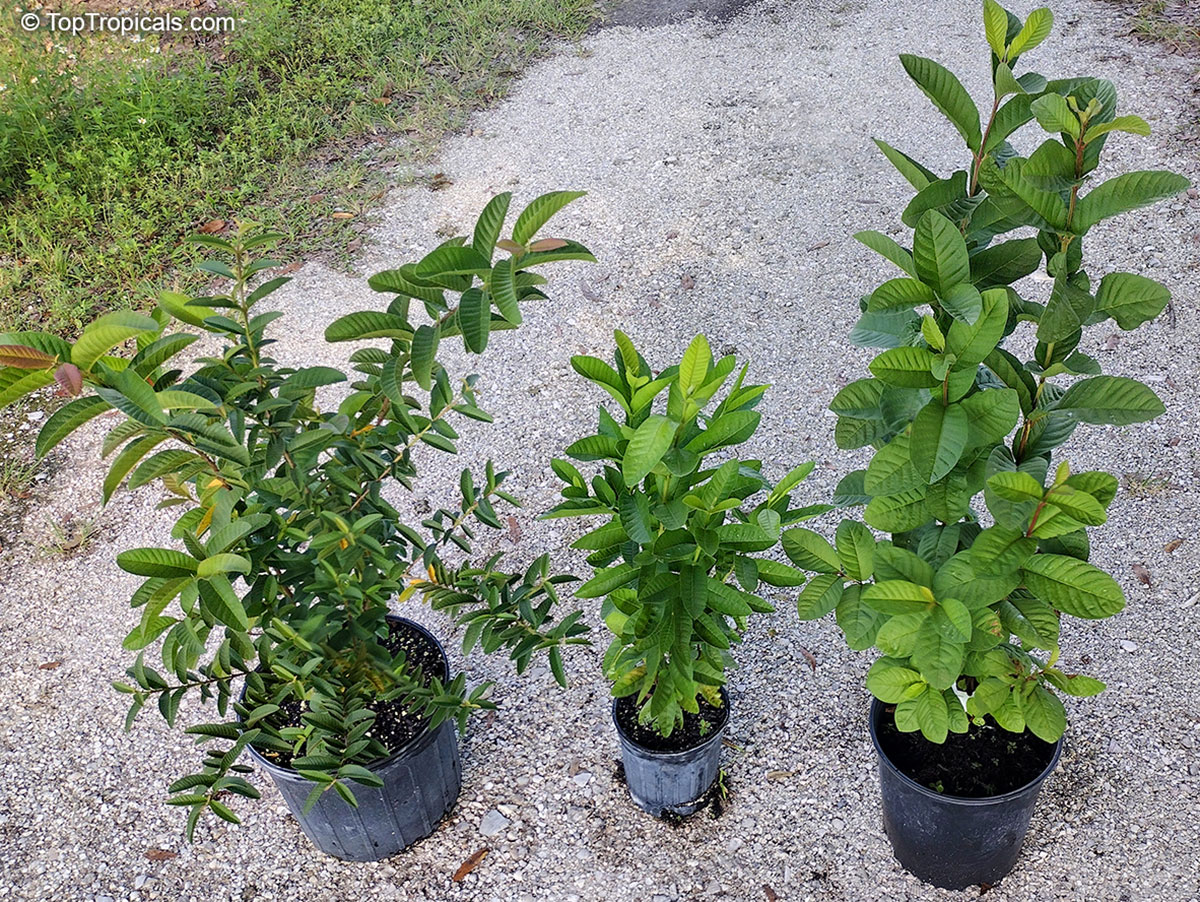
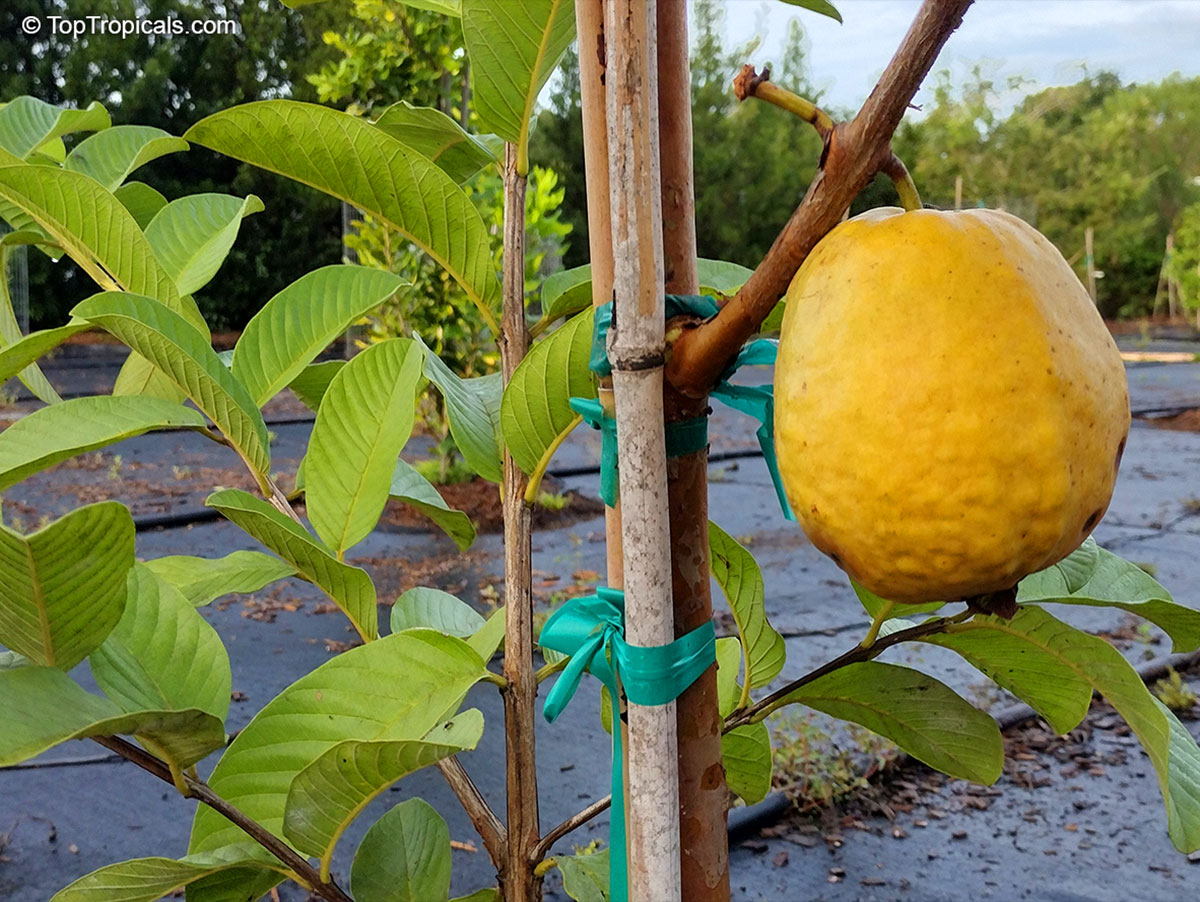
Guava  trees  for  sale  in  3-gallon  nursery  pots,  healthy  young  plants 


with  green 


foliage.

Where to Plant Outdoors

Guavas love full sun — aim for 6–8 hours of direct light. They’re adaptable to many soils but do best in well-drained, organic-enriched mixes. Plant them in a spot where you can water easily; guavas are thirsty trees during fruiting.

Container & Indoor Growing

Don’t have space or live in a cooler climate? Guavas thrive in large pots. Use well-drained potting mix. LINK TO OUR SOIL Keep them on a sunny patio during warm months and bring them indoors when nights dip below freezing. Compact varieties like Dwarf Hawaiian Rainbow or Tikal are especially good for pots.

Winter Care

Mature guavas can handle a light frost (down into the high 20s F), but young plants need protection. If planted outdoors, cover them with frost cloth on cold nights. Container guavas can be wheeled into a garage, greenhouse, or bright indoor window until the weather warms.

Watering and Fertilizing

Water deeply once or twice a week, more often in hot weather or when fruit is developing. They don’t like soggy soil, but they won’t complain about short floods either. Fertilize 3–4 times a year during the growing season with a balanced fruit tree fertilizer. Guavas especially love potassium and phosphorus for strong flowering and heavy crops. We recommend liquid crop booster Sunshine C-Cibus and balanced controlled release fertilizer Green Magic.

Pruning

Prune after fruiting to keep them compact and open up airflow. Remove crossing or dead branches. In containers, trim back vigorous shoots regularly to manage size and encourage more fruiting wood.

Pests and Problems

Guavas are generally tough and pest-resistant. The main thing to watch for in humid or rainy climates is mealybugs - those cottony white clusters on leaves or stems. They're easy to manage with neem oil or a quick spray of horticultural soap.

Fruit time

Guavas fruit young - often within a year or two.

Pollination

Guavas are self-pollinating, so you'll get fruit even with a single tree. Planting more than one tree, however, often boosts harvests and gives you a longer fruiting season.

If you've ever wanted instant gratification from a fruit tree, guava is it.

Ruby  Supreme  Guava  tree  with  a  large  ripe  yellow  fruit,  variety  known 


for  sweet  pink  flesh  and  reliable 


harvests.

🍴 Guava Recipes

With all that fruit, the next question is always: "What do I do with it?" Here are our favorites:

  • Cas Guava: Make Agua de Cas

    Boil halved Cas Guava fruits with sugar, simmer, strain, and bottle. Dilute with water when serving. The concentrate keeps for months in the fridge.
    Check out the recipe.

  • Hawaiian Gold: Make Drinks

    Perfect for Mojitos or Margaritas. Sweet, tangy juice pairs beautifully with lime and mint. Learn more

  • Araca Pera: Guava Wine

    Famous in Brazil, where the fruit is turned into a vibrant rosу wine. Locals say it’s the taste of summer in a glass — and yes, you can make it at home too. Learn more...

  • Quick snack: Guava Grilled Cheese

    Spread guava paste or fresh mashed fruit with cheese, grill until golden. Sweet and savory heaven. Learn more...

  • Simple Guava Juice

    Blend ripe guavas with water, ice, and a little sugar if you like. Instant refreshment.

✅Ready to Grow? Whether you want fresh juice, sweet fruit, or even your own guava wine, we’ve got the best varieties in stock right now. Your future self, sipping guava juice on a hot summer afternoon, will thank you.

👉 Order your guava tree today

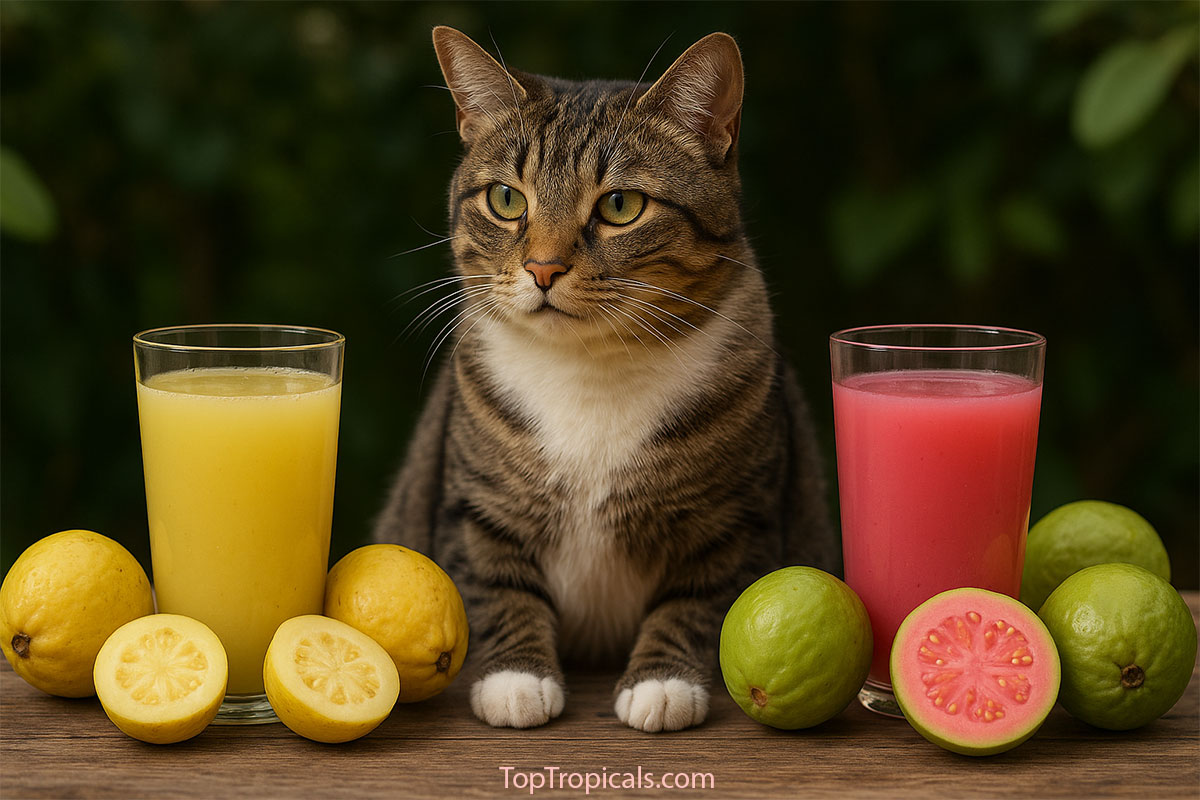
Tabby  cat  sitting  between  a  glass  of  yellow  guava  juice  with  white 


guavas  and  a  glass  of  pink  guava  juice  with  green  guavas  and  cut  pink  guava 


fruit.