Garden Blog - Top Tropicals

Date: 12 Feb 2020

Dombeya seminole - Tropical Rose Hydrangea

by Onika Amell, tropical plant expert

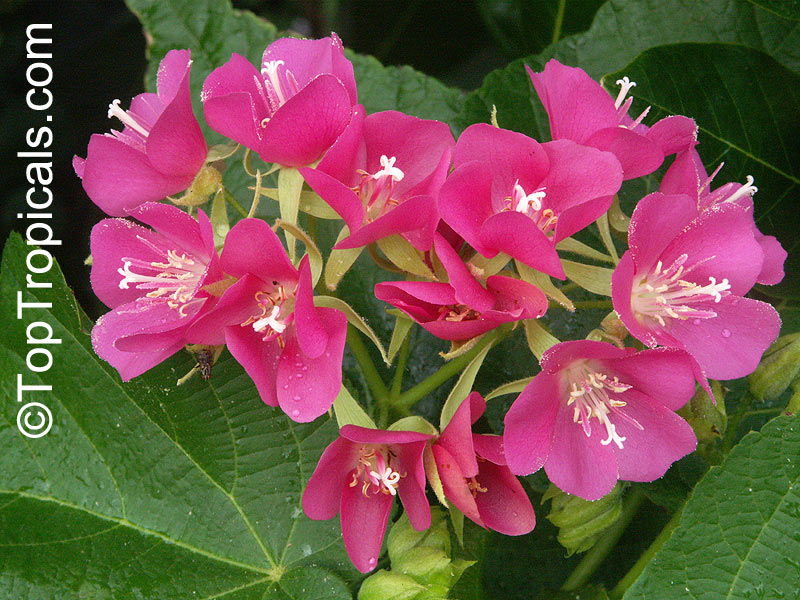
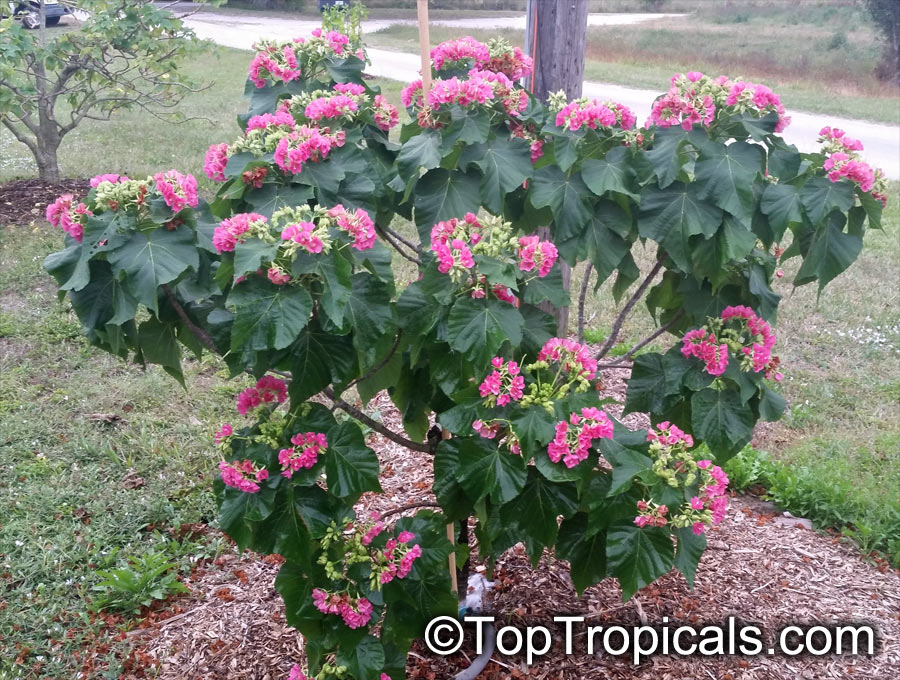
Looking for an unforgettable winter bloomer? Look no further than Dombeya Seminole. This is truly one of the showiest landscape plants. This beautiful shrub or small tree stuns with large clusters of showy, bowl shaped, pink flowers in late fall, winter and spring. It has dense heart shaped leaves. It is also called the tropical hydrangea because the flowers are similar to the hydrangeas we all know and love from up North...

CONTINUE READING >>

Date: 7 Feb 2020

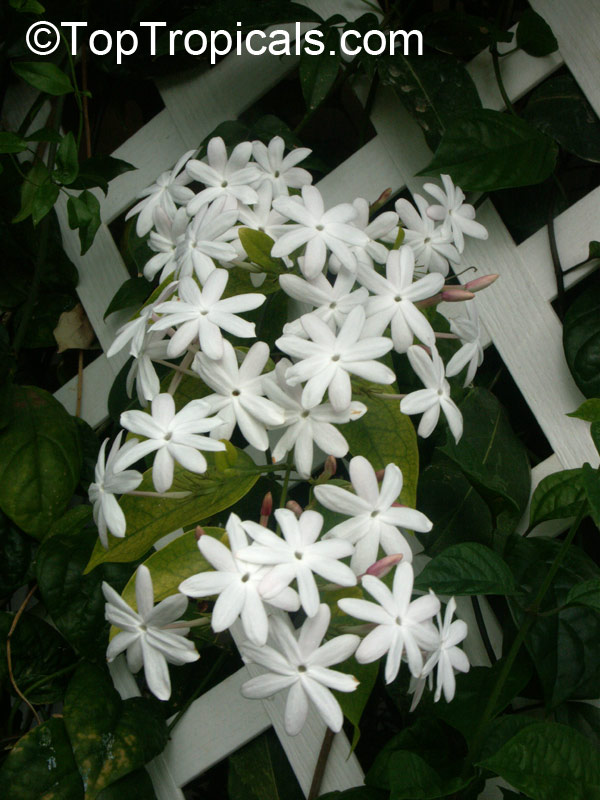
Jasmine Rex - the hero of all jasmines

Q: I was getting ready to place my order and I saw this plant and it's beautiful. I would love to have it. What does it need to thrive? As far as light, temperature, humidity.

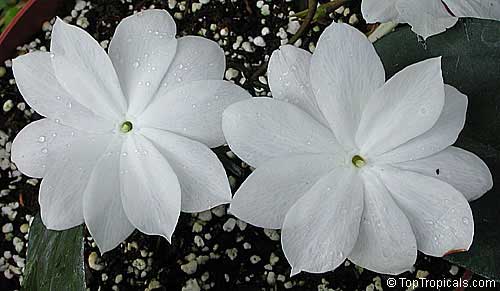
A: Jasminum rex indeed is a very unusual, spectacular jasmine. Unlike other jasmines, this one has almost no fragrance, however the blooms look so amazing that it became one of our favorite plants. Flowers are 2-3 inches across! It blooms profusely, covered with dozens of flowers for many days to a few weeks.
Jasmine Rex is not the easiest jasmine to grow, however it is not difficult either as long as you know its needs. The main critical factor is excellent drainage. It doesn't like soggy soil or wet feet. At the same time it needs regular watering. Full sun is also a must for flowering. Humidity is not a critical factor. Remember it is a tropical plant that needs frost-free environment. It is more cold sensitive than other jasmines although it may survive a few hours of light frost.
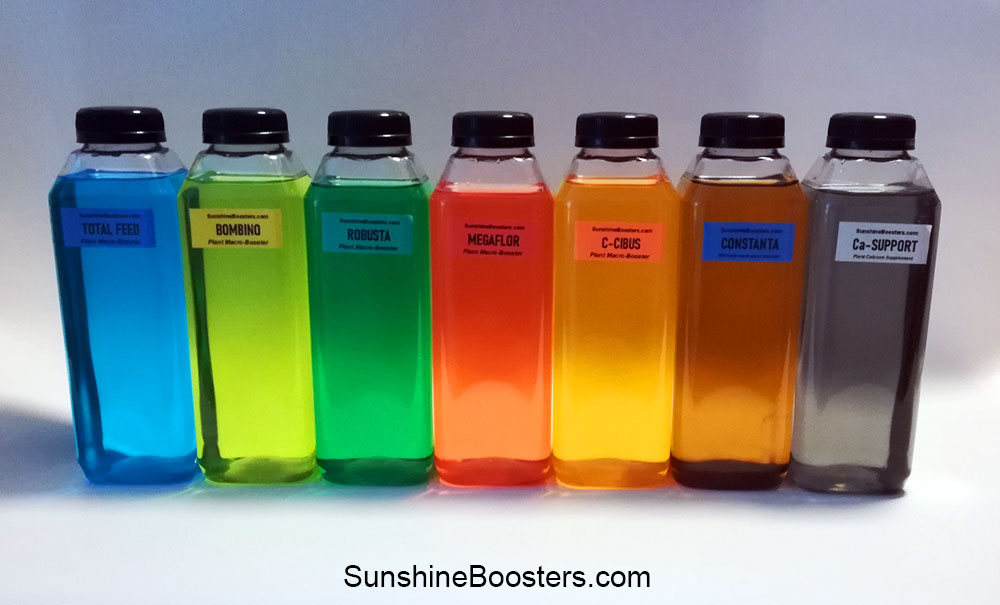
Once established, it grows vigorously. Make sure to apply fertilizer during active growth (when temperatures stay above 65F). We recommend Sunshine nutrition system through the whole year. Additionally, you can apply flowering fertilizer Megaflor during summer.
Make sure to plant it in a sunny spot using very good quality soil, and do not overwater.

Check out all Jasmines

Date: 25 Dec 2019

EASY GROW-BOX

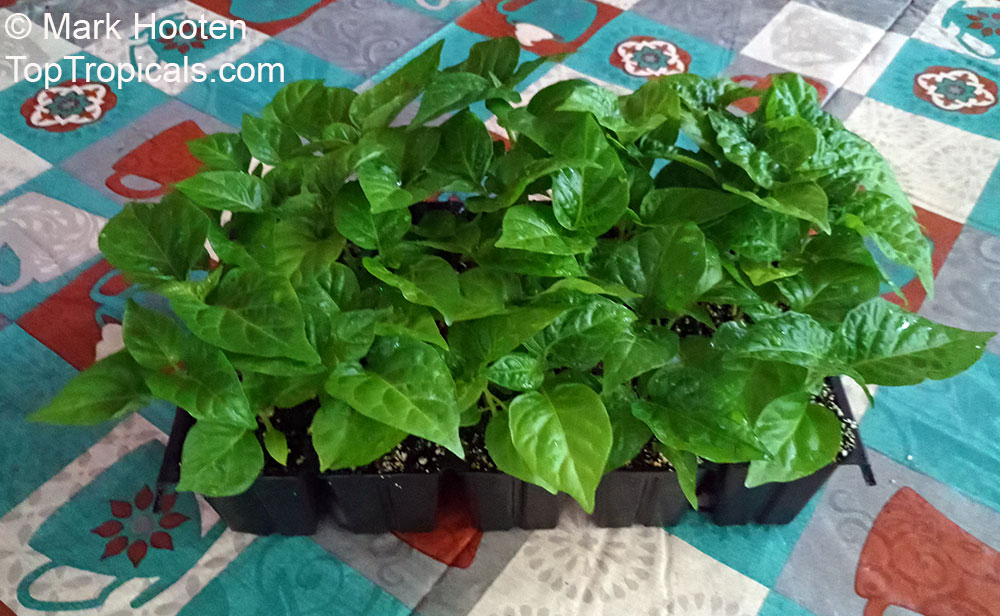
How to quickly germinate tropical seeds in winter

By Mark Hooten, the Garden Doc

Q: I live in the New England area where the winters are very long and dreary. I plant both a veggie and flower garden during the warmer seasons and am especially fond of growing chili-peppers. On account of most chili's longer growing seasons, I need to get already established plants in the ground as soon as the weather is warm enough. My problem is that despite my best attempts to germinate and grow seedlings ahead of time - even in my sunniest window - I just can't seem to keep the soil evenly warm enough to get them to germinate, no matter how warm the room is kept. And on the occasion they do come up, the seedlings always seem to remain weak and stunted, likely owing to the especially low humidity of winter. I also tried using an electric seed-starting heating pad, and the results were only a little better. Are there any tips you could give me?

A: Yes, I understand your issues and can sympathize! While it might be surprising to some, even here in sunny S.W. Florida, there are long stretches of winter weather where the ambient temperatures are simply too cold for germinating many of the more tropical seeds, such as the notoriously warm-weather chili-peppers. Also, I am likewise a fan of chilis, and always have at least a few different kinds growing at any given time. I have two great suggestions...

CONTINUE READING >>

Date: 8 Nov 2019

Trimming Mussaenda bush

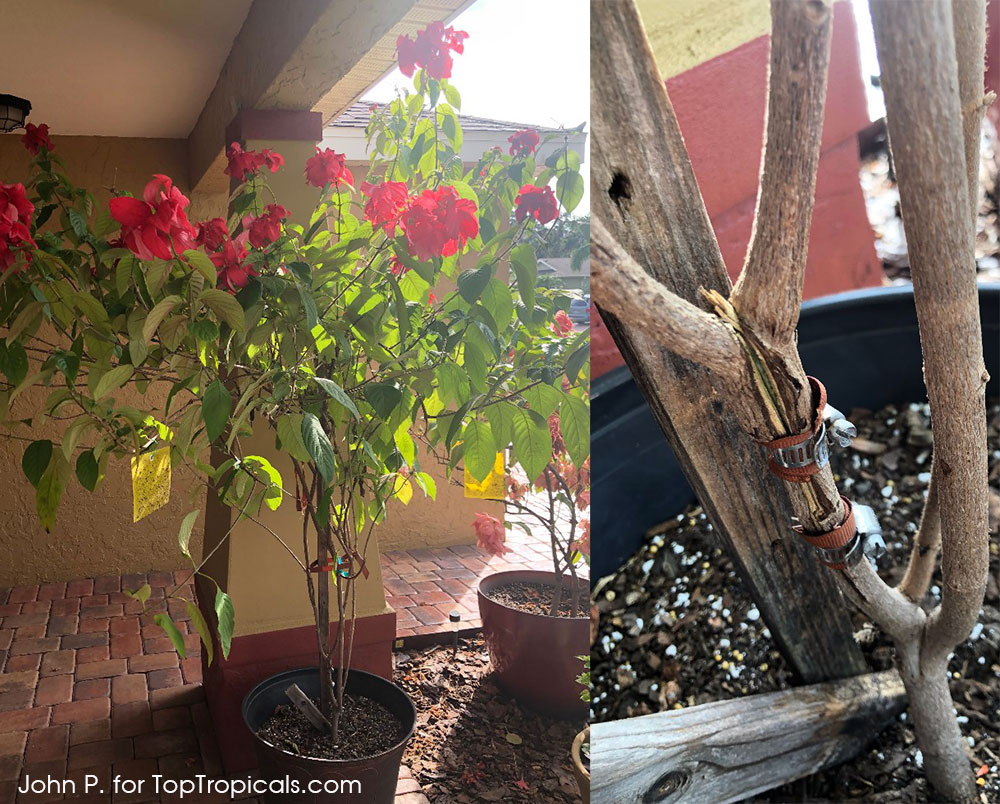
Q: My wife and I bought a Dona Evangelina from you this year. It thriving and has grown to 6-8 ft. It has become top-heavy and in wind, it falls over. Main stems have split twice but still continues to grow. I usually prune Dona Luz back to 3-4 ft and am wondering how much you would advise me to lop off your plant. Any advise will be appreciated.

A: Mussaendas, indeed, have very fragile stems that break often, especially in Florida wind storms. The good news is, these plants grow vigorously once established.
You did a good job trying to tie together the split stems and in fact, cracks do grow back together as long as the dressing is tight. Try to use green tape or even electric tape to tighten the broken spot.
However, do such repairs only if it is critical for a plant. When possible, simply cut off the broken branch and give the plant a chance to grow a new stronger branch. You may trim the bush pretty short. Mussaendas respond well to pruning which promotes more side growth and makes the plant bushier.
Keep in mind that during cold weather, Mussaenda may drop all leaves and go into dormancy until spring.

RECOMMENDED FERTILIZERS:
Pink N Good Daily Plant Food - Flower Booster
Tropical Allure - Smart-Release Booster

Date: 18 Oct 2019

Using SUNSHINE Complete Nutrition System

For hydroponics and potted plants
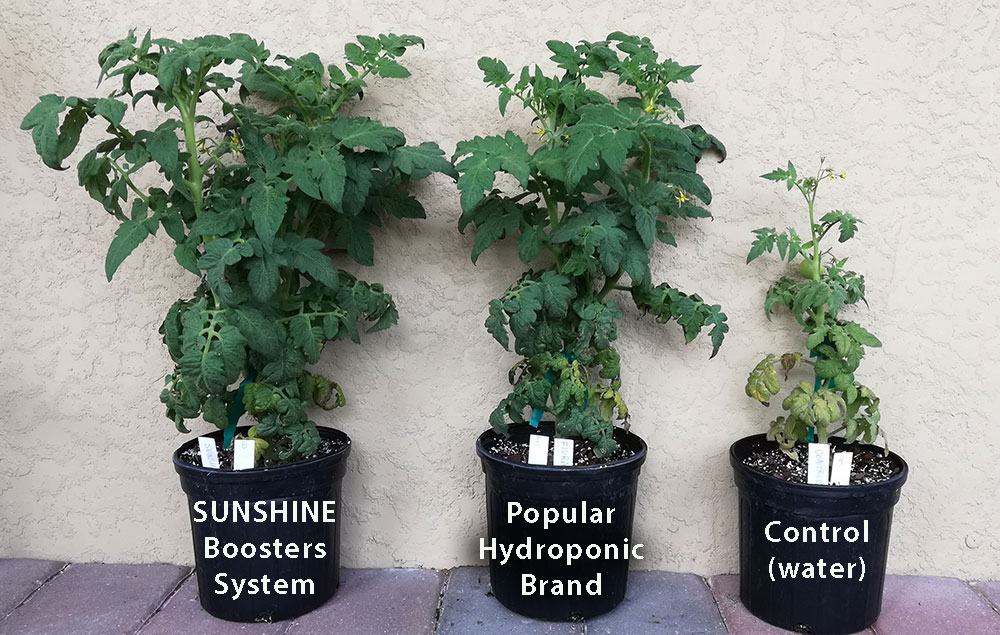
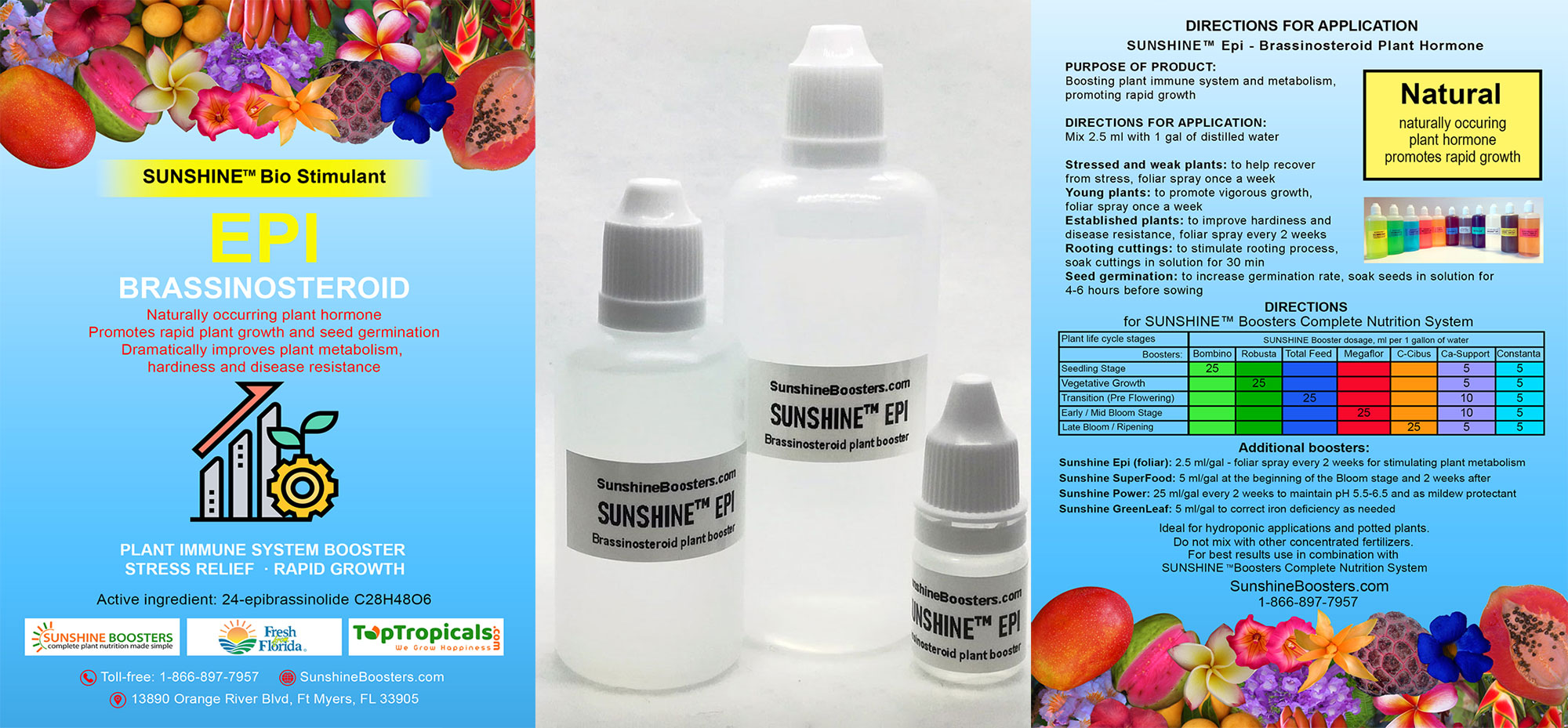
Q: I recently bought both the 5ml of the sunshine epi and the 100 ml advanced nutrition kit. I read on the paper for the Epi not to use any other strong fertilizers along with this but I was wondering if it'd be alright to use both this foliar spray and nutrition watering together?

A: All solutions in SUNSHINE Booster Nutrition System (NPK-macro and micro-boosters) are compatible.
The only exception is Sunshine-Epi - brassinosteroid bio-stimulant. Epi should be mixed with distilled water separately from other boosters. The reason is, it is very bio-active, and if mixed with other compounds, oxidizes quickly which may affect its performance.

Sunshine-Epi solution must be prepared using distilled water and applied as foliar spray only (it only works on contact with leaves and not through the root system). Epi shows extremely impressive results when you apply it before the application of other nutrients because it increases plant metabolism; so all boosters become even more effective if you spray Epi the day before.

When using Micro- and Macro-boosters, you may mix all components in one watering can/tank (except for Epi), using regular tap water. Besides watering root ball, the macro-micro solution can be also used for foliar spray. It is optional, as in some circumstances growers prefer to keep leaves dry at all times: to stay away from mold, fungus and other issues caused by the wet environment.

Here is an example of Sunshine Boosters Nutrition System application:
1. Daily watering in one can: NPK 25 ml/gal (one of 5, depending on growth stage) + Constanta 5 ml/gal + Ca-Support 5 ml/gal, mixed in tap water
2. Every 2 weeks: spray Sunshine-Epi 2.5 ml/gal - to boost the immune system and growth rate, mixed in distilled water
3. From daily to every 2 weeks: Sunshine-Power-Si 25 ml/gal to protect from diseases and keep pH at 5.5-6.5. Can be used as often as daily and mixed with a daily watering solution (1)
4. As needed: Sunshine SuperFood and GreenLeaf - for correcting deficiencies. Can be also mixed with the daily solution (1)

Make sure to prepare a solution right before use and do not store solution for more than 1 day. Keep concentrates and solutions protected from bright sunlight.

Here is also advanced information on Sunshine Boosters compatibility.

READ MORE >>>