Date: 4 Jun 2019
Plants for South Texas and other hot states
Q: Pretty much adore last newsletter. Haven't been buying because our weather here in deep south Texas is so bad it is stunting and killing even the Tamaulipan Scrub! Do you have a cure for that? :) I have every expectation the new grafted Plumeria I purchased from you last year will bloom soon. One of my favorite plants. Thanks again and keep up the good works.
A: Yes, there is a "cure" - using biostimulants that improve drought- and heat- resistance (SUNSHINE
boosters), plus the right plant selection. In fact, there is a large number of
tropical rare plants that can be successfully grown in hot climates like yours.
One of our partners lives in hot and dry Arizona area and has an amazing
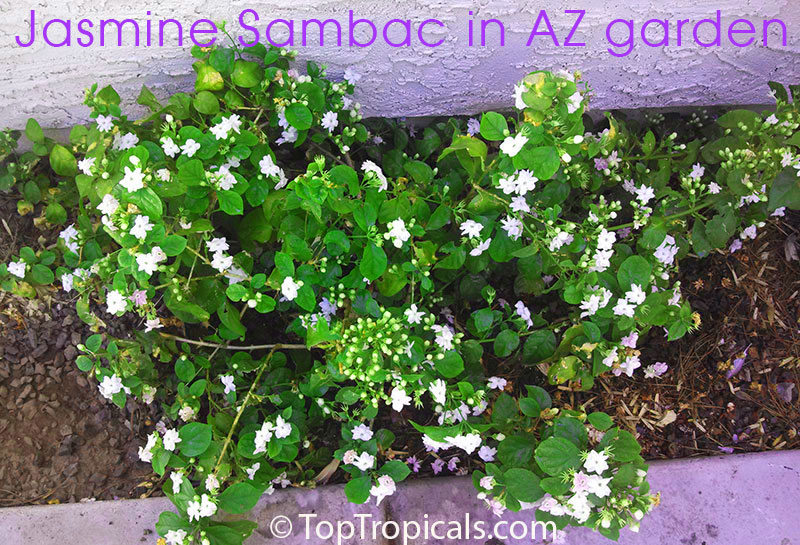
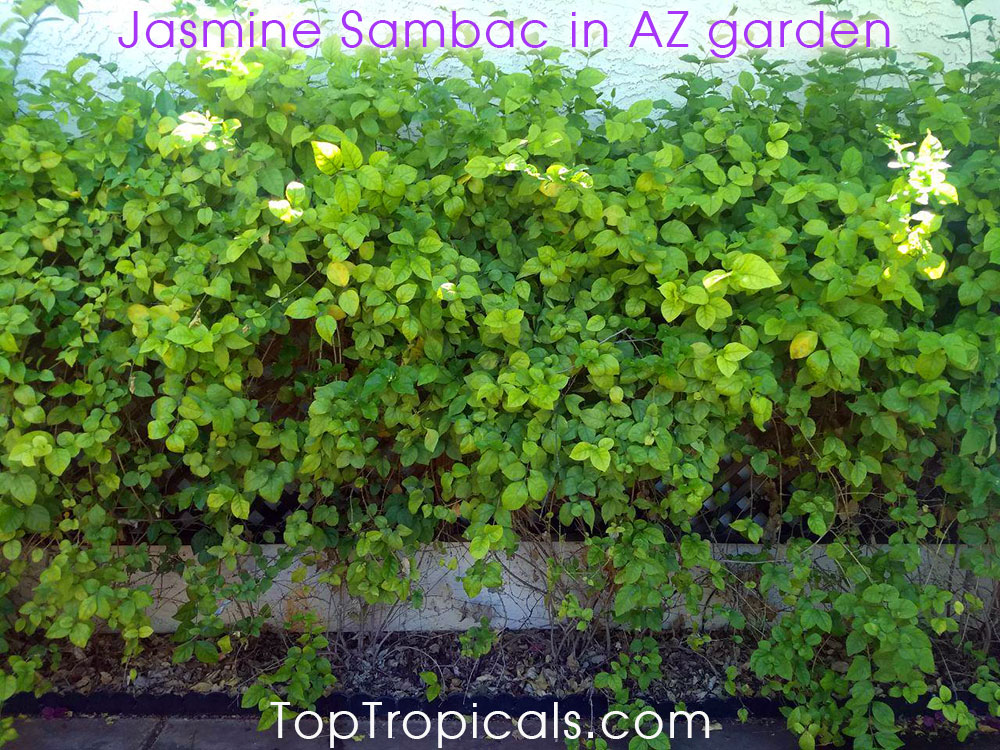
tropical garden that includes many fruit trees (Mango, Persimmons, Pomegranates, Loquats, etc). Here you can see a few pics from his garden.
Your choice is absolutely right about plumerias. Other easy plants would be Desert roses - Adeniums, and Fancy Euphorbia millii - all these come in so many varieties of colors
and bloom throughout most of the year. Our special recommendations for you
would be also:
Bougainvillea Dwarf Pixie
Jasmine sambac
Calliandra selloi Pink Lilian
Dracaena marginata Tricolor - Colorama, Money Tree
Hamelia patens Lime Sizzler - Variegated Fire Bush
Jatropha berlandieri - Buddah Belly
Pedilanthus tithymaloides - Devils Backbone
Trachelospermum asiaticum Mandaianum - Dwarf Confederate Jasmine
See full list of more plants that are suitable for hot and dry landscapes.
Apply fertilizers, miscroelements, and plant stimulants for improving heat tolerance

Date: 24 Jun 2018
Cold hardy tropical fruit trees for Luisiana
Q: I've just moved to Louisiana and have been wondering whether it would make sense to plant some tropical fruit trees in our garden. Average lows in New Orleans are 41 deg F in January and February, although we did hit 25 once with the Arctic vortex. I'm interested in litchi, longan, rambutans, and persimmons. Do you have varieties that can tolerate Louisiana's temperature range? I'd love mangosteen but I don't suppose they will survive. Do you have any suggestions on tropical fruit trees that I could try?
A:
Average temperatures are for statistics only; it is actual
temperatures that may hurt your cold sensitive plant. This
is what you should keep in mind when starting your
tropical fruit collection:
1) Ultra-tropical plants like Rambutan can not survive
winters below 45-50F. However, they can be successfully
grown in containers in a greenhouse or moved indoors into
a sun room during cold periods.
2) Tropical plants like Litchi and Longan may take some light
frost once established. Still, for areas with freeze our
advice is - keep them in pots and move inside in case of
cold.
3) There is a number of subtropical fruit trees that are
hardy enough to take some freeze. Persimmon, Feijoa, Fig, Cattley Guava, Jujube, Kiwi, some Eugenias and others. Please
refer to our Tropical Fruit Sensitivity Chart.
4) Remember that plant's ability to survive winter depends
on several factors, not only temperature itself. Important
factors are: wind protection (chill wind kills rather than
low temperature itself), exposure, how close the tree is
planted to the house, plant maturity and its overall
strength and health. If a plant had received good
nutrients during summer, has well established root system,
planted in enclosed area protected from winds and has
plenty of bright sunlight - it has better chances to
survive than a weak plant in warmer conditions.
5) Use SUNSHINE plant boosters
Date: 24 Jun 2018

Cleanest fruit?
"Dirty" fruit: According to the Environmental Working Group research, Strawberries are top the list of the 12 "dirtiest" fruits and vegetables grown commercially. Spinach is the second, followed by (in order of contamination) nectarines, apples, grapes, peaches, cherries, pears, tomatoes, celery, potatoes and sweet bell peppers. Each of these foods tested positive for pesticide residues and contained higher concentrations of pesticides than other produce. This causes of course chronic health implications. Children are of special concern as younger bodies have greater susceptibility to pesticides than adult bodies, the report emphasizes. Pesticides may induce chronic health complications in children, including neuro- and behavioral problems, birth defects, allergies, asthma, and even cancer...
"Clean
15": Avocados lead 2018's clean fruits and
veggies list, that also includes: mangoes, papayas, pineapples, kiwi, sweet corn, cabbage,
onions, frozen sweet peas, asparagus, eggplant, honeydew
melon, cantaloupe, cauliflower and broccoli.
Obviously, home grown fruit and vegetables are even
better. Such fruit as Custard Apples, Sapodilla, Sapote, Jackfruit, Dragon Fruit, Passion Fruit and other rare
varieties of tropical fruit, are even better for you
because they are not grown commercially, and the choice
from your own organic garden is the healthiest for
yourself and your family!
Plant them today and get your cleanest fruit tomorrow!
Check out all tropical fruit trees and all tropical spice plants
Date: 13 Apr 2021

Healthy Plants: Q&A from Mr Booster
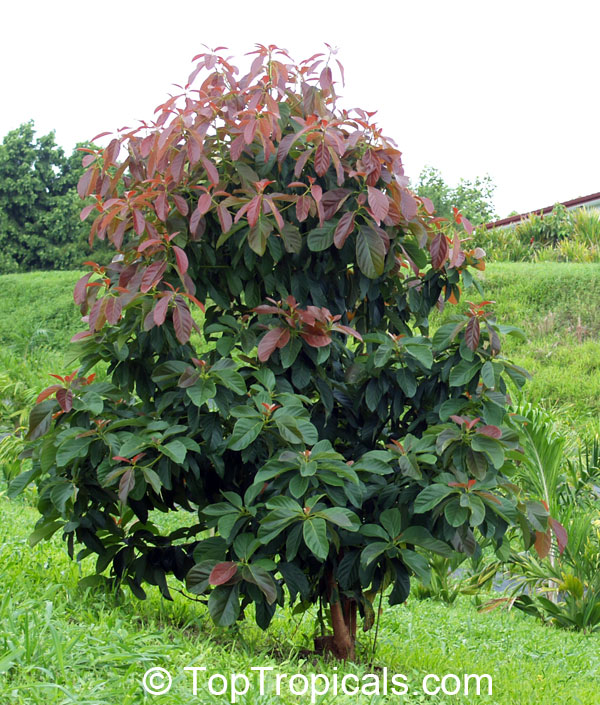
Why my Avocado is not flowering?
Q: I have 5 avocados. Three of your cold hardy varieties and two others that have all flowered and set fruit in the past. The last two years including this year, not a single one of them has put out any flowers. I am getting lots of new growth like one would expect on a tree too young to flower. The last two years have been very mild with out any damaging frost where in previous years they lost all their leaves due to frost yet started putting out flowers once winter was over. I am confused because they have all flowered and set fruit previous years. Any ideas would be appreciated.
A: From information you provided, and considering the trees get
lots of full sun and cold was not an issue, the only explanation is - lack of
nutrients. Here is an example.
Very common situation: you get a small 2-3 ft Avocado or Mango tree in 3
gal pot (or even smaller) from a nursery, full of flowers, and sometimes even a
small fruit. You bring it home, plant it in the ground or a bigger pot, it
looks happy and grows like crazy. Then next year - oops, no fruit, sometimes
not even flowers. What happened?
When the tree lived in a nursery, it was provided with all necessary
nutrients through the injector systems (continuous feed); or some nurseries may use
top dress smart release on regular schedule. Regardless of fertilizer type,
professional grower's set up delivers plant food non-stop, on regular basis, with balanced formulas. Plants are not only growing fast but also ready to produce, since nutrients are always available for a full growth cycle.
When you plant a tree in the ground (or larger pot), conditions change.
They may be beneficial for the plant: lots of room for roots to establish, hence
lots of vegetative growth. Even if you planted it using good quality fertile
soil, this soil may contain mostly nutrients responsible for vegetative
growth (branches and leaves). Chances are, your soil may be rich in Nitrogen
(good for green growth), but poor in other elements responsible for flowering and
fruiting (Phosphorous, Potassium, and many important micro-elements such as
Molybdenum, Boron, Iron, etc.). Besides, existing soil gets exhausted
quickly, and within a year a two, if you don't add fertilizer, flowering and fruiting may be reduced or even stopped.
This is why fertilizing program is very important for fruit trees that are expected to bring a crop soon.
We recommend:
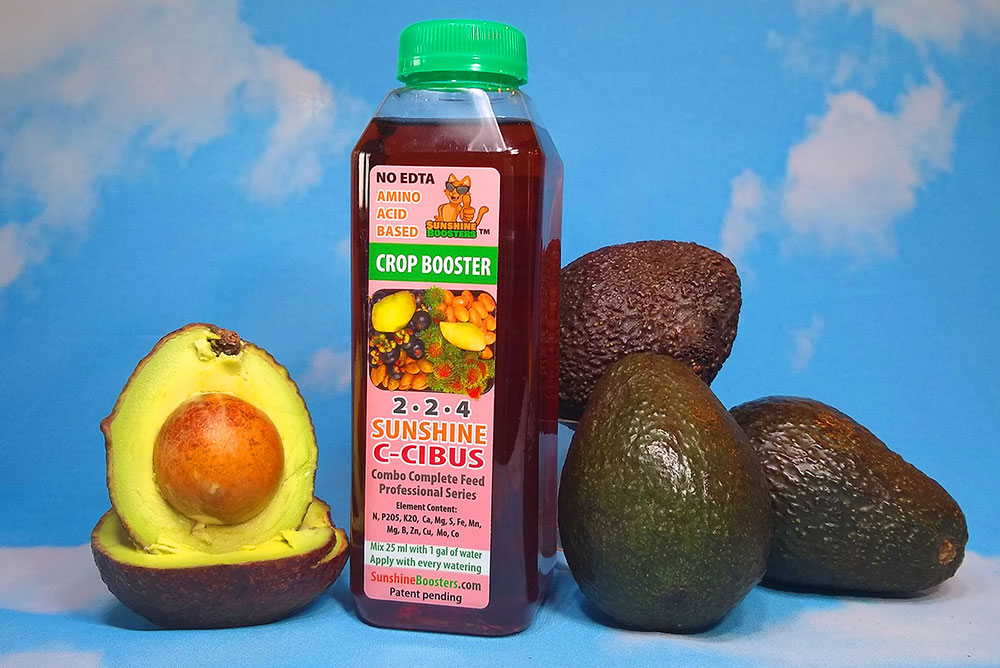
- SUNSHINE C-Cibus - Crop Nutrition Booster - balanced food for fruit
trees
- SUNSHINE-Honey - sugar booster - promotes more efficient blossoming and
pollination, makes flowers bigger and reduces bud drop
- SUNSHINE SuperFood - for improving fruit trees production
Also keep in mind that some fruit trees have a habit of "skipping" a year and may either produce less or not produce at all every other year. In any case, balanced nutrition program can help to fix this "bad habit".
Date: 4 Mar 2021
Healthy Plants: Q&A from Mr Booster
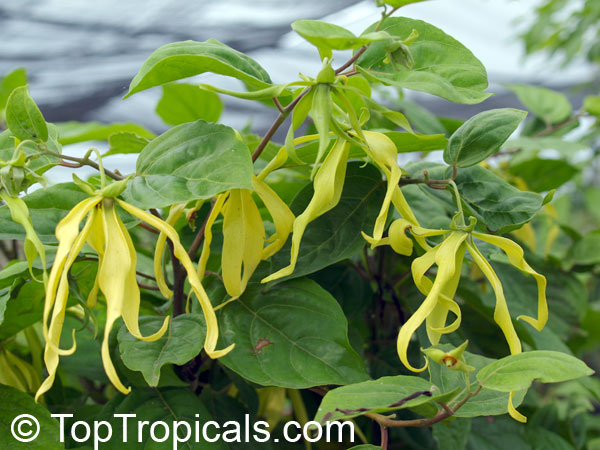
Ylang Ylang leaves after winter
Q: Hi, I purchased ylang ylang tree a couple of years ago. It's grown quite well in my Greenhouse but I'm having some trouble figuring out if I'm watering it too much not enough or if it has an insect. Can you please take a look at my photos and maybe give me a suggestion of what my problem might be?
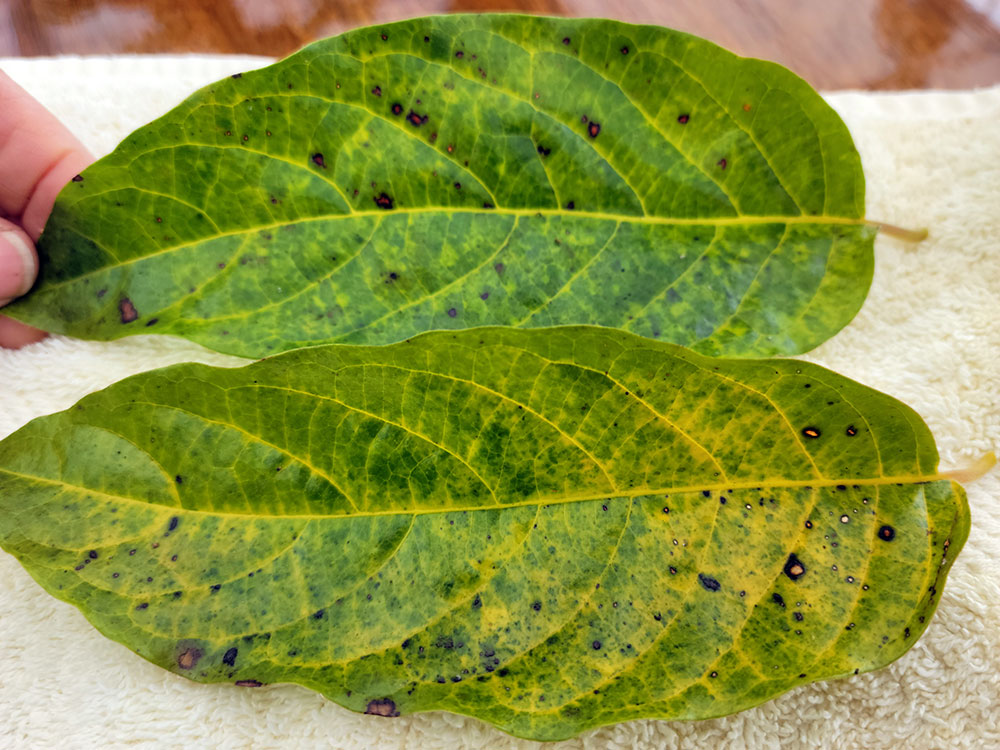
A: It is normal for Ylang Ylang tree to get dark spots during
winter time. Sometimes Cananga gets whole branches darkened (especially dwarf variety fruiticosa), some may even fall off. But they will be replaced
with new growth in Spring-Summer. There is nothing wrong with your plant, it is
just a reaction to cold and short day light when you keep this plant indoors. These leaves eventually will fall
off as the weather warms up, and will be replaced with a new fresh green growth.
Luckily, Cananga is not susceptible to insects and diseases, but its leaves
can look unattractive in winter.
Make sure to keep watering at minimum until temperatures raise to 80's.
Start fertilizing as soon as new growth appears. We recommend SUNSHINE Pikake
- Fragrant Flower Booster, an ultimate fertilizer for fragrant plants.