Garden Blog - Top Tropicals

Date: 16 Jan 2025

How to grow a Lychee tree and have a reliable crop
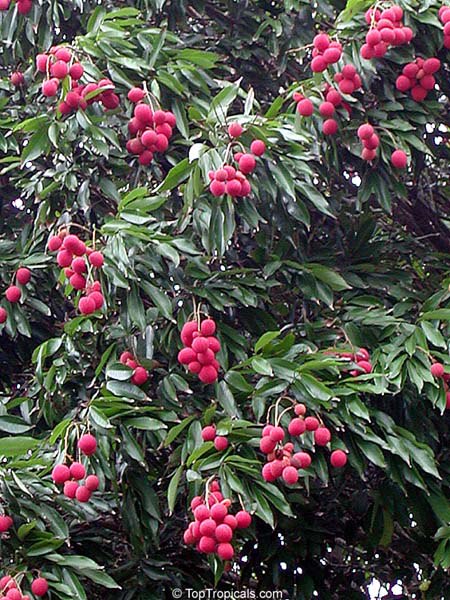
Lychee fruit on a tree, Litchi chinensis
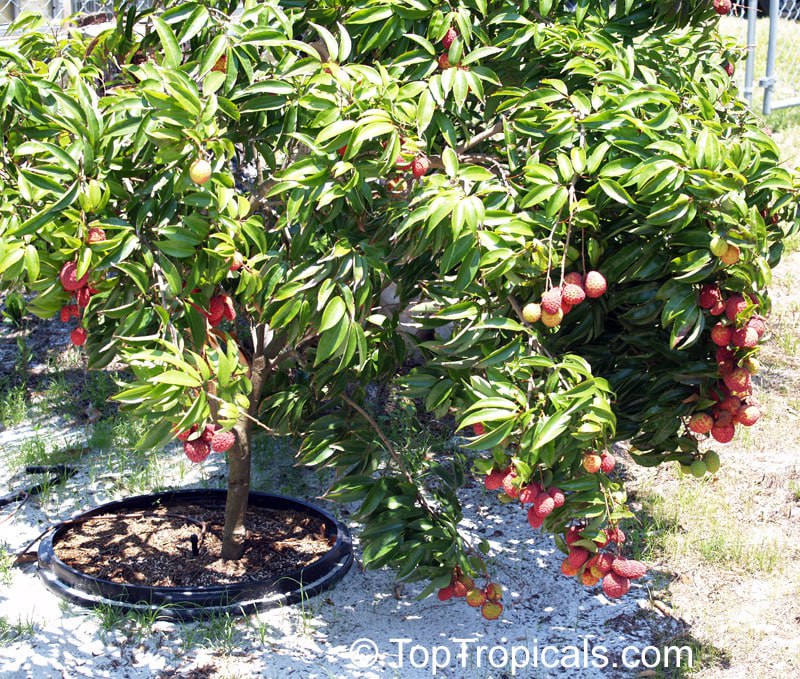
Lychee fruit on a tree, Litchi chinensis

Lychee tree in a pot with fruit, Litchi chinensis
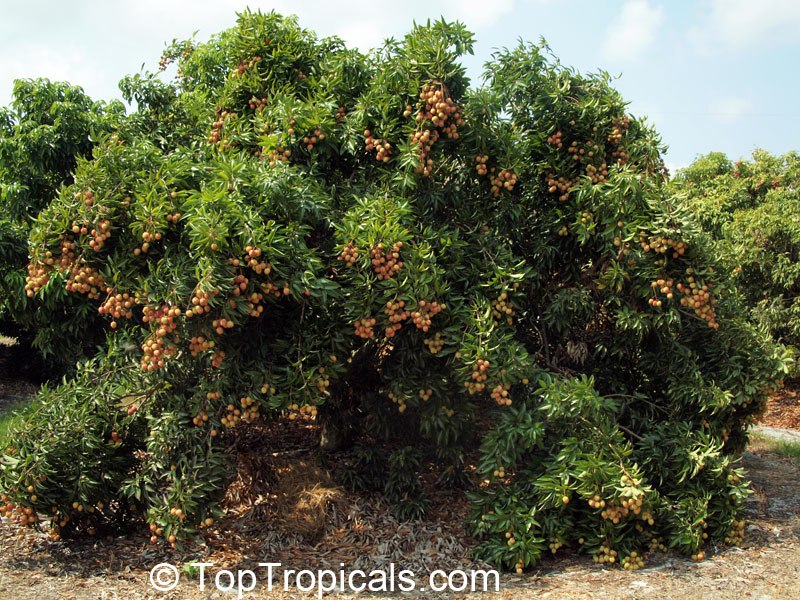
Lychee tree in a pot with fruit, Litchi chinensis

Lychee tree with fruit, Litchi chinensis
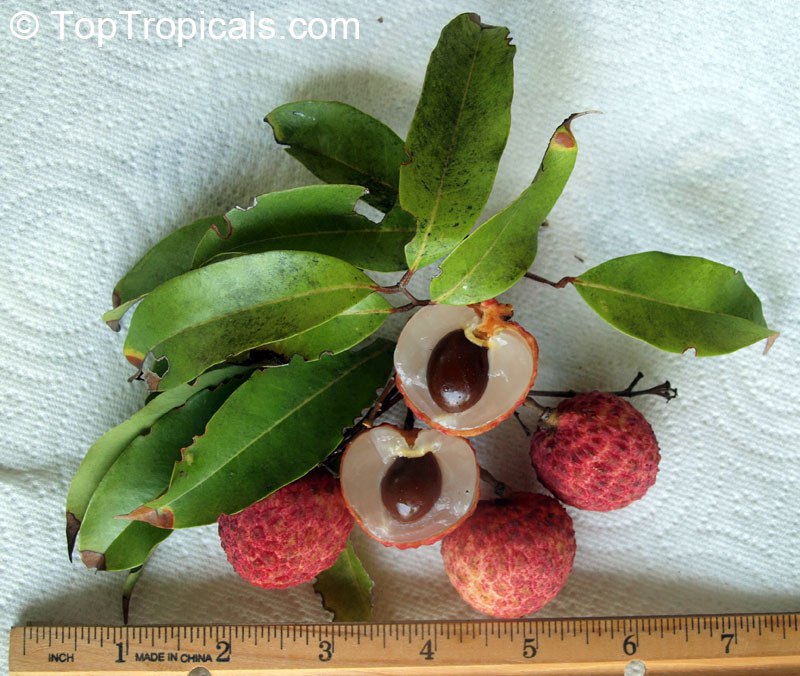
Lychee tree with fruit, Litchi chinensis

Lychee fruit, Litchi chinensis

Lychee fruit, Litchi chinensis

How to grow a Lychee tree and have a reliable crop. Practical Guide to Growing Lychee.
  • 🍑 Lychee (Litchi chinensis) is a tropical evergreen tree renowned for its delicious, aromatic fruit. Native to southern China, lychee trees can reach heights of up to 40 feet and are prized for their attractive foliage and bountiful fruit clusters.
  • 🍑 Important factors to consider when planting a Lychee tree


  • 💋Climate: Lychee trees thrive in tropical and subtropical climates with warm, humid summers and cool, dry winters. They require a period of winter chilling (100-200 hours between 32F and 45F) to induce flowering. Mature trees can tolerate temperatures as low as 25F, but young trees are susceptible to frost damage.
  • 💋Sunlight: Plant lychee trees in full sun to ensure vigorous growth and optimal fruit production. They require at least six to eight hours of direct sunlight daily.
  • 💋Soil: Well-drained, slightly acidic soils rich in organic matter are ideal. Avoid heavy clay soils or areas prone to waterlogging, as lychee trees are susceptible to root rot.
  • 💋Spacing: Ensure adequate space for the tree's mature size by planting at least 20 feet away from other trees or structures.


🍑 When and how do you harvest lychee fruit?

  • 💋Lychee trees typically begin to produce reliably after 3-5 years, with the fruit ripening in early summer.
  • 💋Timing: Wait until the fruit's skin turns bright red or pink, indicating full ripeness. Lychees do not ripen off the tree, so it's essential to harvest at the right time.
  • 💋Method: Use pruning shears to cut entire clusters, leaving a short stem attached to each fruit to prolong freshness. Handle the fruit gently to avoid bruising.
  • 💋Post-Harvest: Consume fresh lychees within a few days or store them in the refrigerator to extend shelf life. The skin may darken when refrigerated, but the fruit's quality remains unaffected.


🍑 How to grow a Lychee tree?

  • 💋Watering: Provide consistent moisture, especially during dry periods. However, avoid overwatering, as lychee trees are sensitive to waterlogged conditions. Mulching around the base helps retain moisture and regulate soil temperature.
  • 💋Fertilization: Apply a balanced fertilizer during the growing season to support healthy growth and fruit development. Avoid excessive nitrogen, which can inhibit flowering. Sunshine Boosters C-Cibus - natural liquid fertilizer - is the best choice, and is safe to use with every watering year around.
  • 💋Pruning: Minimal pruning is required. Remove dead or diseased branches and shape the tree to maintain its structure. Pruning after harvest can encourage new growth.


🍑 More practical advice on propagation and harvest in next post 👇

🛒 Shop Lychee trees

#Food_Forest #How_to

🔴 Join 👉 TopTropicals
Date: 20 Jan 2025

How to Grow Jackfruit: Practical Guide

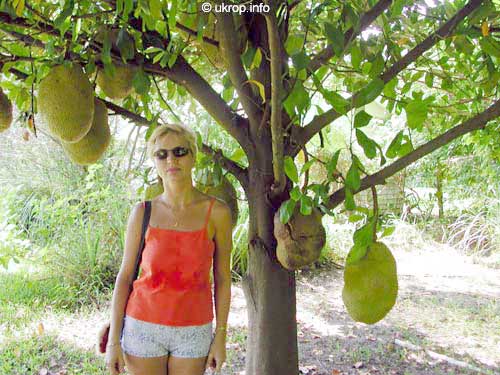
Jackfruit (Artocarpus heterophyllus) tree

Jackfruit (Artocarpus heterophyllus) tree

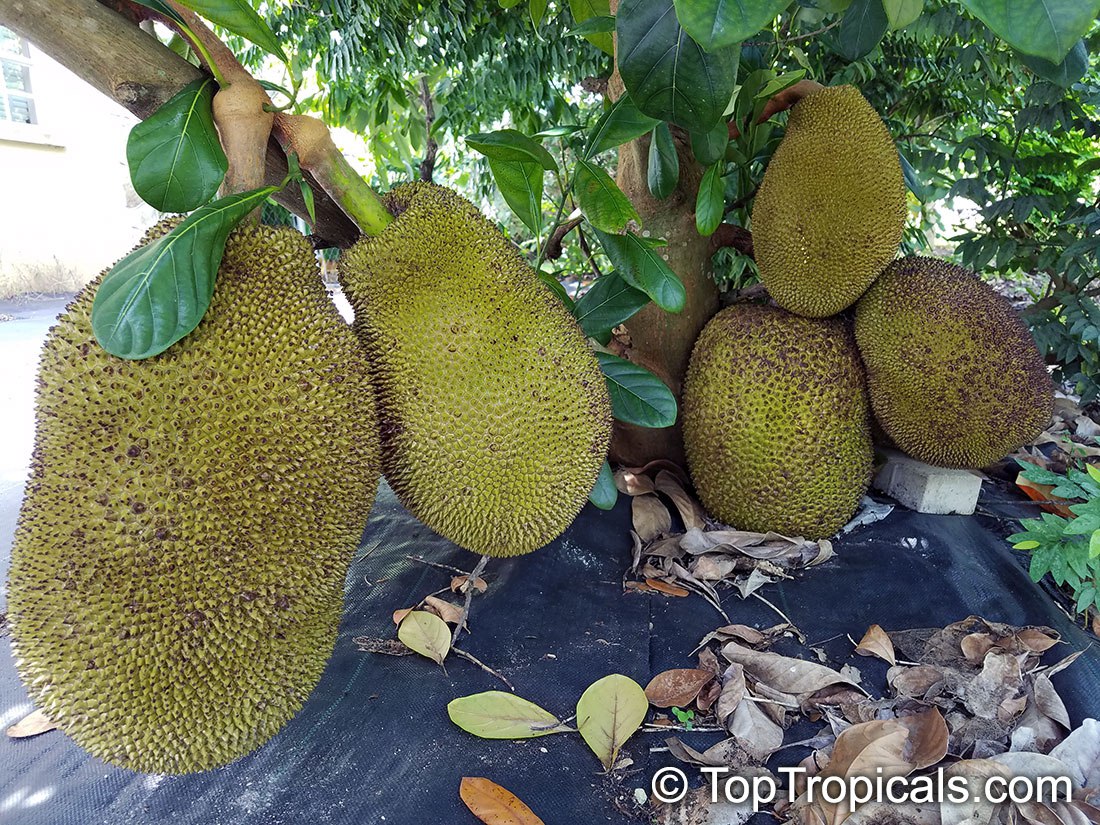
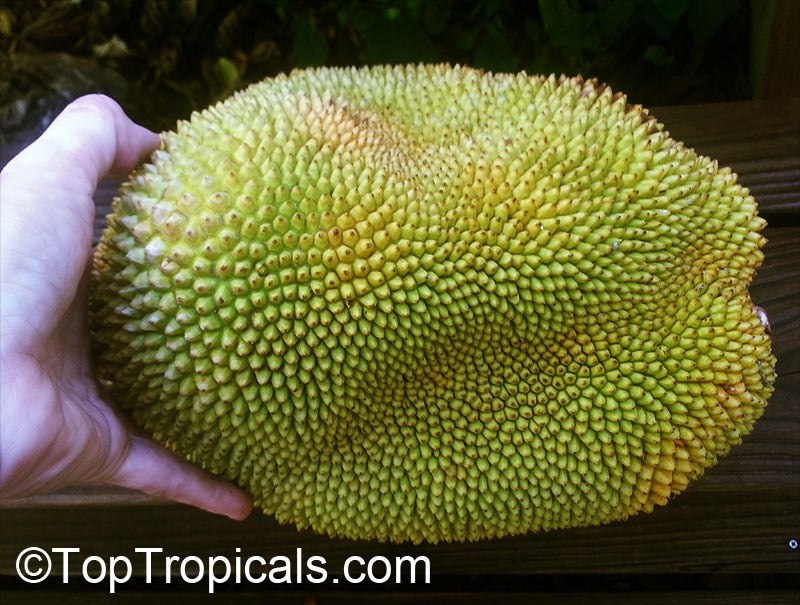
Jackfruit (Artocarpus heterophyllus) fruit

Jackfruit (Artocarpus heterophyllus) fruit

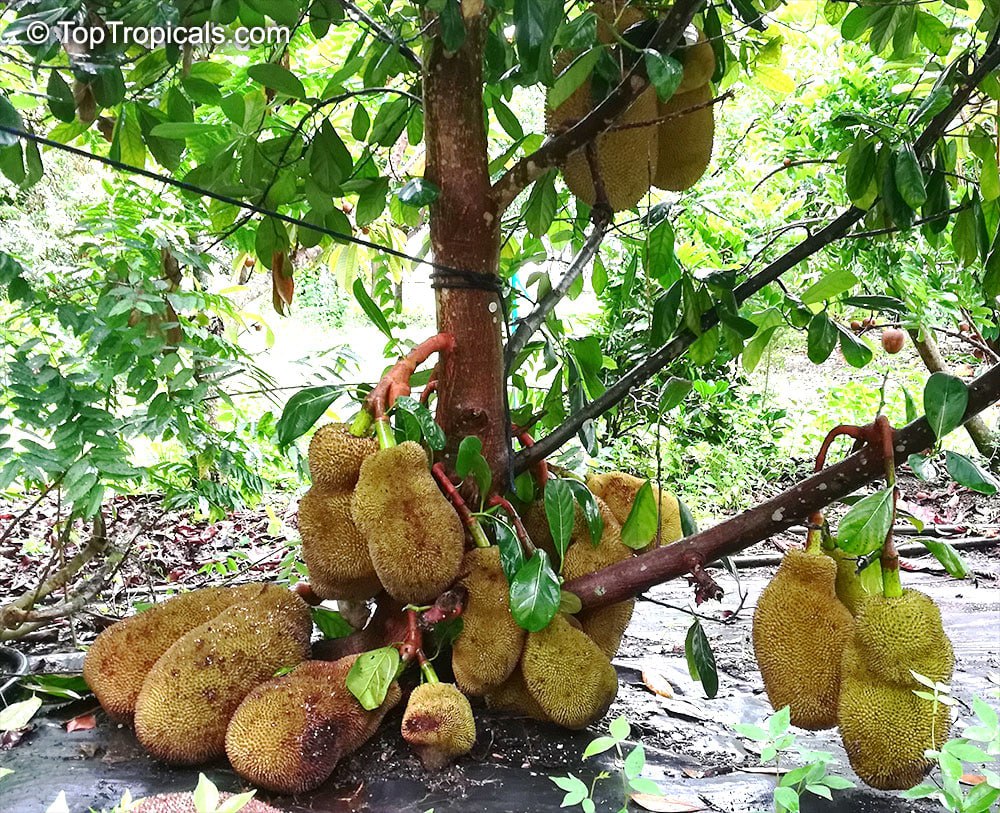
Jackfruit (Artocarpus heterophyllus) fruit at the base of the tree

Jackfruit (Artocarpus heterophyllus) fruit at the base of the tree

Jackfruit (Artocarpus heterophyllus) fruit at the base of the tree

Jackfruit (Artocarpus heterophyllus) fruit at the base of the tree

How to Grow Jackfruit: Practical Guide

  • 🍈 Jackfruit (Artocarpus heterophyllus) is a tropical tree that produces the largest fruit in the world, weighing up to 80 pounds and reaching 36 inches in length. The trees thrive in frost-free, humid climates with plenty of sunlight. They require well-draining soil rich in organic matter and regular watering to flourish. Despite their reputation as ultra-tropical, mature Jackfruit trees can tolerate light frost for a few hours without significant damage. Additionally, they can be grown in containers in colder areas with proper care and pruning.
  • 🍈 What Climate is Essential for Growing Jackfruit Trees?


    Jackfruit trees require a tropical or subtropical climate, with temperatures ideally between 60-95°F. While young trees are frost-sensitive, mature trees can withstand light frost for short periods. However, cold winters can reduce fruit production. Frost-free temperatures are crucial for optimal growth and fruiting.
  • 🍈 How Often Do Trees Need Fertilizing, and What is the Best Type of Feed?


    Jackfruit trees are heavy feeders. Fertilizing them regularly is key to their health and productivity. During the active growing season (spring to fall), apply a balanced dry fertilizer once a month. Liquid amino-acid-based fertilizers, such as Sunshine Boosters, can be used year-round with every watering. These fertilizers help maintain healthy growth and encourage abundant fruiting. Supplement with organic matter like compost, manure, or peat moss to enrich the soil.
  • 🍈 How Important is Pruning, and When is the Right Time to Prune?


    Pruning is essential for maintaining a manageable tree size and promoting healthy fruit production. Jackfruit trees produce fruit at the base of the trunk, allowing them to be pruned annually to a height of 7-12 feet. This practice not only makes harvesting easier but also encourages more fruiting. Prune after the fruiting season or in late fall to remove excess growth and shape the tree. Regular pruning also improves air circulation and reduces the risk of disease.
  • 🍈 Key Tips for Successful Jackfruit Production


  • · Climate: Ensure frost-free temperatures and adequate humidity.
  • · Soil: Use well-draining soil enriched with organic matter.
  • · Watering: Maintain consistent soil moisture without waterlogging.
  • · Pruning: Keep the tree under 7-10 feet for easier management and better yield.
  • · Fertilizing: Apply balanced fertilizers and supplements regularly.


🍈 Jackfruit facts

  • · The fruit consists of large, edible bulbs of yellow, sweet, banana-pineapple-flavored aromatic flesh.
  • · Seedlings start fruiting within 3-4 years, with fruit ripening 4-6 months after flowering.
  • · A mature tree can produce up to 200 pounds of fruit annually.
  • · For colder regions, growing Jackfruit in containers is an option, provided the tree is regularly pruned and topped.


👍 Jackfruit trees grow fast and fruit abundantly with proper care, making them an exotic addition to tropical fruit collections.

📚 From previous posts:


The largest tree-borne fruit in the world
How to grow the biggest fruit on Earth

🛒 Plant your own Jackfruit

#Food_Forest #How_to

🔴 Join 👉 TopTropicals
Date: 23 Oct 2022

What is Akee fruit?

One of the most bizarre looking, yet useful...

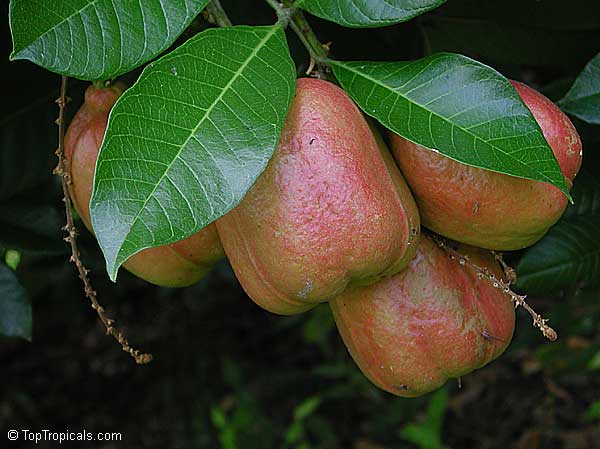
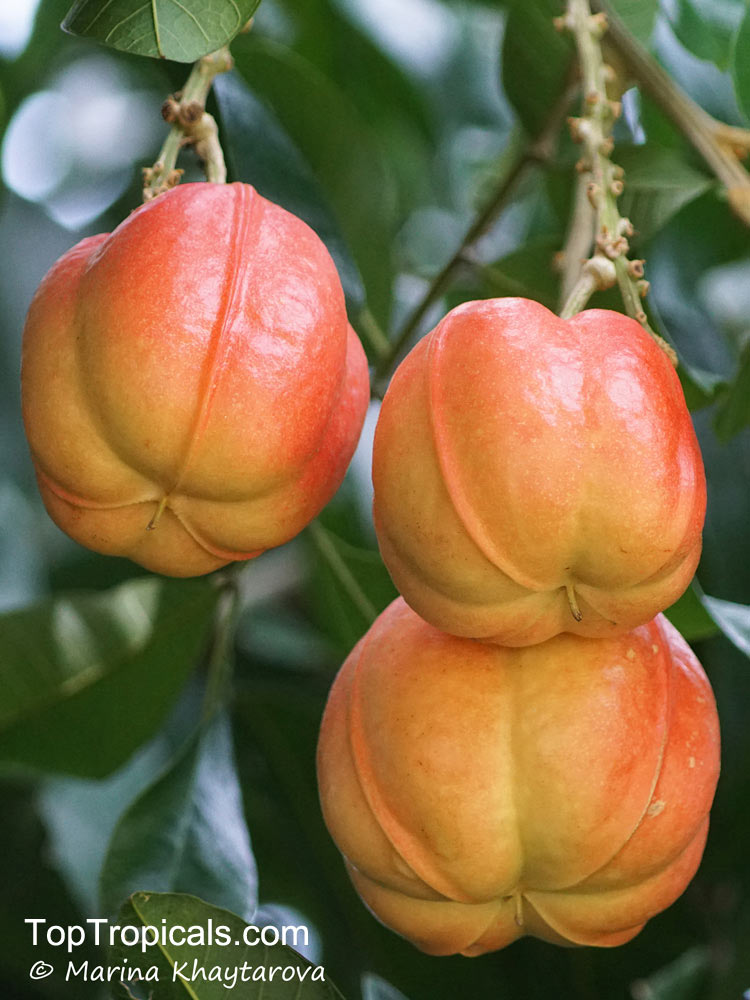
Akee  fruit  on  the  branch  with  leaves

Email from our Florida customer:

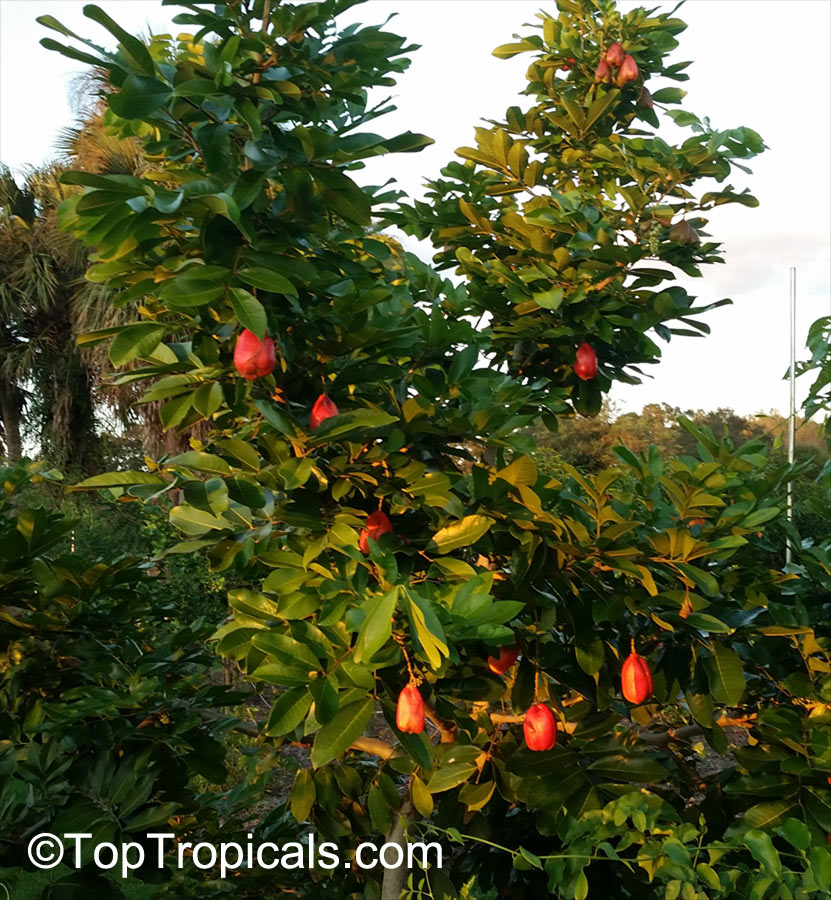
I got an Akee tree from you last year for my tropical fruit garden collection and honestly didn't know much about what it was. This year it started growing real fast and branched out. In spring it was flowering like crazy and now I have about 20 bright coral fruit hanging off the tree that look like Christmas decorations. They are extremely showy and can be seen from far away, I have neighbors stopping by asking what kind of tree it is. I finally did more research on it and found a recipe how to cook the fruit. Only a few had ripened and opened so far, but I already had a chance to try the meal. Cooked the arils and fried in a pan with some butter. What a delicious surprise! To my taste, it is like a mix of potatoes and eggs. Just through in some bacon and it will make a complete breakfast! One of the coolest fruit I've tasted. Just wanted to share this with you.

About Akee (Blighia sapida)

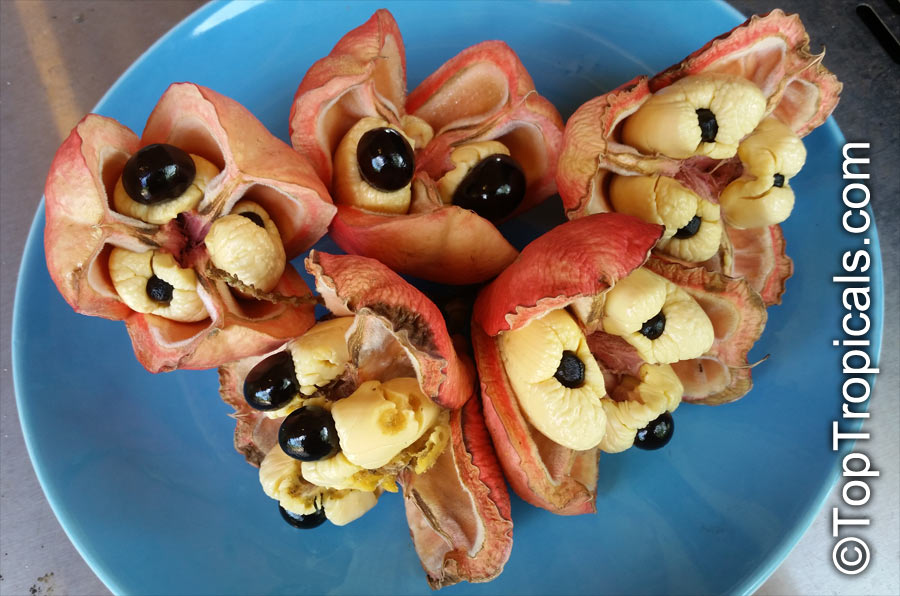
This showy fruit, a close relative of Lychee, Longan, and Rambutan, is a National fruit of Jamaica. It is indeed very exciting one, and what is also important, the tree is easy in cultivation, fast growing and can be maintained compact. I it is not bugsy or picky about soil/water conditions, and is relatively cold tolerant for being a tropical tree. You can find delicious akee meals only in Jamaican restaurants. But no need to search for it - grow your own tree, it can't be easier. It will start fruiting for you the next season, you don't have to wait long. Sometimes it fruits twice a year! However, remember, the fruit is used as a vegetable, and is not eaten raw. It must be picked after the fruit has opened naturally so the flesh is fully exposed to light. When the fruit has "yawned", discard the seeds (or better plant them to grow more trees - to share with your friends!). The arils, while still fresh and firm, are best parboiled in salted water or milk and then lightly fried in butter. Then they are really delicious!
Read more about this tree...

Akee  tree

Akee  fruit

Akee  fruit  with  pulp  and  seeds  on  a  plate

Date: 4 Dec 2021

Sunday Breakfast with Peanut Butter and Blackberry Jam...

It's time for our favorite day and another Easy stroll through Top Tropicals' Garden with savings of 50% and MORE! What a wonderful way to start the day.

Speaking of wonderful, is there any memory as wonderful as a peanut butter and jelly sandwich from back in the day?! PB&J's, a true Classic, easy, savory and delicious and a universal favorite... And for a truly Top Tropicals variation of the Classic sandwich, have we got something special for you...
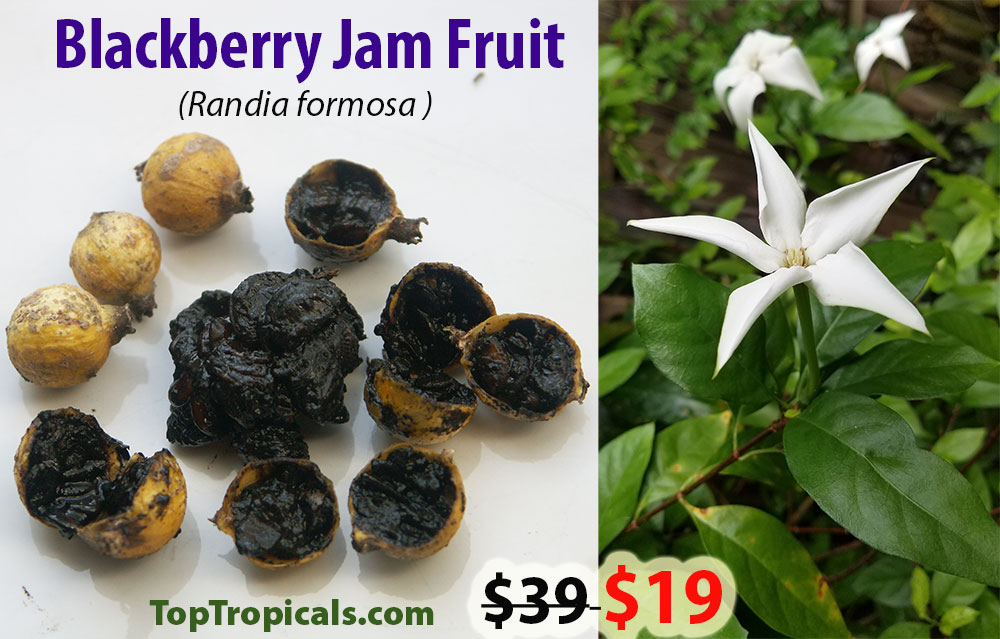
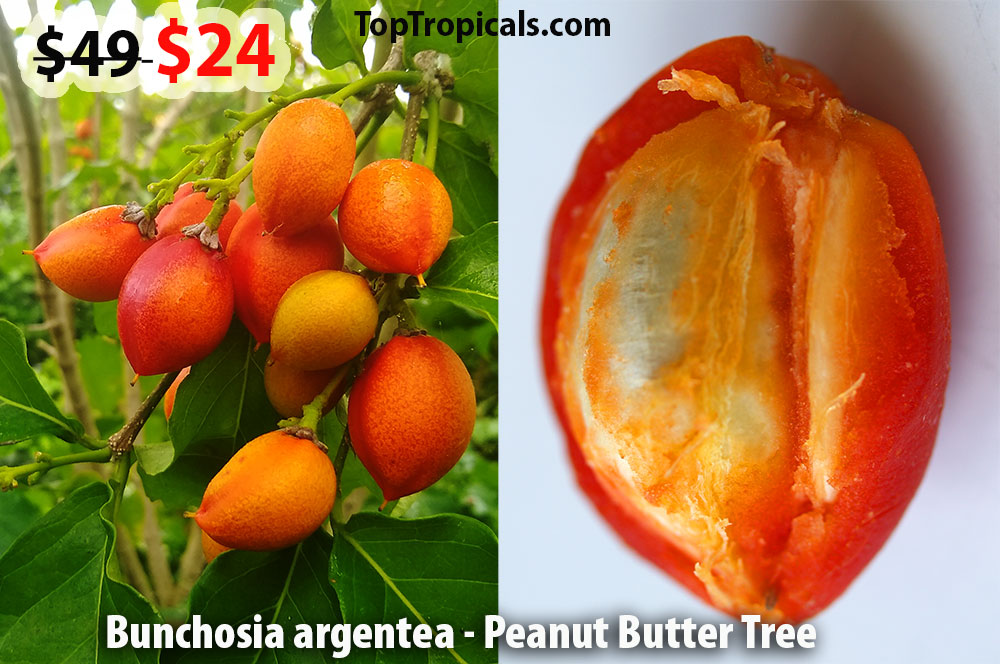
Bunchosia argentea and Randia Formosa. OK, we admit it may not roll off the tongue quite as easily as PB&J, but your tongue and taste buds will be thankful for the delicious flavors of the Peanut Butter Fruit Tree - Bunchosia argentea, and Blackberry Jam Fruit - Randia formosa.

Combine the rich and creamy delicious Peanut Butter with the not too sweet and fresh pulp of the Blackberry Jam Fruit and you have a unique and tasty combination destined to be a classic of its own while making your garden look even more beautiful!

Saving on your favorite plants is Easy.
Easy like Sunday Morning...

For this Easy Sunday we have priced these at incredible savings:
The Peanut Butter Tree, regularly $49, is on Easy Sunday sale for only $24
The Blackberry Jam, regularly $39, is on Easy Sunday Sale for only $19

Classic Combination

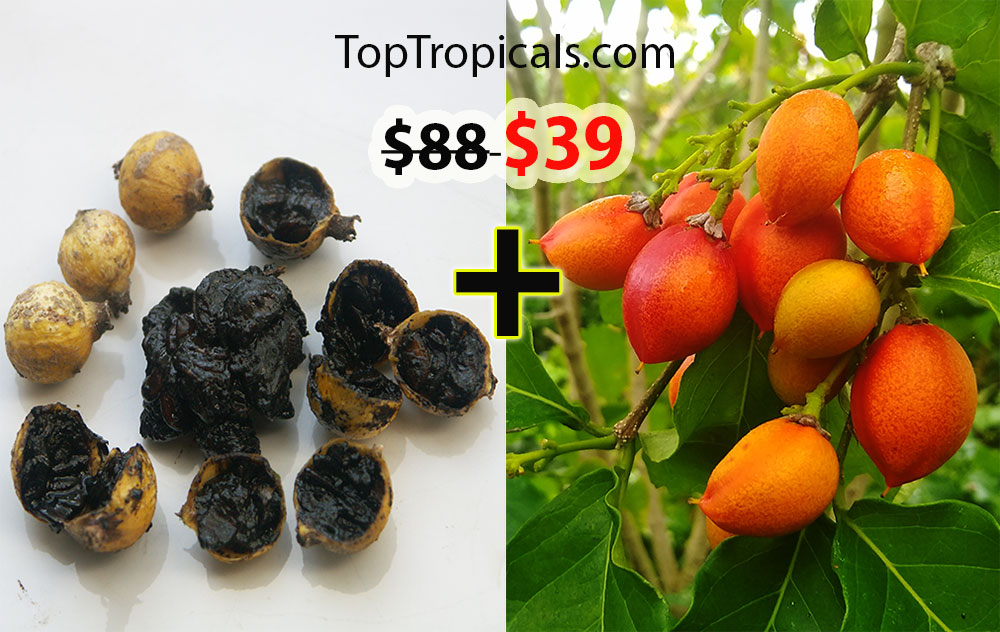
Combine the two for your own Classic Combination and save even more, instead of full price $88, it's only only $39 for the set!

Blackberry Jam Fruit

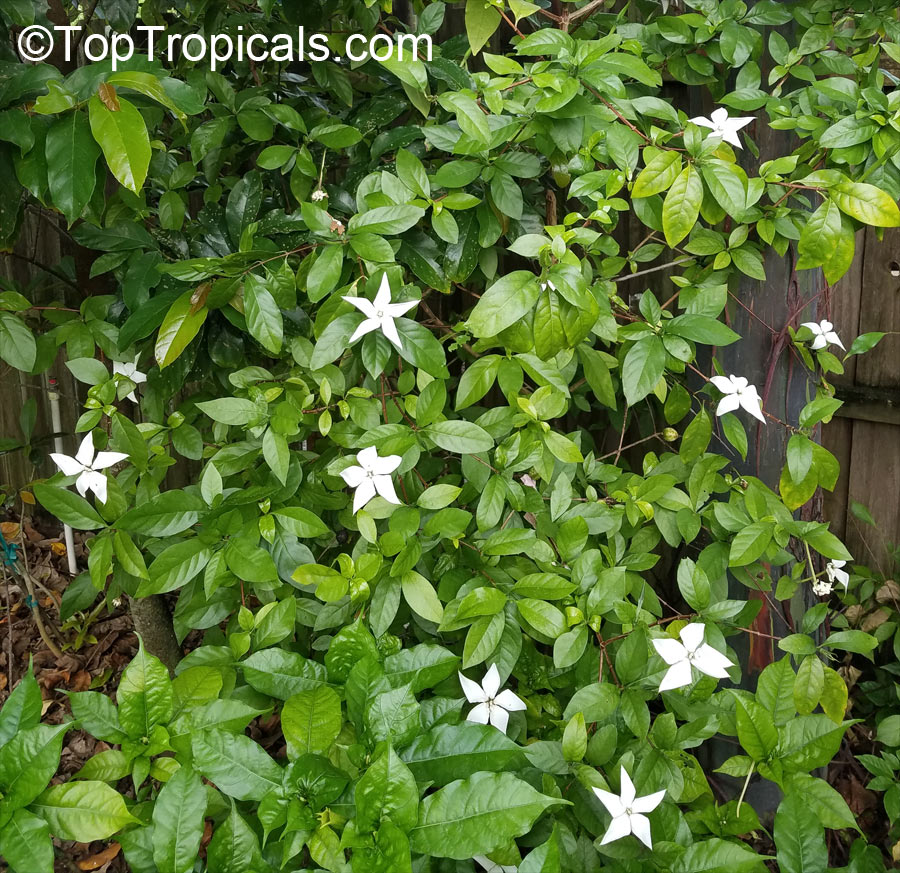
Randia formosa - Blackberry jam fruit, Jasmin de Rosa - fragrant white flowers of this Gardenia relative and edible fruit that tastes like blackberry jam... Kids love the fruit! Many claim that it's even better than preserves. This exotic shrub will fruit in a container within a year and produces as many as 25 to 30 fruits at a time. It is relatively cold hardy, blooms for a few months in the fall and winter, so fruiting and flowering can be enjoyed when many other plants are dormant.

Picture of 2 y.o. plant full of fragrant flowers, ready to set fruit:

Peanut Butter Tree

Bunchosia argentea - Peanut Butter Tree.
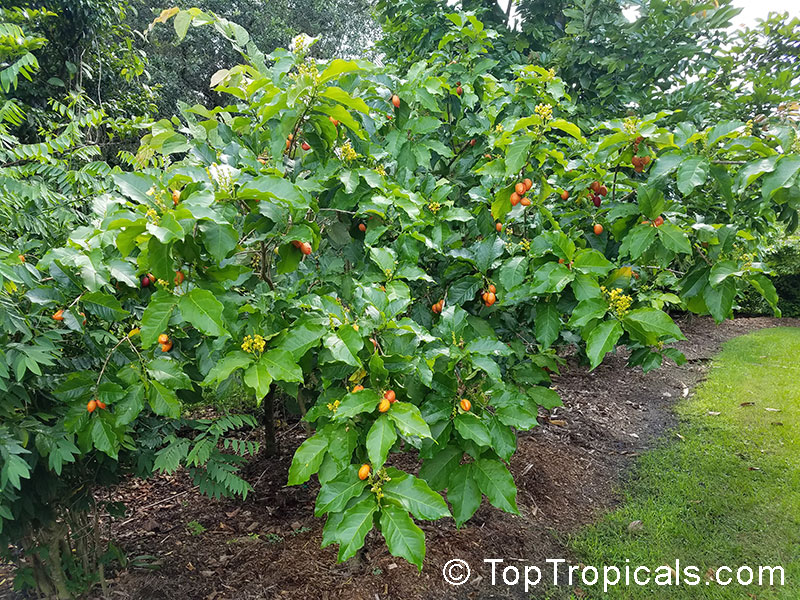
One of the most fascinating exotic fruit, as amazing as Miracle fruit, Peanut Butter Fruit is loved by both kids and adults. Yes, it tastes exactly like peanut butter! Sweet, soft pulp with peanut flavor. The tree is small in size, grows 10-15 ft max, or can be kept as a bush. Starts fruiting within 2-3 years from seed! Keep it in a pot if you have limited space, it can be grown indoors, too. The fruit can be eaten fresh or made into milk shakes. Very rare in cultivation, and relatively cold hardy.

Picture of 2 y.o. tree full of fruit:

Remember, the special prices are good for only 24 hours and expire Monday morning at 7 am EST.
Limited to availability, while supply lasts, hurry up!

Enjoy!

Date: 11 Jul 2024

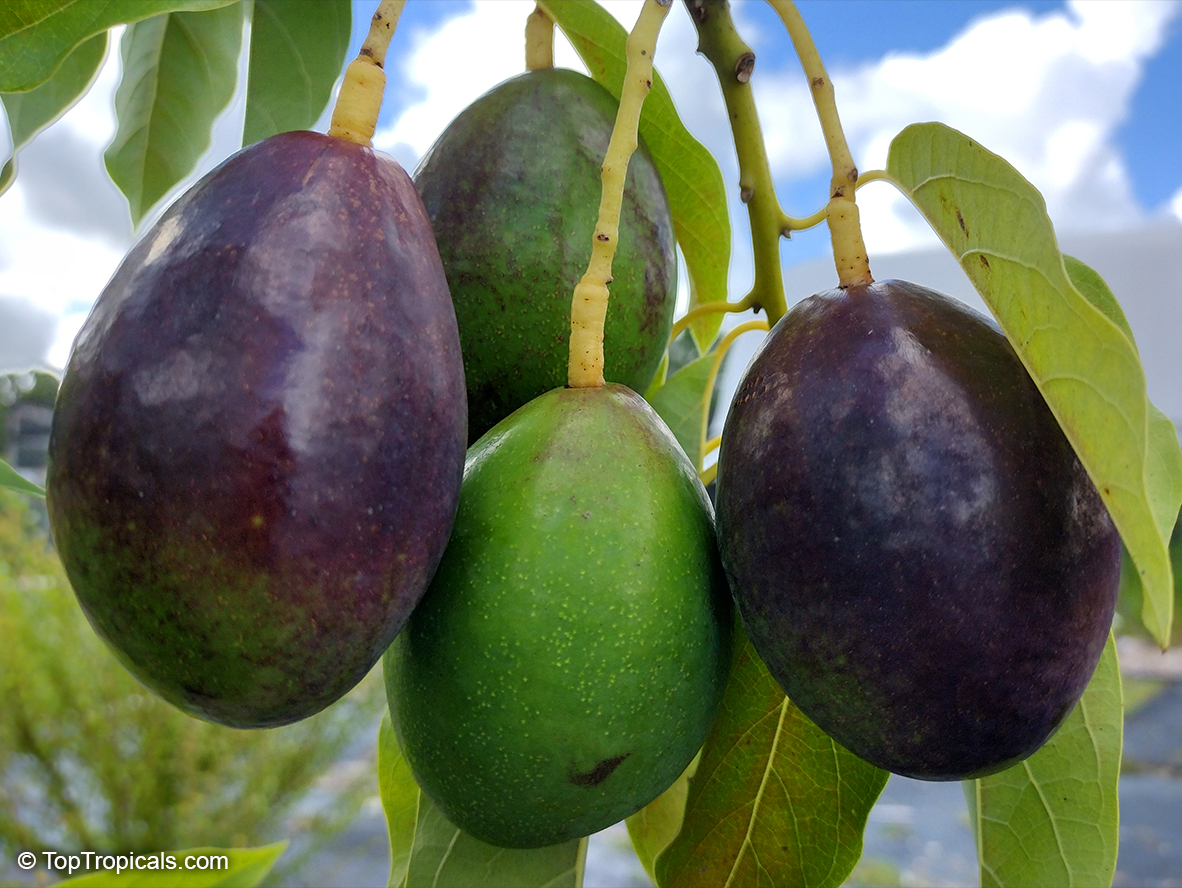
Avocado  fruit  on  a  tree

Five most popular Avocado varieties

Food Forest

"What is the best variety of Avocado?"
"Do you have the one with small black fruit and bumpy skin?"
"I have avocado with very large green fruit, what variety is it?"

These are frequently asked questions we get from our customers. This basic "classification" by black/green doesn't encompass all the wonderful qualities avocados have to offer. There are numerous hybrids in cultivation, and once you plant your first tree and taste the REAL fruit (not from the grocery store), you'll be eager to explore other varieties. While it's true that avocado fruit can vary in "butter" content, most superior varieties are equally delicious. First comes first -

The most popular Avocado varieties this year are:

1. Brogdon - red-purple pear-shaped fruit, 7-15 oz. Skin is very thin, yellow buttery flesh. Fruit ripens in late summer-fall. Very cold hardy.

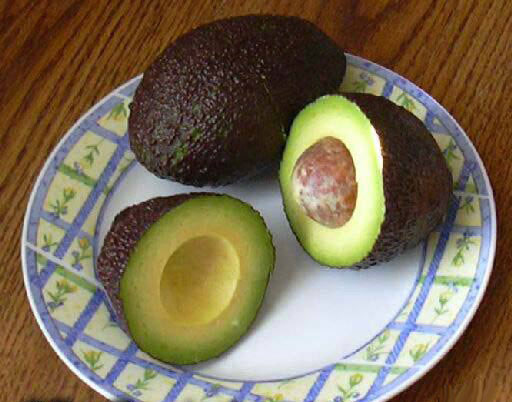
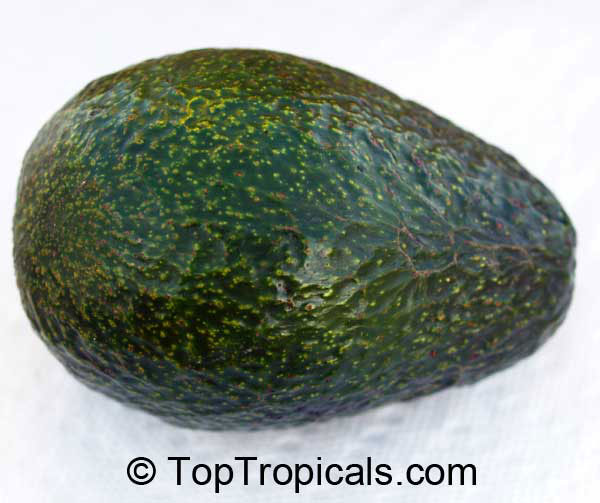
2. Hass - probably the most popular, but this tree prefers drier climate (Florida is humid, so we plant adaptable Florida Hass here). The fruit is dark-colored with a rough and bumpy skin, turns black when ripe.

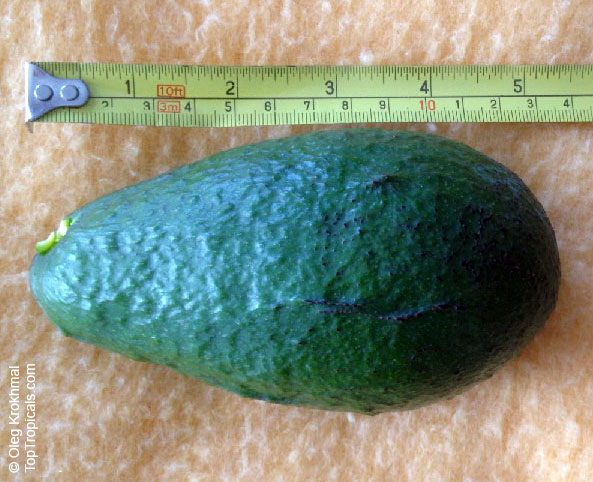
3. Fuerte - a dwarf and a very cold hardy variety. Everybody's favorite "Condo Avocado": perfect for container culture and small yards. The mature tree in the ground is under 15 ft; 6-7 ft in containers.

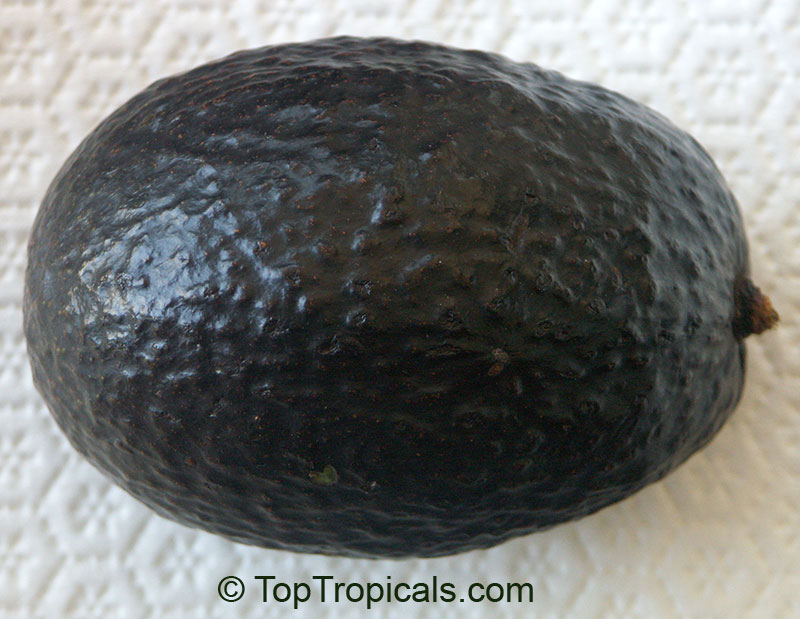
4. Oro Negro - Oro Negro means "black gold" in Spanish, which is an incredibly appropriate name for this fruit. This Monroe hybrid (with big size fruit) is crossed with a Mexican type which would explain the black skin. The flesh is rich and buttery with a creamy texture.

5. Winter Mexican - one of most cold hardy varieties, Guatemalan x Mexican origin. Mature trees may withstand temperatures in the mid 20s. Oblong fruit, 12-18 oz, thick green skin. Very vigorous tree, bears heavily and regularly in December-January.

Learn more: Avocado Variety Guide - check this out for interactive chart of Avocado varieties and sort them by flower type A or B, tree habit, fruit shape and quality, cold hardiness, origin, season and more!

Avocado  Hass

Photo above: Avocado Hass

Avocado  Fuerte

Photo above: Avocado Fuerte

Avocado  Oro  Negro

Photo above: Avocado Oro-Negro

Avocado  Winter  Mexican

Photo above: Avocado Winter-Mexican