Garden Blog - Top Tropicals

Date: 30 Jun 2020

Plants like to snack!
How to feed Poinciana tree

(and other tropical flowering trees)
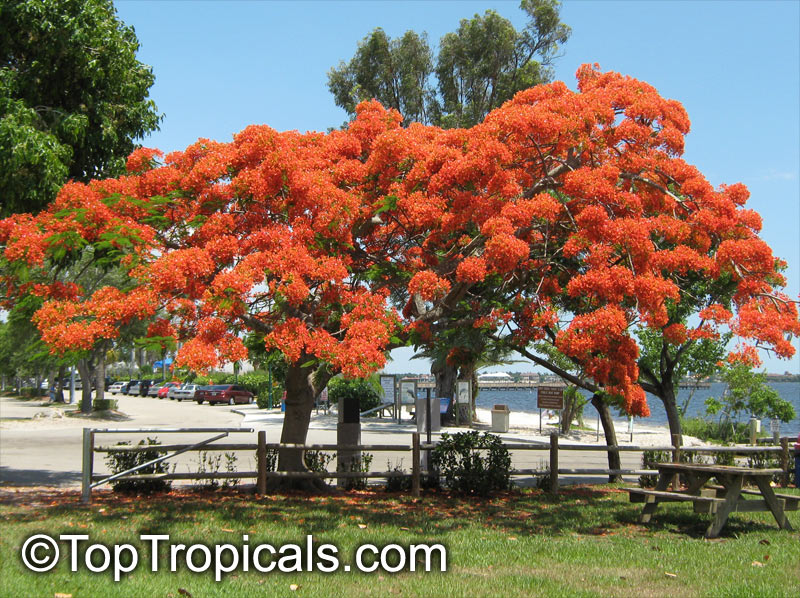
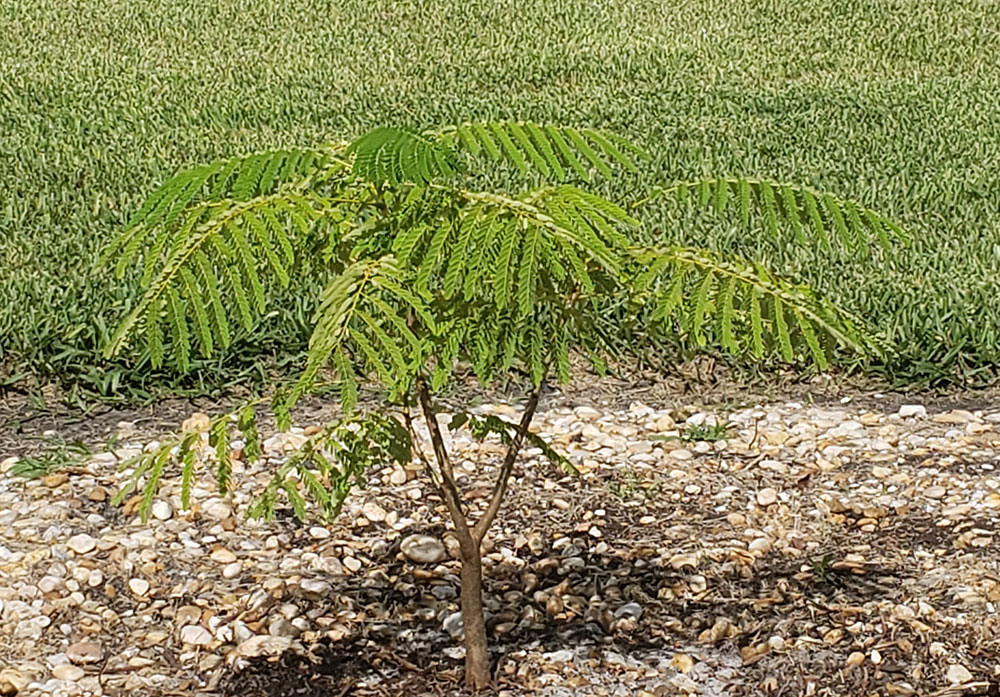
Q: We purchased a Royal Poinciana tree from TopTropicals not too long ago and we gradually gave it more sun until finally we were able to plant it in direct sunlight where it's been for a week or so. Rain has been sporadic lately so I'm giving it a little bit of water every day. It seems to be doing fine. I do have a question about whether the leaves are as green as they should be? I read online that I should fertilize it with gardenia / ixoria fertilizer in March, June, and October. I looked on homedepot.com but didn't really find anything that goes by that name. Would fertilizer help? Can you suggest a fertilizer?

A: Your Poinciana tree looks pretty healthy and happy, congratulations with a great job!
Traditional (old-school) fertilizer recommendations usually suggest feeding a plant 2-3 times a year with a slow-release fertilizer. And although a plant will benefit from any fertilizer application (extra food is always good), however, for the best results, faster growth, sooner and more profuse blooming, your should use complete plant nutrition products - liquid fertilizers (see why liquid fertilizers are better than dry).
Here is an example. Some people eat a big heavy meal once a day which we all know, is not very healthy. Other people eat balanced food more frequently but in smaller portions - this is always the best way to go.
From this point, plants prefer SNACKING - frequent feeding, but with less concentrated, mild and balanced nutrients.
For your beautiful Poinciana tree (and other flowering plants), we suggest the following nutrition program:

1) SUNSHINE Megaflor - Bloom Nutrition Booster - you may use this fertilizer as frequent as with every watering, it won't burn the roots, and will provide a complete nutrition for all plant needs throughout the year. You can continue fertilizing with Megaflor even during winter time. Sunshine Megaflor will help you to keep the plant healthy, vigorous, and resistant to stress and diseases. It turns leaves green and makes the plant strong so it will start flowering sooner for you.

2) Tropical Allure - Smart-Release Booster. Apply it once a month during hot season only (in Florida - from March to November).

Date: 23 Mar 2026

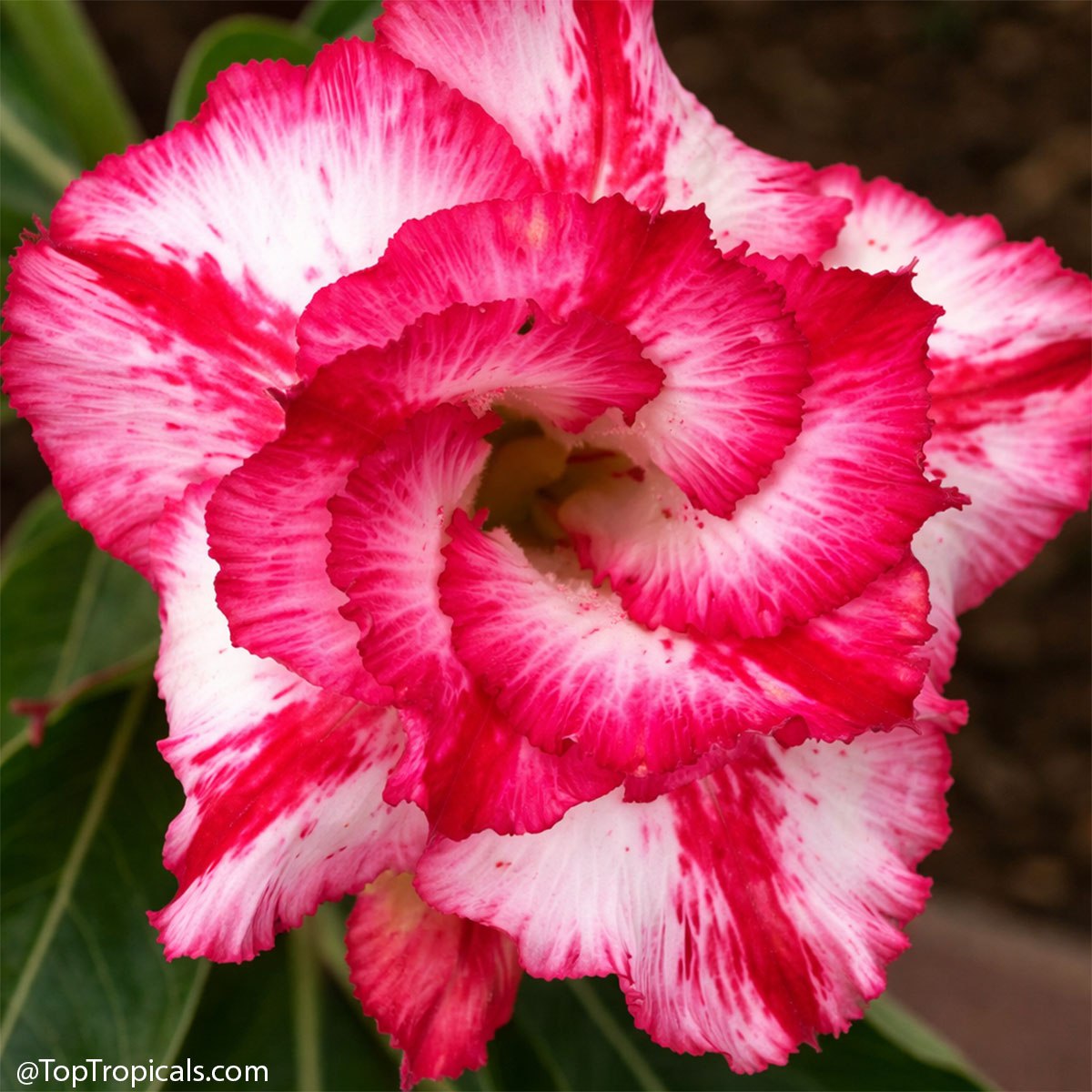
Adenium rainbow: these 6 will pull you in

Adenium Big Harry

Adenium Big Harry

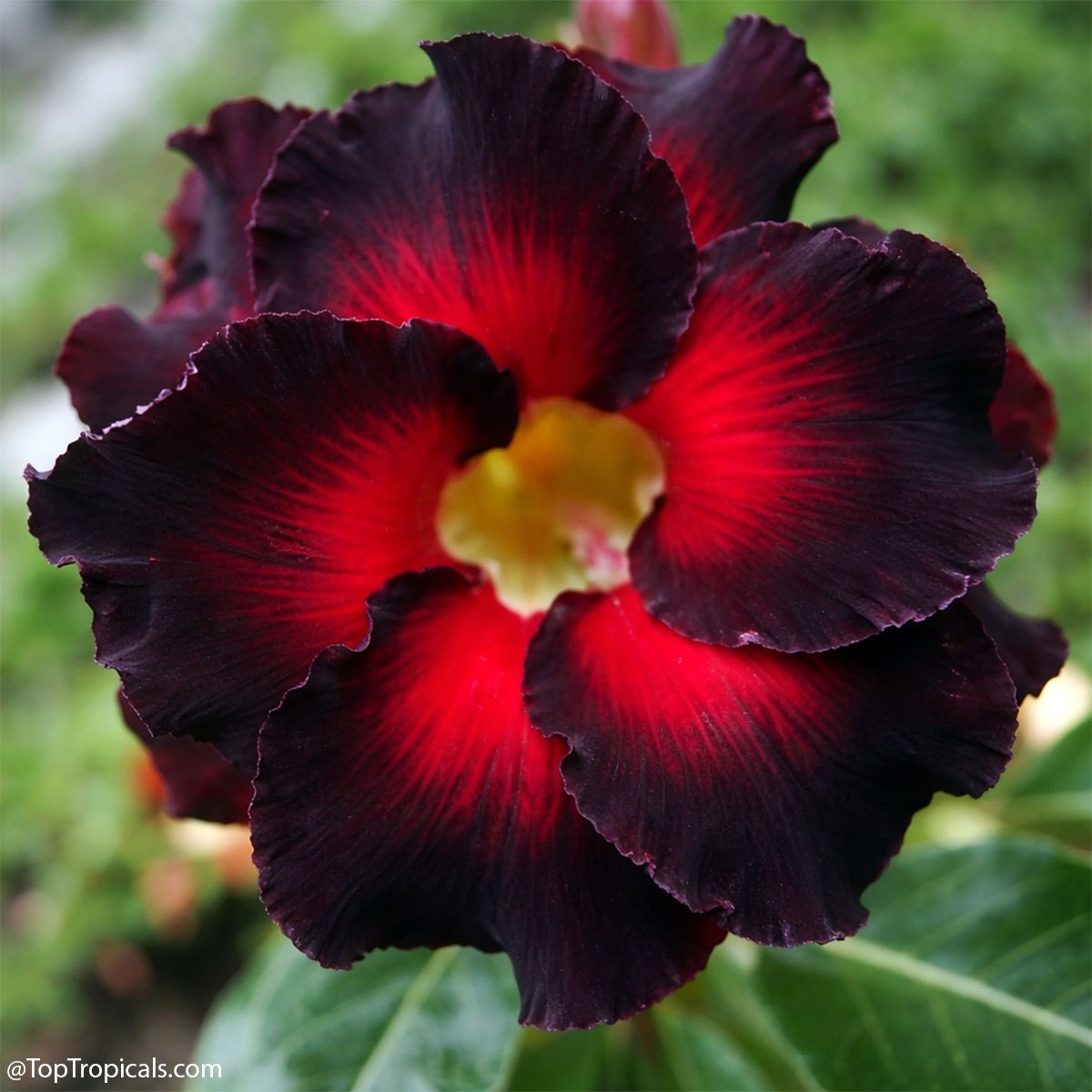
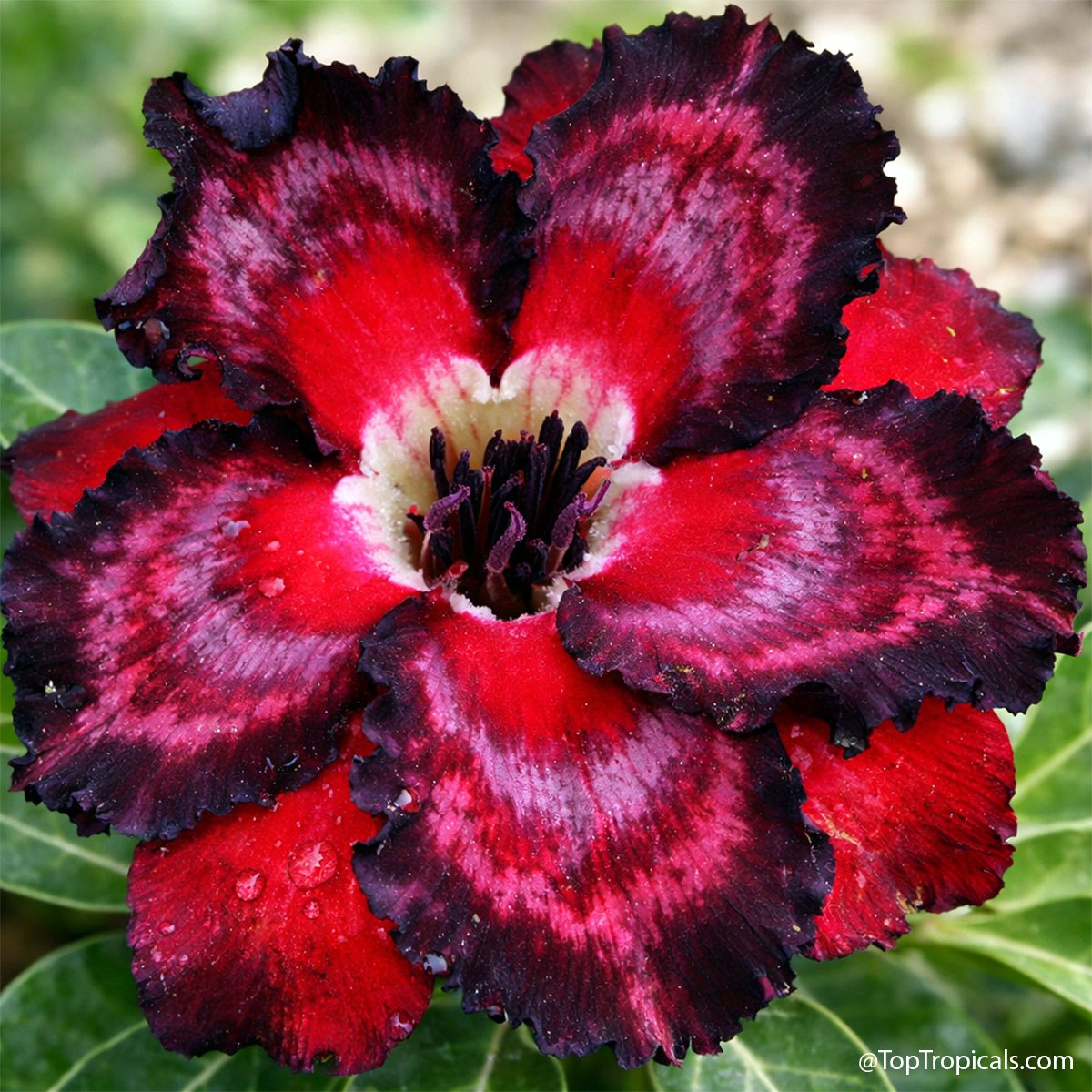
Adenium Black Border

Adenium Black Border

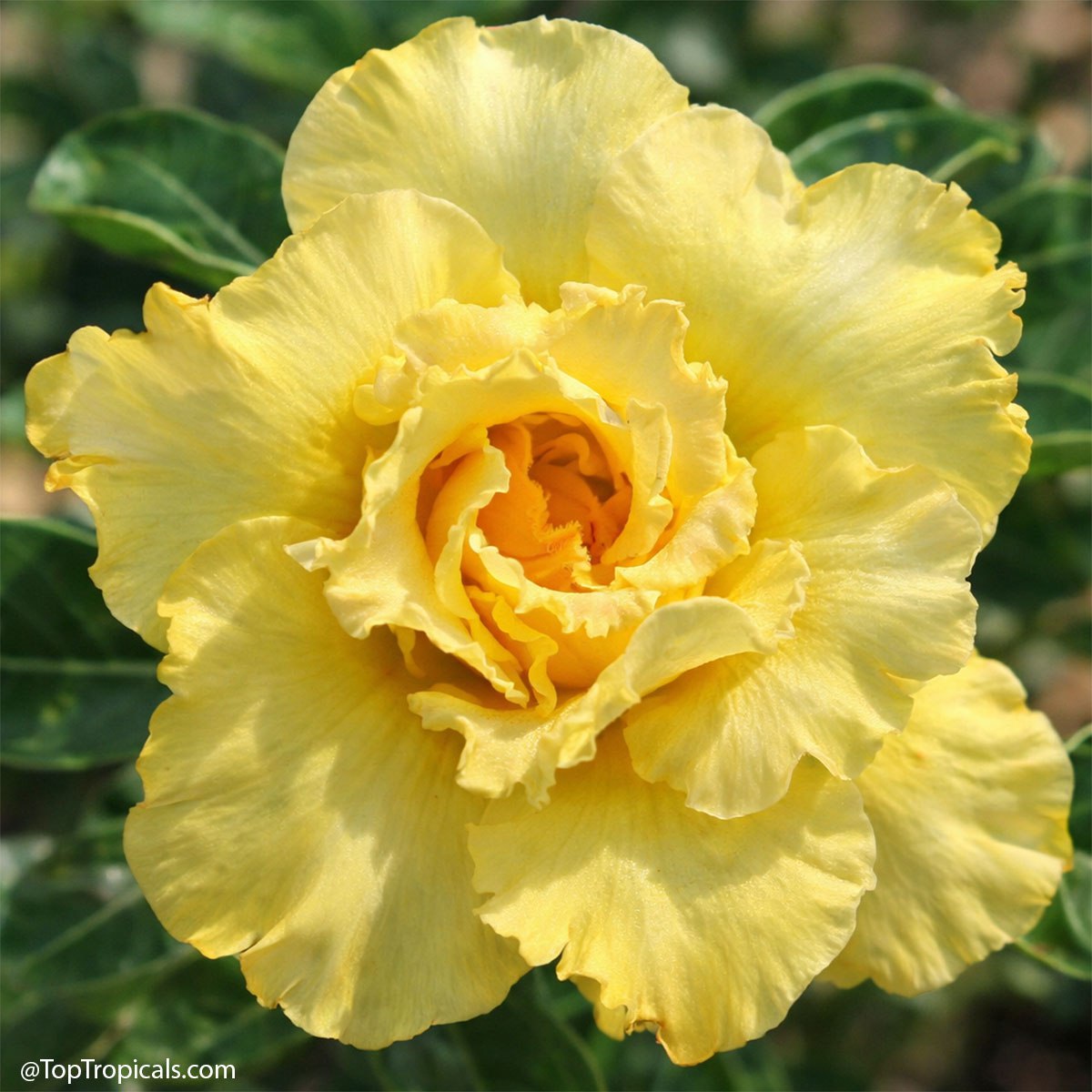
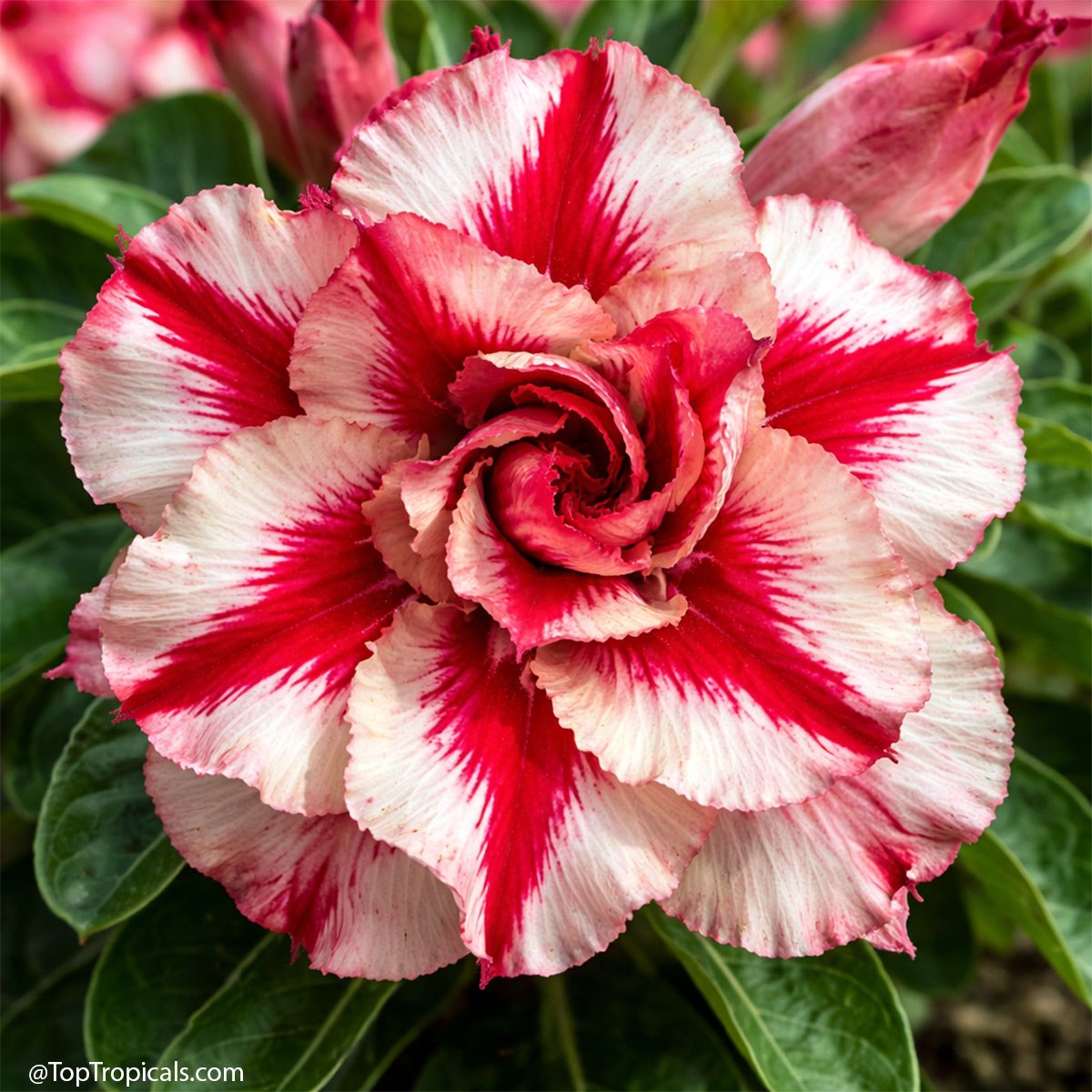
Adenium Cheese

Adenium Cheese

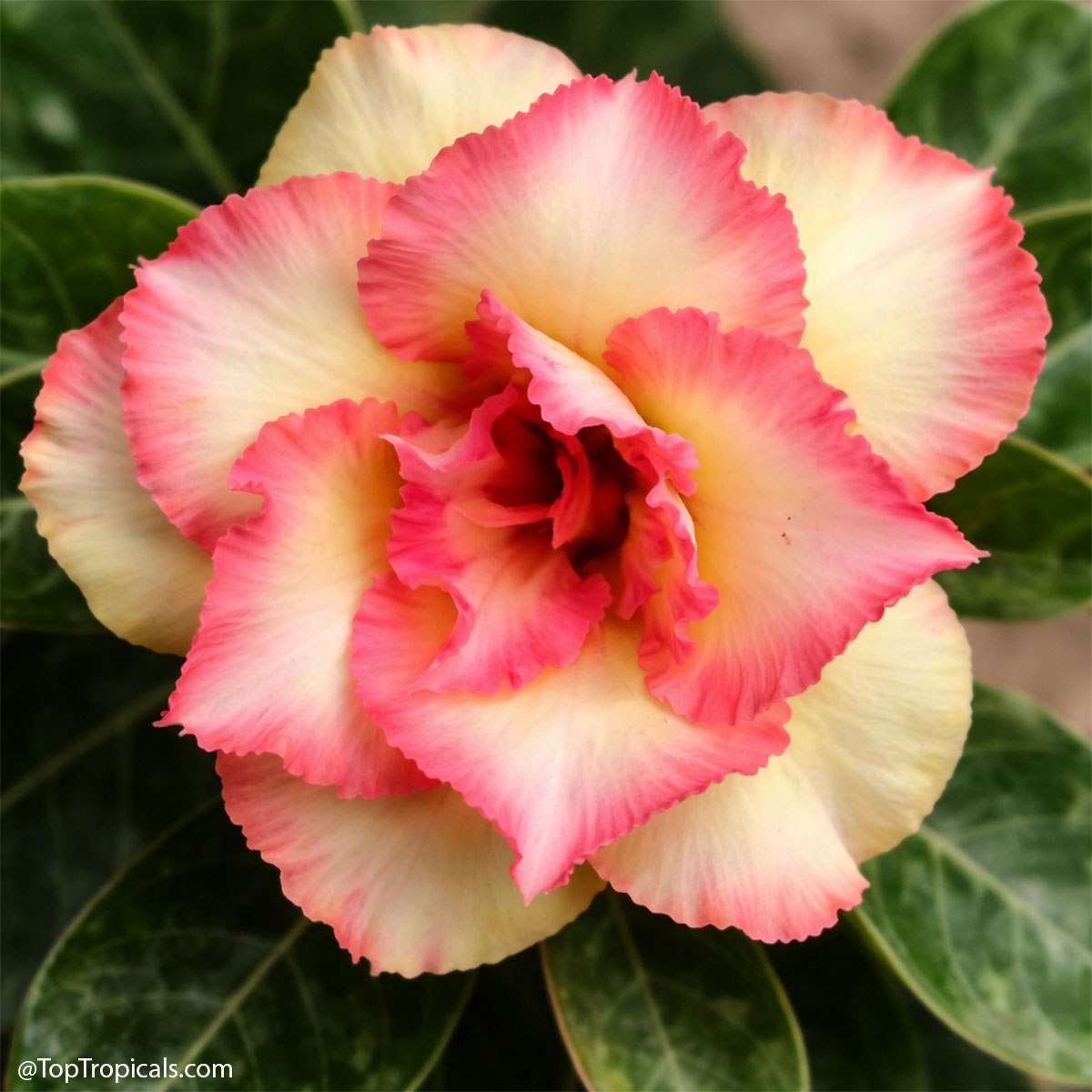
Adenium Cotton Candy

Adenium Cotton Candy

Adenium Chok Am Nuay

Adenium Chok Am Nuay

Adenium Immortality-2

Adenium Immortality-2

Adenium rainbow: these 6 will pull you in 🌈

Some adeniums are nice, and some - make you stop and stare.
This batch leans bold, unusual, and a little addictive. If you’re building a collection, this is the kind of mix that makes it feel alive.


💡 Adenium fertilizing tip


Adeniums respond really well to liquid feeding - especially during active growth.

Adenium Plant Facts

Botanical name: Adenium sp.
Also known as: Adenium, Desert Rose, Impala Lily
USDA Zone: 9 - 10
Highligths Plant with caudexLarge shrub 5-10 ft tallSmall tree 10-20 ftFull sunWater Requirement: Low. Allow soil to dry out between wateringsWatering: Moderate. Water when top soil feels dryYellow, orange flowersRed, crimson, vinous flowersUnusual colorBlue, lavender, purple flowersWhite, off-white flowersPink flowersToxic or Poisonous
Get personalized tips for your region


Bloom booster. Use a fertilizer with a higher middle number (phosphorus). It supports both flowering and caudex development. We use professional Sunshine Megaflor Bloom Booser.

How to apply
Water into the soil
Light foliar spray on leaves
Avoid spraying directly on the caudex

Add Sunshine Superfood:
Iron - for rich, healthy leaves
Molybdenum & Boron - support longer-lasting blooms

🌸 Today's featured adeniums


 ✦ Big Harry: Large, bold presence - one of those varieties that doesn’t go unnoticed.
 ✦ Black Border: Deep, rich petals with a dramatic dark edge that makes the color pop.
 ✦ Cheese: Soft yellow shades, warm and creamy - unusual and easy to like.
Cotton Candy: Fluffy pink shades that look almost unreal, like spun sugar.
 ✦ Chok Am Nuay: A Thai classic tied to luck and prosperity - strong grower with character.
 ✦ Immortality-2: Layered petals with a refined look - feels a bit more rare and collected.

Pick a mix like this - light, dark, bold, soft - and your collection instantly feels more complete.
And yes… this is how it starts again.

🛒 Explore Exotic Thai Adeniums

📚 Learn more:


· Adenium varieties in Plant Encyclopedia
· About #Adenium Rainbow - fantastic varieties
· How to start your dream collection: before you start
· How to grow a happy Adenium

#Container_Garden #Adeniums #How_to #Discover

🟢 Join 👉 TopTropicals

Date: 10 Jun 2021

Growing Champaka in Virginia

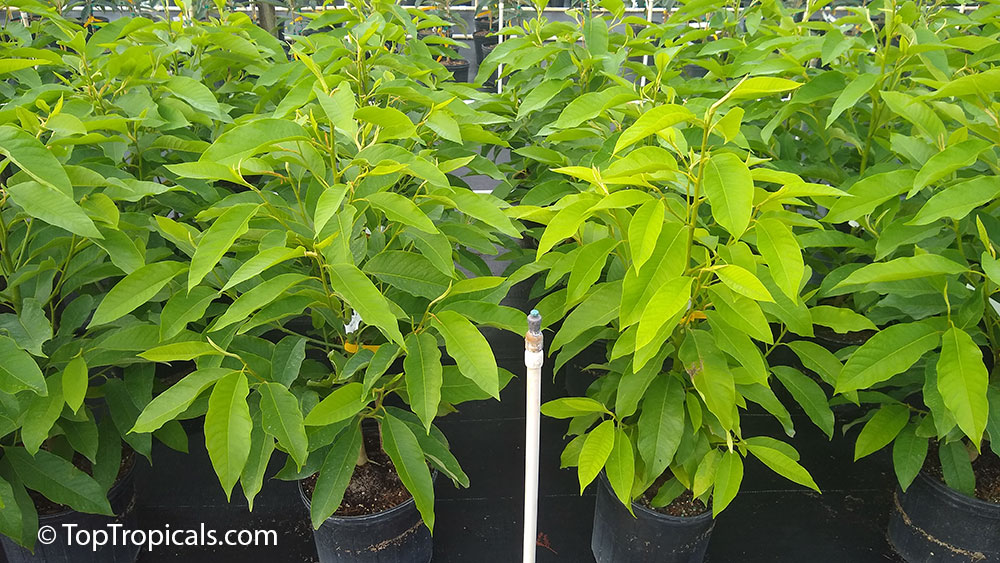
Q: I purchased a Magnolia champaca 1 gallon a few years ago. It is still growing as I bring it into my greenhouse in the winter. I live in VA. This spring I planted it in the ground hoping it might bloom which it did not. Will it survive our fairly mild winters with several freezing days with some special attention? What would you do?

A: Magnolia champaca is a tropical tree and won't survive winter in VA. It can not take hard freeze. Your only option is, to keep it in a pot and bring inside. If the temperature inside your greenhouse is too low, this may affect the plant's ability to flower. For example, if it stays 35-40F for a whole month - although it is not a hard freeze and the plant may survive, but the duration of the cold period is more critical than the low temperature itself. Champaka can survive a few hours even at upper 20's, but not many days with cool temperatures. The temperature in winter should be maintained at least above 55F during day time (the higher the better) and at least above 45F at night.
If the tree has grown too big, you may trim it. If the root ball is too large, roots can be trimmed too (similar way like they do with bonsai) before repotting. However, trimming must be done either during warm season and active growth, or in Spring, when the tree starts waking up and promotes new growth.
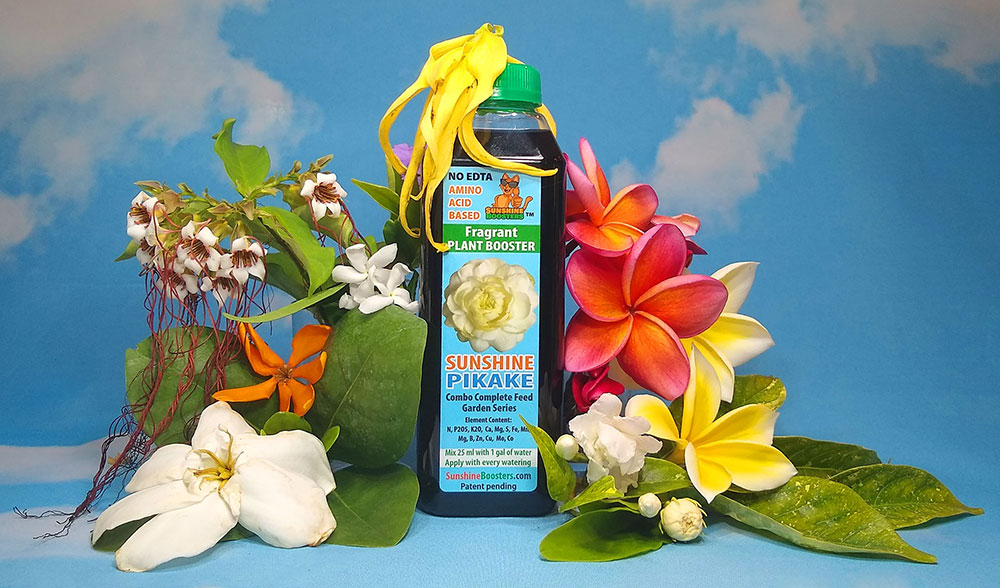
To encourage flowering, start fertilizing your Champaka with a liquid bloom booster - SUNSHINE Pikake - Fragrant Flower Booster. It can be used year round including winter months, and it is safe to apply with every watering. This way you will provide to the tree enough energy for the next flowering season, so flowers can be expected in late Spring - Summer.

Read more about greenhouse growing: Greenhouse in Virginia.

Date: 10 Mar 2021

Healthy Plants: Q&A from Mr Booster

Jasmine Grand Duke flowering

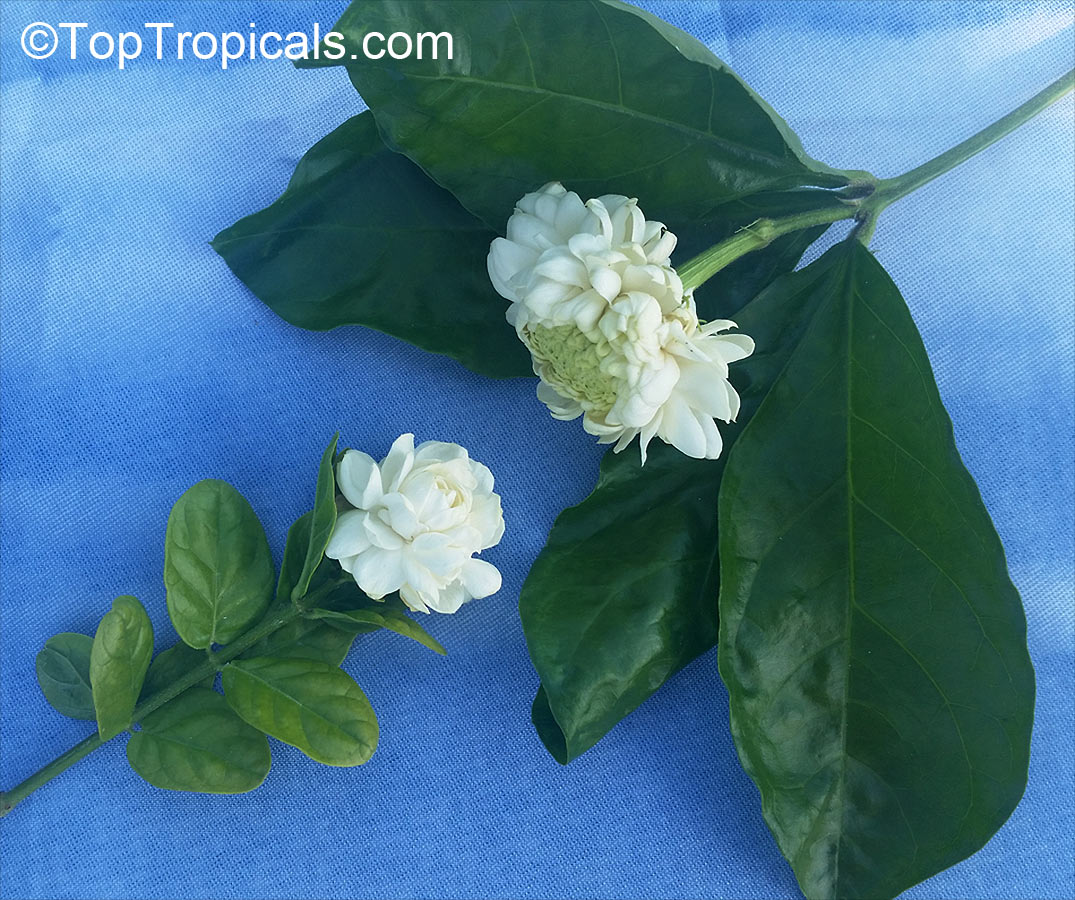
Q: Hey can you help me figure out why my jasmine grand duke supreme is not flowering? Ive had it for almost a year (in NY) and only had 1 flower bloom and that immediately turned brown and died. Since then no flowers have come. The leaves are green and healthy and its growing like crazy but not flowers. Please help me figure this out.

A: For profuse flowering, Jasmine sambac needs 2 things: bright light and special plant food. We have plenty of both here in Florida. If your grow this plant indoors in colder climate, get it to flowering can be a bit tricky.
Your plant grows well overall with lots of vegetative growth, this is a good sign, it means it's healthy, and not being overwatered which is one of the most common problems with Sambacs. You're doing a great job! This jasmine just needs more sun and fertilizer.
Make sure to keep it in the brightest spot of your home. The more hours of light, the better. When night temperatures stay above 65F, it is beneficial to bring the plant outside on a balcony, patio, or in a garden in full sun as a potted specimen (move to bright light gradually). You should give this Jasmine plenty of food with every watering. We recommend SUNSHINE Pikake - Fragrant Flower Booster. This is a natural fertilizer that can be applied to plants year round without risk of burning the roots or nutrient lock up in the soil. It provides all necessary elements for the flowering cycle - just add a bit into watering can, every time you water.

Date: 21 Sep 2019

Shaping a tree and regrowing branches

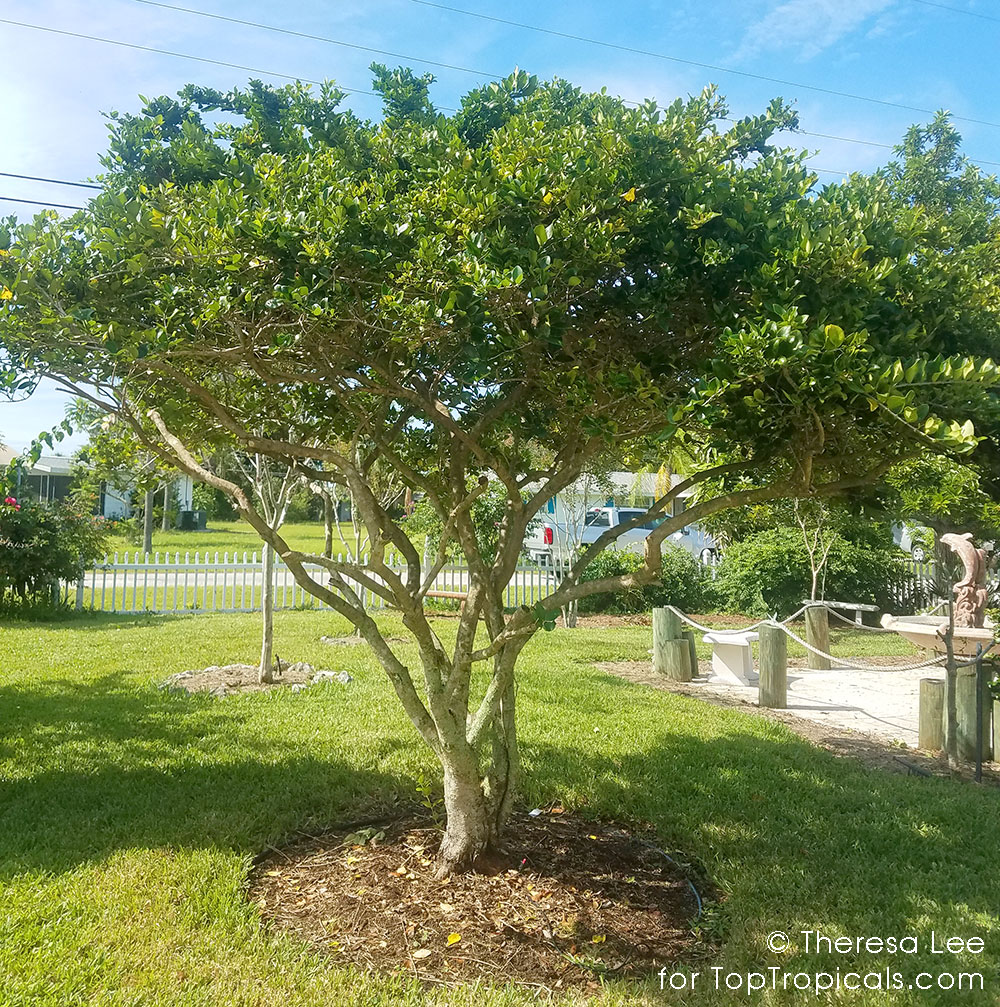
Q: I have been so worried about the beautiful ligustrum on my property since my husband decided to "prune" it 2 days ago. He removed about 20 branches from the tree and completely altered the look of the canopy which was so full and lovely 😭. Please advise me if there is anything I can do to help this tree. Will any of the branches grow back? Will the canopy return? It looks practically bare to me now.... so heartbroken. Any advice and reassuring would be greatly appreciated.

A: The good news is, the tree will regrow new leaves and will branch out. The question is, how soon. Ligustrum is pretty slow-growing species and it may take a while until it gets to the shape that is close to the original.
On the other hand, pruning is beneficial almost for every plant, it promotes new growth and bushy shape. So do not panic, your beautiful tree has good chances to become even prettier.
To speed up the process of re-leafing and promote healthy new growth, we recommend the following:

1) Provide extra watering, assuming you have a sprinkler system that covers the yard. Water additionally 1-2 times a week using a garden house, for 1-2 minutes, saturating the soil around the tree and up to a drip line.

2) Apply the following fertilizers:
Tropical Greenhouse Plus - Foliage Booster
Tropical Allure - Smart-Release Booster

3) In addition to fertilizers, we recommend these 2 supplements that will enhance effect of fertilizers and make re-grow process even faster:
SUNSHINEâ„¢ SuperFood
SUNSHINEâ„¢ HumiHum - a natural humate vitamin for plant

4) Mulch well around the tree, keeping it 2-3"away from the trunk

This should help to get your tree back in shape!