Garden Blog - Top Tropicals

Date: 7 Oct 2019

Fertilizing in Winter?
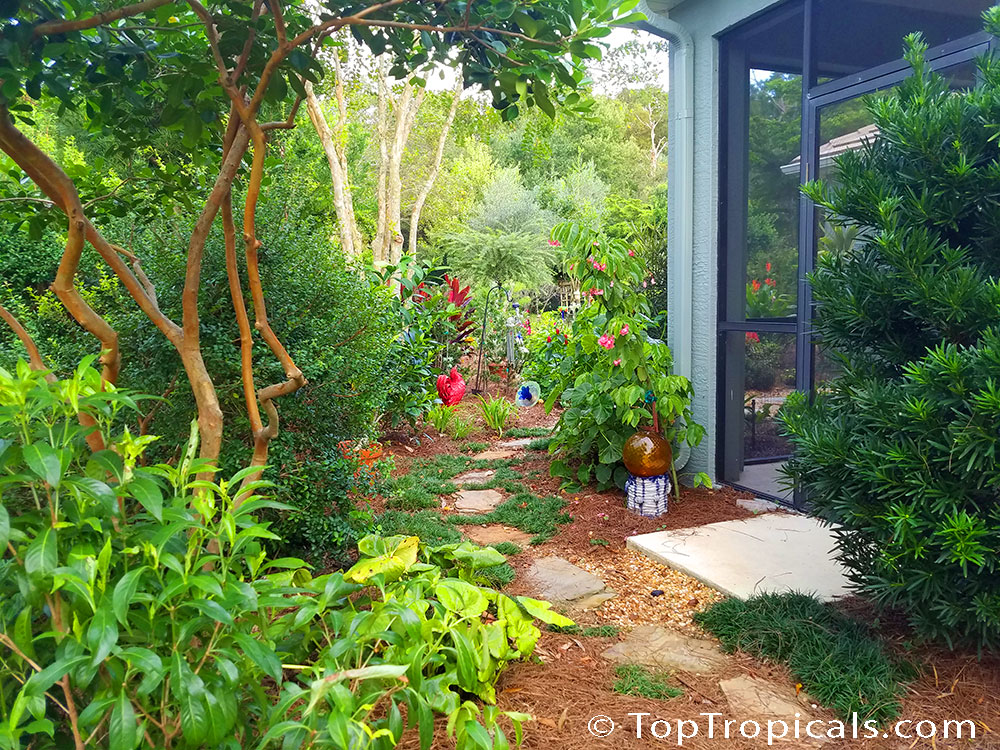
Q: I'm a bit confused about what winter fertilization schedule I should follow in South Florida. For blooming plants, usually, I use a monthly granular bloom booster fertilizer as well as a liquid fertilizer every 10 days or so. Should I continue that schedule in the winter as well? Should I stop fertilizing altogether in the winter? How about fruit trees? What fertilization schedule should I follow in the winter?

A: Here is a general fertilizing schedule for established plants that we follow here in SW Florida.
The rule of thumb is, do not fertilize (with macro- NPK elements) when minimum temperatures drop below 65F and stay at that level for more than 7 days. At this temperature point, most of the tropical and subtropical plants slow down their metabolism and some of them going into dormancy. This means, nutrients are not consumed as much as during active growth period, and built-up nutrient supply within a plant plus whatever is available in the soil is just enough to get by through the winter. So additional fertilizing is not necessary. You may continue micro-element supplements and bio-stimulants throughout the year. In fact, it is highly recommended to do so, to help the plant survive cold spells. These are very effective tropical plant protectors:
SUNSHINE-Epi - Brassinosteroid plant hormone
SUNSHINE-Power-Si - Advanced plant protector with Silicon
SUNSHINE SuperFood - Complex microelement supplement

This rule is applied to both flowering and fruiting plants, in general. However, some species are winter-flowering and winter-fruiting. For those, you can make an exception and provide extra nutrients for flowering and fruiting, as long as the weather stays warm. During cold spells, avoid any NPK fertilizers and use only bio-stimulants and micro-elements. If you apply NPK during cold, it won't be consumed by a plant, build up in the soil, and may create a root burn situation.

In simple words, fertilize from March to October. Give plants some rest from November to February.

Date: 24 Sep 2019

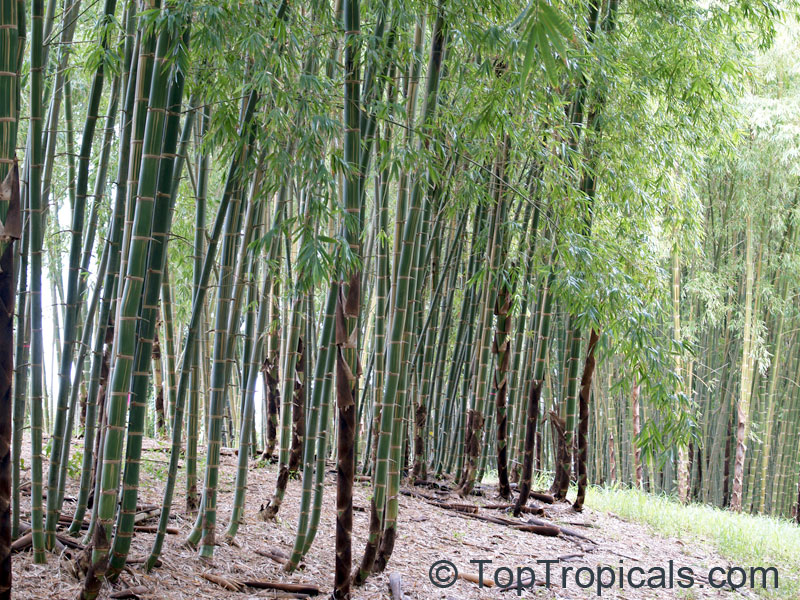
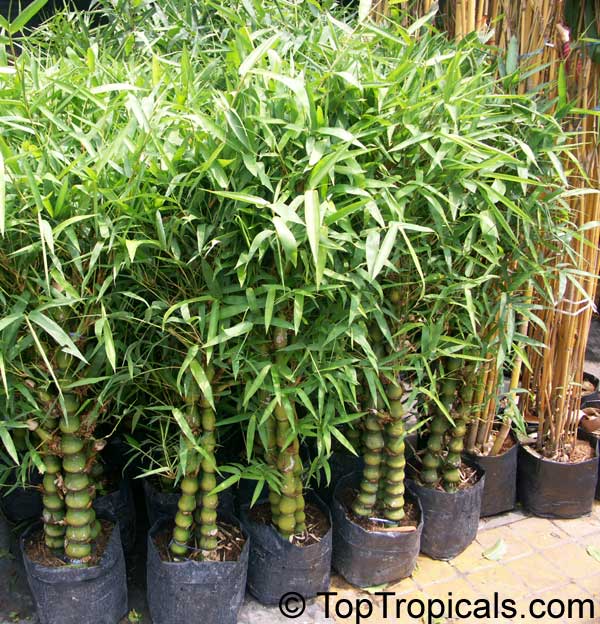
How to fertilize a bamboo?

Q: When do you fertilize new bamboo trees and can you use the same fertilizer you use for mango trees?

A: Bamboo is a tropical to subtropical plant with growing season year-round. You can start fertilizing it right away with the exception of colder months when temperatures drop below 65F.
Mango fertilizer is formulated for fruit trees, so bamboo won't benefit from it. Bamboo is not a fruiting plant and is not even cultivated for flowers. Its beauty is in healthy green foliage and beautiful stems. So you will need foliage-type of fertilizers for it.

We recommend the following fertilizers for bamboo plants:
Tropical Greenhouse Plus - Plant Booster
Tropical Allure - Smart-Release Booster

Remember to always use micro-elements that are essential for every green plant.

Date: 5 Sep 2019

Bahamas Dorsett Golden Low Chill Apple

Q: We recently moved to Florida and we miss our Apple trees we had back up North and the Golden Delicious apples. I was told they won't grow in Florida, it is true?

A: There is a solution for apple lovers even in Tropics! Low chill apples bear as far south as South Florida, and may be a unique addition to your tropical garden.
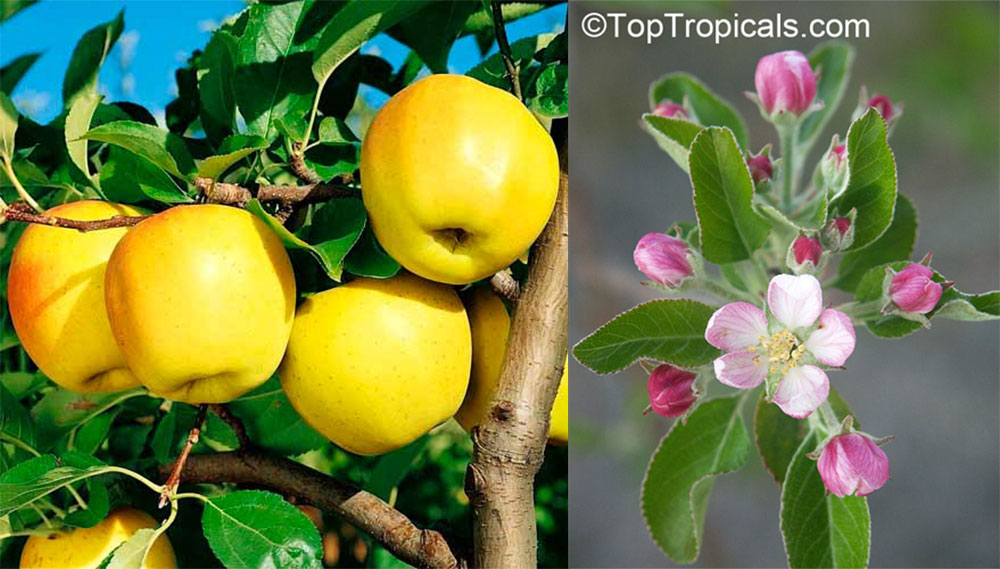
Variety Dorsett Golden looks like Golden Delicious with golden skin and sometimes a red blush. This cultivar was discovered in the Bahamas and is crisp and juicy with excellent flavor.
Attractive and fragrant pinkish-white apple blossoms will appear during Feb-March and give way to fruit (smaller than standard apples) in June. They remain a small tree, growing to about 15 feet.
For best results of cross-pollination and heavy production, we recommend a pair of low chill apples - the perfect couple Dorsett Golden and Anna.

Date: 29 Aug 2019

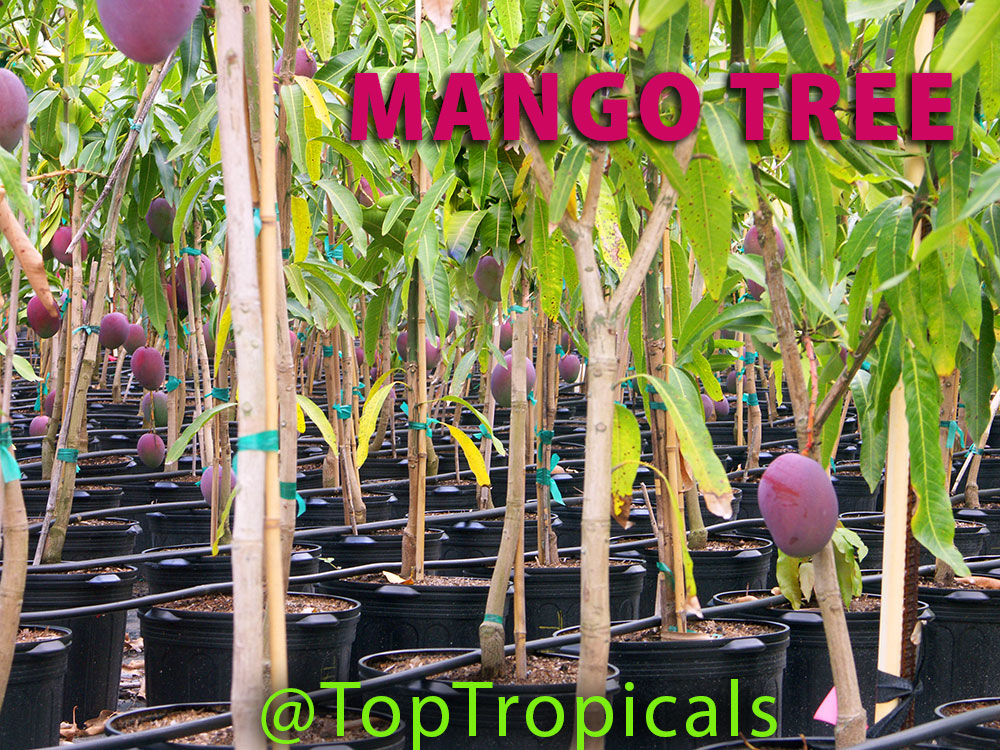
How to fertilize a Mango Tree

Q: I bought a Mango tree from you last month and planted it soon after it arrived. When is the best time to fertilize it? (I am in Florida)

A: We always recommend to wait on fertilizing until the plant is well established. If you planted your tree a month ago and it is doing well, showing new growth, then this is the time to start giving it some food.
For a mango tree, we recommend using 2 fertilizers - water-soluble and granulated:
Fruit Festival Plant Food
Mango-Food
Remember micro-elements that are essential for healthy and vigorous growth:
SUNSHINE SuperFood - plant booster

In Florida, this is the best time right now for fertilizing - while we still have a few months of nice warm weather - active growth period. This will help you Mango tree to establish well before winter rest.

Date: 16 Jun 2019

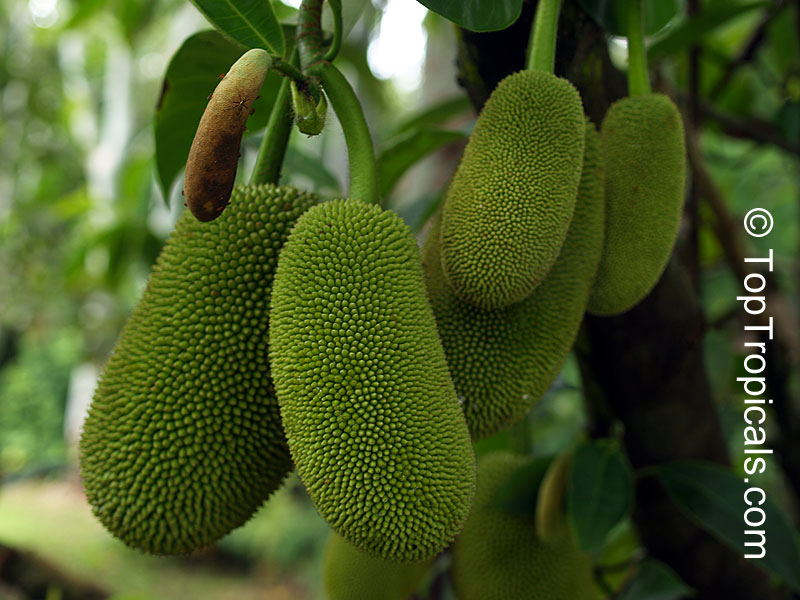
Repotting Artocarpus with a taproot in ground

Q: The Chempedak I bought from you almost 3 years ago which I had repotted twice has a thick taproot growing in the ground, which I noticed this past winter. I was going to repot into the largest size pot almost half of a 55-g rain barrel. Can I try to dig/save as much of the taproot before repotting, will it die if I had to shorten/cut what I can't dig out completely? I hate to put it in the ground for fear it may not make it when we have severe cold/long hours of frost. I live in west Cocoa, Central Florida, 9b.

A: Yes, you can repot the tree and keep it in reasonable size container after trimming the roots. Most of the tropical trees (fruit trees not an exception) can be grown in containers even if in Nature they grow into vigorous large trees. The key is, trim the roots every time you transplant it. The process is similar to trimming branches and both don't hurt the plant as long as done right and moderately. You should trim the overgrown and spreading limbs at the same time. You may trim as much as 10% off root system at the time of repotting. This will cause the root system to branch out and become fuller, similar to branches, which is a good thing. If a tree grows a taproot like in your case, it is not necessary to try "saving" and digging out the whole root that may go down for a few feet. You may cut it off without major damage to the tree since the rest of its root system will continue to support the plant metabolism. Just keep in mind that the plant will be stressed for a while - so put it in bright shade and water regularly until signs of stress go away (wilted or dropping leaves may occur). This particular type of tree - Artocarpus - is pretty strong and vigorous so the stress should be minimal.