Botanical name: Mangifera indica Also known as: Mango
USDA Zone: 9 - 11
Highligths
Groundhog said long winter… and it sure felt like it. But now it is
finally over, and balconies and patios are waking up again.
Easter is here, and with it comes that fresh start feeling - time to open
the doors, bring plants back out, and start growing.
We made it through the cold. For northern gardeners, that is every year;
for borderline zones, it is a reminder that freezes happen. That is exactly
why
growing in pots makes sense - you stay flexible.
Container growing is not just about pots - it is about choosing the right
plants. The best options stay manageable, produce well, and handle being
moved.
Let's look at what works. Start with plants that naturally stay compact and
adapt well to containers. These are the ones that won’t outgrow your
space and will reward you quickly. These are proven performers in containers
-
compact, productive, and easy to manage:
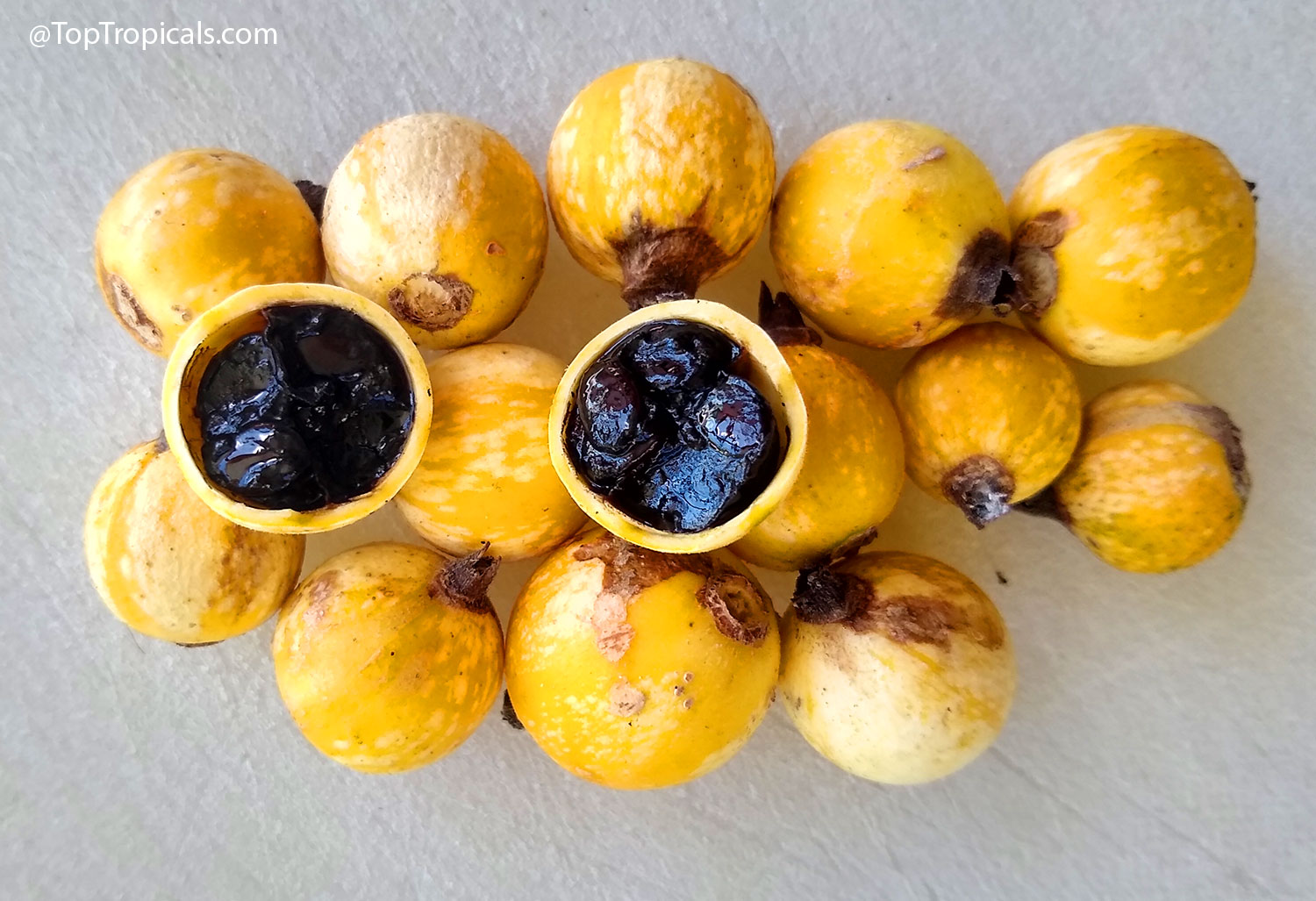
Botanical name: Randia formosa, Mussaenda formosa, Randia mussaenda, Rosenbergiodendron formosum Also known as: Blackberry Jam Fruit, Jasmin de rosa
USDA Zone: 9 - 11
Highligths
Fig Tree Plant Facts
Botanical name: Ficus carica Also known as: Fig Tree, Brevo
USDA Zone: 7 - 10
Highligths
Simple rule: if it stays compact and handles pruning, it
works in a container.
Skip the egg hunt this year - go on a plant hunt instead.
Start with one or two plants this Easter - not ten. Get them established,
learn how they grow, and then expand.
Container basics (keep it simple):
Pot size: start with 3–7 gallon, upgrade as
plant grows
Soil: fast-draining mix (never heavy garden soil)
Water: soak well, then let top inch dry
Feeding: consistent light feeding works better than
heavy doses
Sun: most tropicals want full sun (6+ hours)
🐣 Browse our Easter Container Collection
Randia formosa - Blackberry Jam Fruit
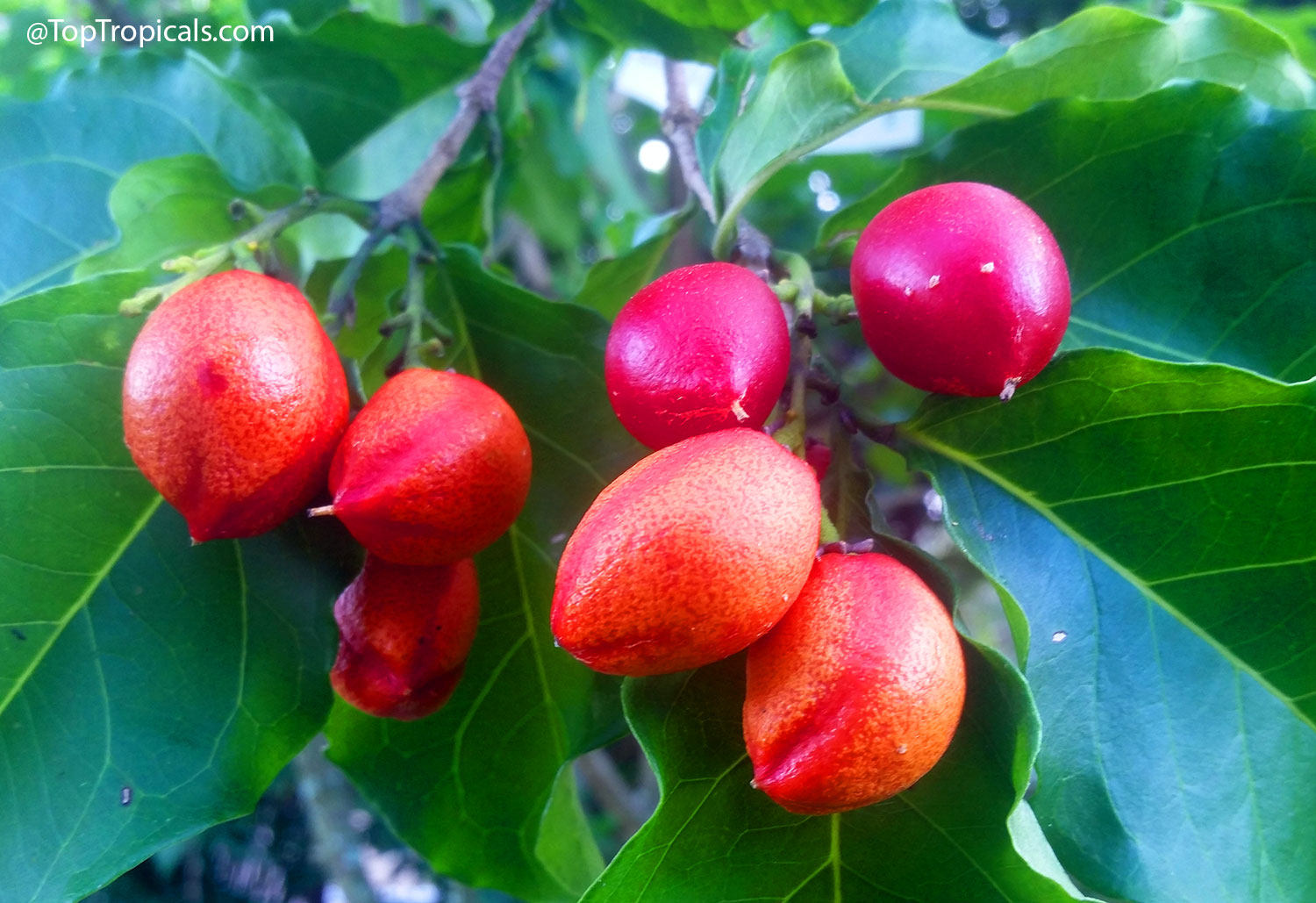
Bunchosia argentea - Peanut Butter Fruit
Peanut Butter Fruit Tree Plant Facts
Botanical name: Bunchosia argentea, Bunchosia armeniaca Also known as: Peanut Butter Fruit Tree, Ciruela Del Monte
USDA Zone: 9 - 11
Highligths
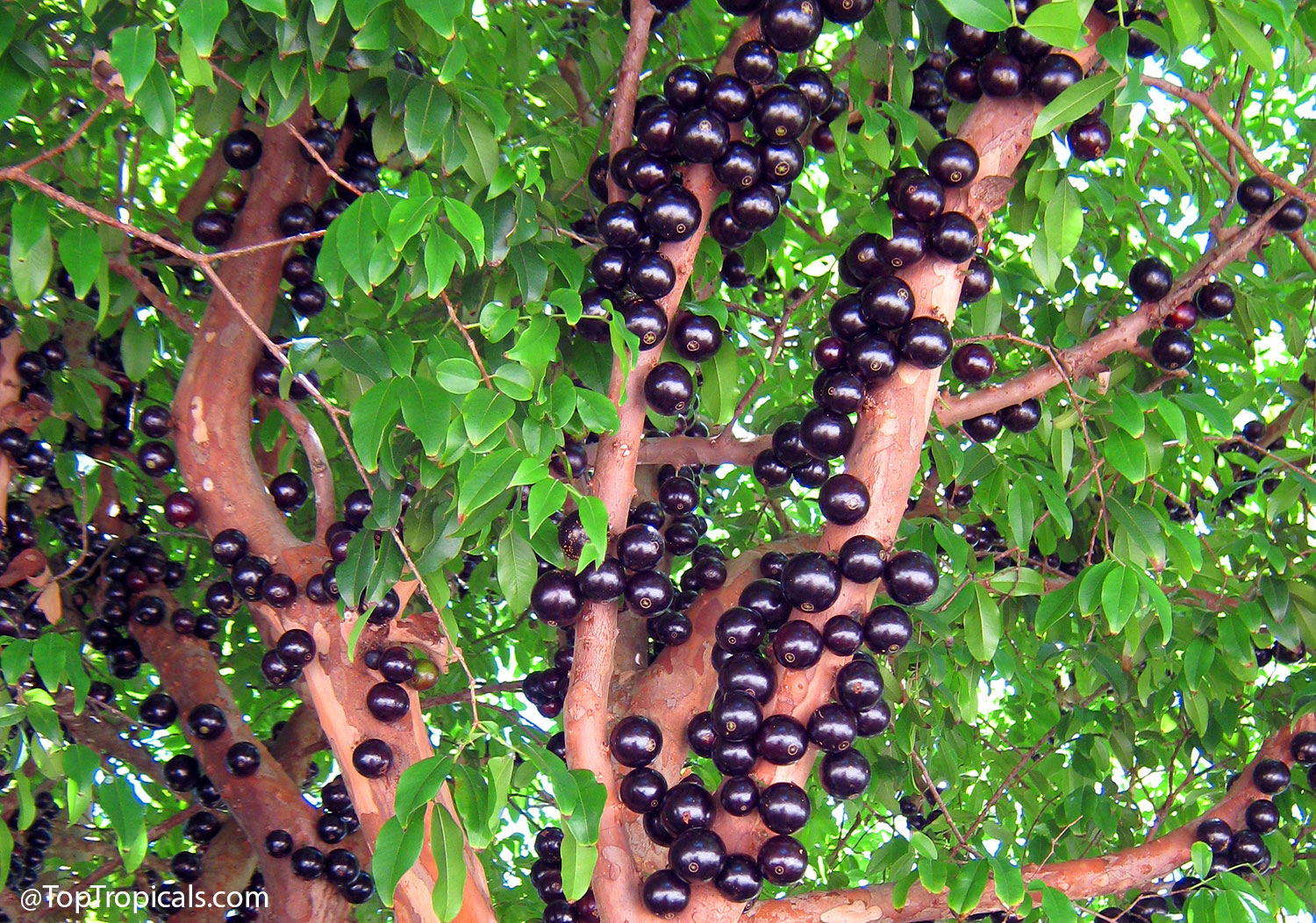
Myrciaria cauliflora - Jaboticaba
Jaboticaba Plant Facts
Botanical name: Myrciaria cauliflora, Plinia cauliflora, Eugenia cauliflora Also known as: Jaboticaba, Duhat
🥭 Late season mango Kent: Florida's delight.
Mango Rainbow🌈
🟡Kent is Florida's late-season superstar that never disappoints!
🟡These big, oval mangoes turn yellow-green with a ruby-red blush and emit the most tropical, peachy aroma. Slice inside and you’ll find dense, fiberless orange flesh that melts in your mouth with a sweet-tangy burst and warm spice notes. It's juicy, succulent, and perfect fresh or in smoothies - and they keep coming from July through early fall.
🟡This tree is a heavy bearer, disease resistant, and a must-have in any mango collection!
You wont believe what was hiding inside this Siamese twin Valencia Pride mango!
Valencia Pride mango
🥭 You won't believe what was hiding inside this Siamese twin Valencia Pride mango!
Mango Rainbow🌈
🥭 From our Valencia Pride tree that you saw in earlier video came this giant double mango - two fruits fused into one! On the outside it looked bizarre, but the real surprise came when we cut it open. Want to see what a twin mango looks like inside? Watch the video and find out!
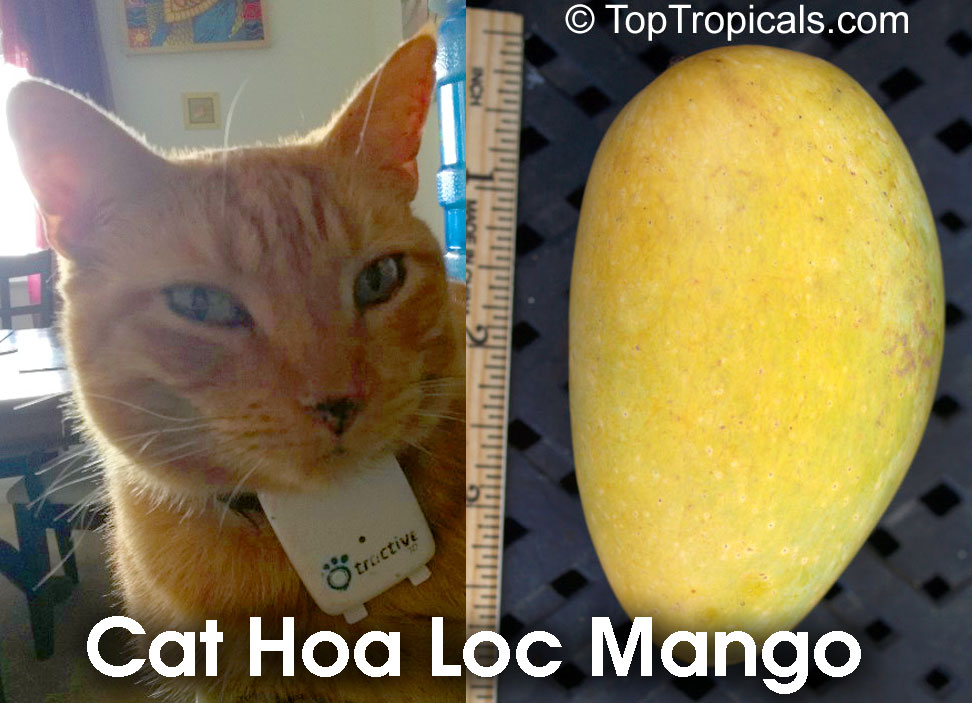
Grafted Mango (Mangifera indica) - Hoaloc, Cat Hoa Loc... It is very
rare, Exotic mango variety from Vietnam. The fruit is fiberless, oval yellow,
with very thin seed. It is a rare, collectible variety.
Among Vietnamese mango cultivars, Cat Hoa Loc is the most popular cultivar
because of good appearance, texture, taste, and flavor. Its production ranks
the first among commercial mango cultivars in Vietnam.
It is known as one kind of the most famous mango in the Mekong Delta
and one of the favorite fruit by appealing color, taste and high nutritional
value. Hoa Loc mango became the reputation brand not only in Vietnam but also
in the world. With elongated shape, bright yellow skin when ripe, bright
yellow flesh, flesh architecture firm, smooth and low in fiber, are very tasty and
fragrant.
The Vietnamese Government supports the expanding of the production area
for Cat Hoa Loc mango. At the mature green stage, Cat Hoa Loc mango fruits
usually turn to full ripening within 4-5 days thereby limiting distribution
and marketing options.
So the best way to taste this delicious rare variety is to grow your own!