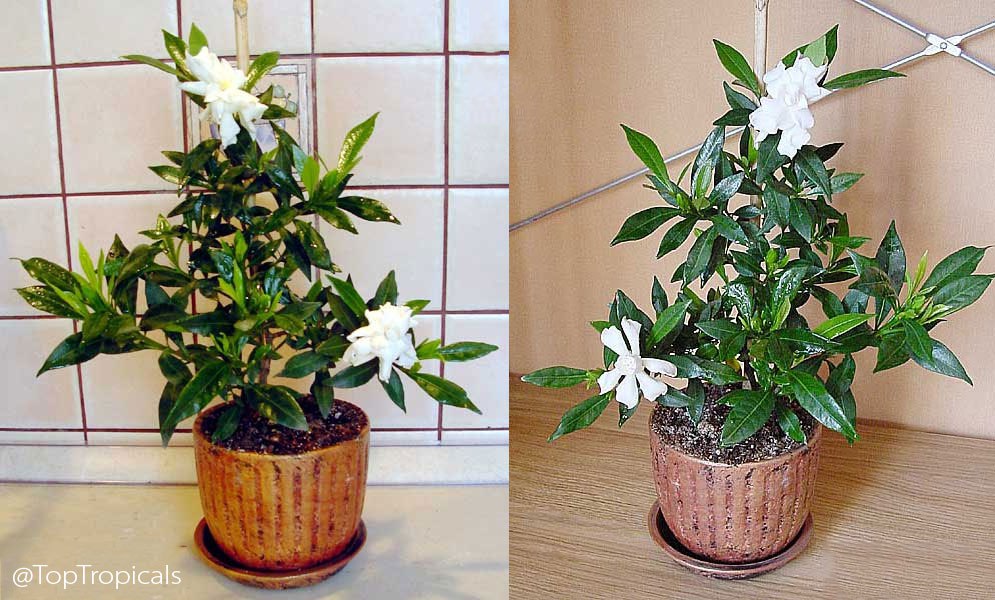
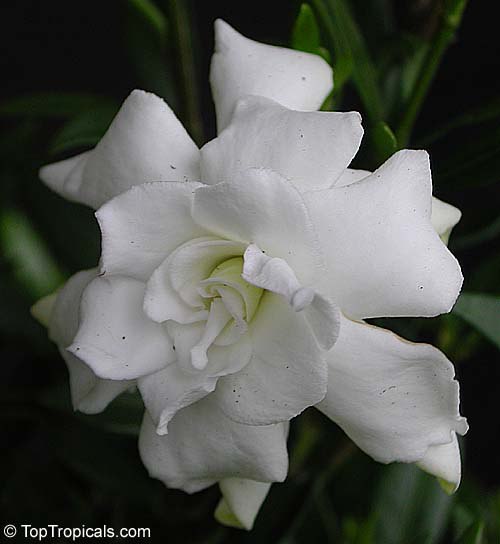
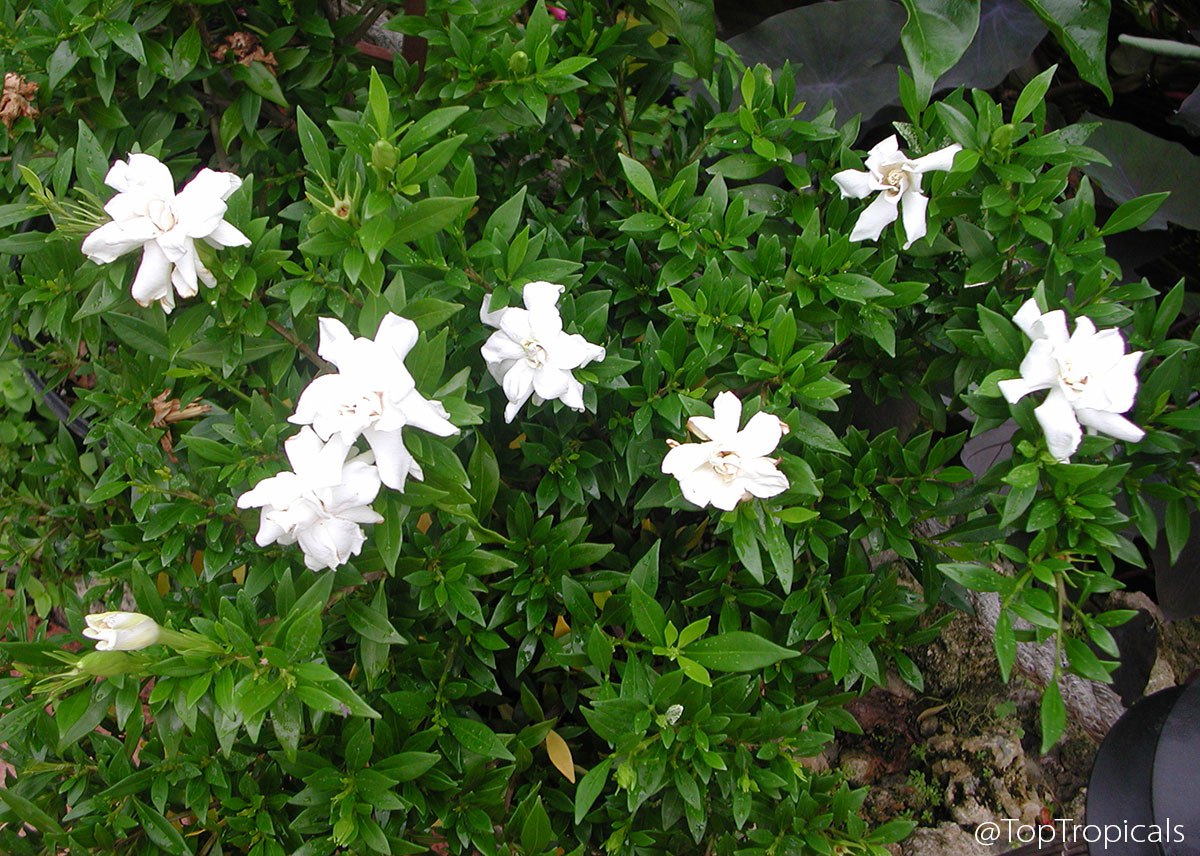
Gardenia radicans - Dwarf Miniature Creeping Gardenia - can surprise even longtime gardenia fans. It has all the charm of the classic shrub - glossy green leaves, pure white flowers, and that unforgettable fragrance - but in a smaller, easier form.
Natural bonsai. This little plant grows low and wide, staying under 1-2 feet tall and spreading up to 3-4 feet. It forms a dense mound or creeping groundcover that looks great along walkways or spilling from a pot. The leaves are tiny and shiny, giving it a neat, polished look all year.
The flowers are about an inch across, double or semi-double, and smell just like the full-size gardenia. They bloom in spring and often return through summer, filling the air with perfume.
Easier than other gardenias. Gardenia radicans isn’t as fussy as most gardenias. It can handle clay, sandy, or loamy soil as long as it drains well. Once established, it’s fairly drought-tolerant and can even handle some cold, down to around 15F in protected spots.
Where to plant. It's perfect for small gardens, patios, or as a bonsai. You get the luxury fragrance of a gardenia without needing a big space. Use it as a groundcover, edging plant, or container specimen. It's one of those plants that stays tidy, looks refined, and keeps blooming. For anyone who loves gardenias but wants something compact and low-maintenance, Gardenia radicans is a great find.
If you love fragrance in your garden, this plant delivers - the scent from the flower spikes can be wonderfully strong in warm evenings.
The yellow-toned flowers are a subtle variation on the classic white butterfly ginger, so you get the same delightful form and perfume but with a twist of color.
Bold foliage gives a tropical look - great for adding height, texture and a sense of lushness.
Because it grows somewhat larger and more vigorous, it can create a dramatic feature rather than just a filler plant. Make sure you have enough room, especially if planted near other plants.
Because the flowers last only a day each (in the white butterfly ginger, each flower lasts about one day) according to one source, you’ll see new blooms and old blooms in succession rather than long-lasting individual flowers.
This yellow-butterfly ginger hybrid ticks all the boxes of a showy, fragrant, tropical-style plant with personality. Give it the space, moisture and good soil it craves, and you’ll be rewarded with lush leaves and clusters of softly yellow, scented blooms that draw in attention - and sniffers - all summer long!
✨ If you think you’ve seen every tropical shrub out there, meet Golden Rain - a rare variegated Tabernaemontana that instantly steals the show.
✨ What makes it special:
The leaves are a work of art – green with golden or silvery streaks that shimmer in sunlight. The white, fragrant flowers appear in clusters, adding perfume to its beauty. Compact and rounded, it’s perfect for containers or small gardens. And it’s flexible too – thriving in both full sun and partial shade.
✨ How to grow it:
Give it bright light, well-draining soil, and regular watering with brief drying between. It’s tropical-friendly, so protect it from frost. In zones 9 and up, it’s easy to grow outdoors. Place it somewhere visible – the golden foliage deserves attention.
✨ Why you’ll love it:
Because it’s rare. Because it smells amazing. Because those leaves look like they’ve been brushed with sunlight. Golden Rain is one of those plants that makes everyone stop and ask, "What is THAT?"
Winter can be tough on plants, especially on tropical varieties. But with a little preparation, you can protect your garden and keep your plants safe from the cold. Here's how:
Winter Care Tips for Tropical Plants
Cut watering: Reduce watering to prevent root rot. Cold + wet = dead roots.
Water before frost: Thirsty plants are more vulnerable. Water them before a cold night to prevent damage.
Wind protection: Wind is more harmful than temperature drops. Plant near structures like houses or trees for shelter.
Prepare for long cold periods: If cold weather lasts for hours, use all available protection, including Christmas lights and propane heaters.
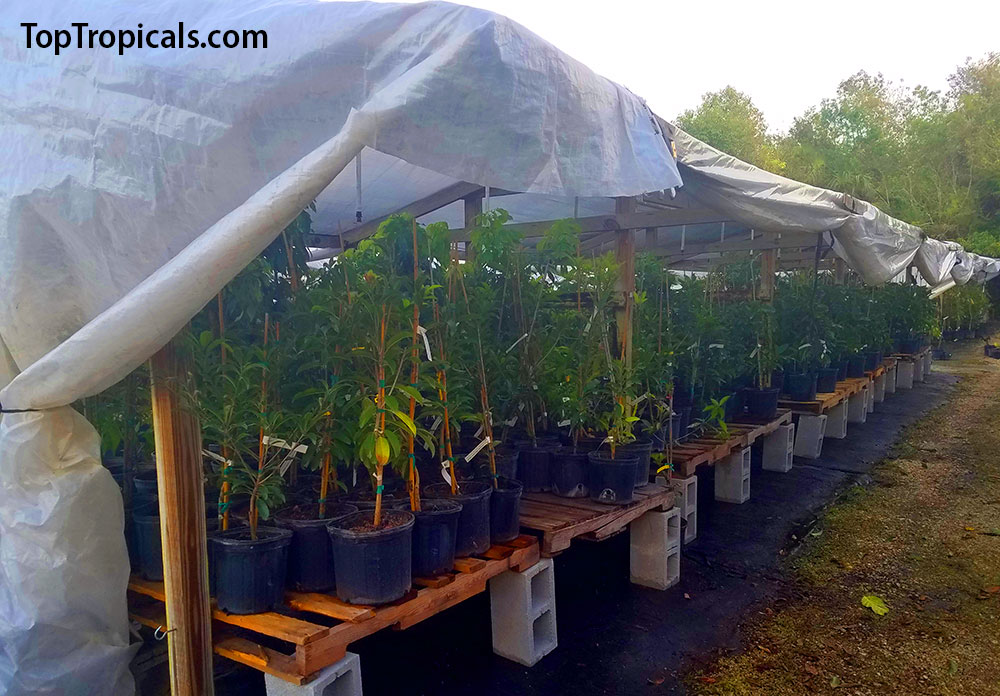
Don't use dry fertilizer in winter: Heavy fertilizing encourages tender growth, which is more susceptible to cold damage. Sunshine Boosters liquid fertilizers are safe to use year around as their intake is controlled by reduced watering. Use fabric covers, not plastic: Plastic can cook plants in the sun, while fabric allows better ventilation.
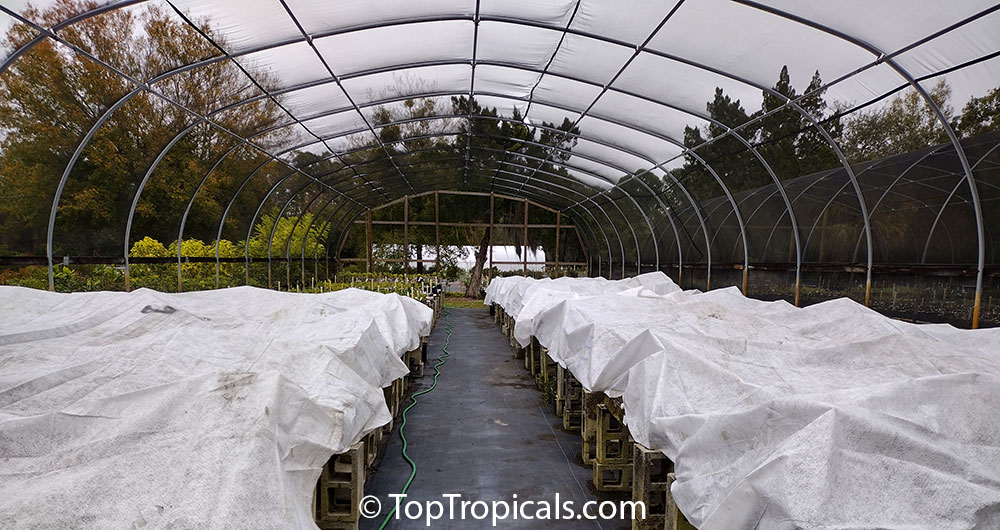
Photo above: we cover our plants in the nursery with a thin synthetic fabric (sintepon) called "frost cloth" or "strawberry cloth". It is light, breathable and allows light and water to go through unlike plastic that creates heavy water pockets.
Prepare for Cold Nights
Wrap plants: On cold nights, cover individual plants or trees with sheets or blankets to shield them from wind chill.
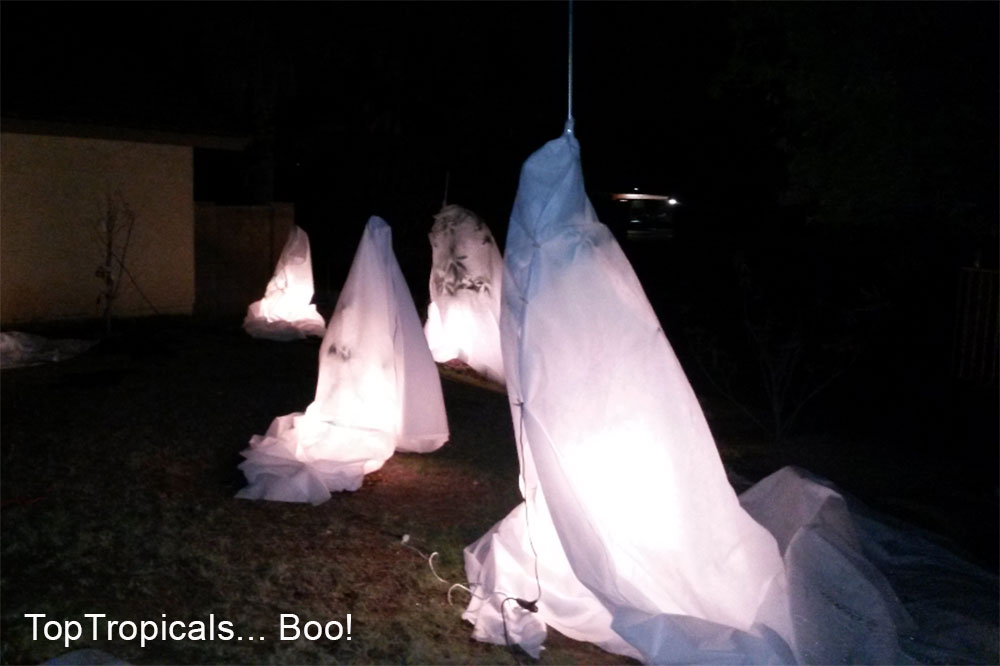
Use Christmas lights: A simple string of lights can add extra warmth, protecting your plants during frosty nights.
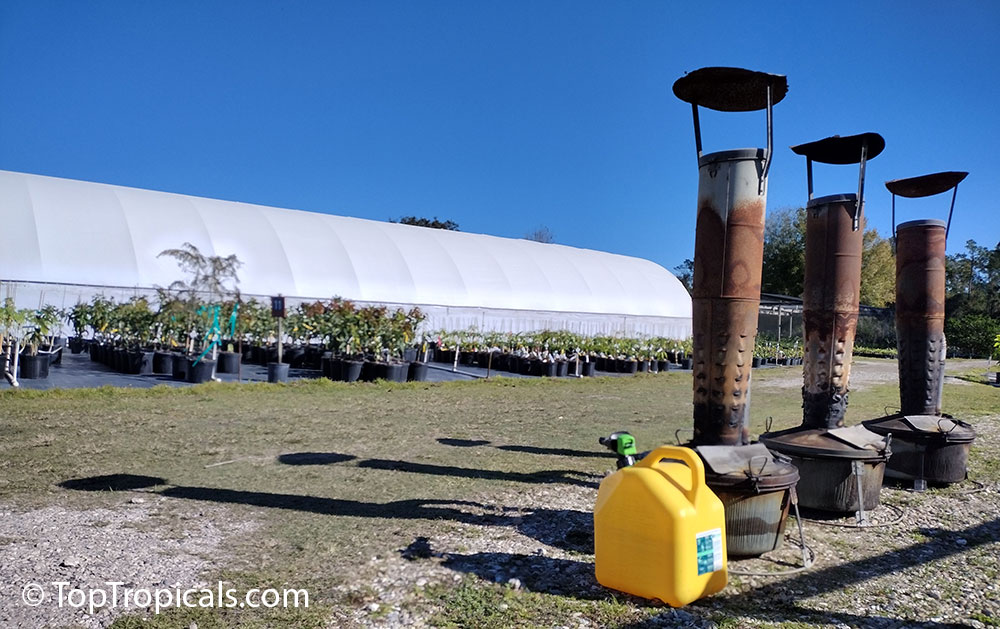
Use propane heaters: For added warmth in a larger area, place a propane heater near your plants. Make sure to follow safety guidelines and keep the heater at a safe distance from flammable materials. This can help maintain a few extra degrees of warmth, especially in more open garden spaces or temporary greenhouses. Always ensure proper ventilation to avoid harmful gas buildup.
Photo above: we use both propane and kerosene heaters at the nursery
Large Collections? Build a Temporary Greenhouse
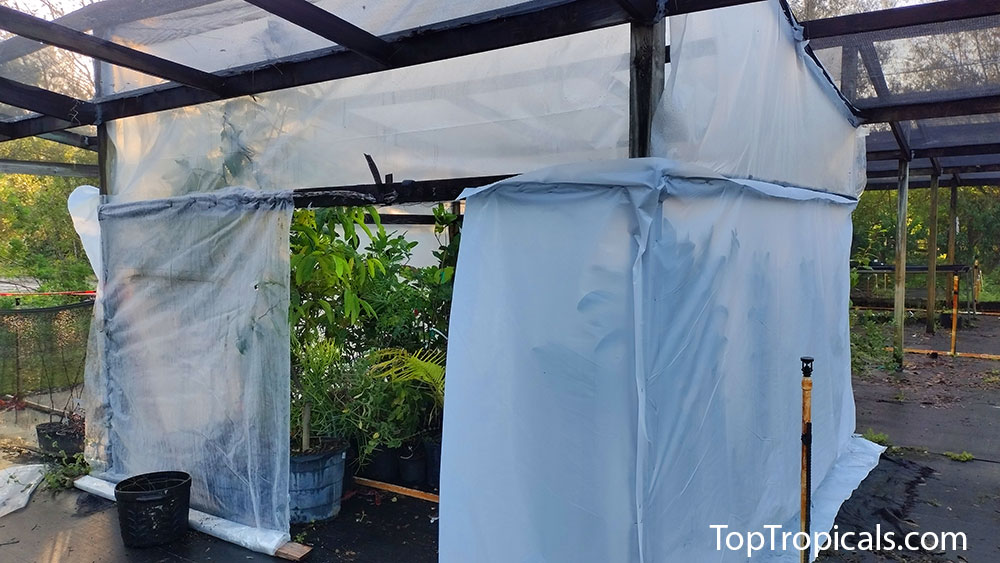
Affordable winter greenhouse: For large plant collections, you don't need an expensive greenhouse. A mobile carport with plastic or fabric covering, costing around $200, can house up to 100 plants!
Photo above: Temporary wrapping around plant collection with a plastic or frost cloth protects from a windchill. It may also win you a few degrees even without a heater. In this particular case, according to our temp sensors, with 30F outside, it was 41F inside this "dome", no heaters used.
Southern Exposure and Garage Storage
Southern windowsills: Compact tropicals can thrive on southern-facing windowsills, getting plenty of sunlight during the day.
Move plants inside: If you have larger collections, move them into a well-lit garage for the colder nights or longer periods.
Photo above: using Christmas lights around plants while wrapping with frost cloth.
Key Factors for Survival
Cold duration: Tropical plants can survive brief cold spells but long durations, even above freezing, can be deadly.
Wind-chill: Wind chill can be harsher than the temperature itself.
Exposure: Southern-facing slopes hold heat longer, making them ideal for your plants.
Humidity: Proximity to lakes or oceans can create a milder micro-climate.
Gradual temperature Drops are safer. Plants adjust better to slow temperature changes than sudden cold blasts. Gradual cooling allows plants to prepare, reducing the risk of damage.
Strengthen Plant Hardiness
Health and maturity: Well-established, healthy plants are more cold-hardy. Boost plant immunity: Use products like SUNSHINE-Epi to improve cold resistance. Apply it before and during cold snaps to protect your plants. Healthy plant is hardy. Make sure to fertilize your plants on regular basis - healthier and stronger plants are more cold hardy.
With these steps, you can protect your plants and help them survive the winter months. Stay
warm and keep your garden thriving!
Podcast with Horticulturist Mark Hooten:
How to Protect Tropical Plants in Winter