Garden Blog - Top Tropicals

Date: 5 Apr 2025

10 reasons why chocolate is actually good for you and how you can grow your own

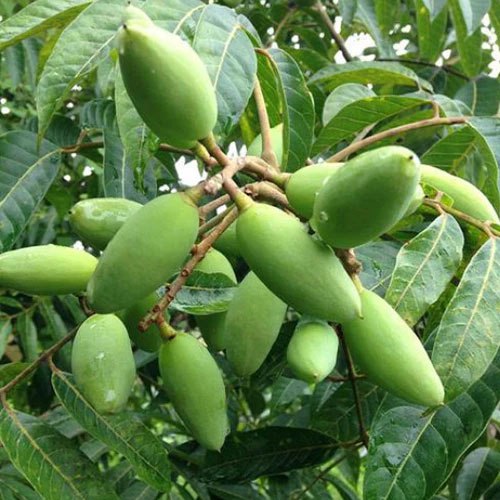
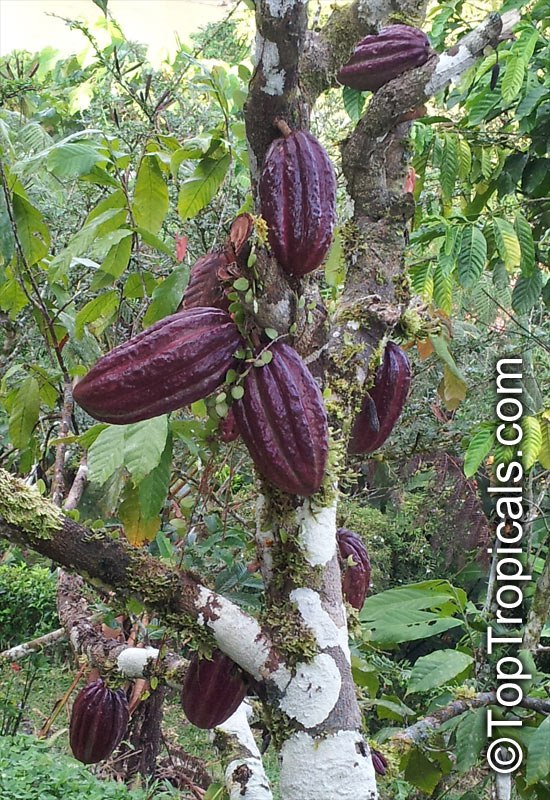
Chocolate Tree (Theobroma cacao) fruit on a tree

Chocolate Tree (Theobroma cacao) fruit on a tree

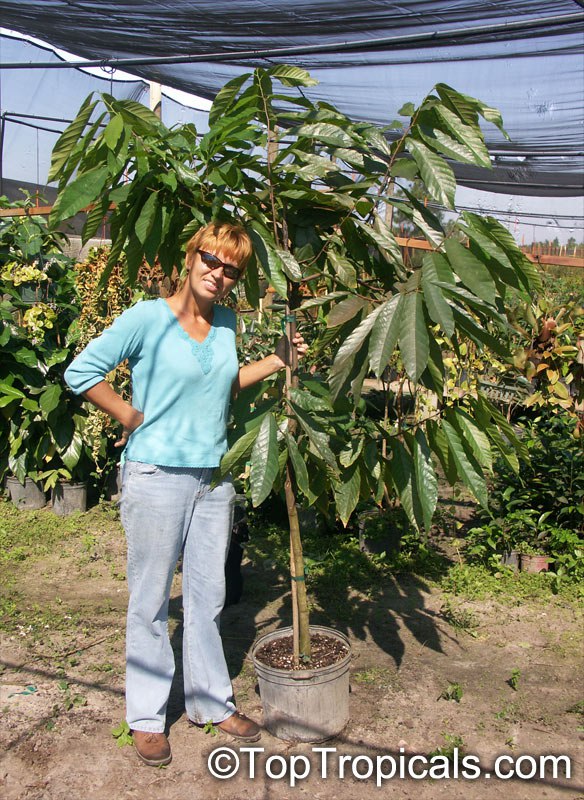
Chocolate Tree (Theobroma cacao) tree in a pot

Chocolate Tree (Theobroma cacao) tree in a pot

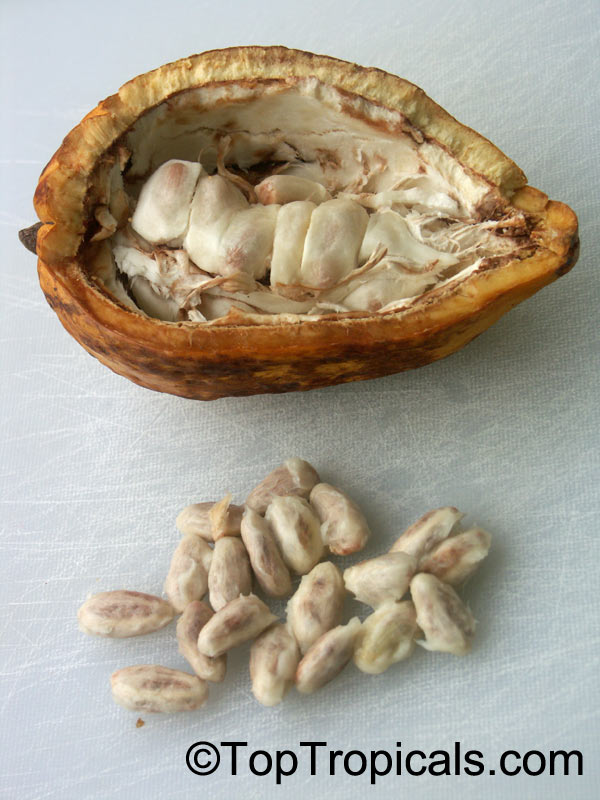
Chocolate Tree (Theobroma cacao) opened fruit with cacao beans

Chocolate Tree (Theobroma cacao) opened fruit with cacao beans

💩 10 reasons why chocolate is actually good for you and how you can grow your own


☕️ That's right - the source of your favorite sweet treat, the Chocolate Tree (Theobroma cacao) we introduced in earlier post, produces cocoa that's packed with powerful health benefits. Growing your own chocolate tree isn't just fun and rewarding - it's a way to bring a superfood right into your backyard!

☕️ Here are 10 reasons why cocoa is a health hero:


🍫 Loaded with Antioxidants - Fights free radicals and supports overall cell health.

🍫 Heart Healthy - Helps lower blood pressure and improve circulation.

🍫 Mood Booster - Promotes feel-good chemicals like serotonin and endorphins.

🍫 Brain Power - Flavanols support memory, focus, and cognitive function.

🍫 Fights Inflammation - Natural compounds help reduce chronic inflammation.

🍫 Supports Blood Sugar Balance - May improve insulin sensitivity.

🍫 Glowing Skin - Boosts hydration and protects against UV damage.

🍫 Aids in Weight Management - May reduce cravings and support metabolism.

🍫 Rich in Minerals - Packed with magnesium, iron, copper, and more.

🍫 Good for Gut Health - Acts as a prebiotic to feed good bacteria.

☕️ With all these benefits, why not grow your own source of chocolate? Plant a Theobroma cacao tree and enjoy the magic of harvesting your very own cocoa pods. It's not just a tree - it's a conversation starter, a wellness booster, and your personal chocolate factory in the making.

🛒 Get your Chocolate Tree today and grow your own goodness

#Food_Forest #Fun_Facts #Discover

🔴 Join 👉 TopTropicals
Date: 4 Apr 2025

This is why Atemoya is better than any other Annonas

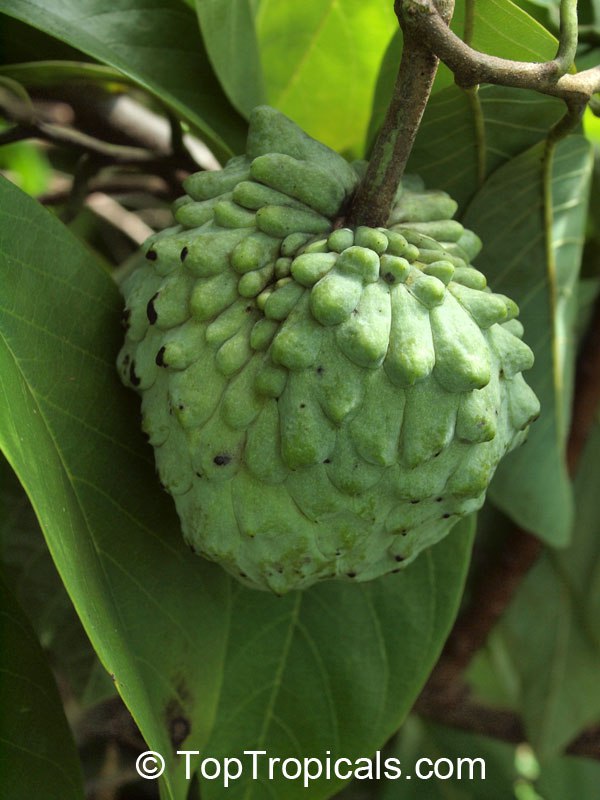
Atemoya (Annona cherimola Annona squamosa) fruit on a tree

Atemoya (Annona cherimola Annona squamosa) fruit on a tree

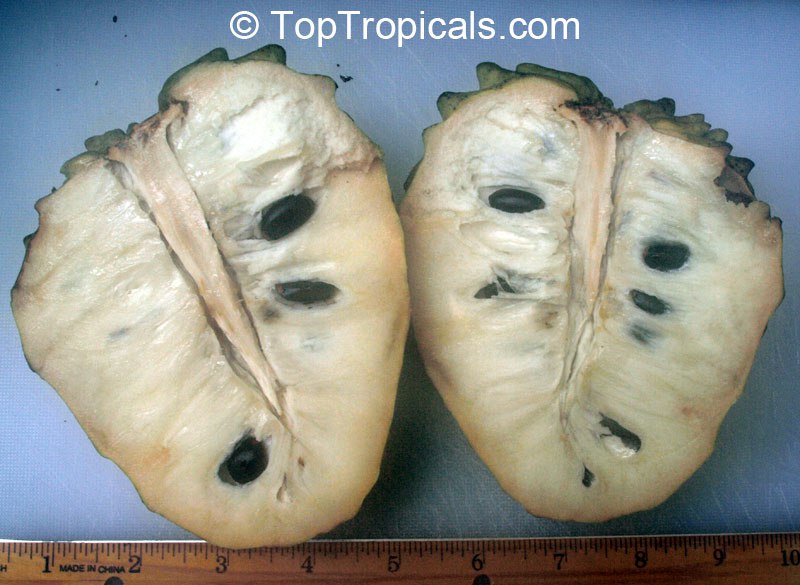
Atemoya (Annona cherimola Annona squamosa) open fruit

Atemoya (Annona cherimola Annona squamosa) open fruit

💋 This is why Atemoya is better than any other Annonas


🎃 Atemoya (Annona cherimola × Annona squamosa) is a hybrid between the Cherimoya (Annona cherimola) and the Sugar Apple (Annona squamosa), combining the best traits of both fruits.

🎃 This tree is notably hardier than the common sugar apple and thrives in tropical heat, unlike the cherimoya, which prefers cooler summers. Its resilience makes the atemoya an excellent choice for both subtropical and tropical gardens, as it can tolerate light frosts.

🎃 The tree reaches about 15-25 feet in height and spreads equally wide at maturity.

🎃 One of the advantages of Atemoya over the Sugar Apple is its fruit, which contains fewer seeds, making it more enjoyable to eat fresh..

🎃 Grafted Cultivars:


Atemoya cv. Geffner: An Israeli cultivar renowned for its heavy cropping capacity and excellent flavor. Geffner is highly productive and is considered one of the best varieties, producing good fruit yields without the need for hand-pollination. ​

Atemoya cv. Lisa (48-26): Developed by Gary Zill, Lisa is praised for its outstanding taste and attractive appearance. The fruit has a pinkish-gray exterior and a soft, light pink interior. While not as naturally productive as Geffner, Lisa can yield well with hand-pollination. ​

Atemoya cv. Priestly: This cultivar produces large, green fruits with a creamy texture and uniquely sweet flavor. It is a grafted variety that combines desirable traits from both parent species, making it a delightful addition to home gardens. ​

📚 More delicious Annonas:


• Sugar Apple: how does it taste?
• Guanabana - the most delicious Annona fruit
• Top 10 fast-fruiting trees: #1. Annona
• Why everyone wants the Sugar Apple?
• The fastest to fruit: Annona
Spiny Hedgehog fruit: what does it taste like?

🛒 Plant Atemoya and enjoy your own rare exotic fruit!

#Food_Forest #Discover

🔴 Join 👉 TopTropicals

Date: 8 Apr 2025

What makes Lolita so special and different from regular Surinam Cherry?

Black Surinam Cherry cv. Lolita (Eugenia uniflora)

Black Surinam Cherry cv. Lolita (Eugenia uniflora)

Black Surinam Cherry cv. Lolita (Eugenia uniflora) fruit

Black Surinam Cherry cv. Lolita (Eugenia uniflora) fruit

Black Surinam Cherry cv. Lolita (Eugenia uniflora) fruit

Black Surinam Cherry cv. Lolita (Eugenia uniflora) fruit

Black Surinam Cherry cv. Lolita (Eugenia uniflora) fruit

Black Surinam Cherry cv. Lolita (Eugenia uniflora) fruit

What makes Lolita so special and different from regular Surinam Cherry? 💋

❣️ Black Surinam Cherry cv. Lolita (Eugenia uniflora) is Sweet, Juicy, and Cold-Hardy!

❣️ Lolita Cherry is the cultivar you've been waiting for - also known as Black Star or Pitanga var. Black. This rare variety starts red and ripens to a rich black color, with a flavor tha'’s incredibly sweet, juicy, and free of the typical aftertaste found in regular Surinam cherries.

❣️ The fruit is large (1-1.2 inches), packed with juice, and produced by a vigorous, upright, freely branching plant that often fruits in its first year. A reliable and heavy producer, this cherry tree is both ornamental and productive.

❣️ Why grow Lolita?


💋 Delicious, black-colored cherries with exceptional sweetness
💋 Fast to fruit, even in the first year. Seedlings grow true to type - a rare trait!
💋 Cold hardy to the upper 20s F once established. Thrives in USDA zones 9–11 or in containers with winter protection
💋 Upright, bushy habit makes it perfect for edible hedge or small garden spaces
💋 Hard to find and easy to love, Lolita Black Surinam Cherry is a must-have for tropical fruit collectors.

🛒 Plant a Lolita Cherry and have lots of delicious fruit and juice

📚 More about Lolita Cherry from previous posts:


💋Top 10 fruit you'll ever need for your health benefits: #8 Lolita Cherry
💋 Who is that Sweet Black Lolita from Surinam?
💋Top 10 fast-fruiting trees: #3. Eugenias - Tropical Cherries
💋How to make a jam with Surinam Cherry

#Food_Forest #Remedies #Discover

🔴 Join 👉 TopTropicals

Date: 13 Apr 2025

The Tree Everyones Talking About: Variegated Mahoe

Hibiscus tiliaceus Variegatum - Variegated Mahoe

Hibiscus tiliaceus Variegatum - Variegated Mahoe

Hibiscus tiliaceus Variegatum - Variegated Mahoe flowers

Hibiscus tiliaceus Variegatum - Variegated Mahoe flowers

Hibiscus tiliaceus Variegatum - Variegated Mahoe leaves

Hibiscus tiliaceus Variegatum - Variegated Mahoe leaves

Hibiscus tiliaceus Variegatum - Variegated Mahoe young tree

Hibiscus tiliaceus Variegatum - Variegated Mahoe young tree

🍀 The Tree Everyone's Talking About: Variegated Mahoe


🌳 Hibiscus tiliaceus Variegatum is the must-have tree of the year - and for good reason! This stunning, fast-growing beauty delivers shade in just one season, with a more compact, umbrella-like shape than its wild cousin, the standard Mahoe (that grows into a very large tree).

🌳 Variegated Mahoe's eye-catching foliage is a show in itself: splashes of red, white, green, and pink create a living kaleidoscope. The blooms are just as magical - starting yellow and deepening to orange and red as they age.

🌳 Perfect for Southern gardens and hot-climate landscapes, the Variegated Mahoe is low-maintenance, colorful, cool and cooling, and endlessly rewarding. Everyone wants it, and once you see it, you'll understand why!

🛒 Add color, shade, and tropical flair to your garden with Variegated Mahoe

#Trees #Discover

🔴 Join 👉 TopTropicals

Date: 11 Apr 2025

What is better than Apricot? Tropical Apricot!

Pitomba, Eugenia luschnathiana - The Tropical Apricot Tree fruit

Pitomba, Eugenia luschnathiana - The Tropical Apricot Tree fruit

Pitomba, Eugenia luschnathiana - The Tropical Apricot Tree fruit

Pitomba, Eugenia luschnathiana - The Tropical Apricot Tree fruit

🍑 What is better than Apricot? Tropical Apricot!


🍑 Looking for a small, ornamental fruit tree with big flavor? Pitomba (Eugenia luschnathiana) - The Tropical Apricot Tree - is a Brazilian gem that's as beautiful as it is delicious.

🍑 This slow-growing evergreen reaches 15-20 feet, with glossy dark green leaves and a striking light brown trunk. In spring, it bursts into white and yellow flowers, followed by apricot-colored fruits ripening from May to July.

🍑 The fruit is juicy, aromatic, with a flavor and texture similar to apricots. Rich in vitamin C, minerals, and dietary fiber, Pitomba is perfect eaten fresh or turned into jams, jellies, and juices.

🍑 Pitomba grows best in full sun, likes acidic soil, and appreciates regular water and feeding. Whether in the ground or in a pot, it’s a stunning and fruitful addition to your edible landscape.

🍑 Why grow Pitomba?


🟡Unique tropical fruit with apricot-like flavor
🟡Beautiful, compact tree for small yards or containers
🟡Fruits in 2–3 years from seed
🟡Cold-hardy to the upper 20s (°F) once mature. Grows in USDA zones 9–11 or indoors with winter protection
🟡Traditional medicinal uses in Brazil for colds and digestive health

🛒 Buy Pitomba to add a small fruit tree with big flavor to your yard

#Food_Forest #Fun_Facts #Discover

🔴 Join 👉 TopTropicals