Little Gem Magnolia - Magnolia grandiflora - Southern Magnolia
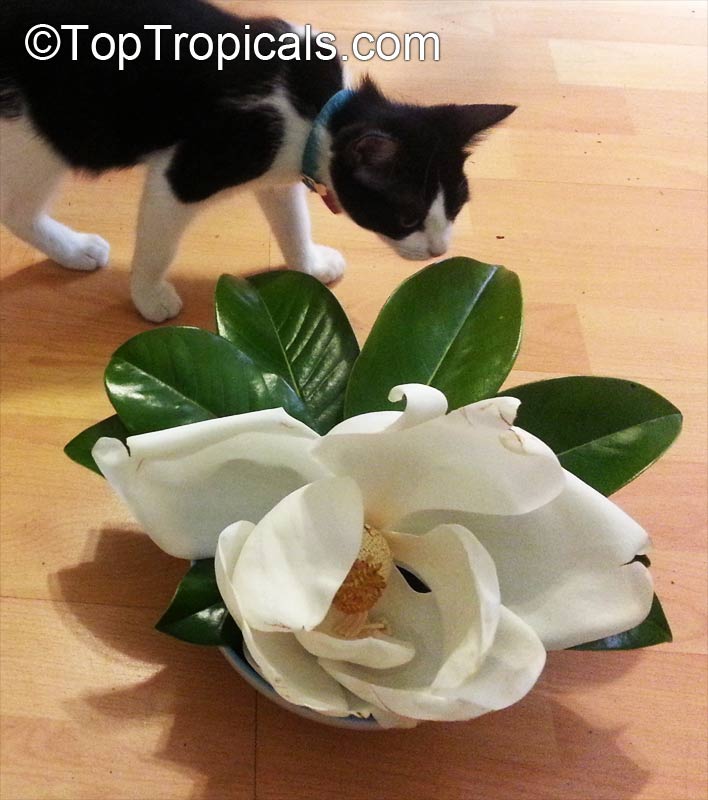
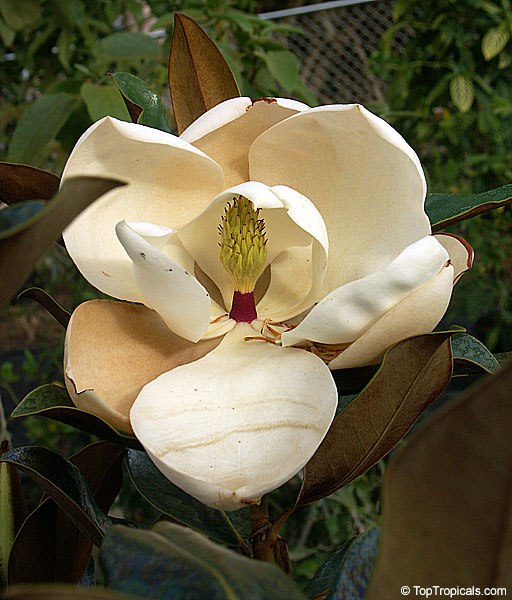
Little Gem Magnolia - Magnolia grandiflora - Southern Magnolia, flower
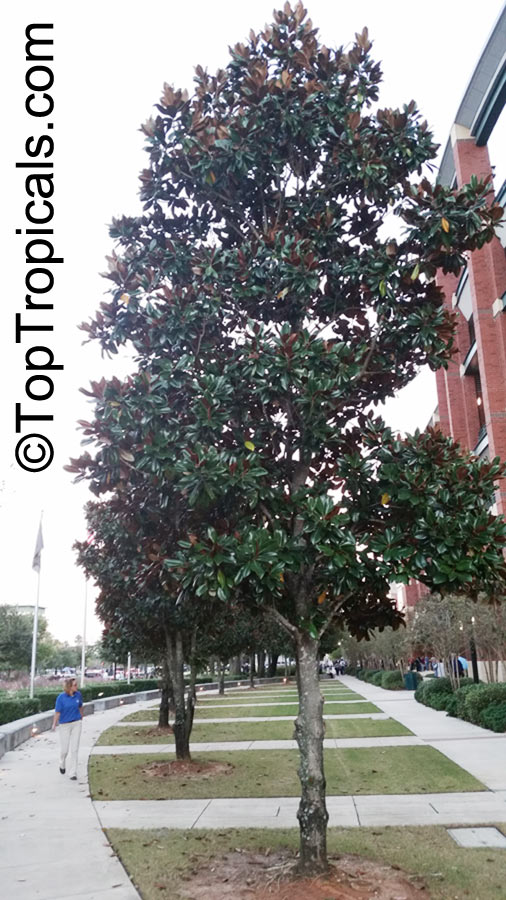
Little Gem Magnolia - Magnolia grandiflora - Southern Magnolia, tree
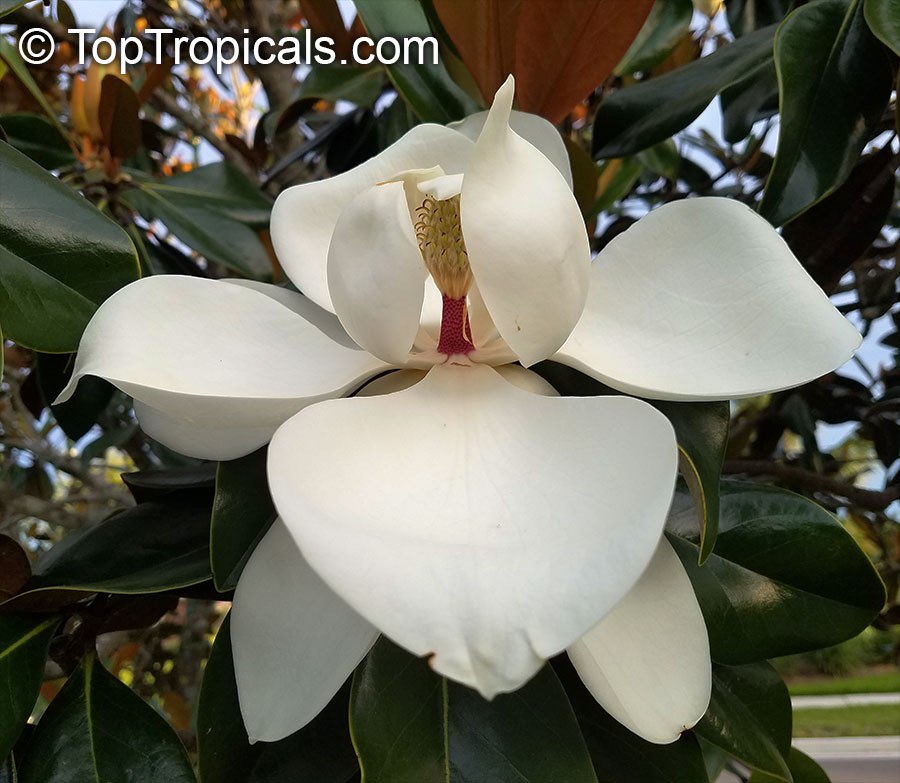
Little Gem Magnolia - Magnolia grandiflora - Southern Magnolia, flower
💎 How big is the Little Gem?
🕊 Looking for a cold-hardy tree with majestic flowers and a scent that could make angels swoon? Meet the Little Gem Magnolia! This delightful dwarf variety of the Magnolia grandiflora - Southern Magnolia - packs all the charm without the towering height.
🕊 With large, perfect white flowers that emit a divine fragrance, this beautiful columnar tree is like nature's perfume dispenser.
🕊 The leaves? They’re fluffy and brown underneath, like a teddy bear wearing a velvet jacket!
🕊 Though it’s called a "dwarf," don’t be fooled - Little Gem can still reach up to 8-10 feet wide if planted in the ground, offering plenty of blooms even when young.
🕊 While it's slow-growing, this compact beauty is perfect for small gardens where space is precious. Ideal perfume tree for container garden.
🕊 Whether it's in a container or part of your landscape, this magnolia is a total showstopper. If you're ready for a tree that blends elegance, fragrance, and manageable size, Little Gem is your new best friend!
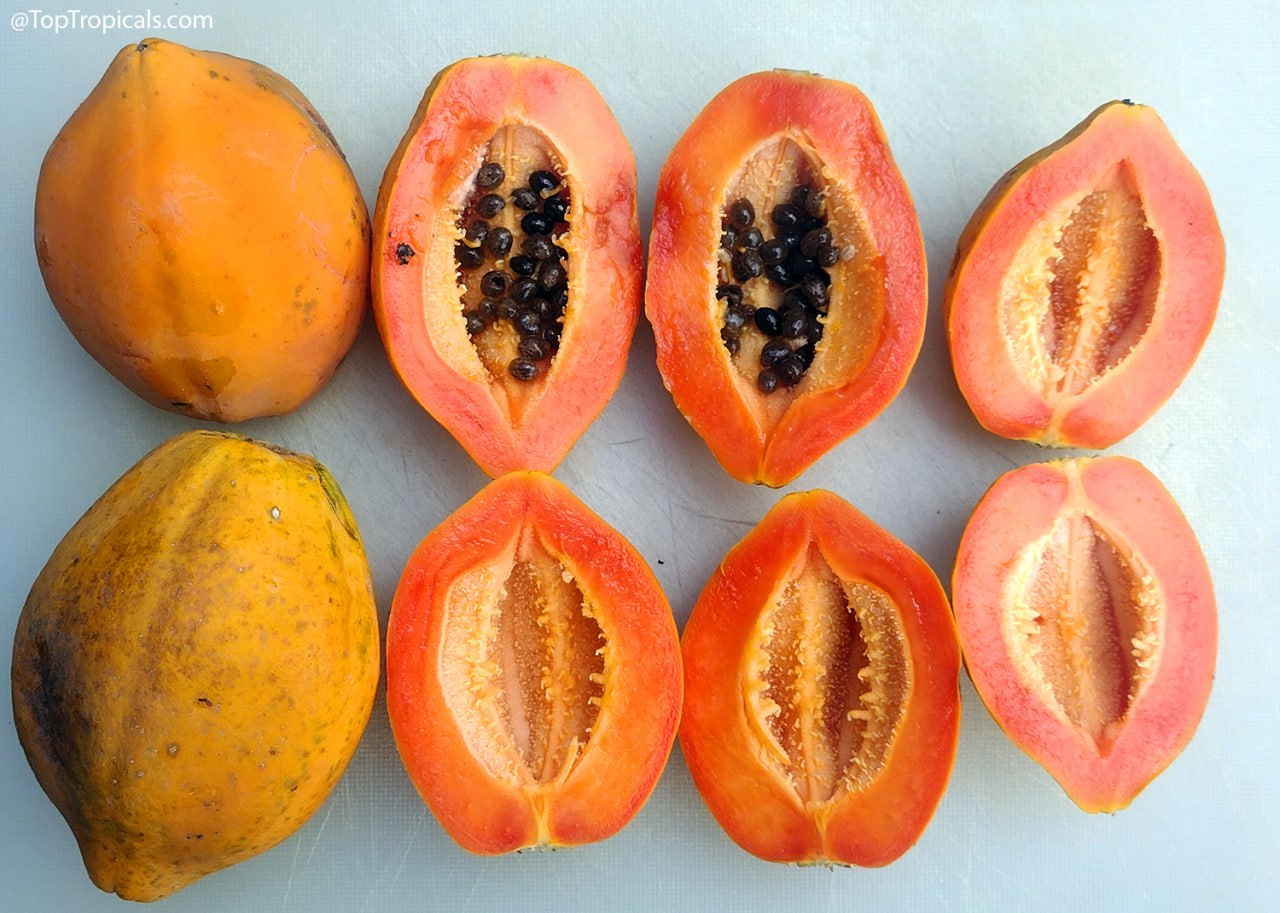
💚 Do papaya seeds need to be cleaned before planting?
Yes. The slimy coating must be removed or seeds may rot instead of sprouting.
💚 What soil is best for papaya seedlings?
A well-draining mix or coconut fiber. Soil should be moist, never soggy.
💚 Why do papaya seedlings rot so easily?
Overwatering and poor drainage are the main causes. Young papaya roots are very sensitive to excess moisture.
💚 Do papayas like transplanting?
No. Papayas hate root disturbance. Reduce transplanting and move into larger containers sooner rather than stepping up gradually.
💚 How big should the container be?
After a 4-inch pot, move directly into a 1-gallon or even 3-gallon container to minimize root disturbance.
💚 Does papaya need staking?
Yes. Papaya grows fast, and the stem can outpace root development. Even light wind can knock it over.
💚 How much sun does papaya need?
Full sun. Shade causes leggy growth, poor flowering, and little to no fruit.
💚 Should papaya be watered heavily?
No. Once established, papaya prefers drier conditions. Large plants tolerate rain better than young ones.
💚 Can papaya be planted in the ground?
Yes, but only in well-drained soil and elevated spots. Low areas with standing water will kill it.
💚 Is fertilizer important for papaya?
Yes. Papaya is a heavy feeder. Poor soil means poor growth and little or no fruit. Use Green Magic once every 6 months or Sunshine Boosters C-Cibus with every watering.
💚 Should papaya be pruned to control height?
No. Pruning ruins its natural form. If height is an issue, grow a dwarf variety instead.
Which jaboticaba to grow: a quick guide to the most popular varieties
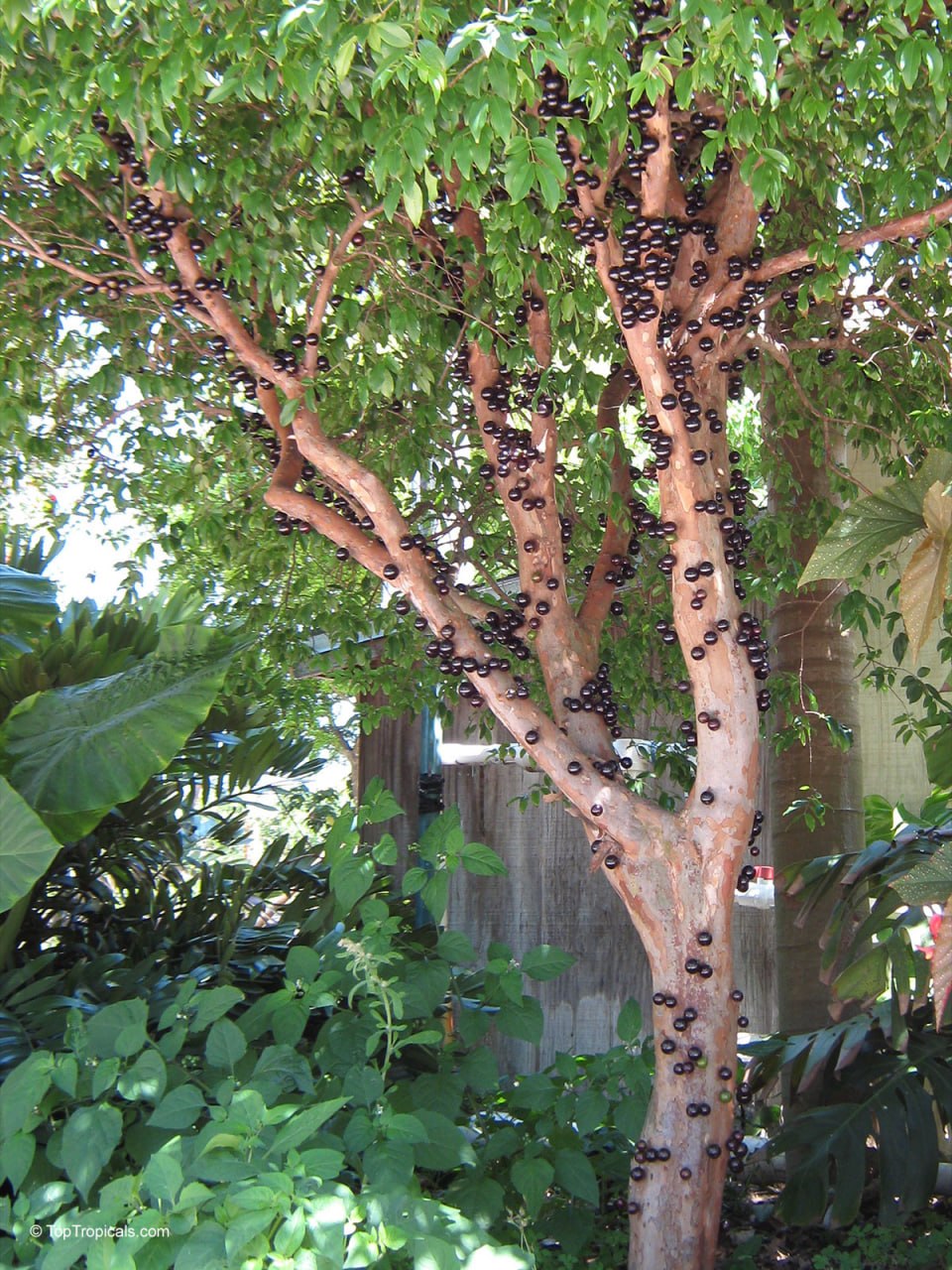
Myrciaria cauliflora Jaboticaba tree
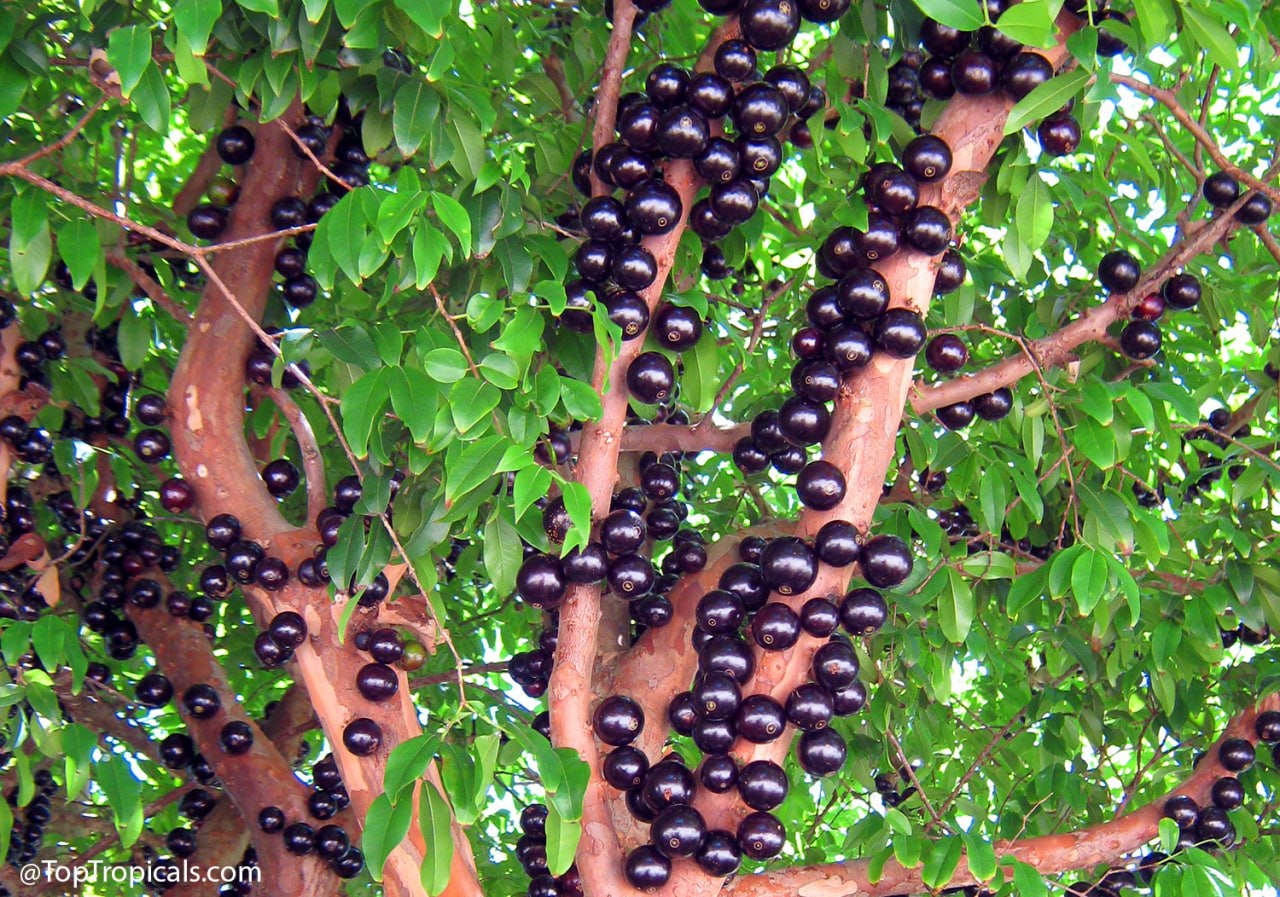
Myrciaria cauliflora Jaboticaba fruit
Myrciaria cauliflora Jaboticaba fruit
🍇Which jaboticaba to grow: a quick guide to the most popular varieties
Jaboticabas are among the most unusual fruit trees in the world. Native to Brazil, they produce grape-like fruit directly on the trunk and branches. Most varieties have sweet pulp, can fruit multiple times per year, and grow well in containers.
Despite their tropical appearance, jaboticabas are surprisingly cold hardy. During our historic Florida freeze, established trees handled 25F for two nights and nearly two weeks of unusual cold without protection. Many varieties can tolerate temperatures into the 20s, making them one of the more cold-hardy tropical fruit trees for Florida.
From fast-fruiting dwarfs to giant-fruited collectors' varieties, each jaboticaba offers something a little different. Here's a practical guide to some of the most popular selections.
For beginners: Precoce Dwarf (Red Scarlet)
One of the fastest-fruiting jaboticabas, often producing in 3-5 years. Compact, container-friendly, ideal for gardeners who want fruit sooner.
• Fruits young • Naturally compact • Excellent container plant • Good for cooler climates where winter protection is needed
The classic choice: Sabara
The classic Brazilian jaboticaba and still the most widely grown variety. Small, exceptionally sweet fruit with thin skin and juicy pulp. Can produce several crops per year.
• Traditional jaboticaba flavor • Thin-skinned fruit • Sweet and juicy • Excellent for bonsai and containers • One of Brazil's most popular wine varieties
For large fruit: Grimal
Often called Giant Jaboticaba, with much larger fruit than most varieties. Thick juicy pulp, small seeds, heavy production.
• Larger fruit • Thick pulp • Heavy producer • Excellent fresh eating quality
For exceptional flavor: ESALQ
Known for large, exceptionally sweet fruit and relatively early production.
• Outstanding sweetness • Large fruit • Fruits in about 4-5 years • Collector favorite
For beauty and productivity: Branca Vinho
One of the most ornamental jaboticabas, with attractive foliage, upright growth, and excellent white-fleshed fruit. Fruits young and often several times per year.
• Beautiful foliage and trunk • White-fleshed fruit • Excellent flavor • Multiple crops per year • Good cold tolerance
For collectors: Blue Jaboticaba
A close jaboticaba relative (Myrciaria vexator) producing blue-purple fruit with a sweet grape-like flavor. Often grown as much for its beauty as its fruit.
• Unique blue fruit • Sweet grape-like flavor • Ornamental tree • Rare and unusual
For faster growth: Volcano Red (La Vinotinto)
More vigorous and faster growing than traditional jaboticabas. Famous in Hawaii for Volcano Red wine.
• Faster growth • More vigorous tree • Good adaptability • Tolerates occasional waterlogging • Source of Hawaiian Volcano Red wine
👉 All jaboticabas share the same magical trait - flowers and fruit appearing directly on the trunk. The differences are in fruit size, growth rate, and how quickly you'll enjoy your first harvest. Jaboticabas are notoriously slow growing, and large fruiting-size trees can take many years to develop. Established specimens are hard to find and can save years of waiting. If you've been thinking about adding one to your garden, remember: the best time to plant a jaboticaba was years ago - the second-best time is today.
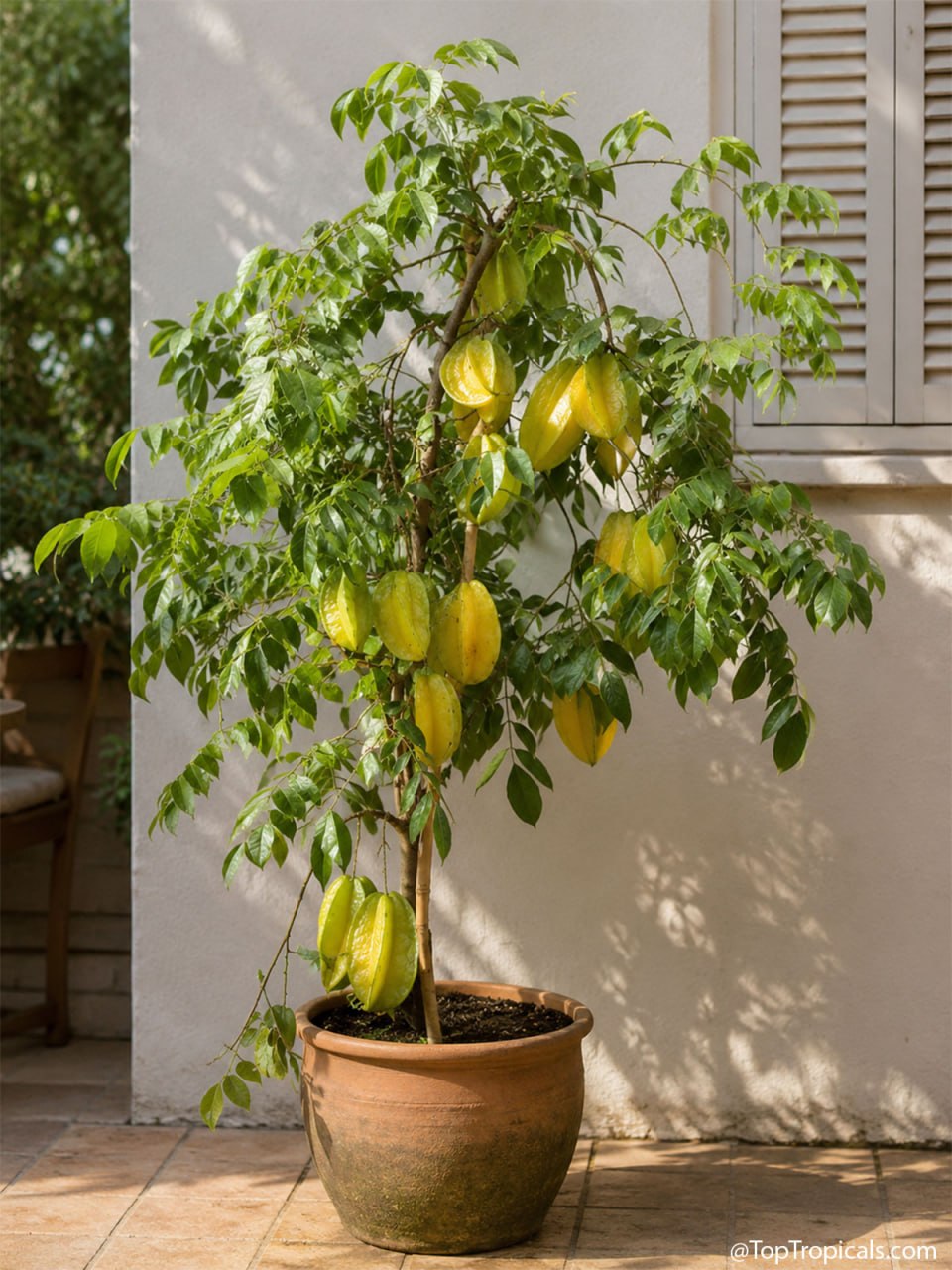
🌟 Carambola Starfruit FAQ: how dwarf is a seedling?
❓ I recently ordered a dwarf Hawaiian star fruit seedling from your glorious stock of tropical trees, however upon doing further research it seems like grafted trees guarantee fruit results while seedlings may vary from what the parent plant was. I was planning on putting it in a planter since it’s a dwarf but I’m worried about the quality of fruit since it’s a seedling. Could you elaborate on that a bit?
✅ You are correct that grafted trees provide the greatest certainty because they are clones of a known variety. Seedling trees can show some variation from their parents.
In this case, however, your seedling is not from an unknown or mixed genetic background. The seeds were collected from a true Dwarf Hawaiian cultivar that was growing among other selected dwarf carambola cultivars, primarily Dwarf Hawaiian and a few Fwang Tong trees. Because both the seed parent and the surrounding pollen parents were dwarf, we expect the offspring to retain many of the desirable dwarf characteristics.
While we cannot guarantee that every seedling will be identical to the parent tree, the chances of obtaining a compact, productive tree with good fruit quality are quite favorable. In fact, seedlings sometimes combine the best qualities of both parents and may even produce fruit that is equal to or better than either parent. The main difference between a grafted tree and a seedling is predictability. A grafted tree gives you a known result. A seedling introduces some genetic variation, but in this case the variation comes from a pool of carefully selected dwarf varieties rather than from unknown parents.
For container growing, we would still expect your tree to be well suited to pot culture, especially with periodic pruning to maintain size and shape. Many growers actually enjoy growing seedlings because there is always the possibility of discovering an exceptional individual. Carambola is a quick fruit tree: 3-4 years from seed to fruit.
We believe your Dwarf Hawaiian seedling has excellent potential and should make a rewarding container-grown fruit tree.
Coral-blooming bonsai with a bottle-shaped trunk - perfect container plant
🔥 Coral-blooming bonsai with a bottle-shaped trunk - perfect container plant
Jatropha podagrica - Gout Plant - is a one-of-a-kind tropical showpiece with a knobby, swollen caudex, massive umbrella-like leaves, and bright coral-red flowers that pop like underwater treasures.
Compact and only 2-3 feet tall, it's perfect for containers, bonsai lovers, and small gardens craving something bold and unusual. It thrives in partial shade, grows giant leaves in low light, and needs little water to stay happy. Easy-care and eye-catching, it's more than a plant it’s a conversation starter. 🛒 Get your Gout plant - the plant with a personality