Date: 24 Mar 2024
Bauhinias: trees with Orchid Flowers
and Butterfly Wings...
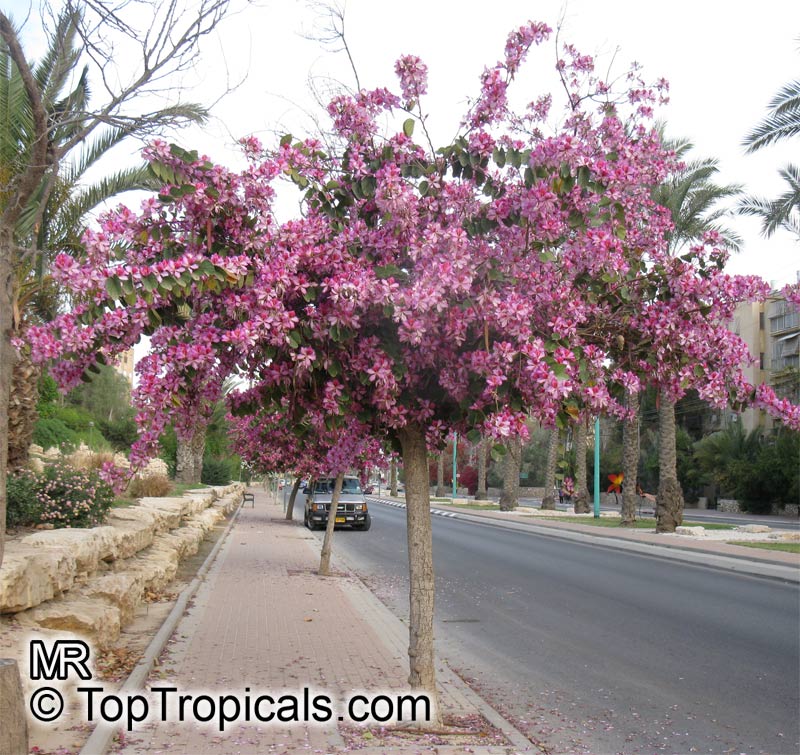
Photo above: Bauhinia variegata - Purple Orchid Tree, one of the most spectacular varieties.
Q: We just moved to Florida and I see these beautiful trees with large purple flowers. I was told these are Orchid trees, do you have them?
A: Bauhinias, commonly known as Orchid trees, are renowned for their captivating flowers and unique foliage. These trees typically grow to a moderate height of 15-25 feet with a spread of 10-15 feet, showcasing a rounded to vase-like shape. Thriving in hardiness zones 9-11, they exhibit resilience to heat and can withstand mild frost. There are over 300 species of Bauhinia, which are distributed in tropical and subtropical areas. These species vary in characteristics such as size, foliage, and flower color, contributing to the diversity and appeal of this genus. You can find them as trees, shrubs, and even vines.
Bauhinias are evergreen (in tropics) to semi-deciduous (in cooler climates), offering year-round beauty with intermittent blooming cycles. The peak bloom time varies depending on the species and location, often occurring in late winter to early spring, bedecking the tree with striking orchid-like flowers in hues ranging from white and pink to purple and red. The flowers boast delicate petals with intricate patterns, resembling the elegance of true orchids.
One of the distinguishing features of Bauhinia leaves is their unique bi-lobed or bilobed structure, which gives them a distinct appearance. The leaves are deeply divided, typically into two lobes or halves, hence the common name "Butterfly tree" due to their resemblance to butterfly wings. This characteristic is often used as an identifying trait for Bauhinia species. The bilobed leaves add to the visual appeal of the tree, contributing to its ornamental value in addition to its beautiful flowers.
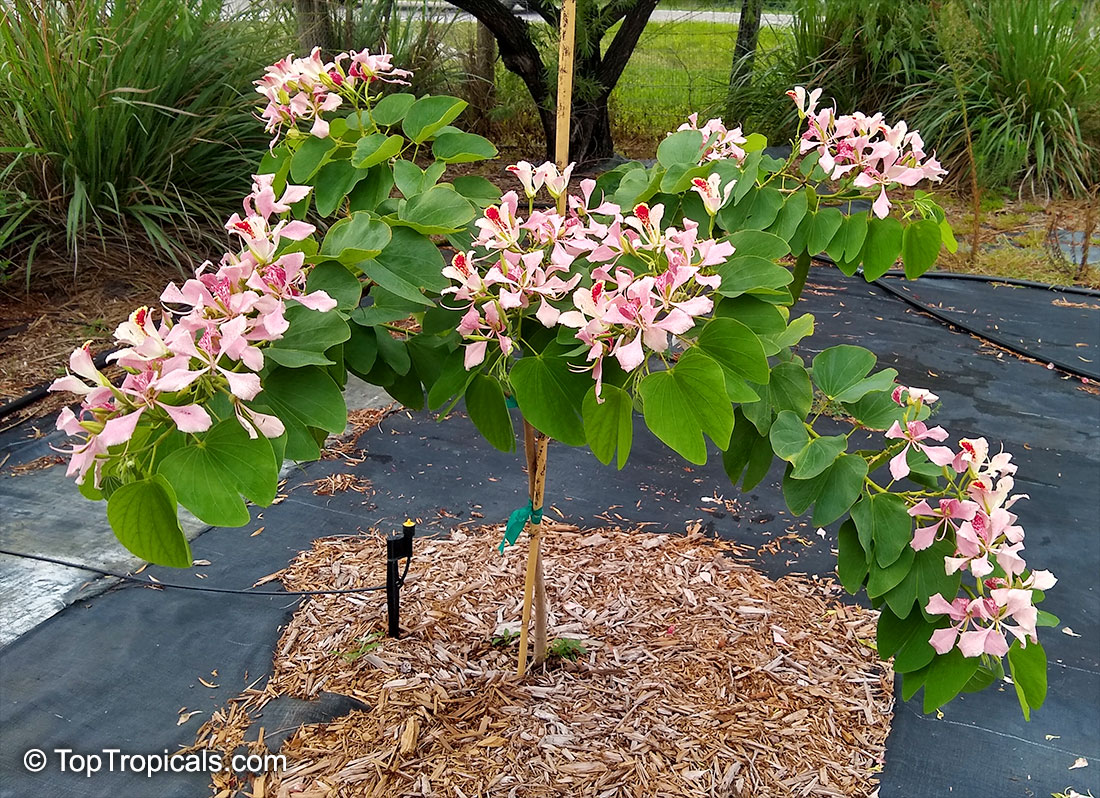
Photo above: Bauhinia monandra - Napoleons Plume, starts flowering in small size. This one is very beautiful but the most cold sensitive and should be grown in pots in areas with winter freeze. It will happily bloom in container!
Low-maintenance by nature, Bauhinias require minimal upkeep. Annual feeding with a balanced fertilizer enhances growth and flowering. Pruning is generally optional but can be done in late winter or spring, after flowering, to maintain shape or remove dead or damaged branches. These trees thrive in full sun, preferring well-drained soil. With their enchanting blooms and easy care requirements, Bauhinia orchid trees are a delightful addition to any landscape, and a colorful specimen for tropical winter gardens.
In addition, Orchid trees grow fast and provide excellent shade. They can make a shady spot in your garden in no time, giving relief from the hot sun. This is really valuable, especially in places where it gets very hot. So, not only are Orchid trees pretty to look at with their lovely flowers, but they're also great for keeping you cool!
Read more about Bauninias:
Bauihnias: Orchid trees with Butterfly flowers... and leaves
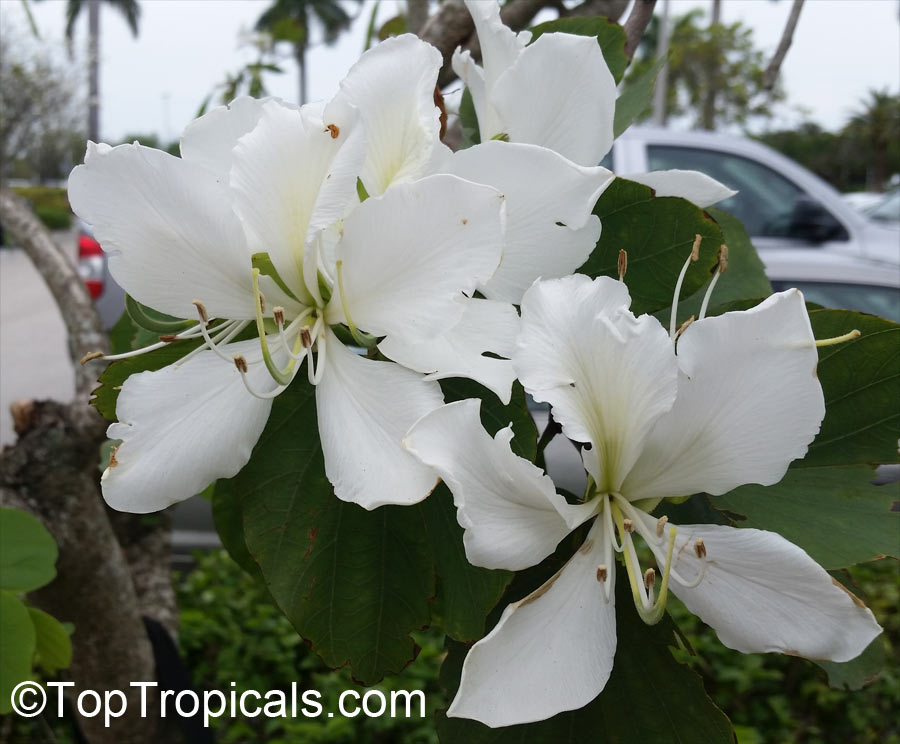
Photo above: Bauhinia x alba (candida) - White orchid tree, the most cold hardy variety that can take light freeze once established.
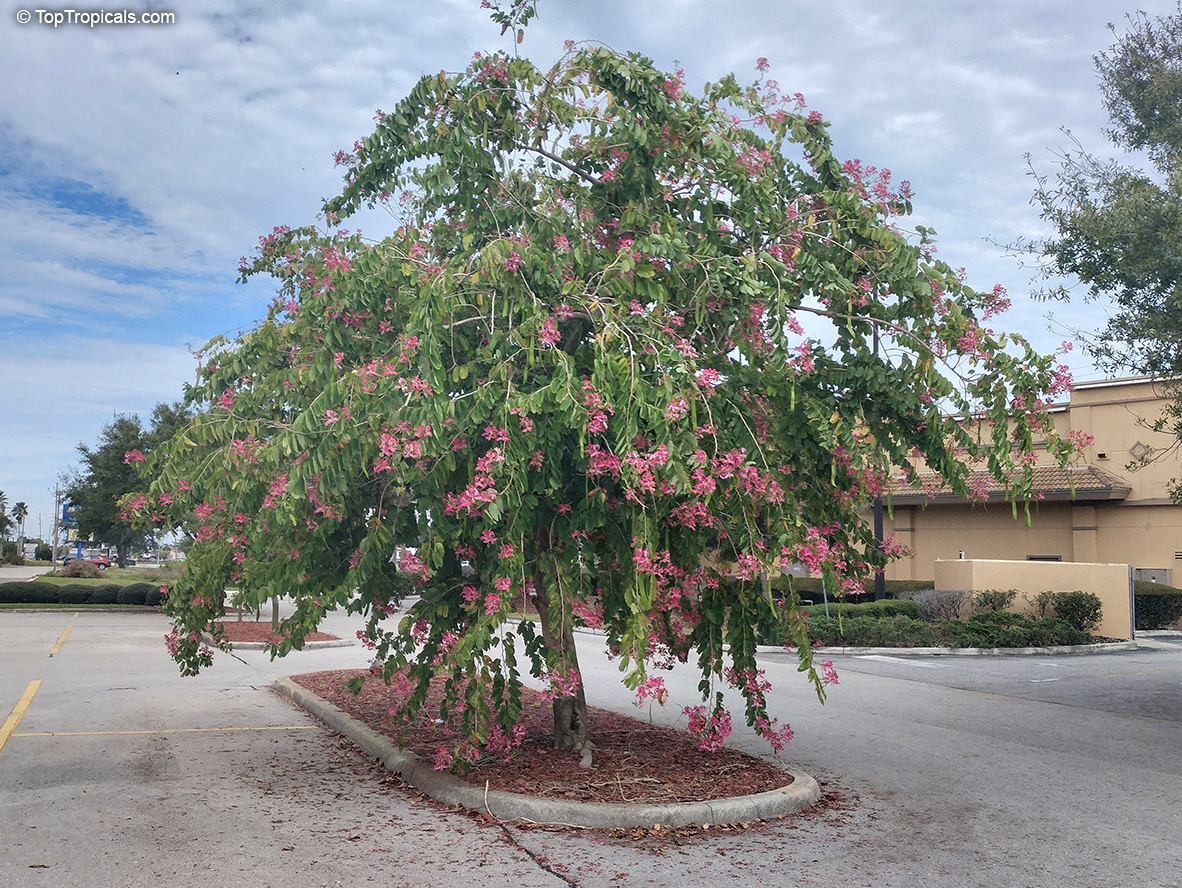
Photo above: Bauhinia purpurea
Date: 17 Sep 2021
Hibiscus: TopTropicals' first plant
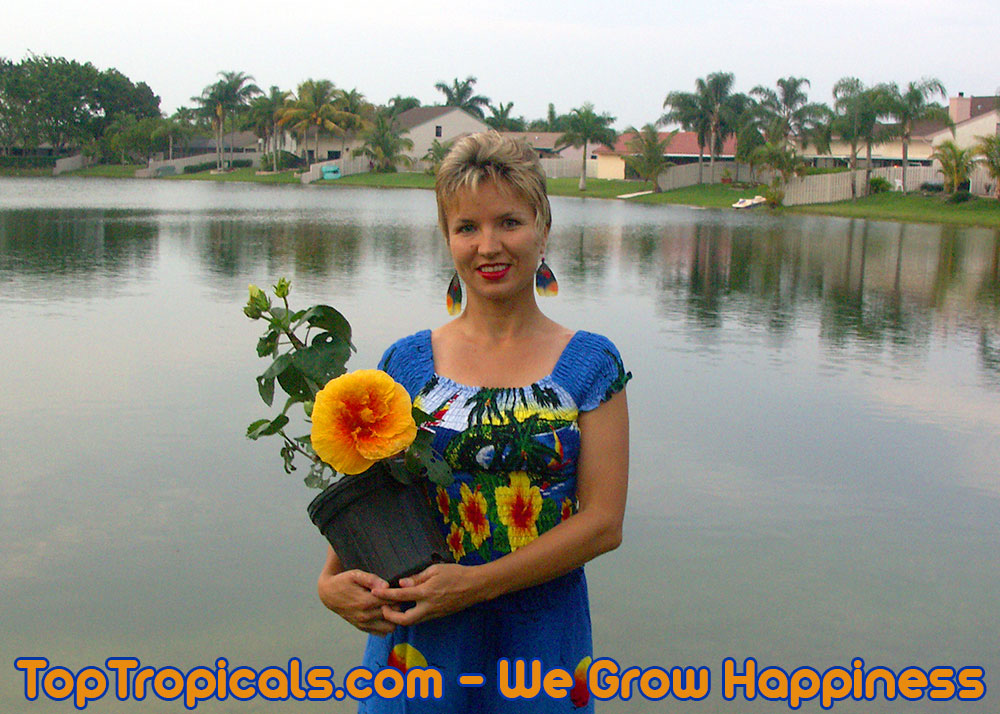
- September 2001 @ TopTropicals -
Q: I wonder how you started your plant business and what was your first plant?
A: It was 20 years ago this month that we started Top Tropicals Project. No idea where it was going or how to even get "there", just started with the idea of sharing these wonderful creatures we call plants with anyone and everyone who felt the same way.
Believe it or not, the first plant at TopTropicals was a hibiscus. Right
before we opened our plant nursery in Florida, we ran into a place called Winn Soldani's FANCY
HIBISCUS. The variety of colors inspired us to start our own tropical plant
business. We asked the owner Winn Soldani: what plants do you suggest us to
grow in Florida? His answer was, "Your plant will find you". Very soon we
discovered
jasmines, then perfume trees and fruit trees - all those became our specialty. Then very quickly
TopTropicals.com turned into a large Plant Mall where you can find every tropical plant you can think of!
But at TopTropicals we still grow hibiscus!
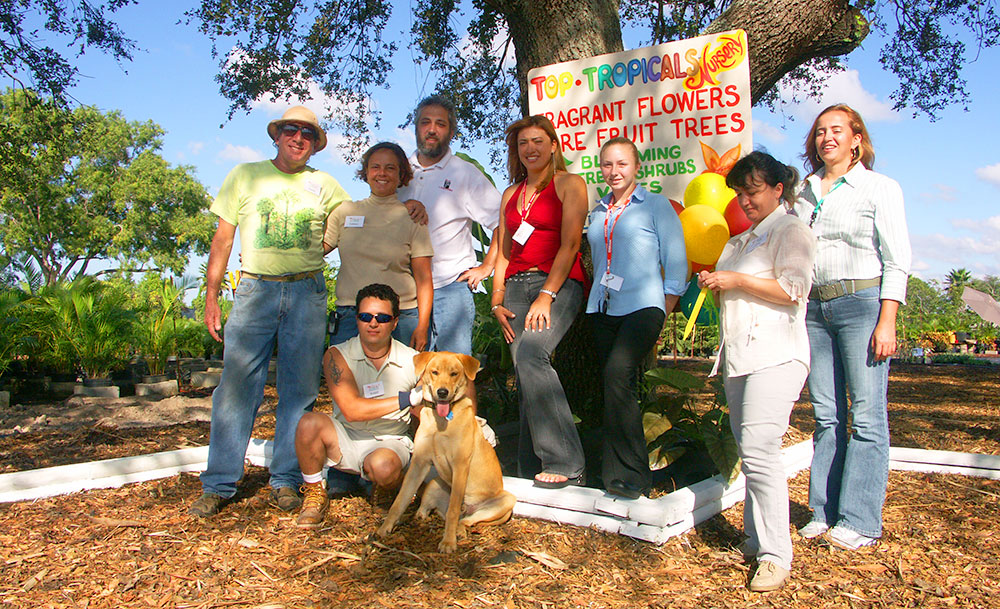
- September 2004 @ TopTropicals -
Hibiscus Plus
Hibiscus is a wonderful plant, considering there are thousands of
hybrids with color palettes you can only imagine. Especially interesting are those
rare and useful species, yet very easy to grow, such as:
- Salad Hibiscus - Hibiscus furcellatus - yes, used in salads
- Coral Hibiscus with crazy pendant flowers - Hibiscus schizopetalus
- African Cranberry hibiscus that is used for making teas and salads - Hibiscus
acetocella
- Cotton Candy Hibiscus mutabilis - the flower changes color, opens as white and turns
into bright pink within 3 days, like Yesterday-Today-Tomorrow
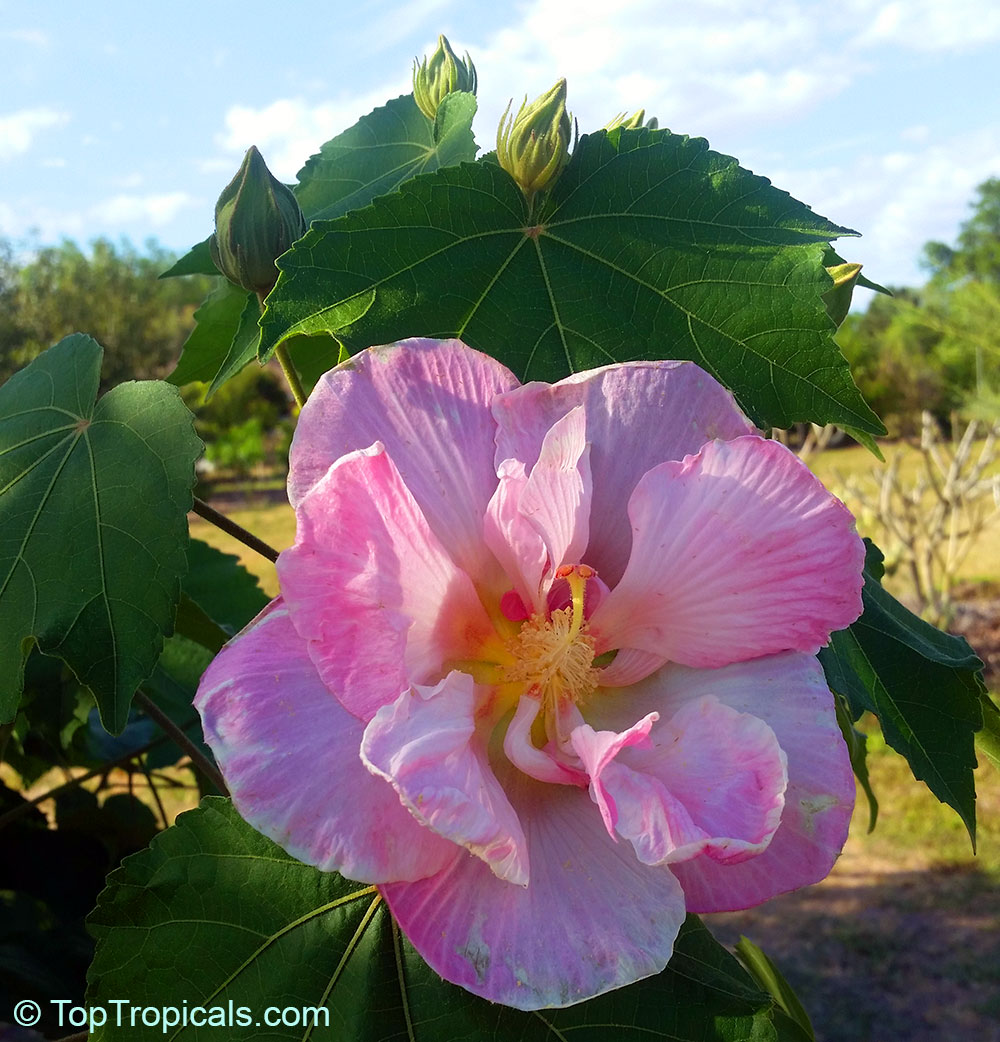
Photo above: Hibiscus mutabilis Cotton Candy
Care of Hibiscus and other flowering tropicals
"If your plant isn't flowering, feed it."
- Winn Soldani, Fancy Hibiscus -
Among gardeners, Hibiscus plants have a reputation to have couple
maintenance issues:
1) they can get bugsy (because they must be so tasty!)
2) they can get leggy, especially fancy grafted cultivars, and after a
while they don't look as perfect as when they came from a nursery.
4 tips for healthy and pretty hibiscus plant
1. Full sun. Essential for profuse flowering and keeps away
diseases.
2. Pruning. Keep it pruned and it will get bushy and produce more
blooms.
3. Well-drained soil. Hibiscus likes regular watering but hates wet
feet.
4. Nutrition program. Hibiscus plants are heavy feeders. But keep in
mind that if you just keep pushing granulated plant food, you can
over-fertilize the plant. Excessive salts will accumulate in soil and you will end up
with a sickly looking plant.
Keys to balanced plant food and bloom booster
1) Use liquid fertilizer, preferably amino acid based, it won't create
nutrients lock up
2) Fertilize on regular basis, it's better dilute concentration and add
food with every watering
3) Always add micro-elements - they are essential for plant health
If you do this part right, the result will be:
- healthy, green plants, like they just came from a nursery
- reliable blooming circle
- better cold tolerance and disease resistance. Remember that a strong
plant will be less stressed and less "bugged" by bugs!
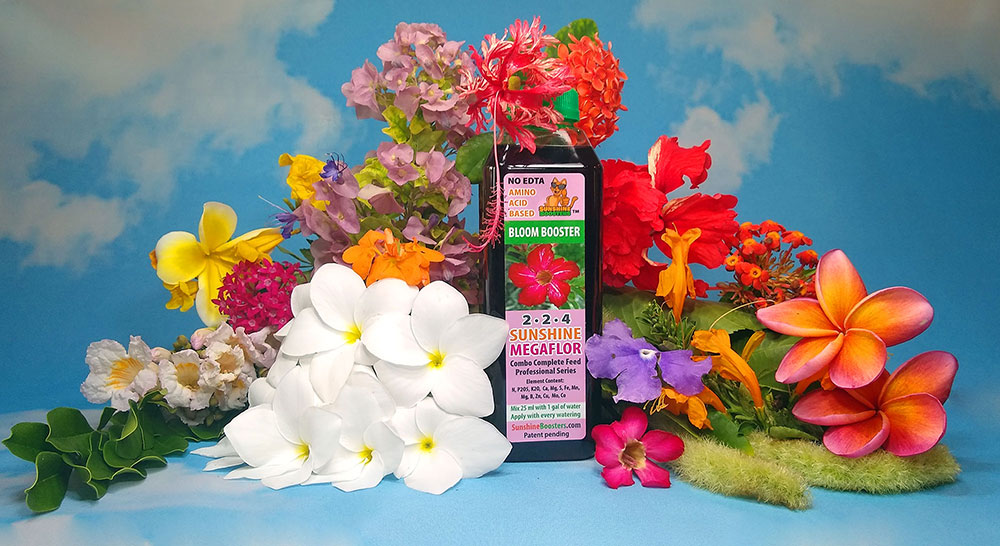
We always suggest Sunshine Boosters - scientifically balanced liquid fertilizers that are amino acid based = they are natural and organic, can be used for both flowers and edibles, and what's most important - year around. They are safe to use virtually with every watering.
This is all you need for healthy plants and lots of flowers!

Date: 1 Jan 2019
Top Tropicals New Year Resolutions
We take this opportunity to extend our grateful thanks to all visitors and friends of our garden and website. The entire Top Tropicals team wishing you a Happy New Year with Happy New Plants!
In 2019, Top Tropicals plans include (but are not limited to):
- improved design of the website, online store and shopping cart
- many new introductions of rare flowering plants including Red Jade
Vine, lots of new Adeniums
- rare fruit trees, including Mangosteen, Nutmeg, Clove and more
- extended selection of rare tropical seeds
- many new videos of rare tropical plants
- free and discounted shipping
Stay informed with our Newsletter updates!
New Year Resolutions for Gardeners in 2019
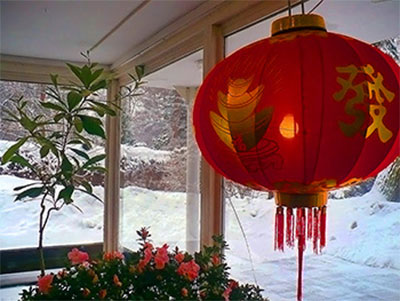
January is the month to plan and dream about your yard and garden. Grow
your garden a few steps at a time each year: pick a few resolutions for 2019
and plan accordingly. Next year, a few more, and so on until you build the
garden of your dreams.
This winter, resolve to:
- Hang a bird feeder.
- Order seeds of some rare plants so you can have an early start.
- Prune a tree into an espalier - it's a perfect time before Spring.
- Ask your grandparents what they grew in their gardens.
- Build a raised bed for succulents.
- If you live in a warm climate, plant a fruit tree or two.
- Start a compost pile.
- Plant a palm tree.
- Try some plant boosters to improve your plants hardiness.
- Chose Flowering trees, shrubs and vines suitable for areas in your garden that still have room...
- Install a rain barrel.
- Eat outside as often as possible.
- Show a child how to plant a tree.
- Provide a water source for bees and butterflies. They are not only
cool, but also pollinators that will help to set fruit and seeds!
- Call TopTropicals for garden advise - what to plant, where to plant,
and how not to kill it!
- Plant a berry-bearing tree or shrubs to feed the birds. Mulberry, Blackberry, Tropicals Cherries - are always good choices. They are 15% OFF now
Date: 24 Jun 2018
Choosing the right Mango for your garden
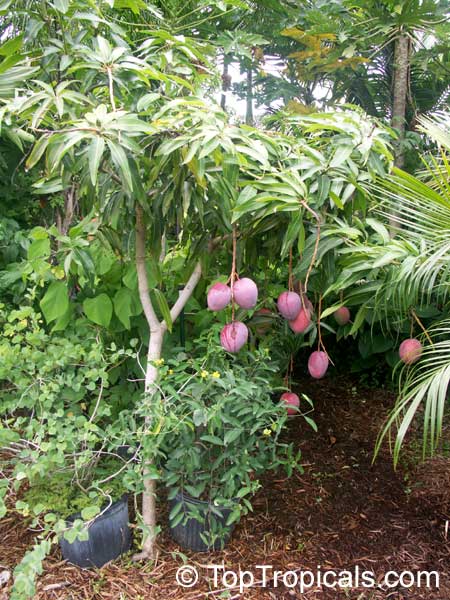
Q: Do the mango trees you sell already have fruit? Or how long does it take to get fruit? Are they tricky to keep up? I live locally and have been interested in getting a few!
A: Some
of our mangos in both 3 gal and 7 gal pots have fruit on
them. All our mango trees are grafted which means they are
ready to produce fruit. So if not the same year, you
should get fruit the next year.
Mangoes in general are easy to grow plants. They are not
picky about soil and water, however they need full sun for
fruiting. When you are lucky to live in tropical or
subtropical climate, your mango will thrive in a ground,
and within 2-3 years you will have a mature tree, and a
crop every year (those who have cold winters, still can
grow a mango tree in a pot, and move it indoors for colder
period). Visit our garden center for a tour of our Mango
Gardenthat is only 3 years old and is full of fruit!
Tasting table available :) We offer over 100 varieties,
and our experts can help you to make the right choice for
your garden. To start your own mango tree collection,
depending on space available, you may begin with the
following varieties:
Nam Doc Mai - one of the most
popular and delicious Asian mango
Carrie - very compact
grower, reliable producer with great taste
Cogshall and Ice Cream - dwarf varieties
for small yards, excellent taste
Alphonso - considered one of
the best tasting
Date: 13 Apr 2021

Healthy Plants: Q&A from Mr Booster
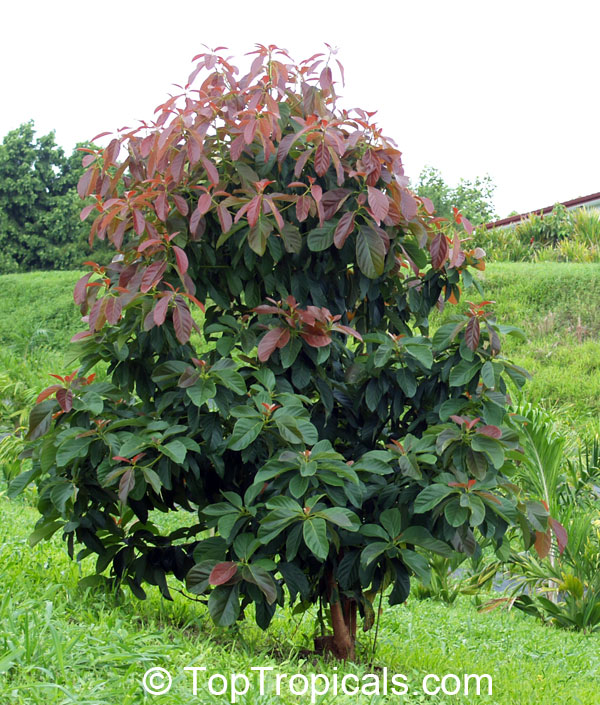
Why my Avocado is not flowering?
Q: I have 5 avocados. Three of your cold hardy varieties and two others that have all flowered and set fruit in the past. The last two years including this year, not a single one of them has put out any flowers. I am getting lots of new growth like one would expect on a tree too young to flower. The last two years have been very mild with out any damaging frost where in previous years they lost all their leaves due to frost yet started putting out flowers once winter was over. I am confused because they have all flowered and set fruit previous years. Any ideas would be appreciated.
A: From information you provided, and considering the trees get
lots of full sun and cold was not an issue, the only explanation is - lack of
nutrients. Here is an example.
Very common situation: you get a small 2-3 ft Avocado or Mango tree in 3
gal pot (or even smaller) from a nursery, full of flowers, and sometimes even a
small fruit. You bring it home, plant it in the ground or a bigger pot, it
looks happy and grows like crazy. Then next year - oops, no fruit, sometimes
not even flowers. What happened?
When the tree lived in a nursery, it was provided with all necessary
nutrients through the injector systems (continuous feed); or some nurseries may use
top dress smart release on regular schedule. Regardless of fertilizer type,
professional grower's set up delivers plant food non-stop, on regular basis, with balanced formulas. Plants are not only growing fast but also ready to produce, since nutrients are always available for a full growth cycle.
When you plant a tree in the ground (or larger pot), conditions change.
They may be beneficial for the plant: lots of room for roots to establish, hence
lots of vegetative growth. Even if you planted it using good quality fertile
soil, this soil may contain mostly nutrients responsible for vegetative
growth (branches and leaves). Chances are, your soil may be rich in Nitrogen
(good for green growth), but poor in other elements responsible for flowering and
fruiting (Phosphorous, Potassium, and many important micro-elements such as
Molybdenum, Boron, Iron, etc.). Besides, existing soil gets exhausted
quickly, and within a year a two, if you don't add fertilizer, flowering and fruiting may be reduced or even stopped.
This is why fertilizing program is very important for fruit trees that are expected to bring a crop soon.
We recommend:
- SUNSHINE C-Cibus - Crop Nutrition Booster - balanced food for fruit
trees
- SUNSHINE-Honey - sugar booster - promotes more efficient blossoming and
pollination, makes flowers bigger and reduces bud drop
- SUNSHINE SuperFood - for improving fruit trees production
Also keep in mind that some fruit trees have a habit of "skipping" a year and may either produce less or not produce at all every other year. In any case, balanced nutrition program can help to fix this "bad habit".