Garden Blog - Top Tropicals

Date: 8 Jun 2019

Chosing a good avocado tree
TopTropicals.com

Q: I'm in coastal Broward County. I'm putting together an order on your web site, and one thing that I would like is an avocado tree. I'd like to have something as close to true "Hass" as possible. Which cultivar does well here in SE Florida, and is most like Hass in texture, creaminess, and flavor? I'm not a big fan of the yellow watery Florida avocados.

A: Mexican type of Avocado have dark skin and buttery texture, while Florida green fruit types (West Indian type, with smooth skin), have lots of delicious melting pulp, so it is a matter of preference.
In coastal Broward county you can grow a wide range of varieties since your climate is very mild, so you don't have select cold-hardy varieties like Winter Mexican, Brazos Belle or Joey, etc. Yet there are many interesting varieties that rare and much more exclusive than Hass, with the same, or even better, quality buttery fruit.

One of the most popular varieties - Brogdon, with red-purple colored pear-shaped fruit, very thin skin, and yellow buttery flesh. It is also very cold hardy.

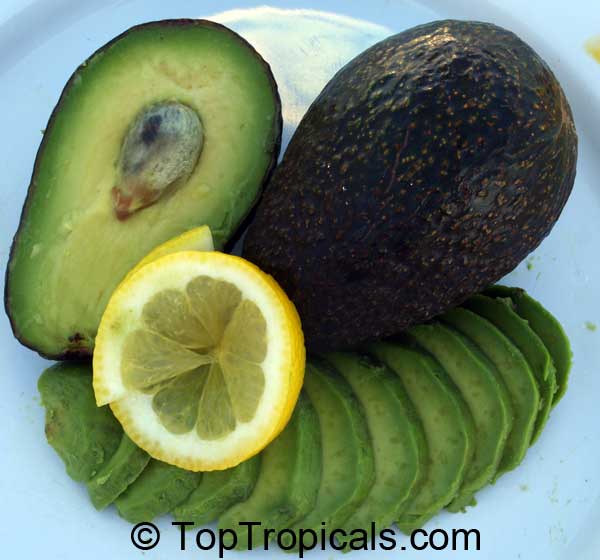
Very interesting exotic avocado is Kampong - Sushi Avocado - see photo above. The flavor of this fruit very nice, oily, creamy, nutty, reminds of almonds. At the same time, it has solid consistency and if you cut a square it remains a shape of the square. It is the best Sushi Avocado! It tastes great as an appetizer when cut in squares with some shrimp cocktail sauce.

Three collectible varieties:
Anise - leaves that smell like Anise, very rare, the fruit is of excellent quality, creamy and buttery.
Bacon - a large Mexican variety with dark-skinned medium-sized fruits, and a rich creamy flavor. It has exceptional fruit that ripen in late fall and into spring, they are easy to peel and have a light, subtle flavor. Another outstanding feature of the Bacon avocado tree is its angelic sweeping branches which helps keep the tree shorter and easier to pick its fruit.
Nishikawa is a very hot seller! Oval fruit somewhat resembles Hass, but larger, and has very high oil content.

See all Avocado trees from our store


Recommended fertilizers:
Fruit Festival Plant Food - Super Crop Booster
Mango-Food - Smart Release Fruit Tree Booster

Date: 28 Oct 2016

Devil Flowers - Bat Lilies - for Halloween!

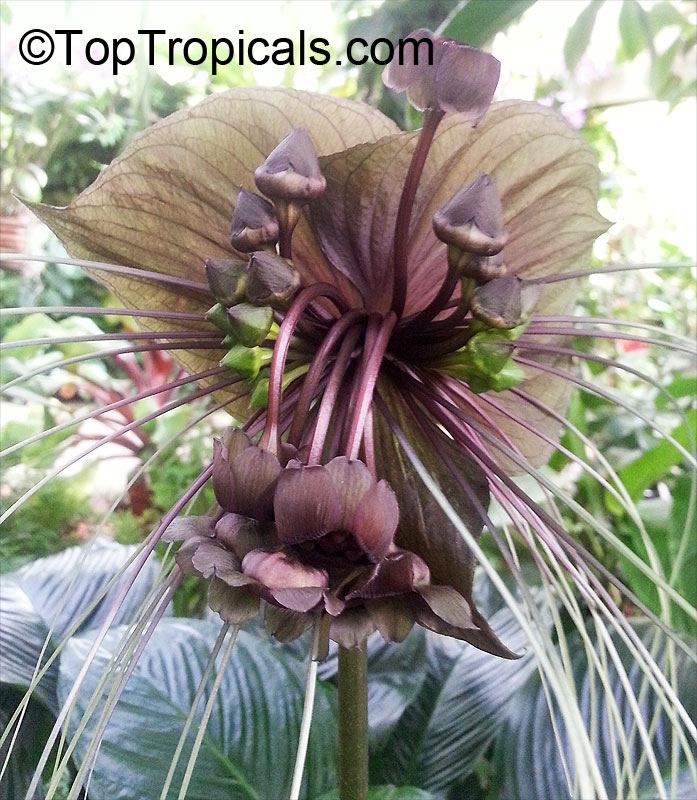
Tacca. Growing Tacca is a great way to have an unusual flower or novelty plant, both indoors and out. Tacca is an exotic plant with flowers that mimic a bat in flight, deep purple (or white), with ruffled wings and long, hanging filaments. Curious, bat-like inflorescence both in shape and color, with wide spreading, wing-like bracts of rich maroon-black (some varieties have white flowers), accompanied by long trailing filaments or "whiskers"; the small black flowers are succeeded by heavy berries; corrugated olive-green leaves with oblique base surround the bloom... Those in warm areas can learn how to grow the beautiful and unique bat flower outdoors. In more seasonal areas, bat flower info says the plant and frilly flower grows vigorously indoors when it is happy with the conditions.

How to Grow Bat Flower. Growing bat flowers requires a little extra care, but blossoms of this unusual specialty plant makes it worthwhile. Large plants usually have a greater rate of success than smaller ones. Keep your bat flower away from cold temps and away from direct sun. When growing this plant outside, plant it in the shade. Care of bat flower indoors will include a shady location as well, and yearly repotting for the rapidly growing plant. This plant does not like to be root bounded. Pot up until reaching a 10- or 12-inch pot; after that, trim the roots and return to the same size pot, if desired. Well-drained soil is a must when growing Tacca bat flowers and should remain slightly moist. Soil should be light and retain moisture but never allowed to get soggy. Our special potting mix will work best for this plant.
The plant should be allowed to dry out during dormancy. Keep this in mind during its time of rest, in fall and winter. In warmer areas, bat flowers reportedly do not experience a dormant period. Fertilize monthly or every six weeks with a slow-release plant food.
For improving cold hardiness in winter, and heat tolerance in summer, apply SUNSHINE-E booster once a month. Tacca, as well as most plants with large lush foliage, responds well to such treatments, the plant will look greener, healthier, and bloom more readily.

Black Tacca and White Tacca, as well as Tacca seeds are available from our store.

Date: 24 Jun 2016

Coastal plants. Suggestions for coastal regions


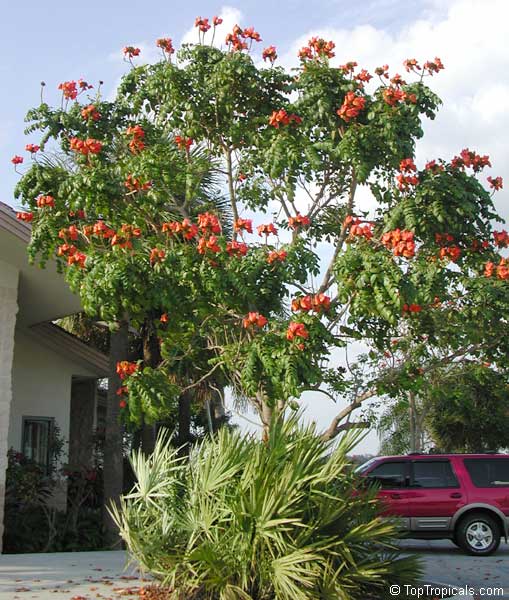
Spathodea campanulata - African Tulip Tree

Q: I'm looking for a plant to replace a Torrey pine that was sadly cut down. The pine made the soil very acidic and it's already silty, sandy, and salty from being near a coastal marsh. I was thinking of a Kei Apple. However, there are only seeds available on the website and I'd prefer a sapling to get things started faster. Are there other trees you'd suggest for that environment?

A: Here are some fast growing salt tolerant trees that we can suggest, just to name a few: Bucida buceras - Florida Black Olive Tree, Callistemon citrinus - Weeping red Bottlebrush, Capparis cynophallophora - Jamaica Caper, Cassia fistula - Golden Shower Tree, Coccoloba uvifera - Sea Grape, Cordias, Delonix regia - Royal poinciana, Flamboyant, Elaeocarpus grandiflorus - Fairy Petticoats, Ficus lyrata - Fiddle-Leaf Ficus, Ficus religiosa - Bo-Tree, Peepal, Sacred Ficus, Mahoe, Peltophorum pterocarpum - Yellow Poinciana, Plumeria, Spathodea campanulata - African Tulip Tree (shown on right). See full list of salt tolerant plants.

15% on all mango trees! This weekend only. Offer is valid through Sunday, June 26. See all mango varieties available.

Date: 26 Mar 2016

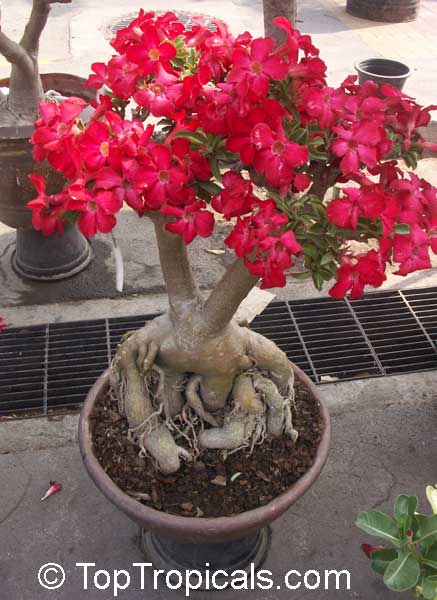
Growing Exotic Adeniums

Exotic varieties of Desert Roses. Adeniums have many spectacular hybrids. The basic culture is very similar to orchids. A small pot with excellent drainage is a must. Adeniums do not like both over-watering or drying-out. There is a secret how to create a large swollen caudex: raise the plant a bit every time you re-pot it, so that the upper part of roots will be a little exposed. The plant will form more roots that will go down.

To make your plant develop a large swollen base/trunk, you'll need a good quality fertilizer. Fertilizer requirement for swelling up trunks is also used to increase flowering. It shouldn't be too high in nitrogen, the middle number should be the highest (similar to 10-50-10). Never apply fertilizer directly on roots and do not liquid feed when a plant is thirsty: always water first slightly to avoid root burn and leaf drop. Do not wet leaves. Adeniums need lots of light for heavy flowering.

Most hybrids and species start blooming in the spring when the conditions are warm and days get longer, and continue blooming through the fall and winter in warmer climates. Adeniums like a neutral to hard water. Acidic water tends to sour the soil too fast and may cause root rot. Water plants preferably in the early morning, and allow them to drink up throughout the day. Watering can be done daily to every few days. Never allow your plants to sit in a saucer of water, but don't let them to dry out too often - this causes adeniums to go into early dormancy.

Planting instructions for bare-rooted succulent plants. Position the plant in a pot, size of root system. Use only well-drained soil with high content of Perlite and/or sand (cactus mix can be used), water once and keep in warm (75-80F) place in filtered light. Do not water again until soil dries on surface. Once the plant is established and starts growing new leaves (may take a few weeks), gradually move it into brighter light. Then you can start fertilizing it.

See full list of Adeniums - plants and seeds.

Date: 25 Dec 2021

Easy Sunday Morning Deals: Tropical Asparagus

Saving on your favorite plants is Easy.
Easy like Sunday Morning...

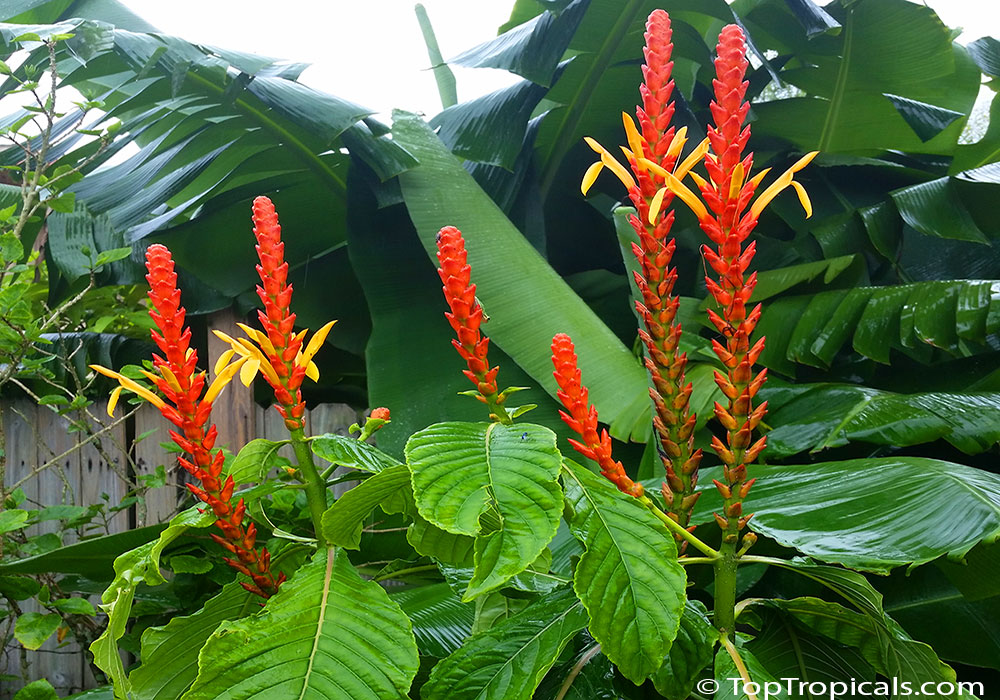
Photo above: Aphelandra hartwegiana - is at peak of its flowering season now. Spectacular flower for a shade garden.


It's time for our favorite day and another Easy stroll through Top Tropicals' Garden with savings of 50% and MORE! Christmas Day has come and gone, and now it's time to treat yourself with our Easy Sunday Deal!

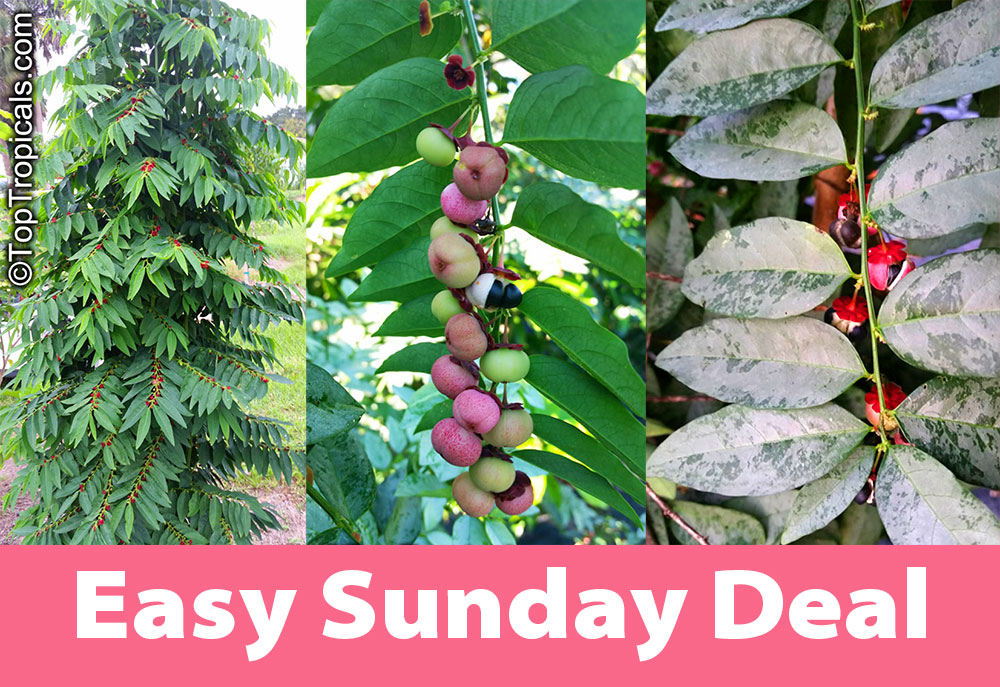
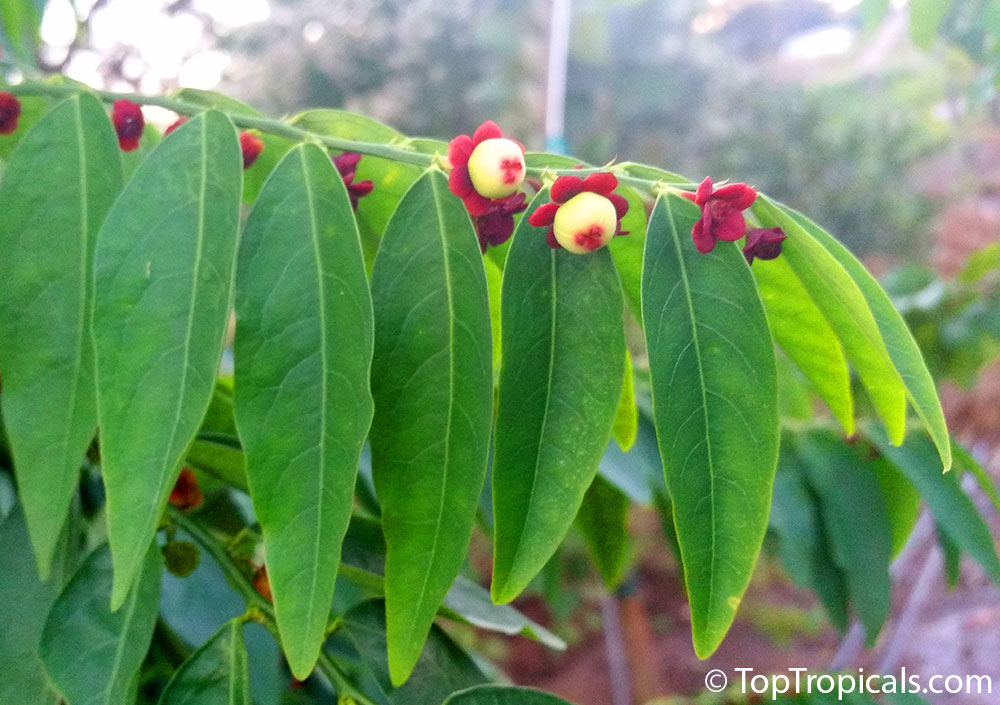
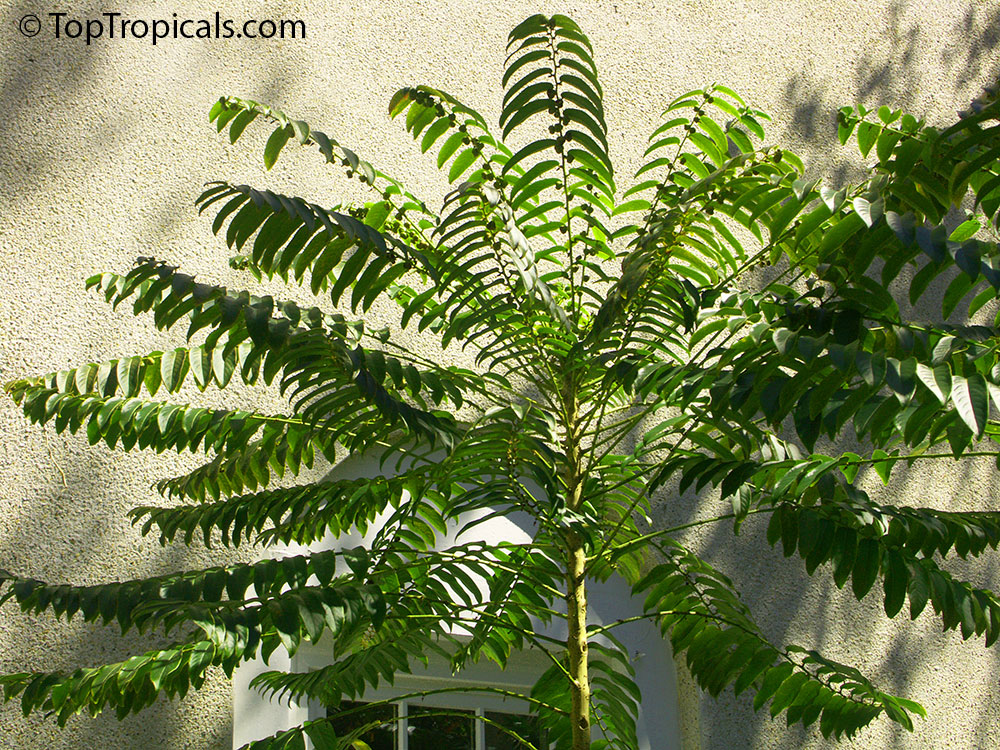
This week we bring you one of the most popular leaf vegetables in South Asia and Southeast Asia, the Tropical Asparagus - Sauropus androgynus. Notable for its high yields and palatability, Tropical Asparagus is a favorite with crab meat, minced pork, dried shrimp, or to make soup... and has delicious young shoots!

Tropical Asparagus
50% OFF and MORE!

For this Easy Sunday we have priced these at incredible savings:
Sauropus androgynus, regularly $39, is on Easy Sunday sale for only $19
Sauropus Variegata, regularly $39, is on Easy Sunday Sale for only $19.
Combine the two for your own Tropical Asparagus Kit and save even more, only $29 for the kit!

While supply lasts.

About Sauropus androgynus - Katuk, Tropical Asparagus

Sauropus, or Katuk, is a perennial shrub grown in some tropical regions as a leaf vegetable. It is one of the most popular leaf vegetables in Southeast Asia. It is among only a few flora containing vitamin K. Leaves and stemmed can be cooked as vegetable; young shoots are delicious eaten out of hand and taste just like sweet peas, they can be added to salads. The plant has many medicinal properties.

Katuk is fast growing and keeps growing as you trim it for your kitchen needs. Multiple upright stems can reach 6-7 ft high. It has great ornamental value, has pretty red flowers and ornamental fruit showing shiny black seeds when they crack open. Varieties with green leaves and variegated leaves have slightly different flavor but are equally good for your healthy, fiber-rich diet.

Remember, the Easy Sunday Deal expires on Wednesday December 29th.

Enjoy your Hot Deals!

December 26th - Boxing Day

Remember, December 26th is Boxing Day, with different theories on the roots of Boxing Day, but one commonality: Boxing Day is a day for charity and kindness. Let's all continue to be charitable and kind humans!