Garden Blog - Top Tropicals

Date: 27 Feb 2026

Grilled star fruit slices: quick-n-fun exotic recipes
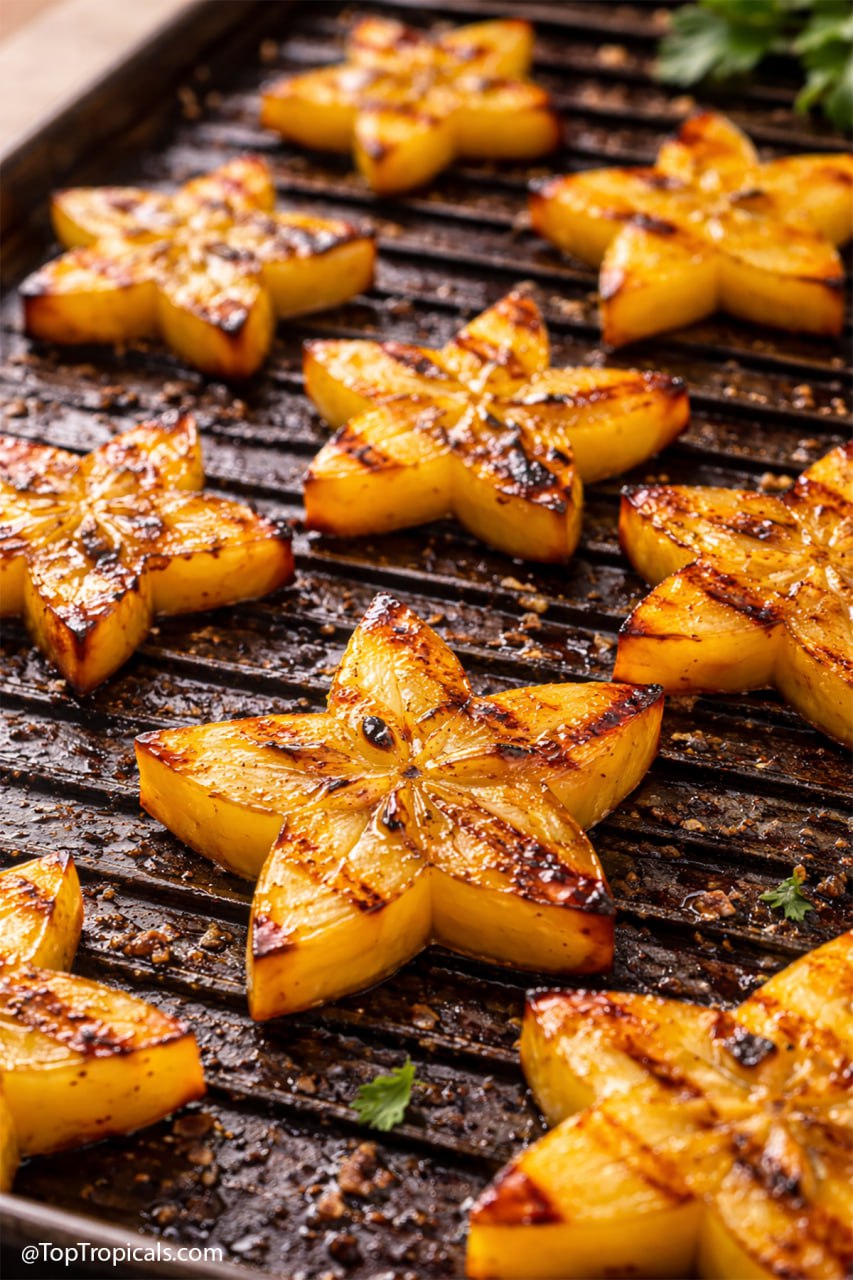
Grilled star fruit slices on grill pan
Grilled star fruit slices on grill pan

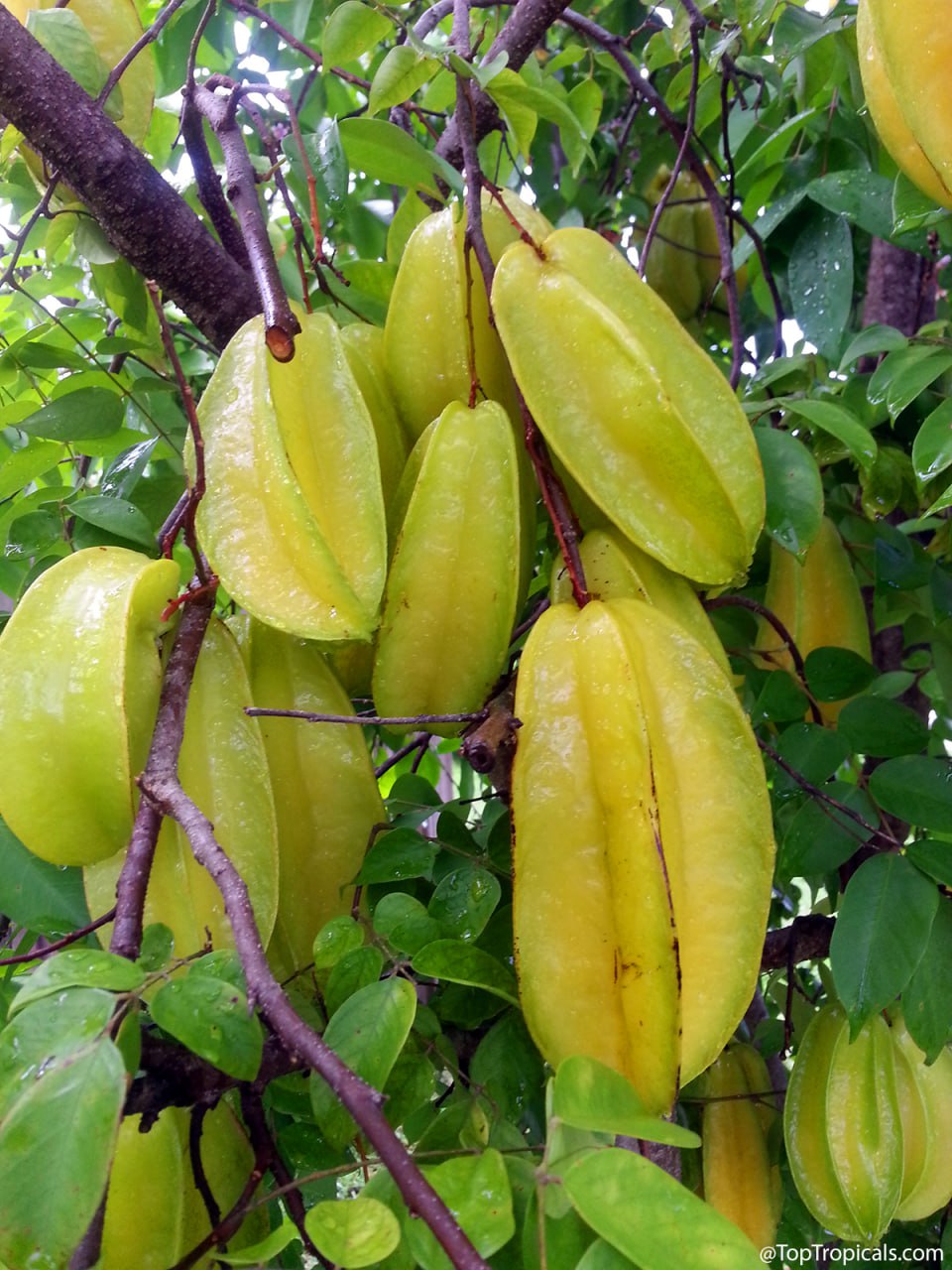
Averrhoa carambola - Star Fruit Carambola Tree

Averrhoa carambola - Star Fruit Carambola Tree

🍴 Grilled star fruit slices: quick-n-fun exotic recipes


Grilled Star Fruit Slices

Ingredients

  • 1 ripe star fruit (carambola)
  • 1 teaspoon honey
  • 1 teaspoon butter or coconut oil

Instructions

  1. Slice the star fruit crosswise into star-shaped pieces.
  2. Heat a grill pan or skillet and lightly grease with butter or coconut oil.
  3. Place the slices on the hot surface and grill briefly on each side.
  4. Drizzle lightly with honey as the edges begin to caramelize.
  5. Serve warm as a tropical side dish or dessert topping.


🌿 About the plant:


Carambola, or Star Fruit, is a small tropical tree with glossy leaves and crisp, juicy fruit that slices into perfect stars.

🏡 In the garden:


Thrives in zones 9-11. Likes sun, regular water, and protection from strong winds. Dwarf varieties do well in large containers.

🛒 Plant Star Fruit Carambola Tree

📚 Learn more:


#Food_Forest #Recipes

🟢 Join 👉 TopTropicals
Date: 31 Jan 2026

Pitomba pop cups: quick-n-fun exotic recipes

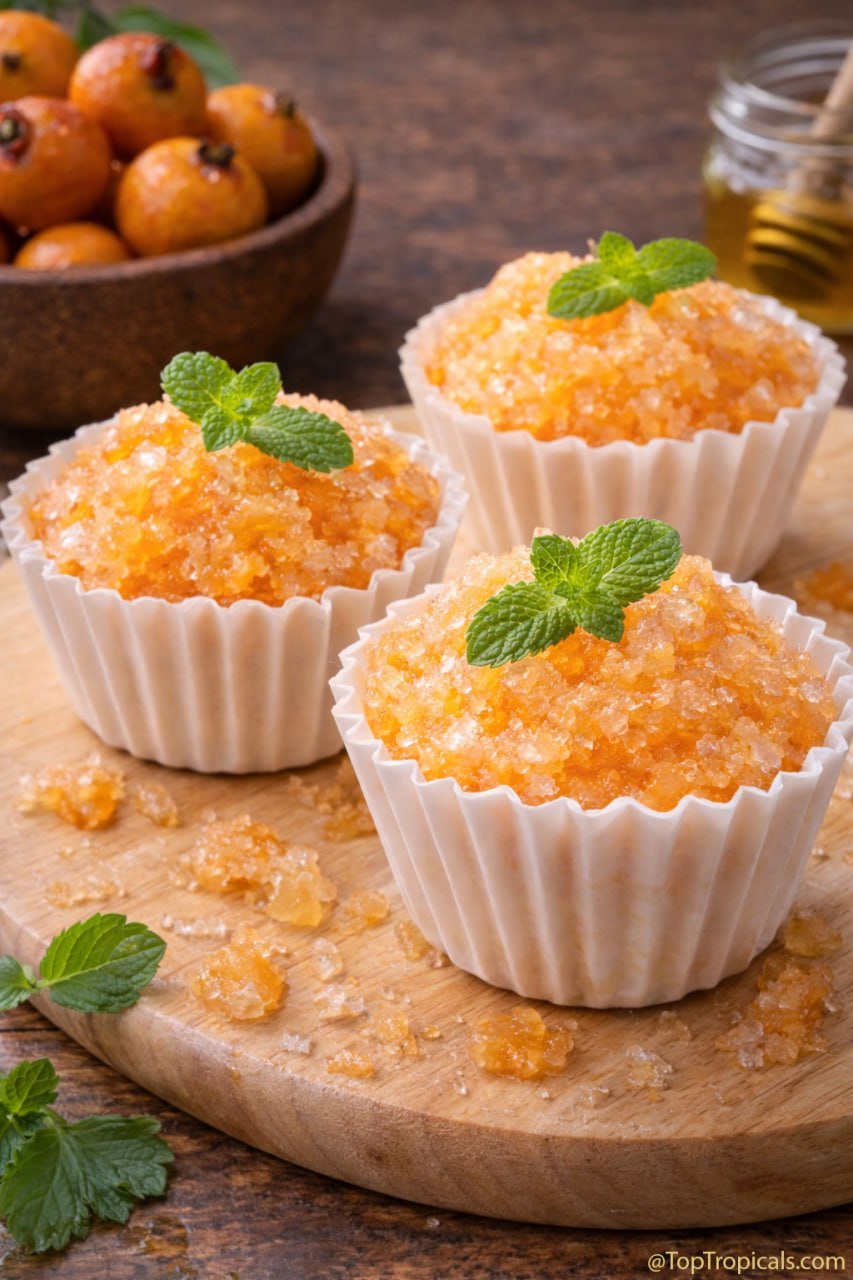
Frozen pitomba pops with mint

Frozen pitomba pops with mint

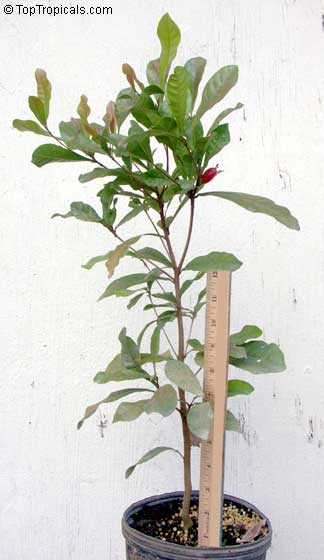
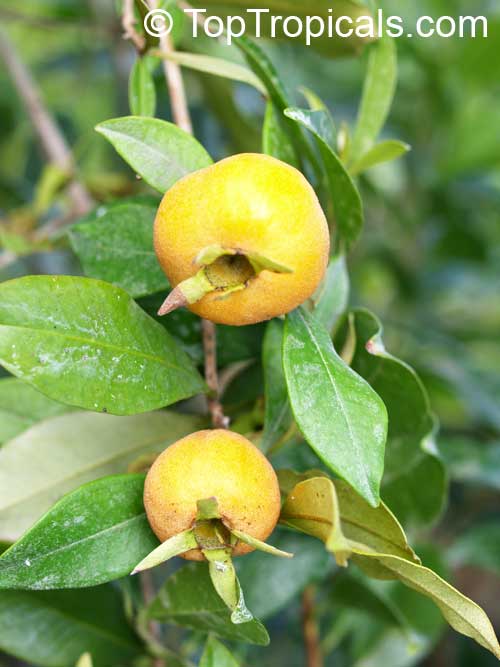
Eugenia luschnathiana - Pitomba

Eugenia luschnathiana - Pitomba

🍴 Pitomba pop cups: quick-n-fun exotic recipes


Pitomba Pop Cups

Ingredients

  • 1 cup pitomba pulp
  • 1 teaspoon honey
  • 1 tablespoon water
  • Fresh mint leaves (optional)

Instructions

  1. Scoop pitomba pulp into a small bowl.
  2. Mix with honey and a little water to soften the texture.
  3. Spoon the mixture into small cups or molds.
  4. Freeze until icy-soft.
  5. Serve topped with fresh mint for a refreshing tropical snack.


🌿 About the plant:


Pitomba (Eugenia luschnathiana) is a tropical fruit native to Brazil, prized for its bright, citrusy pulp with a sweet-sour kick. The flavor is often compared to a mix of apricot, citrus, and mild resin, making it refreshing and snack-worthy straight from the fruit.

🌱 In the garden:


Pitomba grows as a small to medium-sized slow growing tree with glossy evergreen leaves. It thrives in warm climates, prefers full sun to light shade, suitable for USDA zones 10-11, it can also be grown in large containers and responds well to pruning, making it manageable for home gardens.

🛒 Plant exotic Pitomba cherry in your garden

📚 Learn more:


Eugenia luschnathiana - Pitomba - in Plant Encyclopedia

#Food_Forest #Recipes

🟢 Join 👉 TopTropicals
Date: 27 Jan 2026

Jackfruit golden hash: quick-n-fun exotic recipes

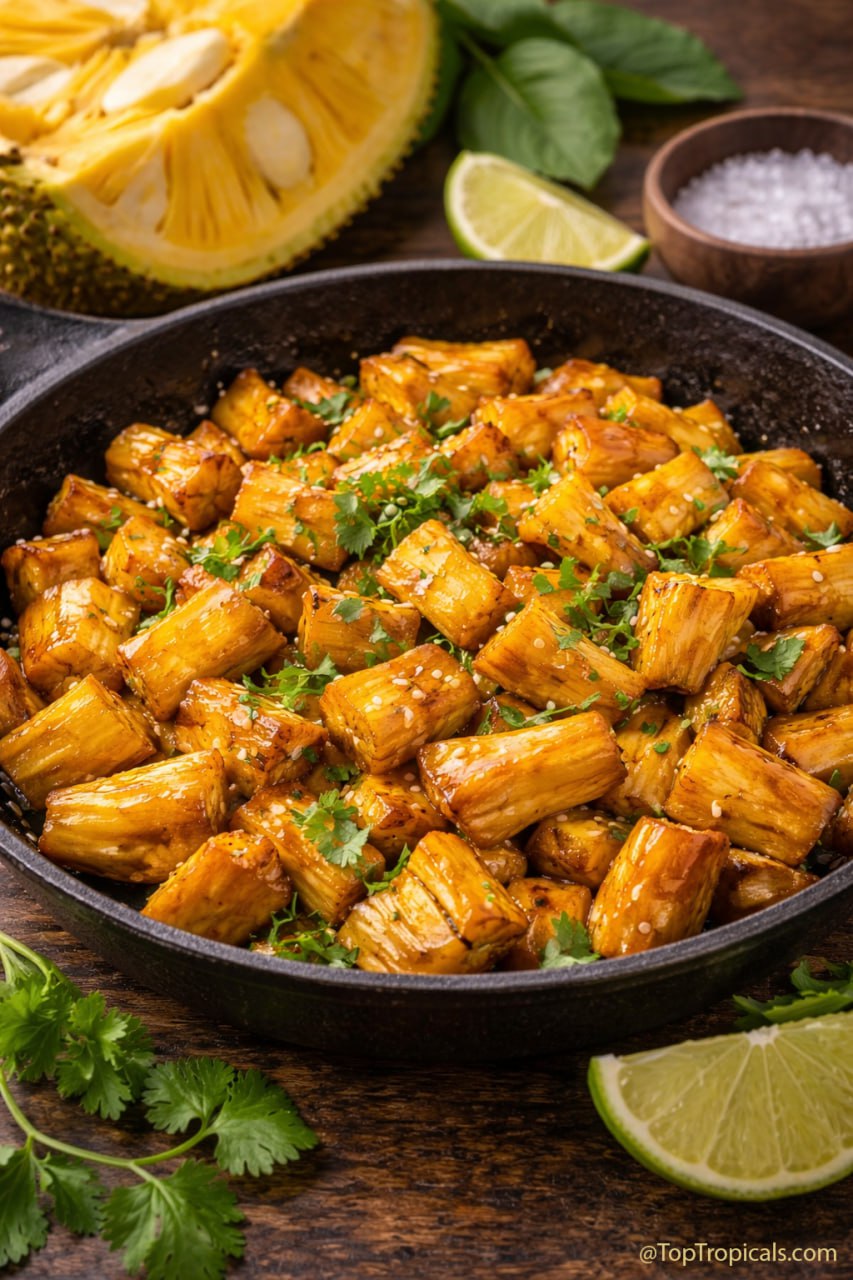
Jackfruit golden hash in frying pan

Jackfruit golden hash in frying pan

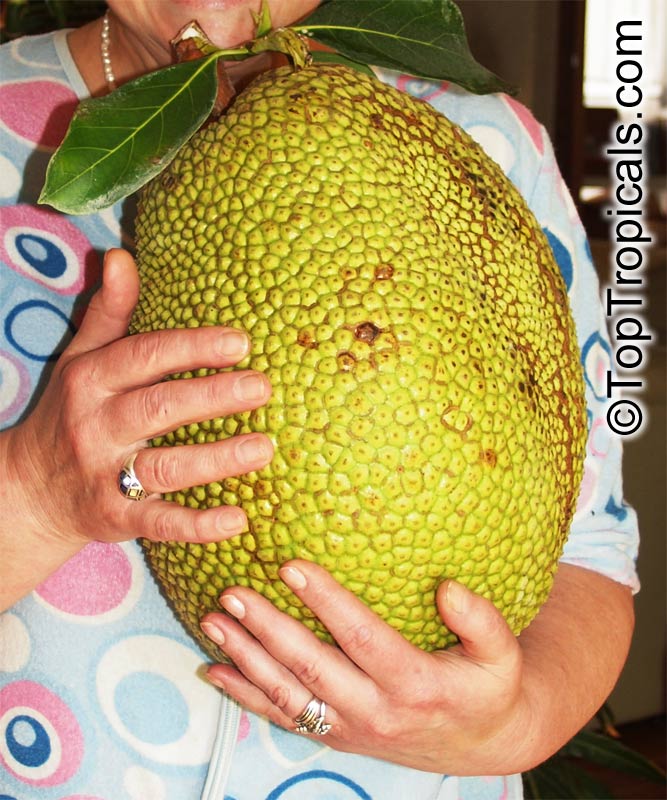
Jackfruit tree (Artocarpus heterophyllus) fruit

Jackfruit tree (Artocarpus heterophyllus) fruit

🍴 Jackfruit golden hash: quick-n-fun exotic recipes


Jackfruit Golden Hash

Ingredients

  • 1 cup ripe jackfruit pods, chopped
  • 1 teaspoon coconut oil or butter
  • 1 pinch salt
  • Fresh lime juice (optional)

Instructions

  1. Chop ripe jackfruit pods into small pieces.
  2. Heat coconut oil or butter in a frying pan over medium heat.
  3. Add the chopped jackfruit and pan-sear until the edges begin to caramelize.
  4. Toss with a tiny pinch of salt.
  5. Finish with a squeeze of lime juice and serve warm.


🌿 About the plant:


Jackfruit is the world’s largest tree-borne fruit, native to South and Southeast Asia. When ripe, its golden pods are sweet, fragrant, and naturally caramelize when cooked. It has been a staple food for centuries, used both ripe and unripe in desserts and savory dishes.

🌱 In the garden:


Jackfruit is a fast-growing tropical tree that thrives in warm climates with full sun and good drainage. It loves regular water and fertile soil, it's a heavy feeder. Best suited for USDA zones 9b-11, it can be grown in large containers when young and makes a bold, architectural fruit tree in the landscape. The fruit forms at the base of the tree, so trimming it under 7-8 ft makes it easier for cold protection.

🛒 Plant your own Jackfruit tree

📚 Learn more:


🎥 We Cut Open a 37 lb Jackfruit - You Won't Believe What's Inside!

#Food_Forest #Recipes

🟢 Join 👉 TopTropicals
Date: 6 Jan 2017

6 easiest fruit trees and 5 spices to grow in containers indoors

Q: This is why I want to move so that I can grow absolutely anything I want from your catalogue. Prefered Puerto Rico. Right now I live in New York and there is absolutely nothing I can grow there.

A: Of course living in Puerto Rico brings more opportunities to grow tropical species. However, you can create your unique tropical paradise even living in New York. We have many customers from up North who successfully grow tropical species (and get them to flower and fruit) in greenhouses, and even indoors.
Here are a few suggestions of tropical fruit trees that adapt well for container/indoor culture - for both beginners and advanced gardeners.

Top 6 fruit trees great for indoors / container culture / beginners
1. Mango (Mangifera indica). Select from one of smaller mango varieties
2. Sugar Apple (Annona squamosa)
3. Guanabana, Soursop (Annona muricata)
4. Miracle Fruit (Synsepalum dulcificum)
5. June Plum (Spondias cytherea)
6. Guava (Psidium guajava)

5 top spice plants (the spice will be with you right away, you don't have to wait for it to grow)
1. Allspice (Pimenta dioica)
2. Cinnamomon or Campor tree
3. Bay Leaf (Laurus nobilis)
4. Mint Tree (Satureja vimenea)
5. Vanilla orchid (Vanilla planifolia)

See a brief article of growing tropicals outside of tropics.

Don't forget to get some SUNSHINE boosters for your plant collection - for both successful indoor culture and cold protection!

See also our magazine Tropical Treasures

Date: 19 May 2016

Care of mail-order plants during hot summer

Q: I live in California and about a month ago ordered several plants from you, including fruit trees (Carambola, Mango, Avocado) and flowering trees (Xanthostemon, Adeniums, Champaca, Ylang Ylang). They were all doing well until I tried to move them into full sun, when they got leaf burn immediately. Ylang Ylang was doing great in a shade, but I repotted it from 1 gal into 3 gal and it is drooping leaves now. It has been very hot (over 100F) and dry (humidity is less than 25%). Any suggestions?

A: Hot summer can be pretty challenging time for establishing new plants. These are some guidelines to make your summer gardening more successful and rewarding.

1. You can order plants at any time, but keep your eye on your local weather forecast and try to chose cooler periods to schedule your plant shipments. Here at TopTropcals we monitor weather at destinations, and we can also delay shipment per your request until more favorable conditions.

2. During hot Summer months, many plants are still OK to ship, and to be planted, many species are heat tolerant. It's usually safe to ship most succulents, including Desert roses and Euphorbias. Some fruit trees are pretty easy too, like Loquats, Mango, Eugenias. Many flowering trees can take heat: Acacias, Clusias, Jatropha, Sausage Tree, Plumerias and many others. Check our full list of plants suitable for hot and dry conditions. Most jasmines, including Jasmine Sambac and Trachelospermum make also a safe choice for hot weather planting.

3. Use shade cloth or simply white sheets to protect young plants and new plantings from hot sun.

4. When establishing mail ordered plants during hot weather, keep them in shade for longer period of time than average recommended 1-2 weeks. Give them a chance to establish really well. In areas with low air humidity, try to create a simple mist system