Date: 18 Feb 2026
⭐️ Choosing the Right Variety of Jasmine Sambac
By Tatiana Anderson, Horticulture Expert at Top Tropicals
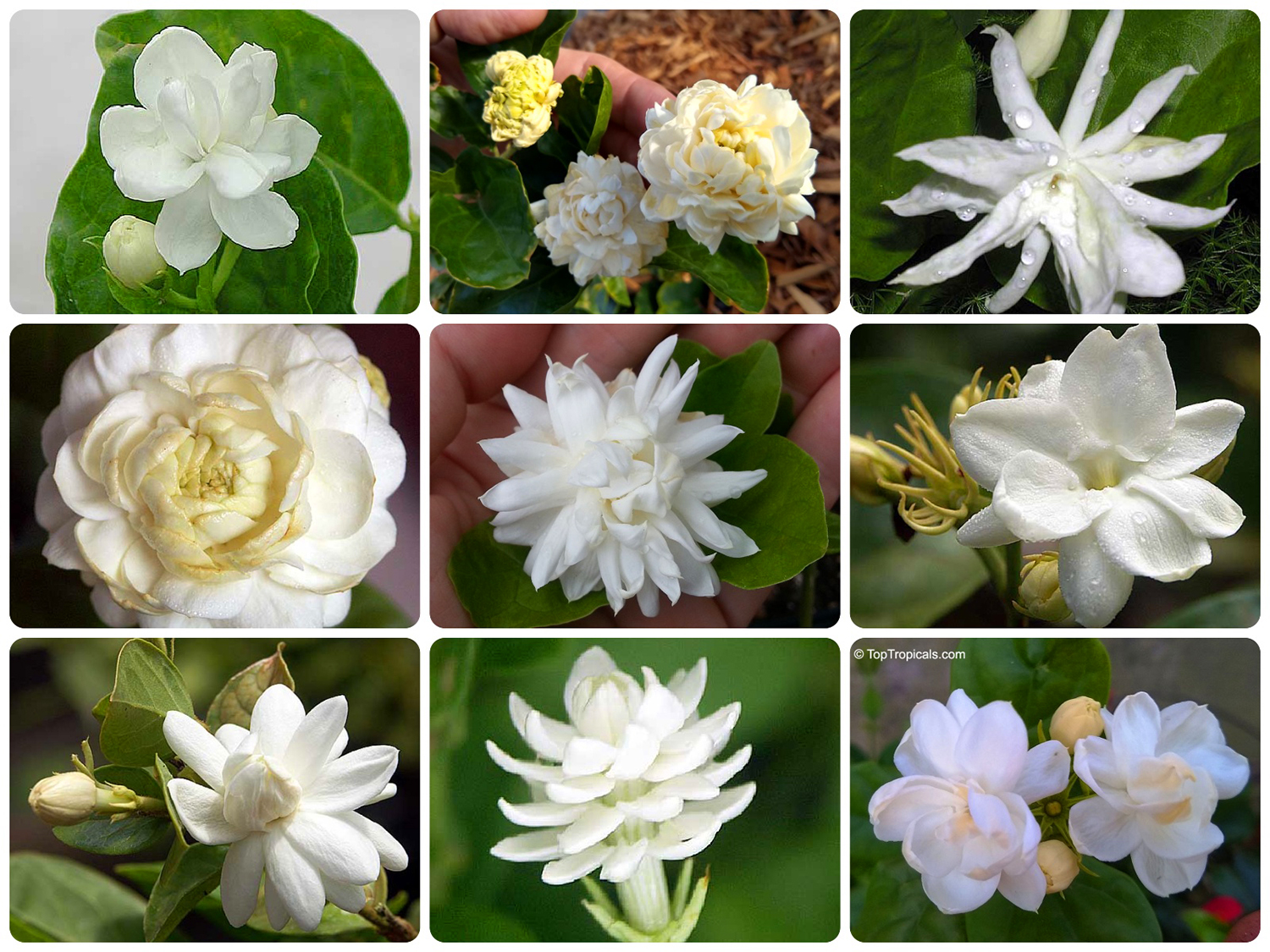
One of the reasons Jasmine Sambac is so fascinating is that it does not come in just one form. Each variety has its own personality.
If you want a compact patio plant, Arabian Nights or Little Duke are excellent choices. They stay tidy, bloom generously, and are easy to manage in containers.
If you prefer elegant, elongated petals and a refined look, Belle of India is a favorite. It can be grown as a small bush or trained lightly as a vine.
For those who love full, carnation-like double flowers, Grand Duke of Tuscany and Grand Duke Supreme are classic selections. They are vigorous and make impressive shrubs in warm climates.
If you need a stronger climber for fences or hedges, Maid of Orleans performs beautifully in full sun while Mysore Mulli prefers semi-shade.
Collectors often enjoy rare forms like Mali Chat or newer hybrids such as Gundu Malli, which combine traits from different lines.
 How to Grow Jasmine Sambac Successfully
Sambac is not difficult, but it responds best to consistency.
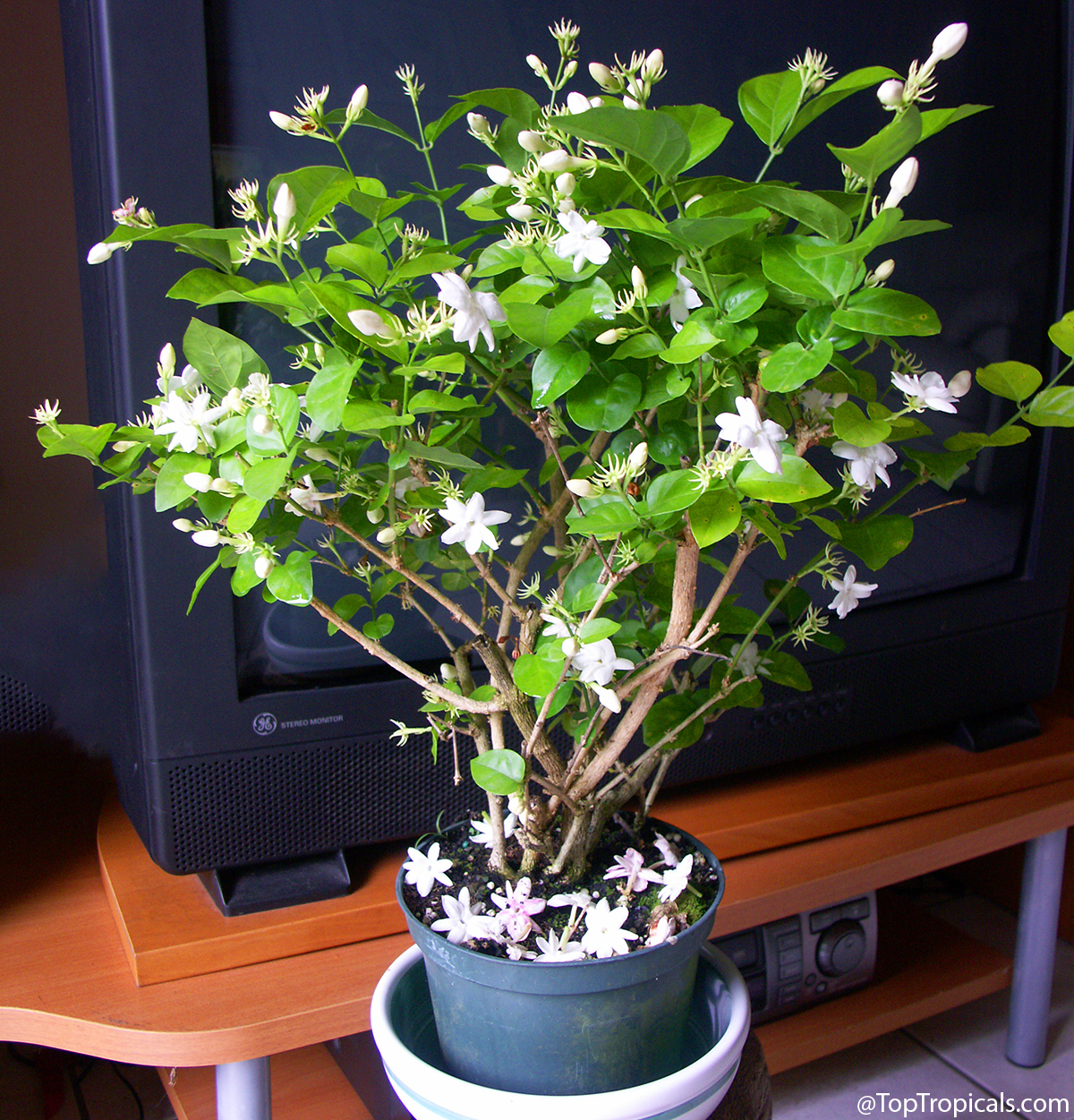
Light: Full sun produces the most flowers. In very hot climates, light afternoon shade is acceptable. Indoors, place it in the brightest window available.
Soil: Use a well-draining potting mix such as Sunshine Abundance. Sambac does not like heavy, constantly wet soil.
Water: Water thoroughly, then allow the top layer to dry slightly before watering again. Reduce watering during cooler months.
Pruning: Light trimming after a bloom cycle encourages branching. More branches mean more flower buds.
Feeding: Sambac is a heavy bloomer, and fragrance takes energy. During active growth, feed regularly with a balanced fertilizer that supports flowering such as Green Magic (controlled release every 6 months) or liquid Sunshine Boosters Pikake (formulated especially for fragrant flowers) - with every watering. I prefer formulas slightly higher in potassium to encourage stronger bud formation and richer bloom cycles. Consistent feeding during warm months makes a visible difference in both flower count and intensity of scent.
With proper care, Jasmine Sambac will reward you not just with flowers, but with perfume that changes the atmosphere of your entire garden.
❓Frequently Asked Questions About Jasmine Sambac
-
Does Jasmine Sambac need full sun?
It flowers best in full sun. In very hot climates, light afternoon shade is acceptable. Indoors, give it the brightest window possible. -
Can I grow it in a pot?
Yes. Sambac performs beautifully in containers. Many gardeners prefer pots because it is easier to control size and move during cold weather. -
How often does it bloom?
With proper light and feeding, it blooms in cycles throughout the warm season. Consistency in care makes flowering more reliable. -
Why is my plant not blooming?
The most common reasons are insufficient light or irregular feeding. Increase light first, then review your fertilizing routine. -
Is it difficult to grow indoors?
Not if you provide strong light and good air circulation. Compact varieties adapt especially well. -
Is it frost tolerant?
No. Jasmine Sambac is tropical. Protect it from temperatures below 40F and bring it indoors before frost.
🌸 Year of the Horse Special – Jasmine Bonus
Celebrate 2026 with the fragrance of Jasmine plants. For a limited time, enjoy special savings when you grow one of the most wanted perfume plants in cultivation.
Date: 1 Feb 2026
Valentines plants from around the world that symbolize love, connection, and appreciation
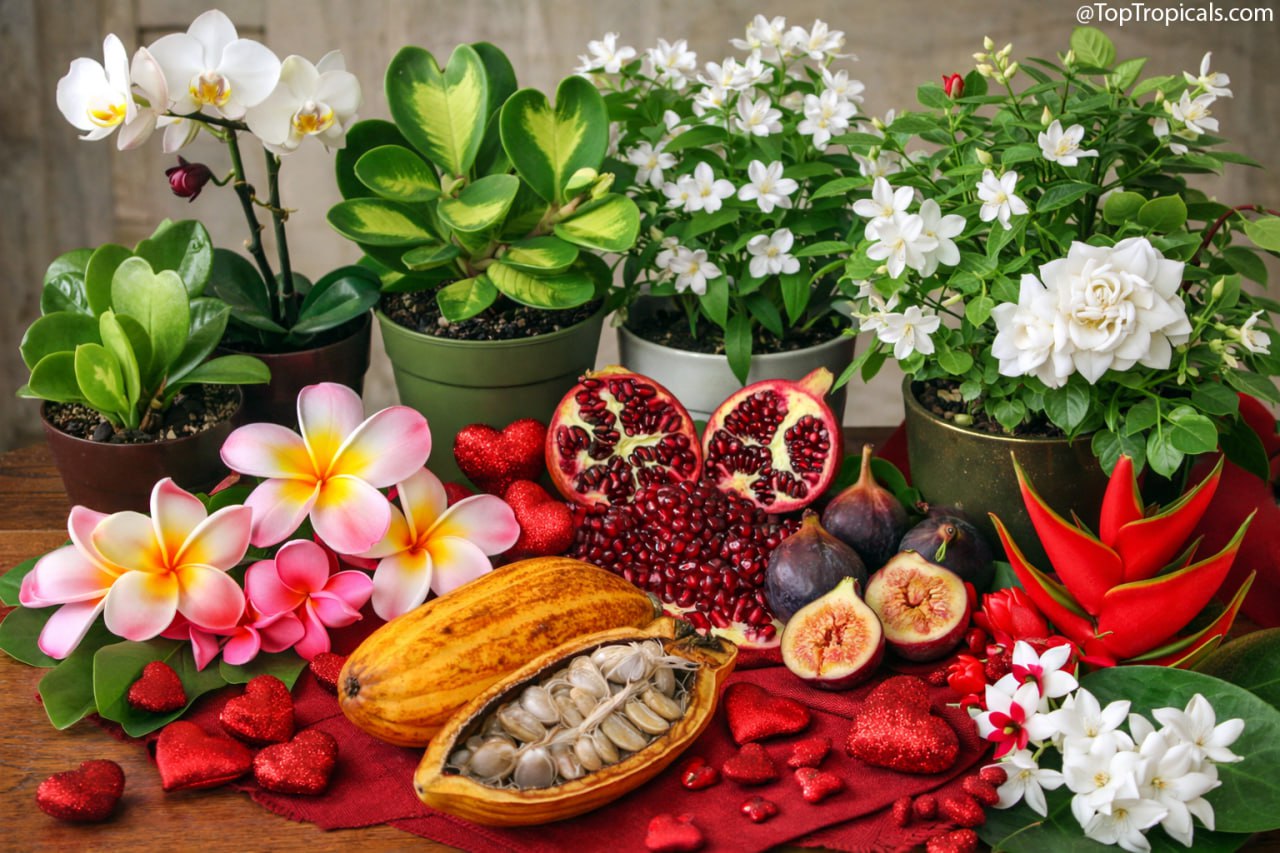
Valentines plants that symbolize love: Plumeria, Orchids, Gardenias, Heliconia, Stephanotis, Sweetheart Hoya, Cacao, Figs, Pomegranate
💕 Valentine’s plants from around the world that symbolize love, connection, and appreciation
- 💘 When we think of Valentine’s plants, roses usually steal the spotlight. But in many parts of the world, love has long been expressed through tropical plants - not only through flowers, but also through scent, ritual, shared food, and sensory experience.
- 💘 Across cultures, tropical plants have symbolized romance, friendship, devotion, fertility, desire, and emotional connection. Some speak through heart-shaped leaves and fragrant blooms. Others through taste, warmth, and the way they bring people together.
- 💘 Love beyond flowers? Together, these tropical plants show that love is expressed in many ways - through beauty, scent, taste, ritual, warmth, and shared moments. Valentine’s traditions around the world remind us that love is not only something we see, but something we experience with all our senses.
- 💘 In our upcoming collection we will explore Valentine’s plants from the tropics, grouped by how they express love:
- 💖 1. Plants of romance, affection, and emotional connection
- 💖 2. Plants of friendship, appreciation, and shared connection
- 💖 3. Plants of love, desire, and the senses
- 👉 Stay tuned, coming up next:
🛒 Explore gift plants
🎁 Get a Gift Card
📚 Learn more:
- ✦ Valentines day Best Gift Plant Ideas
- ✦ Eight favorite plants of romance, affection, and emotional connection
- ✦ Four popular plants of friendship, appreciation, and shared connection
- ✦ Top nine plants of love, desire, and the senses: aphrodisiacs and sensory connections
#Shade_Garden #Container_Garden
🟢 Join 👉 TopTropicals
Date: 5 Mar 2026
Passion fruit butter glaze: quick-n-fun exotic recipes
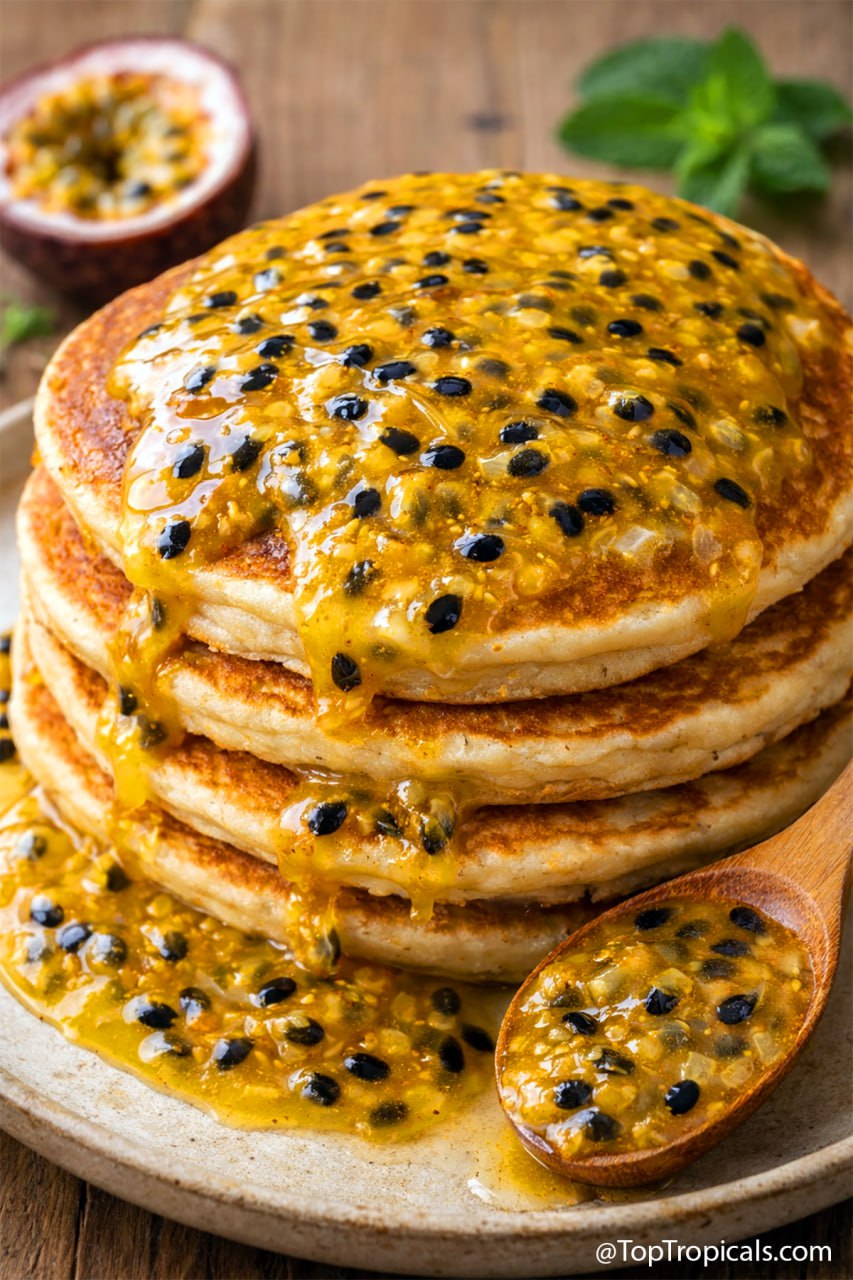
Passion fruit butter glaze
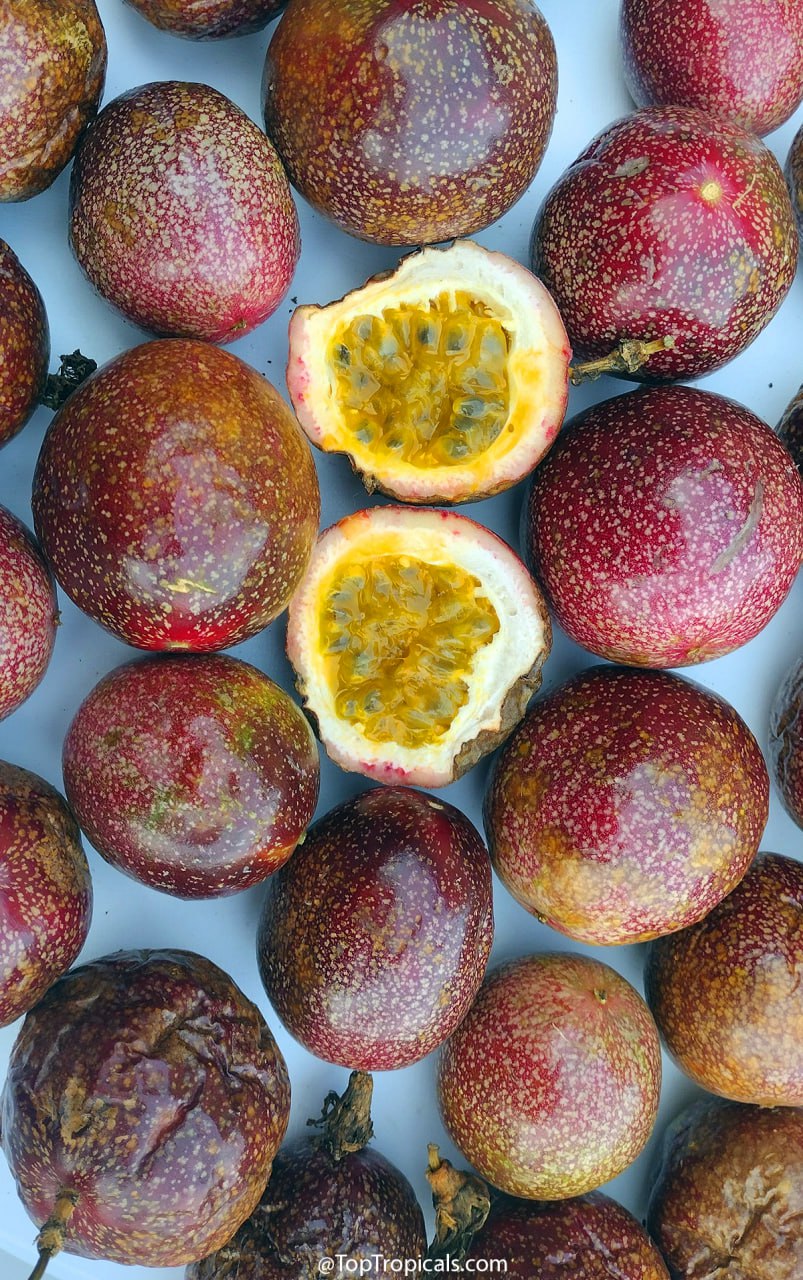
Passion fruit - Passiflora edulis
Passion Fruit Butter Glaze
Ingredients
- 2 passion fruits
- 1 tablespoon butter
- 1 teaspoon sugar
Instructions
- Scoop the pulp from the passion fruits into a small saucepan.
- Add butter and a small amount of sugar.
- Simmer gently while stirring until the mixture thickens.
- Spoon the warm glaze over pancakes, toast, or grilled pineapple.
🌿 About the plant:
A fast-growing vine with exotic flowers and intensely aromatic fruit filled with juicy seeds.
🏡 In the garden:
Needs strong support, full sun, and warmth. Very fast growth in zones 9-11. Prune to keep productive.
🛒 Plant Passionfruit Vine - fast growing and rewarding
📚 Learn more:


#Food_Forest #Recipes
🟢 Join 👉 TopTropicals
Date: 3 Mar 2026
Jaboticaba reduction sauce: quick-n-fun exotic recipes
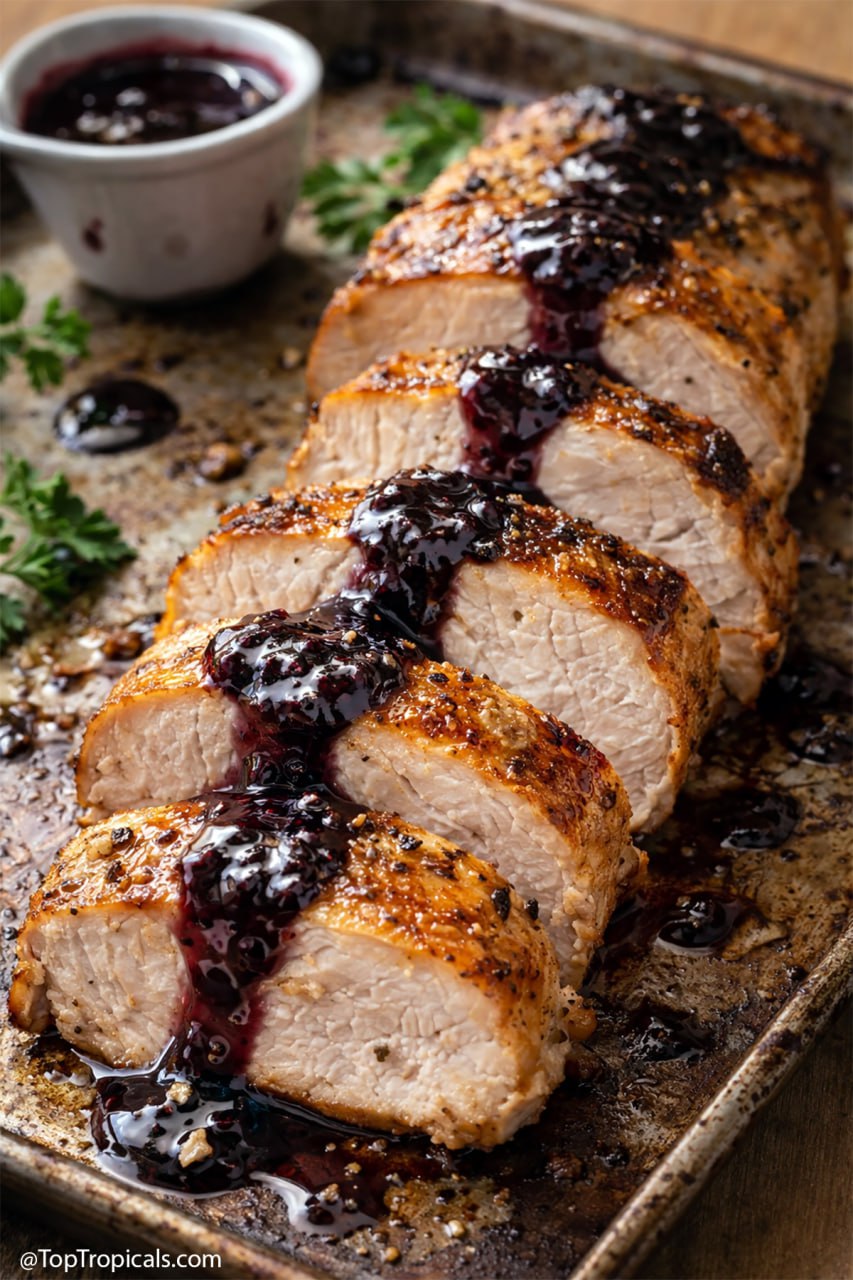
Jaboticaba reduction sauce
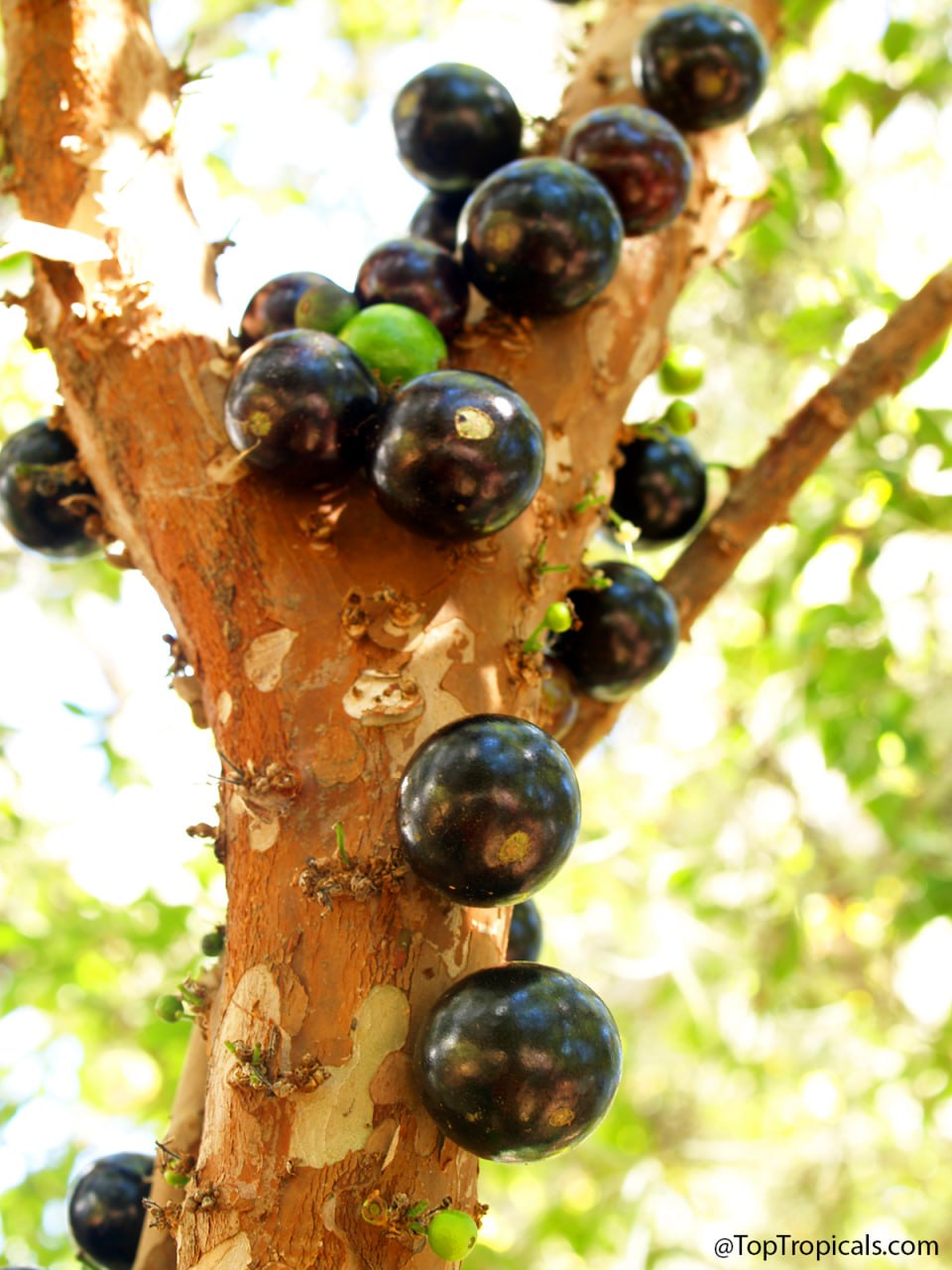
Myrciaria cauliflora - Jaboticaba fruit
Jaboticaba Reduction Sauce
Ingredients
- 1 cup ripe jaboticaba fruit
- 1 tablespoon sugar
- 1 tablespoon water
Instructions
- Crush the jaboticaba fruit in a small saucepan.
- Add sugar and a little water.
- Simmer gently until the mixture thickens and becomes glossy.
- Strain the sauce to remove skins.
- Drizzle over roasted pork, chicken, or grilled vegetables.
🌿 About the plant:
A Brazilian tree that fruits directly on the trunk. The grape-like fruit has a thick skin and juicy pulp inside.
🏡 In the garden:
Grows well in warm, humid climates. Slow growing but very ornamental. Can be grown in large pots when young.
🛒 Plant Jaboticaba tree now, don't wait - it's slow growing!
📚 Learn more:


#Food_Forest #Recipes
🟢 Join 👉 TopTropicals
Date: 24 Jun 2018
NEW SLIDESHOW: Top Tropicals - We Grow Happiness!
Look at these most spectacular flowers of the Tropical World.
You can have them... We can ship!
Whether you live in Tropical Florida or Downtown New York,
you can grow tropical plants and enjoy the beauty of
fragrant flowers and exotic fruit. Bring some happiness
into your life and let us do the rest - grow these plants
for you and give you some advice how to keep them happy.
Stay updated with TopTropicals Videos by subscribing to our channel at YouTube.com/TopTropicals