Date: 4 Jun 2016
Desert rose winter care
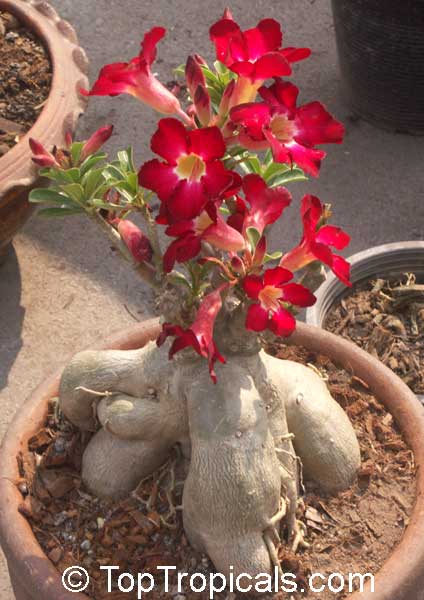
Q: I purchased several packets of desert rose seeds last year. I now have 45 very healthy seedlings some of them in bud. Almost all of my seeds grew but I lost most of them when I rook them in during winter. I did not water them for a month , kept them in their pots and set them by the window. they either dried up and died or rotted and died. I noticed when you send me grafted specimens that you bareroot them. Is this a better way to keep them inside in winter, bareroot? I hate to lose these plants come winter time. Pls advise me. I live in Houston, Tx. where we get temps below 40 degrees and sometime a day or more of freezing temps.
A: Thank you for your question. Rot is pretty common problem with Desert Roses. We monitor our Adeniums closely and have a special set up of watering environment and schedule, in dedicated greenhouses just for them. Nevertheless - every now and then we see a rotten caudex and can't help it to say "oops! over-watered!" These plants are very sensitive to environment changes, especially when it comes to a combination of water and temperature. These are a few tips that should help you to reduce risk of plant loss to a minimum:
1) Use only well drained mix with much higher content of perlite than you would use for most tropical plants. For adeniums, we use mix with 30-40% of perlite in it, while regular mix has 10-15%.
2) Adeniums like alkaline soil, unlike most of tropical plants (hard to say what else likes alkaline... Ficus for sure!). This means, regular mix with high content of peat moss may cause root rot. To increase alkalinity, you may add dolomite. Here in Florida where we have natural supply of shell rock handy, it is easy to add some shell to a potting mix (shell sand, rather than quartz sand). We always add a few large shells on top of a pots with a big specimen. Besides increasing soil pH (making it more alkaline), shells look very decorative.
3) Water very carefully during cooler months. When it is hot (85-100F), excessive water usually won't harm adeniums: it will be partially used by a plant, and partially will evaporate. Especially be careful with water when temperatures drop below 65F - then tropical plants simply stop growing process and go dormant. Once adeniums start losing leaves, this is a sign to reduce watering to once a week to once a month, and in very small quantity (couple tablespoons per pot).
4) We do not bareroot adeniums for winter storage. They are not bulbs. Barerooting of this plant is recommended only during shipping. Adeniums can stay without soil for up to a week without hardly any stress, sometimes even longer.
5) We keep our big collection specimens on a roofed porch during winter, where level of light is very low. Last winter we haven't lost a single plant due to low light. They take shade pretty well considering minimum or no water. However bright light is always better - it creates healthier environment for a plant. We all know about space limitations for our large collections, especially in winter. So if you can afford a bright spot for adenium during winter - the plant will be lucky!
Date: 20 Mar 2016

Easter Lily Vine creates a fragrant privacy fence of virtually unlimited size
By Ron, South Florida. Easter Lily Vine (Beaumontia grandiflora) is a magnificent woody evergreen climber of unlimited growth potential. A branch of this vine will grow simply until you cut it. I have branches of up to 30 ft. and longer.
I've used two plants to turn a chain-link fence into a privacy screen that is 40 ft. wide by 10 ft. tall, but even a single plant can cover a much wider space if trained properly.
Easter Lily Vine's growth rate is moderate, so it doesn't require constant pruning to keep under control like other vigorous vines. I bought mine in 7 gallon pots, and planted them in the ground immediately. It took about 2 years to completely cover the fence. Since then, I prune it 3-4 times a year.
Keep in mind that these plants are heavy and require a solid structure as support. They twine by nature, but only around items with 3†diameter or more. Mine twined around a near-by lighting pole!
The absolute key in training Easter Lily Vine is to force it to grow horizontally. I recommend planting a young 3 gallon size vine in the ground diagonally, so it grows horizontally. Tie it no more than a foot above ground and let it grow a single branch until the end of the space you want to cover. Then force it to make a U-turn and let it grow the other way. See the following diagram for illustration..
.See step-by-step full size pictures and the rest of the article...
Date: 7 Mar 2016
Black Pepper Vine - grow a real spice at home!
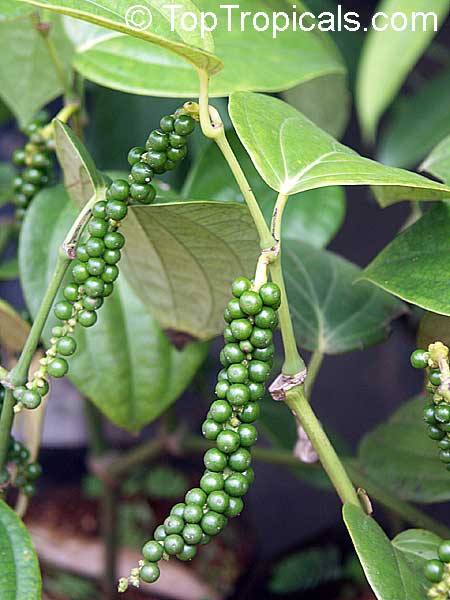
Q: What plants are used for commercial production of black pepper, red pepper, and green pepper? I started organic garden and would like to try growing pepper. I live in Georgia, will it survive here?
A: Pungent and aromatic Pepper is grown in Southern India since more than two thousand years, has always been much valued all over the world. Along with other spices from India and lands farther east, it changed the course of world history. Depending on harvest time and processing, peppercorns can be black, white, green and red (reddish-brown). So, the same fruit is also used to produce white pepper, red/pink pepper, and green pepper. The pungency is strongest in white pepper and weakest in green pepper, while black and green pepper are more aromatic than the white one.
The vine can be easily grown in a pot on a trellis, in mild (frost-free) climates it can be grown in the ground providing a tree support. Try growing this legendary plant and taste the real spice!
For more info, see article about Black Pepper.
Date: 21 Mar 2026
How to start your dream collection: Adenium rainbow
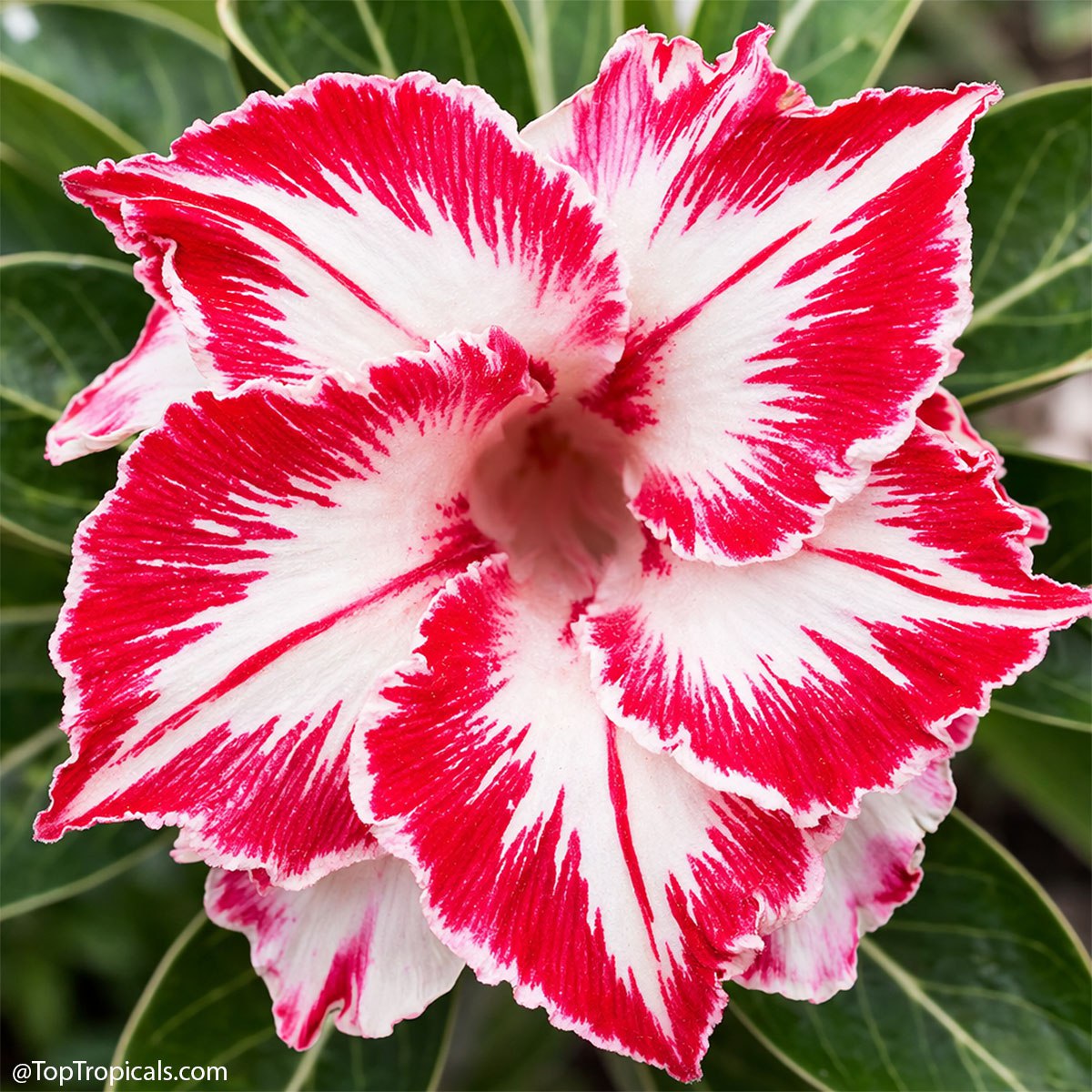
Adenium Amaryllis
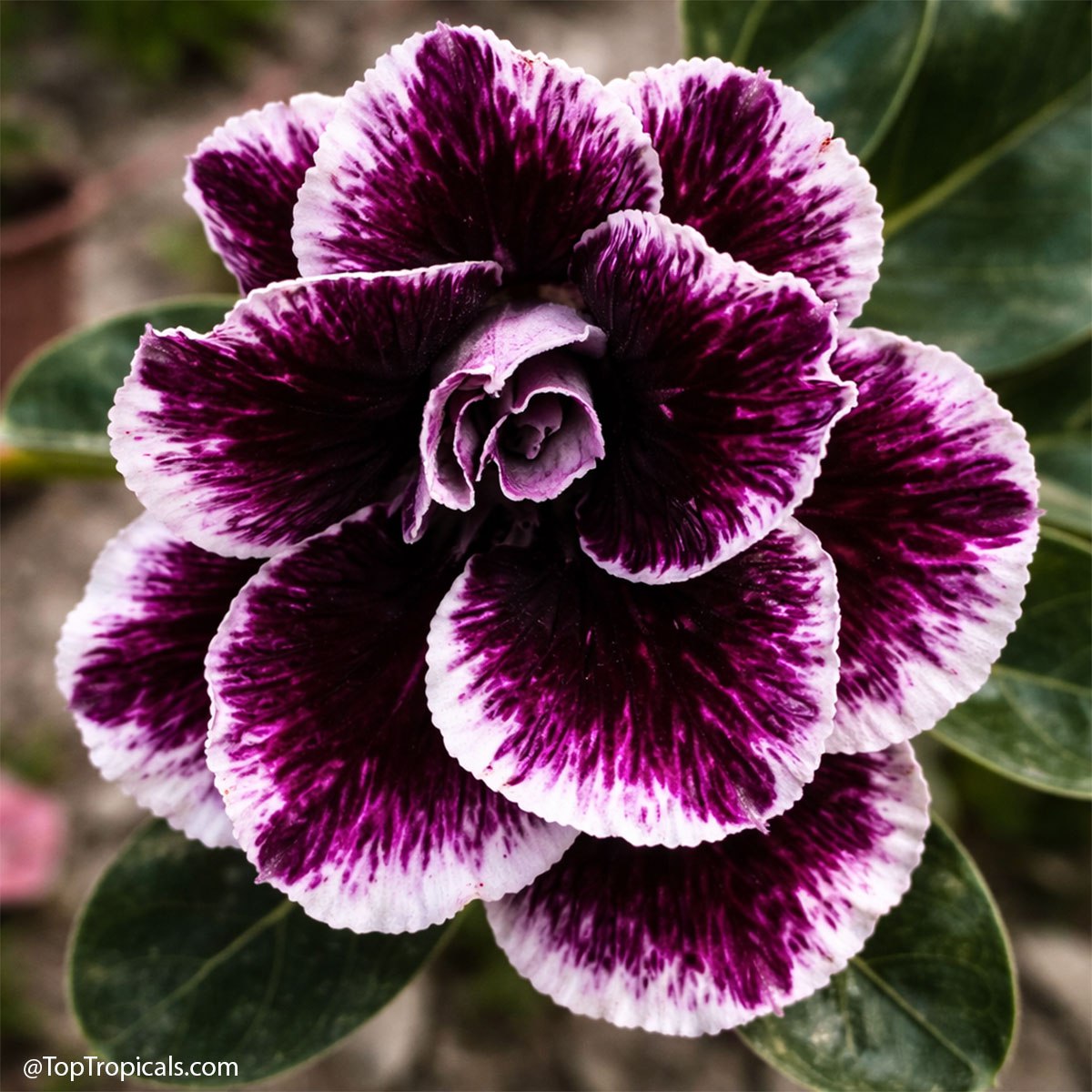
Adenium Win
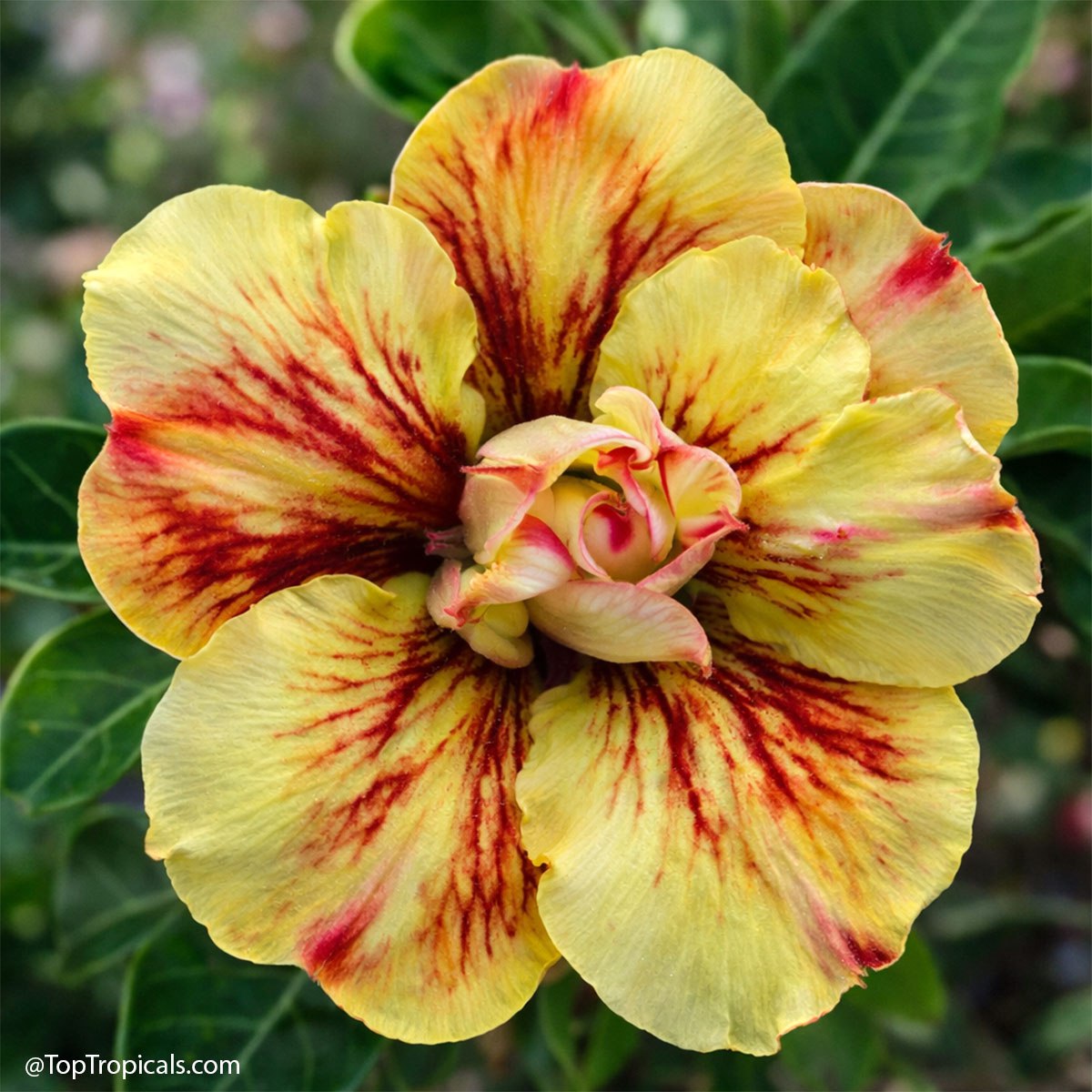
Adenium Butterfly Yellow
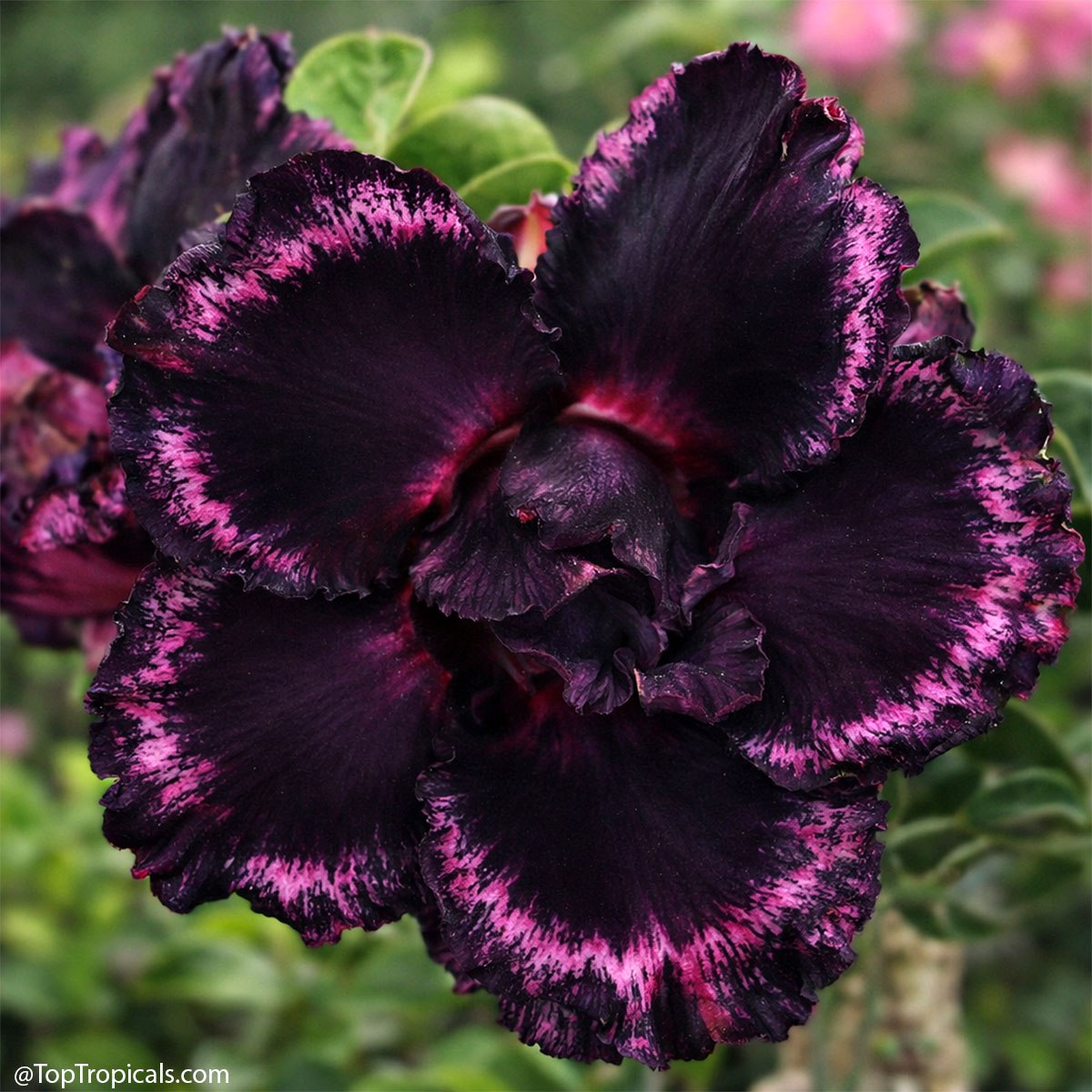
Adenium Black Butterfly
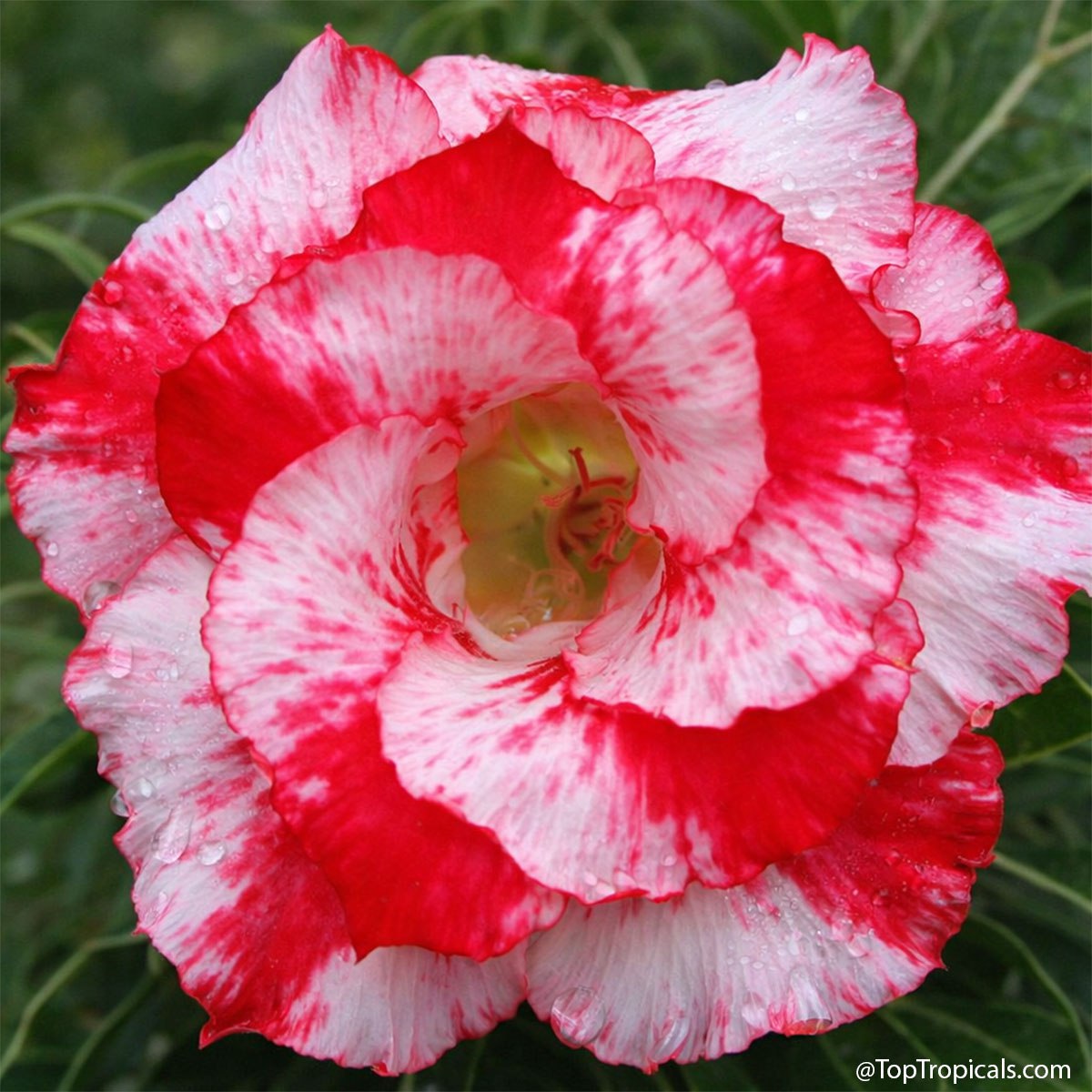
Adenium Good Morning
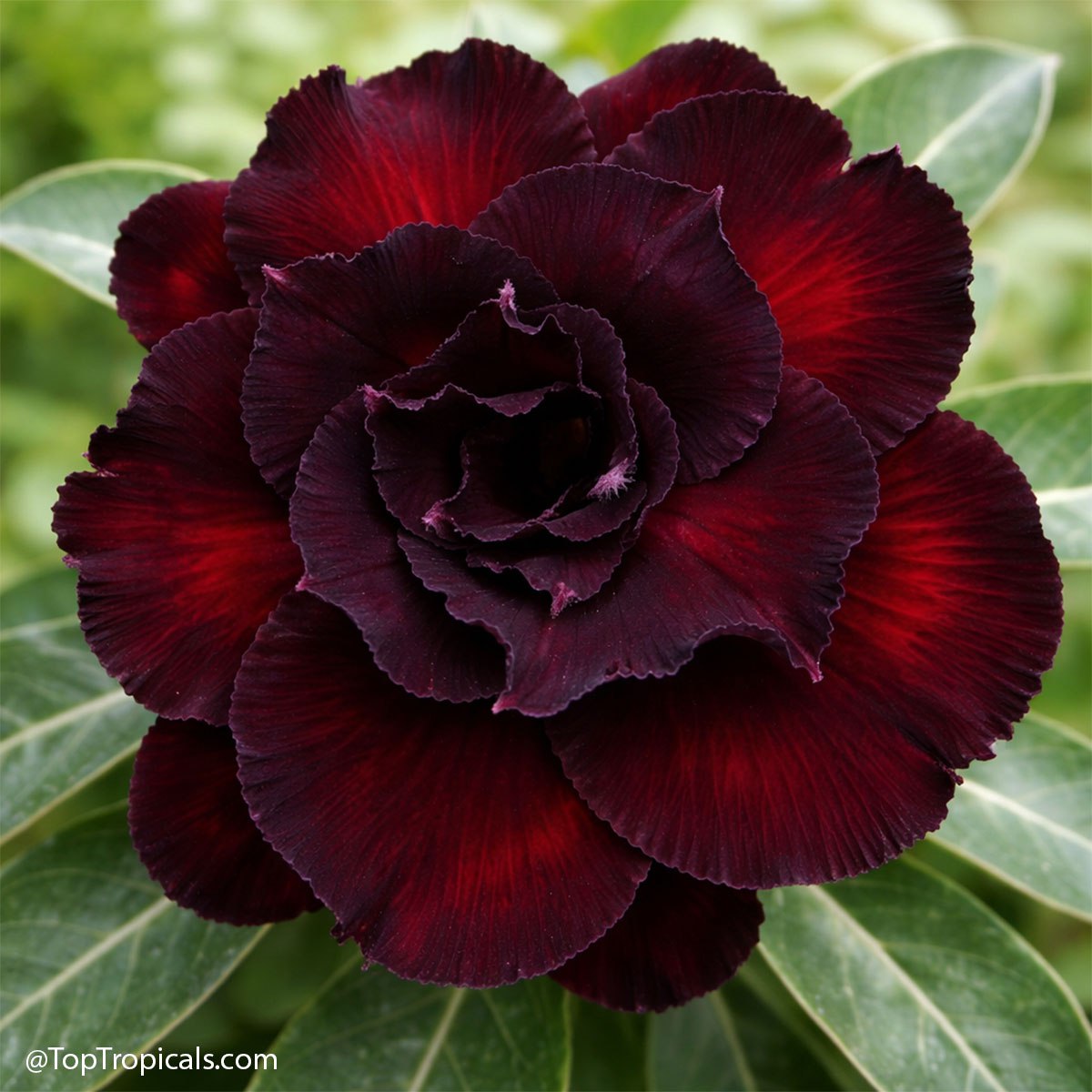
Adenium Good Night
- 👉 Thinking about adeniums? Read this before you buy one!
If you’ve ever seen a tray of different blooming adeniums, you probably had the same thought: "I want them all." And honestly - we get it.
But with hundreds of varieties out there (and only so much space on your patio), the real trick isn’t collecting everything… it’s choosing the right ones and growing them well so they actually bloom like the photos.
Let’s make it simple.
💡 Before you start your adenium collection
A few basics that make all the difference:
- 🔸 Light. Bright light is key. The more light, the better the blooms.
- 🔸 Water. Water deeply, then let soil dry out. Adeniums hate sitting wet.
- 🔸 Fertilizer. Adeniums prefer liquid food. Light, regular feeding with Sunshine Megaflor Bloom Booster during active growth = stronger growth, bigger caudex, and better flowering.
- 🔸 Trimming. Prune after flowering to shape and encourage branching. More branches = more flowers.
- 🔸 Soil. Fast-draining mix is a must. No heavy, soggy soil. Use Adenium Soilless Mix.
👉 How to grow a happy Adenium
🌸 Today's featured adeniums
A few standout varieties to start (or expand) your collection:
- ✦ Amaryllis: Large, bold blooms with a classic floral shape - one of those that always catches attention.
- ✦ Win: Clean, bright blooms with a balanced form - simple and very satisfying.
- ✦ Butterfly Yellow: Soft yellow tones with a delicate, airy look - light and cheerful.
- ✦ Black Butterfly: Dark, velvety tones with a winged pattern feel - rich and dramatic.
- ✦ Good Morning: Bright, fresh tones that feel clean and uplifting - a nice contrast in any group.
- ✦ Good Night: Dark, moody tones - a completely different vibe from typical bright adeniums.
If you’re just starting, pick a few different styles - light, dark, bold, soft. That contrast is what makes a collection feel alive.
And fair warning… It rarely stops at six! 😀
🛒 Explore Exotic Thai Adeniums
📚 Learn more:


🟢 Join 👉 TopTropicals
Date: 17 Feb 2026
Lunar New Year starts today - welcome the Year of the Fire Horse 2026 with Jasmines

Year of the Fire Horse 2026 with its lucky plants Jasmines
🔥 Lunar New Year starts today - welcome the Year of the Fire Horse 2026 with Jasmines
- 💮 One of the luckiest plants for 2026 is Jasmine. Today, February 17, 2026, the Lunar New Year begins, welcoming the energetic and passionate Year of the Fire Horse.
- 💮 If you’ve been feeling restless, ready for movement, or craving something fresh in your life - that’s Horse energy. This year is about action, authenticity, and doing things your way. And in Chinese tradition, certain plants help align your space with that powerful momentum.
💮 Why Jasmine is especially lucky this year
Jasmine symbolizes love, luck, and beauty - three themes closely connected to the Fire Horse’s vibrant spirit. Horses are social, expressive, and affectionate. Jasmine’s sweet fragrance supports harmony, romance, and positive energy in your home.
In Feng Shui traditions, fragrant flowering plants help soften intense Fire energy. Jasmine does exactly that - it balances passion with calm.
💮 How to use Jasmine for good fortune in 2026
· Grow jasmine near entrances or windows to invite good luck into your home
- · Place it in patios or garden walkways where its scent can circulate
- · Use jasmine oil or candles in bedrooms to enhance relaxation and romantic harmony
💮 Ready for momentum?
Ready to feel bold, inspired, and a little unstoppable? The Year of the Fire Horse moves fast - and it rewards those who move with it. Think you need more clarity, more spark, more direction? Jasmine anchors that fire with calm confidence. It keeps the passion high and the chaos low.
If you’re stepping into 2026 with purpose, don’t just make resolutions. Plant something living. Let jasmine bloom beside you - and grow into the year you’ve been waiting for.
🛒 Discover lucky Jasmine plants
📚 Learn more:
#Horoscope #Perfume_Plants #Discover


