Does Queen of the Night bloom only one night out of the year?
Does Queen of the Night bloom only one night out of the year?
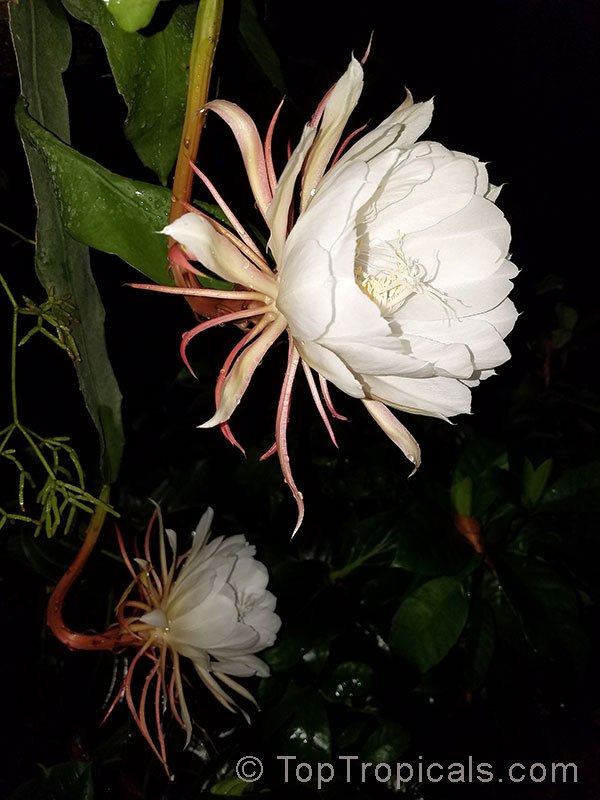
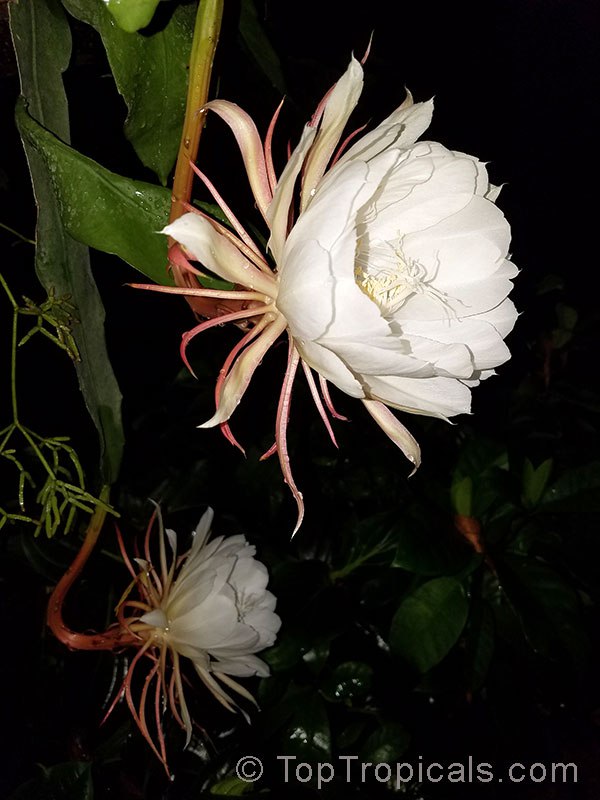
💎 Epiphyllum oxypetalum - Queen of the Night, is a captivating cactus famous for its nocturnal, powerfully fragrant blooms!
💎 Native to tropical rainforests, it thrives as an exotic houseplant with its wide, fleshy leaves.
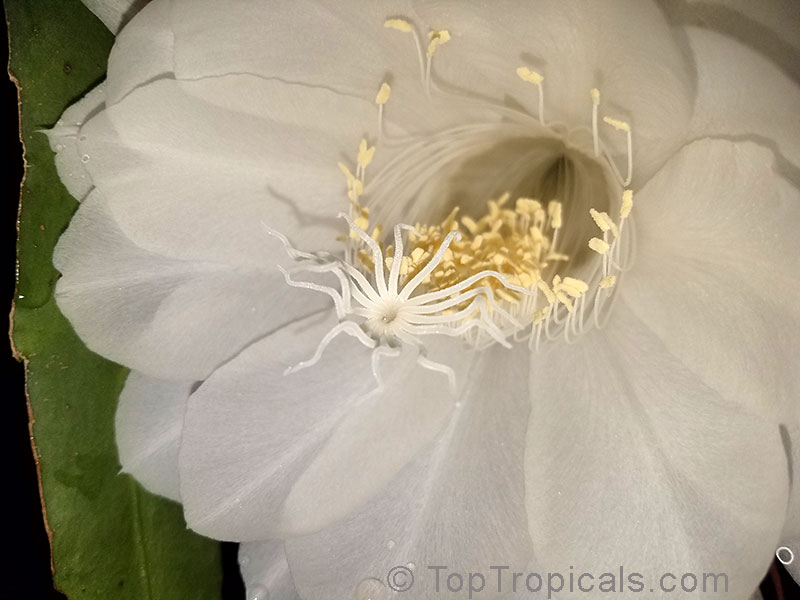
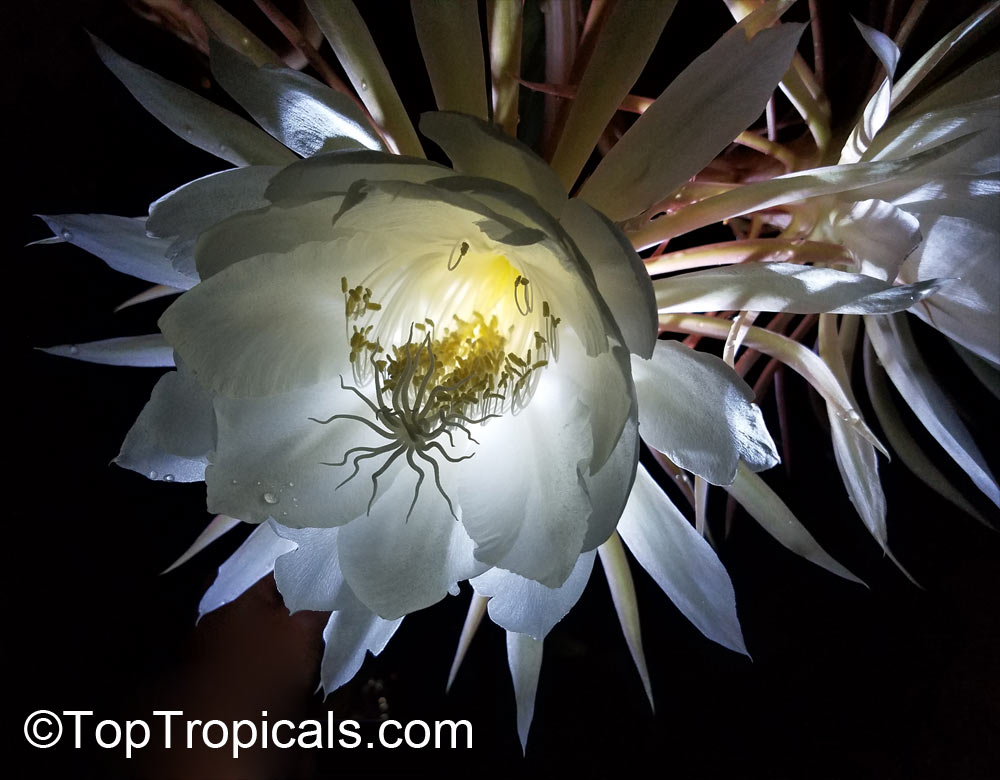
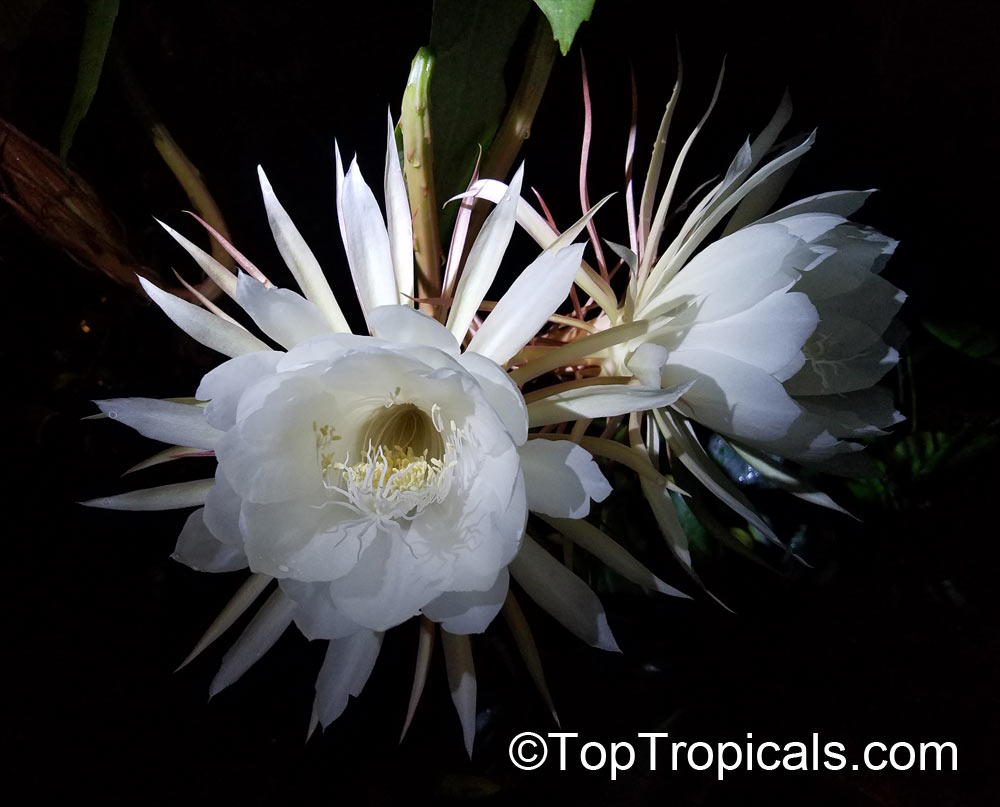
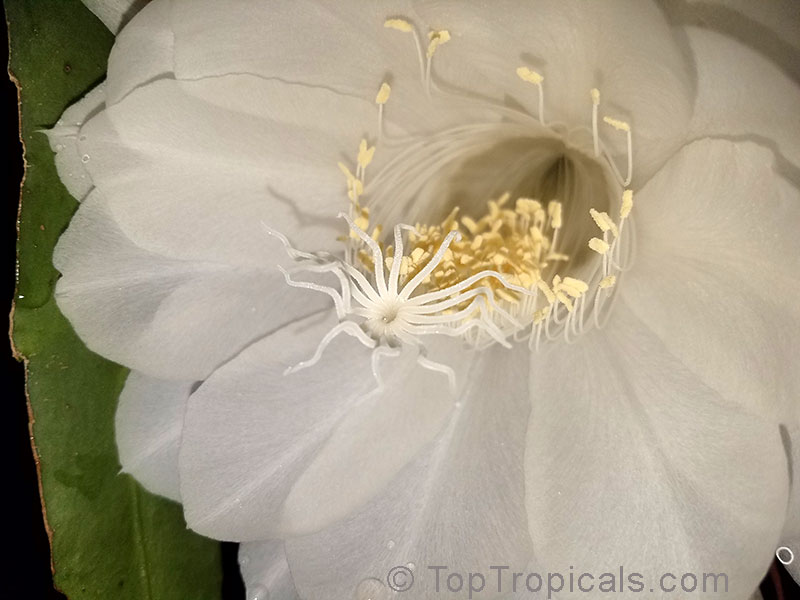
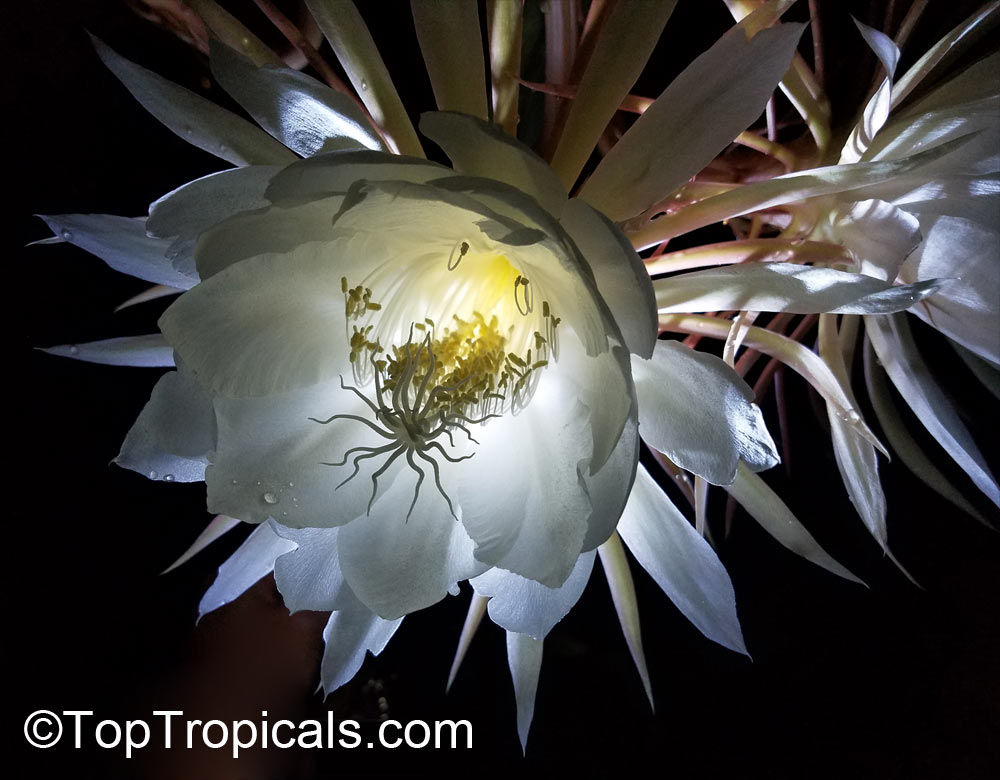
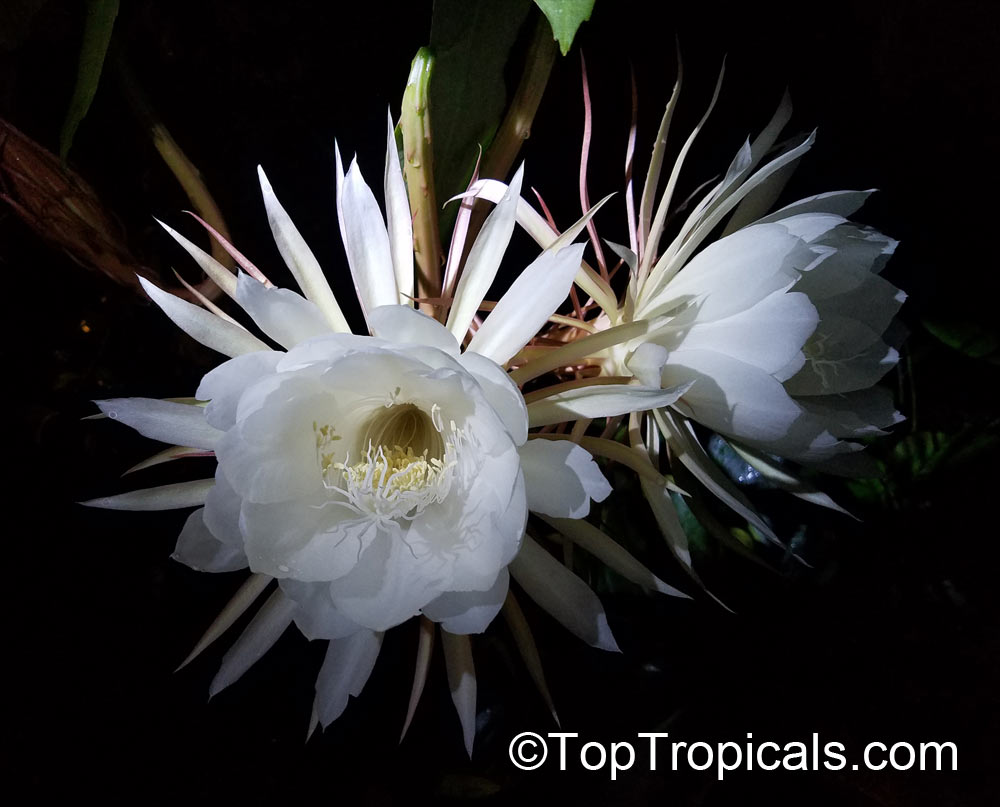
💎 This plant earns its royal title by producing stunning, large white fragrant flowers that open only at night, creating a spectacular and fleeting display of beauty.
💎 Each flower lasts only one night, but if you missed it - no worries! New blooms will follow from multiple buds. So you actually will have several nights to enjoy it!
💎 A must-have for those who love unique and fragrant indoor plants.
Does Queen of the Night bloom only one night out of the year?
Epiphyllum oxypetalum - Queen of the Night
Epiphyllum oxypetalum - Queen of the Night
Epiphyllum oxypetalum - Queen of the Night
Epiphyllum oxypetalum - Queen of the Night
Does Queen of the Night bloom only one night out of the year?
💎 Epiphyllum oxypetalum - Queen of the Night, is a captivating cactus famous for its nocturnal, powerfully fragrant blooms!
💎 Native to tropical rainforests, it thrives as an exotic houseplant with its wide, fleshy leaves.
💎 This plant earns its royal title by producing stunning, large white fragrant flowers that open only at night, creating a spectacular and fleeting display of beauty.
💎 Each flower lasts only one night, but if you missed it - no worries! New blooms will follow from multiple buds. So you actually will have several nights to enjoy it!
💎 A must-have for those who love unique and fragrant indoor plants.
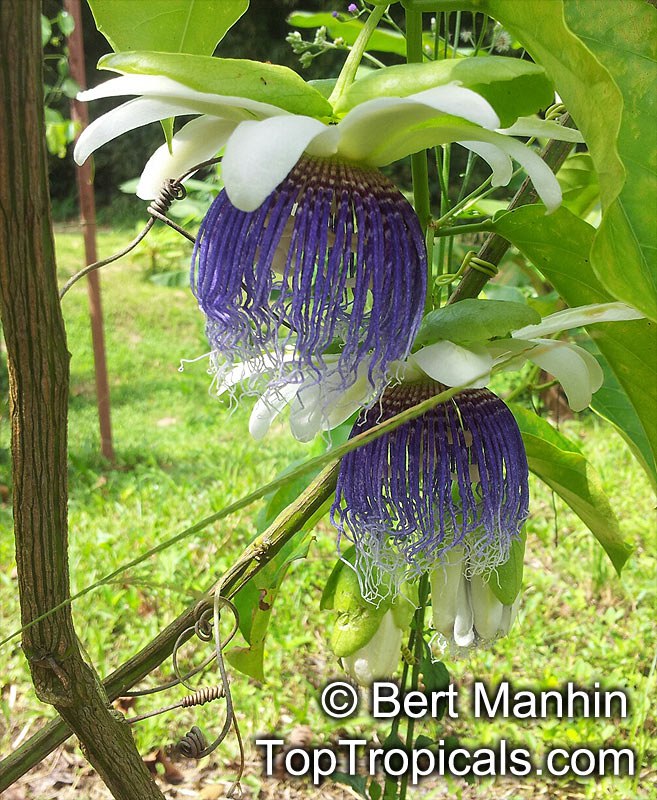
Passiflora nitida, Bell Apple, Water Lemon flowers
🌸 What is the sweetest Passionfruit?
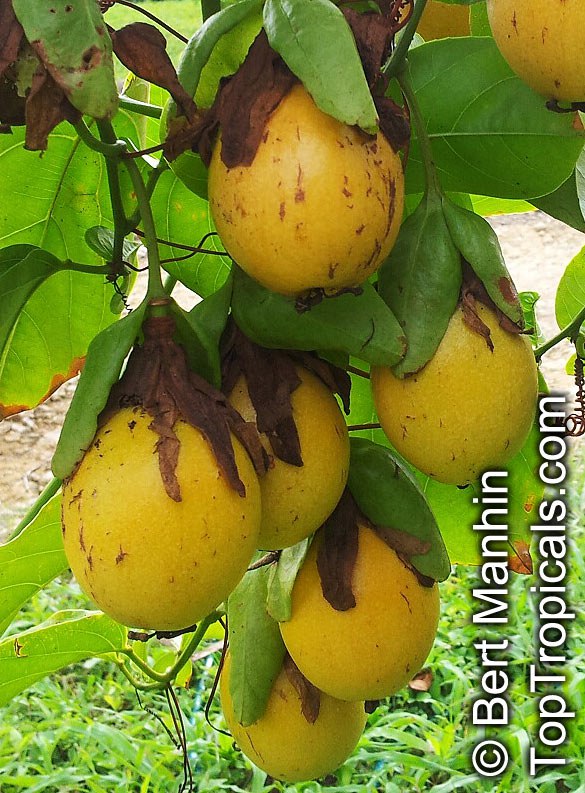
🍋 Passiflora nitida, also called Bell Apple or Water Lemon, is a rare gem among passion fruits, native to the lush Amazon jungle. Its orange-yellow fruits are much sweeter than typical passion fruits, with succulent, non-acidic pulp that’s irresistibly flavorful.
🍋 This tropical vine thrives in lowland regions from Costa Rica to Brazil, growing rapidly in warm climates.
🍋 Fruits: Small (up to 2 inches), orange-yellow, and incredibly sweet, best enjoyed fresh.
🍋 Flowers: Striking blue and red blooms, resembling those of P. laurifolia and P. quadrangularis.
🍋 Growth: A vigorous, fast-growing vine suited for tropical conditions; frost protection is essential.
🍋 Uses: Often eaten fresh but also a key ingredient in the refreshing drink "Purple Passion."
🍋 #Fun_Facts: Despite its sweet, crowd-pleasing taste, this fruit remains a relatively unknown delight, making it a treasure for tropical fruit enthusiasts.
🔥This is a rare, spineless, epiphytic cactus from the rainforests of the Amazon jungle.
🔥 The flowers emerge along the leaf edges from late spring through early summer. They have a distinctive blue tip on the magenta flower, just like a blue flame!
*Wax Plants: Hoyas are often called wax plants because of their thick, glossy leaves and waxy flowers.
*Sweet Scented Blooms: Their star-shaped flowers not only look like candy but also emit sweet, often vanilla-like or chocolatey scents, especially in the evening.
*Epiphytic Nature: Many Hoyas grow as epiphytes in their natural habitats, meaning they live on other plants or trees, getting nutrients from the air and rain.
*Longevity: Hoyas can live for decades and may even be passed down as heirlooms. Some specimens are over 100 years old!
*Nectar Drops: Their blooms produce tiny drops of nectar, a treat for pollinators (and sometimes houseplant owners).
*Hundreds of Species: There are over 500 species of Hoyas, ranging from tiny-leafed varieties to ones with massive leaves or even fuzzy foliage.
*Sun-Loving Flowers: While the plants tolerate lower light, Hoyas flower best with bright, indirect light or even some direct sun.
*Low-Maintenance: They’re perfect for forgetful gardeners since they prefer to dry out between waterings.
*Climbing or Trailing: Hoyas can either climb with the help of trellises or cascade beautifully as trailing plants.
*Flowering Age: Hoyas are patient! Some won’t bloom until they’re a few years old, but the wait is worth it.
*Resilient Peduncles: Never cut off the “flower stems” (peduncles) - Hoyas rebloom from the same spot year after year.
*Exotic Origins: Native to Asia, Australia, and the Pacific Islands, they thrive in tropical and subtropical climates.
*Lucky Charm: In some cultures, Hoyas are considered symbols of love and are gifted as housewarming or wedding presents.
🎥 Hoya calycina - Papua Sweet Scent was discovered in Papua New Guinea in 1913. The flower is very fragrant and can infuse your entire house in a beautiful lilac scent.
😍 Do you have a favorite Hoya species in mind? Share in comments!