Garden Blog - Top Tropicals

Date: 10 Jan 2026

How to grow Patchouli indoors

Patchouli - Pogostemon cablin

How to grow Patchouli indoors

Patchouli - Pogostemon cablin is easy to grow indoors if you give it what it likes. It is one of those plants that does double duty - it looks great and makes your home smell amazing. Those big, soft leaves release that deep, earthy scent just by being there.
  • ☘️ Light and temperature


    Patchouli loves bright shade. Think filtered light near a window, not harsh direct sun. Too much sun can burn the leaves, especially indoors. In lower light, it still grows well and keeps its fragrance. It is a tropical herb, so keep in warm - at room temperature.
  • ☘️ Water and soil


    This plant loves water. Use a well-draining soil mix and a pot with drainage holes, but do not let it dry out. Daily watering is usually fine in warm conditions. Good air circulation is important.
    Growing patchouli is similar to growing herbs in containers - just be more generous with water than you would be with basil or oregano.
  • ☘️ Containers and growth


    Patchouli grows fast. Start in a 1-gallon pot, but plan to move it up to a 3-gallon container fairly quickly. More room means bigger leaves and a stronger scent.
  • ☘️ Feeding


    Feed regularly. You can use Sunshine Boosters Robusta with every watering, or apply Green Magic controlled-release fertilizer every 6 months and at each transplant. Patchouli responds quickly to feeding with lush growth.
  • ☘️ Pruning and uses


    Prune as the plant gets bigger to keep it full and bushy. Do not throw the leaves away - dry them for sachets or use fresh/dry leaves for tea.
  • ☘️ Propagation


    Patchouli roots very easily from cuttings. Snip a healthy stem, place it in water or moist soil, and it will root fast. It is one of the easiest plants to share with friends.

    If you want a plant that grows fast, smells incredible, and actually does something useful indoors, patchouli is hard to beat.


🛒 Grow calming Patchouli Scent at home

📚 Learn more:

Plant Facts

Pogostemon cablin, Pogostemon patchouli, Pogostemon heyneanous
Patchouli, Pucha-pat
USDA Zone: 9-11
Groundcover and low-growing 2ft plantSmall plant 2-5 ftSemi-shadeFull sunModerate waterRegular waterOrnamental foliageSpice or herb plantEthnomedical plant.
Plants marked as ethnomedical and/or described as medicinal, are not offered as medicine but rather as ornamentals or plant collectibles.
Ethnomedical statements / products have not been evaluated by the FDA and are not intended to diagnose, treat, cure, or prevent any disease. We urge all customers to consult a physician before using any supplements, herbals or medicines advertised here or elsewhere.Fragrant plant
  • Patchouli - Pogostemon cablin in Plant Encyclopedia
  • Health Benefits of Pogostemon cablin (Patchouli, Pucha-Pat)
  • Patchouli: more than just a pretty scent
  • Archeologists found Patchouli perfume from Ancient Rome
  • Patchouli tea recipe

  • #Perfume_Plants #Remedies #Food_Forest #How_to

    🟢 Join 👉 TopTropicals
    Date: 10 Apr 2016

    Growing by the sea

    Q: Please recommend me some interesting plants that can grow on my waterfront property and can withstand some salt wind. All my neighbors have Sea Grape trees and bougainvilleas, and I want something different and special. I would love to have some colorful or fragrant flowers, or fruit around my paradise home.

    Q: Considering your neighbors successfully grow Sea Grape (Coccoloba), and Bougainvilleas, you have a mild, frost free climate. There is a number of spectacular and useful tropical plants that are salt tolerant. Orchid Trees - Bauhinias, Poincettia - Delonix, and Geiger trees - Cordias, are very showy flowering trees. For large size bushes, try Dwarf Poincianas - Caesalpinias, and Scarlet-Coral Erythrinas. Frangipani - Plumeria, come in different colors and bring you perfume fragrance from Hawaii. And of course, Desert Roses - Adeniums, can be grown and showy specimens anywhere in your yard, both in the ground or as potted bonsai.

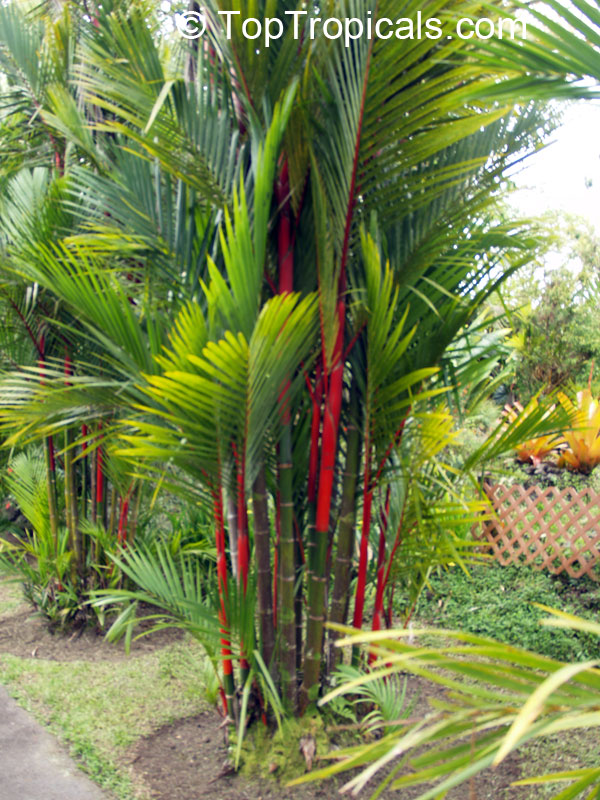
    Most palms, especially popular Coconut Palm, source of tasty fruit and drink, are highly tolerant to salt breeze. If you are looking for something that nobody has, Lipstick palm, or Sealing wax palm - Cyrtostachys lakka, is definitely the most spectacular palm you can find. It is a stunning feather palm that develops a brilliantly red trunk. Palm is originally from Malaysia, but has been introduced to Costa Rica and other tropical areas of the world. Sealing Wax Palm seeds are very slow to germinate, up to a year, and large specimens are very rare and hard to find even in rare tropical plant nurseries. This palm will require a good overhead light, and constant warmth (above temperature 55F). It is definitely worth an effort to grow this beauty.

    You may add more tropical accents to your landscape by the sea with many varieties of showy heliconias.

    See full list of salt tolerant trees.

    Date: 5 May 2019

    The most desired iconic Chanel flower...

    TopTropicals.com

    By Onika Amell, tropical flower specialist

    Q: I live in Beverly Hills, Los Angeles. I'm looking for something fragrant to grow on my porch. I don't have a lot of space and am interested to find something unusual that won't grow too large. Any suggestions? I've heard about Chanel #5 tree and I wonder I can keep it in a pot?

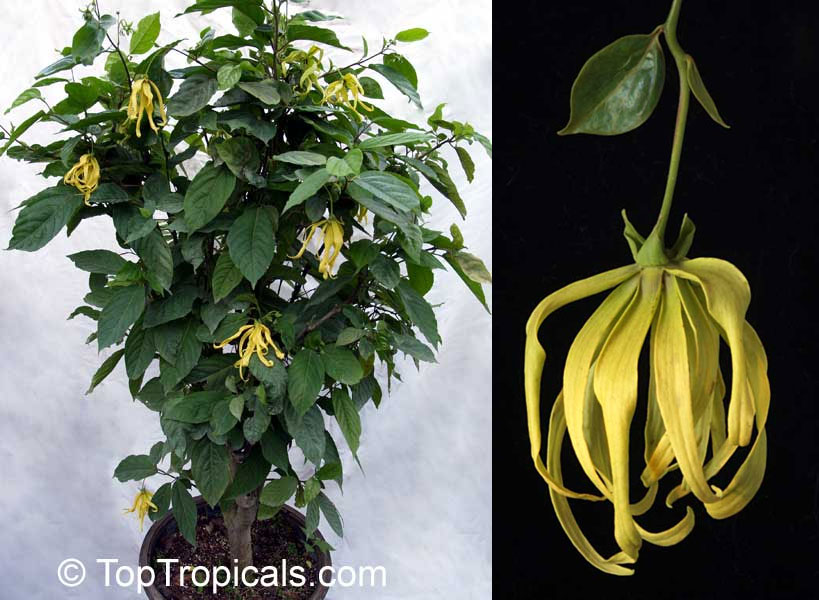
    A: The Ylang-Ylang tree, Cananga odorata, emits a fragrance so soft and beautiful it became an essential ingredient of Coco Chanel's iconic and much-loved perfume Chanel No 5. Trouble is, it will grow into a giant. How do you get this kind of magic onto your lanai or porch? Opt for its smaller relative: Dwarf Ylang Ylang, Cananga fruticosa (pronounced ee-lang ee-lang, meaning: flowers of flowers).

    The fragrance is a little less intense than its larger cousin, but still wonderful to have around. Let the fragrance drift slowly through the air into your home at night. The scent is strongest from dusk to dawn and it will need warm and humid conditions for a fuller aroma.
    Dwarf Ylang-Ylang is ideal for folks with limited space as it can be grown in a container or as a house plant. It's a very unusual and interesting plant to add to your porch, lanai or garden. It's pretty easy to grow and disease resistant too. It will stay compact and in nice tree-like shape. Dwarf Ylang Ylang starts blooming quite young and will continue to bloom year-round with profuse blooming during the spring and summer months.
    The tree prefers a high-humidity environment, evenly moist soil, warm temperatures and will grow best in plant hardiness zones 10-11 but can take short periods of cold.
    Read more about Chanel No5 Flower...

    Dwarf Ylang Ylang is certainly one of the most desired and sought after rare, fragrant plants. Get yours today!

    Date: 10 May 2024

    5 best plant gift ideas for any occasion

    These plants are large, developed and beautiful NOW!

    Chonemorpha  fragrans  -  Frangipani  vine

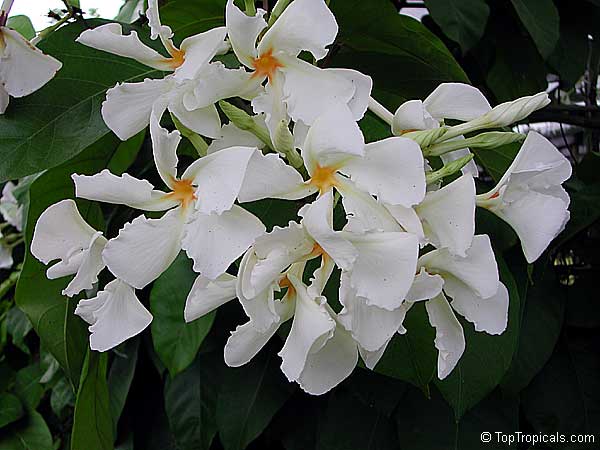
    The Chonemorpha fragrans, also known as the Frangipani vine, is truly a botanical marvel. With its exquisite clusters of perfume-fragrant, large flowers and lush green foliage, this vine captivates with its beauty and charm. Not only does it adorn gardens with its elegant presence, but its intoxicating scent also fills the air, creating a sensory delight for anyone nearby. The leaves, reaching up to 12 inches in size, further enhance its appeal. As a large, woody vine, it requires sturdy support such as a fence or robust structure to thrive, adding to its majestic presence in any garden landscape or indoor setting.


    Bunchosia  argentea  -  Peanut  Butter  Tree

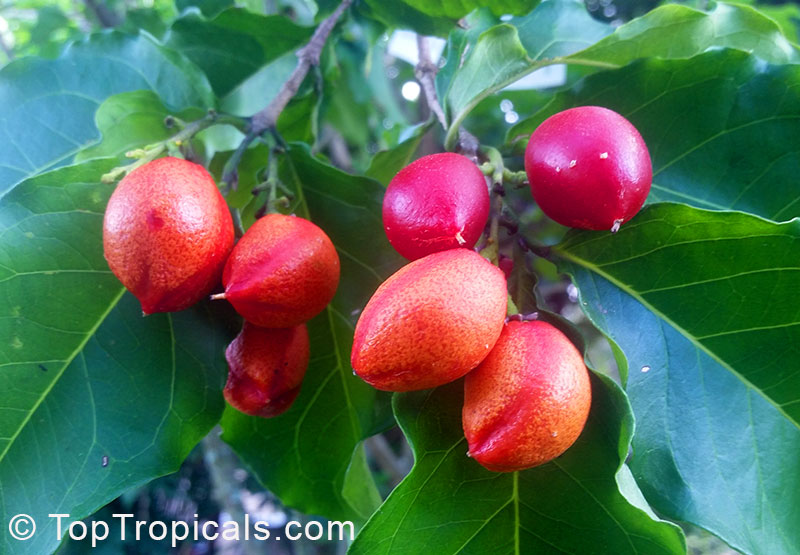
    Bunchosia argentea - Peanut Butter Tree - gets its name because its small fruits taste like peanut butter. Isn't that cool? This attractive small tree has clusters of yellow flowers that are followed by an abundance of dark red fruit. The rich, sweet flesh has a texture very similar to peanut butter. Yes, it tastes exactly like peanut butter! Sweet, soft pulp with a peanut flavor. One of the most fascinating exotic fruits, as amazing as Miracle fruit, Peanut Butter Fruit is loved by both kids and adults. The tree is small in size, grows only 10-15 ft, or can be kept as a bush. It starts fruiting within 2-3 years from seed! Keep it in a pot if you have limited space; it can be grown indoors, too. Very rare in cultivation.


    Magnolia  Michelia  figo  -  Banana  Magnolia

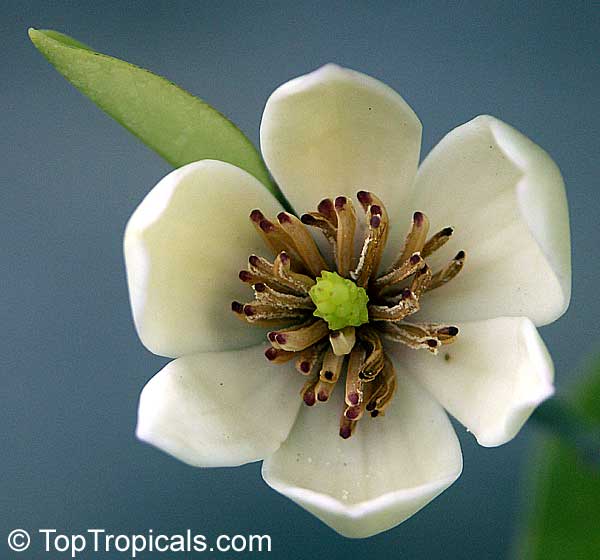
    Magnolia figo commonly known as the Banana Magnolia, is a botanical wonder. Its creamy yellow, banana-shaped flowers release a sweet, fruity fragrance that fills the air with a delightful aroma (slightly resembling banana), making it a standout among flowering shrubs. The glossy, deep green foliage provides an elegant backdrop to the striking blooms, further enhancing its visual appeal. Growing up to 10 feet tall, this dense and bushy evergreen shrub or a small tree adds a touch of sophistication to any landscape, whether as a focal point in a garden bed or a graceful accent in a container. As a very cold-hardy tropical plant, it thrives in zones as low as zone 8. Great container plant.


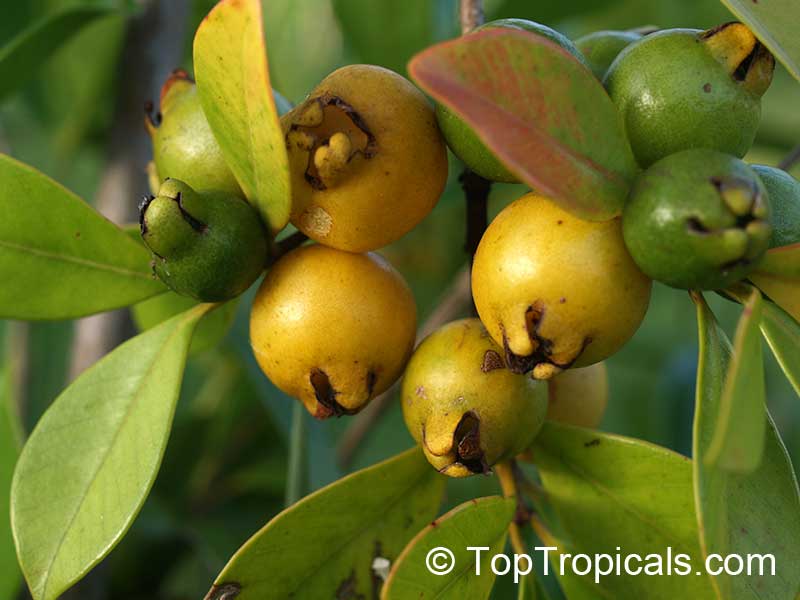
    Cattley  Guava  tree,  Psidium  littorale

    The Cattley Guava, scientifically known as Psidium littorale, is a delightful small tropical fruit tree that adds both beauty and flavor to any landscape. With its pretty round fruits - miniature guavas - this tree offers a unique culinary experience. The fruits boast a sweet and tangy flavor, making them perfect for jams, jellies, and desserts. You can make lots of guava juice just out of one tree! Cattley Guava is not only a tropical delight but also surprisingly cold-hardy plant. Great container fruit tree.


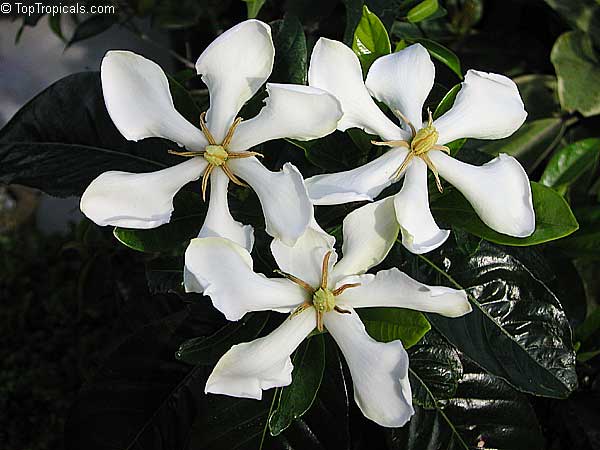
    Gardenia  (Kailarsenia)  vietnamensis  -  Vietnamese  Gardenia

    Kailarsenia vietnamensis - Vietnamese Gardenia, is a stunning botanical treasure. It stands out for its large, fragrant flowers and remarkable ease of cultivation. Unlike most gardenias that can be not easy to grow, this variety demonstrates resilience, tolerating overwatering, poor soils, and showcasing exceptional cold hardiness. The flowers are like beautiful artworks, and they give off a lovely smell that fills the air. Whether grown in containers or planted directly in the ground, this bushy beauty thrives, offering versatility and charm to any garden or indoor setting. Learn more about Vietnamese Gardenia.

    Date: 23 Oct 2024

    How a fast-growing screen becomes a honey-fragrant wildlife attractor

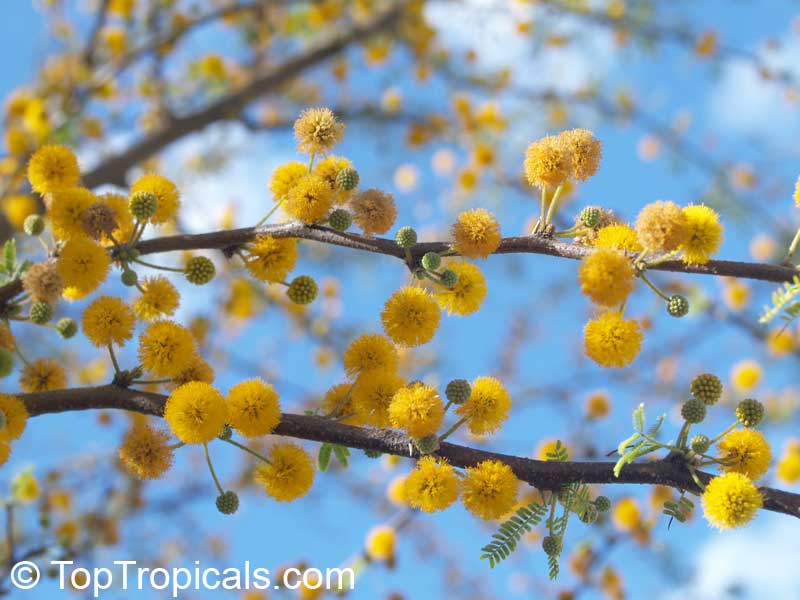
    Acacia farnesiana - Sweet Mimosa

    Acacia farnesiana - Sweet Mimosa

    😊 How a fast-growing screen becomes a honey-fragrant wildlife attractor

    • 🐝 Acacia farnesiana - Sweet Mimosa - is a delightful evergreen shrub that's as tough as it is charming!
    • 🐝 This large, multi-stem shrub can reach 15 feet tall and wide and sports thorny branches - a real character with a wild streak! But don't let the thorns scare you off; it offers rewards aplenty.
    • 🐝 Its canary-yellow, powder-puff flowers bloom all winter through spring, filling the air with a honey-like fragrance that attracts butterflies, bees, and other pollinators.
    • 🐝 This plant doesn't just survive - it thrives in poor soils, tolerates drought and alkaline conditions, and grows incredibly fast!
    • 🐝 Whether you're planting it as a privacy screen or just looking for a pop of cheerful color during chilly months, this hardy shrub keeps its evergreen leaves even through cold snaps when other plants throw in the towel.
    • 🐝 Native to Mexico and Central America, Sweet Mimosa has spread its charm far and wide, becoming popular in southern U.S. landscapes like Florida, Texas, and Arizona. It even finds use in perfume production with its flowers contributing to the fragrance known as "cassie" in Europe.
    • 🐝 Every gardener should have this resilient plant ready to brighten the garden and attract wildlife year-round!


    🛒 Plant Sweet Mimosa

    #Butterfly_Plants #Hedges_with_benefits

    🔴 Join 👉 TopTropicals