Garden Blog - Top Tropicals

Date: 17 Nov 2025

Pram Kai Mai: a sweeter twist on Nam Doc Mai with a story - Mango Rainbow
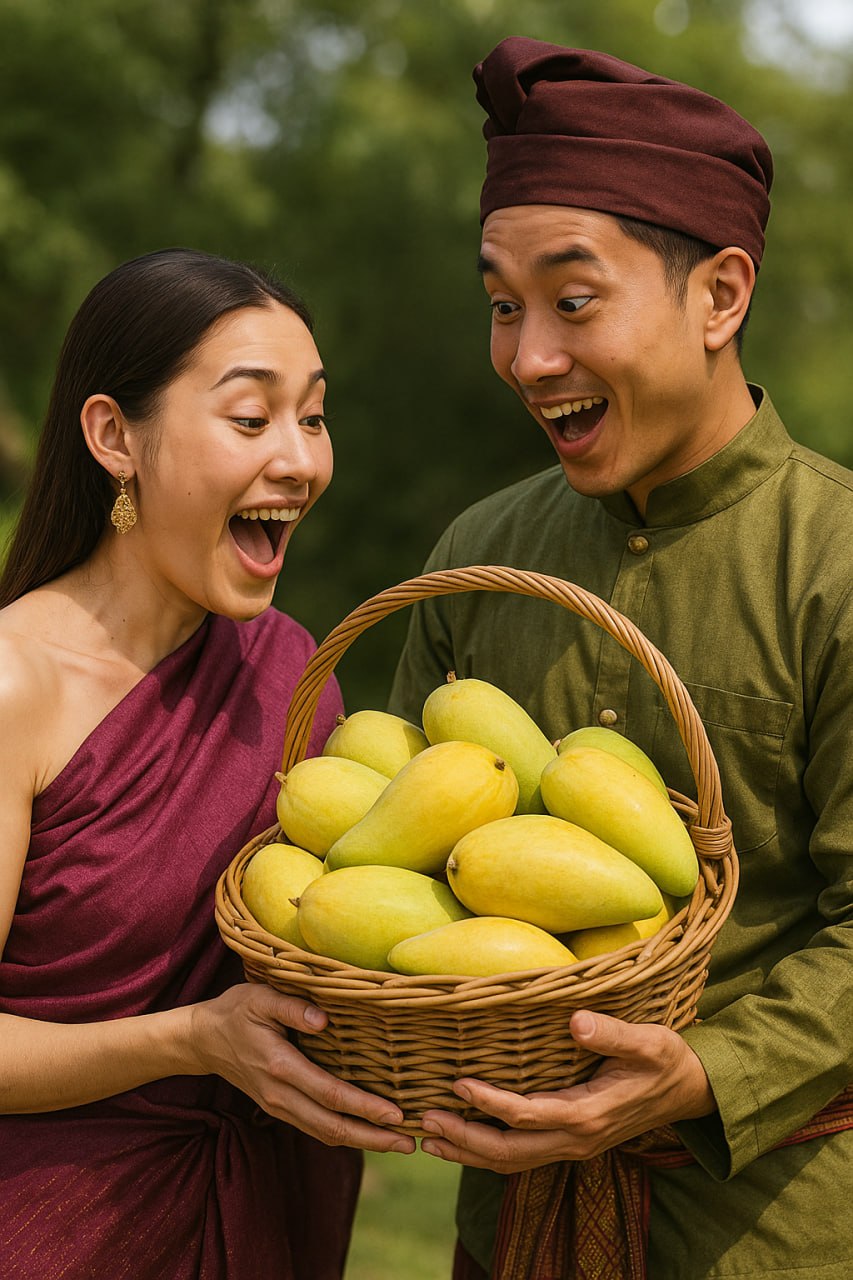
Pram Kai Mai Mango crop in a basket
Pram Kai Mai Mango crop in a basket

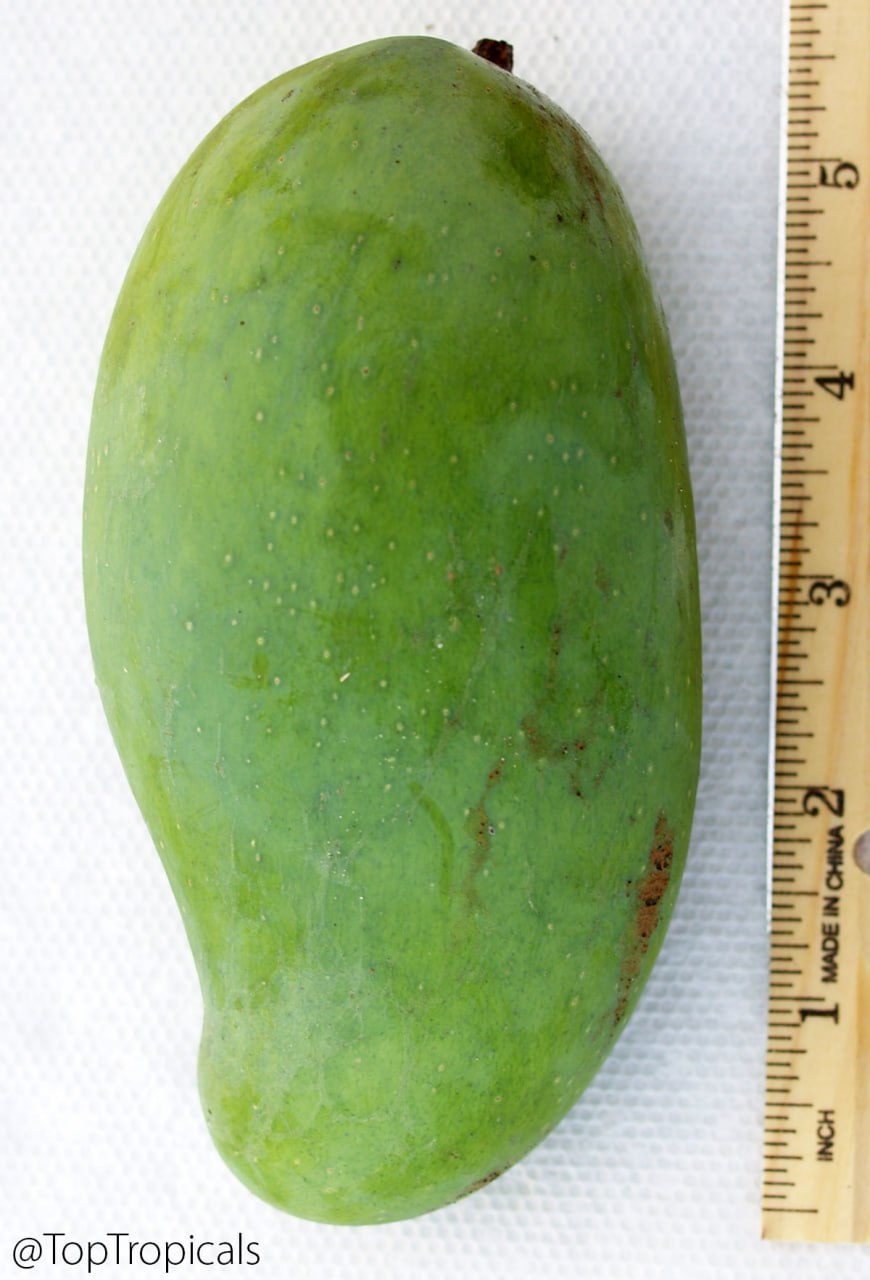
Pram Kai Mai Mango

Pram Kai Mai Mango

🥭 Pram Kai Mai: a sweeter twist on Nam Doc Mai with a story - Mango Rainbow🌈
  • 🟡Why mango collectors chase after Pram Kai Mai?
  • Pram Kai Mai is like Nam Doc Mai’s cooler cousin - with even better flavor. This Thai mango can be eaten green when it’s sweet and crispy, or fully ripe when it turns golden and silky. No fiber, just smooth, juicy flesh and a tropical aroma that hits you as soon as you slice it. It’s semi-dwarf, great for pots, and some trees even fruit more than once a year. Rare, compact, and loaded with flavor - this one’s a collector’s dream.
  • 🟡Pram Kai Mai is a Thai dessert mango known for its gentle sweetness and smooth, almost fiberless flesh. The name appears in several spellings - Pram Kai Mai, Pram Kai Mea, Pram Kai Mia, Prom Ki Mia, and even Brahm Kai Meu - all referring to the same variety.
  • 🟡If we break down the original Thai name พร้ามกายเมีย (Brahm/Pram/Prom Kai Mea/Mai/Mia) literally: Brahm / Pram / Prom relates to "noble, elevated, precious".

กาย - Kai means body
เมีย - Mia means wife
But no one in Thailand interprets this name word-for-word.
In mango names, this construction works as a cultural compliment, a gentle metaphor. The meaning is closer to:
"A mango so good you would save it for the one you love most."
or "A fruit worthy of a beloved wife".
Similar to how in other languages we may call something "royal", "special", or "meant for someone dear", this name is simply expressing admiration.

And the fruit truly matches that feeling. It is fragrant and sweet, with soft tender flesh. It can be enjoyed while still crisp and green, when its flavor is clean and refreshing, or fully ripe, when it becomes rich and smooth, almost melting on the tongue.

🛒 Shop Mango varieties

📚 Learn more: #Mango_Rainbow - varieties you should try

#Food_Forest #Mango #Mango_Rainbow

🟢 Join 👉 TopTropicals

Date: 2 Apr 2026

Skip the Egg Hunt - Start a Plant Hunt 🐰

Smokey  the  black-and-white  cat  with  glasses  sits  on  a  patio  taking 
 notes  while  Sunshine,  a  fluffy  orange  cat  wearing  bunny  ears,  holds  a  small 
 potted  mango  tree  with  light  yellow 
 flowers.
Sunshine: I went egg hunting. Found something better. Let’s grow it on the balcony. Mango-filled donuts, here I come.

Smokey: Finally. You’re thinking.

Read more about Smokey & Sunshine

Groundhog said long winter… and it sure felt like it. But now it is finally over, and balconies and patios are waking up again.

Easter is here, and with it comes that fresh start feeling - time to open the doors, bring plants back out, and start growing.

We made it through the cold. For northern gardeners, that is every year; for borderline zones, it is a reminder that freezes happen. That is exactly why growing in pots makes sense - you stay flexible.

Container growing is not just about pots - it is about choosing the right plants. The best options stay manageable, produce well, and handle being moved.

Let's look at what works. Start with plants that naturally stay compact and adapt well to containers. These are the ones that won’t outgrow your space and will reward you quickly. These are proven performers in containers - compact, productive, and easy to manage:

Simple rule: if it stays compact and handles pruning, it works in a container.

Skip the egg hunt this year - go on a plant hunt instead. Start with one or two plants this Easter - not ten. Get them established, learn how they grow, and then expand.

Container basics (keep it simple):

  • Pot size: start with 3–7 gallon, upgrade as plant grows
  • Soil: fast-draining mix (never heavy garden soil)
  • Water: soak well, then let top inch dry
  • Feeding: consistent light feeding works better than heavy doses
  • Sun: most tropicals want full sun (6+ hours)

🐣 Browse our Easter Container Collection

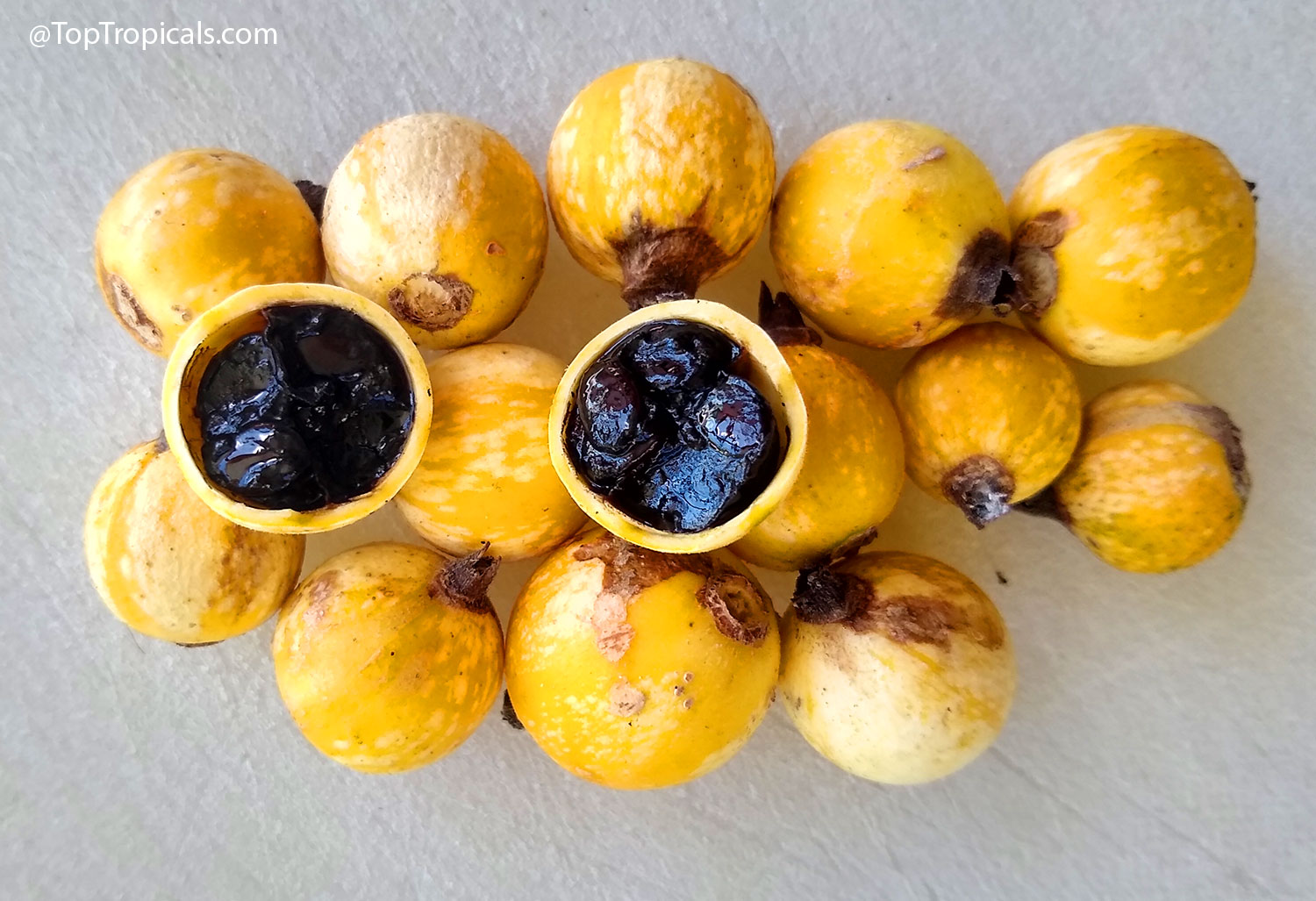
Randia  formosa  (Blackberry  Jam  Fruit)  showing  yellow  ripe  fruits,  some 
 cut  open  to  reveal  glossy  dark  pulp 
 inside.

Randia formosa - Blackberry Jam Fruit

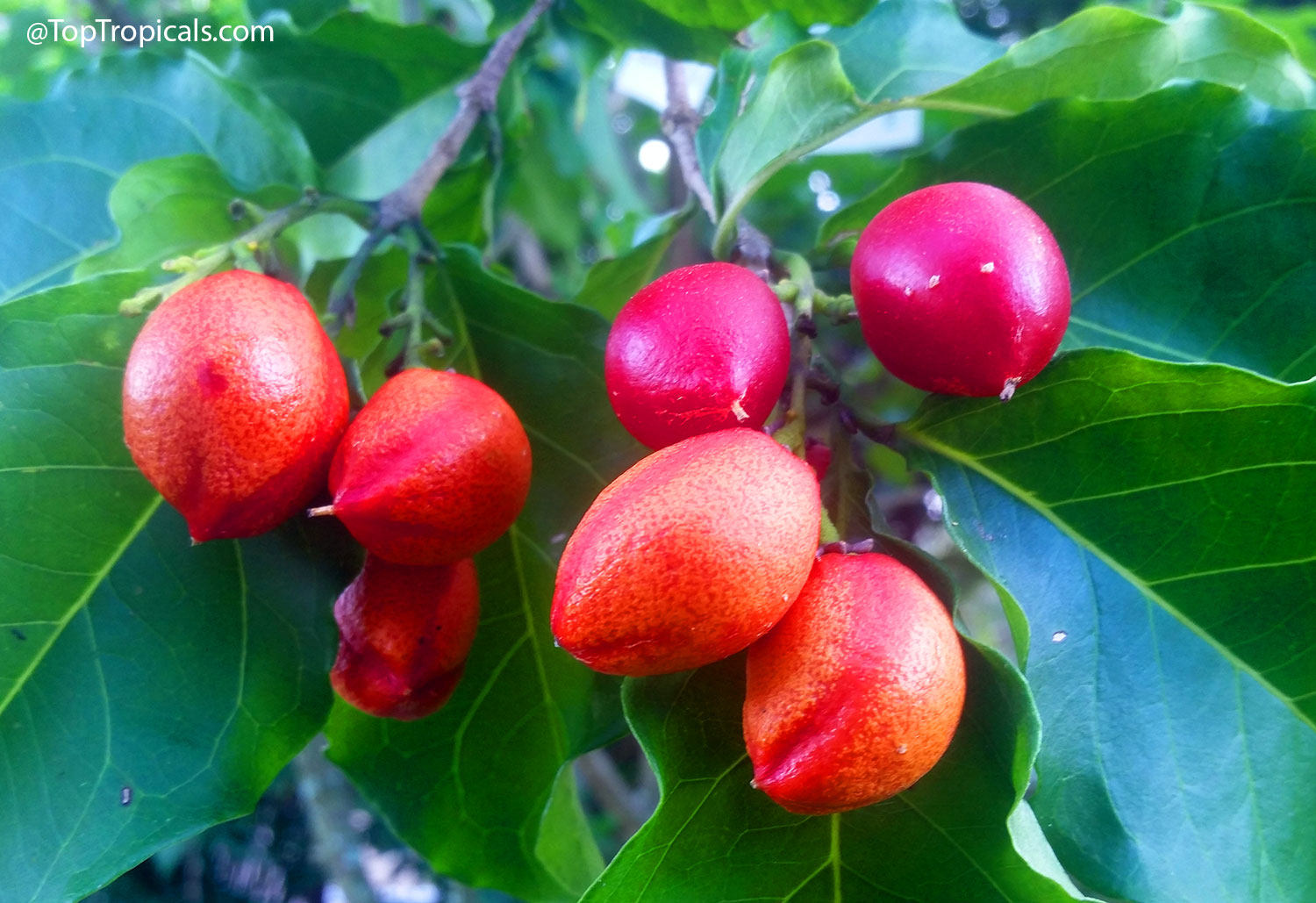
Bunchosia  argentea  (Peanut  Butter  Fruit)  showing  clusters  of  red  ripe 
 fruits  on  a  leafy 
 branch.

Bunchosia argentea - Peanut Butter Fruit

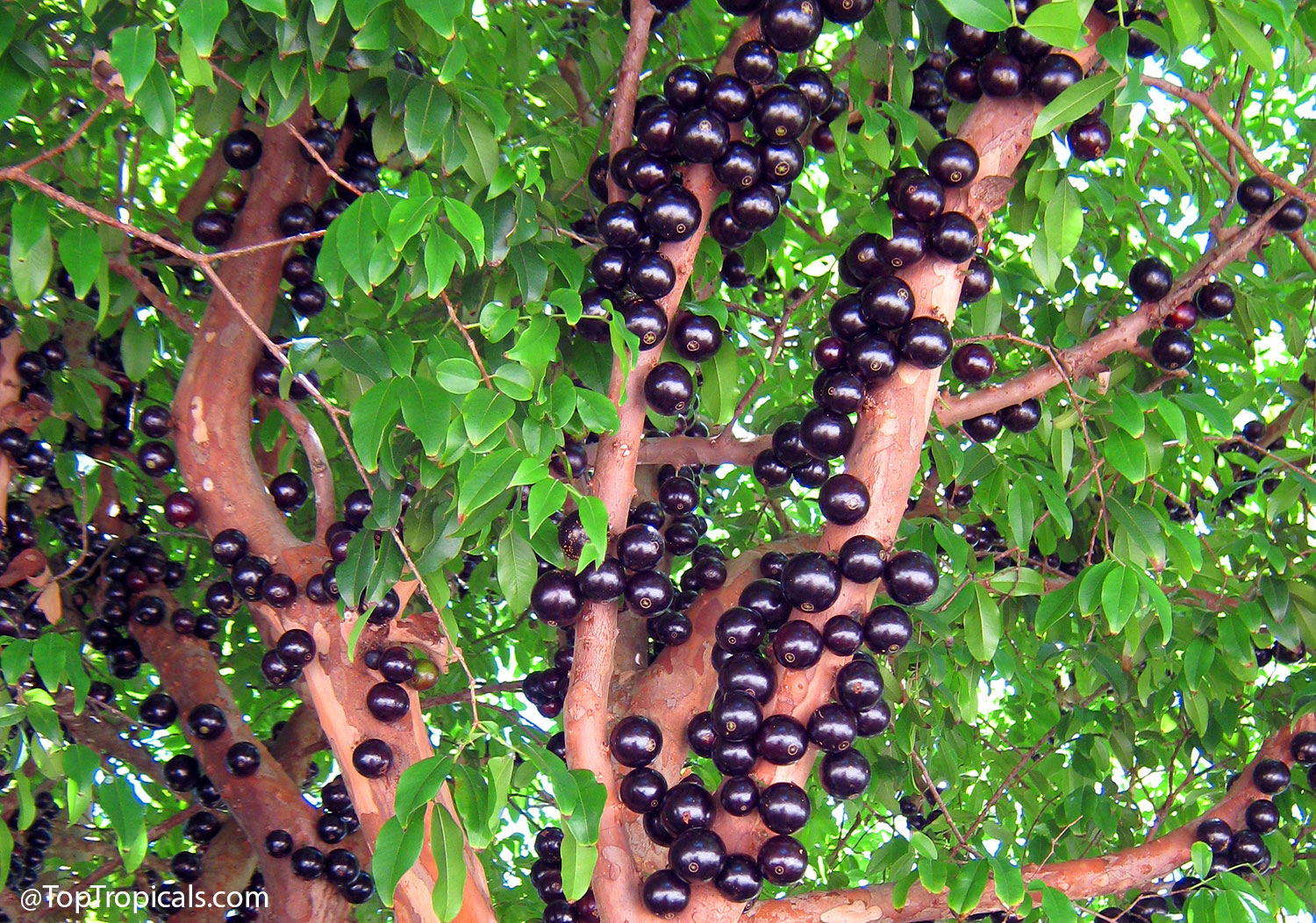
Myrciaria  cauliflora  (Jaboticaba)  tree  with  clusters  of  dark 
 purple-black  fruits  growing  directly  on  the 
 trunk.

Myrciaria cauliflora - Jaboticaba

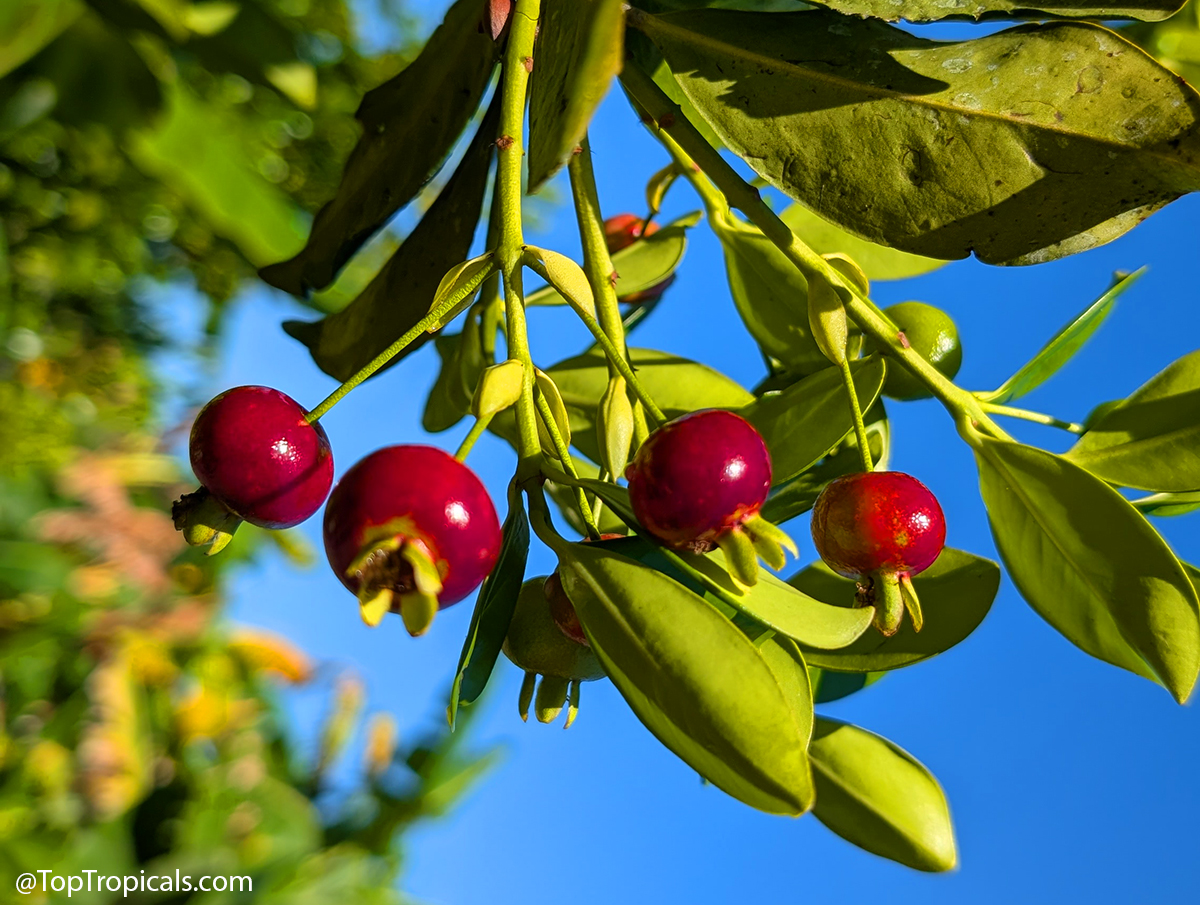
Eugenia  brasiliensis  (Grumichama)  with  red  ripe  cherries  hanging  from  a
    branch  against  blue 
 sky.

Eugenia brazilensis - Grumichama and more Eugenia Cherries

Date: 15 Oct 2020

Healthy Plants. Q&A from Mr Booster: Fertilizing Mango trees in Winter

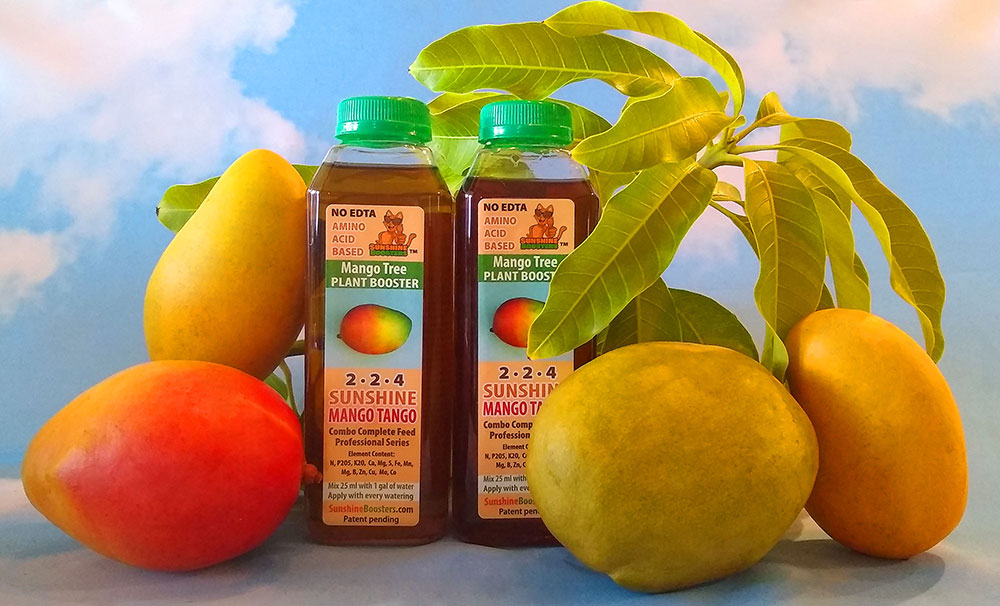
Q: I'm living in Maryland growing zone 7A and would like some info on when to fertilize my potted mango trees. I ordered your Sunshine Mango Tango 2-2-4. All your mango trees are in pots.

A: You can start using this fertilizer right away, any time of the year, and every time you water your plants.
Sunshine Mango Tango, as well as other Sunshine boosters, is an amino-acid based liquid fertilizer that is scientifically developed for daily plant needs in all necessary nutrients. This means, you may use this fertilizer with every watering, including winter period.
Traditional fertilizers (both granulated and soluble, EDTA-chelated) can only be used during hot months while plants grow actively, and must be limited or not used at all during cooler months, to avoid nutrient lock up in soil (which basically means "building up unused elements"). With Liquid Sunshine Boosters, it is safe to add them every time you water your tree.
During cooler weather and when plant metabolism slows down, a tree will consume less water (as well as food), and you will automatically reduce watering, to keep over-wintering plants on a dry side. This means, less fertilizer too. This allows you to control elements intake naturally, like you control water amount just as much as the plant needs.

Date: 21 May 2019

Perfecting a Mango Tree

TopTropicals.com

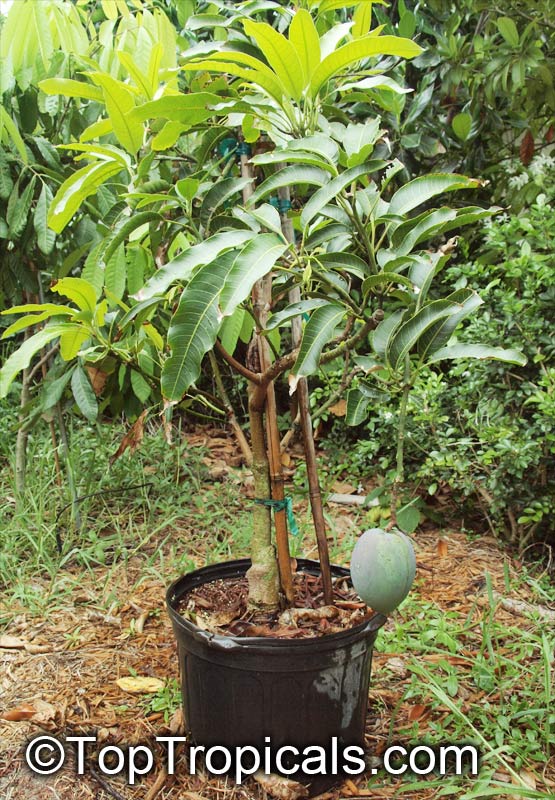
Q: I recently purchased a Mangifera indica - Coconut Cream Mango from you and would like to know if it is possible to keep this in a large pot rather than putting it in the ground. If so, I have a few questions:
1. How large would you expect this variety to get?
2. What are the ideal growing conditions? Full sun, partial sun, etc...?
3. What is the ideal soil?
4. Any specific watering directions for ideal growth?

A: Coconut Cream mango tree has a moderate growth. We've planted one in our garden 4 years ago and it is still under 10 ft tall. This variety should be well suitable for container culture.
1. Keep the branches trimmed after fruiting is over. Mango trees can be grown in 15 to 25 gal containers and can be trimmed under 7-8 ft high.
2. All mango trees need full sun, the more sun the better.
3. Mango needs very well draining soil, ideally with lots of bark and perlite. We recommend our professional soilless mix or a similar formula.
4. Mango trees hate wet feet, and prefer to stay on a dry side: make sure soil in a pot doesn't stay wet; allow it to dry a little between the waterings.
Remember to apply Mango Food fertilizer during warm season for vigorous growth and heavy crop!

Date: 2 Mar 2019

Featured plant. Mango Hoaloc, Cat Hoa Loc

TopTropicals.com

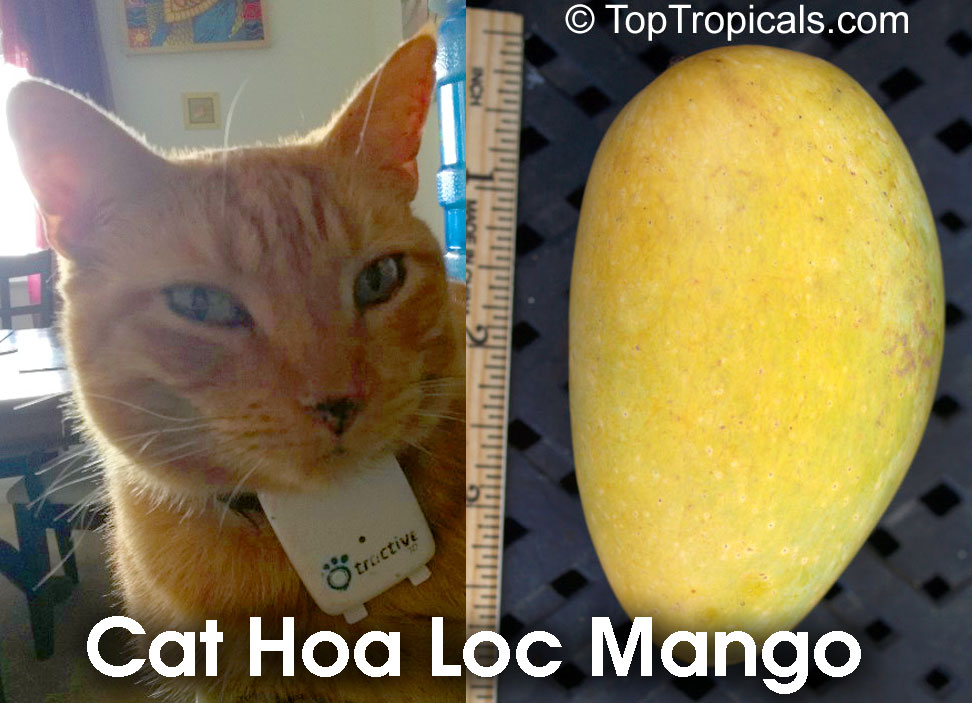
Cat Hoa Loc Mango

Grafted Mango (Mangifera indica) - Hoaloc, Cat Hoa Loc... It is very rare, Exotic mango variety from Vietnam. The fruit is fiberless, oval yellow, with very thin seed. It is a rare, collectible variety.
Among Vietnamese mango cultivars, Cat Hoa Loc is the most popular cultivar because of good appearance, texture, taste, and flavor. Its production ranks the first among commercial mango cultivars in Vietnam.
It is known as one kind of the most famous mango in the Mekong Delta and one of the favorite fruit by appealing color, taste and high nutritional value. Hoa Loc mango became the reputation brand not only in Vietnam but also in the world. With elongated shape, bright yellow skin when ripe, bright yellow flesh, flesh architecture firm, smooth and low in fiber, are very tasty and fragrant.
The Vietnamese Government supports the expanding of the production area for Cat Hoa Loc mango. At the mature green stage, Cat Hoa Loc mango fruits usually turn to full ripening within 4-5 days thereby limiting distribution and marketing options. So the best way to taste this delicious rare variety is to grow your own!

Check out this plant...