Garden Blog - Top Tropicals

Date: 5 Jan 2025

Condo (Dwarf) Mango Practical Guide:
What varieties are good for container culture
or small yards
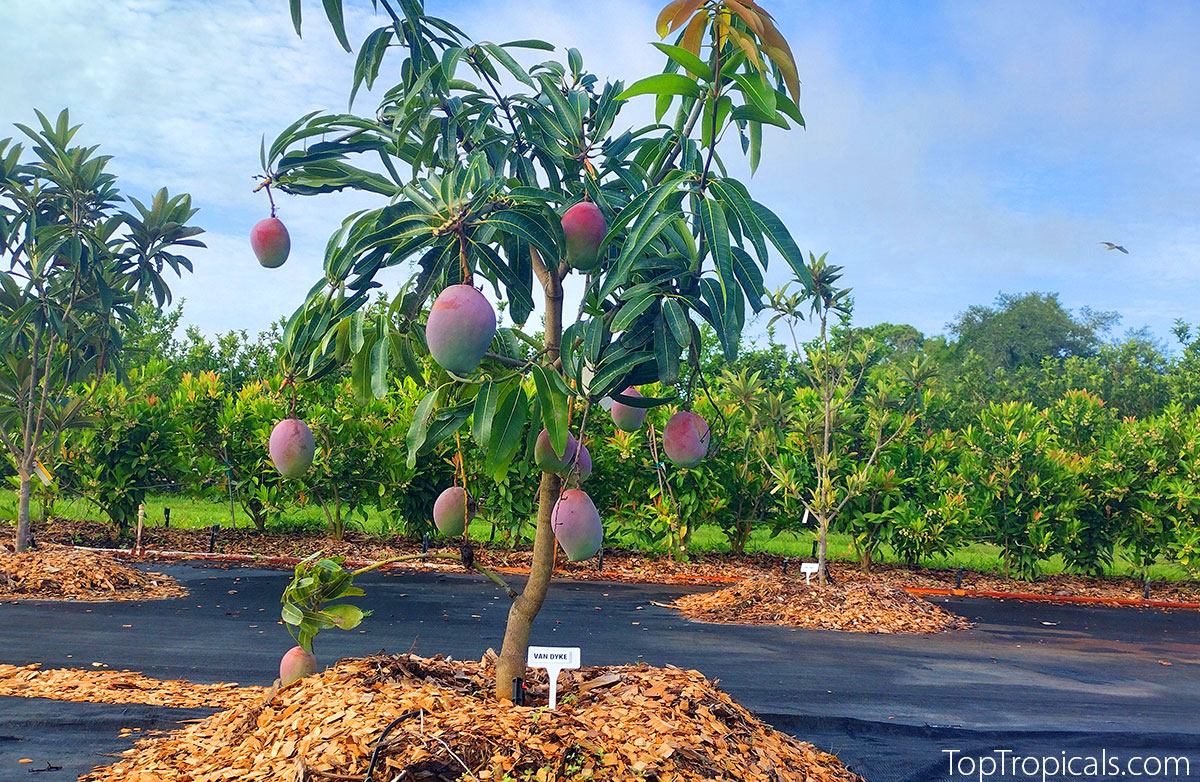
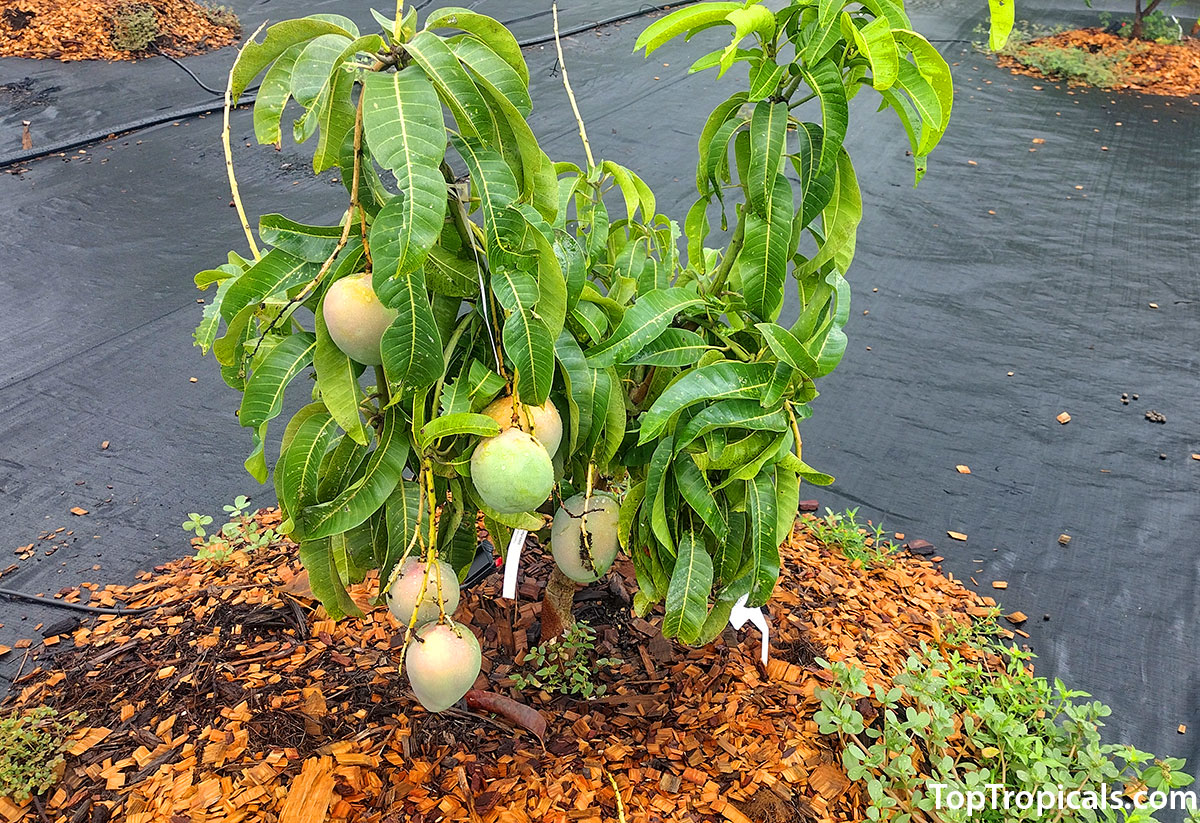
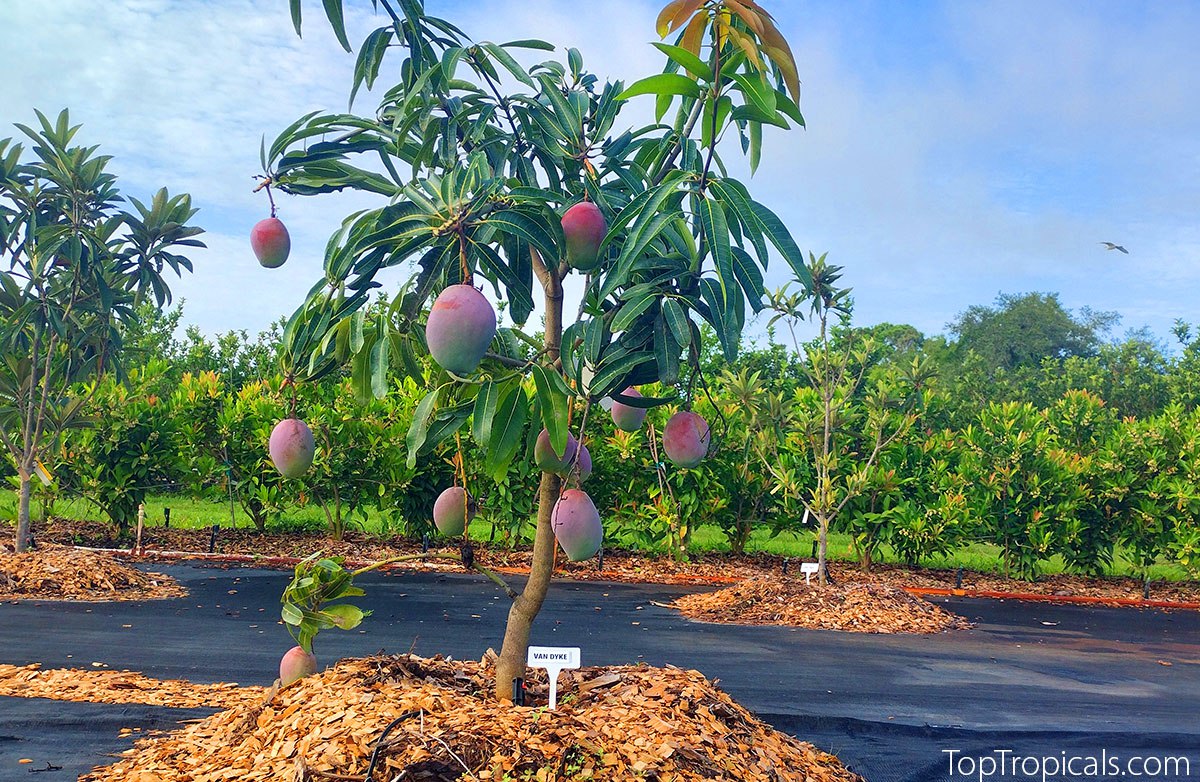
Condo  dwarf  mango  with  fruit

Q: "Our winters are too cold for a mango tree, but I'd like to grow one in a pot so I can bring it inside during cold nights. Which varieties do you recommend for container gardening? I've heard of Condo Mango - do you carry them?"

A: Yes, we always carry Condo Mango varieties: they are a fantastic choice for gardeners with limited space or in cooler climates. They grow well in containers and can be easily maintained through pruning. Whether you're growing them on a balcony, in a greenhouse, or in a backyard, Condo Mangos provide the perfect mix of beauty and practicality.

What Are Condo Mangos?

Condo Mangos, also known as dwarf mango trees, are perfect for small spaces. These trees can be grown in containers, making them ideal for balconies, greenhouses, or small suburban backyards. With proper care, they can be maintained at a manageable height of 6-10 feet through regular pruning. Some plant enthusiasts even manage growing Mango tree as an indoor plant!

The term Condo Mango

Condo Mango refers to mango varieties that thrive in containers and are small by nature, allowing them to be easily kept even smaller with selective pruning.

Size and Growth

Unlike traditional mango trees, Condo Mangos are compact. They naturally grow to around 6-10 feet, but with proper pruning, they can be kept small, making them an excellent choice for limited space.

Growing in Containers

- Condo Mango trees thrive in pots and containers.
- A 15-20 gallon pot is ideal to give the roots enough room to grow.
- Ensure your container has drainage holes to prevent root rot.

Planting Tips

- Plant Condo Mangos in full sun, where they'll get plenty of heat and light.
- Use well-draining soil for optimal growth.
- Fertilizer regularly with quality plant food. Out best choice is Sunshine Mango Tango for edibles. - Late Winter to early Spring is the best time to plant in containers, before the rainy season starts.
- Mangoes grow well in USDA zones 9-10, but if you live in cooler climates, you can grow them indoors or in a greenhouse, as long as you meet their heat and light needs.

Pruning and Maintenance

- Prune Condo Mango trees once a year to keep them at the desired height (6-10 feet), right after harvesting (late Summer to Fall)
- Trim the tips of the branches to maintain a compact shape and encourage healthy growth.
- Regular pruning will help keep the tree manageable and ensure better fruit production.

Learn more: Find out what are Top 10 Dwarf Condo Mango - great for container culture.
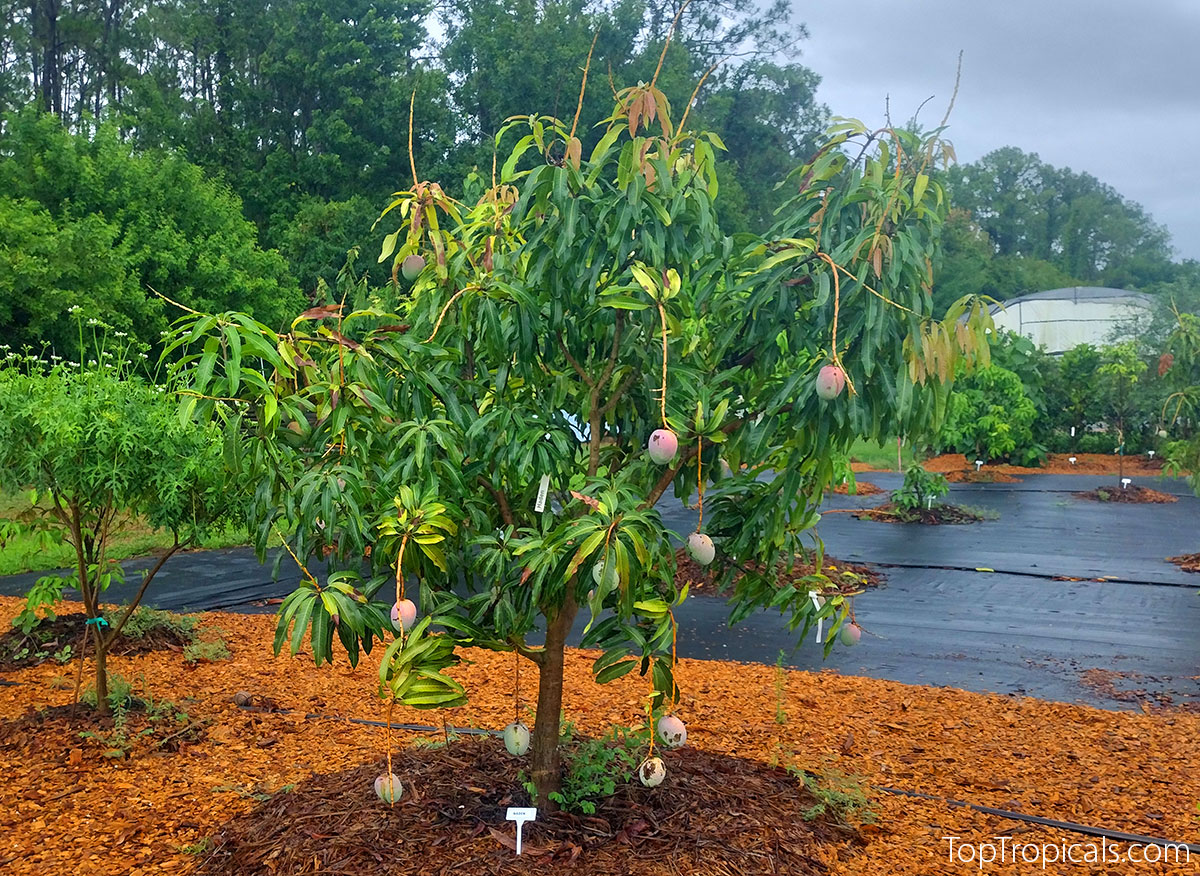
Condo  dwarf  mango  with  fruit

Condo  dwarf  mango  with  fruit

Date: 28 Apr 2024

What is Lions Ears: the plant that keeps growing through the flower!

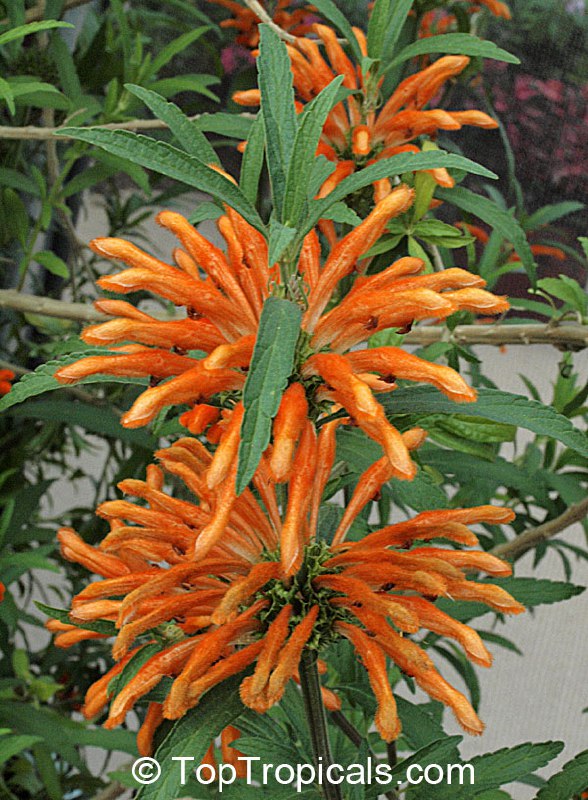
Lion's Ears - Leonotis leonurus

Lion's Ears - Leonotis leonurus

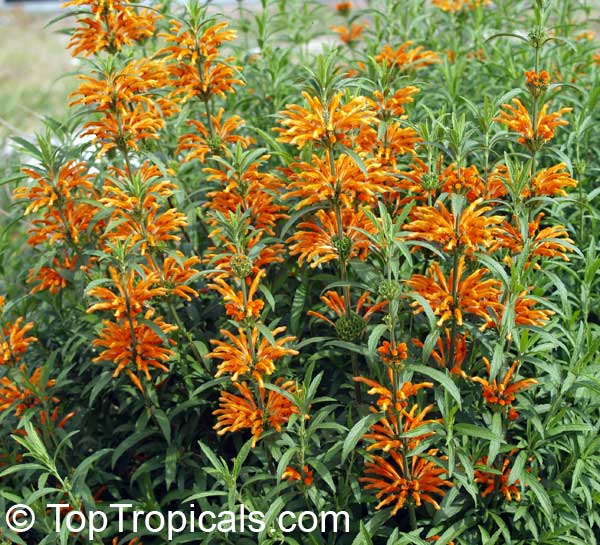
Lion's Ears - Leonotis leonurus

Lion's Ears - Leonotis leonurus

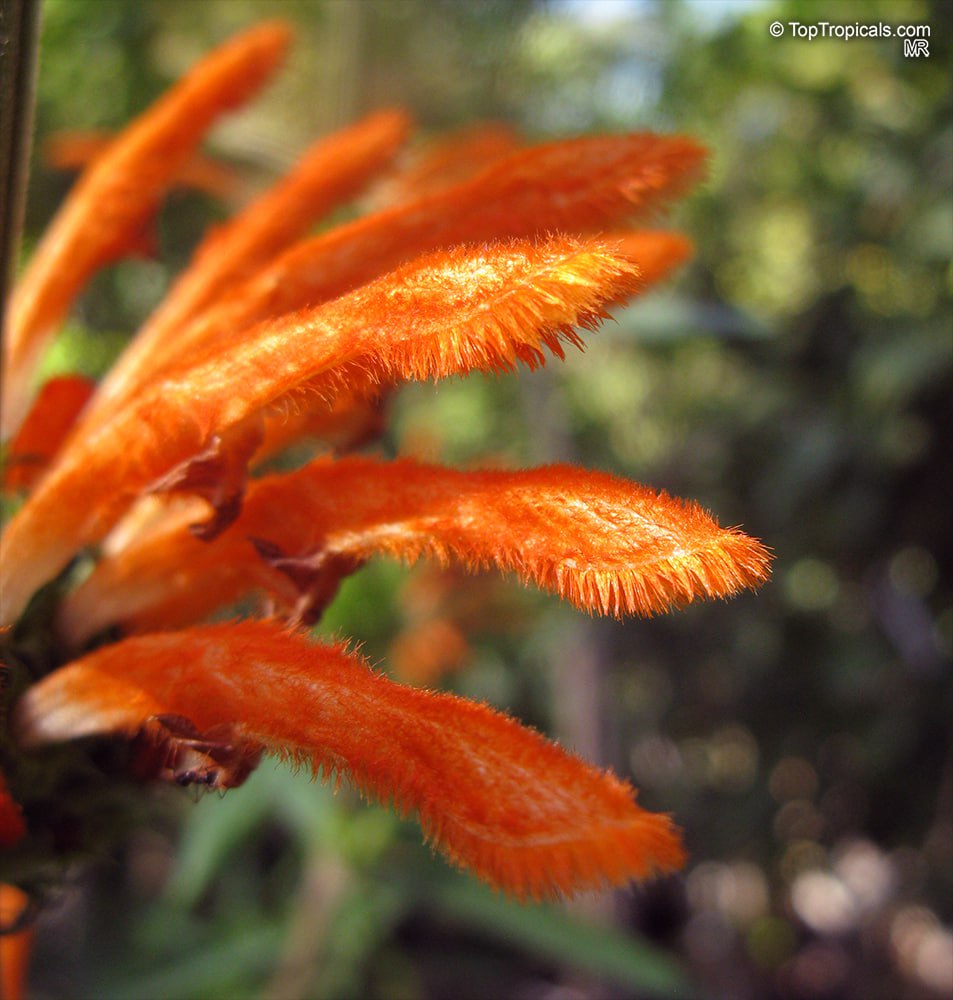
Lion's Ears - Leonotis leonurus

Lion's Ears - Leonotis leonurus

Lion's Ears - Leonotis leonurus

What is Lion's Ears: the plant that keeps growing "through the flower"!

Leonotis leonurus is another Nature's Wonder. Flower petals purportedly resemble Lion's ears, and bunch of upper leaves from a distance resemble Lions tails. A curious thing, the plant continues growing through the flower! This creates a multi-level appearance.

Attracts butterflies and hummingbirds. Everblooming.

⚕️ Used in Eastern medicine

📚 More about Leonotis Lion's Ears

🛒 Order Leonotis

#Butterfly_Plants #Hedges_with_benefits #Nature_Wonders

TopTropicals.com
We Grow Happiness

Date: 8 Jan 2025

Everything is accomplished

Everything is accomplished
🐈🐈🐈 Everything is accomplished

"Nature does not hurry, yet everything is accomplished." - Lao Tzu

🔠 PeopleCats.Garden 
#PeopleCats #Quotes

🔴 Join 👉 TopTropicals

Date: 5 Jan 2025

What are the Condo Mangos?

Mango tree with fruit

Mango tree with fruit

🥭 What are the Condo Mangos? A Practical Guide.

  • 🟠 What Are Condo Mangos?


    Condo Mangos, also known as dwarf mango trees, are perfect for small spaces. These trees can be grown in containers, making them ideal for balconies, greenhouses, or small suburban backyards. With proper care, they can be maintained at a manageable height of 6–10 feet through regular pruning. Some plant enthusiasts even manage growing Mango tree as an indoor plant!
  • 🟠 The term “Condo Mango”


“Condo Mango” refers to mango varieties that thrive in containers and are small by nature, allowing them to be easily kept even smaller with selective pruning.
  • 🟠 Size and Growth


    Unlike traditional mango trees, Condo Mangos are compact. They naturally grow to around 6-10 feet, but with proper pruning, they can be kept small, making them an excellent choice for limited space.
  • 🟠 Growing in Containers


· Condo Mango trees thrive in pots and containers.
  • · A 15-20 gallon pot is ideal to give the roots enough room to grow.
  • · Ensure your container has drainage holes to prevent root rot.


🟠 Planting Tips

  • · Plant Condo Mangos in full sun, where they’ll get plenty of heat and light.
  • · Use well-draining soil for optimal growth.
  • · Fertilizer regularly with quality plant food. Out best choice is Sunshine Mango Tango for edibles.
  • · Late Winter to early Spring is the best time to plant in containers, before the rainy season starts.
  • · Mangoes grow well in USDA zones 9-10, but if you live in cooler climates, you can grow them indoors or in a greenhouse, as long as you meet their heat and light needs.


🟠 Pruning and Maintenance

  • · Prune Condo Mango trees once a year to keep them at the desired height (6–10 feet), right after harvesting (late Summer to Fall)
  • · Trim the tips of the branches to maintain a compact shape and encourage healthy growth.
  • · Regular pruning will help keep the tree manageable and ensure better fruit production.

  • 📝 See most popular Condo Mango varieties in the next post 👇


🛒 Shop Condo Mango

📝 Earlier posts on #Mango:
#Food_Forest #Mango

🔴 Join 👉 TopTropicals

Date: 16 Jan 2025

Why my Lychee tree is not producing fruit and why I cant grow a Lychee tree from a seed?

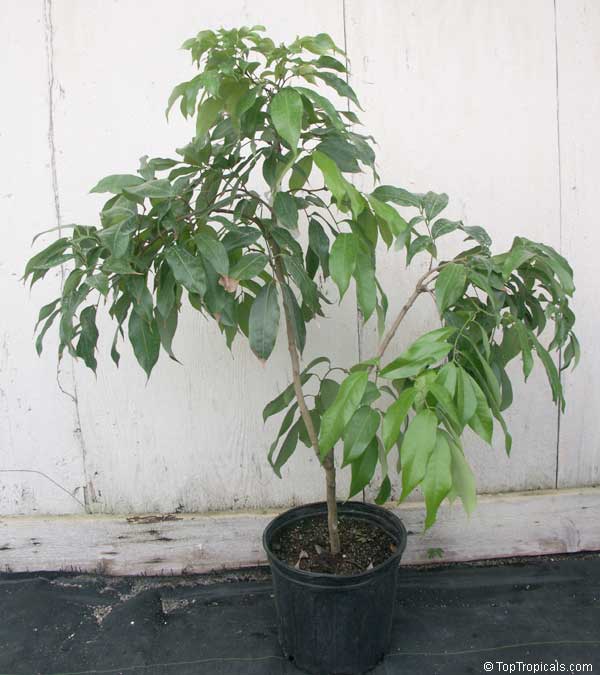
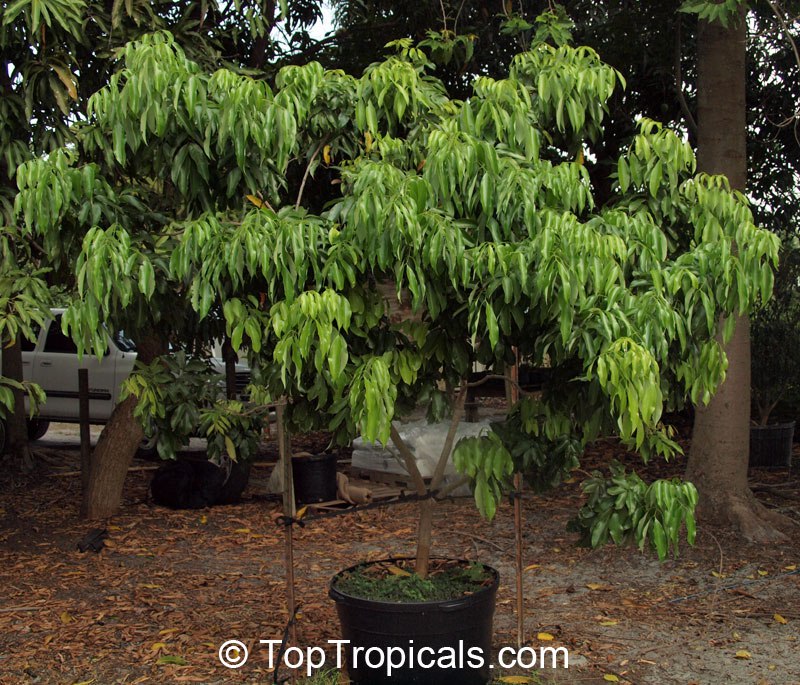
Lychee tree in a pot, Litchi chinensis

Lychee tree in a pot, Litchi chinensis

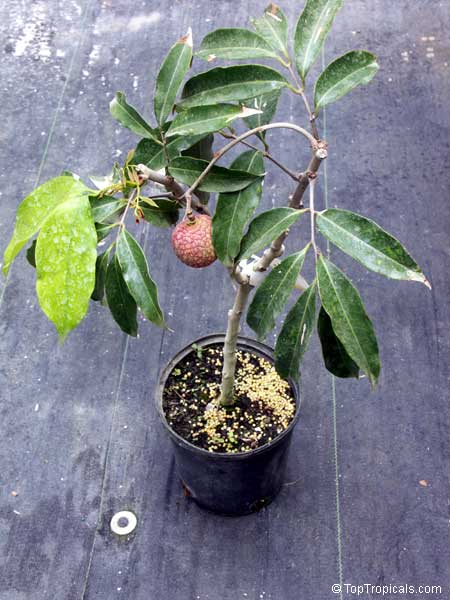
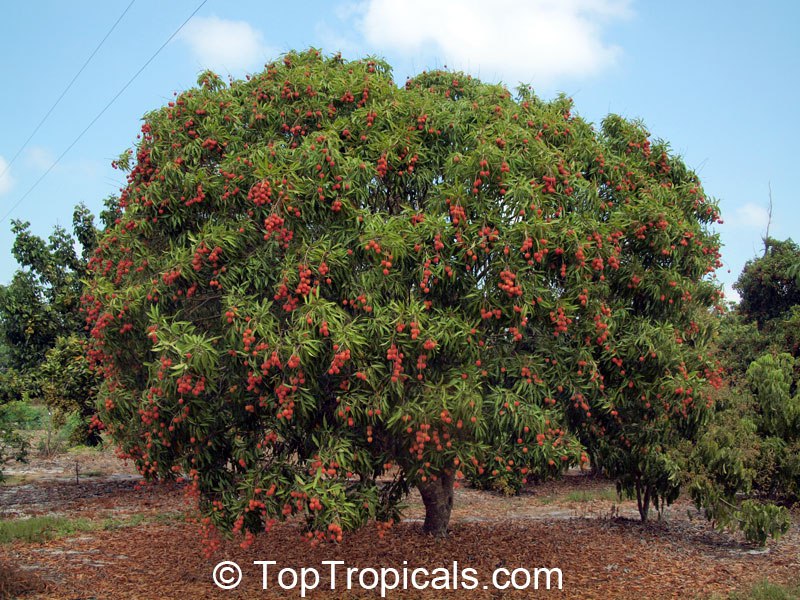
Lychee tree in a pot with fruit, Litchi chinensis

Lychee tree in a pot with fruit, Litchi chinensis

Lychee tree in a pot, Litchi chinensis

Lychee tree in a pot, Litchi chinensis

Lychee tree, Litchi chinensis

Lychee tree, Litchi chinensis

😡 Why my Lychee tree is not producing fruit and why I can't grow a Lychee tree from a seed?


Practical advice on propagation and harvest- for the previous post 👆
  • 🍑 Propagation and mycorrhiza


  • 💋 Mycorrhiza is a symbiotic relationship between a fungus and plant roots. In a Lychee orchard, mycorrhiza plays a crucial role by enhancing the nutrient uptake of lychee trees, particularly phosphorus, leading to better growth and fruit production, especially in soils with low phosphorus availability.
  • 💋Lychee trees are typically propagated by air layering, as they cannot be propagated effectively by seeds or grafting.
  • 💋Lychee seedlings do not grow well because they require a special mycorrhizal environment that, in nature, is only provided under a mature mother tree. This dependency on mycorrhiza explains why lychee seedlings lack vigor and cannot serve as rootstocks for grafting.
  • 💋If you have tried growing lychee from seed, you may have noticed that the seedling, after reaching a few inches in height, often stops growing or even shows signs of retarded growth. This is a clear indication of a lack of mycorrhiza.
  • 💋The easiest way to have a healthy, productive Lychee tree, is to obtain a quality, air-layered tree from a reputable source.


🍑 Alternate Bearing in Lychee Trees

  • 💋 Lychee trees often produce fruit every other year due to "alternate bearing", where the tree focuses on a heavy crop one year, leaving less energy for fruiting the next.
  • 💋This cycle is influenced by weather, tree variety, and how flower buds develop alongside the current year's fruit. For example, "Mauritius" trees may bear fruit annually, while "Brewster" trees may produce a good crop only every 3-4 years.

By considering these factors and providing appropriate care, you can enjoy the beauty and bounty of a lychee tree in your garden.

📚 Learn more from previous posts:


The best varieties of Lychee
The best fruit in the world - grow your own Lychee tree
How to grow a Lychee tree

🛒 Shop Lychee trees

#Food_Forest #How_to

🔴 Join 👉 TopTropicals