Date: 4 Jun 2019
Plants for South Texas and other hot states
Q: Pretty much adore last newsletter. Haven't been buying because our weather here in deep south Texas is so bad it is stunting and killing even the Tamaulipan Scrub! Do you have a cure for that? :) I have every expectation the new grafted Plumeria I purchased from you last year will bloom soon. One of my favorite plants. Thanks again and keep up the good works.
A: Yes, there is a "cure" - using biostimulants that improve drought- and heat- resistance (SUNSHINE
boosters), plus the right plant selection. In fact, there is a large number of
tropical rare plants that can be successfully grown in hot climates like yours.
One of our partners lives in hot and dry Arizona area and has an amazing
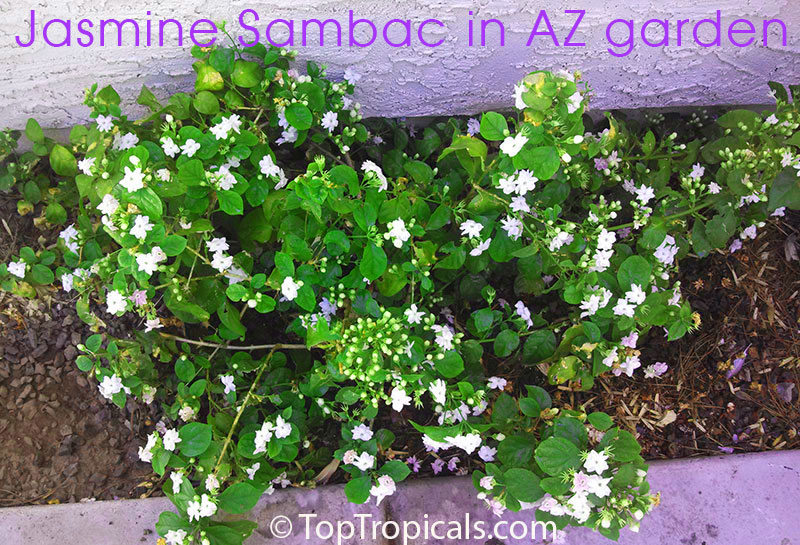
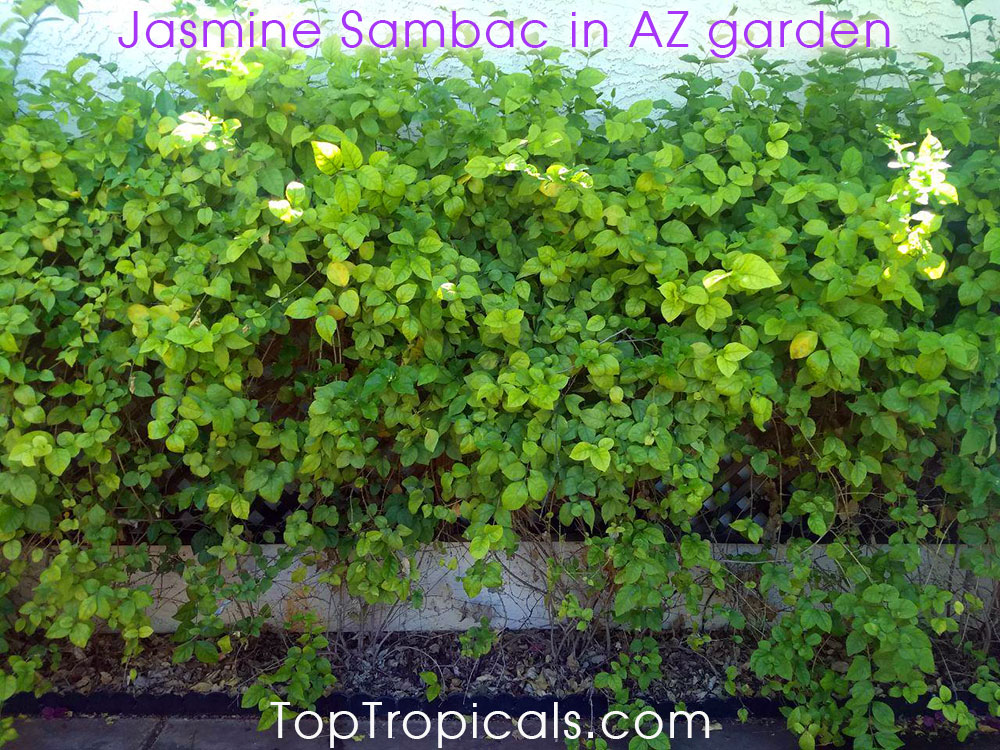
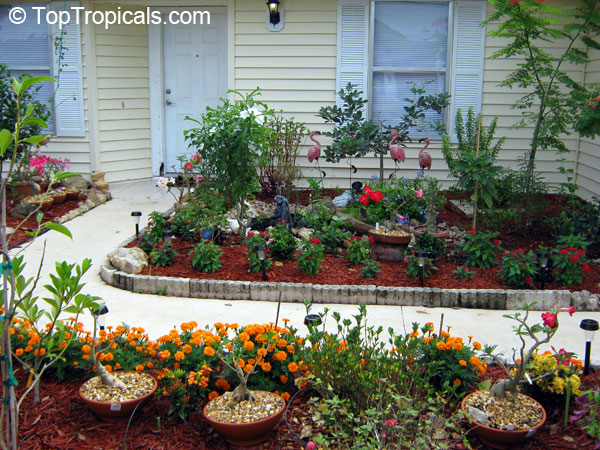
tropical garden that includes many fruit trees (Mango, Persimmons, Pomegranates, Loquats, etc). Here you can see a few pics from his garden.
Your choice is absolutely right about plumerias. Other easy plants would be Desert roses - Adeniums, and Fancy Euphorbia millii - all these come in so many varieties of colors
and bloom throughout most of the year. Our special recommendations for you
would be also:
Bougainvillea Dwarf Pixie
Jasmine sambac
Calliandra selloi Pink Lilian
Dracaena marginata Tricolor - Colorama, Money Tree
Hamelia patens Lime Sizzler - Variegated Fire Bush
Jatropha berlandieri - Buddah Belly
Pedilanthus tithymaloides - Devils Backbone
Trachelospermum asiaticum Mandaianum - Dwarf Confederate Jasmine
See full list of more plants that are suitable for hot and dry landscapes.
Apply fertilizers, miscroelements, and plant stimulants for improving heat tolerance

Date: 5 May 2019
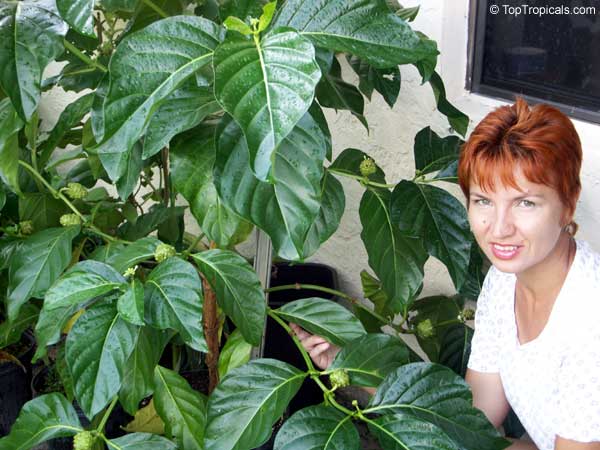
Growing Noni tree for fruit
Q: I would like to buy a noni tree, something that would produce much fruit as soon as possible. I live in NJ, would you ship here?
A: Noni is one of the most suitable fruit trees for potting culture. A 1-3 gallon size plant will flower and fruit for you within a year. These are Noni's special features:
- flowers and fruits at young age, nearly year around
- tolerates shade and grows large ornamental leaves in filtered light
- suitable for indoor culture
- easy in cultivation, drought and water tolerant, not susceptible to insects
- medicinal properties are endless and cannot be under-appreciated
This plant can be shipped to any state, and will produce fruit for you under minimal care. Just provide warm frost-free conditions, as this tropical tree is very cold sensitive.

Date: 20 Apr 2019
More about Mulberries
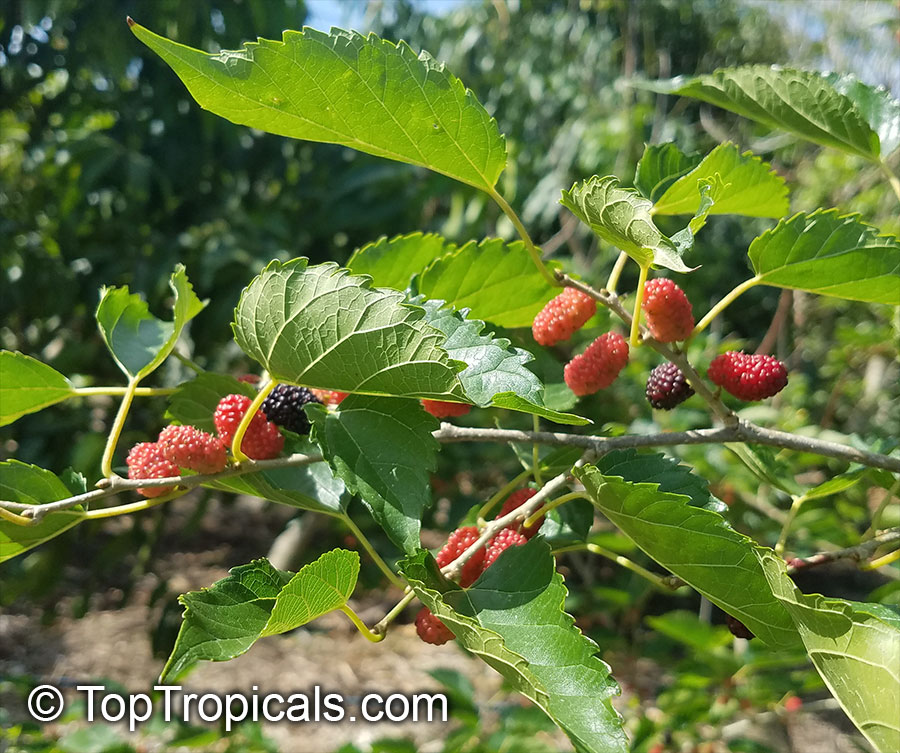
Customer comment on our Mulberry column in the previous newsletter:
...I planted a Himalayan mulberry, Morus macroura, about six years ago.
For several maddening years, it shot only very long, un-branching tentacles
out there, and it resisted my efforts to force some branching by pruning. It
would send another long, reaching shoot from the tip of the pruned branch,
with NO laterals. Several times, it did this. Finally, two years ago, it broke
buds that looked like they meant it all along those long branches, and in one
season, it fluffed out. The next season it elaborated on this, acting much
more like a proper tree. The fruit is fabulous, three or more inches long, very
sweet, with a rich berry flavor that's more raspberry than mulberry. I
guess it just needed more time. My understanding is that mulberries don't
really like to be pruned, but it needed to happen in this case, along a driveway,
so I reigned it in, and now it's a treasure. Be patient.
Cheers, your admirer, C
Check out our Mulberry trees.
Date: 8 Mar 2019
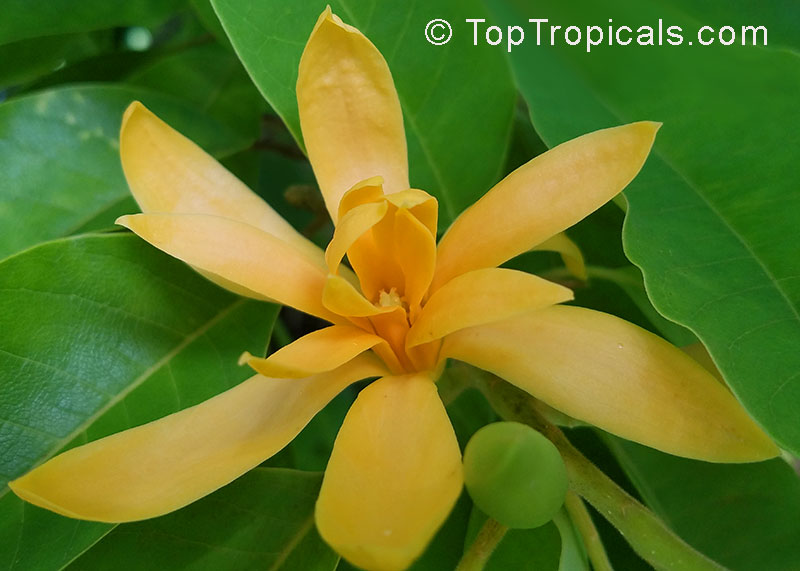
Champaca tree during Spring
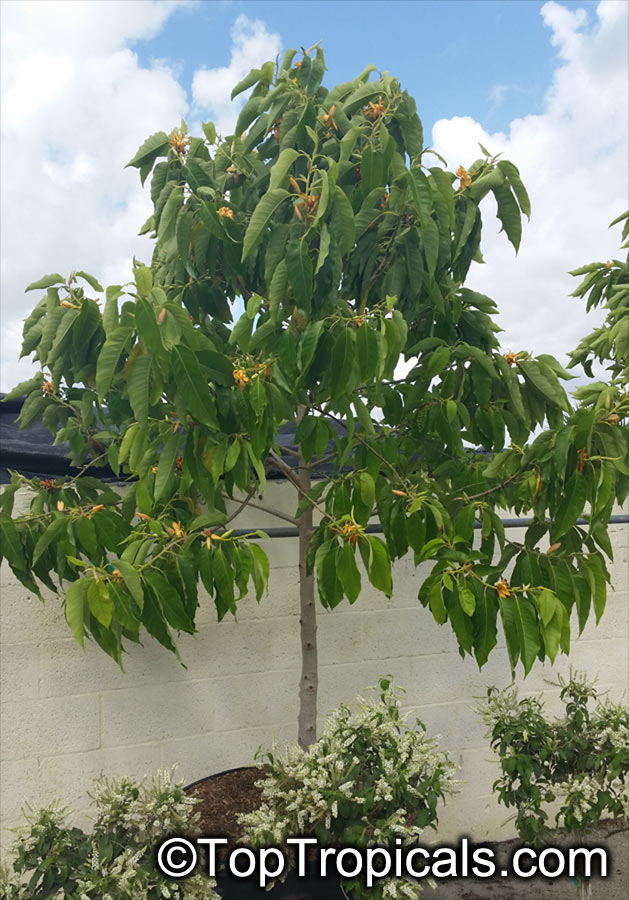
Q: The Joy Tree that I purchased from you is going fine but the leaves have brown tips that shriveled up. How can I avoid this?
A: All Magnolias prefer rich and moist soils. These are some
useful tips for growing Magnolia champaca:
- when planting in the ground, dig a big hole and replace sandy old
soil with a rich organic mix containing compost and lots of peat moss to retain
moisture.
- water daily for the first few months until the tree is
well-established and root system is large and strong.
- use a large amount of mulch around planting
- remember that during springtime (especially March through May)
champacas go through the semi-deciduous stage and lose a lot of leaves. Sometimes
the tree may start looking drying out - all the sudden, overnight. Give it a
few weeks and you will notice new light green re-leafing that will dress up
your tree when the time comes.
Check out Champaca trees: