Garden Blog - Top Tropicals

Date: 17 Sep 2021

Hibiscus: TopTropicals' first plant

- September 2001 @ TopTropicals -

Q: I wonder how you started your plant business and what was your first plant?

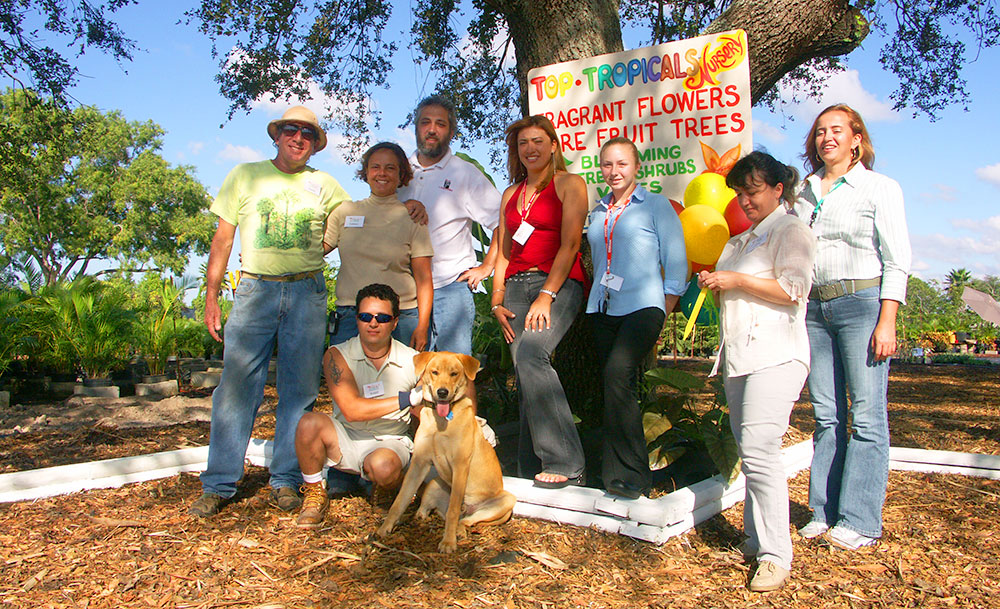
A: It was 20 years ago this month that we started Top Tropicals Project. No idea where it was going or how to even get "there", just started with the idea of sharing these wonderful creatures we call plants with anyone and everyone who felt the same way.

Believe it or not, the first plant at TopTropicals was a hibiscus. Right before we opened our plant nursery in Florida, we ran into a place called Winn Soldani's FANCY HIBISCUS. The variety of colors inspired us to start our own tropical plant business. We asked the owner Winn Soldani: what plants do you suggest us to grow in Florida? His answer was, "Your plant will find you". Very soon we discovered jasmines, then perfume trees and fruit trees - all those became our specialty. Then very quickly TopTropicals.com turned into a large Plant Mall where you can find every tropical plant you can think of!
But at TopTropicals we still grow hibiscus!
- September 2004 @ TopTropicals -

Hibiscus Plus

Hibiscus is a wonderful plant, considering there are thousands of hybrids with color palettes you can only imagine. Especially interesting are those rare and useful species, yet very easy to grow, such as:
- Salad Hibiscus - Hibiscus furcellatus - yes, used in salads
- Coral Hibiscus with crazy pendant flowers - Hibiscus schizopetalus
- African Cranberry hibiscus that is used for making teas and salads - Hibiscus acetocella
- Cotton Candy Hibiscus mutabilis - the flower changes color, opens as white and turns into bright pink within 3 days, like Yesterday-Today-Tomorrow
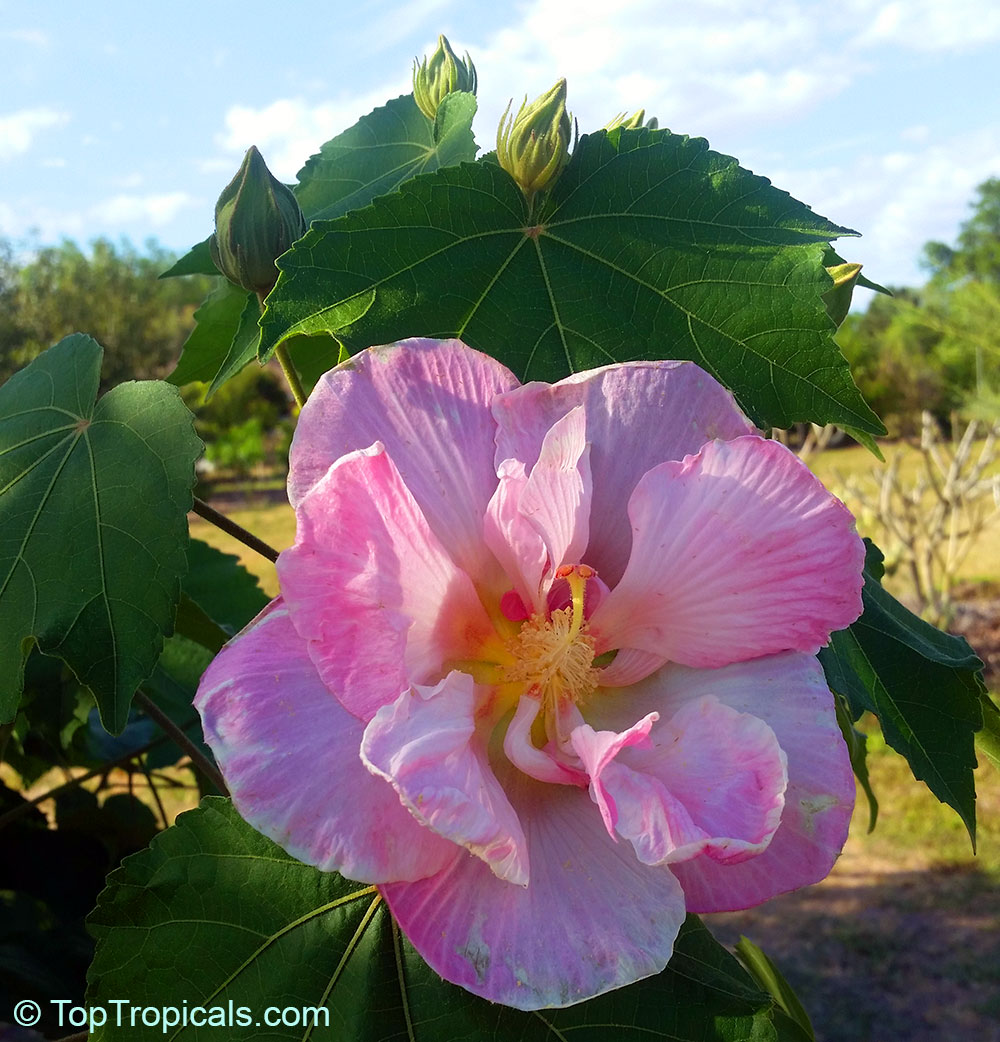
Photo above: Hibiscus mutabilis Cotton Candy

Care of Hibiscus and other flowering tropicals

"If your plant isn't flowering, feed it."
- Winn Soldani, Fancy Hibiscus -

Among gardeners, Hibiscus plants have a reputation to have couple maintenance issues:
1) they can get bugsy (because they must be so tasty!)
2) they can get leggy, especially fancy grafted cultivars, and after a while they don't look as perfect as when they came from a nursery.

4 tips for healthy and pretty hibiscus plant

1. Full sun. Essential for profuse flowering and keeps away diseases.
2. Pruning. Keep it pruned and it will get bushy and produce more blooms.
3. Well-drained soil. Hibiscus likes regular watering but hates wet feet.
4. Nutrition program. Hibiscus plants are heavy feeders. But keep in mind that if you just keep pushing granulated plant food, you can over-fertilize the plant. Excessive salts will accumulate in soil and you will end up with a sickly looking plant.

Keys to balanced plant food and bloom booster

1) Use liquid fertilizer, preferably amino acid based, it won't create nutrients lock up
2) Fertilize on regular basis, it's better dilute concentration and add food with every watering
3) Always add micro-elements - they are essential for plant health

If you do this part right, the result will be:
- healthy, green plants, like they just came from a nursery
- reliable blooming circle
- better cold tolerance and disease resistance. Remember that a strong plant will be less stressed and less "bugged" by bugs!

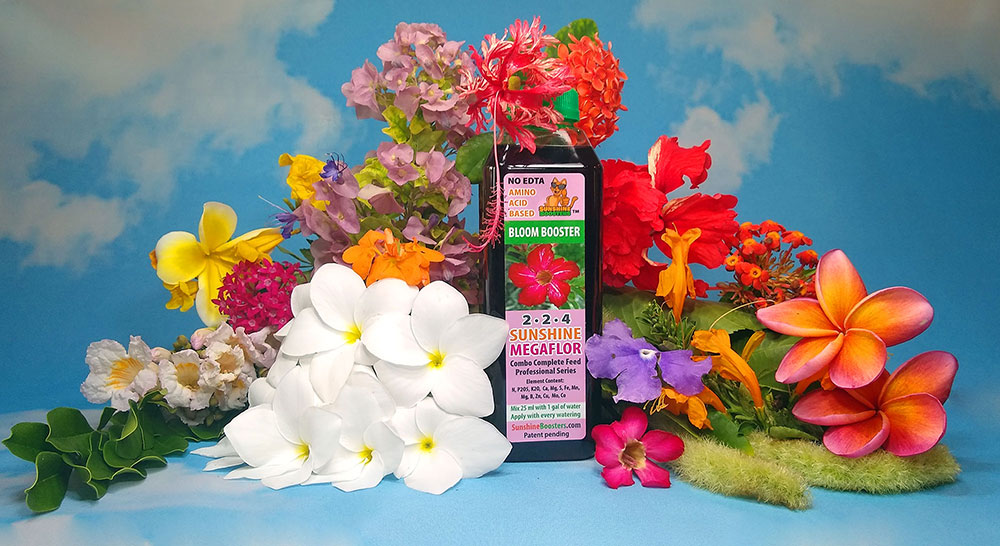
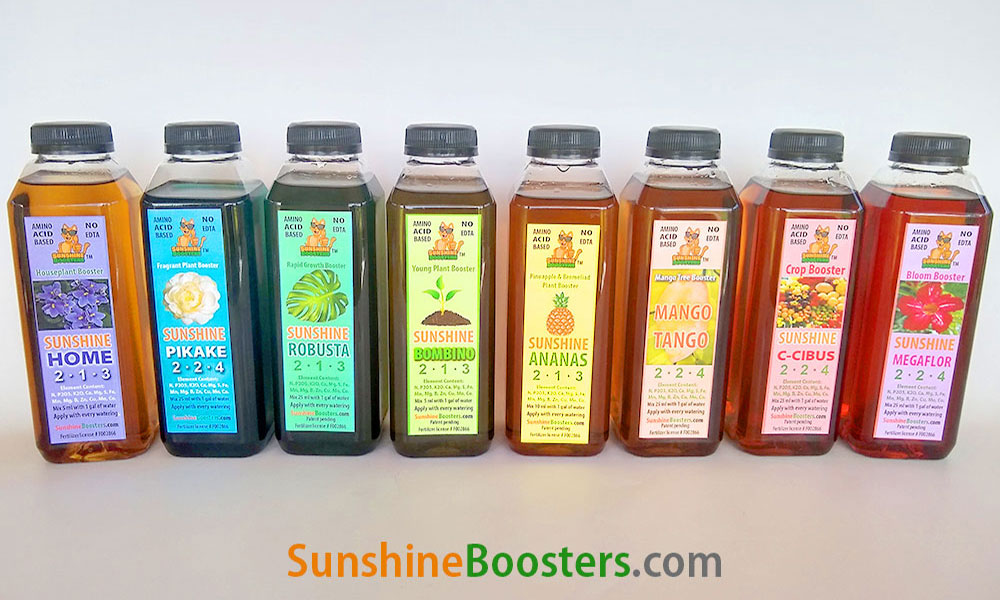
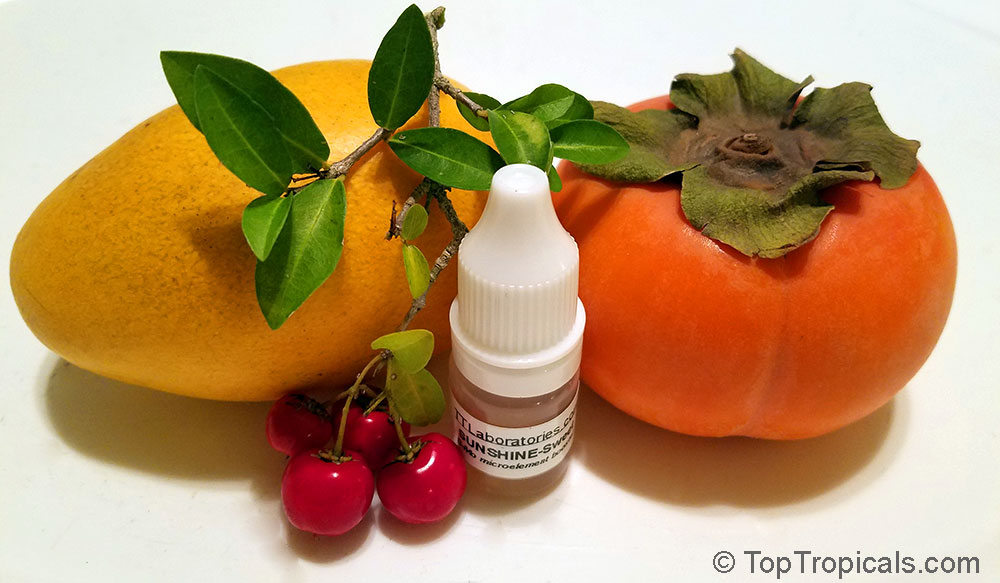
We always suggest Sunshine Boosters - scientifically balanced liquid fertilizers that are amino acid based = they are natural and organic, can be used for both flowers and edibles, and what's most important - year around. They are safe to use virtually with every watering.

This is all you need for healthy plants and lots of flowers!

Date: 11 Jan 2021

Tropical gardener beginning-of-year checklist

Final pre-Spring check of whatever we had forgotten! For a gardener, the year ahead is a chance to do things you want, as a way to achieve the things you need to do. If your number one New Year's resolution is to garden more (a want-to item), you also will be exercising more (a need-to). Or if you plant a new edible garden (want, want, want), you will end up checking off "eat more leafy vegetables and fruits" from your to-do list!

12 steps to get ready for 2021 season:

1 - Spray fruit trees and houseplants with insecticide and micro-elements
2 - Continue spraying SUNSHINE-Epi to improve plant hardiness
3 - Protect tender plants during cold spells and especially from freeze
4 - Reduce watering during cooler months, keeping the root zone on a dry side
5 - To give your plants a kick start, fertilize with liquid SUNSHINE Boosters fertilizers - they are safe to be used year round
6 - Plant fruit trees: winter planting is beneficial to avoid heat stress for roots
7 - Plant Butterfly and Hummingbird Attractants
8 - Plant bulbs, vegetables and herbs. Use eco-safe, natural SUNSHINE boosters for all your edibles.
9 - Plan your summer garden and order seeds early
10 - Start tropical plants from seeds (indoors for cooler climates)
11 - Start ordering tropical plants and beneficial soil mix to get them established after shipping in pots
12 - Clean and oil garden tools

Date: 2 May 2020

Which fertilizer is right?

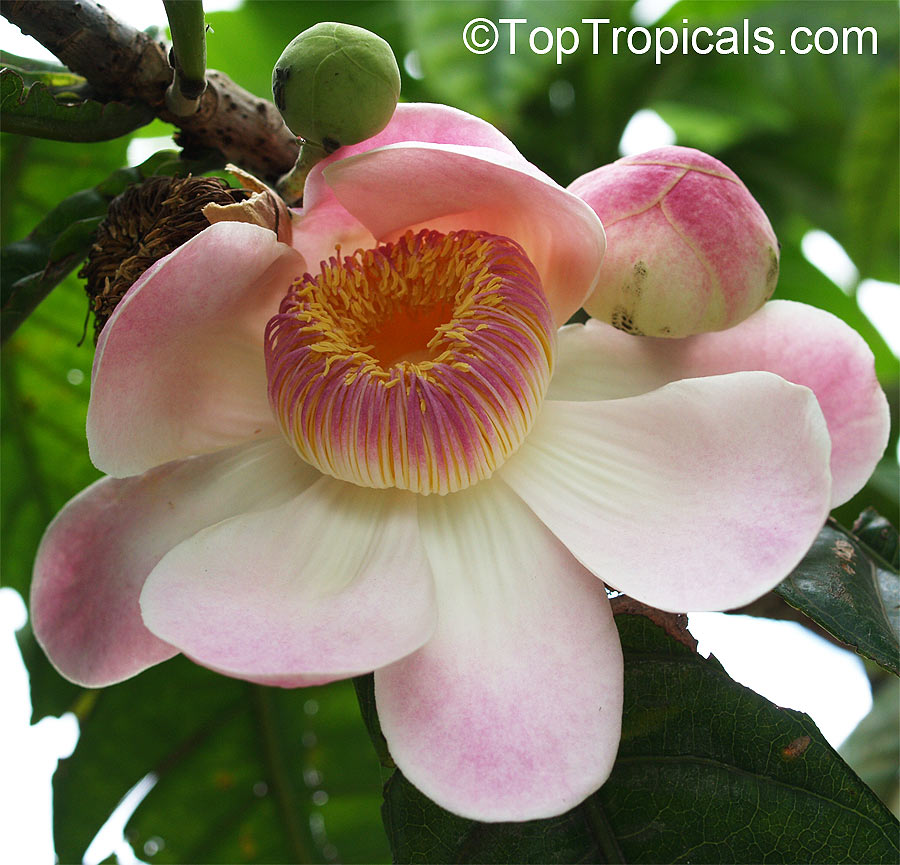
Q: I need some advice on which fertilizer(s) would be perfect for my C​annonball tree and its cousin Heaven's Lotus (Gustavia augusta). ​I also have fruit trees... soursops, mango, etc. and a collection of flowers including pua keni keni, plumeria, bougainvillea, etc. I am wondering if you can recommend a custom fertilizing regimen for my garden (especially the cannonball and the gustavia since they are young).

A: It is a perfect time now to fertilize your plants as they start active growth. We have suggestions on fertilizing programs for your trees. You will find here our recommendations for:

1. Young trees
2. Flowering trees
3. Fragrant plants
4. In-ground grown fruit trees... CONTINUE READING >>

Date: 21 Jun 2019

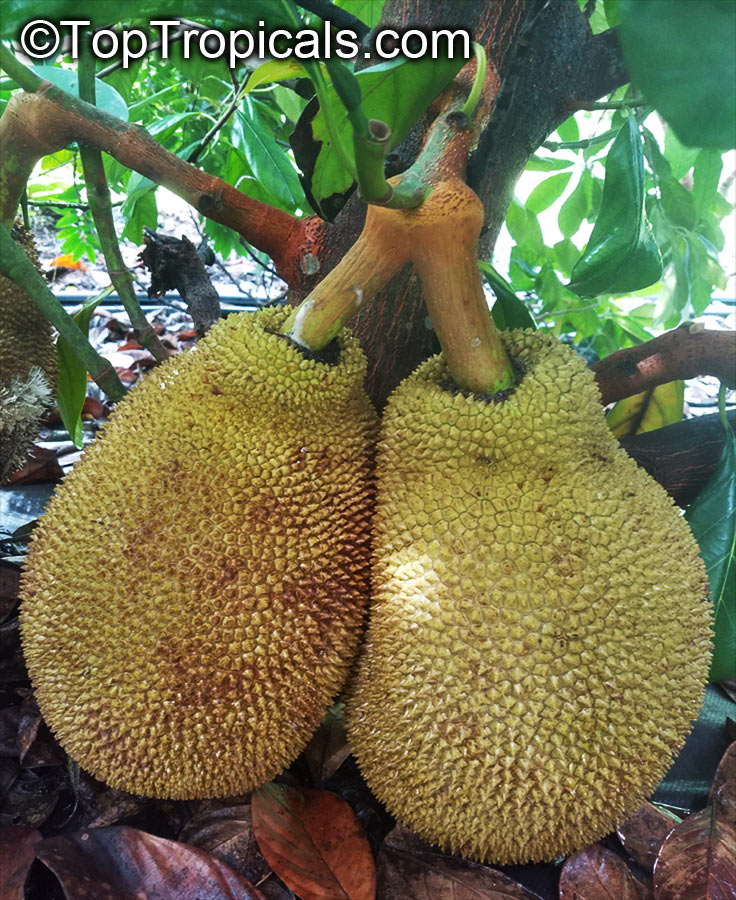
Growing Jackfruit in a pot

Q: I have a young jackfruit tree, and I wanted to know, is a 25 pot enough for an adult tree?

A: 25 to 50 gal should be eventually a good size pot for growing a Jackfruit tree. Keep in mind the following:
1. Start with a smaller container, only slightly bigger than the root system. Do not plant directly into a large container, this may create a risk for root rot.
2. Step up the tree in a bigger container every year as it grows bigger. With every repotting, trim both branches and roots to compact the plant and to encourage branching out.
3. Jackfruit trees should be kept pruned under 6-7 ft in pots and 10-12 ft in the ground. This makes healthy fruit production more efficient and keeps fruit at the base of the tree.

Date: 8 Apr 2019

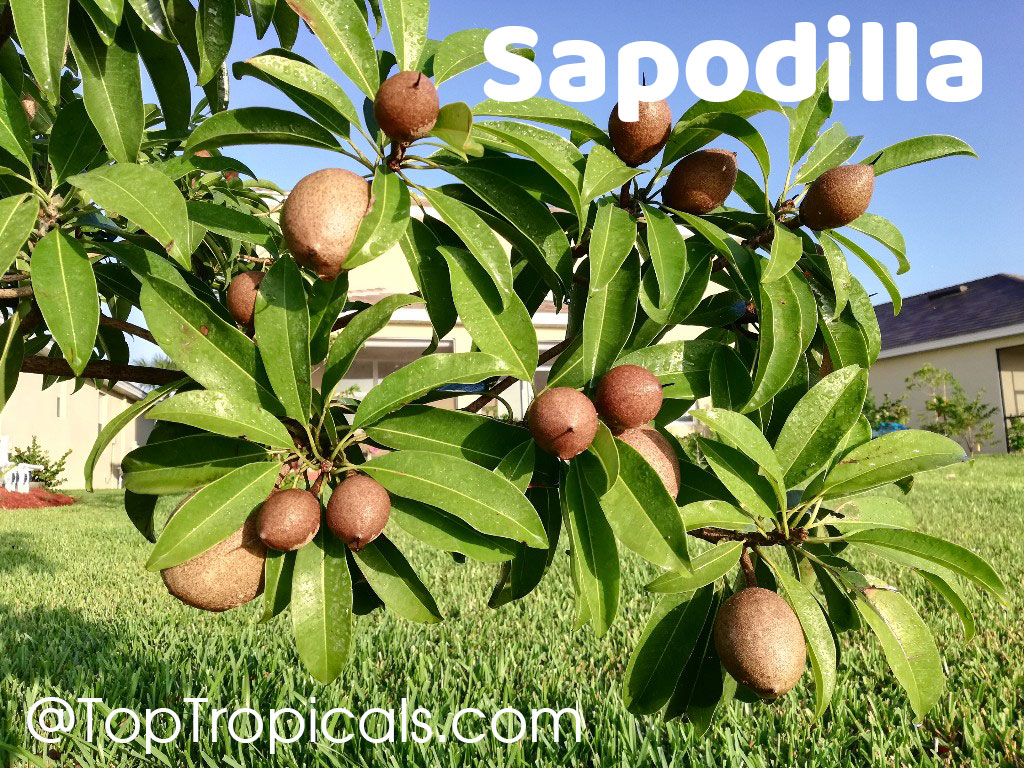
Growing sapodilla in container and indoors

TopTropicals.com

Q: I live in northwestern Washington state. I was wondering if I can grow a Sapodilla tree indoors in a container? Are they self-fertile, and which variety do you think would do best in a large container?

A: A: All Sapodillas are self-fertile. They can be successfully grown in pots due to their slow growth rate and compact nature. The most important requirement for successful growing and fruiting is a bright light, other than that it is a very undemanding plant and is not fussy about watering. The best variety for potting culture is Silas Woods which is a dwarf kind. This variety is the most profuse producer, flowering and fruiting nearly year round providing bright light and warmth. Although the fruit are smaller than other varieties and average 3-4" size.
Sapodillas require regular fertilizer applications for good production. We recommend Fruit Festival slow release fertilizer for the best results.