Garden Blog - Top Tropicals

Date: 23 Apr 2019

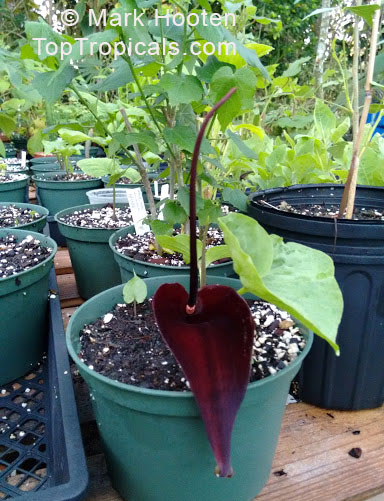
Love (and FEAR) the black flowered Dead Rat Lily!

TopTropicals.com

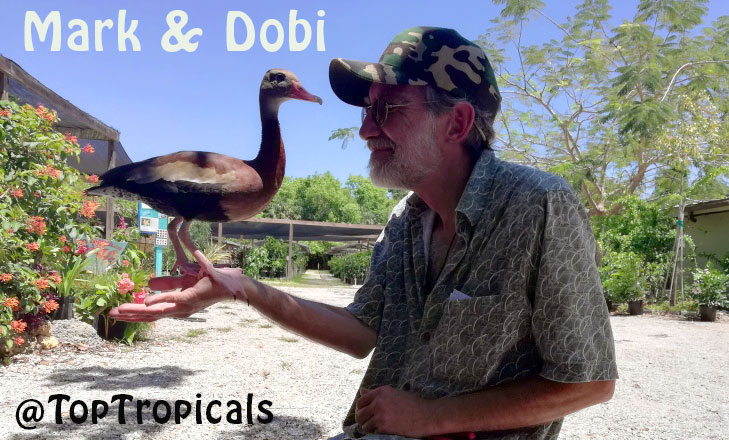
By Mark Hooten, the Garden Doc

I acquired this rare and freaky aroid, (Typhonium roxburghii) when my wife Suzie and I were living in So. California in the early 1990's... When I first saw this plant (growing in a few pots of bamboo, along with other weeds), it had perhaps the most unusual flowers of anything I had ever seen...

Continue reading...

TopTropicals.com

Date: 17 Apr 2019

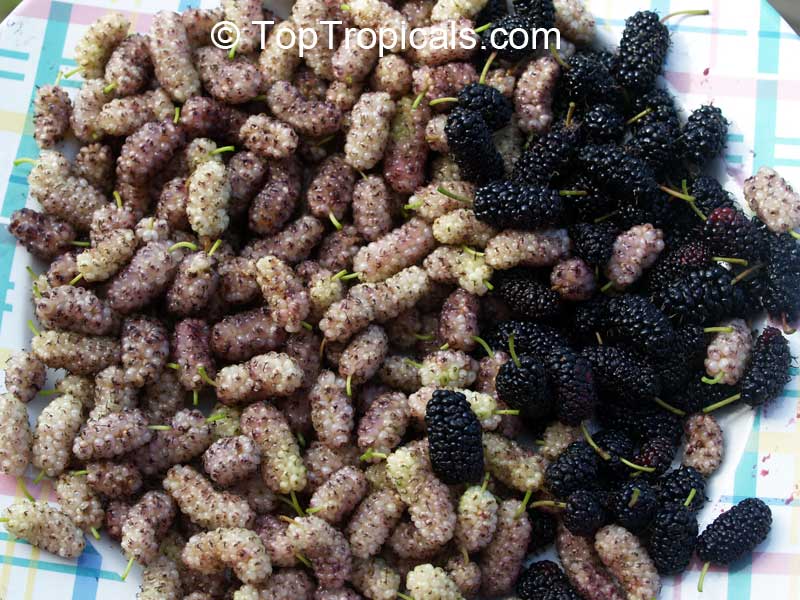
Mulberries - biggest, sweetest, and compact...

TopTropicals.com

Q: What is the difference between Pakistani and Australian Mulberry plants? Would one be better suited for South Florida backyard? Can one be maintained/pruned to be a tall shrub vs a large tree? Which one has the sweetest fruit? Thank you for the previous plants we've purchased from you. They're all doing great.!

A: These two varieties are very similar indeed. Both fruit are very large. Var. Pakistani fruit is a little longer than var. Australia and the tree is a more vigorous grower, but they both are very sweet, even before the fruit fully ripen. Both trees are a good choice and start fruiting at a young age.
We've had Australia in the ground in our garden for 4 years by now and for some reason, it has been very slow growing which is normally not the case with Mulberries. Maybe it is not fully happy with FL humid conditions.
There are two Mulberry varieties that can be maintained as bushes: Issai and Dwarf Everbearing. However, even vigorous Mulberry trees respond well to pruning and can be kept compact for easy harvesting. Just make sure to prune before the flowering season starts; here in S Florida Mulberries start flowering in March, and fruit start ripening during April-May.

Check out our Mulberry trees.

Date: 15 Mar 2019

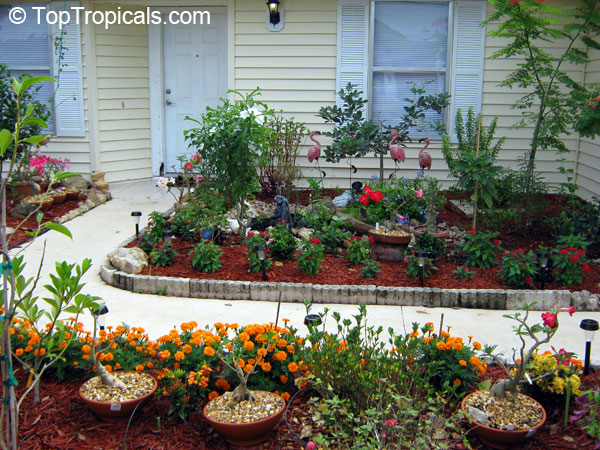
Spring mulching

TopTropicals.com

Q: When do I start re-mulching my garden? Should I wait till summer?

A: It is time now to get ready for the growing season when not only plants start growing, but weeds as well. To protect your garden from unwanted invasives, keep a thick layer of mulch in areas around tree trunks and shrubs.
Heavily mulch your garden at least once a year, at springtime. Add mulch during the year as needed.
After mowing your lawn, use cut grass (hay) as a mulch around trees. Hay is the best natural mulch, it compresses well after the rain or watering and becomes very dense - weeds won't grow through it. You may cover it with some colored mulch of your choice for a more attractive look.
Mulching is also helpful for retaining water for root systems, so plants will require less frequent watering.

Date: 12 Mar 2019

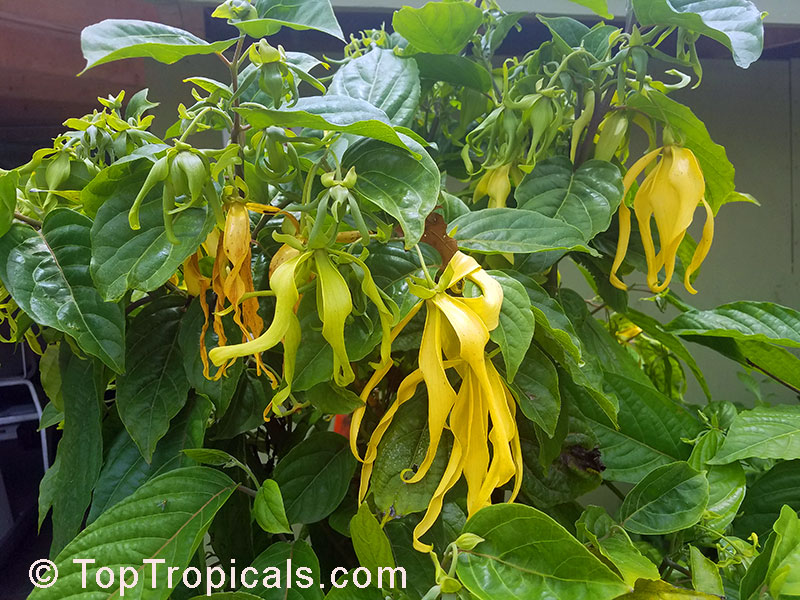
Fertilizing Ylang Ylang

TopTropicals.com

Q: What fertilizer should we be using for ylang ylang?

A: Ylang Ylang is a free-flowering tropical plant that requires regular feeding during active growth period (March through November in Florida). We use balanced granulated fertilizer that contains micro-elements. Apply once a month 1 tsp per 1 gal of soil. For in-ground plants, 1/2 cup once a month.
We also apply additional micro-element treat SuperFood as foliar spray which dramatically increases growth rate and promotes flowering.

Check out our fertilizers, plant boosters, and garden supplies:

Date: 10 Sep 2024

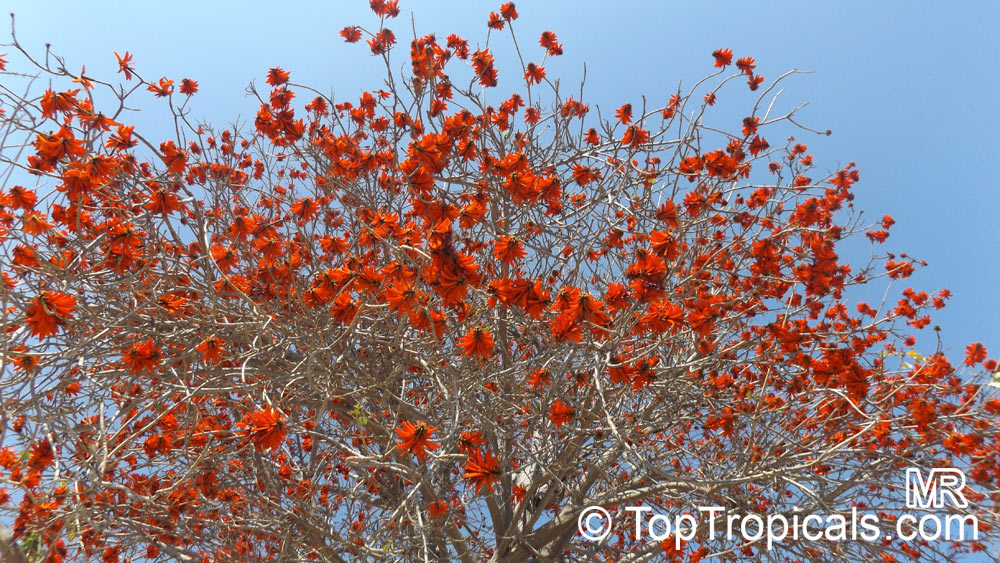
Discover Coral Trees - Erythrinas
the brightest flowers of the Tropics

Coral  Tree  -  Erythrina

Q: What tropical tree do you recommend that has a small size and bright showy flowers, specifically red? I love red flowers, they are the most beautiful!

A: Erythrinas are small trees with a legendary beauty and are often considered a symbol of exotic allure. They bring a touch of the extraordinary to a Southern landscape.

Vivid red blooms: striking, coral-red flowers that create a breathtaking visual display.

Eye-catching: makes a stunning focal point with its bold and vibrant floral clusters.

Fast-growing: quickly develops into a magnificent tree.

Unique branch structure: an interesting, sculptural form that adds architectural interest even when not in bloom.

Pollinator magnet: attracts hummingbirds, bees, and butterflies, supporting local wildlife.

Drought tolerant: withstands dry conditions once established.

Adaptable: thrives in a range of soils, demonstrating versatility and hardiness.

Low maintenance: requires minimal care.

The Erythrina tree is a must-have for any tropical garden, with its stunning coral-red blooms and unique branch structure that add beauty year-round. Fast-growing, drought-tolerant, and low-maintenance, this eye-catching tree supports pollinators like hummingbirds and butterflies while thriving in a variety of conditions. It's the perfect addition for those seeking a vibrant, exotic touch to their landscape.
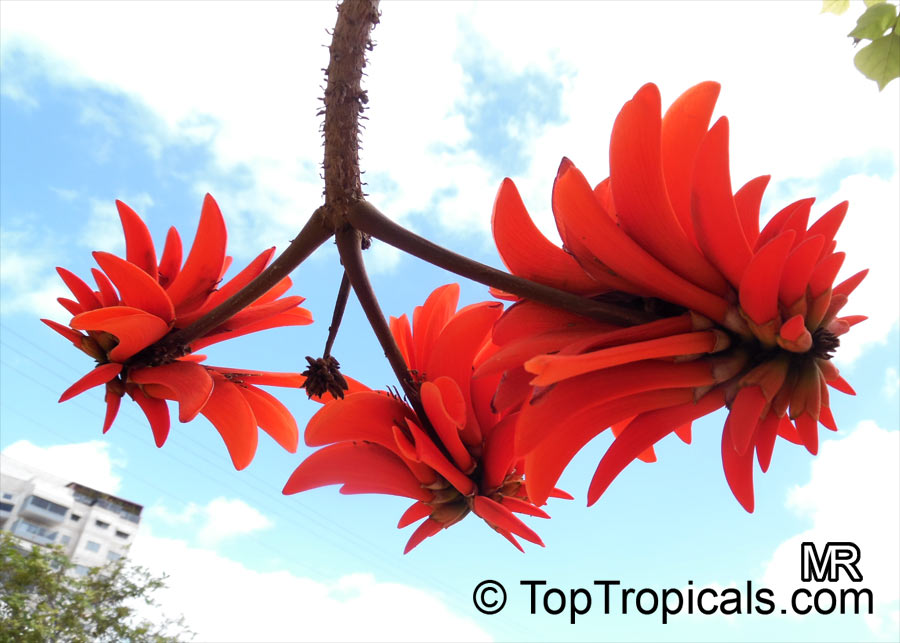
Coral  Tree  -  Erythrina  flowers