Date: 18 Jan 2017
10 plants that can make you happy.
3D garden ideas.
3D garden ideas.
Q: Can you make my yard bigger and prevent it from freezing?
A:
Yes, we can make your backyard bigger by adding a 3rd dimension - trees as a upper level, shrubs as a second level, vines in between, low growing perennials below them. Add ground covers and potted plants as separate specimens in between in-ground planted trees and shrubs. One more separate dimension is orchids and other epiphytes that happily grow on the trees. This multi-level structure will allow you not only collect so many plants, but also maintain them in a natural environment, similar to how they grow in a wild.
As far as preventing from freezing - it depends. You can use greenhouse, cover plants, create microclimate under large canopies, etc. Some tropical plants are tolerant to light frost, once established. If it gets below freezing in your area for more than a few hours, and especially if you have numerous nights with frost throughout winter, we recommend to keep plants in pots (BTW, this way you save space and can collect even more!). Pots can be moved to protected area during cold nights. The more established the tree, the more chances to survive colder temperatures. You may also use propane heaters during cold nights.
We also use plant booster SUNSHINE boosters to increase plants cold tolerance.
Cold protection is a lengthy subject. Here is some more information on cold protection.
Also, we recommend to check out our magazine Tropical Treasures (about pushing the limits of tropical gardening) for a detailed article on cold protection.
These are specific articles on Zone-Pushing in different issue #s regarding dealing with cold. See downloadable issues:
(#1) Growing Tropicals in Nontropical Climate, Three Freezing Nights in Southwest Florida
(#2) Temperature drops - an alert or a rehearsal?
(#5) Dealing with cold snaps, Cold hardy beauties
(#7) When winter is around the corner, Growing exotic Cordyline in colder climate
(#8) When the weather outside is frightful
(#9) Winter champions
(#11) Ready-for-winter checklist for in-ground plants
(#13) Winter checklist
(#18) Dealing with cold damaged plants
You may also order hard copies.
If temperatures drop below freezing in your area, remember to add Heat Pack to your order!
10 plants that will make you happy.
Everyone wants to be happy. Did you know that growing plants is not only fun but can also make you happy? In our new series we will introduce to you 10 plants for your tropical collection that will make you happy.
Visit our Facebook, YouTube Channel and stay happy!
Check out this video: 10 plants that will make you happy. Plant # 1 - Rose Apple.
Stay updated with TopTropicals Videos by subscribing to our channel at YouTube.com/TopTropicals
Date: 10 Sep 2016
Organic remedy for indoor plants insect protection
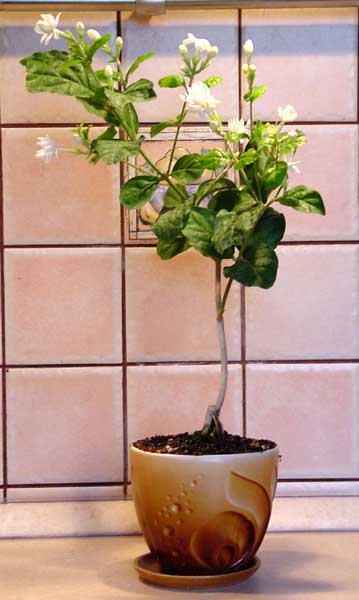
Q: Winter is coming and I moved my collection of fragrant plants inside the house about a week ago. Today I noticed some aphids on my jasmine. I guess they sneaked in with the plant from the garden where it was a week ago. I don't want them to spread around and get to the nearby gardenia. What should I do to protect my plants from insects indoors?
A: Sometimes bugs attack indoor plants more than those outside in the garden. The main reason is lack of air circulation, lack of sunlight, lack of bug natural predators, and lack of plant's immune resistance due to winter dormancy. So, you need to pay extra attention at your plants health during colder months they spend indoors. Inspect leaves, especially underneath, at least on weekly basis.
If noticed first signs of insect attacks (insects and/or leaf damage such as holes, chewed edges, discoloration, dark or sticky coating), use a simple organic remedy that is handy in every house. Mix in a cup of hot water two tablespoons of any cooking oil: Canola, Vegetable, Sunflower, Olive; Neem oil is the best for this purpose, but it does have a pungent odor (bugs don't like it as well as some people). Add a few drops of dish-soap for better mixing oil in the water. You may add a clove of pressed fresh garlic - bugs hate it! Clean leaves with this solution using cloth, paper towel, and/or spray bottle.
If insects are persistent or your treatment arrived too late when a plant is excessively infested, after cleaning with the oil solution, you may use additionally systemic insecticide sprays sold in garden centers, with active ingredients of pyrethrin, imidacloprid or similar. Make sure to read product label and follow instructions.
However try the organic recipe first, it really works! You may repeat it as needed, as often as you want!
See
target=_blank>TopTropicals Video on Safe and Easy Pest Control
Date: 12 Jul 2016
RARE AFRICAN GINGERS
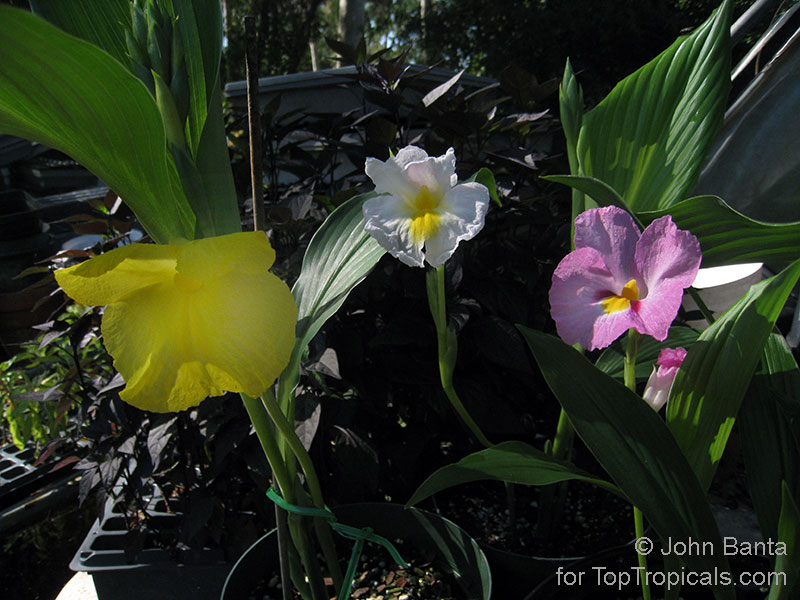
By John Banta. The rarity of African gingers is only matched by their beauty. The rarest, and most costly is the remarkable blue flowered, Siphonchilus beachystemon. It was discovered in Kenya in 1957 by an English tourist. It reminded her of the beautiful blue Himalayan poppy, Meconopsis grandis, she often admired at the Edinburgh Botanical Garden so she had her guide collect a plant or two that she took back to Edinburgh. The few plants available in horticulture today come from that original collection over 50 years ago.
Fortunately there are about 15 species of Siphonchilus found in Africa and some of most outstanding ones make grand additions to our gardens. Listed in order of their vigor and availability they are:
Siphonochilus decorus. The large butter yellow flowers only last for a day but they continue to develop for weeks. In Zimbabwe it is considered one of the outstanding native plants. It is closely related to the next ginger and forms hybrids with it that are usually sterile. Read more...
Date: 30 Mar 2016
Spring time fun: fertilizing and pruning
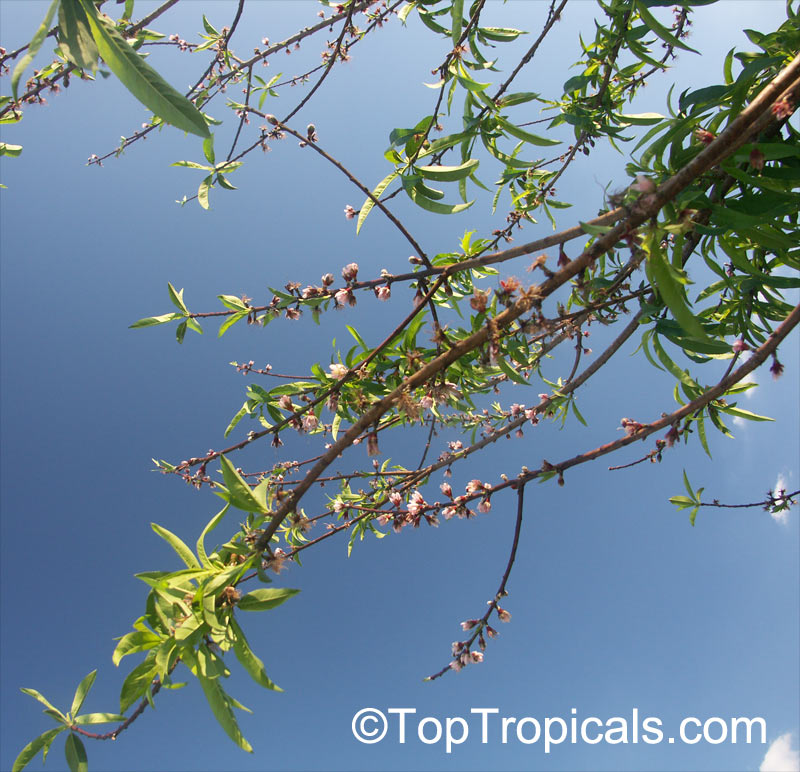
Q: When is a proper time to start fertilizing my garden in Spring? Also, when can I cut back cold damaged branches? Should I wait until end of April?
A: As a rule of thumb, fertilizer can be applied during period of active growth, when a plant needs additional nutrients. With indoor plants, you can fertilize pretty much year round as long as the plant continues growing and not dormant. For in-ground tropical plants, start fertilizing when new growth appears. In subtropical areas, with cooler winter months, most tropical plants slow down their metabolism when temperature drops below 65F. Many of them become dormant, and may even lose leaves (especially deciduous plants like Annona, or Peaches/Plums
Date: 7 Mar 2016
Black Pepper Vine - grow a real spice at home!
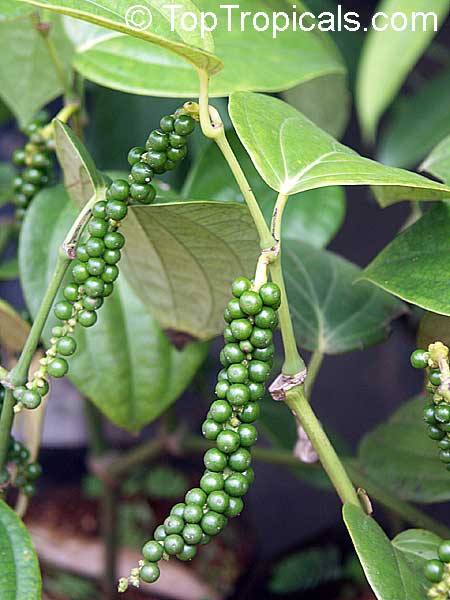
Q: What plants are used for commercial production of black pepper, red pepper, and green pepper? I started organic garden and would like to try growing pepper. I live in Georgia, will it survive here?
A: Pungent and aromatic Pepper is grown in Southern India since more than two thousand years, has always been much valued all over the world. Along with other spices from India and lands farther east, it changed the course of world history. Depending on harvest time and processing, peppercorns can be black, white, green and red (reddish-brown). So, the same fruit is also used to produce white pepper, red/pink pepper, and green pepper. The pungency is strongest in white pepper and weakest in green pepper, while black and green pepper are more aromatic than the white one.
The vine can be easily grown in a pot on a trellis, in mild (frost-free) climates it can be grown in the ground providing a tree support. Try growing this legendary plant and taste the real spice!
For more info, see article about Black Pepper.