Garden Blog - Top Tropicals

Date: 30 Aug 2018

6 Things to Do on Labor Day Weekend

TopTropicals

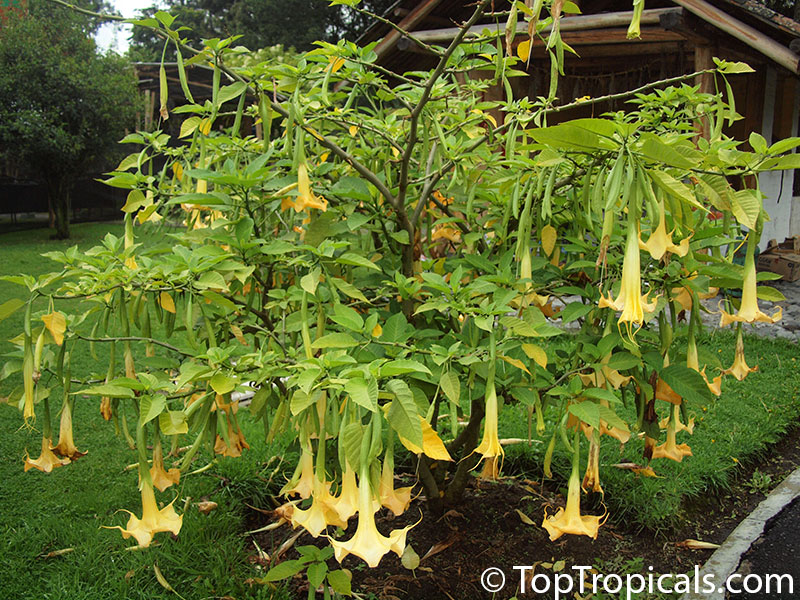
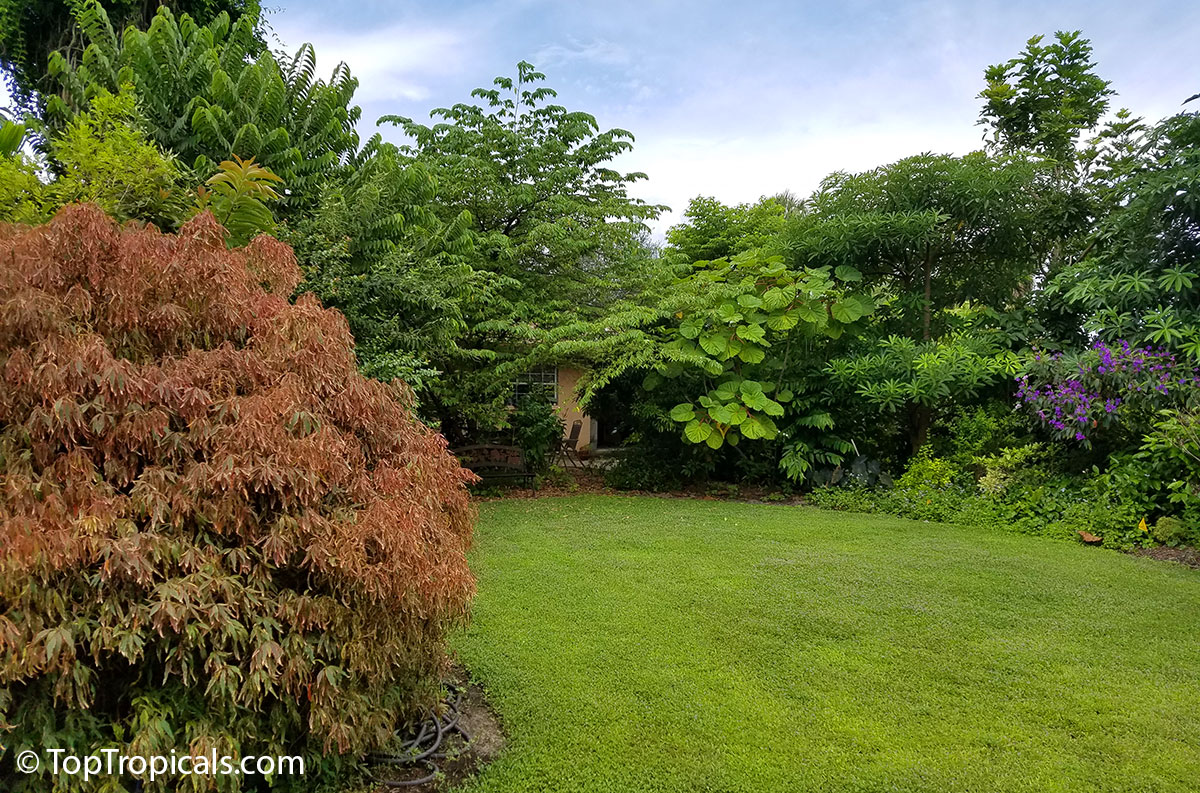
1. Plant a tree... or a shrub, even just a small perennial will do. This plant will make you feel good and accomplished for the whole year, until next Labor Day (or even longer!). You will always see this fruit of your work and remember your motivation, so things are not that bad with you!

2. Pull 66 weeds. Needless to say, you have plenty of those in your yard at the moment. Why 66? Just do it and see what happens. If you don't see any happy results, pull another 66.

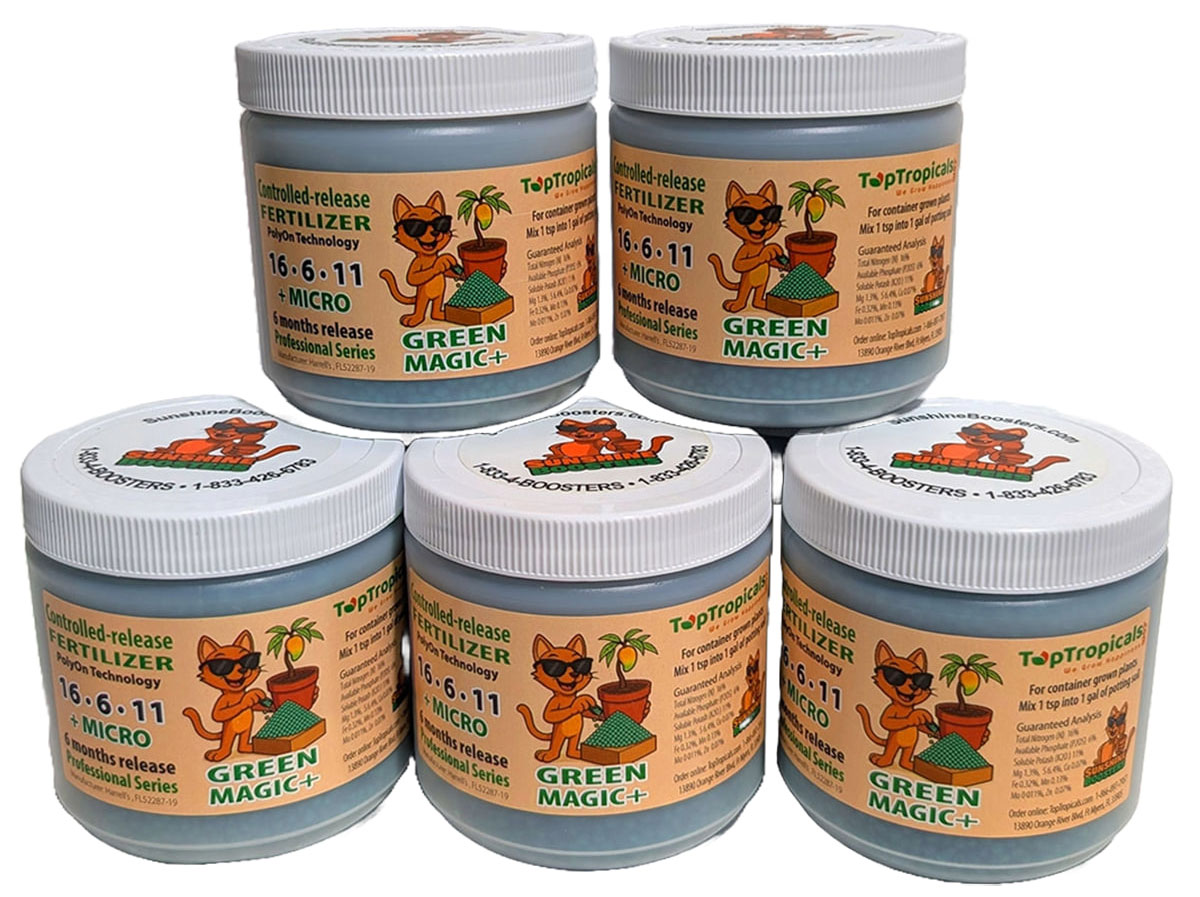
3. Fertilize all plants in your garden or potted collection with slow release fertilizer and microelements. Remember, this is the last chance to give them food and strength to survive, before winter. Starting October, all leftover fertilizer goes to storage, even in tropical gardens.

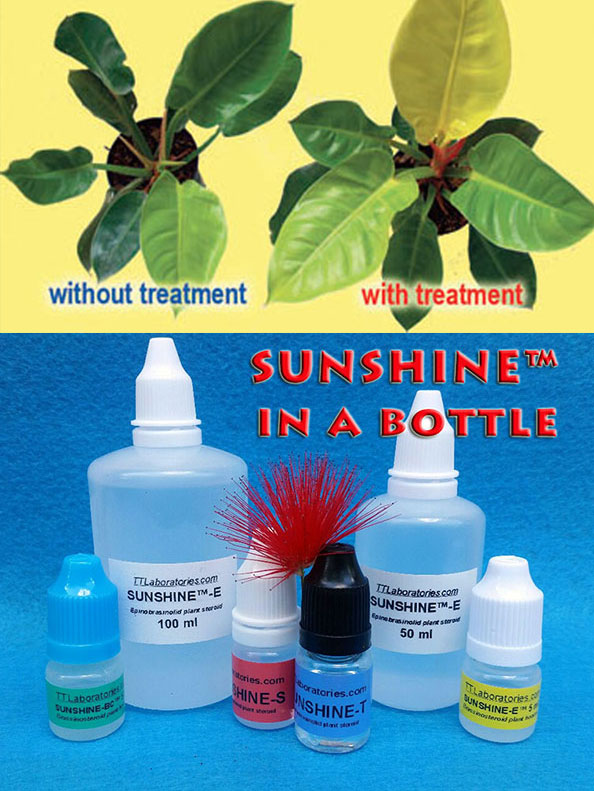
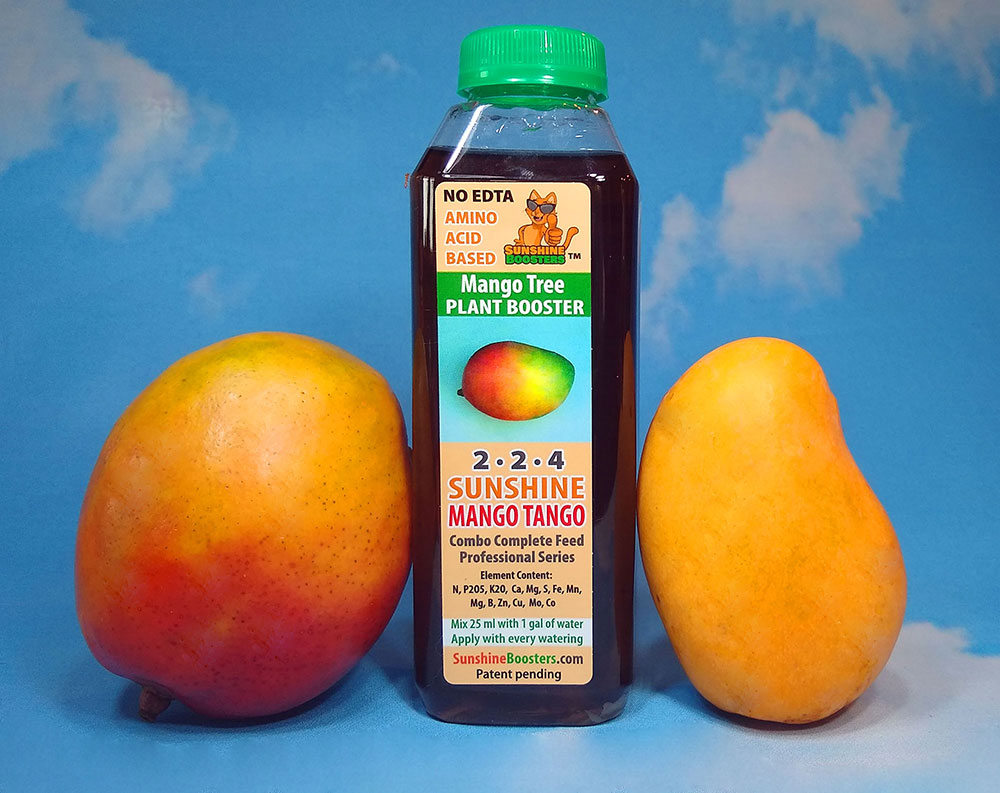
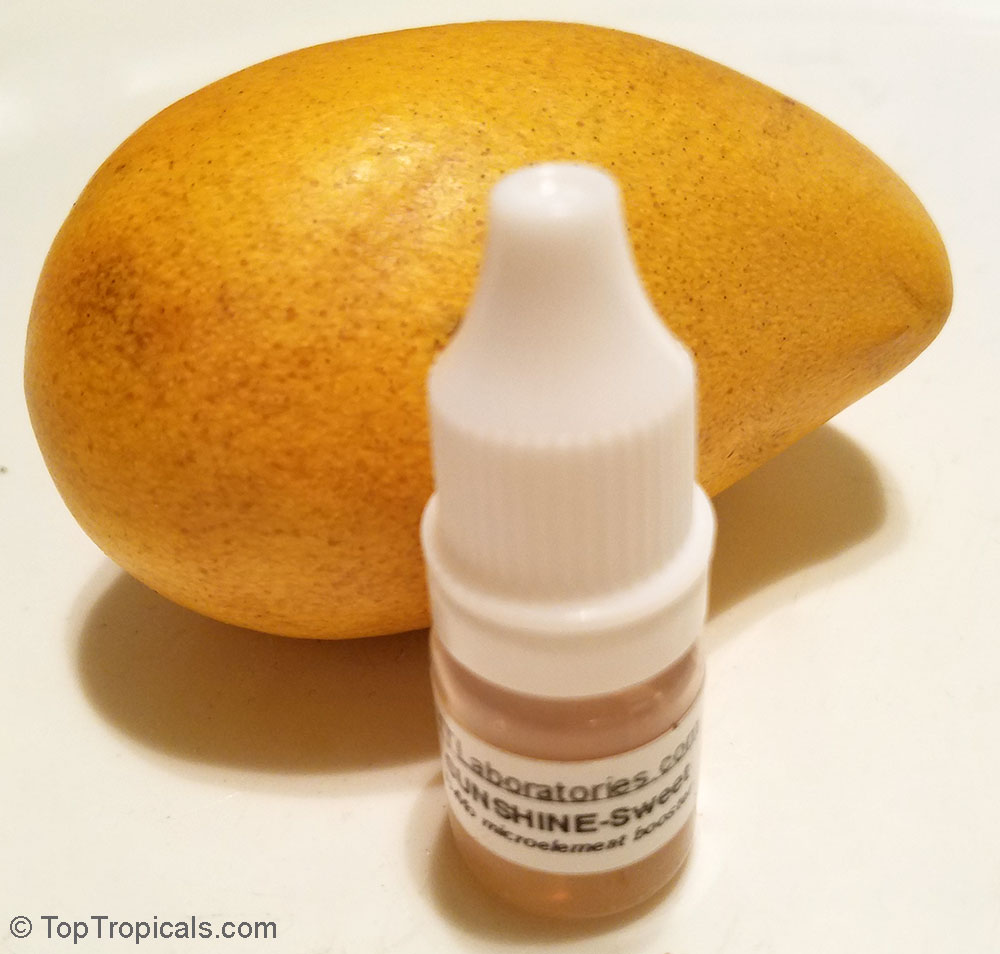
4. Apply SUNSHINE booster to protect your plants from cool temperature, help to go into dormancy and rest without stress.
Remember, there are products for all your pre-winter needs: Sunshine-T for improving cold tolerance, Sunshine-BC for caudex and bonsai plants, Sunshine-H for houseplants, and general booster Sunshine-E to cover all occasions... 50 and 100 ml bottles available for large plant collections.
Sunshine-Honey

Date: 21 Nov 2025

How to keep your house plants beautiful all year by feeding them right

Indoor garden

Indoor garden

🍀 How to keep your house plants beautiful all year by feeding them right

  • 🌱 Healthy house plants are not just about light and water. They need food, just like we do. A good fertilizer routine keeps them green, strong, and blooming through every season. Here is a simple guide to feeding indoor plants the right way.
  • 🌱 General rules for fertilizing house plants


  • ▪️Feed lightly but regularly. Indoor plants grow in limited soil, so nutrients run out faster. Small, frequent feedings work better than one heavy dose.
  • ▪️Never fertilize dry soil. Water first, then feed.
  • ▪️Reduce feeding in winter when growth slows.
  • ▪️Watch your leaves. Pale, yellow, or slow-growing plants are asking for nutrients.
  • ▪️Use a complete formula. House plants need both macro-elements (N-P-K) and micro-elements, not just nitrogen.


🌱 What fertilizer to use


Sunshine Boosters - the everyday diet.
Sunshine Boosters are simple, balanced liquid fertilizers you mix with water. They give your plants everything they need for steady, healthy growth. They contain the right blend of nitrogen, phosphorus, potassium, and trace minerals. They do not contain harsh chemicals, so they are safe for homes with pets and kids. Regular use keeps plants growing faster, stronger, and more resilient to stress.

Sunshine Superfood - the vitamin supplement.
If a plant turns yellow or looks weak, it often needs micronutrients. These are the plant version of vitamins, including iron, zinc, copper, and manganese. Sunshine Superfood delivers these quickly and in the right proportions. Mix it with water and apply when you notice yellowing or slow growth. It corrects deficiencies fast and keeps leaves lush and green.

Green Magic - the long-term slow feeder.
Green Magic is a controlled-release fertilizer that works for six months. It uses poly-on coating technology to release nutrients slowly, without burning roots. It is perfect for repotting or for plant owners who want a set-it-and-forget-it option. Mix one teaspoon per gallon of soil during repotting or every six months. Excellent for container fruit trees and ornamentals that need steady feeding.

🌱 The simple routine

  • ▪️For regular watering: use Sunshine Boosters.
  • ▪️Once a month: add Sunshine Superfood to prevent yellowing.
  • ▪️Every six months: mix Green Magic into the soil for long-term support.

With the right diet, your house plants stay green, strong, and beautiful year-round. Feed them well, and they reward you every day.

📸 In the photo: Indoor garden of Marina Rybka, Israel, the Editor of TopTropicals.

🛒 Get your plants some food

📚 Learn more:
📱 What are Sunshine Boosters

#Fertilizers #How_to
🟢 Join 👉 TopTropicals

Date: 26 Mar 2026

🌸 How to Grow Adeniums Without Overthinking It

By Tatiana Anderson, Horticulture Expert at Top Tropicals with Smokey & Sunshine help

Adenium  desert  roses  blooming  in  greenhouse  during  winter  freeze,  rows 
 of  potted  plants  with  colorful 
 flowers

Adeniums blooming inside the Top Tropicals greenhouse during the record freeze of February 2026 - protected from the cold, kept above 40F, and fed with liquid Sunshine Megaflor. They responded with a spectacular, synchronized winter bloom. Quite a surprize!

✅ Simple rules that actually make them bloom and grow well

  • Light - The more light, the better the growth and flowering. Full sun is ideal, but in very hot climates, filtered bright light keeps plants looking healthier.
  • Water - Water well, then let soil dry on the surface. Sitting in wet soil damages roots, but letting plants dry out too often can push them into early dormancy.
  • Pot and shaping - Use a shallow pot with excellent drainage. To develop a sculptural caudex, lift the plant slightly each time you repot and remove some of the top soil so upper roots become exposed. Over time, this creates a thicker, more prominent base.
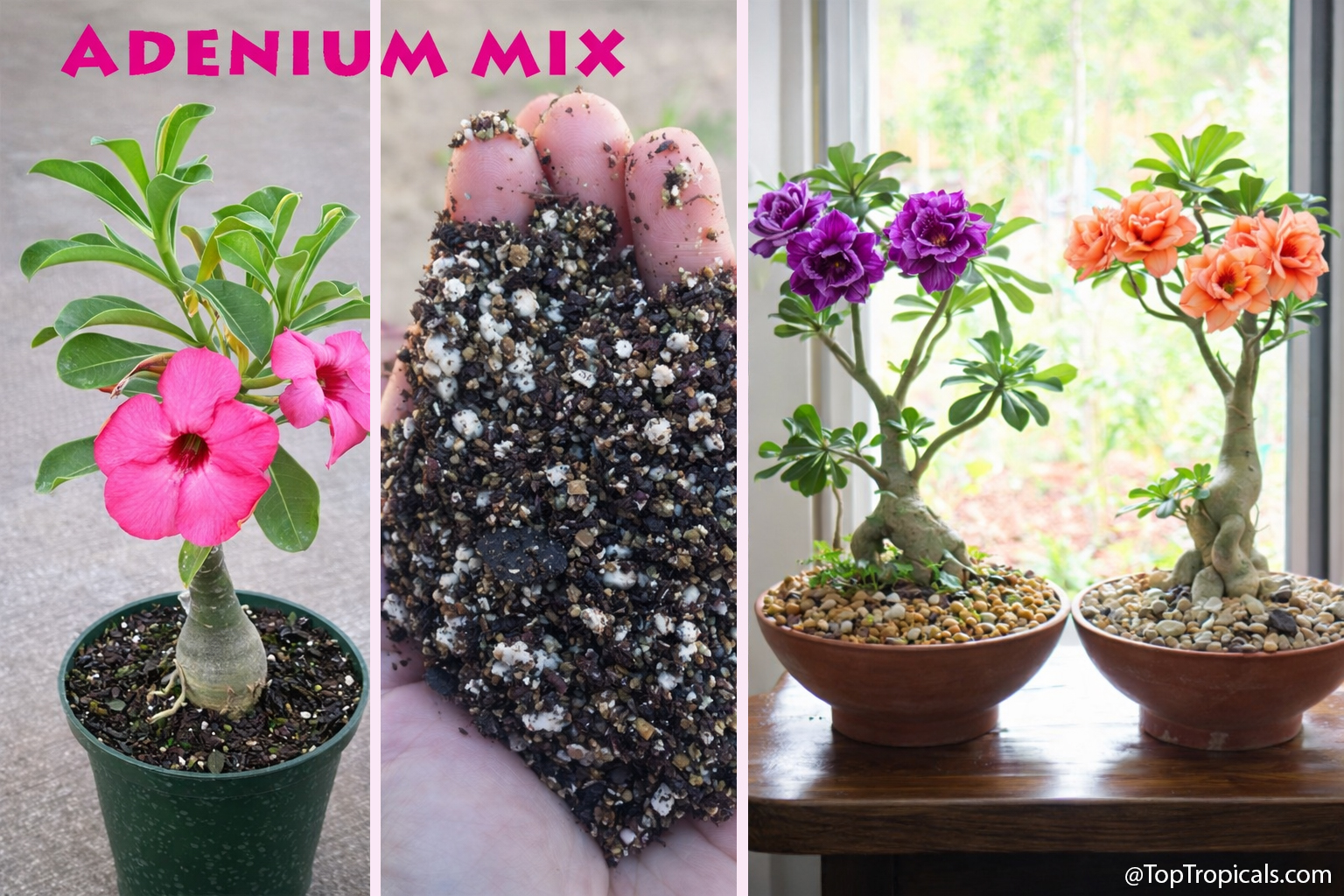
  • Soil - Use a fast-draining Adenium potting Mix.
  • Adenium  desert  rose  plant,  fast  draining  soil  mix  in  hand,  and  bonsai 
 style  adeniums  blooming  indoors

    Healthy adeniums start with the right foundation - a fast-draining soil mix and careful watering only when dry to avoid caudex rot.

  • Cold hardiness - Adeniums are tropical and do not tolerate frost. Keep above 40 F. Brief drops to mid 30s may be tolerated if dry, but cold and wet conditions can damage or kill the plant. In cooler climates, bring indoors or protect during cold nights.
  • Indoor winter care - Move plants indoors before cold nights. Place in the brightest spot possible, ideally a south-facing window. Or use additional lighting. Water very lightly and less often, as growth slows. Do not fertilize during dormancy. Some leaf drop is normal in winter.
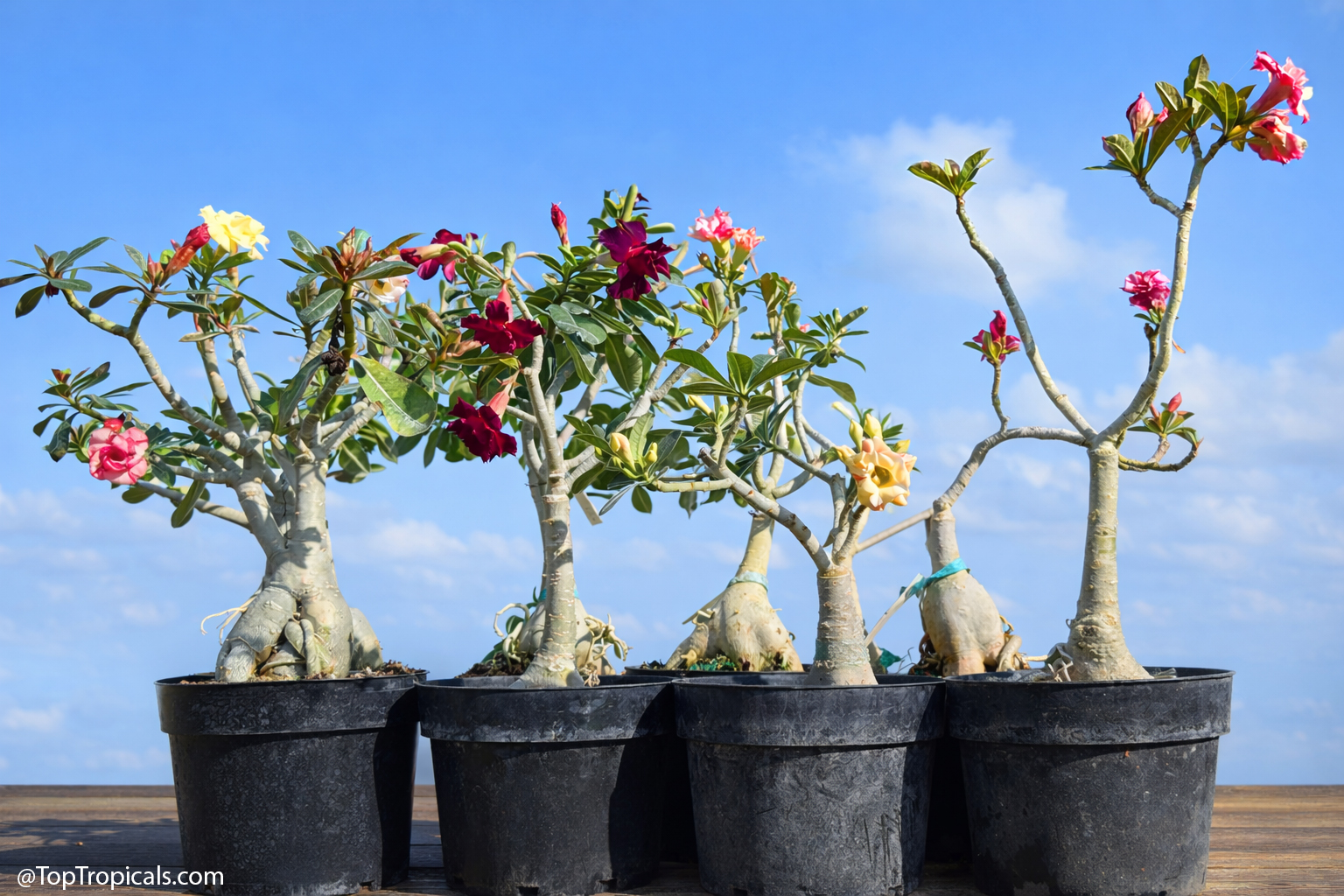
  • Freshly  grafted  Adenium  desert  rose  plants  in  dormancy  arranged  in 
 greenhouse  rows  with  bare  branches

    Freshly grafted adeniums in dormancy - a crucial resting phase. Keep watering low (once a month) and avoid overcare; this is the time to let them rest and etablish.

  • Feeding - Adeniums respond best to liquid fertilizer. We apply Sunshine Megaflor Booster with each watering throughout the year. During dormancy, watering is reduced, so fertilizer use decreases accordingly. Consistent, light feeding promotes strong roots, a thicker caudex, and improved flowering.
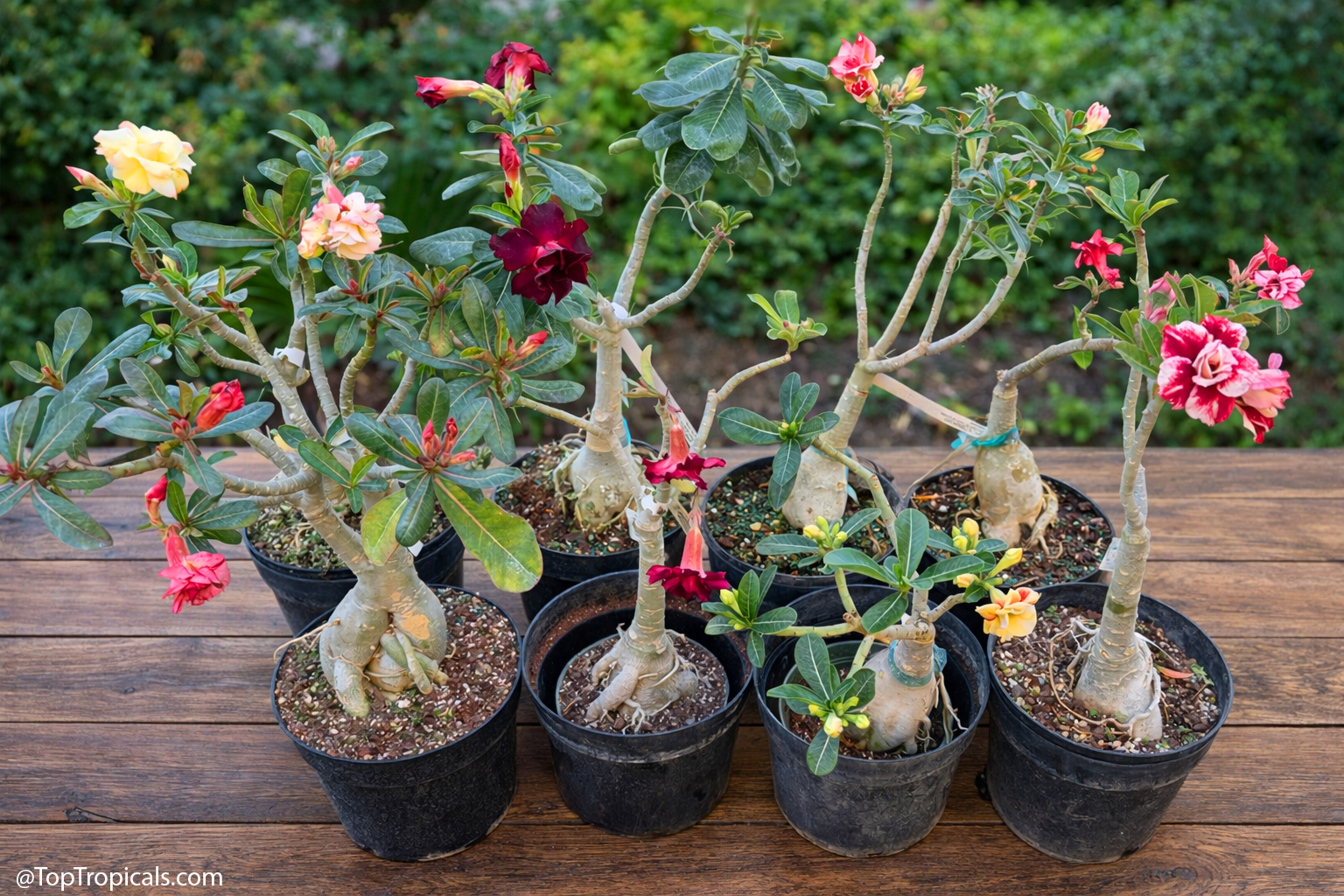
  • Pruning - For multiple blooms, regular pruning is essential. After flowering, cut back long or leggy growth to stimulate branching. Each new branch can produce more buds, leading to a much fuller bloom in the next cycle.

Pruned  and  unpruned  Adenium  desert  rose  plants  showing  difference  in 
 branching  and  flowering

Pruned vs. unpruned - the difference is clear. The four plants on the left were trimmed 6 months ago, while the two on the right were not. Same species, very different results.

✍️ Learn more about Adeniums from our Blog

🎥 Watch videos of Adenium Rainbow

Free Shipping on Adeniums
Add bold color and unique forms to your collection with no extra shipping cost.

🛒 Explore Exotic Adenium varieties

Leggy  Adenium  desert  rose  plants  with  sparse  branching  and  flowers, 
 ready  for 
 pruning

Date: 13 Apr 2024

Grow your own Olive Oil

Branch  of  olives

Q: Can I grow an olive tree in Florida and have my own olives? How long does it take to fruit?

A: Olive trees can indeed thrive and fruit in various regions of Florida. Their adaptability to different climates makes them suitable for the state's diverse conditions. In the northern and central parts of Florida olive trees can flourish.

Easy to grow. Olive trees prefer well-drained soil, and they thrive in full sun, which Florida offers in abundance. While they may not produce as prolifically as in their native Mediterranean habitats, with proper care and suitable varieties, such as Arbequina, Coratina and Leccino, you can still enjoy a bountiful harvest.

Cold hardy. One advantage of olive trees in Florida is their cold hardiness. They can withstand occasional frosts and freezes, particularly when they are mature.

Heat- and drought-tolerant. Olive trees also offer additional benefits beyond their fruit production. They are drought-tolerant once established, making them well-suited to Florida's sometimes erratic rainfall patterns.

Beautiful in landscape. Evergreen foliage of olive trees adds aesthetic appeal to landscapes year-round, and their gnarled trunks and silvery-green leaves create a Mediterranean ambiance reminiscent of warmer climates.

Fertilize for quick fruit. Olives will start flowering within 1-2 years of planting, providing regular fertilizing program. We recommend Sunshine Boosters C-Cibus liquid fertilizer, perfect for edibles and organic gardens.

Symbol of Prosperity. The olive branch has long been revered for its symbolic significance, representing peace, prosperity, and hope across cultures and centuries. It transcends mere botanical importance to embody the enduring power of goodwill.

Healthy Olive Oil. Similarly, olive oil, extracted from these timeless fruits, has been celebrated not only for its culinary excellence but also for its remarkable health benefits. Rich in antioxidants and heart-healthy fats, olive oil has sustained generations with its nourishing properties, earning it a cherished place in both culinary traditions and holistic wellness practices worldwide. So, whether adorning Olympic crowns or enriching Mediterranean cuisine, the olive and its offerings continue to inspire and enrich our lives with their timeless allure and profound significance.

Get your own Olive tree today!

Read more: How to grow a nice Olive tree fast?

Large  olive  tree

Date: 18 Jan 2026

Five steps to everblooming Rose Hydrangea

Dombeya seminole - Tropical Rose Hydrangea

🌸 Five steps to everblooming Rose Hydrangea

  • 🌸 Dombeya seminole - Tropical Rose Hydrangea: everyone who sees this plant falls in love at first sight. Exceptional rose-pink flower clusters cover the shrub, and butterflies and bees go wild over it. While it is considered a winter bloomer, here at Top Tropicals garden we regularly see it flower multiple times a year, with peak bloom from November through January and surprise blooms the rest of the year.
  • 🌸 Here is how to keep your Dombeya seminole happy and blooming more:


💋 1. Full sun


The more sun it gets, the more flowers it produces. Sun equals bloom power.
  • 💋 2. Adequate water


    Dombeyas are heavy drinkers. Regular watering fuels fast growth and heavier flowering.
  • 💋 3. Feed for flowers


    Use Sunshine Megaflor bloom booster with regular watering, or apply Green Magic controlled-release fertilizer every 6 months.
  • 💋 4. Trim after flowering


    Prune once blooms fade. A bushier plant means more flowering points next season.
  • 💋 5. Give it space


    This is a round, airy shrub. Allow at least 6 x 6 ft for good air circulation and even light exposure.


🌸 Quick facts you will appreciate:
  • 💋Often called Tropical Hydrangea because of its hydrangea-like flower clusters
  • 💋Blooms fall through spring, often all winter
  • 💋Reaches about 6-7 ft tall and wide, but can be kept smaller with pruning
  • 💋Thrives in full sun to partial shade and tolerates poor soil
  • 💋An excellent nectar source for butterflies

If you want a beautiful color that refuses to quit, this shrub earns its spotlight.

🛒 Add Beautiful Dombeya to your garden

📚 Learn more:


#Hedges_with_benefits #Butterfly_Plants

🟢 Join 👉 TopTropicals