Garden Blog - Top Tropicals

Date: 28 Nov 2024

Did you know this about Hoyas?

Hoya calycina - Papua Sweet Scent

😶 Did you know this about Hoyas?


*Wax Plants: Hoyas are often called wax plants because of their thick, glossy leaves and waxy flowers.

*Sweet Scented Blooms: Their star-shaped flowers not only look like candy but also emit sweet, often vanilla-like or chocolatey scents, especially in the evening.

*Epiphytic Nature: Many Hoyas grow as epiphytes in their natural habitats, meaning they live on other plants or trees, getting nutrients from the air and rain.

*Longevity: Hoyas can live for decades and may even be passed down as heirlooms. Some specimens are over 100 years old!

*Nectar Drops: Their blooms produce tiny drops of nectar, a treat for pollinators (and sometimes houseplant owners).

*Hundreds of Species: There are over 500 species of Hoyas, ranging from tiny-leafed varieties to ones with massive leaves or even fuzzy foliage.

*Sun-Loving Flowers: While the plants tolerate lower light, Hoyas flower best with bright, indirect light or even some direct sun.

*Low-Maintenance: They’re perfect for forgetful gardeners since they prefer to dry out between waterings.

*Climbing or Trailing: Hoyas can either climb with the help of trellises or cascade beautifully as trailing plants.

*Flowering Age: Hoyas are patient! Some won’t bloom until they’re a few years old, but the wait is worth it.

*Resilient Peduncles: Never cut off the “flower stems” (peduncles) - Hoyas rebloom from the same spot year after year.

*Exotic Origins: Native to Asia, Australia, and the Pacific Islands, they thrive in tropical and subtropical climates.

*Lucky Charm: In some cultures, Hoyas are considered symbols of love and are gifted as housewarming or wedding presents.

🎥 Hoya calycina - Papua Sweet Scent was discovered in Papua New Guinea in 1913. The flower is very fragrant and can infuse your entire house in a beautiful lilac scent.

😍 Do you have a favorite Hoya species in mind? Share in comments!

📚 More from previous post:


Our favorite houseplants - hoyas

🛒 Shop hoya plants

#Container_Garden #Shade_Garden #Fun_facts

🔴 Join 👉 TopTropicals

Date: 1 Jan 2025

2025: The Year of the Green Wood Snake

2025: The Year of the Green Wood Snake

👍 2025: The Year of the Green Wood Snake. A Time for Wisdom, Growth, and Renewal


  • 🐍 Are You Ready to Transform?

On January 29th, 2025, Asia ushers in the Lunar New Year of the Green Wood Snake, a symbol of wisdom, transformation, and creativity. This isn't just any snake year; it's one filled with the potential for significant personal and communal evolution.

  • 🐍 What Makes the Snake So Special?

In Chinese astrology, the Snake is known for its intelligence, elegance, and quiet strength, paired with the Wood element to foster creativity and flexibility in 2025. Are you ready to shed old habits and embrace new possibilities?

  • 🐍 What Does It Mean to Be Born in the Year of the Snake?

Those born under the Snake sign are intelligent, creative, and determined, often thriving under pressure. This year offers them a special opportunity to leverage their talents fully.

  • 🐍 How Can the Snake Inspire You?

The Snake's ability to solve problems and adapt to changes encourages us to face life's challenges with grace. What will you shed this year to reveal your best self?

  • 🐍 What Can We Learn from Snake Myths?

The legend of Nuwa, the goddess who embodies creation and balance, teaches us about renewal and harmony. How will you harness this energy in 2025?

  • 🐍 Why Is 2025 Perfect for Growing Something New?

The Wood Green Snake, as the Patroness of Plants, makes 2025 an ideal year for gardening and embracing nature. What will you grow this year?

  • 🐍 How Can You Blossom in 2025?

This year encourages personal growth, healthier habits, and creativity. What steps will you take to thrive?

  • 🐍 Are You Ready to Embrace the Possibilities?

2025 invites you to grow, create, and transform. Follow the Snake's lead and make it a year to remember. What will you achieve in the Year of the Green Wood Snake?

🐍 What are Snake's lucky plants and your lucky plants for the New Year 2025?


Find out now! Check out the lucky plants especially for you, depending on the year you were born:

🚩 Check out your personal lucky plants for Year of Snake

#Horoscope

🔴 Join 👉 TopTropicals
Date: 2 Jan 2025

Seven most popular low-growing plants
for small gardens

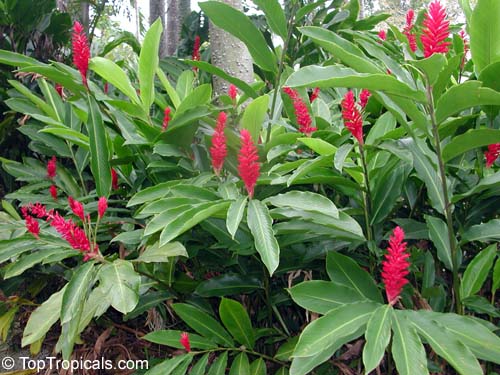
Alpinia  purpurata  -  Dwarf  Red  Cone  Ginger

Photo above: Alpinia purpurata - Dwarf Red Cone Ginger - is a medium-growing, compact option for your garden, offering vibrant red flowers with minimal space needed. Its tropical appeal and tolerance for partial shade make it perfect for adding color without overwhelming your garden. Grows up to 4-5 ft.

Easy plants that can stay compact and short!

Q: I am looking for a few compact plants that I don't need to trim all the time. Can you recommend some low-growing pretty shrub to plant along my driveway (sun) and under an oak tree (shade)?

A: Here are a few most popular showy shrubs for you that can stay compact and require minimal if any pruning or maintenance!

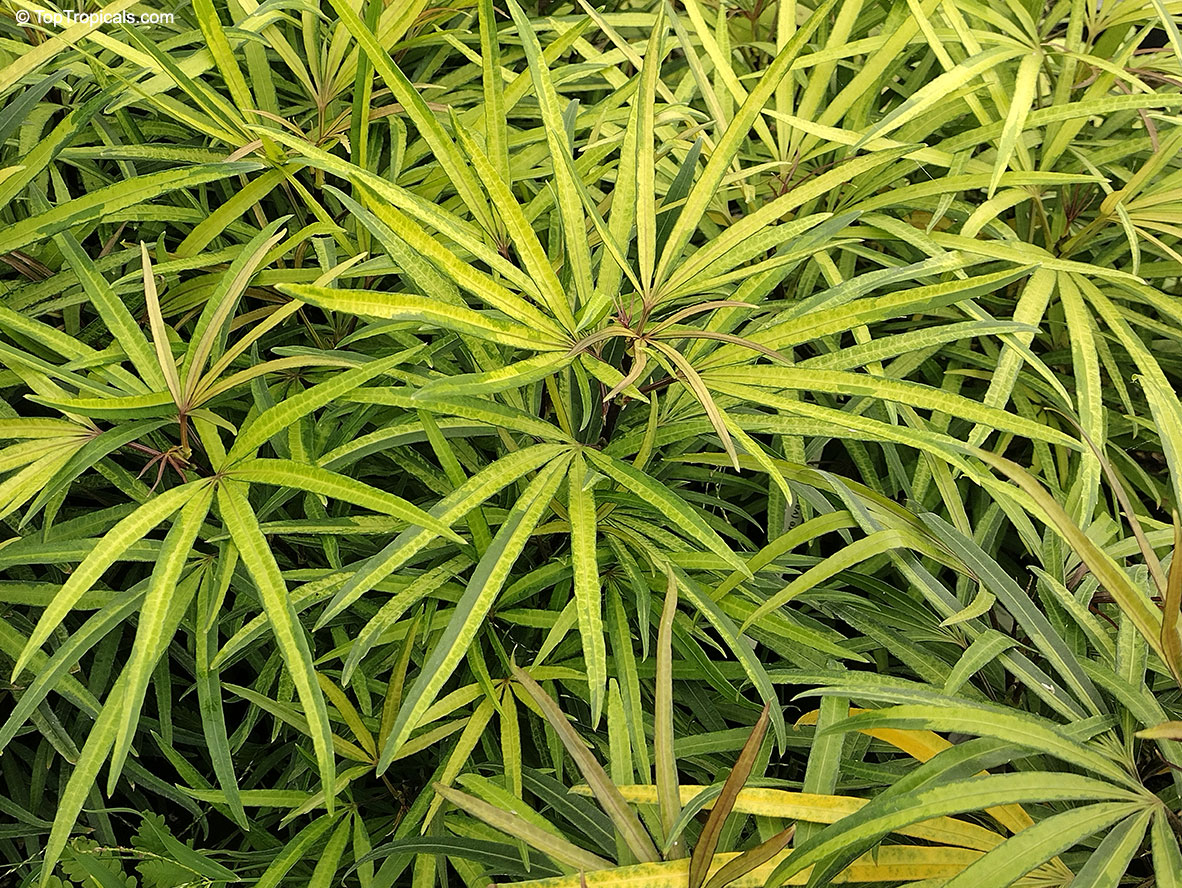
Osmoxylon  lineare  (variegated)  -  Miagos  bush,  Golden  Feather

Osmoxylon lineare - variegated Miagos bush, Golden Feather - is a compact and striking shrub perfect for adding an exotic touch to a small garden or indoor space. Its hardiness and low-maintenance nature, combined with its tolerance for various light conditions, make it an ideal choice for a small, visually appealing addition to your garden. Full sun or light shade.

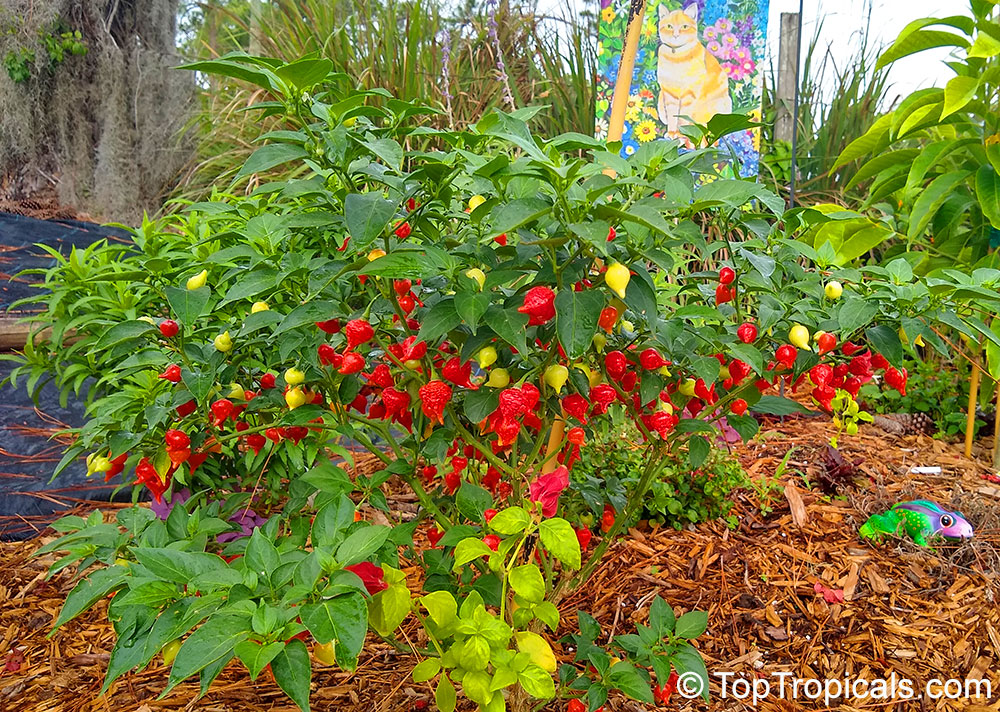
Capsicum  annuum  x  chinense  -  Biquinho  Pepper

Capsicum annuum x chinense - Biquinho Pepper - amazing showy pepper, both ornamental and useful! Vibrant, compact plant that combines ornamental beauty with culinary use. Its small, bright fruits offer a burst of fruity, habanero-like flavor, making it a unique addition to any garden or kitchen, with little to no heat. Full sun: the more sun - the more peppers!

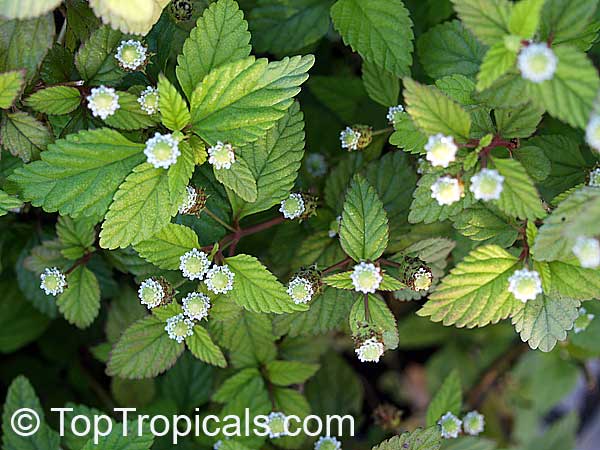
Lippia  dulcis  -  Aztec  Sweet  Herb,  Sweetleaf

Lippia dulcis - Aztec Sweet Herb, Sweetleaf - not only showy, but also scented leaves and useful herb right at your doorstep! This fragrant, compact elegant plant adds both beauty and function to your garden. Its sweet-tasting leaves are perfect for snacking or enhancing fruit salads, while also serving as a natural remedy for colds and coughs.

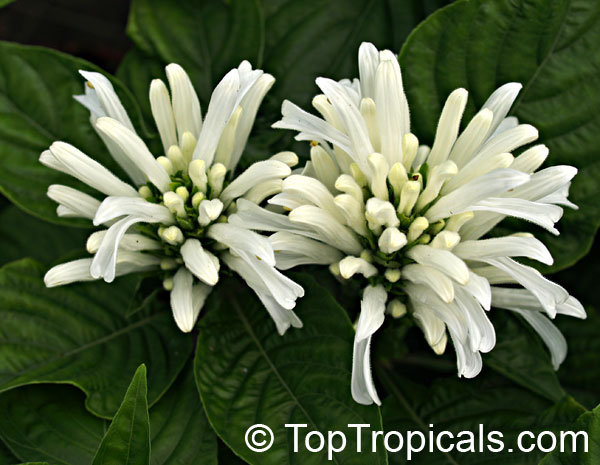
Justicia  carnea  Alba  -  White  Brazilian  Plume  Flower

Justicia carnea Alba - White Brazilian Plume Flower is a compact, tropical beauty that thrives in full to partial sun and attracts hummingbirds and butterflies. Its stunning white flowers and lush green foliage make it a perfect choice for adding a tropical touch to your garden, and its relatively cold hardy!

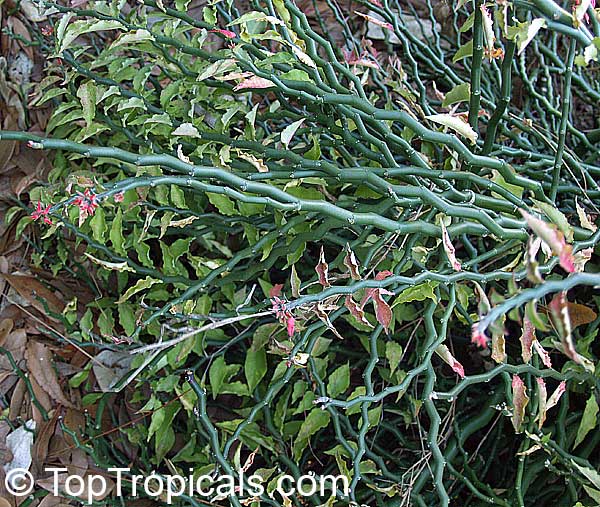
Pedilanthus  tithymaloides  -  Devils  Backbone

Pedilanthus tithymaloides - Devils Backbone - thrives in toughest spots! Hardy, low-maintenance plant, offering striking pink flowers and showy, unique ziz-zag foliage. Easy care requirements, full sun and minimal watering.

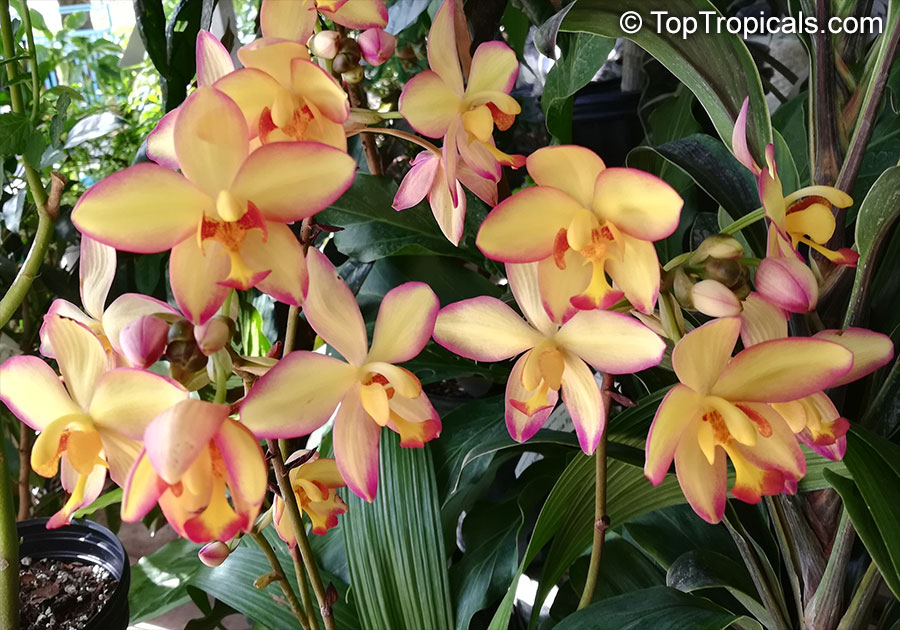
Ground  Orchids

Ground orchids are a fantastic choice for exotic flower beds and colorful borders, growing just 2-3 feet tall and blooming year-round. They offer a wide selection of colors and bloom year-round. Sun or shade, they thrive in both! And yes, they grow in regular garden soil, which is why they are also called Terrestrial Orchids.

Shop small perennials

Date: 24 Oct 2024

Lula Avocado The Winter Warrior of Florida

Lula Avocado The Winter Warrior of Florida

Lula Avocado – The Winter Warrior of Florida


  • 🟢 Lula is an avocado variety that's tougher than most! Known for its frost resistance, this cultivar is perfect for homeowners and gardeners in Central Florida and around Orlando. In fact, it was once the top commercial avocado in South Florida, thanks to its ability to endure chilly winters and produce heavily even when other varieties might struggle.

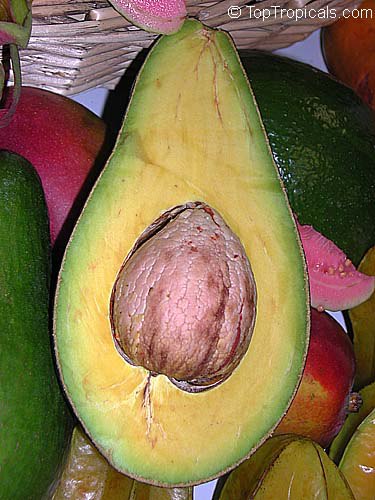
  • 🟢 Lula fruits are medium to large, pear-shaped, and sometimes feature a slender neck. Their skin is smooth, with a greenish tint, enclosing pale to greenish-yellow flesh. With a 12-16% oil content, the Lula offers a creamy, rich flavor that’s a delight in guacamole or straight from the fruit. The large, tightly held seed also makes it a reliable producer, minimizing seed sprouting issues during the harvest.

  • 🟢 The harvesting season runs from November to December, offering a long production window that stands out among other avocado varieties. Originally developed from a tree planted by Mrs. Lula Cellon in 1915 near Miami, this variety has proven its early bearing nature and heavy yields, making it ideal for both home gardeners and small orchard owners.

  • 🟢 If you're looking for an avocado tree that thrives in Central Florida's conditions, bears flavorful fruit, and can withstand the cold, Lula is your go-to! Just give it plenty of space to grow tall and enjoy years of delicious harvests.


📚 Learn more about Avocado varieties

🛒 Plant Avocado Lula

#Food_Forest #Avocado

🔴 Join 👉 TopTropicals

Date: 5 Jan 2025

Condo (Dwarf) Mango Practical Guide:
What varieties are good for container culture
or small yards

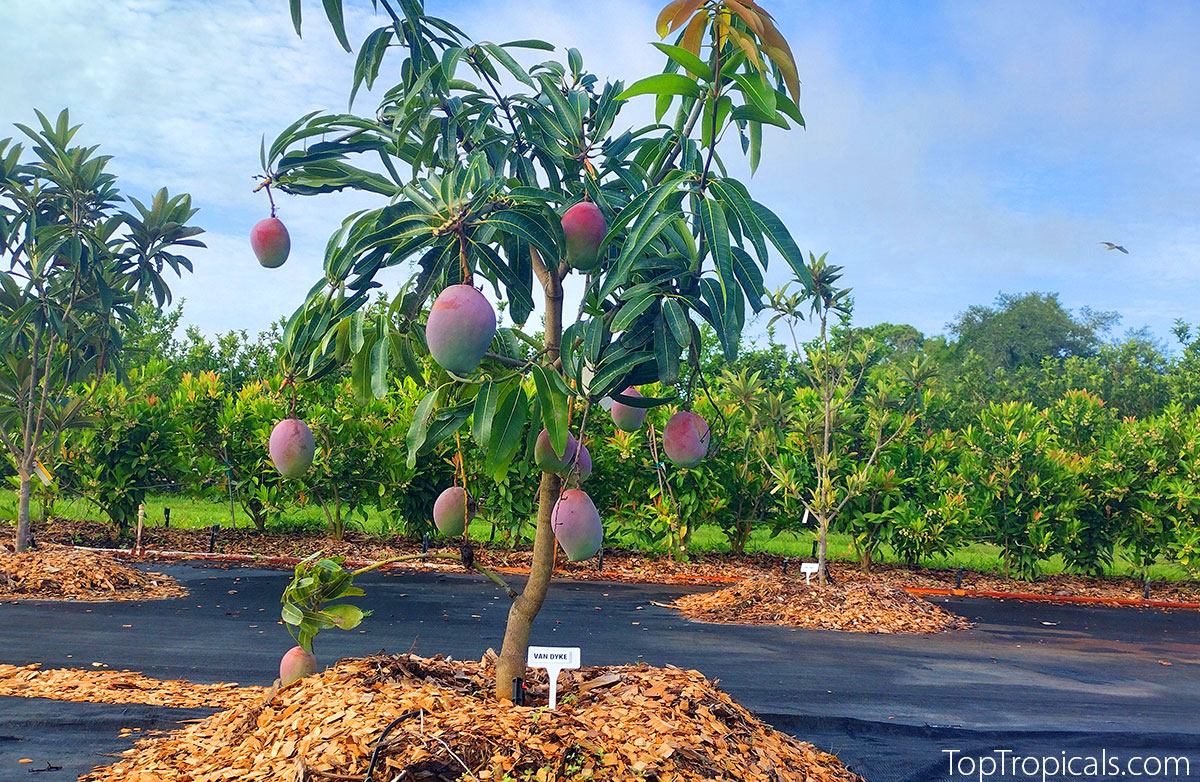
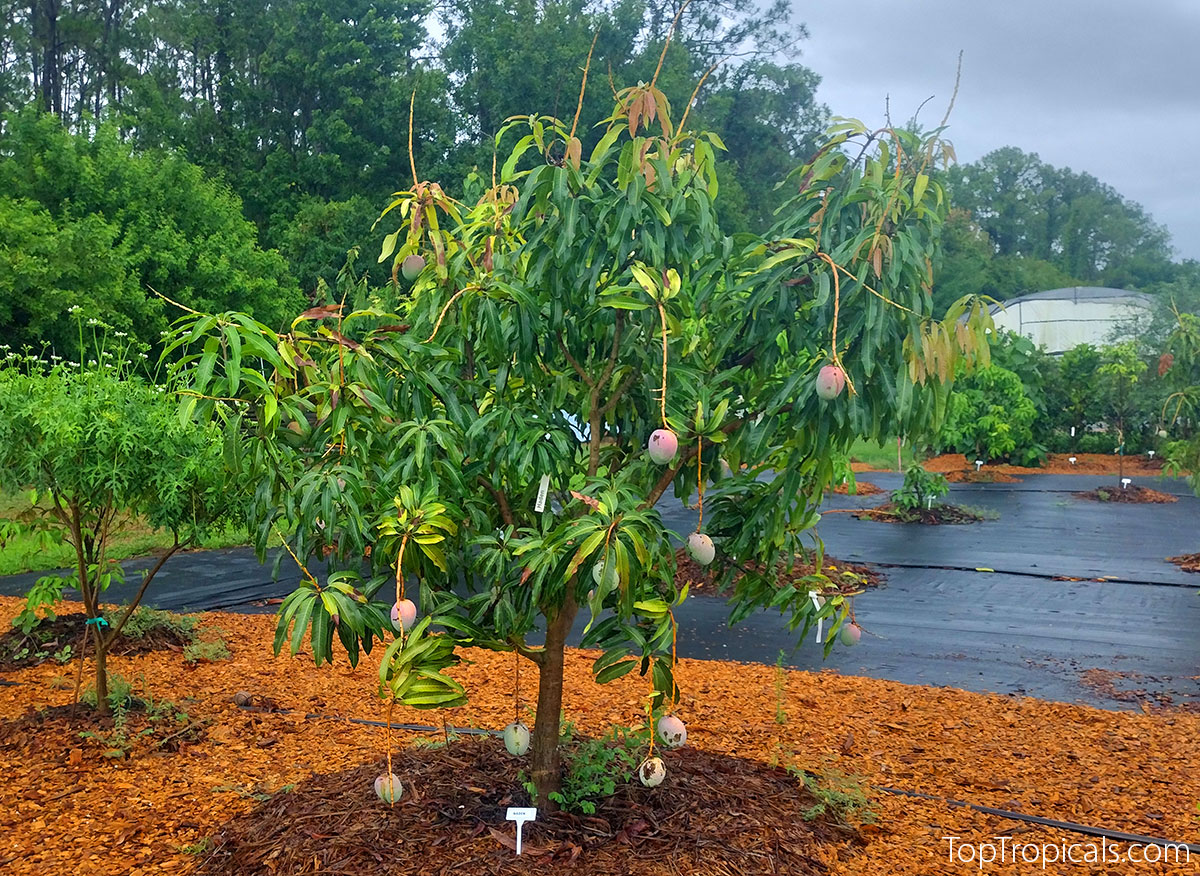
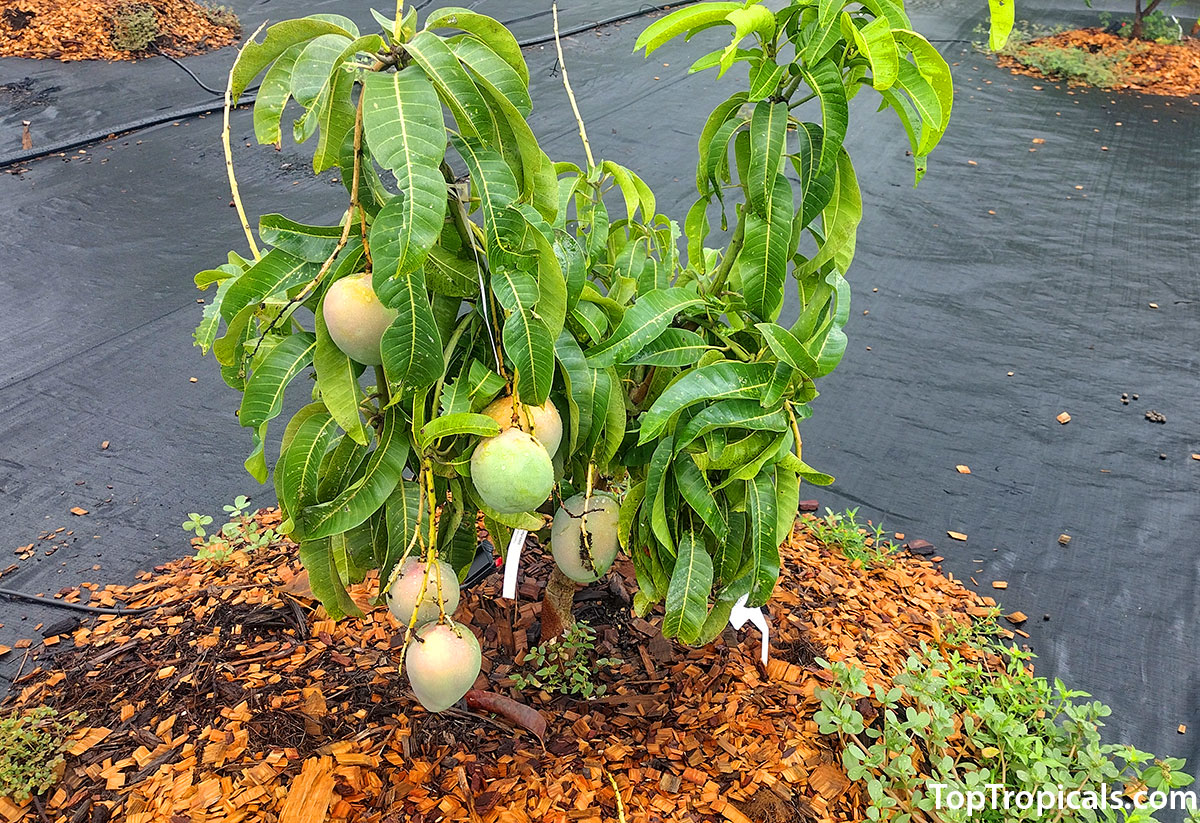
Condo  dwarf  mango  with  fruit

Q: "Our winters are too cold for a mango tree, but I'd like to grow one in a pot so I can bring it inside during cold nights. Which varieties do you recommend for container gardening? I've heard of Condo Mango - do you carry them?"

A: Yes, we always carry Condo Mango varieties: they are a fantastic choice for gardeners with limited space or in cooler climates. They grow well in containers and can be easily maintained through pruning. Whether you're growing them on a balcony, in a greenhouse, or in a backyard, Condo Mangos provide the perfect mix of beauty and practicality.

What Are Condo Mangos?

Condo Mangos, also known as dwarf mango trees, are perfect for small spaces. These trees can be grown in containers, making them ideal for balconies, greenhouses, or small suburban backyards. With proper care, they can be maintained at a manageable height of 6-10 feet through regular pruning. Some plant enthusiasts even manage growing Mango tree as an indoor plant!

The term Condo Mango

Condo Mango refers to mango varieties that thrive in containers and are small by nature, allowing them to be easily kept even smaller with selective pruning.

Size and Growth

Unlike traditional mango trees, Condo Mangos are compact. They naturally grow to around 6-10 feet, but with proper pruning, they can be kept small, making them an excellent choice for limited space.

Growing in Containers

- Condo Mango trees thrive in pots and containers.
- A 15-20 gallon pot is ideal to give the roots enough room to grow.
- Ensure your container has drainage holes to prevent root rot.

Planting Tips

- Plant Condo Mangos in full sun, where they'll get plenty of heat and light.
- Use well-draining soil for optimal growth.
- Fertilizer regularly with quality plant food. Out best choice is Sunshine Mango Tango for edibles. - Late Winter to early Spring is the best time to plant in containers, before the rainy season starts.
- Mangoes grow well in USDA zones 9-10, but if you live in cooler climates, you can grow them indoors or in a greenhouse, as long as you meet their heat and light needs.

Pruning and Maintenance

- Prune Condo Mango trees once a year to keep them at the desired height (6-10 feet), right after harvesting (late Summer to Fall)
- Trim the tips of the branches to maintain a compact shape and encourage healthy growth.
- Regular pruning will help keep the tree manageable and ensure better fruit production.

Learn more: Find out what are Top 10 Dwarf Condo Mango - great for container culture.

Condo  dwarf  mango  with  fruit

Condo  dwarf  mango  with  fruit