Garden Blog - Top Tropicals

Date: 31 Dec 2025

How to create privacy in your yard fast

Tropical Hydrangea - Dombeya x wallichii

🌸 How to create privacy in your yard fast

  • 🌸 Tropical Hydrangea - Dombeya x wallichii - really shines, if you need privacy in your garden fast!
  • 🌸 Dombeya is the fastest-growing flowering shrub you can plant. In just one season, it can turn an open space into a thick, leafy privacy screen. Large, heart-shaped tropical leaves fill in quickly, creating solid coverage long before slower hedges even get started.
  • 🌸 The bonus comes in winter, when the plant is covered in big, soft pink, hydrangea-like flower clusters that also attract bees and pollinators. It loves water and handles wet spots with ease, making it a great choice for Florida gardens and rainy summers.
  • 🌸 If you are looking for a fast, flowering solution for privacy in your garden, Dombeya is your hedge with benefits!


🛒 Plant Dombeya today and get pricacy right away

📚 Learn more:

Plant Facts

Dombeya wallichii, Dombeya x cayeuxii
Pink Ball Tree, Tropical Hydrangea
USDA Zone: 9-11
Large shrub 5-10 ft tallSmall tree 10-20 ftFull sunModerate waterPink flowersPlant attracts butterflies, hummingbirdsFragrant plant
  • Dombeya x wallichii in Plant Encyclopedia
  • What is the most popular Winter-flowering shrub?
  • 13 festive shrubs with bright flowers that bring color to your Winter Garden when everything else is dormant

  • #Hedges_with_benefits #Butterfly_Plants

    🟢 Join 👉 TopTropicals

    Date: 9 Jan 2026

    Expended effort

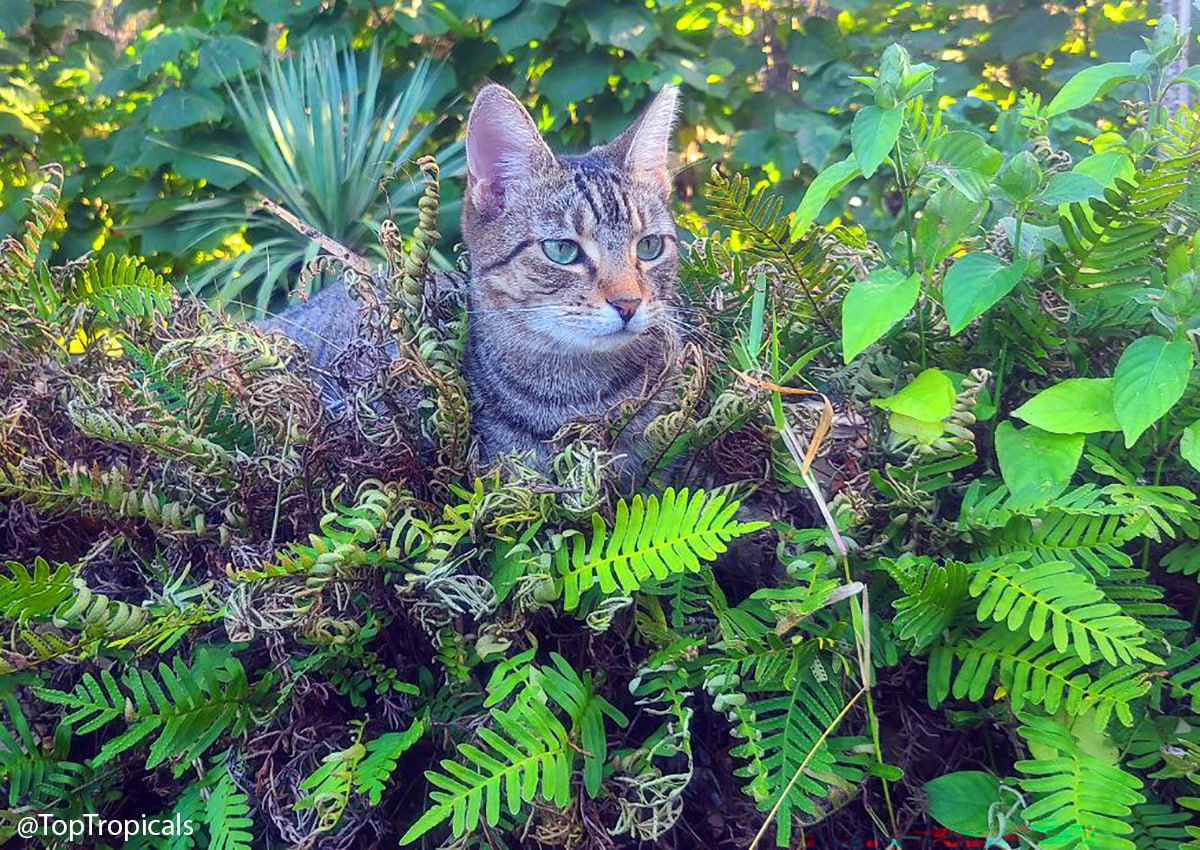
    Cat Persephone

    Cat Persephone

    🌳 Expended effort


    "A garden requires patient labor and attention. Plants do not grow merely to satisfy ambitions or to fulfill good intentions. They thrive because someone expended effort on them." - Liberty Hyde Bailey

    🐈📸 Cat Persephone, one of the garden watchers at PeopleCats.Garden 

    #PeopleCats #Quotes

    🟢 Join 👉 TopTropicals

    Date: 17 Jan 2026

    Ti plant leaf color meaning

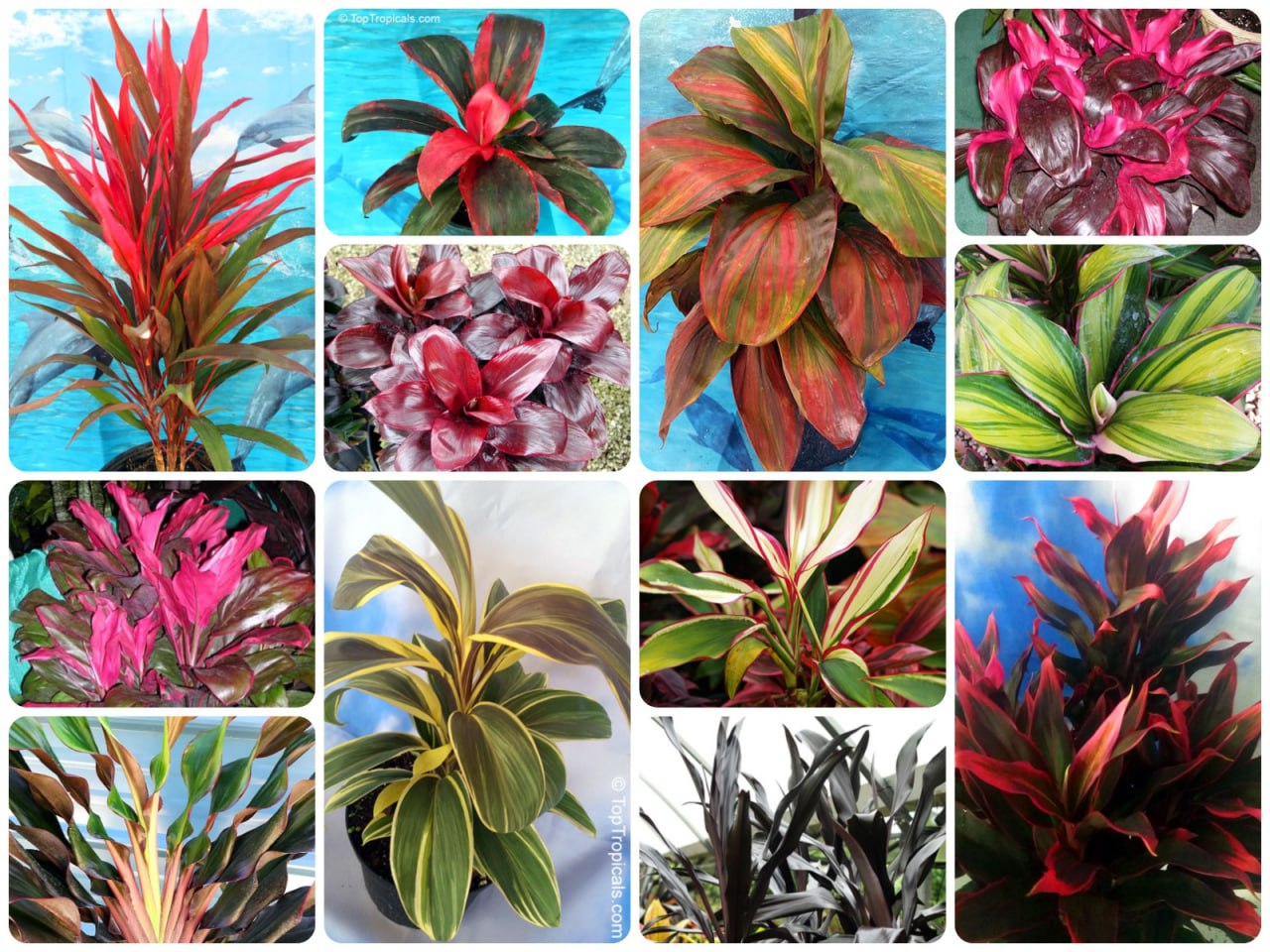
    Hawaiian Ti plant (Cordyline fruticosa)

    Hawaiian Ti plant (Cordyline fruticosa)

    🌈 Ti plant leaf color meaning


    The Hawaiian Ti plant (Cordyline fruticosa) is more than just a colorful tropical accent. Across Polynesian, Hawaiian, and Southeast Asian cultures, the color of ti plant leaves has long been associated with different meanings, moods, and uses - both symbolic and practical.
    • 🌈 Green leaves
    • Green ti plants are linked to peace, balance, and steady growth. Traditionally, they were planted around homes for protection and good fortune. In the garden, green varieties are usually the toughest and most shade-tolerant.
    • 🌈 Red and deep burgundy leaves
    • Red ti plants are associated with strength, power, and protection. In Hawaiian tradition, red ti leaves were believed to ward off negative energy and were often used in ceremonies. Garden-wise, deeper reds usually mean more sun exposure and stronger pigmentation.
    • 🌈 Pink, magenta, and multicolor leaves
    • These colorful ti plants symbolize joy, celebration, and creativity. They are often used as ornamental focal points and in festive plantings. Variegated and pink types tend to prefer brighter light to keep their colors sharp.
    • 🌈 Purple and dark-toned leaves
    • Purple ti plants are linked to mystery, spirituality, and transformation. Their dramatic color comes from high anthocyanin levels and usually intensifies in bright light with good nutrition.
    • 🌈 Yellow or light variegation
    • Yellow tones often represent optimism and new beginnings. Plants with lighter variegation may grow a bit slower and need protection from harsh sun, but they add a softer contrast in tropical landscapes.
    • 🌈 One practical note
    Leaf color is influenced not just by variety, but also by light, temperature, and nutrition. Fading color usually means too little light or depleted soil, while rich, bold tones signal a happy plant.

    Ti plant colors tell a story - part cultural tradition, part plant health, and part personal style in your garden.

    🛒 Ti plants rainbow: collect them all

    📚 Learn more:

    Plant Facts

    Cordyline fruticosa, Cordyline terminalis
    Hawaiian Ti Leaf
    USDA Zone: 9-11
    Large shrub 5-10 ft tallSmall plant 2-5 ftSemi-shadeShadeFull sunRegular waterOrnamental foliageUnusual colorPink flowersSubtropical plant. Mature plant cold hardy at least to 30s F for a short time
  • Cordyline fruticosa in Plant Encyclopedia
  • Ti plant: bold color, easy care
  • Color that lasts year-round

  • #Container_Garden #Hedges_with_benefits #Shade_Garden #Discover #Horoscope

    🟢 Join 👉 TopTropicals

    Date: 28 Jan 2026

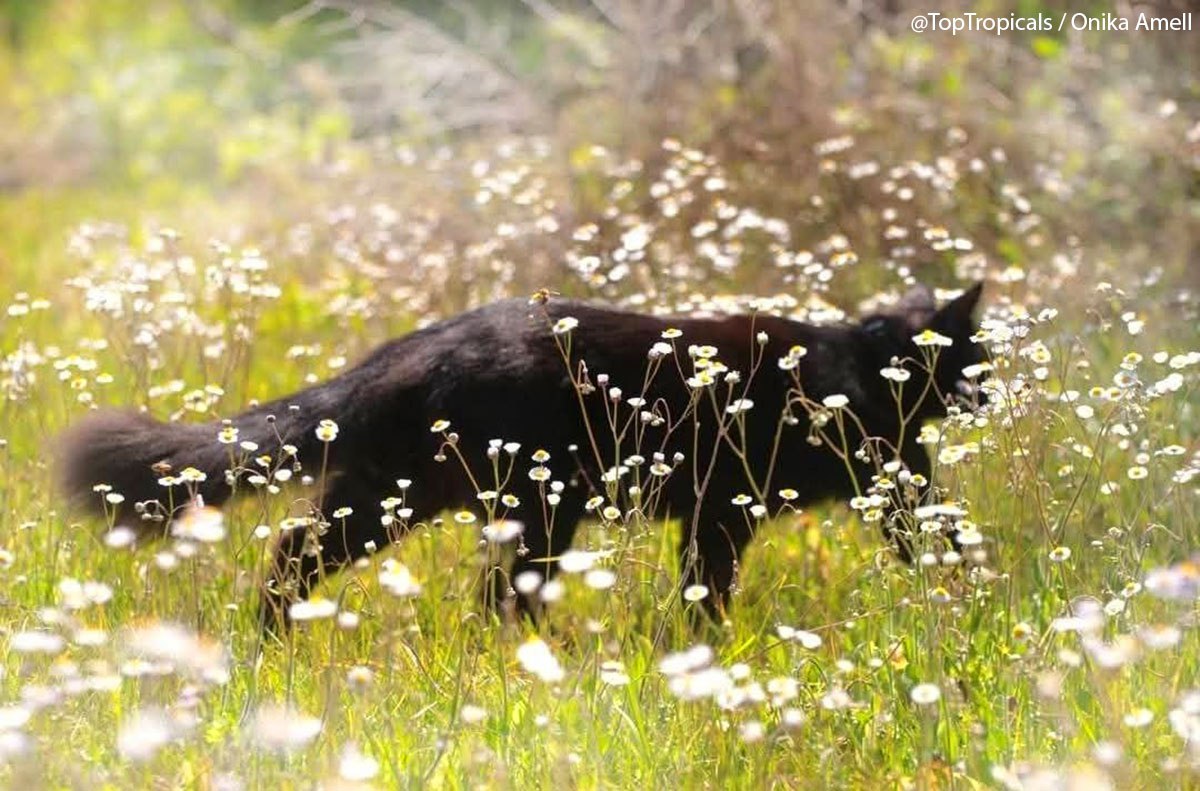
    Cat Donald in the garden

    Onika's cat Donald

    Onika's cat Donald

    🕺 Onika's cat Donald


    🐈📸 Meet Onika's cats from TopTropicals PeopleCats.Garden:
    This is Donald (last name is Trump - it is what it is). Donald is patrolling the yard constantly to make sure everyone is safe.

    #PeopleCats

    🟢 Join 👉 TopTropicals

    Date: 8 Feb 2026

    How to grow Chinese Hat Flower

    Holmskioldia sanguinea - Chinese Hat Flower

    🎩 How to grow Chinese Hat Flower - when winter colors most needed

    • The Holmskioldia sanguinea, better known as the Chinese Hat Flower, gets its name honestly. Each bloom looks like a tiny hat or parasol - a little tube backed by a flat, round disc. Once you notice it, you cannot unsee it!
    • What really makes this plant special is when it blooms. While most gardens slow down, Chinese Hat Flower kicks into gear from winter through early spring. The branches fill with flowers first, and the leaves follow later. It is one of those plants that quietly steals the show when everything else is taking a break.
    • More than one color


      Most people know the classic red form, but there are several color varieties worth mentioning:

    🔴 Red - the most common and bold
    🟡 Yellow - Holmskioldia citrina, bright and cheerful, harder to find
    🟠 Bronze / orange-bronze - warm tones that glow in winter light
    Having different colors makes it easy to mix them or use just one as a winter focal point.
    • How it grows and where it works best


      Chinese Hat Flower is a fast-growing, scrambling shrub. It is not stiff or formal. Think loose, graceful branches that like support. It does great when trained on:

    · Trellises
    • · Fences
    • · Arbors
    • · Large containers with a support
    • · You can also let it grow as a free-form shrub and lightly prune to keep it tidy.


    Care, the practical version

    • · Light: Full sun to light shade
    • · Water: Regular watering, especially while establishing
    • · Soil: Well-drained, not picky
    • · Pruning: After flowering to shape and encourage new growth
    Once established, it is easygoing and forgiving.

    Bonus points

    • · Blooms when the garden needs color most
    • · Attracts butterflies and hummingbirds
    • · Works as a flowering screen or accent plant
    • · Looks tropical without being high-maintenance

    If you like plants that earn their space and do something interesting in winter, Chinese Hat Flower is one to keep in your garden.

    🛒 Explore varieties of winter-blooming Chinese Hats

    📚 Learn more:

    Plant Facts

    Holmskioldia sanguinea
    Chinese hat, Cup and Saucer, Parasol Flower, Mandarins hat
    USDA Zone: 9-11
    Large shrub 5-10 ft tallVine or creeper plantSemi-shadeFull sunKeep soil moistRed, crimson, vinous flowersPlant attracts butterflies, hummingbirdsSubtropical plant. Mature plant cold hardy at least to 30s F for a short timeSeaside, salt tolerant plant
  • · Holmskioldia - Chinese Hat - in Plant Encyclopedia
  • · This is the bush you should let flower for you: Chinese Hat is in bloom
  • · Why is it called Chinese Hat Flower
  • · Colorful varieties of Holmskioldia sanguinea - Chinese Hat Flower
  • · 13 festive shrubs with bright flowers that bring color to your Winter Garden when everything else is dormant
  • · Ten shrubs you need to have for winter colors

  • #Butterfly_Plants #How_to #Hedges_with_benefits

    🟢 Join 👉 TopTropicals