Date: 6 Apr 2026
Adenium rainbow - pink in every shade
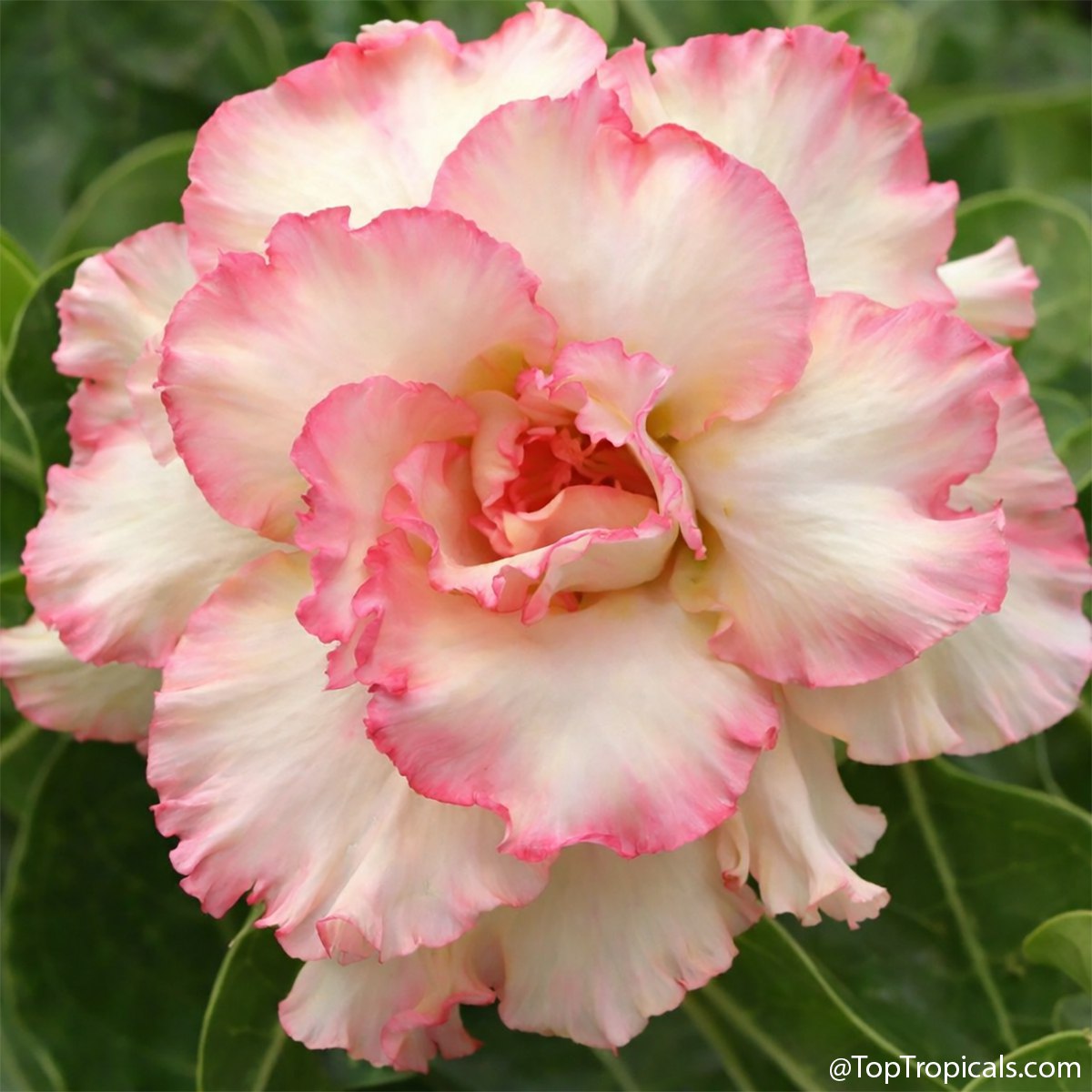
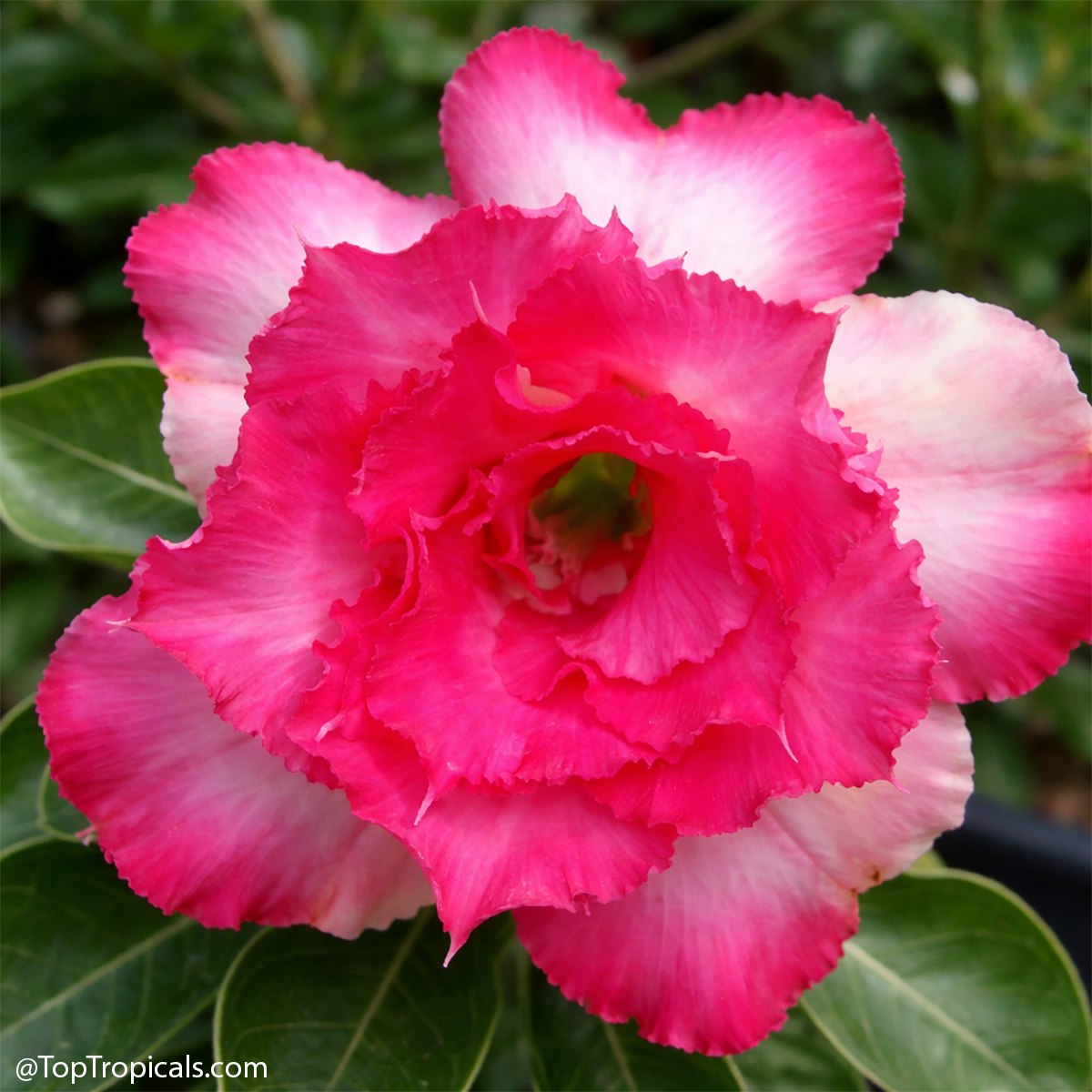
Adenium rainbow - pink in every shade 🌈
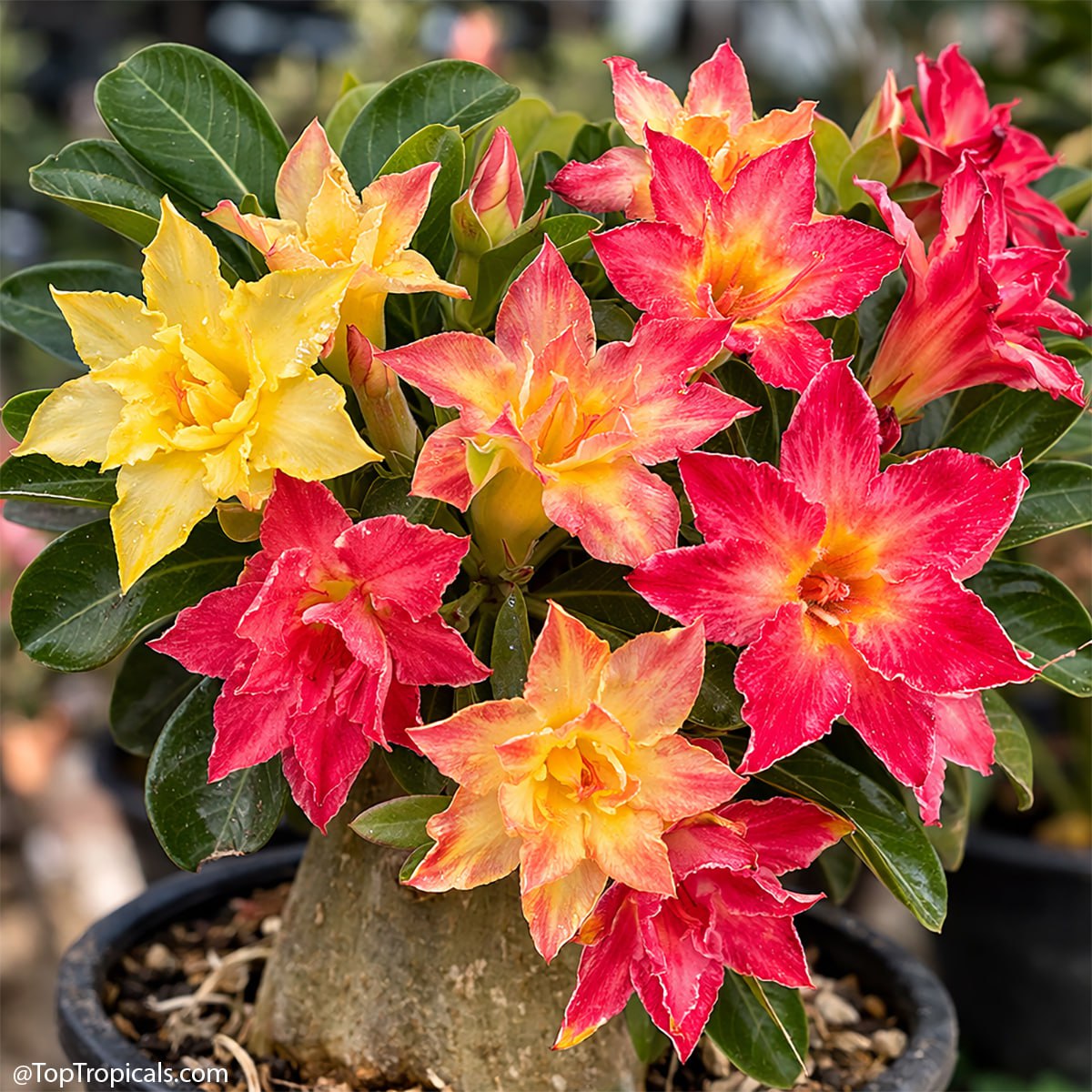
Some adeniums go bold, and some stay soft and classic.
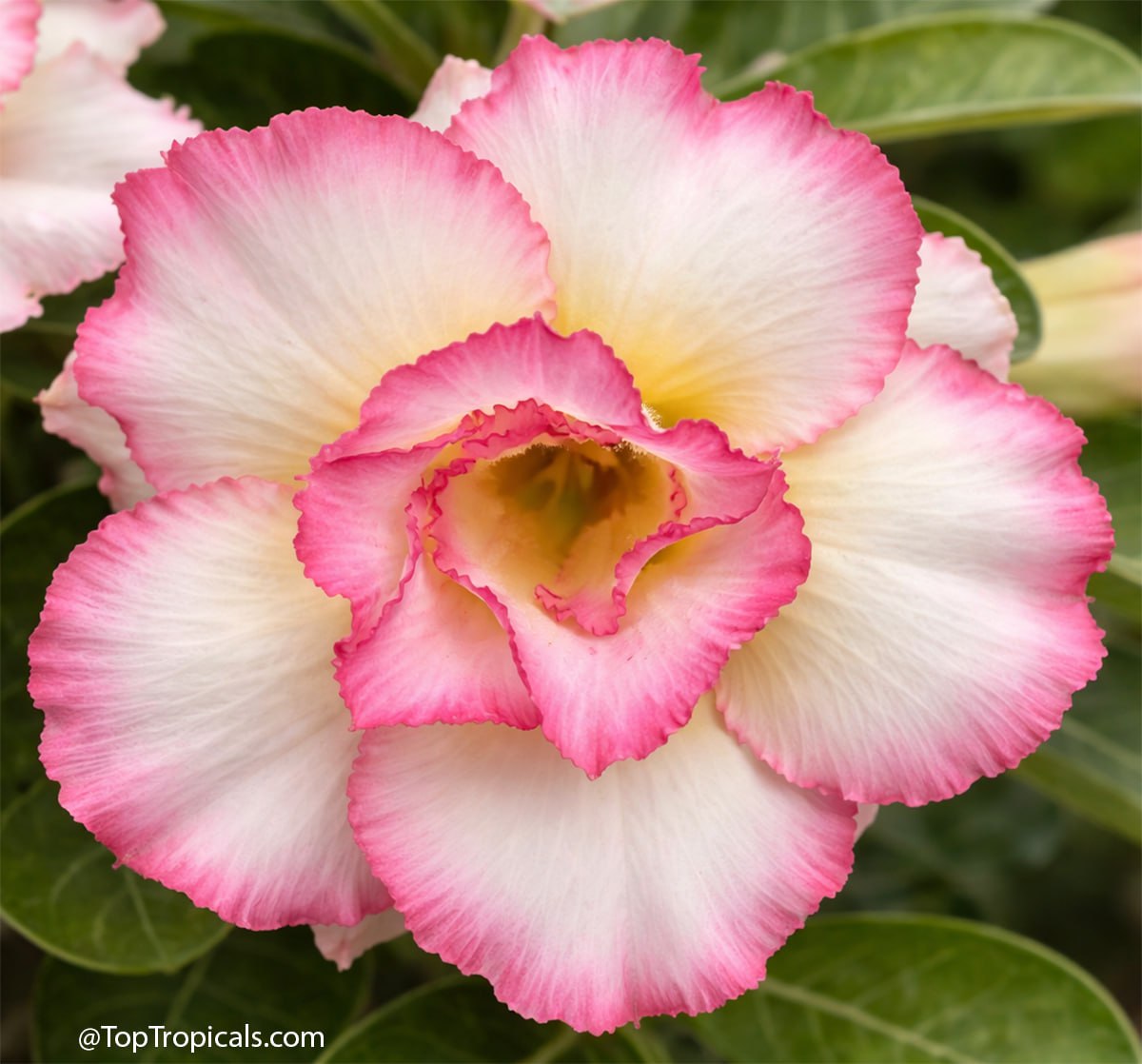
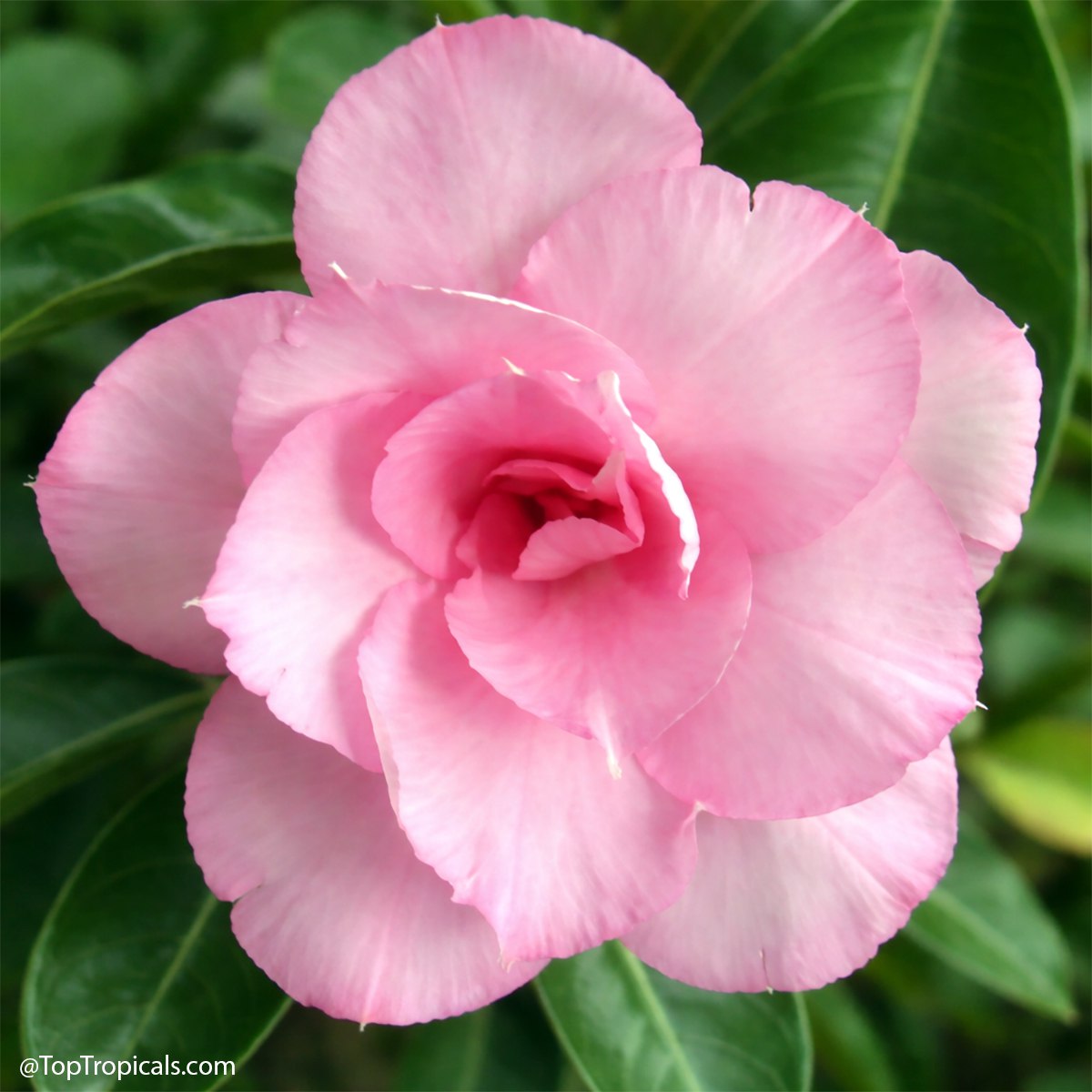
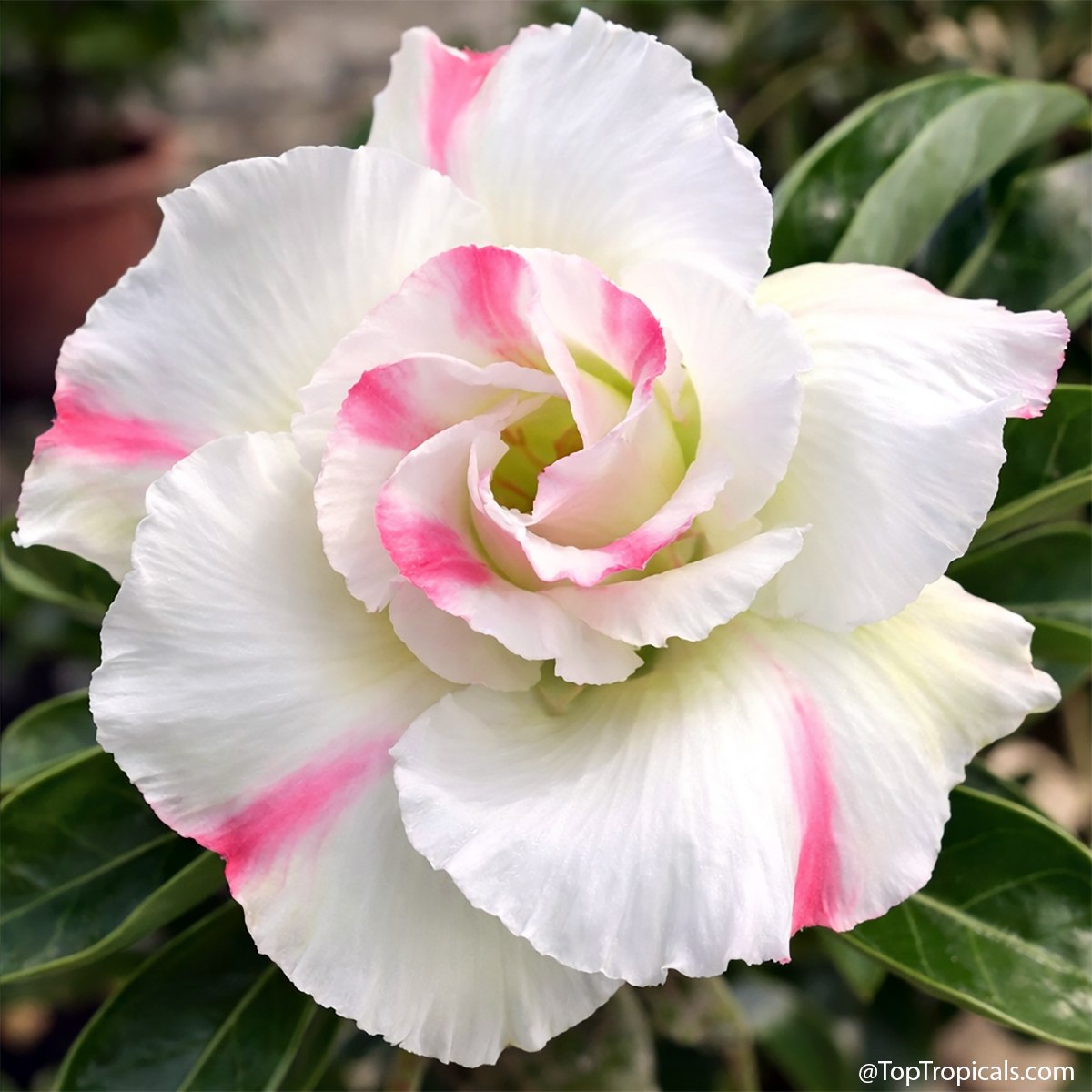
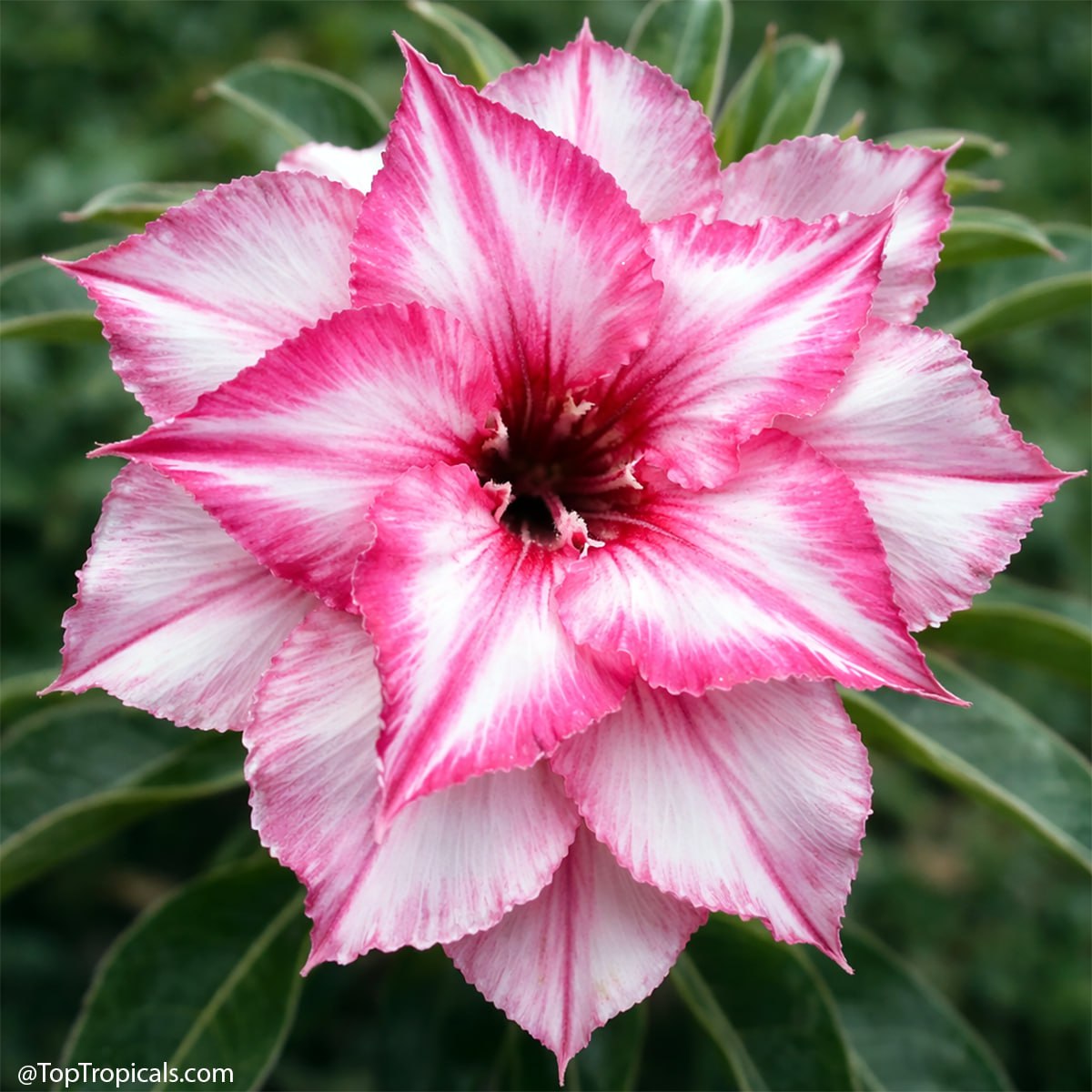
This set is all about pink - from light and delicate to rich and bright. Simple at first glance, but full of subtle differences once you look closer.
You can grow adeniums from seeds, and it’s the only way to get that naturally swollen caudex from the start.
Seedlings develop a nice base, but they take time - usually 2–3 years before blooming.
There’s also a catch: seed-grown plants don’t come true to type. Most will turn into simple pink flowers, no matter what the parent looked like.
That’s why named varieties are grafted. A selected variety is grafted onto a seed-grown plant with a developed caudex - so you get both the shape and the exact flower you want.
Pink may look simple - but once you line them up like this, you realize how different each one really is.
And somehow, there’s always room for one more pink!
🛒 Explore Exotic Thai Adeniums


· Adenium varieties in Plant Encyclopedia
· About #Adenium Rainbow - fantastic varieties
· Dark tones that don’t look real. Secret of a Big Caudex.
· Variegated and impossible to ignore adeniums that change your collection. Soil tips.
· We picked 6 adeniums - you’ll probably want all 6. Soil and Watering tip.
· A few adeniums you don’t want to miss. Trimming tip.
· The adenium colors everyone is talking about right now. Light tips for hot climates.
· Adenium rainbow: these 6 will pull you in. Fertilizing tips.
· How to start your dream collection: before you start
· How to grow a happy Adenium
#Container_Garden #Adeniums #How_to #Discover
🟢 Join 👉 TopTropicals
Some adeniums go bold, and some stay soft and classic.
This set is all about pink - from light and delicate to rich and bright. Simple at first glance, but full of subtle differences once you look closer.
💡 Growing from seed vs grafted Adeniums
You can grow adeniums from seeds, and it’s the only way to get that naturally swollen caudex from the start.
Seedlings develop a nice base, but they take time - usually 2–3 years before blooming.
There’s also a catch: seed-grown plants don’t come true to type. Most will turn into simple pink flowers, no matter what the parent looked like.
That’s why named varieties are grafted. A selected variety is grafted onto a seed-grown plant with a developed caudex - so you get both the shape and the exact flower you want.
🌸 Today's featured adeniums
- ✦ Uncle Tu: Soft pink tones with a clean, balanced bloom.
- ✦ Leela: Gentle pink shades with a refined, elegant look.
- ✦ Ploy Nappan: Named like a jewel - layered pink tones with depth.
- ✦ Pratuma: Classic pink form with a smooth, rounded shape.
- ✦ Snow White: Very light, almost white bloom with a soft pink touch.
- ✦ Talab Phet: Richer pink with a slightly deeper, more intense tone.
Pink may look simple - but once you line them up like this, you realize how different each one really is.
And somehow, there’s always room for one more pink!
🛒 Explore Exotic Thai Adeniums
📚 Learn more:
#Container_Garden #Adeniums #How_to #Discover
🟢 Join 👉 TopTropicals


 Practical Planting Advice