Date: 16 Jun 2026
💜 The Tree Everyone Stops to Take Pictures Of
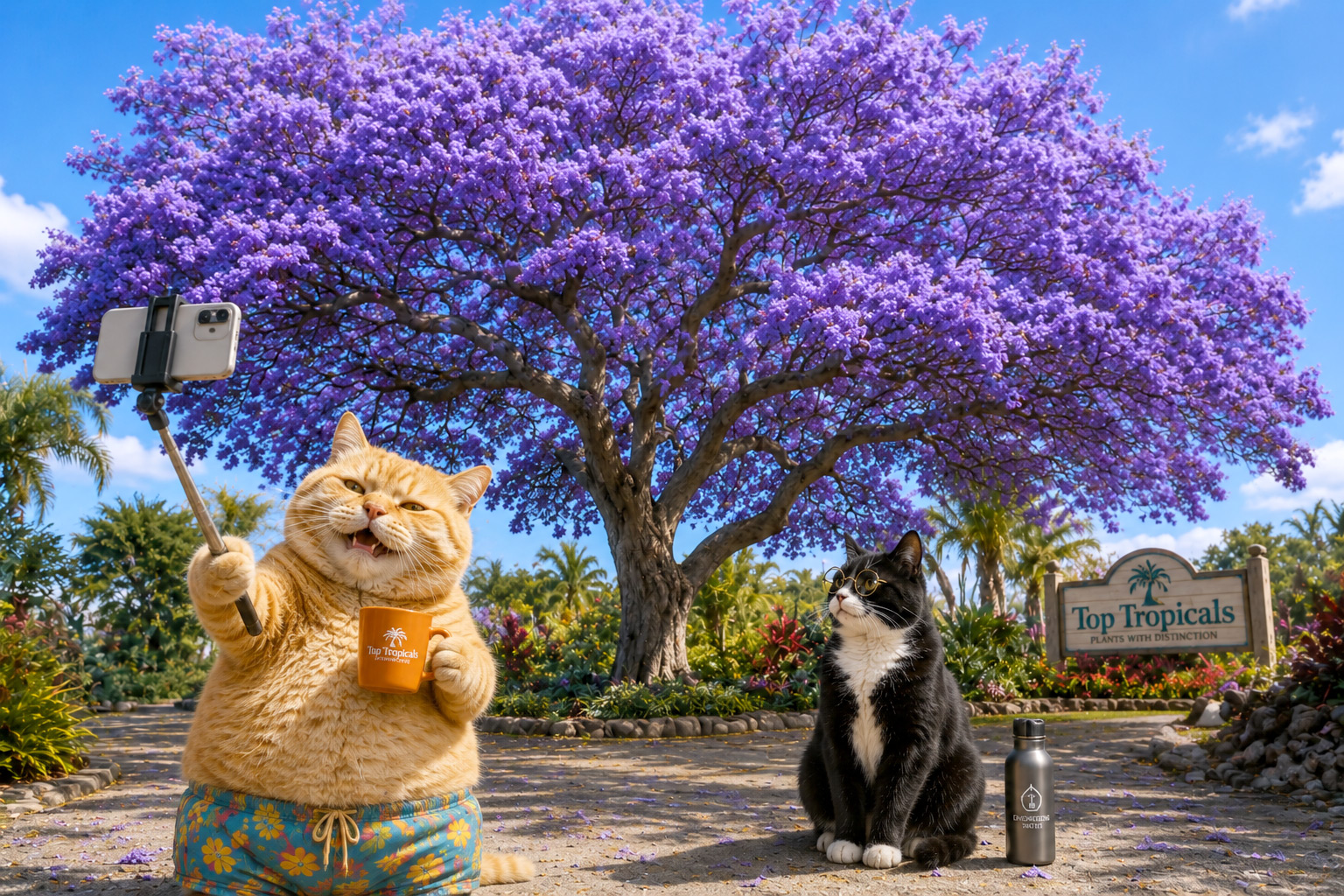
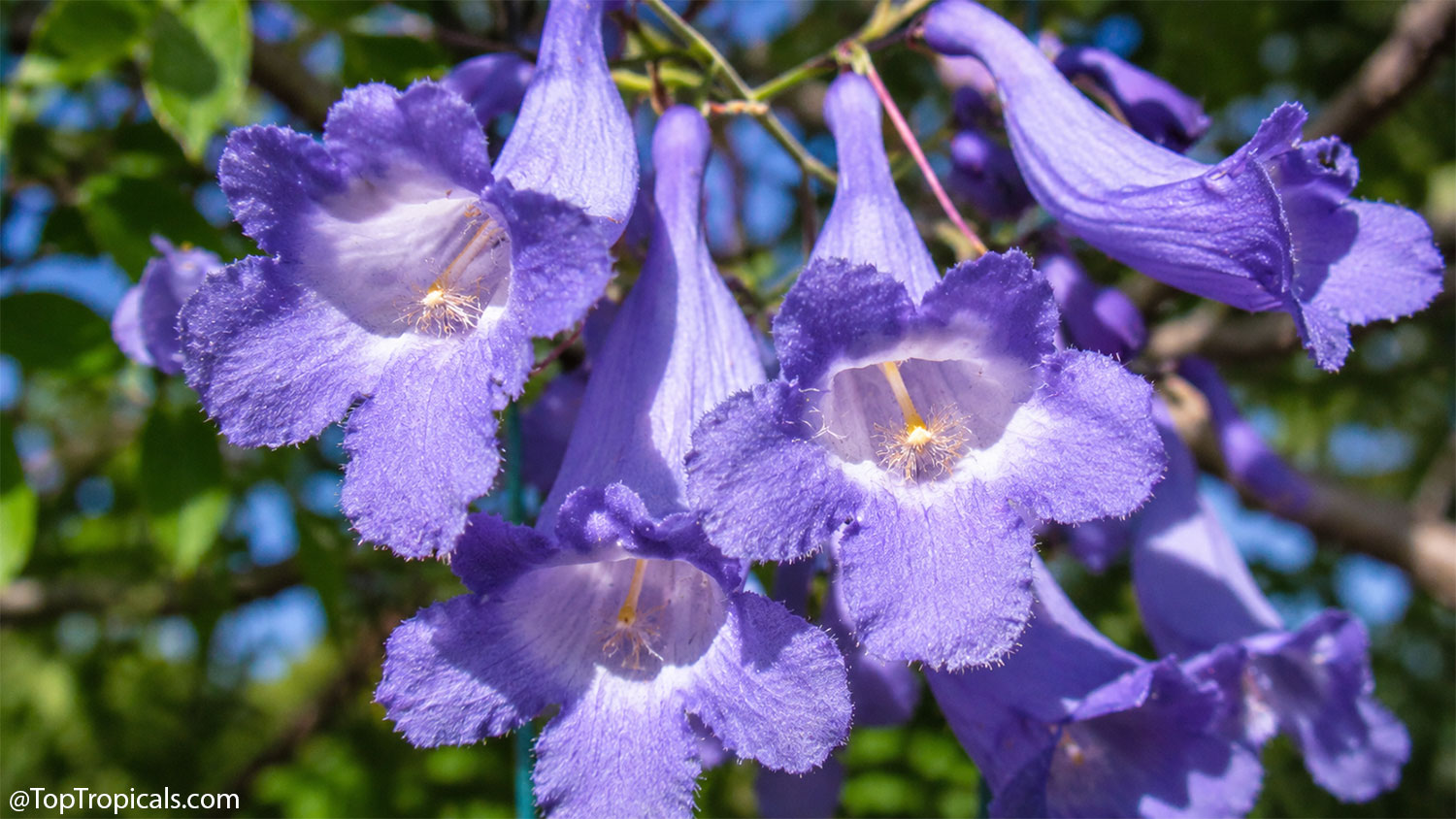
Smokey: That's because you're photographing a Jacaranda at peak bloom.
Sunshine: I think the purple brings out my orange.
Smokey:The Jacaranda makes everything look better.

There's a moment, if you've never seen a mature Jacaranda in full bloom, that stops you completely.
You're driving down a street, or walking through a neighborhood you've passed through a hundred times, and suddenly there it is — a tree that looks like someone painted it from memory rather than from life. The canopy spreads wide and low, covered so thoroughly in lavender-blue flower clusters that you can barely see the branches beneath. People are already stopped on the sidewalk. Someone has their phone out. A couple is standing beneath it, looking up.
You understand immediately why they stopped. You stop too.
That first encounter with a Jacaranda mimosifolia in bloom is the kind of thing gardeners remember for years. It's also, for many of them, the moment they decided they needed one.
💜 The Tree That Turns Cities Purple
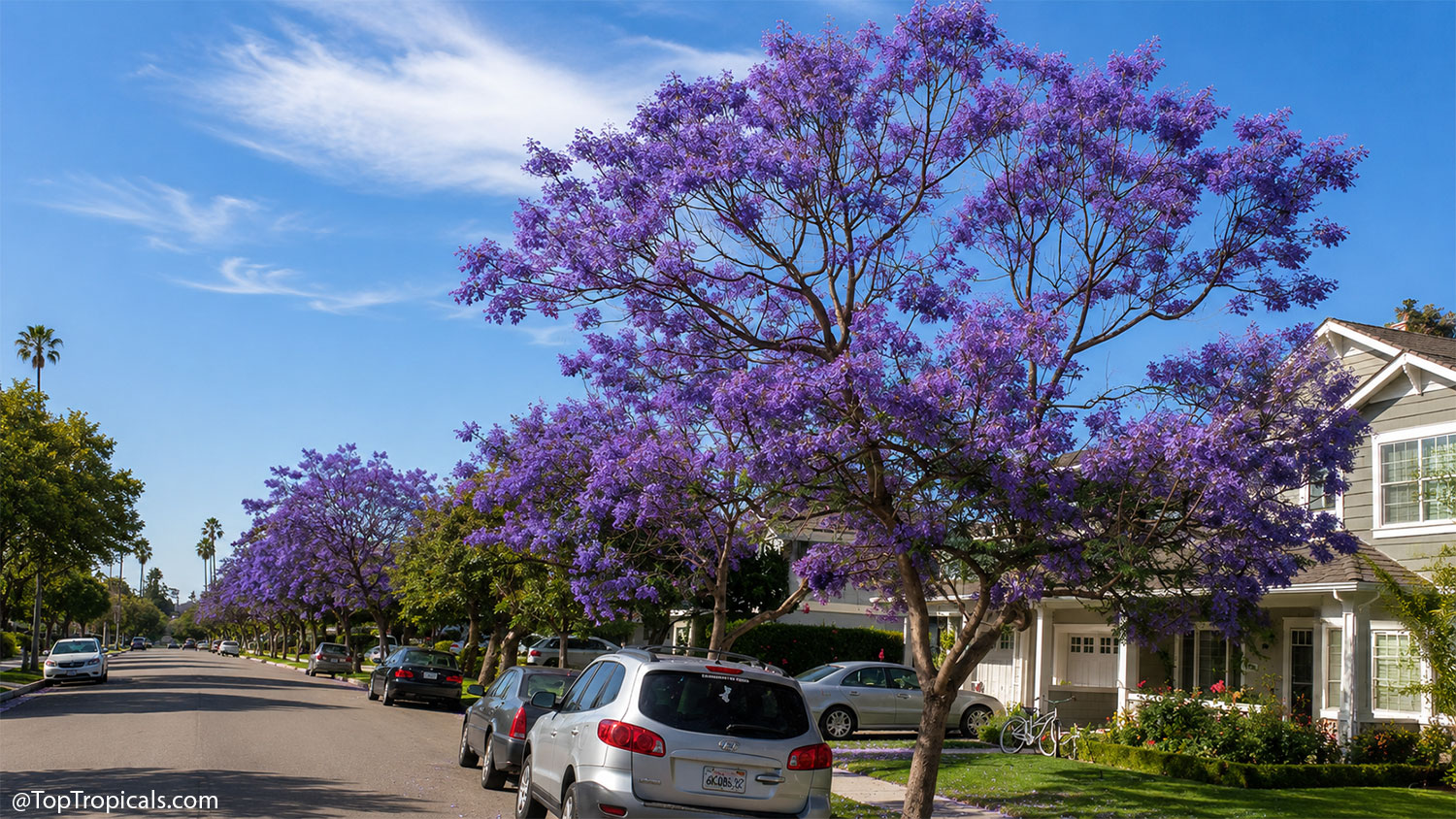
Most flowering trees get admired. Jacarandas become events.
Pretoria, South Africa is known worldwide as "Jacaranda City." During bloom season, entire neighborhoods seem to disappear beneath a haze of lavender-blue flowers.
Buenos Aires, Sydney and Brisbane have their own Jacaranda traditions. In Southern California, mature Jacarandas are so anticipated that bloom season regularly fills social media with photos of purple-lined streets and neighborhoods.
People don't merely grow Jacarandas. They wait for Jacaranda season. There's something unusual about a tree that generates that kind of anticipation. Most ornamental trees are appreciated in passing. Jacaranda creates a ritual.
💜 A Tree Surrounded by Legends
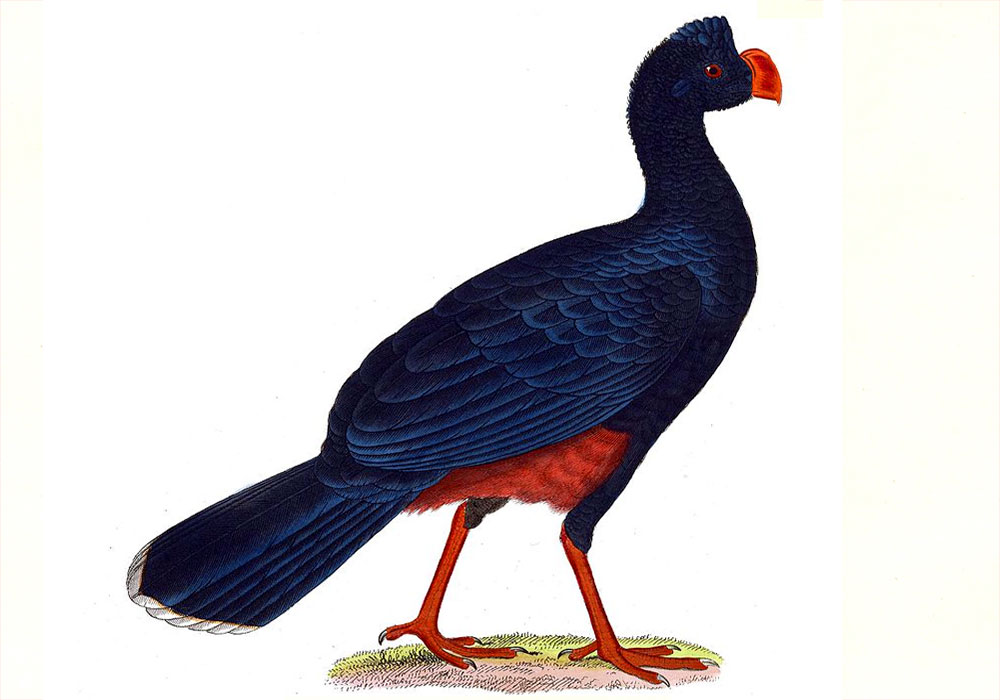
In Tupi-Guarani tradition, Mitu, a great forest bird, carried the Daughter of the Moon from the heavens and placed her in a flowering Jacaranda tree. She descended among the people, bringing wisdom and knowledge before returning to the sky.
Few trees become part of local folklore. Fewer still become part of everyday life across multiple continents.
💜 Beautiful Beyond Bloom
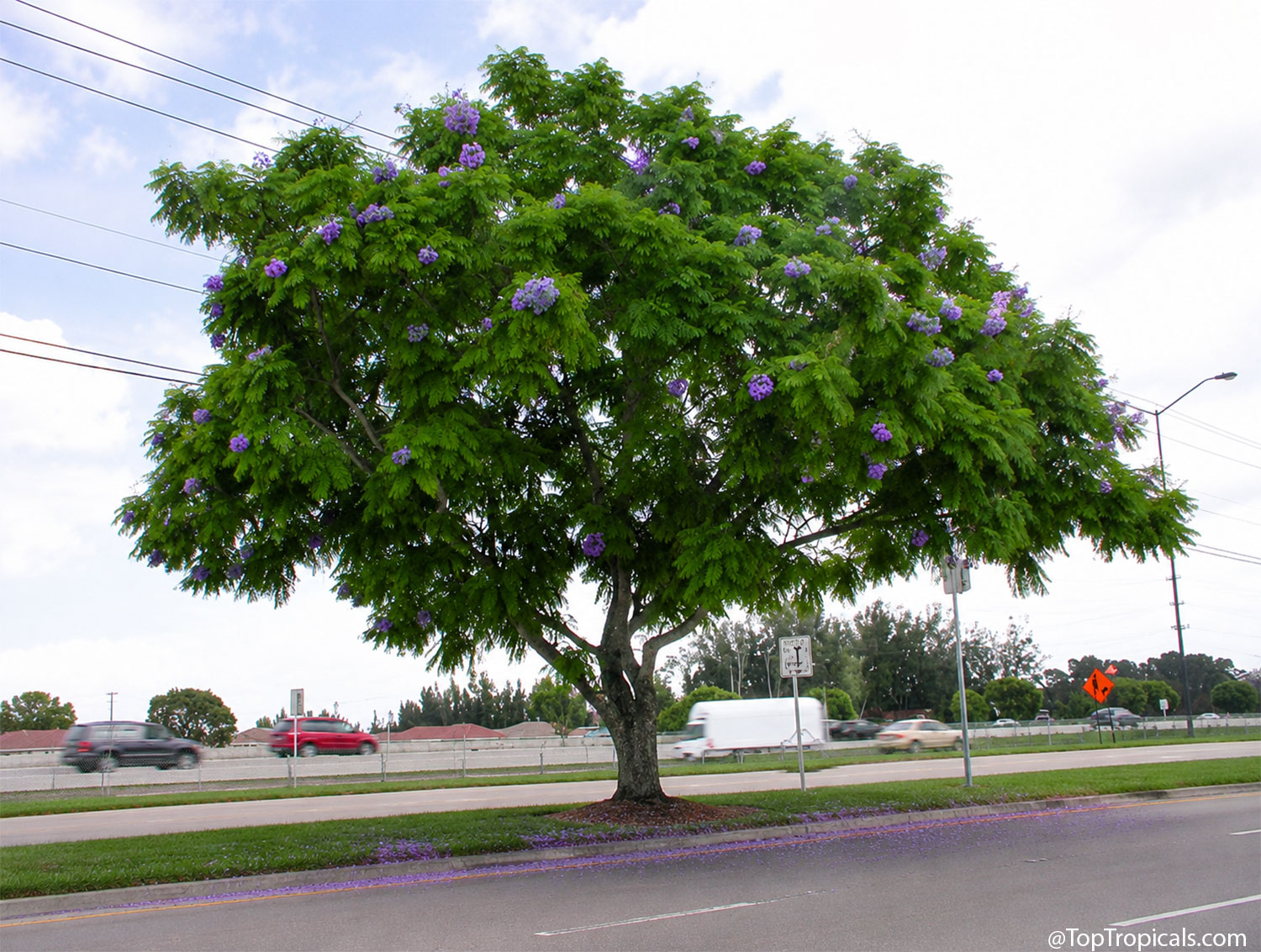
Here's what surprises people who plant their first Jacaranda: they love it even when it isn't flowering.
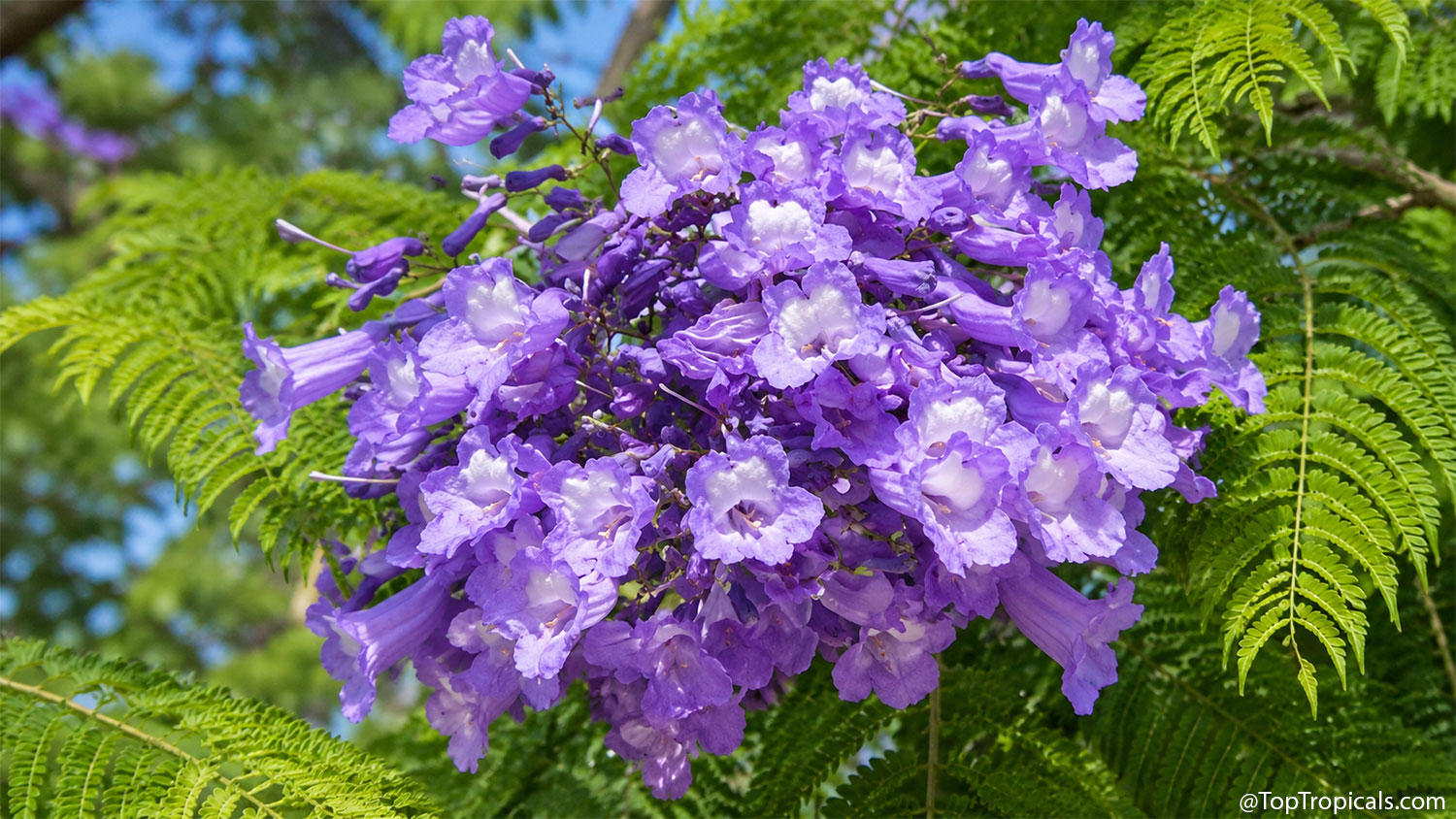
The foliage is finely divided and fern-like, giving the tree a delicate, airy texture that softens any landscape. The branching structure is naturally graceful, spreading wide with a canopy shape that looks considered rather than accidental. The light that comes through the leaves is gentle and dappled — the kind of shade that doesn't feel heavy, that lets enough brightness in to make the space beneath feel pleasant rather than dim.
💜 Mature Size
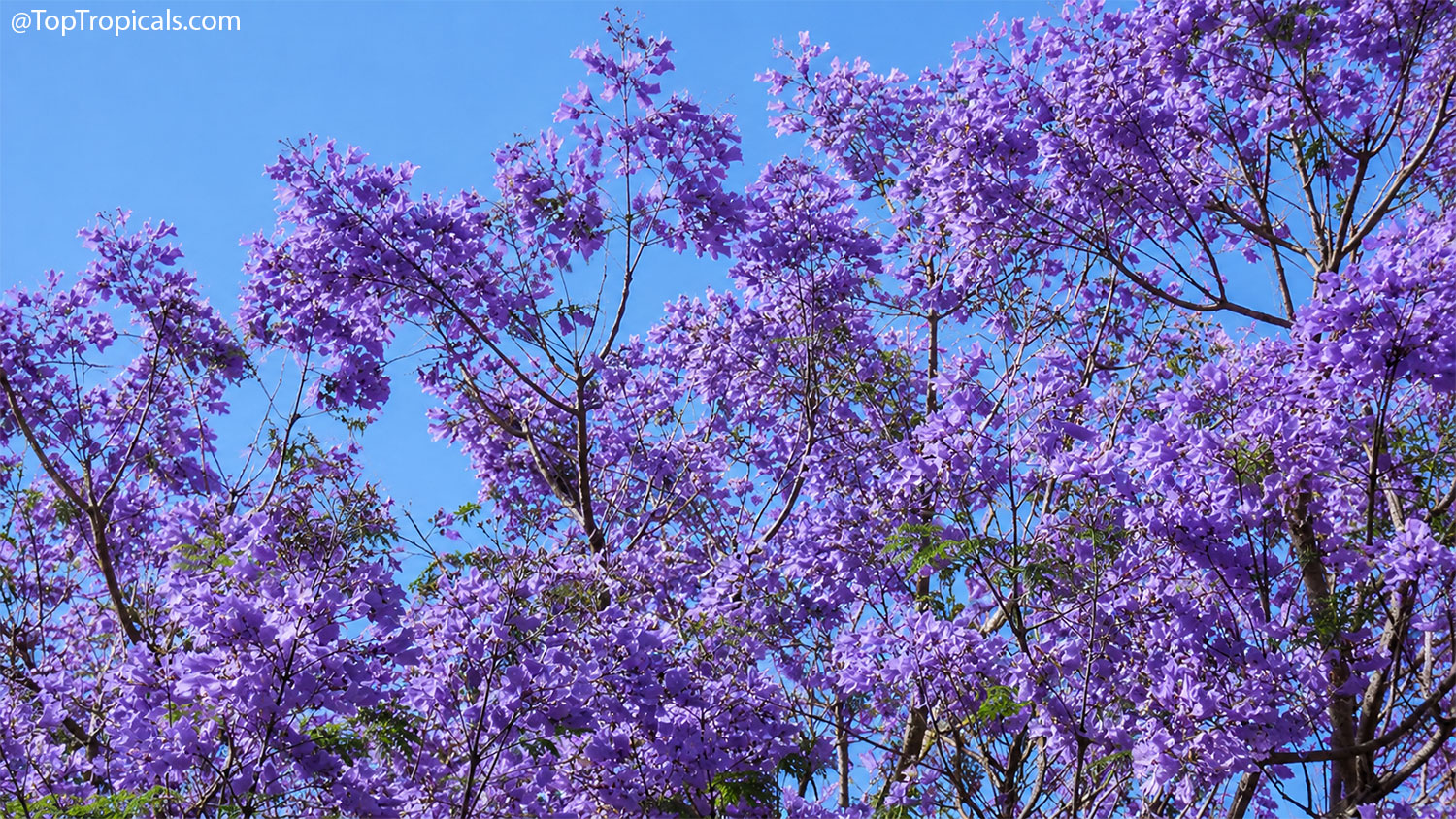
A mature Jacaranda typically reaches 25 to 30 feet tall with a broad, spreading canopy of similar width. Given room to grow, it becomes a true focal point in the landscape.
That size is the point. A Jacaranda works beautifully as a specimen tree where you have room to let it express itself fully. It makes an excellent lawn tree, its canopy casting light shade over a wide area. Planted where it can be seen from a distance, it becomes a focal point in any season and a spectacle during bloom.
If you want a tree that will grow into something people notice — something that will still be there and still be blooming long after you've finished planting the rest of the garden — Jacaranda delivers.
 How to Grow
Jacaranda
How to Grow
Jacaranda
For best results, provide:
- Full sun
- Best planted away from sidewalks and driveways
- Well-drained, sandy loam; highly sensitive to waterlogged or heavy clay soils
- Regular watering while establishing
- Moderate watering once mature
- A balanced fertilizer during the growing season
- USDA Zones: 9B – 11. Can tolerate brief, light frosts once mature. Protect from cold while young
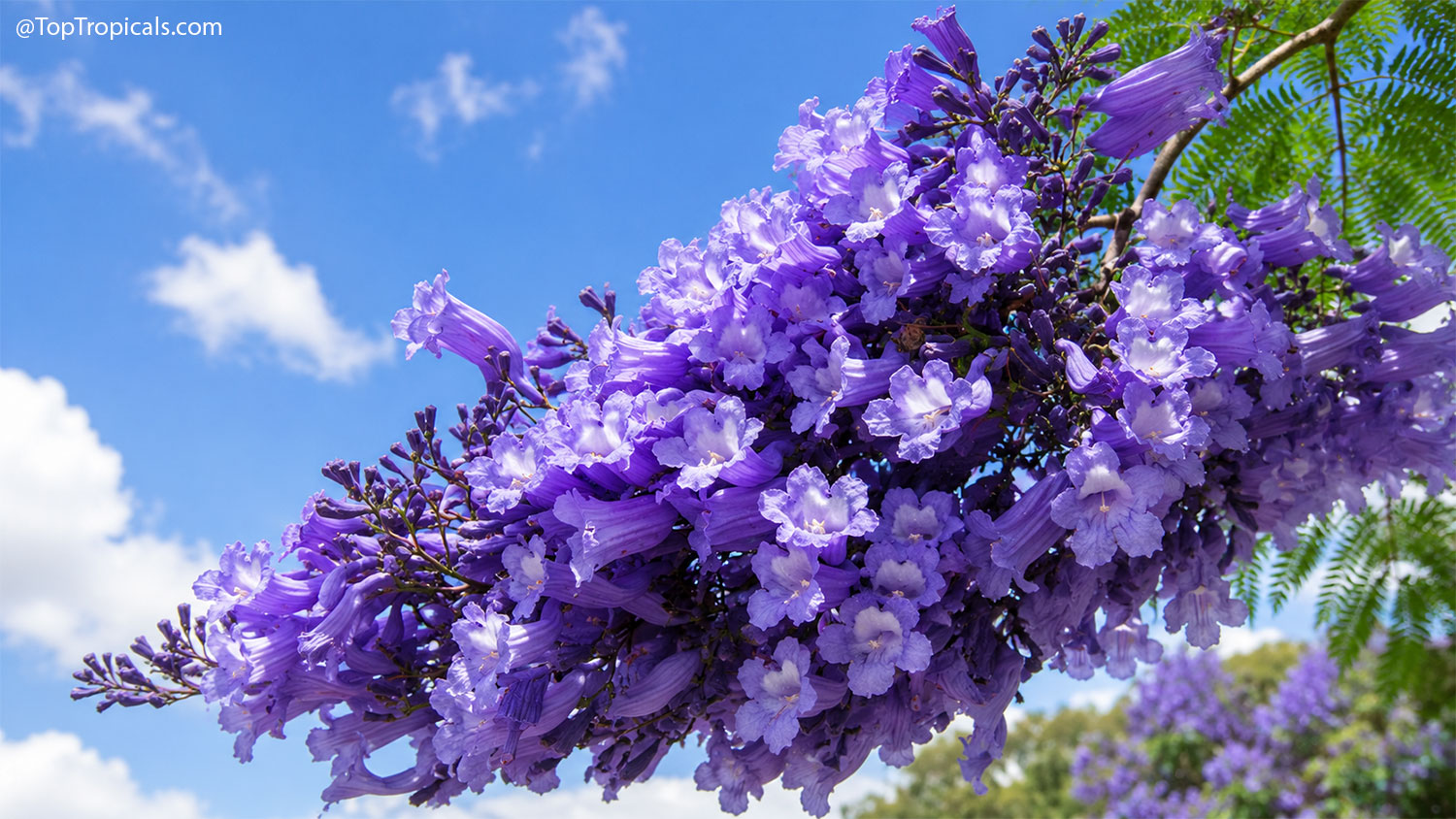
Bloom season: Late Spring to Early Summer (Main flush), occasional light scattered bloom in Fall. As the flowers fall, they often create a colorful purple carpet beneath the canopy, extending the display from the branches to the ground below.
In warm climates such as South Florida, coastal Southern California, and Hawaii, Jacaranda can become a long-lived landscape tree that provides shade, beauty, and spectacular seasonal blooms for decades.
Top Tropicals Tip:
To help young trees get established quickly, consider using
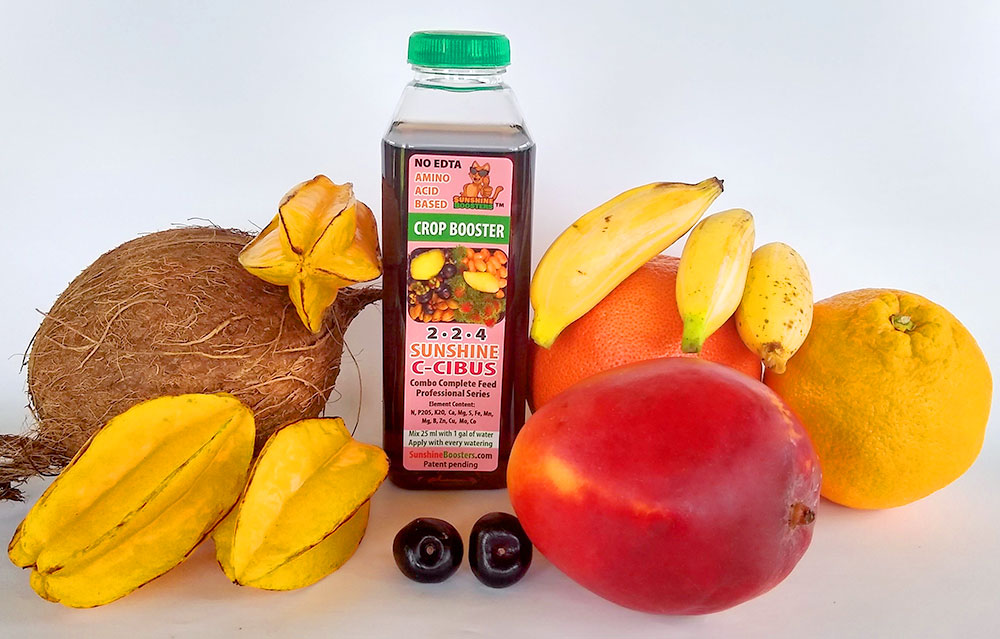
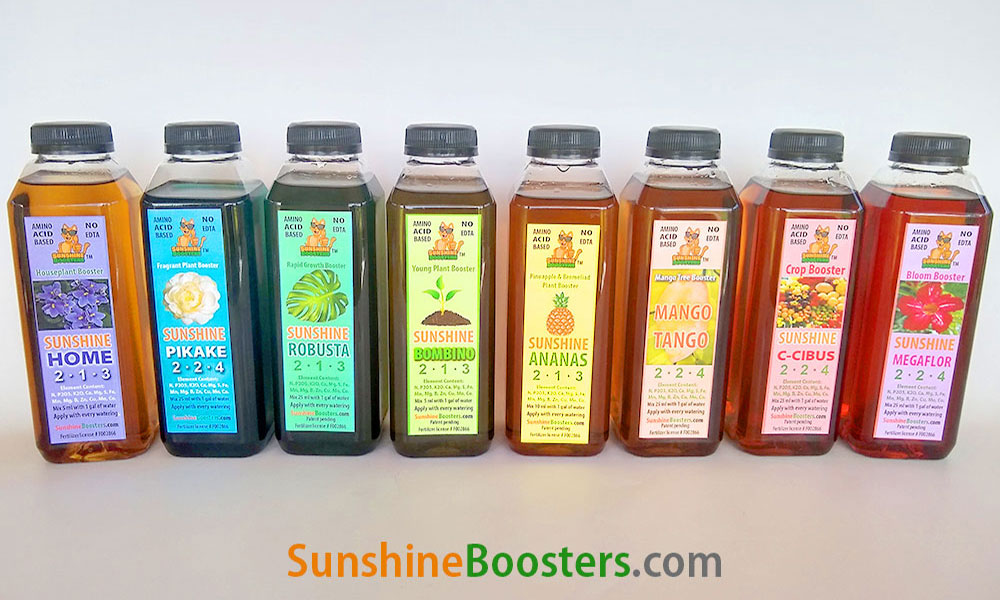
Sunshine Boosters Green Magic when planting or transplanting.
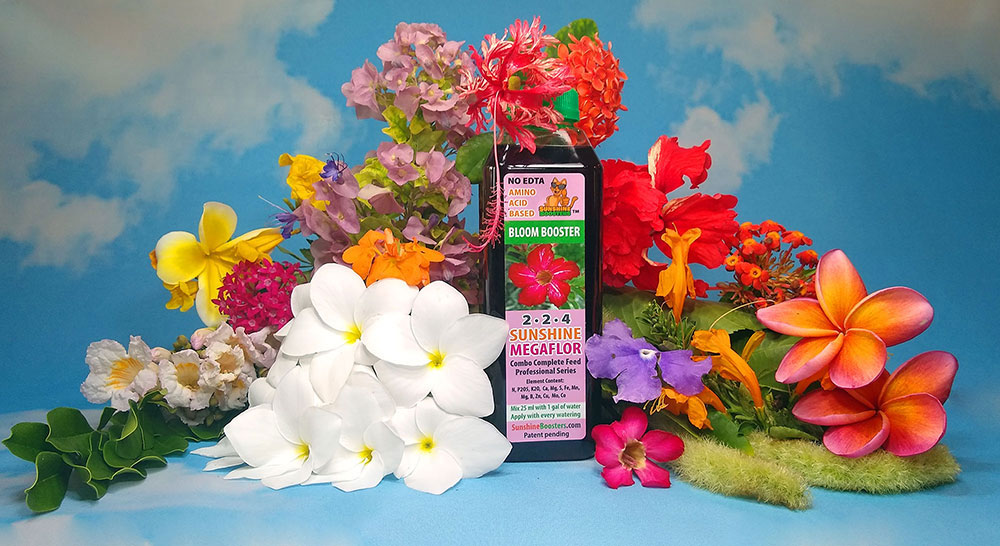
During the growing season, regular feeding with Sunshine Boosters Megaflor can help support vigorous growth
and a healthy canopy.
To maximize the bloom density for next season, ensure the tree receives
consistent micronutrients during the late summer growth surge.
Jacaranda can also be grown in large containers, where its size may be managed through container culture and occasional pruning. This is a useful option for gardeners in colder climates or for those who wish to enjoy the tree on patios and terraces.
📚 More About Jacaranda on the Top Tropicals Garden Blog
💜 Why Gardeners Fall in Love With Jacaranda
Ask someone with a mature Jacaranda in their yard what it's like when it blooms, and they'll usually smile before they answer.
There's a particular pleasure in seasonal anticipation - in knowing that something beautiful is coming, in watching for the first flower clusters to appear, in the morning you walk outside and realize the tree has finally opened. Jacaranda delivers that pleasure reliably, year after year.
Mature trees become landmarks. "Turn left at the purple tree" is a surprisingly common way to find a house during Jacaranda season. They become the reason people slow down while driving past your house. They become the tree your kids remember.
Few landscape trees combine beauty, shade, elegance, and seasonal drama quite the way a Jacaranda does. Long after the flowers fade, the tree remains a graceful presence in the garden. And when bloom season returns, it reminds you exactly why you planted it.
Some trees provide shade. Others provide flowers. Jacaranda provides both.
That's a rare thing in a garden, and it's worth planting.
Smokey: Then you enjoy the tree.
Sunshine: And when the flowers come back?
Smokey: Then you remember why you planted it.