Date: 4 Mar 2021

Healthy Plants: Q&A from Mr Booster
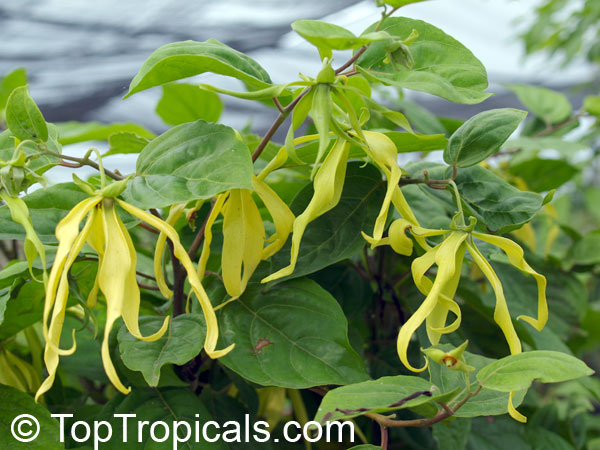
Ylang Ylang leaves after winter
Q: Hi, I purchased ylang ylang tree a couple of years ago. It's grown quite well in my Greenhouse but I'm having some trouble figuring out if I'm watering it too much not enough or if it has an insect. Can you please take a look at my photos and maybe give me a suggestion of what my problem might be?
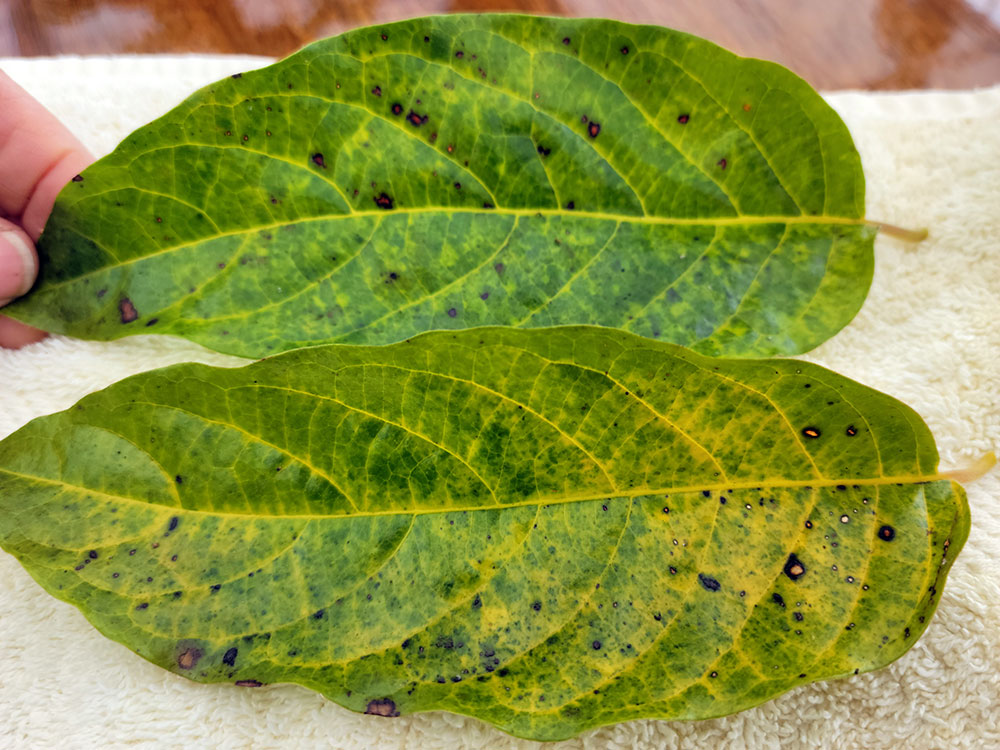
A: It is normal for Ylang Ylang tree to get dark spots during
winter time. Sometimes Cananga gets whole branches darkened (especially dwarf variety fruiticosa), some may even fall off. But they will be replaced
with new growth in Spring-Summer. There is nothing wrong with your plant, it is
just a reaction to cold and short day light when you keep this plant indoors. These leaves eventually will fall
off as the weather warms up, and will be replaced with a new fresh green growth.
Luckily, Cananga is not susceptible to insects and diseases, but its leaves
can look unattractive in winter.
Make sure to keep watering at minimum until temperatures raise to 80's.
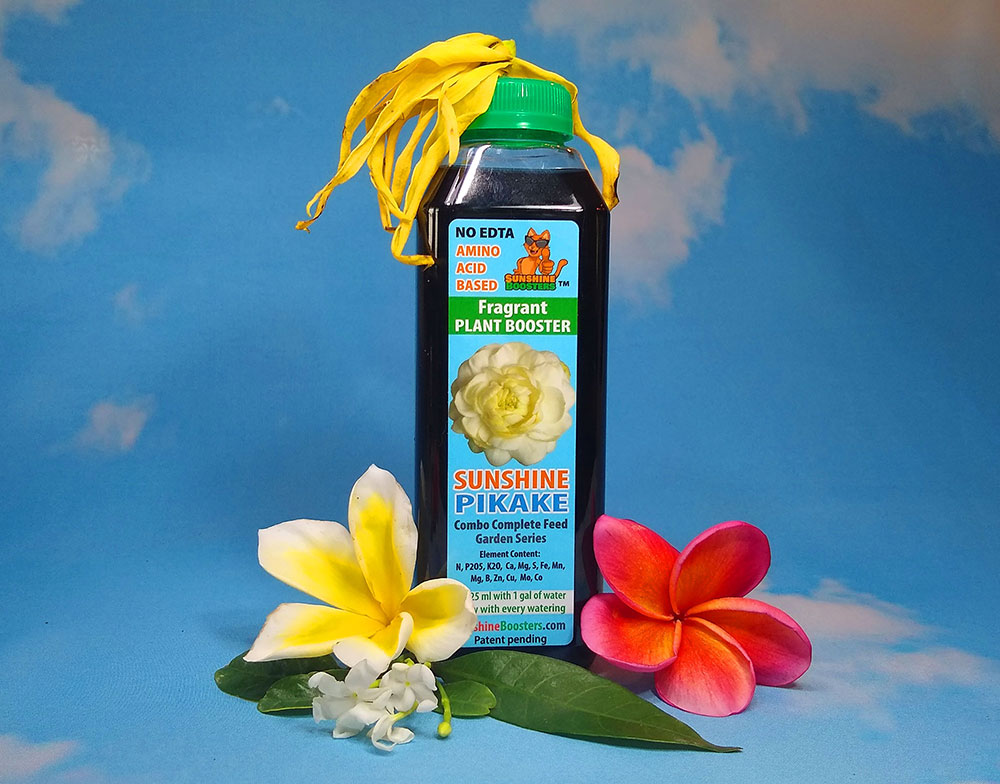
Start fertilizing as soon as new growth appears. We recommend SUNSHINE Pikake
- Fragrant Flower Booster, an ultimate fertilizer for fragrant plants.

Date: 25 Jan 2021
Healthy Plants: Q&A from Mr Booster
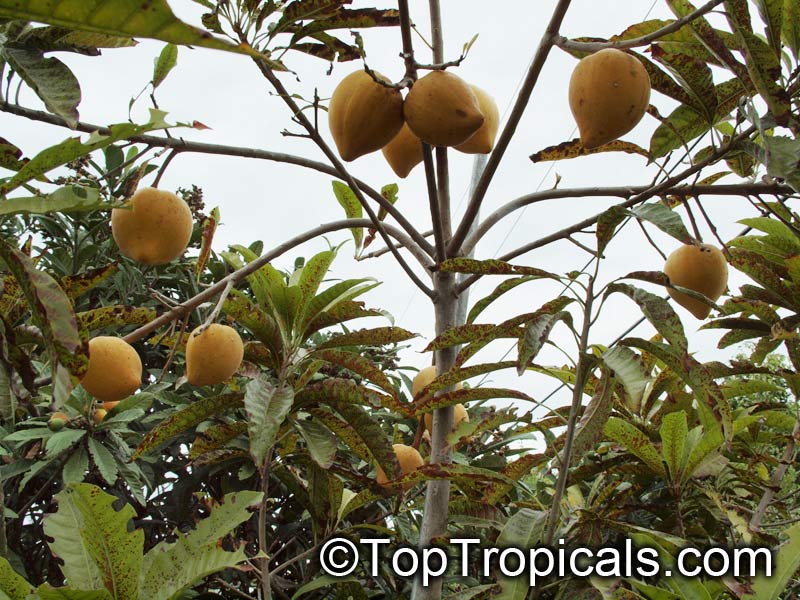
How to get Canistel tree to produce
without dropping flowers and fruit
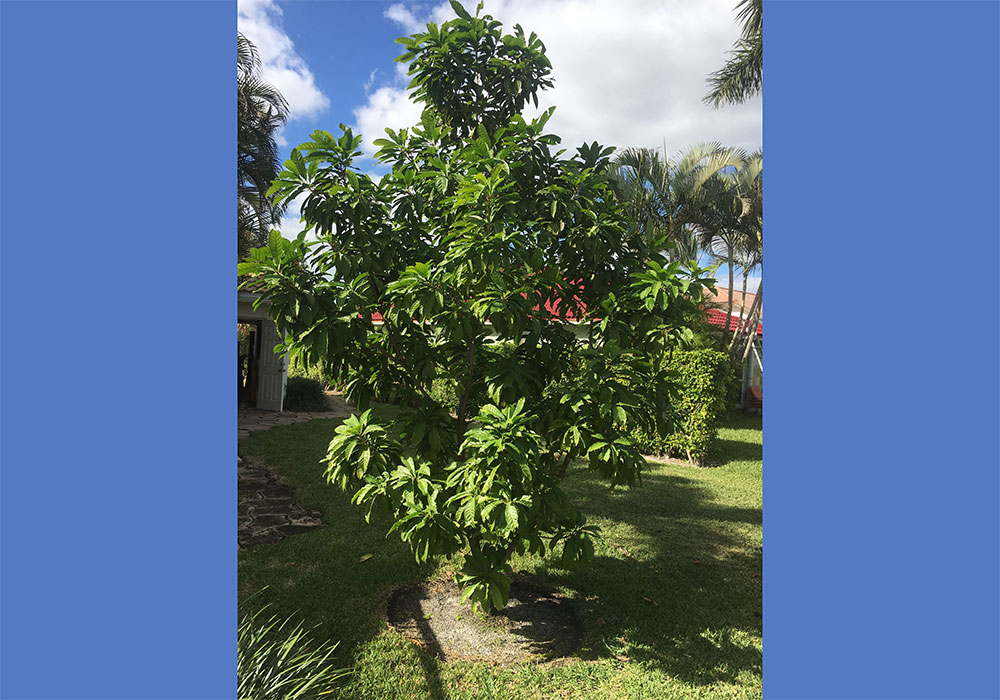
Q: My Canistel tree is 3 1/2 years old and is growing very well, see the picture below. It gets hundreds of pea sized "berries" but then they fall off. No canistel fruit. What's wrong?
A: You have such a nice looking tree, it is a shame you can't get
any fruit to ripen.
In our experience, Pouteria trees dropping fruit prematurely is a very common problem.
There may be one of the following reasons, or a combination of them:
- Cold winters may affect production, and while Canistel is generally
pretty hardy tropical plant that can easily withstand short periods of chill, the
fruit may never form properly if it had a cold winter.
- Lack of water. Canistel tree is pretty drought tolerant, but for the
proper production cycle it needs regular irrigation. Especially during hot
summer.
- The tree may be not strong enough; young trees drop fruit very often when
they don't have enough "fruiting energy" built up in their system.
Your tree looks well established and vigorous, however, flower/fruit drop
is often a sign of insufficient nutrients of particular kind, usually Boron
(B) and/or Molybdenum (Mo): either when a tree is too young and not strong
enough, or because of poor soils and lack of necessary elements.
Here is what can be done, considering you live in a warm, frost-free climate.
1. Provide regular fertilizing program. We recommend liquid
fertilizers Sunshine Boosters that are safe to use with every watering and year
around. It is beneficial to switch plants from traditional "slow-release"
fertilizer to the liquid one because it makes a huge difference in plant growth
and flower/fruit quality and quantity. See also:
- Why liquid fertilizers are better than dry
- Article about benefits of liquid fertilizers.
Use this plant food for your Canistel tree:
SUNSHINE C-Cibus - Crop Nutrition Booster
2. Apply micro-element remedies that are very effective for improving fruit production, especially when flower or fruit drop occurs:
SUNSHINE Honey - promotes more efficient blossoming and pollination, makes
flowers bigger and reduces bud drop.
SUNSHINE SuperFood - improves plant vigor and quality and size of
flowers
These are all natural, eco-friendly supplements that work great for fruit
trees and other edibles.
Date: 28 Dec 2020
Healthy Plants: Q&A from Mr Booster
How to grow a happy Red Jade Vine?
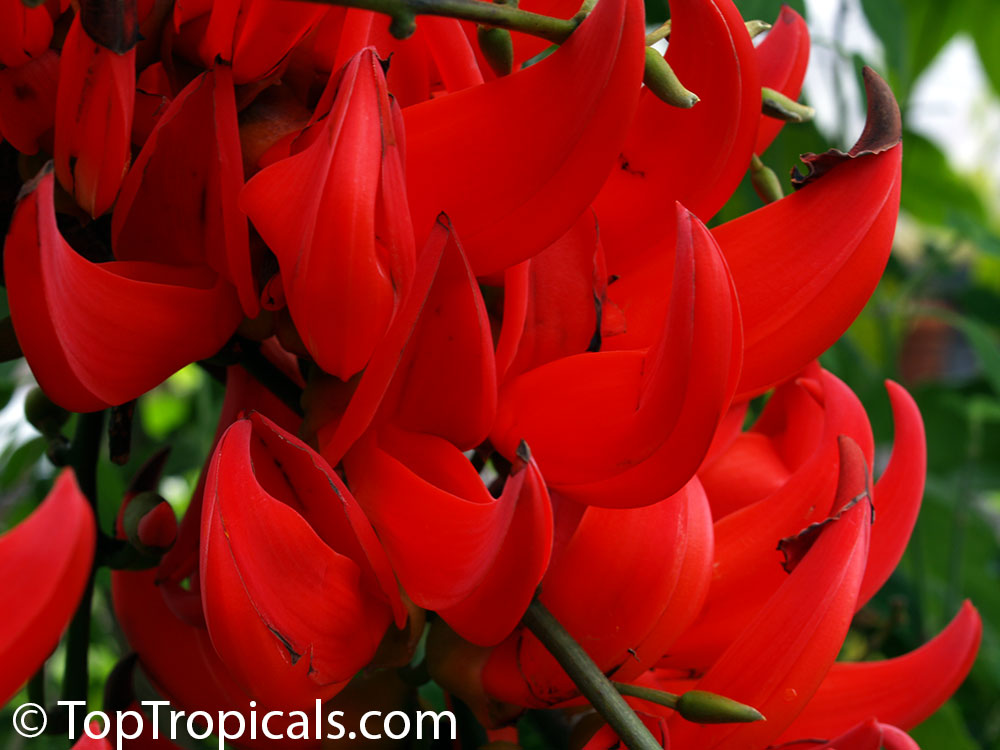
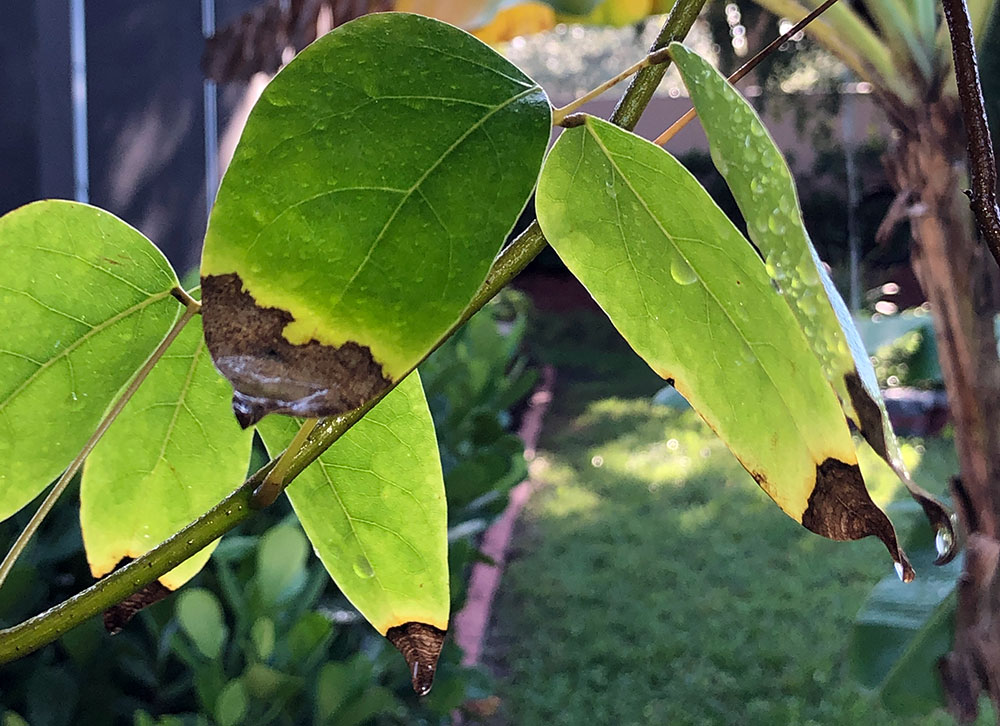
Q: My Red Jade Vine has the leaf tips turning brown. I water this plant four times a week and I am using a half a teaspoon of miracle grow bloom booster 15-30-15 per 2 gallons, every two weeks. In the beginning I had to water this plant off city water in South Fort Myers. Over the last two months I picked up a dechlorinator buggy plus threw that on my hose and I've been watering it with that but it didn't seem to make a difference. I put this plant in the ground last September. It has three shoots that run into the top of the tree, so it is growing but leaves seem to drop off down low at the base of the vine and the brown tipping running into the top of the plant. But not the newest shoot its leaves are solid green all the way at the top. Thanks for any advice.
A: Mucuna benettii - Red Jade vine - is not the easiest plant to grow, and
we are glad your vine is growing well. For those who love this plant but not
ready to face all challenges, we recommend its cousin - Camptosema grandiflora - Dwarf Red Jade Vine, which is much hardier and
easier plant.
We looked at the photos and these are our thoughts.
1) The top of the plant with green fresh leaves definitely indicates
that the plant is generally healthy and vigorous.
2) Dry tips of the old leaves may indicate excess salts in soil, in
combination with the summer heat that it went through. Based on your feeding program
description, that fertilizer may create a problem. Water soluble traditional
fertilizers are EDTA-chelated which often causes nutrients lock up in soil
and leaf drop. Try to stay away from that fertilizer for a month and let the
rains and/or irrigation water flush the soil for a couple of weeks.
3) Red Jade vine is a very sensitive species. Normally, during hot season
it is safe to use traditional fertilizers, especially slow-release granulated.
However, with this plant we recommend you to switch to more delicate formula
and use only liquid fertilizer.
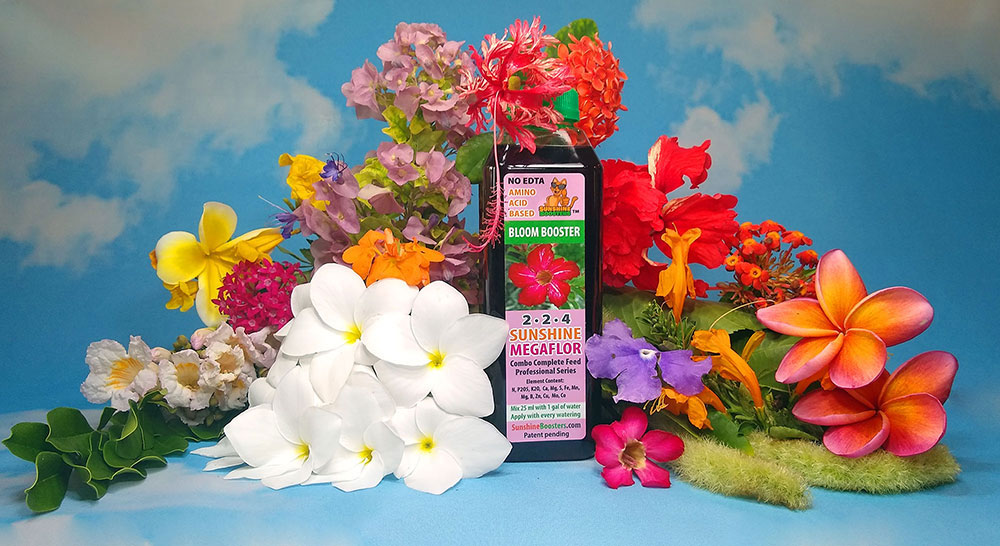
SUNSHINE Megaflor - Bloom Nutrition Booster will be the best. It is
safe to use it as frequent as with every watering! It is amino-acid
based, and will be totally consumed by the plant without nutrient lockup.
4) Another cause of dry leaf tips may be micro-element deficiency.
Megaflor booster already has all necessary micro-nutrients in it, plus you
may apply some extra: SUNSHINE Superfood.
5) You may continue using regular water for watering (including city water)
as long as you use amino-acid based plant food and supplements: they improve
soil acidity (what tropical plants like is acidic soil, and Florida soils
are alkaline). Additionally, to improve soil acidity which can be critical for
this Mucuna species, you may add 1"layer of pure peat moss on top of the
soil around the plant. Please keep us in loop how the plant is doing. It is
pretty rare species in cultivation and we will be happy to help you to keep it
thriving.
Date: 22 Dec 2020
Growing Stephanotis and cold protection
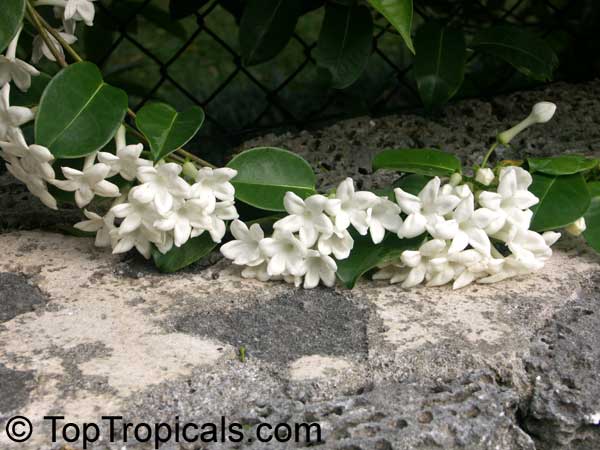
Q: I bought from you 3 plants Stephanotis How do I protect them from this low temperature now? I live in Ft Myers Beach.
A: In Ft Myers Beach, you have frost-free winters. You don't have to worry about cold protection for the Stephanotis. It is pretty cold hardy plant in spite of being a true tropical (it enjoys Hawaii environment for example). From our own experience, Stephanotis can even take a light frost for a short period of time without any damage.
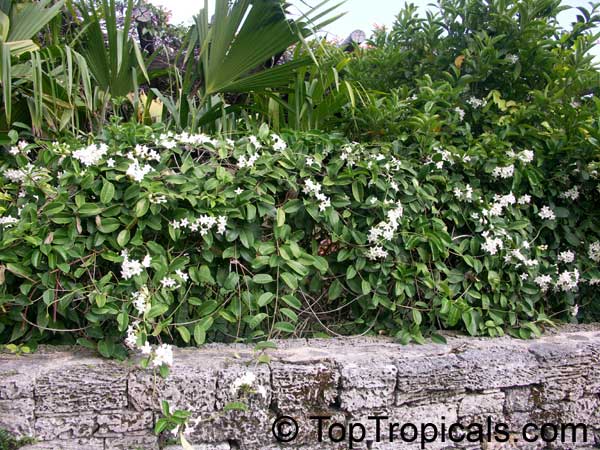
You can keep this plant either in a pot or plant in the ground in a nice
sunny location for more profuse flowering. It can climb a tree, a fence, or a pagoda.
However, keep in mind that during cool weather you need to reduce amount of watering. Wet + cold is a bad combination for plants. Water
again only when the soil gets slightly dry. In summer time, extra water is not critical because it evaporates quickly with high temperatures.
Date: 6 Nov 2020
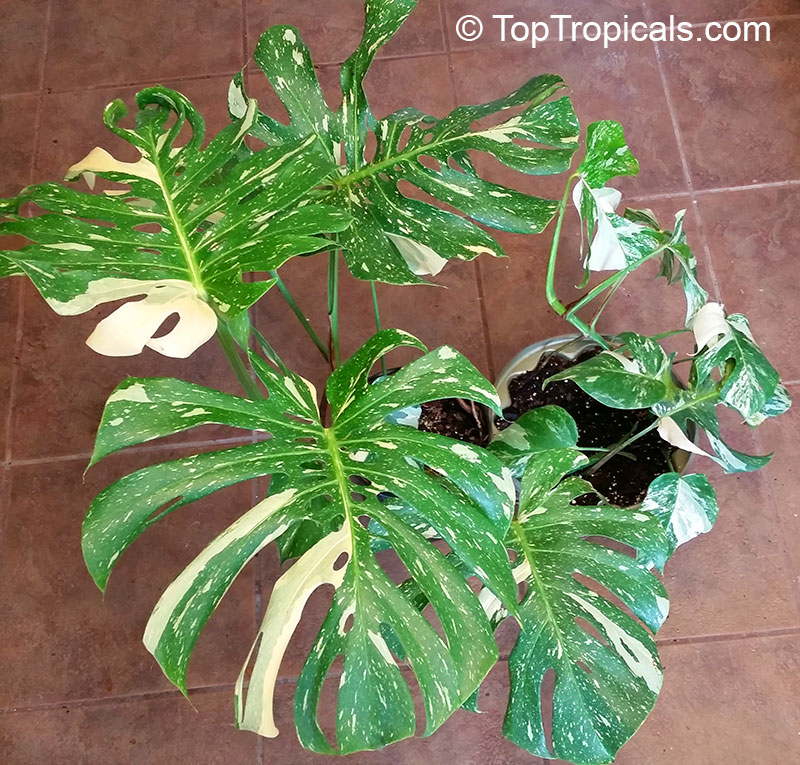
The truth about Sensational Monstera Thai Constellation
"Nothing's making sense anymore. It's gotten out of control"
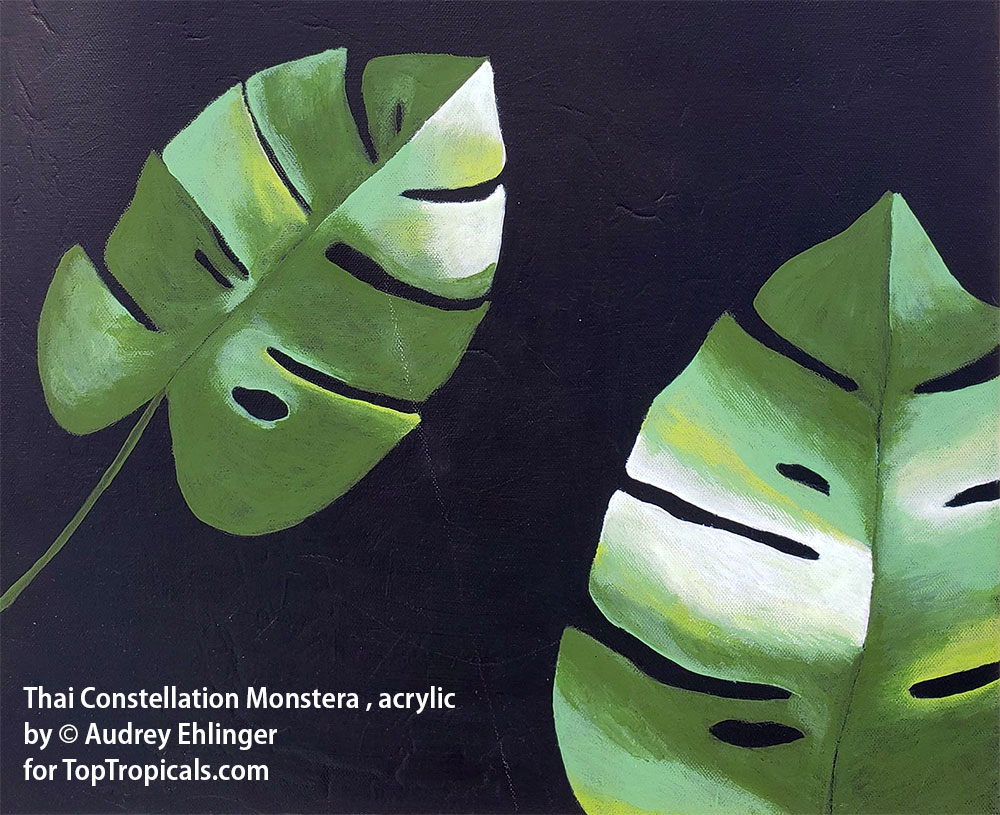
Painting above: "Thai Constellation Monstera deliciosa" with acrylic paint on textured background by Audrey Ehlinger - participant of the 2020 Tropical Plant Art Contest
Variegated Monstera... Now that this Sensational plant deserves even its own works of art, it is time to admit: this beauty is probably one of the most surprising phenomena in the history of rare plant industry.
Many plant collectors noticed the craziness around this unusual variegated cultivar of Monstera deliciosa - Thai Constellatio. Top Tropicals was the first plant nursery that originally introduced this variety into the US tropical plant market a few years ago. Since then, popularity of this plant went above and beyond any expectations. Everybody wants this plant! Yet it is nearly impossible to propagate, with the only somewhat successful method as Tissue Culture. Besides, in order to create a viable batch, one must use cells from the stem only. Considering this plant grows about 2 inches a year (in favorable conditions), this leaves us with very limited propagation material... Who can sacrifice their unique mature plant for a knife of a propagator? Let us know if you have any extra you can share ;)
No wonder very quickly Thai Constellation had become a commodity plant, or even better - an asset compared by some people to a real estate bubble... Some collectors sell cuttings for $2,000 each. People pay up to $250 per leaf of this plant... Crazy? Maybe. But being rare plant collectors, we all know the feeling! Check out this article:
It's Better Than The Stock Market: A Massive Bubble Is Forming In The Rare Plant Market...
Thai Constellation available for sale:
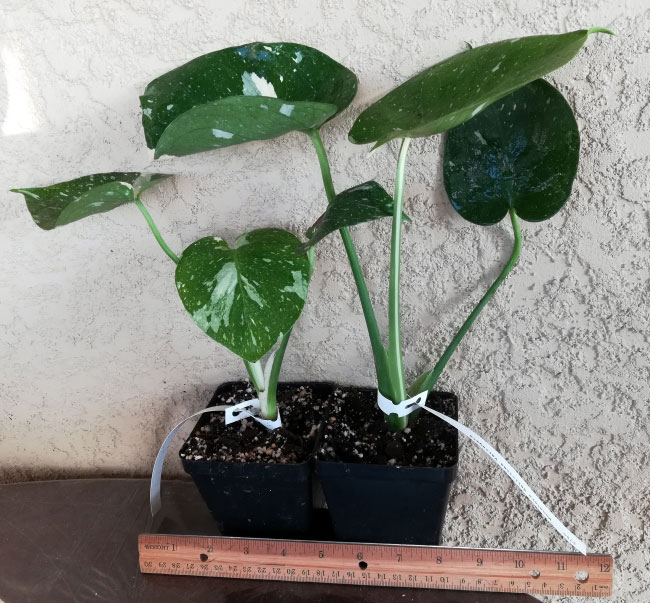
The good news is - we have a few plants. They are in 4"pots. Small, but well-established. The price is not cheap. It is what it is - this is what it costs us to obtain these plants from Thailand. This is the last batch for a long while, no more available even at this price, since the growers can't find enough propagation material to satisfy the market. Next batch expected from tissue culture is probably 2022. We have over 400 customers on wish list for this plant.If you really NEED IT, order right now!