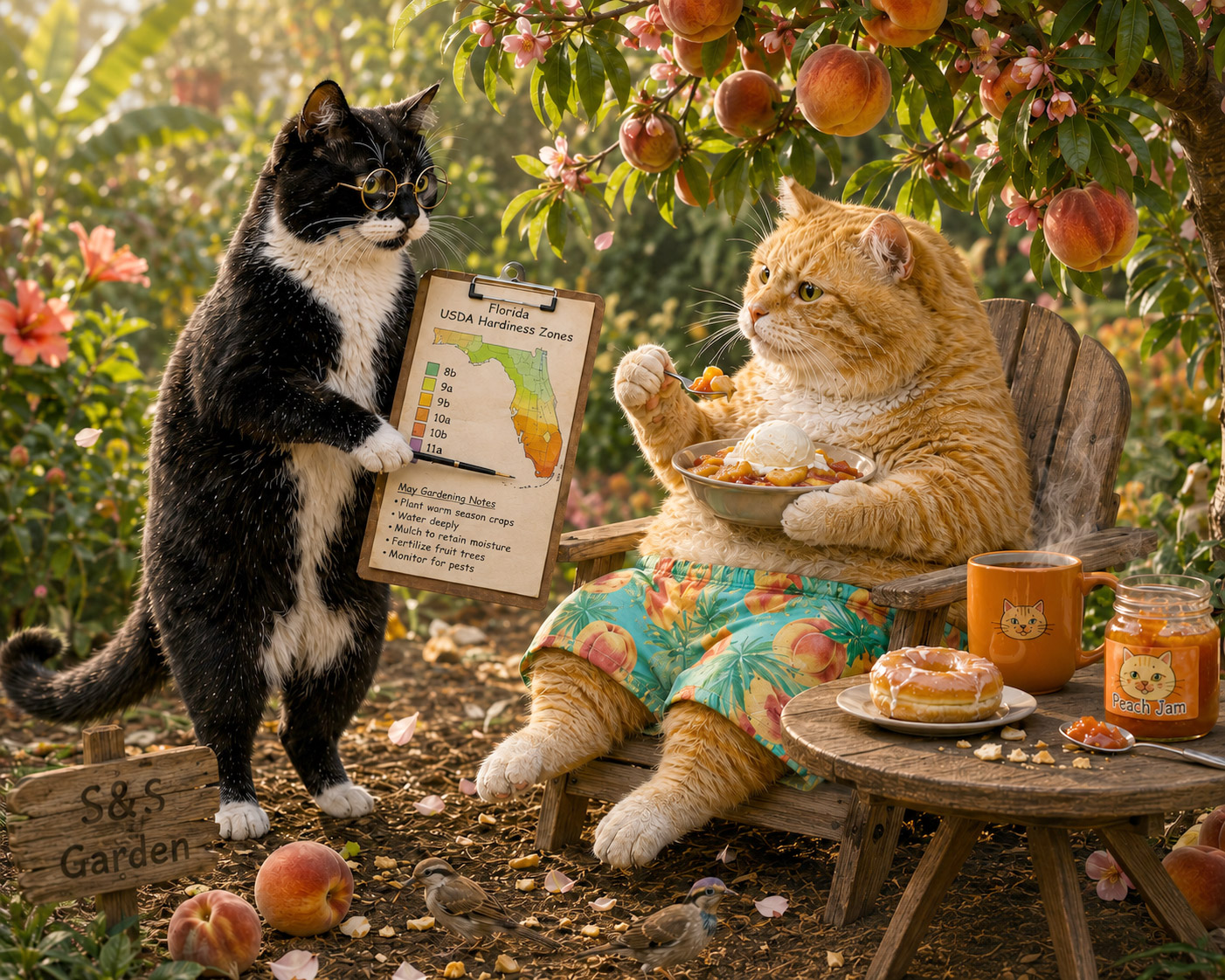
Sunshine: I love peach cobbler. Smokey, why are peaches on
the tree so early? Smokey: Low-chill peach varieties for Florida. They ripen
much sooner. Sunshine: I thought peaches were for Georgia. Smokey: Not if you plant low-chill peaches. And speaking
of peaches, do you know about donut peaches? Sunshine: Donut peaches? Finally, horticulture I can
understand.
Some fruits carry memories before you've even tasted them.
There's something about a peach still warm from the tree - the way it
gives a little when you pick it, the smell that hits you before you even
take a
bite. It makes you slow down. It makes summer feel like it actually meant to
show up.
For Florida gardeners, that moment used to feel borrowed. Peaches were a
Georgia thing, a Carolina thing. You'd admire someone else's harvest and
quietly file it under not for us.
Low-chill peaches rewrote that story.
Here's the thing about regular peaches - they need cold. Not just a cool
night or two, but a real winter. We're talking 600 to 1,000 hours below 45F.
That's how they know to wake up in spring and actually fruit. South Florida
just doesn't deliver that. The trees will grow fine, look healthy even, and
then give you almost nothing come harvest time. Frustrating doesn't cover
it.
Low-chill varieties are different. They were bred specifically for
places like ours - warm winters, mild springs. Some only need 100 hours of
chill.
A hundred. That's a few cold fronts, not a season. And because they're
working with our climate instead of against it, they fruit reliably. Every
year.
They're not just a Florida trick either. Gardeners in coastal Texas,
southern Louisiana, southern California - anywhere in that Zone 8b to 10
range -
have been growing these successfully. If you've got warm winters and thought
peaches weren't for you, they probably just weren't the right peaches.
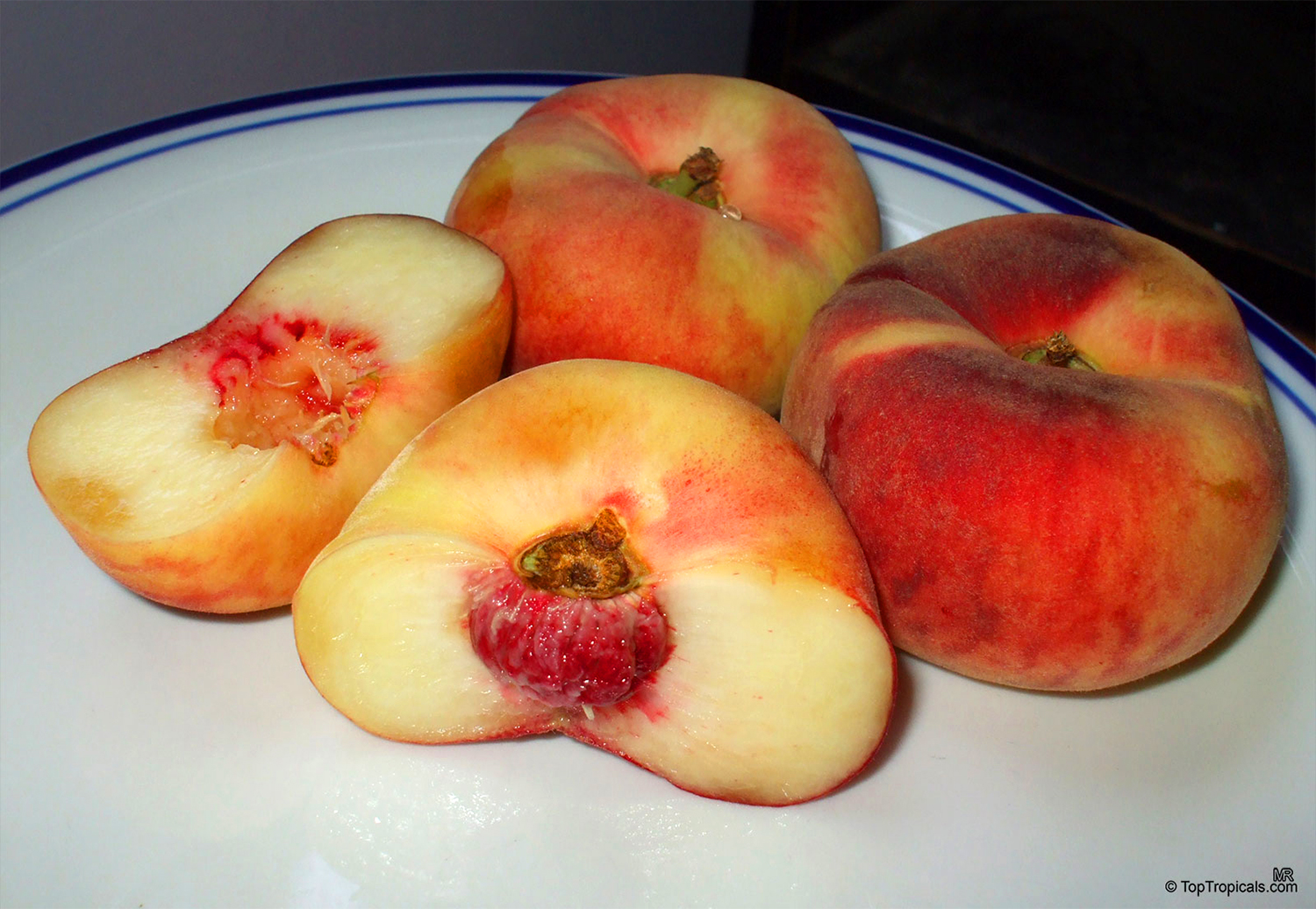
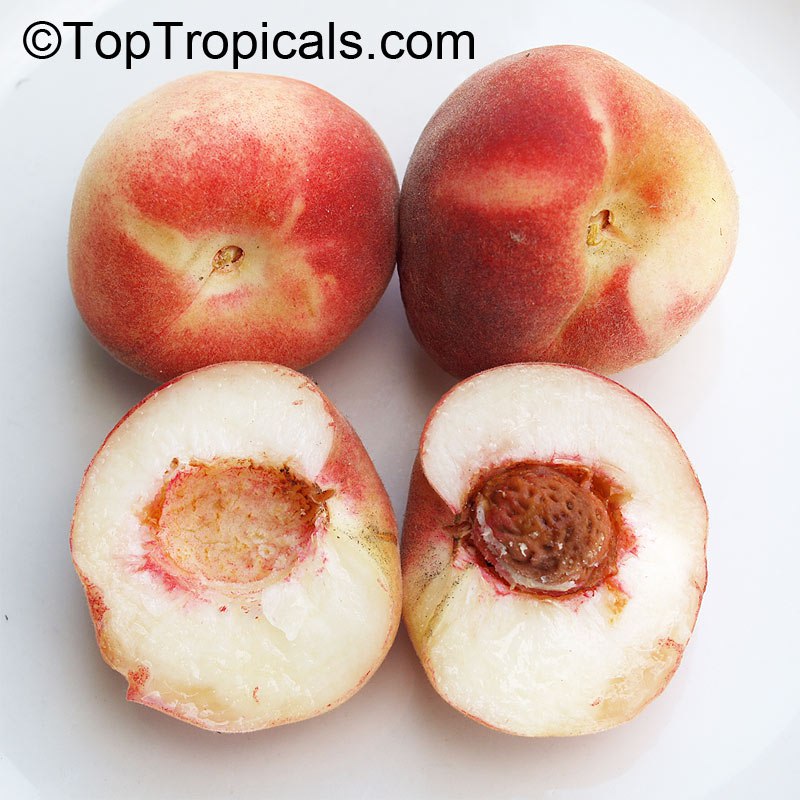
Flat peaches - sometimes called DONUT peaches - are
known
for their sweet white flesh, low acidity, and fun squashed shape.
Date: 30 Apr 2026
The One Peach Tree Every Florida Gardener Should Know About: Tropic Beauty
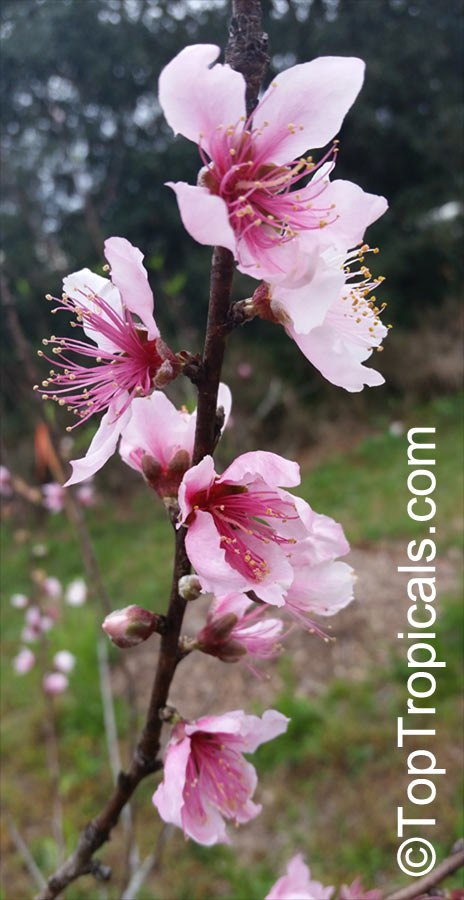
Peach tree in full bloom
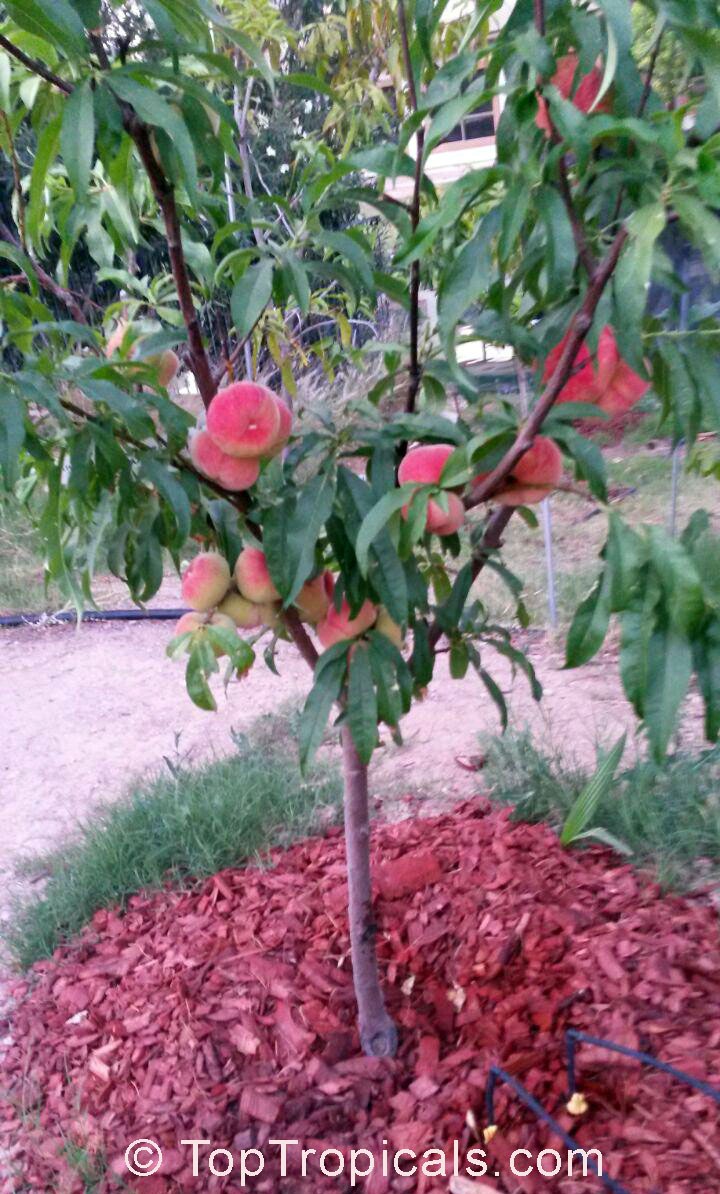
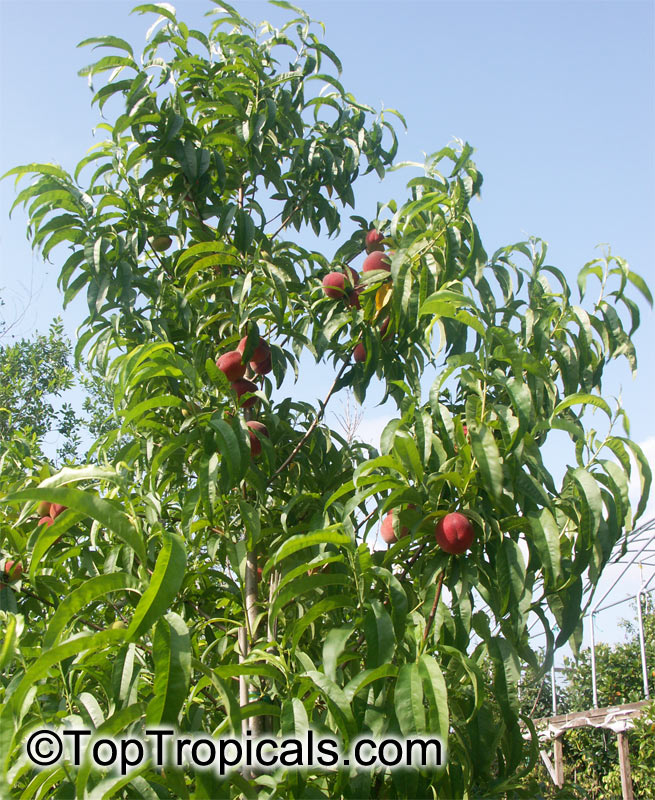
Tropic Beauty Peach tree
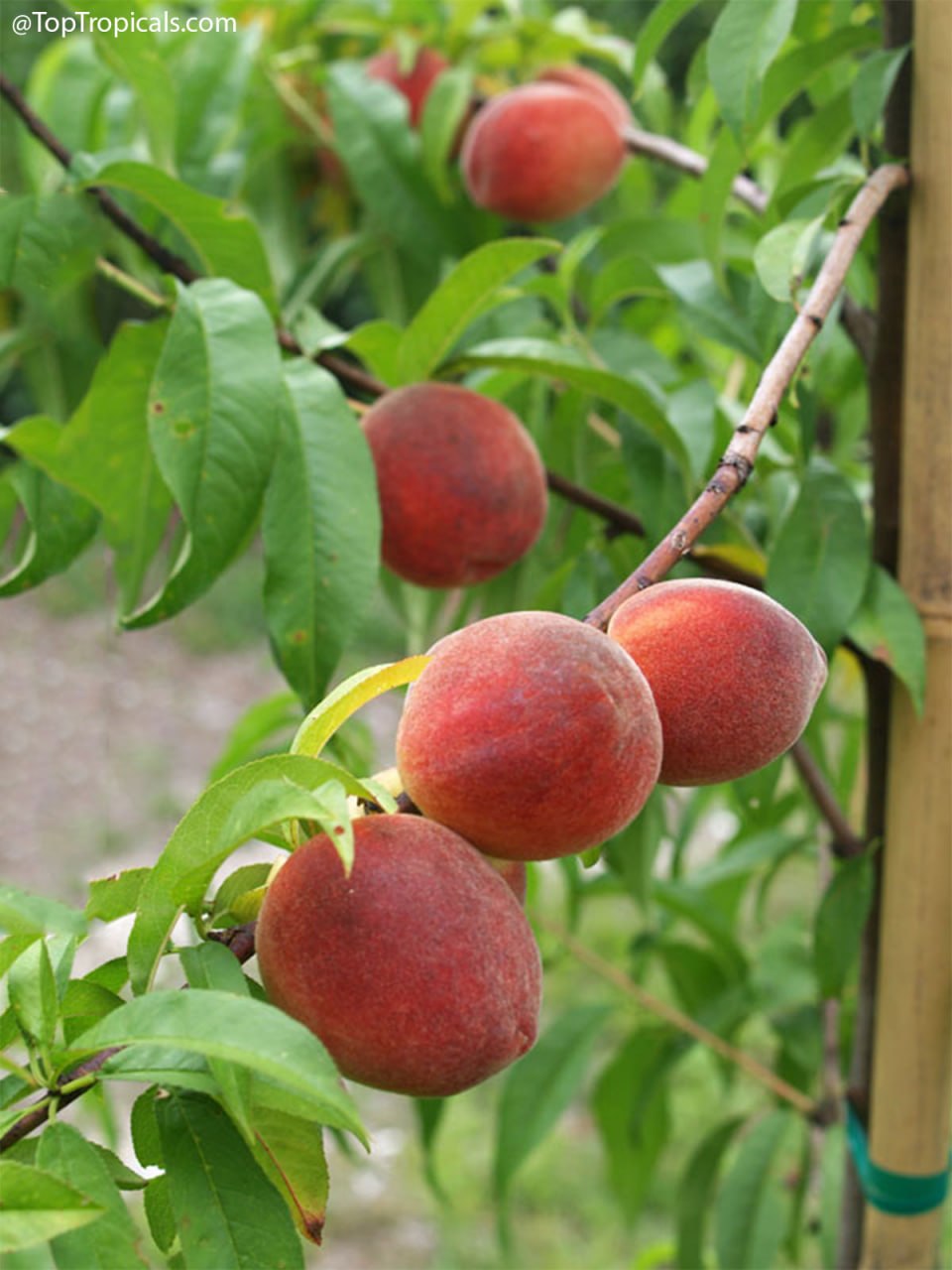
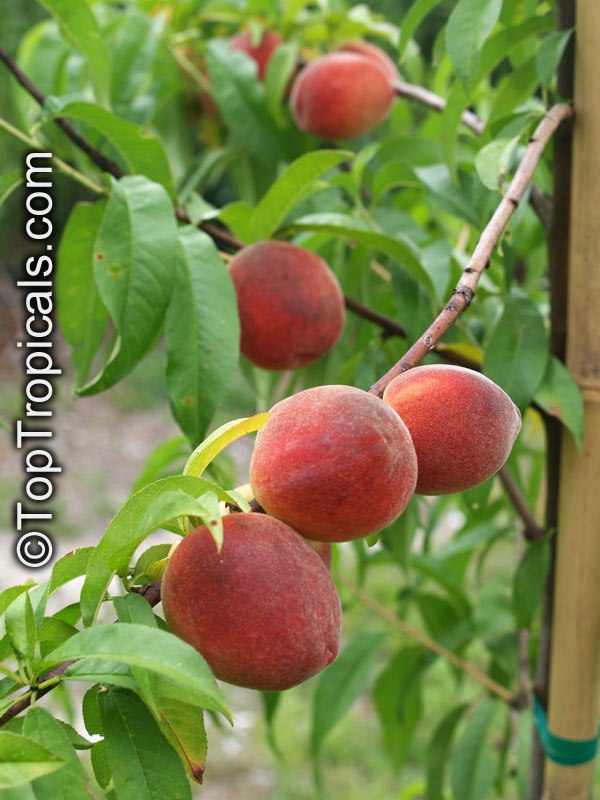
Tropic Beauty Peach fruit
🍑 The One Peach Tree Every Florida Gardener Should Know About: Tropic Beauty
Most Florida gardeners assume peaches are off the table. Wrong climate, not enough cold, too much heat. Tropic Beauty exists specifically to prove that wrong - and it ripens in late April while the rest of the country is still waiting on summer.
🍑 I Didn't Think You Could Grow Peaches Here
I'll be honest - when I first started growing fruit trees in Florida, I assumed peaches were just off the table. Too much heat, not enough cold winters, wrong climate entirely. Then someone at my local nursery pointed me toward Tropic Beauty, and that assumption went right out the window.
This variety has been around since 1989, developed jointly by the University of Florida and Texas A&M. That's over three decades of Florida gardeners growing it, eating it, and planting more of them. When a cultivar sticks around that long, it's just a good tree.
🍑 Why Low Chill Actually Matters Here
Most peaches need 700 to 1,000 chill hours - the number of hours below 45°F the tree needs during winter to break dormancy and set fruit. In central and south Florida, we're lucky to scrape together 150 to 300 hours in a mild year. That rules out most varieties before you even get started.
Tropic Beauty only needs 150. It was built for exactly the winters we have here - cool but not cold, brief but not brutal. Most years, it gets what it needs without you thinking about it at all.
🍑 What the Fruit Is Actually Like
Medium-sized peaches, deep red blush covering about 70% of the skin over a bright yellow background. They look genuinely good on the tree - the kind of fruit that makes you grab your phone before you even pick one.
Cut one open and you get soft, melting yellow flesh with classic sweet peach flavor, plus a little acidity to keep it interesting. The pit is semi-freestone, easy enough that you're not wrestling with it.
If you've ever bitten into a grocery store peach and been let down - mealy texture, no real flavor - this is the opposite of that. Warm from the tree on a late April morning, it tastes like what peaches are supposed to taste like.
🍑 April Harvest: Earlier Than You'd Think
Ripening in late April, Tropic Beauty is one of the earliest peaches you can grow anywhere. Most of the country is still waiting on peach season while you're already making cobbler.
The fruit also holds well on the tree - no need to pick everything at once. You can let them hang and harvest over a couple of weeks, which is a real convenience if you're planning to can and want to spread the work out.
🍑 One Tree Is Enough (But Two Doesn't Hurt)
Tropic Beauty is self-fertile, so it doesn't need a second tree to produce fruit. Plant one, get peaches. That matters if you're working with a smaller yard or just testing the waters.
If you have space for two, yields do go up with cross-pollination - worth keeping in mind for a small home orchard.
🍑 It Fits More Spaces Than You'd Expect
The tree can grow 15 to 20 feet, but with regular pruning it's easy to keep around 10 feet. It also works well in containers, which makes it more accessible than most fruit trees.
Plant it in full sun, well-drained soil. Peaches don't love wet feet, so if drainage is questionable in your yard, mounding the soil before planting is a smart move.
🍑 Worth Planting?
If you're in central or south Florida and you've been wanting to grow peaches but weren't sure it was realistic - Tropic Beauty is your answer. Proven over decades, adapted to the climate, and when it produces, it produces well.
Some trees you plant and hope for the best. This one, you just wait for April.
🎥 Before the peaches, there's this. Tropic Beauty in full bloom - proof that a fruit tree can be just as beautiful as anything you'd plant purely for looks.
What is the most rewarding hardy fruit tree suitable for hot climate
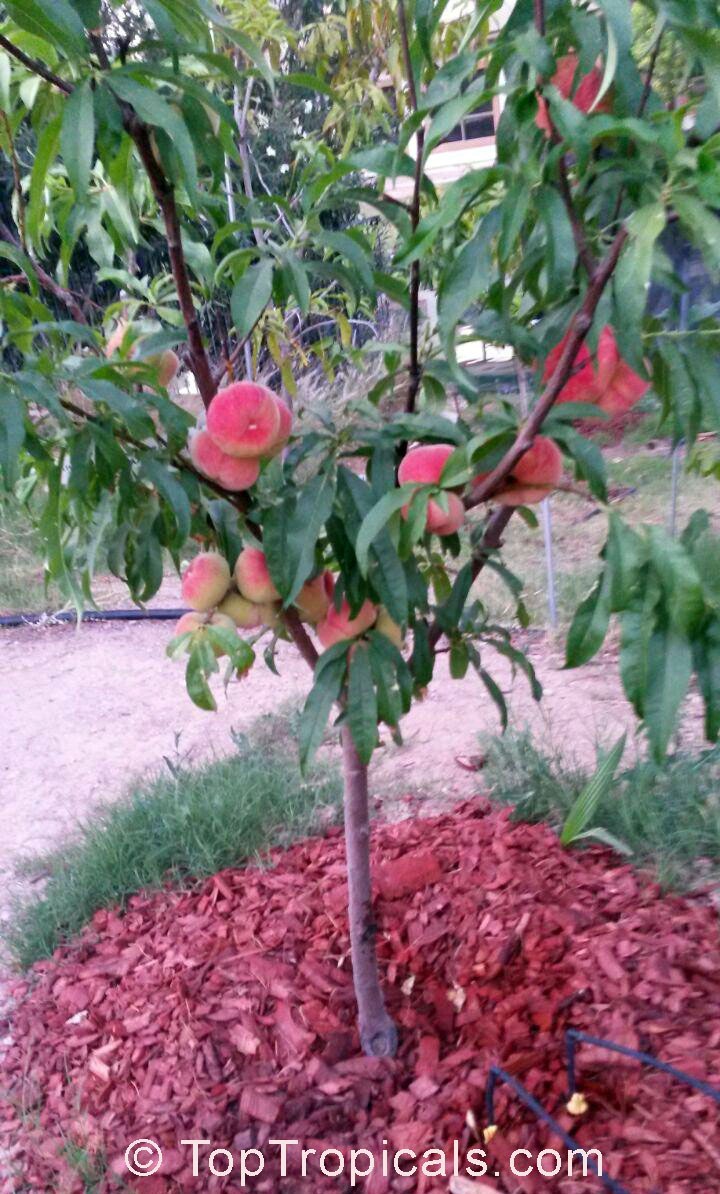
Low Chill Peach (Prunus sp.) tree
Low Chill Peach (Prunus sp.) flowers
Low Chill Peach (Prunus sp.) fruit
Low Chill Peach (Prunus sp.) fruit
🍑 What is the most rewarding hardy fruit tree suitable for hot climate
💬 Can I grow peaches and plums in Florida?
✅ Yes, you can grow peaches, nectarines, apricots and plums in Florida, provided you choose low-chill varieties.
🍑 These have been developed specifically for subtropical regions like Central and South Florida, where traditional temperate varieties struggle due to insufficient chill hours.
🍑 Low-chill varieties require as little as 150–300 chill hours (temperatures below 45°F) and thrive in hot climates, making them perfect for Florida' warm winters and hot summers.
🍑 These heat-tolerant fruit trees also perform well in other challenging climates, like Arizona.
🍑 While apricots generally need more chill hours than Florida's climate can provide, hybridization efforts have made peaches, nectarines, and plums reliable options for gardeners in these areas.
Q: Recently I started working remotely and I kinda like it, no
need to commute, it saves me so much time so I can have life now! My friend got
me involved into growing some small houseplants but I really want to take
advantage of our Florida climate and sun. I want to plant some cool fruit trees
since I have a decent size yard. But I live in Florida Panhandle and we do
have some occasional freeze in winter, although not for too long. But it gets
very hot in summer! Are there any tropical fruit trees that will be happy
here? Or should I keep everything in pots? I am excited to have my own tropical
plant collection!
A: There is a perfect plant for everyone, and a perfect tree for
every climate. Many tropical and especially subtropical plants can be much
hardier than they are believed to be, both flowering and fruiting trees among
them. You may keep the most sensitive species in pots and bring them inside
for winter, while there are so many trees that will be happy in your area.
Start with these that are perfect for climates with hot summers and cool winters:
1. Peaches and Plums
Low-chill, Heat-tolerant Peaches, Nectarines, Plums are especially
selected for Florida hot summers. They produce well and do not require many
"chill" hours like temperate fruit trees. They only need 150 chill hours and grow
well in even in Arizona, so you know they are taking the heat.
2. Figs
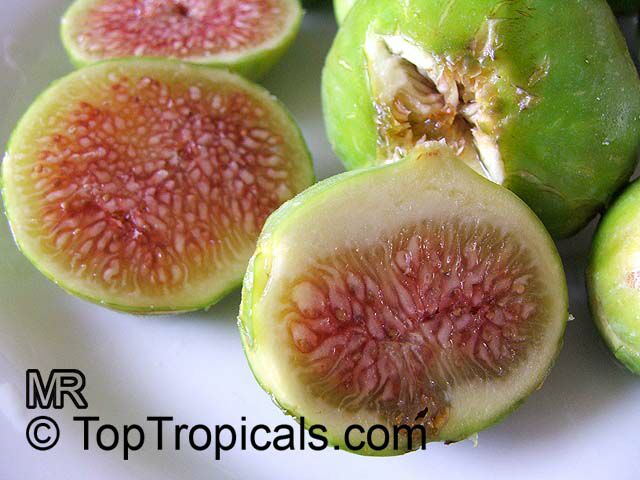
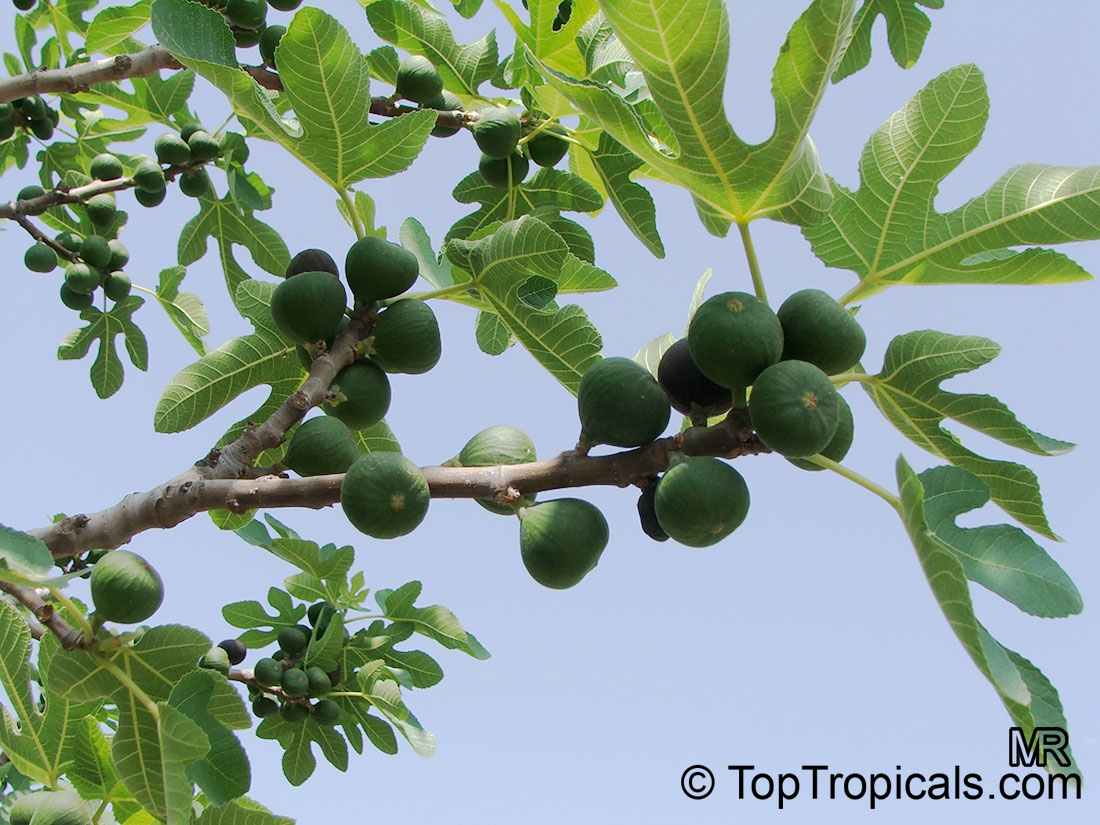
2) Fig trees - they are easy to grow, heat- and drought- resistant trees.
They are prized for their delicious fruit, which can be one to three inches
in length, violet, brown or black. There are even varieties with yellow fruit.
Most fruits are borne from early summer to late fall on new growth, and the
fruits generally mature very quickly. These trees are sensitive to frost only
when actively growing, but can withstand 10F when dormant.
Read more about Fig trees.
A: Low chill apricots have been specially
developed for subtropical regions like Central and South Florida, where the climate
is not typically conducive for apricot cultivation due to the high number of
chill hours required. This is also true for other fruit trees such as plums
and peaches. However, through successful hybridization, several low chill
varieties have been created that require less than 300 hours of cold weather
below 45 degrees.
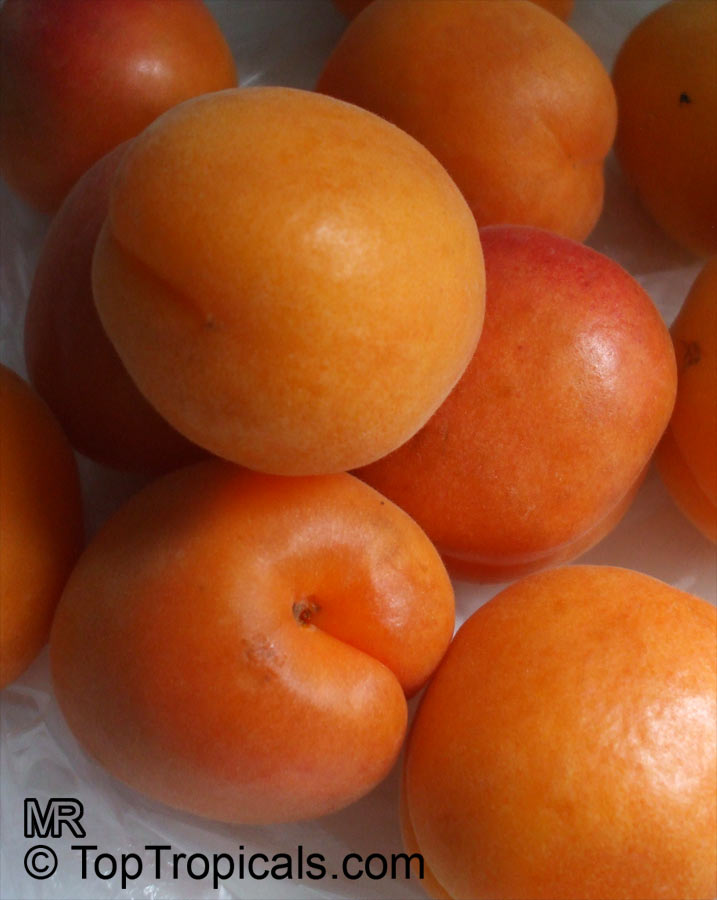
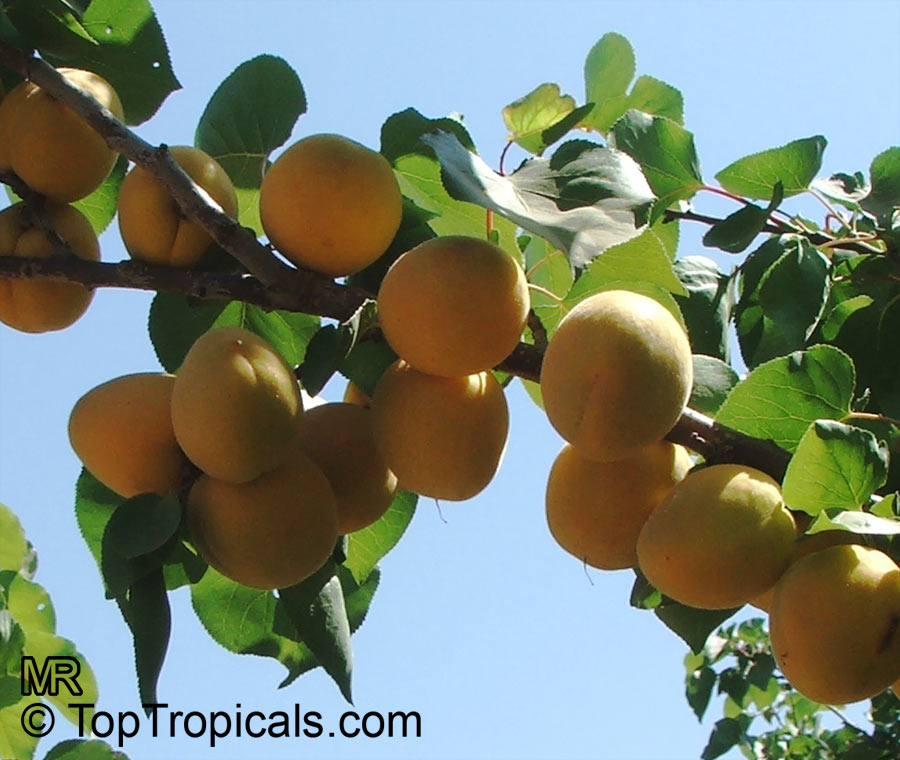
One such example is the low chill Katy Apricot tree, which only requires 250 chill hours and is
self-fertile. It is a popular choice among homeowners due to its large size, rich
flavor, and free-stone characteristics with a semi-sweet, low-acid taste. Katy
Apricot tree typically bears fruit early, usually in May.