Garden Blog - Top Tropicals

Date: 9 Apr 2026

*️⃣ Stop Babysitting Your Trees - Grow Cold Hardy Avocados Instead
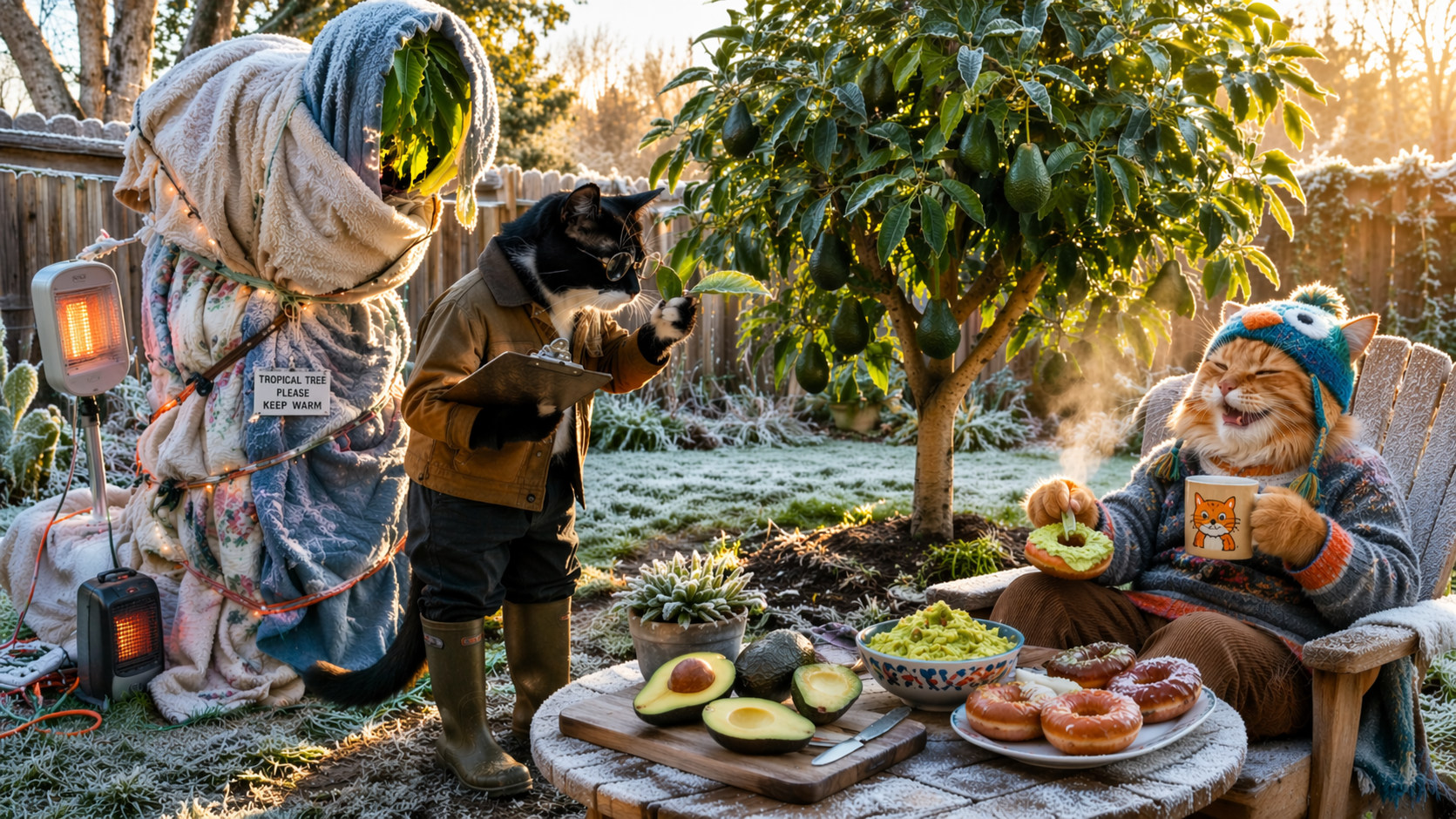
Smokey  the  black-and-white  cat  with  glasses  sits  on  a  patio  taking 
 notes  while  Sunshine,  a  fluffy  orange  cat  wearing  bunny  ears,  holds  a  small 
 potted  mango  tree  with  light  yellow  flowers.
Sunshine: I love these crazy guacamole donuts… but I’m tired babysitting trees during cold.

Smokey: Then stop planting trees that need babysitting. Plant cold hardy avocado.

Read more about Smokey & Sunshine

You always wanted an avocado tree. Not in Miami - right there in Central Florida, in your own yard. You planted one, it grew well for a few years, and it felt like you finally figured it out. Then 2026 hit. A few cold nights, temperatures dropped below what your area usually sees, and the tree was gone.

Here is the part most people miss: USDA zones are based on average minimums, not the worst freezes. One bad night can erase years of growth.

That does not mean avocado will not work. It means you planted the wrong variety. Cold hardy avocados are built for exactly this kind of surprise.
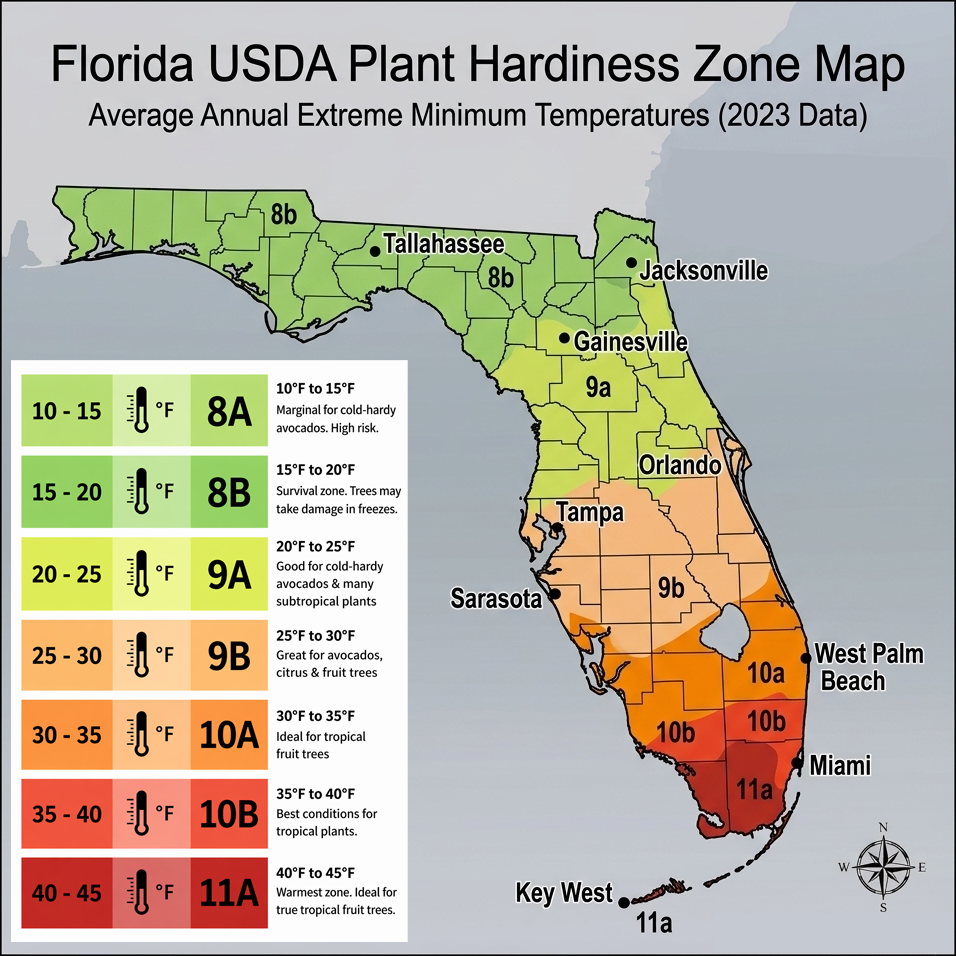
Florida  USDA  plant  hardiness  zone  map  showing  zones  8a  through  11a  with
    temperature  ranges

USDA zone map

This USDA Zone map makes one thing clear: all of Florida can grow avocado. The question is not if - it is which variety. From North Florida (8b) to South Florida (11a), there is always an option that fits your conditions.

If you are outside Florida - in Texas, Louisiana, California, or anywhere else - the same rule applies. Start with your USDA zone, then choose the right type of avocado for it. You can check your local zone here

So what does this mean for your yard? It is not about trying again and hoping for a warmer winter. It is about choosing a tree that actually matches your zone.

Cold Hardy Avocado Varieties for Reliable Harvests

Swipe left/right to see all data <->
🌡️ Threshold 🛡️ Resistance Profile Primary Varieties & Type Culinary Profile 📍 Geographic Best Fit
15°F+ High Resistance: Mexican-type selections. Short freezes near 15°F are survivable with minor leaf burn. Fantastic (A), Joey (B), Lila (A), Poncho (B) High Oil / Nutty USDA Zone 8b / 9a transition regions. Central/North Florida, Texas, Arizona
20°F+ Moderate: Brief freezes usually survivable. Full recovery may take an entire growing season. Bacon (B), Brogdon (B), Day (A), Fuerte (B), Mexicola Grande (A), Ulala "Super Hass" (A), Winter Mexican (B) Medium Oil / Creamy Coastal 9a. Inland Florida and colder microclimates.
25°F+ Light: Visible canopy damage and branch dieback are common. Survival depends on wind protection. Choquette (A), Oro Negro (B), Lula (A) Rich / "Black Gold" Zone 9b/10a. Coastal Central Florida and protected microclimates.
30°F+ Frost Tolerant Only: Even brief freezes cause rapid damage. Best for South Florida. Simmonds (A), Black Prince (A) Mild / Large Slicing USDA Zone 10a / 10b. S. Florida, Miami, Keys, Coast.
  Compact: Move inside during cold Dwarf Wurtz (A&B) and Fuerte (B) Rich / High Oil Patio Growers & Containers

See more varieties in our Master Avocado Varieties table

Microclimate matters more than your zone. The same yard can have warm and cold pockets. Plant near a south-facing wall, under light canopy, or in a spot protected from wind, and you gain a few critical degrees on cold nights.

Young avocado trees need protection during their first winters. They have not built enough wood or root strength yet, so even a short cold snap can damage them. Simple steps like frost cloth, wind protection, or temporary covers can make the difference between a setback and a loss.

You may see avocados labeled as Type A or Type B. This refers to how the flowers open, not cold hardiness. Some people mix both types to improve pollination, and while a single tree can still produce fruit, having two different types is beneficial and can increase your harvest.

Practical Planting Advice

  • Plant on a mound
    Raise the root zone 4-8 inches for fast drainage.
  • Avoid low spots
    Standing water is worse than drought for avocados.
  • Full sun
    Maximum light = stronger growth and better recovery.
  • Use microclimate
    South-facing wall, light canopy, or wind protection adds critical warmth.
  • Do not overwater
    Let the top layer dry slightly between watering.
  • Protect first winter
    Cover young trees during cold nights.

✅ Stop Guessing. Plant What Works.

Cold hardy avocados are not theory - they are proven to handle real conditions. Choose the right variety for your zone, plant it correctly, and you stop replacing trees after every cold snap.

🎥 Watch cold hardy avocado videos

✨ Grow More. Save More.

Get 10% off when you buy 2 or more 3 gal avocado trees. Mix varieties, combine Type A and Type B, and set yourself up for better pollination and bigger harvests.
Offer valid through 04/15/2026. No code needed - discount applied automatically at checkout.
Discount applies to 3 gal avocado plants only. Not valid on previous purchases and cannot be combined with other promotions or discounts. Offer subject to change without notice.
🛒 Shop cold hardy avocado

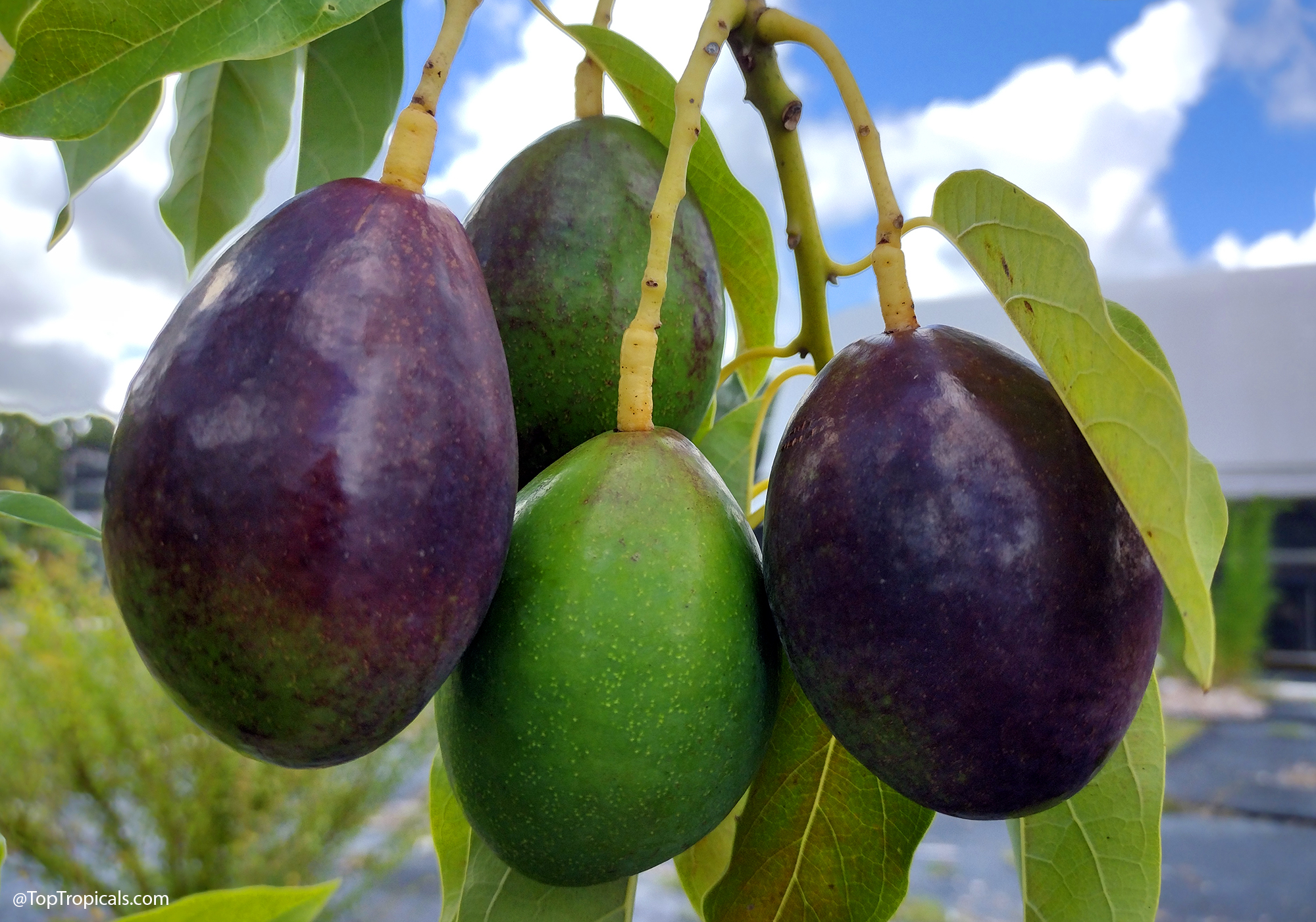
Avocado  tree  Joey,  Semi-Dwarf,  Cold  Hardy  (Persea  americana)  -  purple 
 and  green  fruit  on  a  branch

Joey is one of the most cold hardy Avocado trees with a compact habit and very pretty fruit. The flesh is nutty, smooth, and mildly sweet.

📚 Learn from our Blog:
Avocado for cold areas
Fuerte  avocado  tree  compact  dwarf  growth  with  green  fruit  in  garden 
 setting

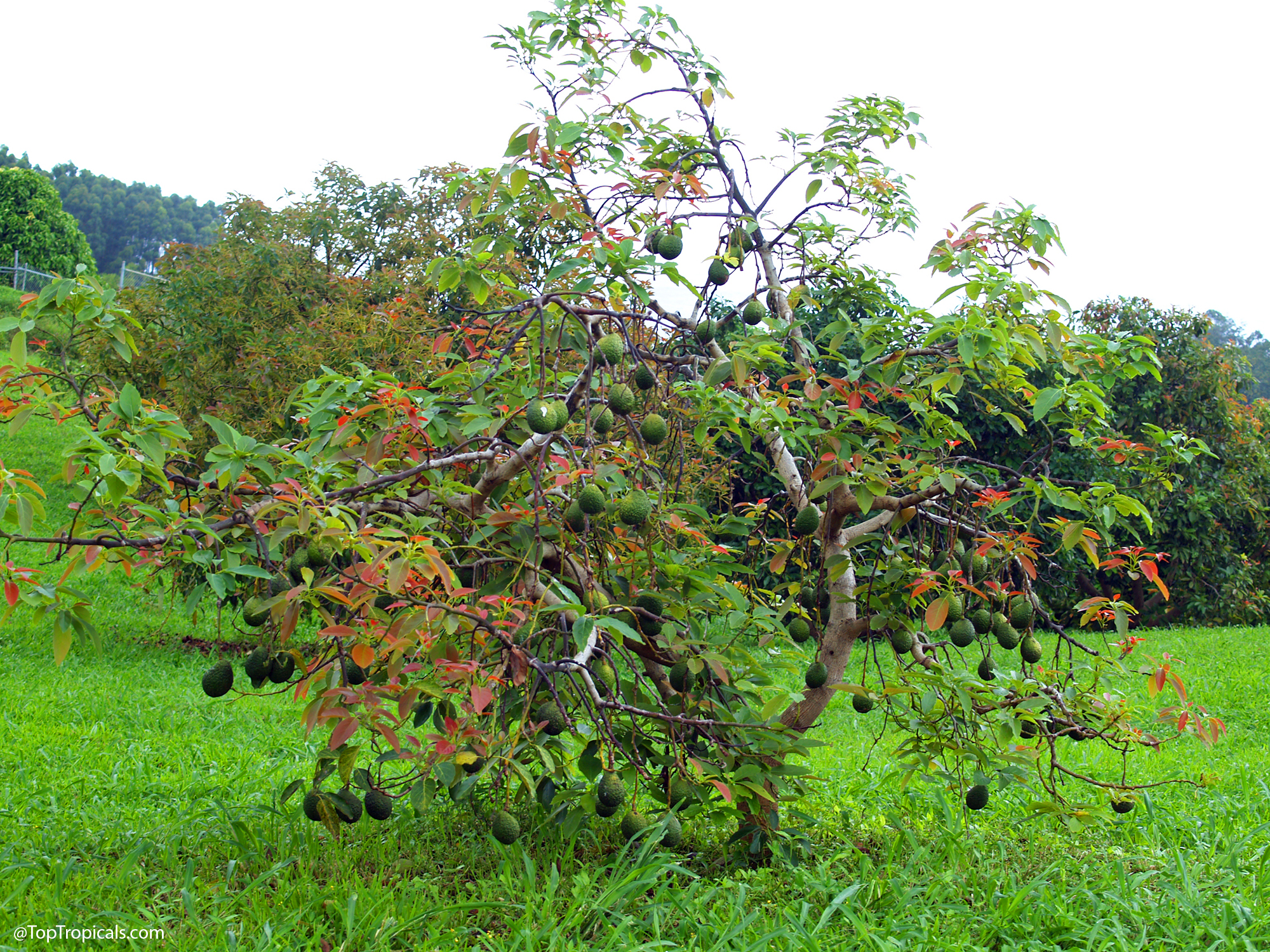
Fuerte is very productive, cold hardy, and is one of very few dwarf avocado varieties that stay compact in the garden and easy to grow in container.

Date: 19 Apr 2026

Complete Adenium Care Guide: 9 tips how to keep it simple and thriving

Complete Adenium Care Guide: 9 tips how to keep it simple and thriving

🌸 Complete Adenium Care Guide: 9 tips how to keep it simple and thriving


Adeniums don’t need intense care - just the right balance.
Most problems come from too much water, not enough light, or the wrong soil.
  • 🌸 1. Soil is everything


    Why it matters
    Adeniums are succulents with thick roots and a caudex that stores water. They must never sit in wet, heavy soil.
    Most problems come from soil that stays wet too long - leading to root rot, soft caudex, weak growth, and poor flowering.
    Good soil builds strong roots, dries faster, supports a healthy caudex, and improves blooming.

    Ideal soil formula
    Use a very fast-draining, airy mix with perlite, bark, sand, coconut fiber. Avoid heavy peat-based mixes.
    A simple formula: TopTropicals Abundance potting mix + coarse sand (50/50). Use coarse sand (for construction), not fine beach sand. Sand improves drainage, structure, and aeration.
    You can also add lava rock and charcoal.

    Soil pH
    Adeniums prefer slightly alkaline soil. Too much peat (acidic) holds moisture and increases rot risk.
    Tip: add a few sea shells on top - watering slowly raises pH.

    Golden rule
    Better too fast-draining than too heavy.
    You can water more. You can’t fix rot.
  • 🌸 2. Containers


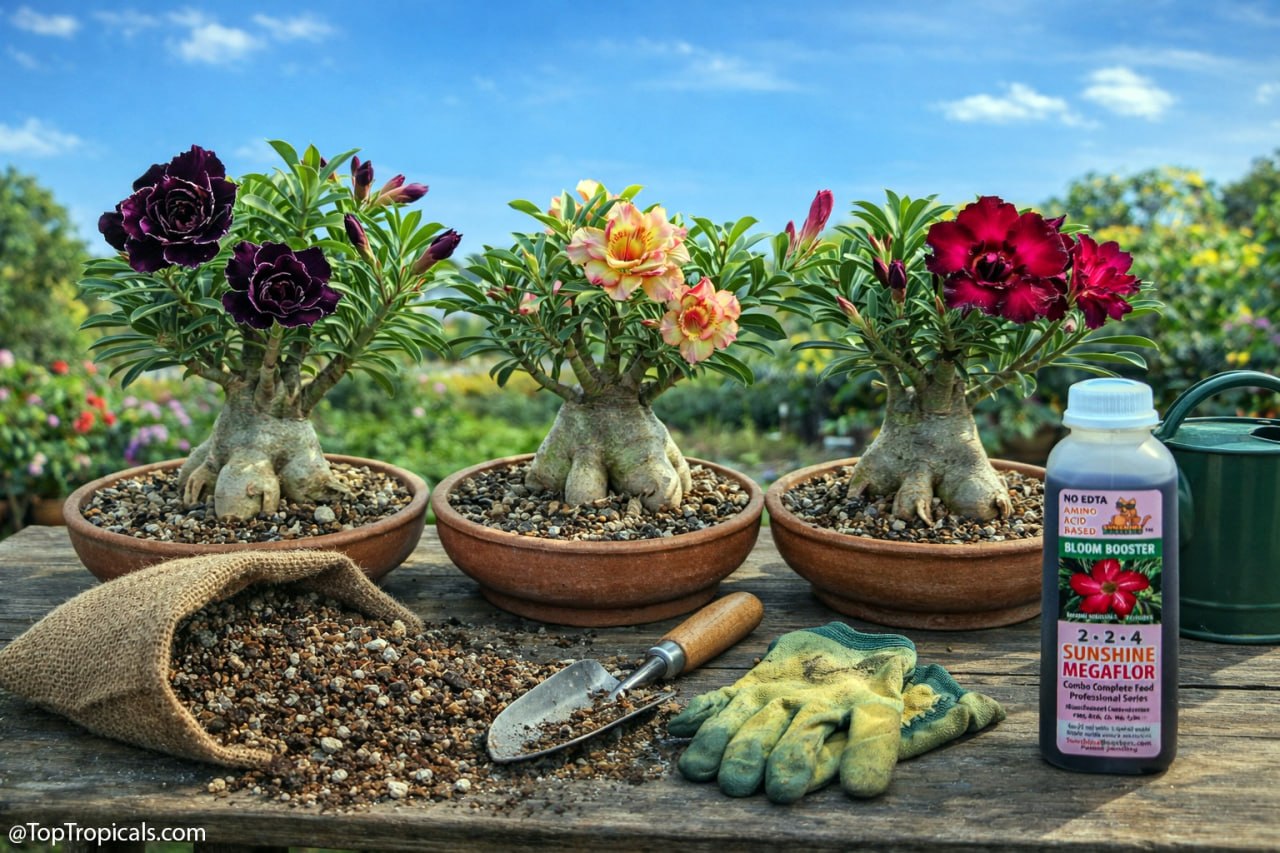
    Use shallow, unglazed clay pots. They dry faster, improve airflow, and stabilize the plant as the caudex gets heavy.
    Do not oversize - keep close to root ball.
    When repotting, raise the caudex slightly each time to develop that thick base.
  • 🌸 3. Light


    Give as much light as possible.
    Full sun is best, but in very hot climates, bright filtered light prevents leaf burn and helps flowers last longer.
    Too little light = weak growth and poor blooming.
  • 🌸 4. Watering


    Water deeply, then let soil dry out completely before watering again.
    Do not keep soil constantly wet. Adeniums prefer the dry side and hate sitting in moisture.
    In rainy climates, protect from excess water. Keep under cover - bright light, no constant soaking.
  • 🌸 5. Fertilizer


    Feed lightly and regularly during active growth.
    Use liquid fertilizer Sunshine Megafloк Bloom Booster on soil and lightly on leaves - avoid the caudex.
    Bloom boosters (high phosphorus) support flowers and caudex growth.
    Add controlled-release fertilizer (Green Magic) twice a year - spring and late summer. Do not fertilize during winter dormancy.
    Add microelements (iron, boron, molybdenum) - Sunshine Superfood supplement - for healthier leaves and longer blooms.
  • 🌸 6. Trimming (pruning)


    Trim after flowering, especially leggy branches.
    Pruning encourages branching - more branches = more flowers.
    Don’t be afraid to cut - it improves structure and blooming.
  • 🌸 7. Caudex development (secret trick)


    When repotting, raise the caudex slightly above soil level.
    Combined with regular feeding (bloom booster), this helps develop a thicker, more pronounced base.
  • 🌸 8. Seedlings vs grafted plants


    Seed-grown plants form a natural caudex but take 2-3 years to bloom and do not come true to type (often simple pink).
    Grafted plants combine a developed caudex with a known variety.
    Best choice for predictable, high-quality blooms.
  • 🌸 9. Troubleshooting


    If something goes wrong, check these first:

· Too much water
  • · Not enough light
  • · Soil too heavy
Fix these, and your plant will recover.

🛒 Explore Exotic Thai Adeniums

📚 Learn more:

Plant Facts

Adenium sp.
Adenium, Desert Rose, Impala Lily
USDA Zone: 9-11
Plant with caudexLarge shrub 5-10 ft tallSmall tree 10-20 ftFull sunDry conditionsModerate waterYellow, orange flowersRed, crimson, vinous flowersUnusual colorBlue, lavender, purple flowersWhite, off-white flowersPink flowersToxic or Poisonous

#Container_Garden #Adeniums #How_to #Discover

🟢 Join 👉 TopTropicals