Garden Blog - Top Tropicals

Date: 4 Jan 2026

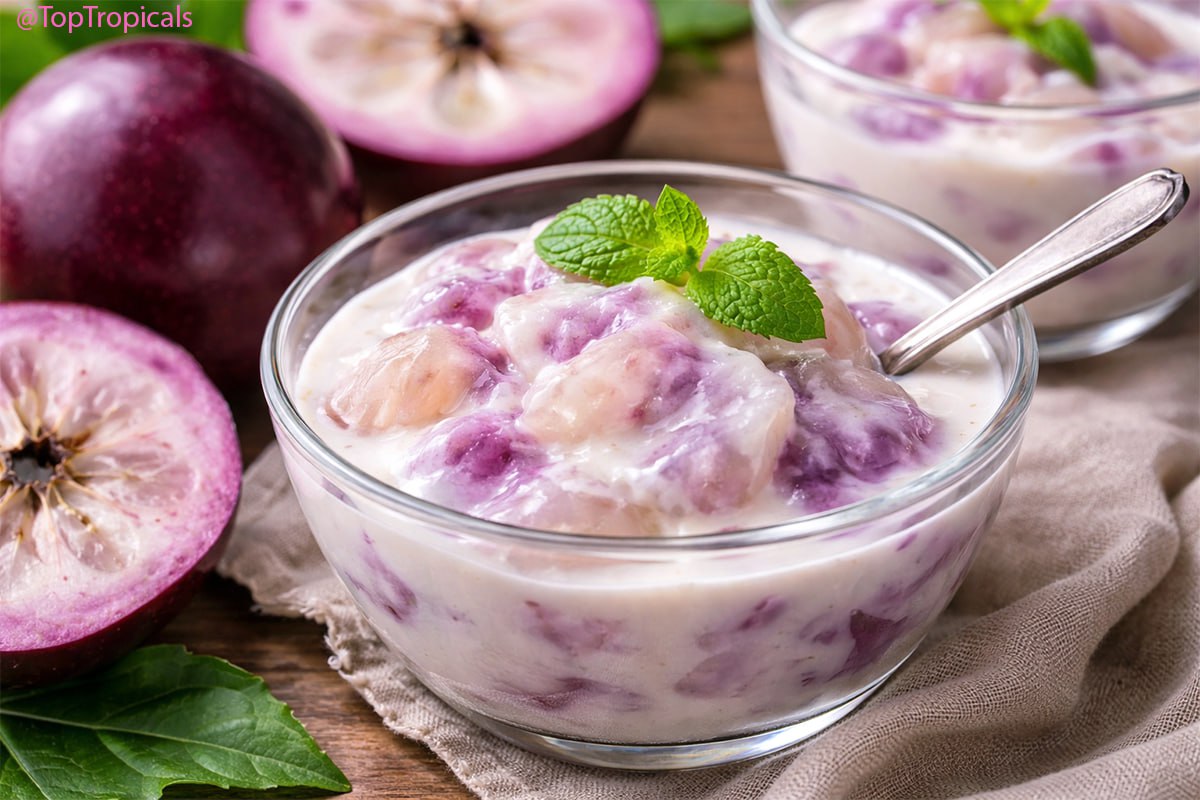
Caimito creamy scoop: quick-n-fun exotic recipes

Caimito creamy scoop

Caimito creamy scoop

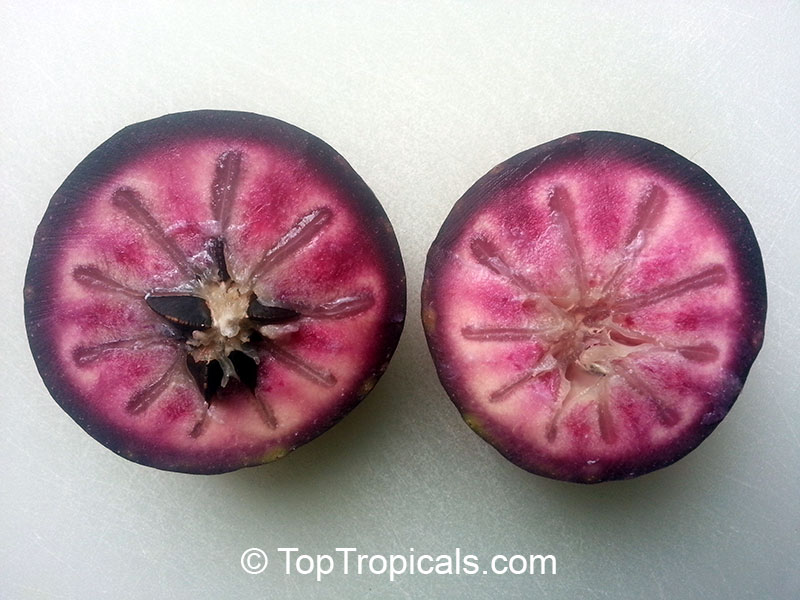
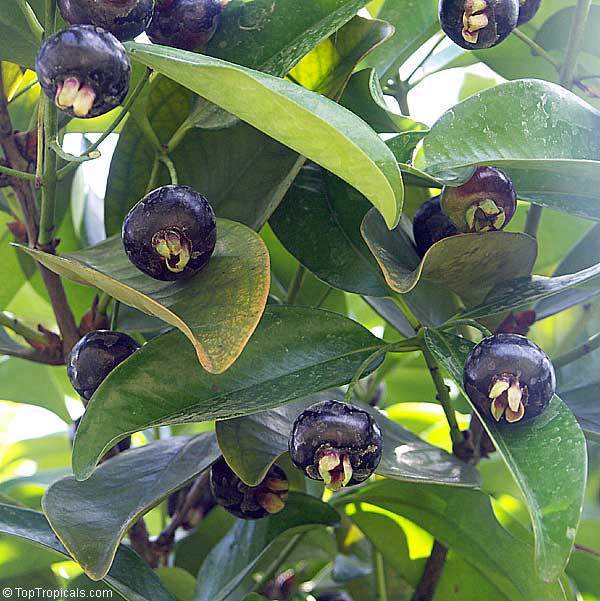
Caimito Star Apple (Chrysophyllum cainito), fruit

Caimito Star Apple (Chrysophyllum cainito), fruit

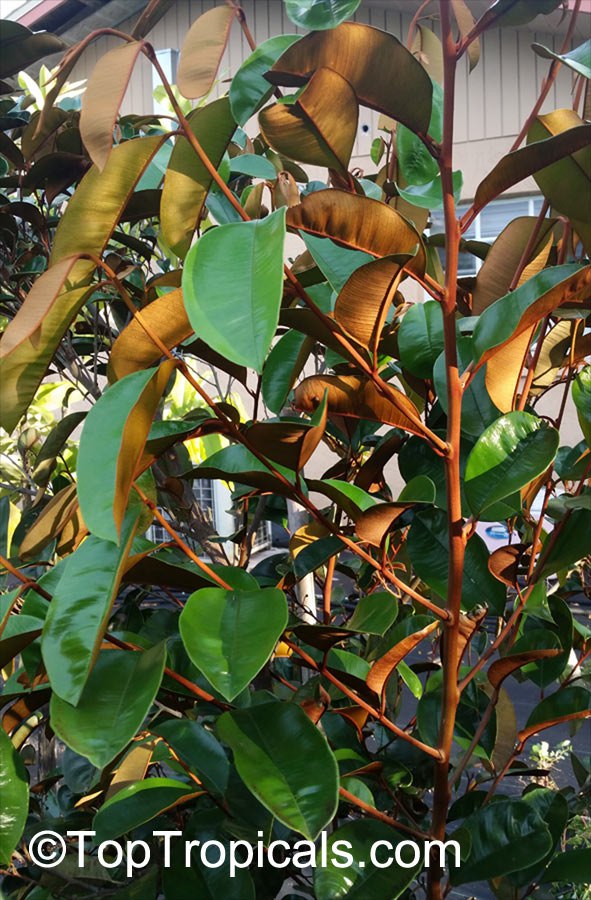
Caimito Star Apple (Chrysophyllum cainito), leaves with rusty underneath

Caimito Star Apple (Chrysophyllum cainito), leaves with rusty underneath

🍴 Caimito creamy scoop: quick-n-fun exotic recipes


🔴Chill star apple halves, then scoop out the jelly-soft pulp.
🔴Stir gently with cold sweet cream for a tropical dessert cup.

⭐️ About the fruit:


Caimito, also known as star apple, is a classic tropical fruit tree native to the West Indies and widely grown throughout the Caribbean, Central America, and other warm regions. It thrives in USDA zones 10-11 and can handle brief dips into the low 30s. The fruit has a mild, grape-like flavor and a soft, jelly texture, and is a good source of vitamin C and minerals. Traditionally eaten fresh, caimito is also used in desserts, drinks, and preserves.

🌱 In the garden:


Beyond its fruit, caimito is highly ornamental. Its large, glossy green leaves have a striking coppery-rust colored underside, giving the tree a dramatic two-tone effect when stirred by wind. It prefers full sun and regular watering and grows well in the ground or large containers. In cooler climates, container-grown trees can be moved indoors for winter protection, making caimito both a productive and visually stunning addition to the garden.

🛒 Plant exotic Caimito Star Apple fruit tree

📚 Learn more:

Caimito Plant Facts

Botanical name: Chrysophyllum cainito, Achras caimito
Also known as: Caimito, Star Apple, Satin Leaf
USDA Zone: 9 - 11
Highligths Large tree taller than 20 ftFull sunWatering: Regular. Let topsoil dry slightlyEdible plantSubtropical plant. Mature plant cold hardy at least to 30s F for a short time
Get personalized tips for your region

Caimito Star Apple (Chrysophyllum cainito) in Plant Encyclopedia
Starry fruit and rusty leaves: the tropical tree full of surprises
Why is it called Star Apple?

#Food_Forest #Recipes

🟢 Join 👉 TopTropicals

Date: 5 Jan 2026

How to protect your butt

🍑 How to protect your butt


Lilimon is one of those cats everyone loves. Easy to be friends with, calm, and very sophisticated. She prefers to eat at her own little table, in peace and dignity. Butt sniffing during dinner is not on the menu!
Lilimon was enjoying her meal when James walked by, and went for a butt sniff. She was not amused!
She tried to explain this to Coconuts. He did not listen.
So Lilimon came up with a solution. She placed her food in front of her and backed her butt into the corner.
Problem solved!
Now she eats comfortably, protected from unwanted sniff inspections.
Classic Lilimon.

🐈📸 Cat Lilimon setting rules for James Coconuts at PeopleCats.Garden

#PeopleCats #Quotes

🟢 Join 👉 TopTropicals

Date: 7 Jan 2026

How to grow papaya from seed without killing it, Part 3: containers, sunlight, and 11 common mistakes

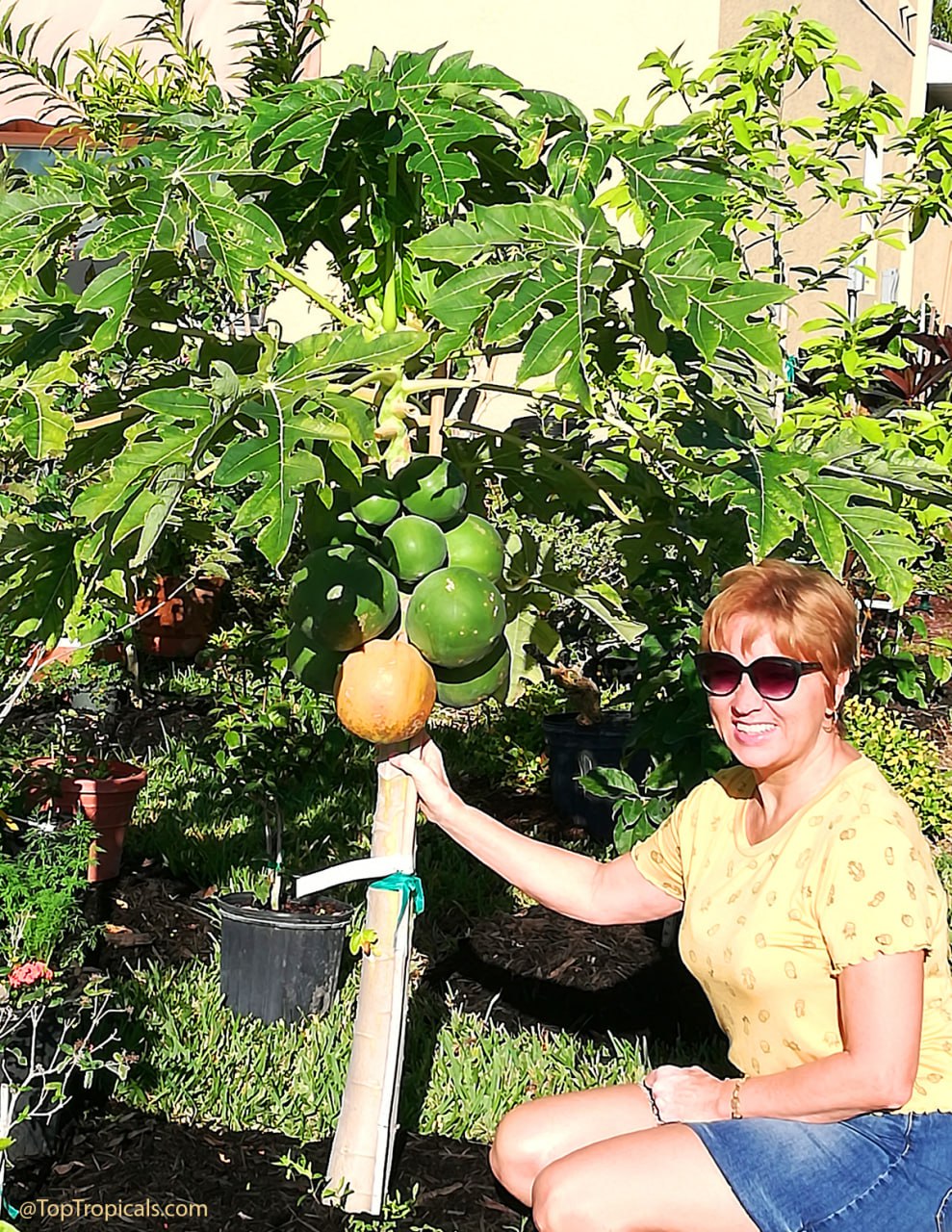
Dwarf Papaya tree

Dwarf Papaya tree

🍊 How to grow papaya from seed without killing it, Part 3: containers, sunlight, and 11 common mistakes


Getting papaya to sprout (see part 1 and part 2) is only half the battle. How you handle containers, sun, water, and root disturbance determines whether your plant reaches fruiting size or slowly declines. In this final part, we cover practical container growing, light requirements, and the mistakes that stop papaya from ever producing fruit.

🍊 Transplanting papaya - what most people get wrong


The one thing papaya roots hate (and most growers ignore)

Choosing the right container is critical.
Rule of thumb: papayas hate transplanting. Their roots do not like to be disturbed.

Because of this:
🟡Reduce transplanting as much as possible
🟡Choose a container that will last longer once seedlings leave starter pots
🟡Avoid stepping up pot sizes too frequently

Watering matters just as much:
🟡Larger pots stay wet longer
🟡Papaya roots dislike constant moisture
🟡Always reduce watering when moving into a bigger container

🍊 Container growing guide for papaya


Grow papaya anywhere - but only if you do this right

🟡Start seeds in small cells (1–2 seeds per cell) or small pots (4–8 seeds per pot, spaced far apart)
🟡Transplant carefully when seedlings reach about 2 inches
🟡Once a 4-inch pot is outgrown, move directly to 1-gallon or even 3-gallon containers
🟡Reduce watering when containers are much larger than the root system
🟡Protect young plants from heavy rain until roots fill the pot
🟡Stake plants with bamboo
🟡Papayas grow fast, and the stem often outpaces root development. Even light wind can knock them over

🍊 Sunlight requirements for papaya


Papaya grows fast, but one mistake stops it cold

Papayas need full sun and prefer to stay on the drier side once established.

In shade:
🟡Plants become leggy and overly tall
🟡Flowering may stop completely
🟡Fruit production may be reduced or zero

Shade also keeps soil wet longer:
🟡Soil dries slowly
🟡Excess moisture can kill roots, even on mature plants

🍊 11 most common mistakes when growing papaya from seed


From seed to fruit in under a year - if you avoid these papaya mistakes

· 1. Leaving pulp or slime on seeds - prevents germination and causes rot
· 2. Soil too wet during germination - keep damp, not soggy
· 3. Overwatering seedlings - young plants rot easily
· 4. Disturbing roots during transplanting - papayas hate it
· 5. Not enough sun - papaya hates shade and will not produce in low light
· 6. Too much water once established - prefers drier conditions
· 7. Planting in low spots in the ground - poor drainage leads to root rot
· 8. Using heavy soil - waterlogging kills roots
· 9. Giving up too early - seeds can take weeks to sprout
· 10. Not fertilizing - papaya is a heavy feeder. Poor soil means no fruit. Remember, it is a giant grass.
· 11. Do not trim papaya. Trimming may cause side shoots, but it ruins the natural tropical form. If you need a ladder to harvest fruit, the solution is not pruning - it is growing a dwarf variety.

Papaya rewards growers who understand its quirks. Treat it like the fast-growing, shallow-rooted plant it is, and it will produce quickly and generously. Ignore those basics, and it will struggle no matter how much care you give it.

If you found this helpful, bookmark all 3 parts - papaya grows fast, and timing matters
:

How to grow papaya from seed without killing it:
Part 1: Papaya basics
Part 2: Seeds germination
Part 3: Containers, sunlight, and common mistakes

🛒 Explore Papaya varieties

📚 Learn more:

Papaya Plant Facts

Botanical name: Carica papaya
Also known as: Papaya
USDA Zone: 9 - 11
Highligths Small tree 10-20 ftFull sunWater Requirement: Low. Allow soil to dry out between wateringsWatering: Moderate. Water when top soil feels dryYellow, orange flowersWhite, off-white flowersEdible plantEthnomedical plant.
Plants marked as ethnomedical and/or described as medicinal, are not offered as medicine but rather as ornamentals or plant collectibles.
Ethnomedical statements / products have not been evaluated by the FDA and are not intended to diagnose, treat, cure, or prevent any disease. We urge all customers to consult a physician before using any supplements, herbals or medicines advertised here or elsewhere.Subtropical plant. Mature plant cold hardy at least to 30s F for a short time
Get personalized tips for your region

· Carica papaya in Plant Encyclopedia

#Food_Forest #How_to #Papaya

🟢 Join 👉 TopTropicals
Date: 24 Jun 2018

Adenium: a Rose by any Other Name

New article by Jane Jordan.
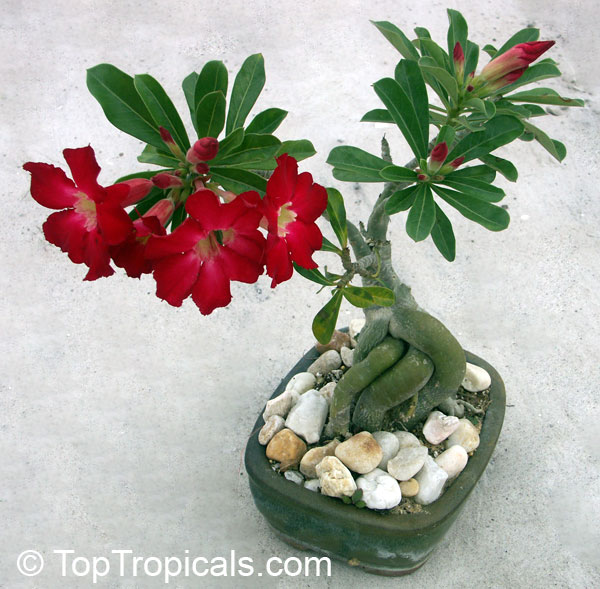
"...The famous quote is often used to imply that the names of things do not affect what they really are, in the case of The Desert Rose (Adenium obesum) it is not a rose at all, rather a succulent that thrives in hot, dry and sunny conditions. These spectacular plants have no relation to the rose family, they are a species of flowering plant from the dogbane family, Apocynaceae. The naming of this plant is partly correct as they originate in sub-Saharan Africa and the Arabian Peninsula, where they can grow into large trees with huge swollen trunks..."
Continue reading...

Date: 24 Jun 2018

Cold hardy tropical fruit trees for Luisiana

Q: I've just moved to Louisiana and have been wondering whether it would make sense to plant some tropical fruit trees in our garden. Average lows in New Orleans are 41 deg F in January and February, although we did hit 25 once with the Arctic vortex. I'm interested in litchi, longan, rambutans, and persimmons. Do you have varieties that can tolerate Louisiana's temperature range? I'd love mangosteen but I don't suppose they will survive. Do you have any suggestions on tropical fruit trees that I could try?

A: Average temperatures are for statistics only; it is actual temperatures that may hurt your cold sensitive plant. This is what you should keep in mind when starting your tropical fruit collection:
1) Ultra-tropical plants like Rambutan can not survive winters below 45-50F. However, they can be successfully grown in containers in a greenhouse or moved indoors into a sun room during cold periods.
2) Tropical plants like Litchi and Longan may take some light frost once established. Still, for areas with freeze our advice is - keep them in pots and move inside in case of cold.
3) There is a number of subtropical fruit trees that are hardy enough to take some freeze. Persimmon, Feijoa, Fig, Cattley Guava, Jujube, Kiwi, some Eugenias and others. Please refer to our Tropical Fruit Sensitivity Chart.
4) Remember that plant's ability to survive winter depends on several factors, not only temperature itself. Important factors are: wind protection (chill wind kills rather than low temperature itself), exposure, how close the tree is planted to the house, plant maturity and its overall strength and health. If a plant had received good nutrients during summer, has well established root system, planted in enclosed area protected from winds and has plenty of bright sunlight - it has better chances to survive than a weak plant in warmer conditions.
5) Use SUNSHINE plant boosters for improving cold tolerance of your tropical plant. It only takes a few drops, and only costs $5!