Date: 29 Jul 2019
When to fertilize and prune tropical fruit trees?
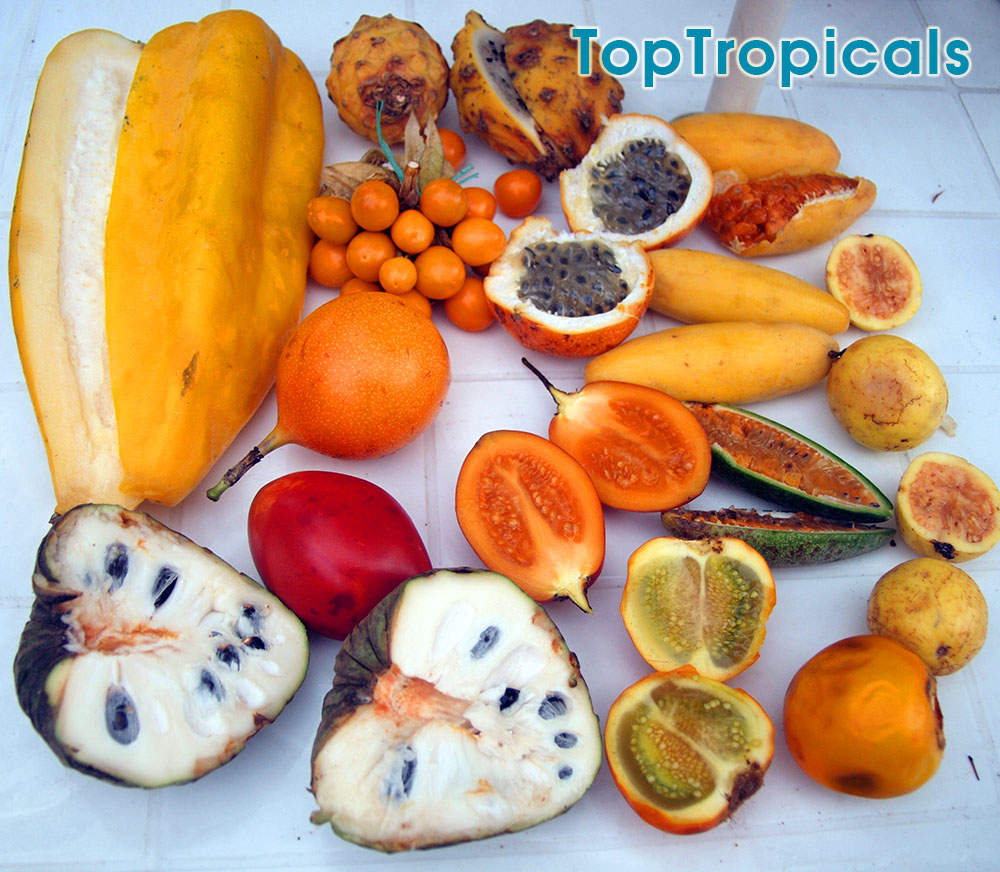
Q: Can tropical fruit trees (Soursop, Mango, Star fruit, etc) be given plant food any time of year? Also can they be trimmed this time of year/summer?
A: True tropical plants (including fruit trees) need plant food most of the year in real Tropics, where temperatures have very little fluctuations, and active growth season is close to 12 months a year. In subtropical areas when temperatures in winter drop below 65F, plant metabolism slows down, so it is recommended to fertilize only during the warmest period (March through November). So yes, Summer is the perfect time for fertilizing your trees; their metabolism is at the highest point and they can use more food!
Trim your fruit trees right after harvesting. Obviously, you don't want to prune branches before or during flowering or fruiting. The specific time of the year for pruning depends on the plant - every tree has its own flowering/fruiting season. However, avoid pruning right before winter: young shoots promoted by pruning are tender and can be cold damaged.
Recommended fertilizers for fruit trees:
Fruit Festival Plant Food - Super Crop Booster
Mango-Food - Smart Release Fruit Tree Booster
SUNSHINE-Honey - for sweeter fruit
SUNSHINE SuperFood - microelement supplement

Date: 2 May 2019
How to propagate plants from cuttings. Top (Tropicals) secrets.
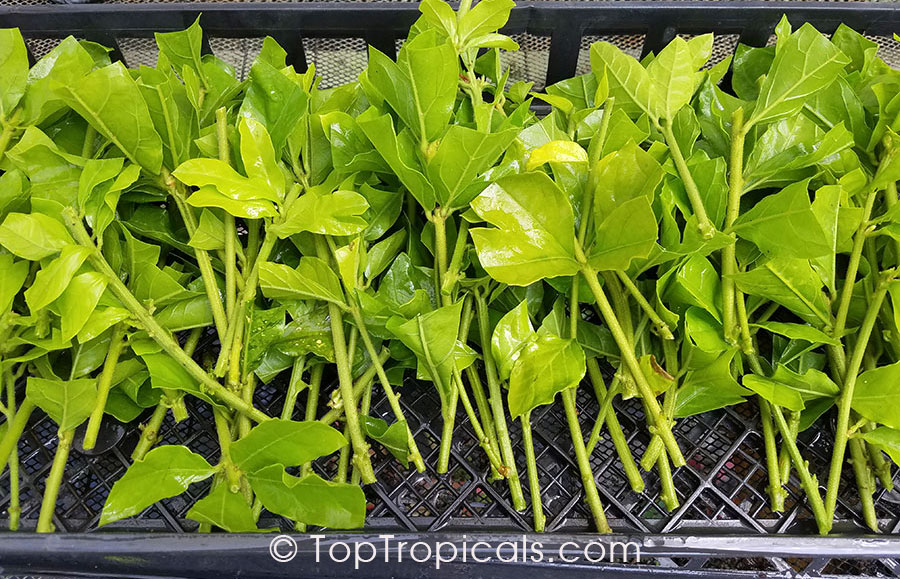
Q: After pruning my jasmine, I have so many branches and I don't have a heart to through them away, can I use them to make more plants? Please tell me what size cuttings and do I need to remove leaves? Should I just stick them in the ground? Will they root? I don't know if you will be willing to share your secrets?
A: We are always happy to know that you grow more plants, and make our World better! These are some useful tips for the propagation of tropical plants using cuttings:
- Cuttings and leaves. Use cuttings 2-5"long. Strip leaves from
the bottom. Cut larger leaves in half to reduce evaporation.
- Soak cuttings for 15-30 min in SUNSHINE solution.
- Mix. Use special well-drained mix with lots of soil conditioner: we
have a special professional propagation mix for cuttings.
- Mist. Put community pots or trays with cuttings in mist, or if you
don't have mist - cover the pot with a clear plastic bag to create a
mini-greenhouse.
- Shade. Keep propagation pots in bright shade and never allow direct
sun rays.
- Rooting hormone: yes, use it if you have it. Not only it promotes
root formation but also prevents from fungus so the cuttings won't rot. We use
Dip-N-Grow.
- Rooting and food. Check in 2-3 weeks for roots. Once you see the
little roots, begin fertilizing with a special Baby-Plant Food and make sure never exceed recommended doze otherwise
you may kill the cuttings.
- Establishing. Once roots start growing, plant in 4" pots in a well-drained potting mix and watch the beauty grow! Gradually move to
the full sun only when little plants establish and start new growth.
If you are lucky to make more rare plants than you can use, contact us, we will buy them from you or trade for your dream plants! In fact, one of our customers from many years ago started selling us baby plants that he propagated from our plants, and now has a successful business (Karma Nursery); we buy a lot of plants from him every month!
For more ideas on tropical plant propagation, see also:
- Secrets of turtle tank propagation
- 5 secrets of propagation
Date: 18 Mar 2019
Date: 12 Mar 2019
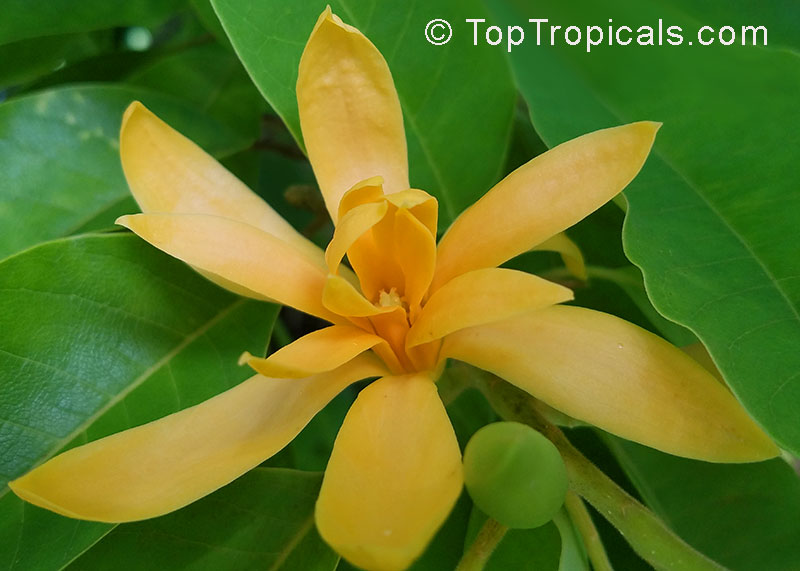
Fertilizing Ylang Ylang
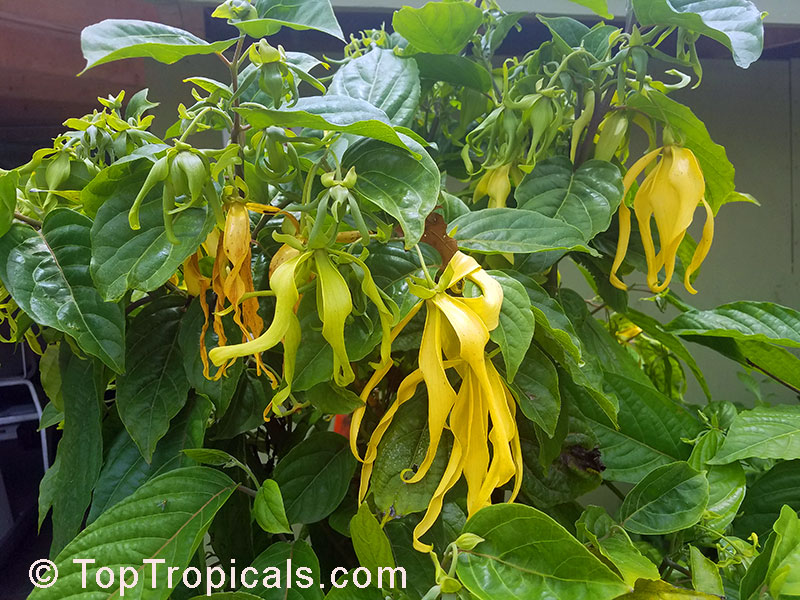
Q: What fertilizer should we be using for ylang ylang?
A: Ylang Ylang is a free-flowering tropical plant that requires regular
feeding during active growth period (March through November in Florida). We use balanced granulated fertilizer that contains micro-elements. Apply once a month 1 tsp per 1 gal of
soil. For in-ground plants, 1/2 cup once a month.
We also apply additional micro-element treat SuperFood as foliar spray which dramatically increases
growth rate and promotes flowering.
Check out our fertilizers, plant boosters, and garden supplies:

Date: 8 Mar 2019
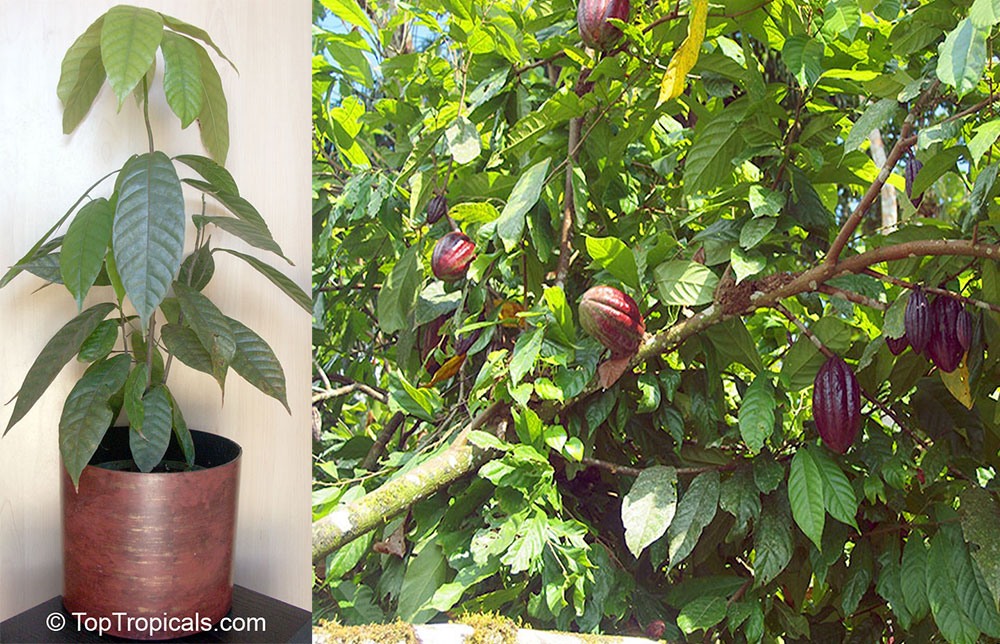
Champaca tree during Spring
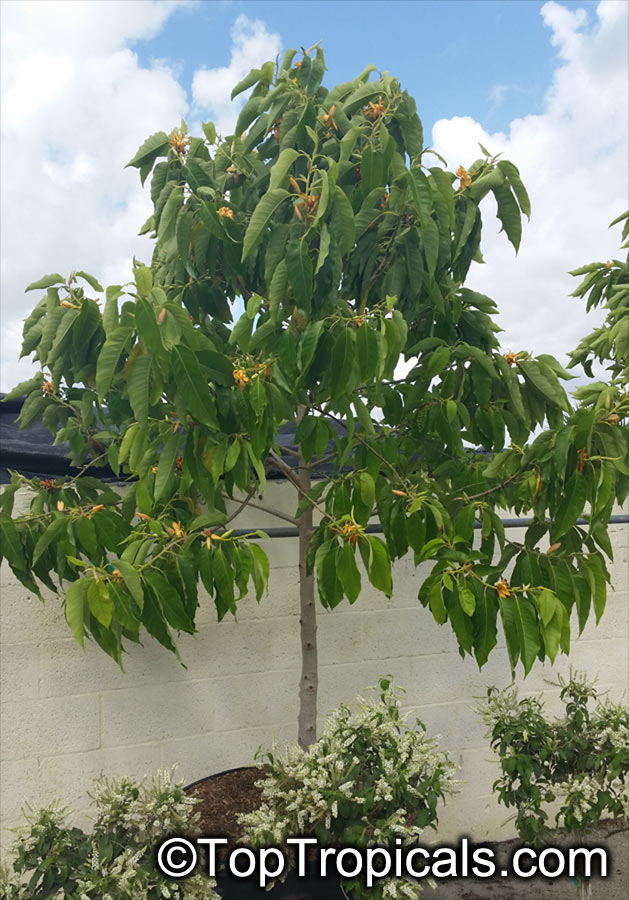
Q: The Joy Tree that I purchased from you is going fine but the leaves have brown tips that shriveled up. How can I avoid this?
A: All Magnolias prefer rich and moist soils. These are some
useful tips for growing Magnolia champaca:
- when planting in the ground, dig a big hole and replace sandy old
soil with a rich organic mix containing compost and lots of peat moss to retain
moisture.
- water daily for the first few months until the tree is
well-established and root system is large and strong.
- use a large amount of mulch around planting
- remember that during springtime (especially March through May)
champacas go through the semi-deciduous stage and lose a lot of leaves. Sometimes
the tree may start looking drying out - all the sudden, overnight. Give it a
few weeks and you will notice new light green re-leafing that will dress up
your tree when the time comes.
Check out Champaca trees: