What dos Sugar Apple look like and how does it taste?
Annona squamosa - Sugar apple
🟢 What dos Sugar Apple look like and how does it taste?
😋 Annona squamosa - Sugar apple, is considered by many to be the most delicious tropical fruit. The fruit is a true treat, with pulp that resembles creamy custard, offering a flavor experience that’s hard to beat.
🕺 This very small, compact tree is perfect for containers or small yards, making it an excellent choice for home gardeners. It starts fruiting within just three years from seed and is remarkably easy to grow and undemanding.
What is the most rewarding hardy fruit tree suitable for hot climate
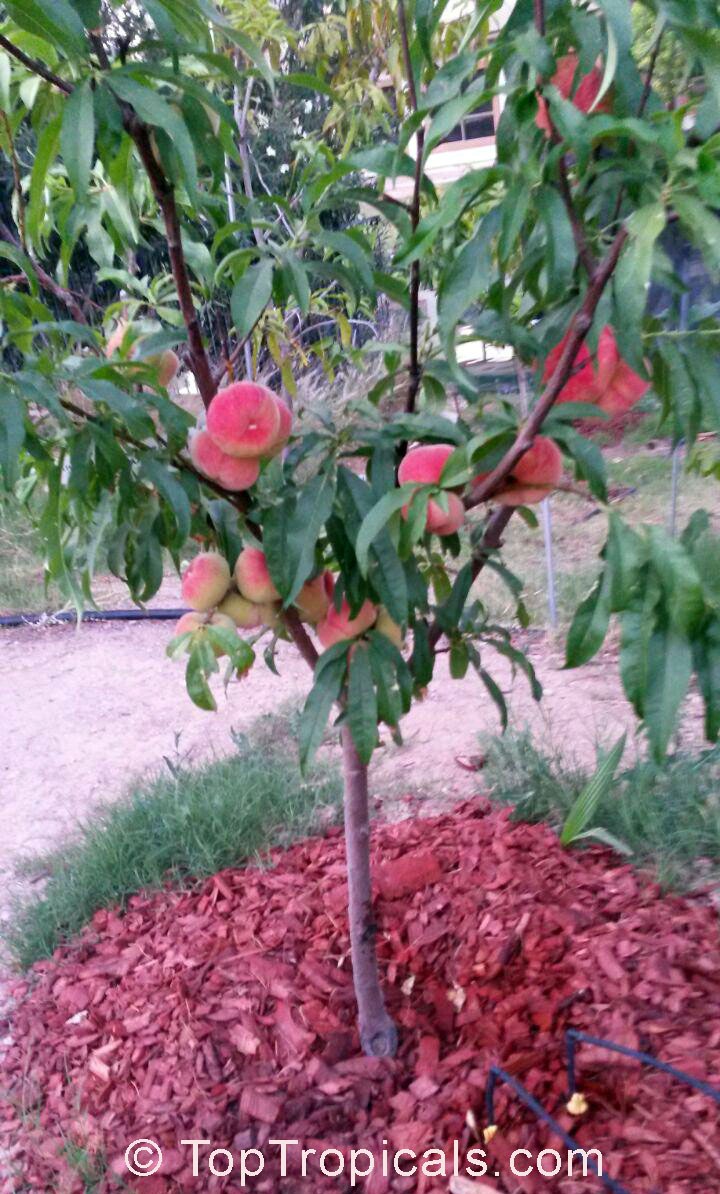
Low Chill Peach (Prunus sp.) tree
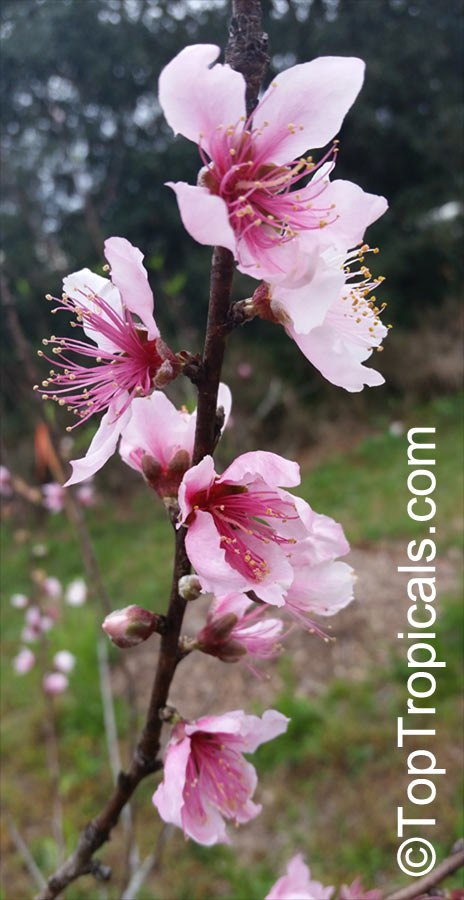
Low Chill Peach (Prunus sp.) flowers
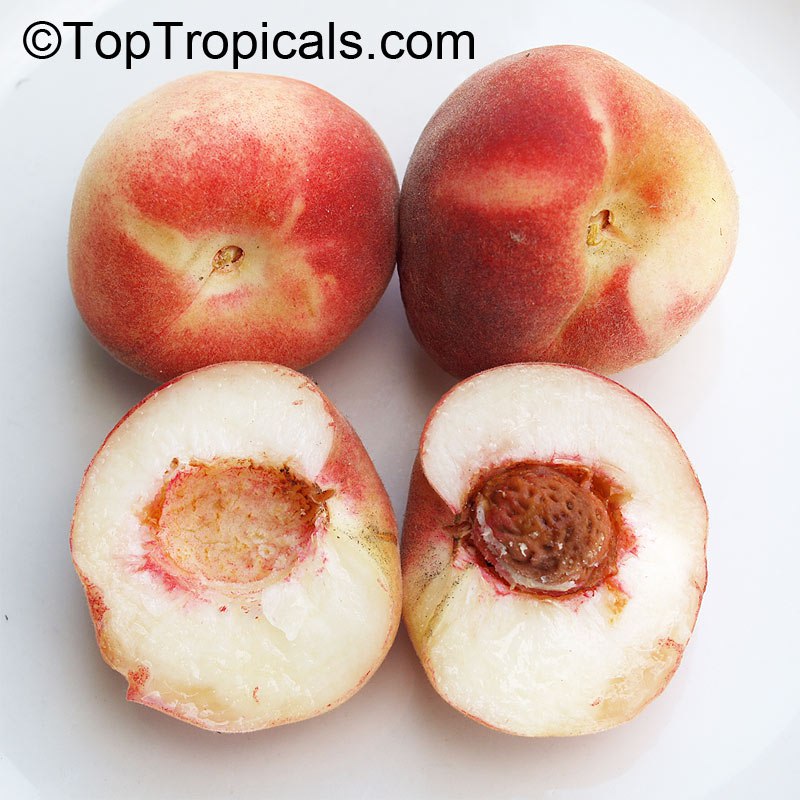
Low Chill Peach (Prunus sp.) fruit
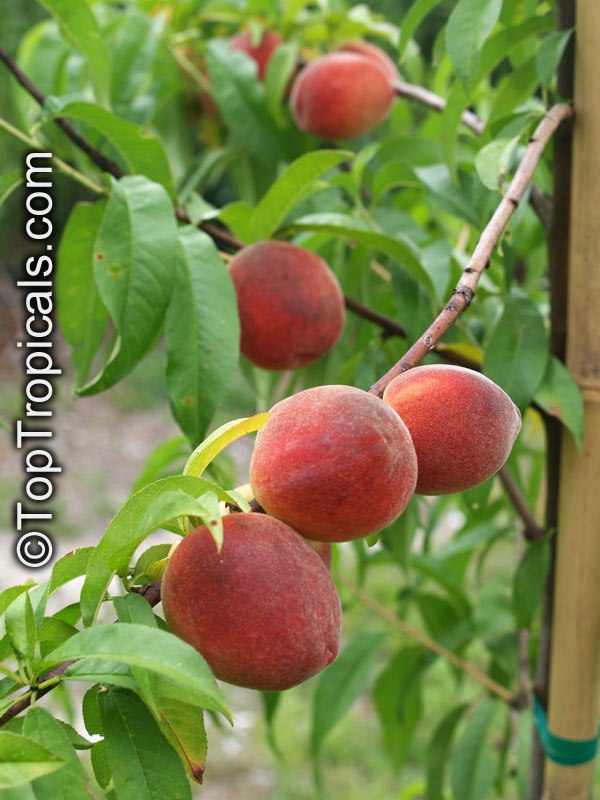
Low Chill Peach (Prunus sp.) fruit
🍑 What is the most rewarding hardy fruit tree suitable for hot climate
💬 Can I grow peaches and plums in Florida?
✅ Yes, you can grow peaches, nectarines, apricots and plums in Florida, provided you choose low-chill varieties.
🍑 These have been developed specifically for subtropical regions like Central and South Florida, where traditional temperate varieties struggle due to insufficient chill hours.
🍑 Low-chill varieties require as little as 150–300 chill hours (temperatures below 45°F) and thrive in hot climates, making them perfect for Florida' warm winters and hot summers.
🍑 These heat-tolerant fruit trees also perform well in other challenging climates, like Arizona.
🍑 While apricots generally need more chill hours than Florida's climate can provide, hybridization efforts have made peaches, nectarines, and plums reliable options for gardeners in these areas.
*Wax Plants: Hoyas are often called wax plants because of their thick, glossy leaves and waxy flowers.
*Sweet Scented Blooms: Their star-shaped flowers not only look like candy but also emit sweet, often vanilla-like or chocolatey scents, especially in the evening.
*Epiphytic Nature: Many Hoyas grow as epiphytes in their natural habitats, meaning they live on other plants or trees, getting nutrients from the air and rain.
*Longevity: Hoyas can live for decades and may even be passed down as heirlooms. Some specimens are over 100 years old!
*Nectar Drops: Their blooms produce tiny drops of nectar, a treat for pollinators (and sometimes houseplant owners).
*Hundreds of Species: There are over 500 species of Hoyas, ranging from tiny-leafed varieties to ones with massive leaves or even fuzzy foliage.
*Sun-Loving Flowers: While the plants tolerate lower light, Hoyas flower best with bright, indirect light or even some direct sun.
*Low-Maintenance: They’re perfect for forgetful gardeners since they prefer to dry out between waterings.
*Climbing or Trailing: Hoyas can either climb with the help of trellises or cascade beautifully as trailing plants.
*Flowering Age: Hoyas are patient! Some won’t bloom until they’re a few years old, but the wait is worth it.
*Resilient Peduncles: Never cut off the “flower stems” (peduncles) - Hoyas rebloom from the same spot year after year.
*Exotic Origins: Native to Asia, Australia, and the Pacific Islands, they thrive in tropical and subtropical climates.
*Lucky Charm: In some cultures, Hoyas are considered symbols of love and are gifted as housewarming or wedding presents.
🎥 Hoya calycina - Papua Sweet Scent was discovered in Papua New Guinea in 1913. The flower is very fragrant and can infuse your entire house in a beautiful lilac scent.
😍 Do you have a favorite Hoya species in mind? Share in comments!
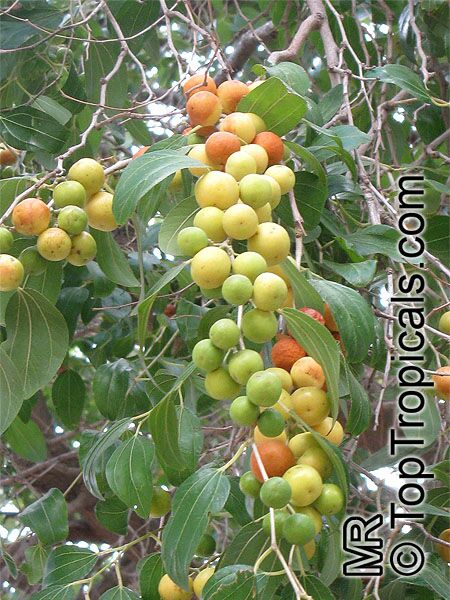
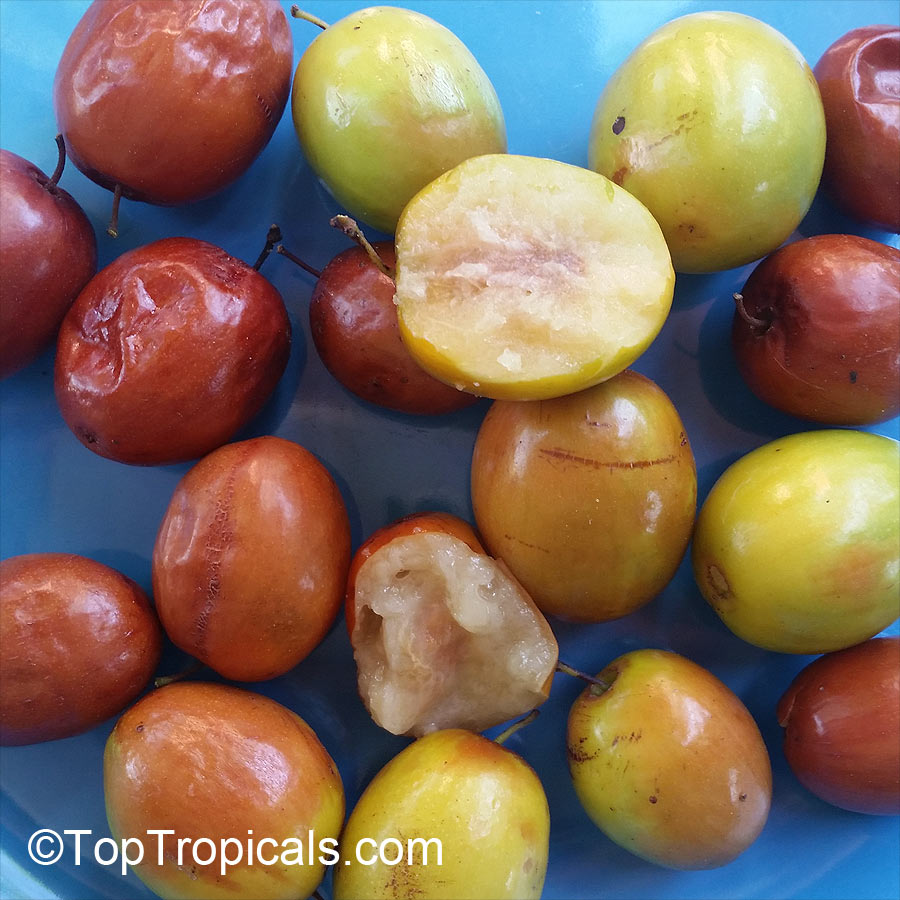
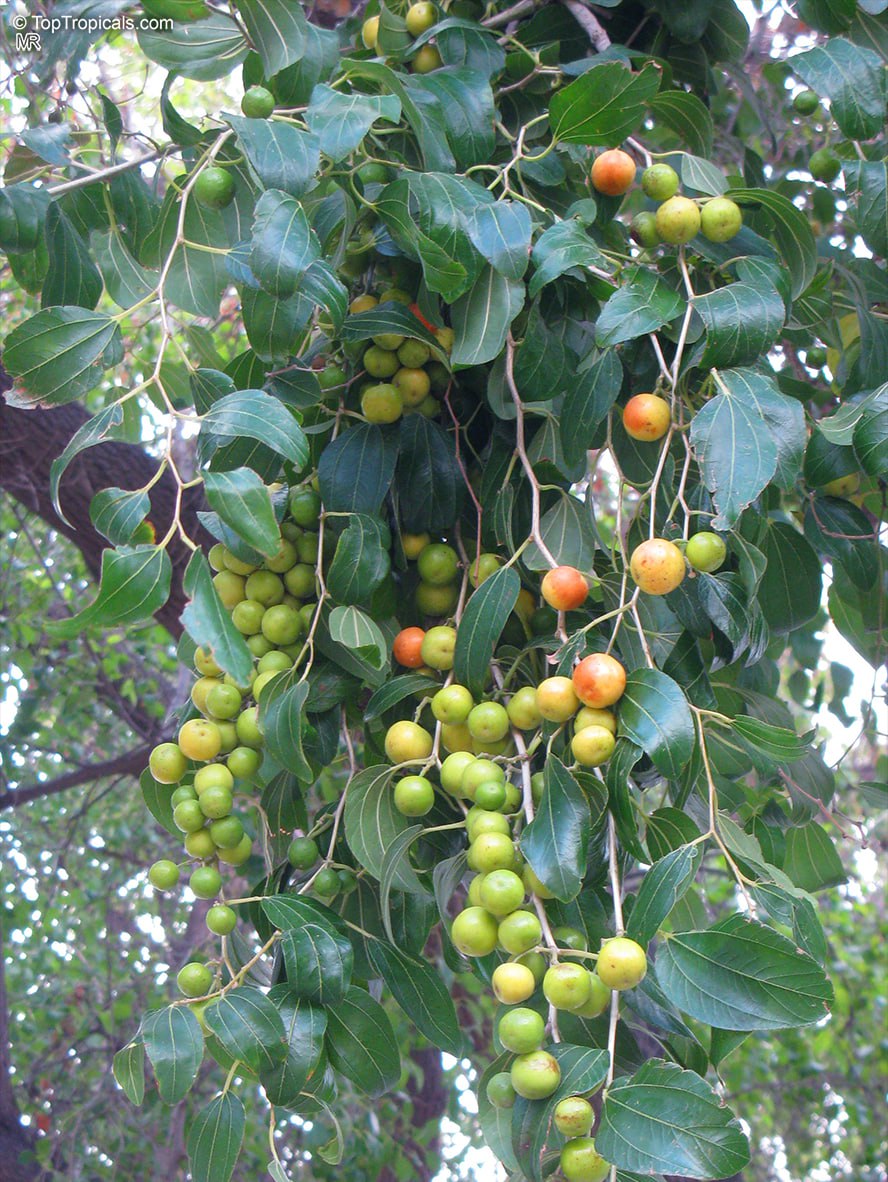
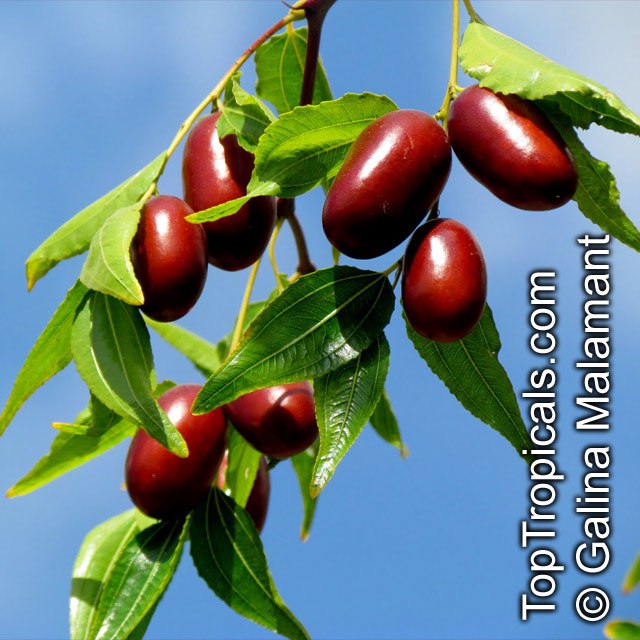
😇 Nutritious Fruit: The Jujube tree (Ziziphus jujuba) produces small, sweet, and slightly tangy fruits that are enjoyed by both children and adults.
😇 Hardy and Easy: This small, spreading tree with drooping branches grows quickly and thrives in poor, dry, and even moderately saline soils. It requires minimal care to flourish.
😇 Medicinal Uses: Every part of the Jujube tree, from its leaves to its bark and fruit, has medicinal properties. The fruit is known for its stress-relieving and immunity-boosting benefits.
😇 Thousands of Years in cultivation: Widely cultivated in China and India, jujubes have been grown for over 4,000 years. China has more jujube trees than any other type of fruit tree.
😇 Symbolism:
- The name Ziziphus comes from the Persian zizfum or Arabic zizouf.
- The tree is associated with Ziziphus spina-christi, the Christ's Thorn Jujube, which provided the thorns for the biblical crown of thorns.
- In Indian legends, the Jujube tree is said to be blessed with a boon: no matter how badly it is cut, it will never die, and a single root will cause it to regrow.
- Revered in India, the Jujube is known as the "Tree which removes sorrow" and is often offered to the god Siva.
😇 Greek Mythology: Some horticulturists draw a comparison between the Jujube tree and the Greek myth of Sisyphus. Like Sisyphus' boulder that endlessly rolls back down, the Jujube tree regrows tirelessly, symbolizing resilience, perseverance, and renewal.
🐈 This week only, we are offering rare plants at unbeatable prices - including exclusive varieties we usually never discount! Don't miss your chance to add these unique treasures to your collection at a fraction of the cost, including selected superior varieties of Avocado and Olivetrees!
🐶 But hurry, these deals won't last long! Check out our Cyber Deals to see which rare finds are available for Cyber Monday Week only, while supplies last. Plus, enjoy free and discounted shipping to sweeten the deal!